19 Cottage Cheese Cake Recipes Packed with Protein
Cake and protein rarely belong in the same sentence without someone rolling their eyes. But hear me out — cottage cheese cake recipes are genuinely changing the way home bakers think about dessert. Not because they taste like a gym supplement disguised as a birthday cake, but because when you blend cottage cheese into a batter or filling, something surprisingly delicious happens.
I started messing around with cottage cheese in baking after my trainer mentioned it as a swap for cream cheese. The first attempt was a lumpy disaster, I’ll be honest. But once I figured out the trick — always blend it smooth before using it — the results were genuinely impressive. Creamy texture, extra moisture, a subtle tang, and a protein boost that makes eating a second slice feel a tiny bit more justifiable.
This roundup collects 19 of the best cottage cheese cake recipes out there, covering everything from no-bake cheesecake-style slices to layered birthday cakes and quick snack loaves. Whatever kind of baker you are, there’s something here that’ll make you reach for that tub of cottage cheese the next time you want something sweet.
Why Cottage Cheese Works So Well in Cakes
Before you scroll straight to the recipes, it’s worth understanding why cottage cheese has become such a popular baking ingredient. Full-fat cottage cheese contains roughly 11–14 grams of protein per half cup, which is significantly more than regular cream cheese or sour cream. That protein content supports the structure of your cake while also adding creaminess without the heavy fat load.
According to research on the nutritional profile of cottage cheese via Healthline, it’s also rich in calcium, B vitamins, and phosphorus — making it one of the more nutritionally complete dairy ingredients you can use in baking. You’re not just swapping for the macros; you’re genuinely upgrading the ingredient list.
The texture question is where most people hesitate. Cottage cheese has that signature lumpy, curd-heavy consistency that sounds like the last thing you want in a cake batter. But blended smooth — a high-powered countertop blender like this one takes about 30 seconds to do the job — it becomes silky and pourable, almost like a thick cream. You’d never know it started in a plastic tub.
IMO, the flavor advantage is just as significant as the nutritional one. Cottage cheese brings a gentle tang that cuts through sweetness beautifully, similar to cream cheese but lighter. It keeps cakes moist for days longer than all-butter versions, and it plays well with vanilla, lemon, berry, and chocolate profiles equally.
Always blend your cottage cheese to a completely smooth consistency before adding it to any batter. Even 20 seconds in a blender or food processor eliminates curds and gives you that silky texture that makes these cakes work.
The 19 Best Cottage Cheese Cake Recipes
1. Classic Cottage Cheese Cheesecake
This is the one that converts skeptics. Using full-fat cottage cheese blended with eggs, a touch of honey, and vanilla extract, you build a filling that bakes into something genuinely luxurious. It’s denser than a New York-style cheesecake but has a cleaner finish. Pour it into a springform pan with a non-stick coating and you’ll get clean slices every time. Get Full Recipe
2. Lemon Cottage Cheese Pound Cake
Pound cake and cottage cheese were made for each other. The richness of a traditional pound cake gets a lighter, brighter lift from blended cottage cheese, and the lemon zest ties everything together. This recipe replaces nearly half the butter with cottage cheese and you genuinely cannot tell — it’s still dense, golden, and completely satisfying. If you love lemon desserts, you’ll want to keep these bright, fresh lemon cake recipes bookmarked too.
3. Banana Cottage Cheese Snack Cake
Those overripe bananas on your counter? They have a higher calling. This snack cake blends cottage cheese with mashed banana, oat flour, and a small amount of maple syrup for a loaf-style cake that hits around 8 grams of protein per slice. It’s the kind of thing you can eat for breakfast and not feel weird about. Pair it with one of these ripe banana cake recipes for even more variation on the theme.
4. Chocolate Protein Cottage Cheese Cake
Rich, fudgy, and unexpectedly protein-packed. This version blends cottage cheese with dark cocoa powder, eggs, almond flour, and a sweetener of your choice. The result is somewhere between a brownie and a chocolate cake — deeply satisfying without the sugar crash. I use a silicone square baking pan that releases without prying or sticking, which matters a lot with moister batters like this one.
5. No-Bake Cottage Cheese Cheesecake Cups
No oven, no fuss, and they’re ready in under 20 minutes of active time. You blend cottage cheese with cream cheese, lemon juice, and a touch of vanilla, pour it over a crushed graham cracker base in individual cups or jars, and refrigerate until set. These are perfect for meal prep — they keep beautifully for four days in the fridge and you can top them differently each day to keep things interesting.
6. Carrot Cottage Cheese Cake with Cream Cheese Frosting
Carrot cake already tends toward the moist and dense — adding cottage cheese to the batter pushes it even further in that direction. The blended cottage cheese replaces some of the oil and adds protein without changing the beloved flavor profile. Top it with a classic cream cheese frosting and nobody at your table will be asking about macros. If you’re exploring carrot cake territory, these carrot cake recipes that stay moist are worth a look. Get Full Recipe
7. Strawberry Cottage Cheese Layer Cake
Fresh strawberries and cottage cheese are a genuinely underrated pairing. The slight tartness of the cheese brings out the brightness of the fruit, and when you layer this between vanilla sponge rounds, the effect is something reminiscent of a European-style cream cake. Light, fresh, and worth every step. Speaking of strawberry inspiration, these strawberry cake recipes for spring cover even more flavor directions.
8. Vanilla Cottage Cheese Sheet Cake
Sheet cakes are the workhorses of the baking world — low effort, high yield, crowd-ready. This vanilla version uses blended cottage cheese in the batter for added protein and moisture, then tops it with a simple vanilla buttercream. It feeds a crowd easily and reheats well the next day. For entertaining ideas, these sheet pan cake recipes for easy serving are full of options.
9. Ricotta-Style Cottage Cheese Coffee Cake
Cottage cheese and ricotta are close cousins in terms of texture and function, and this recipe leans into that relationship. The crumb topping gets pleasantly crunchy in a ceramic baking dish that distributes heat evenly and looks good going straight to the table. The filling layer uses blended cottage cheese with cinnamon, brown sugar, and walnuts — it bakes into something almost custard-like at the center.
10. Blueberry Cottage Cheese Bundt Cake
Bundt cakes live and die by their moisture level, and cottage cheese is genuinely the secret weapon here. Fresh or frozen blueberries distribute through the batter and burst during baking, leaving jammy pockets throughout the crumb. A simple lemon glaze over the top finishes it off. Worth every minute.
11. High-Protein Birthday Cake with Cottage Cheese Frosting
Yes, you can make a full birthday cake that leads with protein without sacrificing the celebration. This recipe blends cottage cheese into both the sponge and a whipped frosting base, yielding a lighter-textured layer cake that actually holds its shape when sliced. Each slice delivers roughly 12 grams of protein — significantly more than a standard frosted layer cake. For birthday decorating inspo, these kids’ birthday cake ideas are worth bookmarking.
12. Almond Cottage Cheese Flourless Cake
Flourless cakes tend to rely on eggs and fat for their structure, but swapping a portion of butter for blended cottage cheese keeps this one from feeling too heavy. Ground almonds give it a slightly rustic, European texture. It’s gluten-free naturally, which means it works for a wider table. A good digital kitchen scale makes the almond-to-cottage-cheese ratio straightforward to hit every time.
13. Cottage Cheese Cheesecake Bars
Everything you love about cheesecake, in portable bar form. A pressed oat-and-date base, a smooth cottage cheese filling spiked with vanilla and just enough sweetener, and a layer of jam or fresh fruit on top. These store well in the freezer, which makes them an excellent make-ahead option for parties or weekly snacking. Get Full Recipe
14. Pineapple Upside-Down Cottage Cheese Cake
The caramelized pineapple and cherry topping that defines this classic gets all the spotlight it deserves here. The cake base, enriched with cottage cheese, turns out moister than the usual butter-only version. The tropical vibe works equally well for summer parties and weeknight treats. FYI, these upside-down cake recipes with fruit cover a whole range of seasonal fruit options.
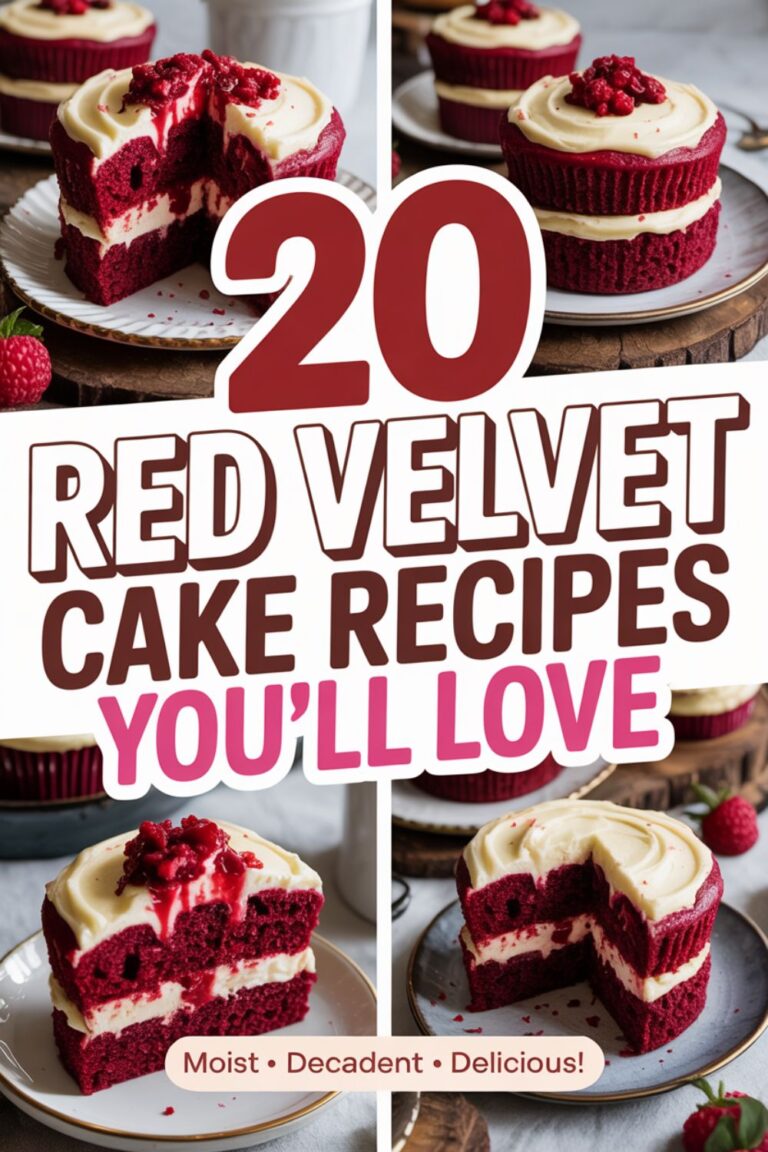
15. Red Velvet Cottage Cheese Cake
Red velvet is all about that crimson crumb paired with a tangy cream cheese flavor — and cottage cheese actually nails the tang element brilliantly. Blended into the batter alongside buttermilk, it deepens the flavor profile without any overly noticeable difference in texture. Top it with cream cheese frosting and you have a show-stopping cake that happens to have better macros than the original.
16. Apple Cinnamon Cottage Cheese Snack Cake
Fall baking in its most satisfying form. Diced apples, warm cinnamon, and a batter built on blended cottage cheese come together in a single-layer snack cake that pairs perfectly with coffee. The cottage cheese keeps it tender for days — no dry edges, no staling by Tuesday. I always make this one in a standard 9×13 glass baking dish that goes straight from oven to table without a second pan.
17. Coconut Cottage Cheese Cake with Toasted Coconut
Tropical, slightly chewy at the edges, and packed with coconut flavor from both shredded coconut in the batter and toasted flakes pressed into the frosting. Cottage cheese keeps the interior remarkably moist and adds a protein base that makes this feel more substantial than a typical coconut layer cake. Highly recommend serving it slightly chilled.
To get more protein from your cottage cheese cake without changing the recipe, use full-fat cottage cheese rather than low-fat. Full-fat blends smoother and delivers a richer crumb — and the protein content is essentially the same.
18. Cottage Cheese Marble Cake
Two batters — one vanilla, one chocolate — swirled together in a loaf or bundt pan. Both use blended cottage cheese as the base dairy ingredient, giving each swirl the same creamy texture with wildly different flavors. It looks stunning when sliced and it genuinely could not be simpler to put together. A good offset spatula helps you create clean swirl lines without overblending the batters.
19. Cottage Cheese Mousse Cake (No-Bake)
The most impressive entry on this list, and arguably the easiest. A layer of crushed digestive biscuits forms the base, then a whipped mixture of blended cottage cheese, lemon juice, gelatin, and honey sets on top into a silky, mousse-like layer. Chill it for four hours, unmold it, and it looks like something from a patisserie window. This recipe regularly surprises guests who assume it took all day to make. It didn’t.
Baking Essentials for These Recipes
These are the tools and resources I actually use when making cottage cheese cakes. Nothing fancy, nothing unnecessary — just the stuff that makes the process smoother.
Physical Tools Worth Having
- A high-powered countertop blender — Non-negotiable for getting cottage cheese completely smooth. A regular blender takes three times as long and still leaves curds. This one handles it in under a minute.
- A non-stick springform pan (9-inch) — Cheesecake-style cottage cheese cakes need a springform. A good non-stick coating means clean sides every time, no parchment paper engineering required.
- A digital kitchen scale — Cottage cheese baking benefits enormously from gram-accurate measurements, especially for flour and cheese quantities. Measuring cups introduce too much variation.
Digital Resources
- High-Protein Baking Guide (PDF) — A downloadable breakdown of how to substitute cottage cheese, Greek yogurt, and ricotta across common baking recipes. Includes protein count comparisons.
- Macro-Friendly Dessert Recipe Collection (Digital Ebook) — 40 recipes covering cakes, bars, and cookies built around protein-rich dairy ingredients. Great starting point if you’re just getting into this style of baking.
- Private Baking Community (WhatsApp Group) — A small, active group where members share variations, ask questions, and post weekly bake photos. DM to request an invite link.
Getting the Most Protein Out of Your Cottage Cheese Cakes
Not all cottage cheese is created equal when it comes to protein content. Full-fat cottage cheese typically runs around 11–13 grams per half cup, while low-fat versions often deliver 14–16 grams due to the reduced fat and higher relative protein concentration. Either works for baking, but if you’re actively chasing protein goals, low-fat cottage cheese in a blended batter gives you a slight edge.
For comparison, traditional cheesecake filling using cream cheese delivers roughly 2–3 grams of protein per slice. A cottage cheese version of the same recipe can reach 8–14 grams per slice depending on the recipe, which is a meaningful difference if you’re watching your intake. According to research on dietary protein and satiety from the National Institutes of Health, higher-protein foods support fullness more effectively — which, honestly, is useful when you’re working with dessert.
Beyond the protein math, the technique matters. Always blend before using. Always let your blended cottage cheese come to room temperature before mixing it into a batter — cold dairy can shock the eggs and cause uneven mixing. And don’t be tempted to skip chilling time on no-bake recipes. That patience gets you the clean slices worth photographing.
Tools That Make Cottage Cheese Baking Easier
A few extras that make a real difference — especially if you’re baking these regularly.
In the Kitchen
- A silicone spatula set — Blended cottage cheese is sticky and clings to blender walls. A good flexible silicone spatula gets every last gram out. These also work for folding batter without deflating it.
- Parchment paper sheets (pre-cut) — Pre-cut sheets save the fumbling and tearing that comes with rolls. Line your pan bases for easy release, especially on denser cottage cheese cakes.
- A fine mesh strainer — If you’re ever in a hurry and blending isn’t an option, pressing cottage cheese through a fine strainer removes most of the curds. Not as smooth as blending, but it works in a pinch.
Digital Resources
- Protein Baking Calculator (Spreadsheet Template) — Plug in your recipe ingredients and get a per-slice macro breakdown automatically. Useful for anyone tracking intake or baking for clients.
- Seasonal Healthy Baking Planner (PDF) — Organized by season and occasion, this planner maps out which recipes work best when and includes a shopping list generator.
- Weekly Baking Accountability Community (WhatsApp) — Share what you made, get feedback, and stay motivated. A genuinely warm group of home bakers who take both flavor and nutrition seriously.
Frequently Asked Questions
Can you taste the cottage cheese in a cake?
When blended smooth, cottage cheese adds a subtle tang that actually enhances most cake recipes rather than standing out on its own. In chocolate or spiced cakes, you won’t notice any dairy flavor at all. In lighter vanilla or lemon cakes, it contributes a pleasant, creamy undertone that most people enjoy without being able to identify the source.
What can I substitute for cottage cheese in these recipes?
Ricotta is the closest substitute in terms of texture and protein content. Greek yogurt works well in snack cakes and loaves but can make cheesecake-style fillings slightly too tangy. Cream cheese is the classic alternative but delivers significantly less protein. For a dairy-free option, blended silken tofu comes surprisingly close to the texture of blended cottage cheese, though the flavor profile changes.
Does cottage cheese change the texture of a cake?
It actually improves it in most cases. Cottage cheese adds moisture that keeps cakes from drying out, and the protein structure supports a slightly denser, more satisfying crumb. Cheesecake-style recipes become creamier, and loaf cakes stay tender for longer than their all-butter equivalents. The key is always blending it smooth first.
How much protein does a cottage cheese cake typically have per slice?
It varies widely by recipe, but a standard slice of cottage cheese cheesecake delivers around 8–14 grams of protein, compared to 2–4 grams in a traditional cream cheese cheesecake. Snack cakes and loaves using cottage cheese alongside eggs and oat or almond flour typically land around 6–10 grams per serving. The more cottage cheese in the recipe relative to other ingredients, the higher the protein count.
Can cottage cheese cake recipes be made ahead and frozen?
Yes — most of these recipes freeze very well. Cheesecake-style cakes and bars freeze best when sliced individually and wrapped in parchment before storing. No-bake versions are the exception; the mousse texture can become grainy after thawing. Baked snack cakes and loaves freeze and reheat beautifully and often taste even better the day after thawing.
The Bottom Line
Cottage cheese cake recipes deserve way more attention than they get. The protein boost is real, the texture improvements are genuine, and the flavor — once you’ve blended that cottage cheese into something smooth and creamy — is everything you want from a proper cake.
Whether you start with the no-bake cheesecake cups because you’re short on time, or commit to the full mousse cake because you want to impress someone, the technique translates across all 19 recipes here. Blend it smooth, use room temperature ingredients, and let the chilled recipes set fully before you cut in. That’s really all it takes.
These aren’t compromise desserts. They’re cakes that happen to have a better nutritional story than most — and that’s a story worth telling at every table. Pick one and bake it this week. Your future self will be glad you did.