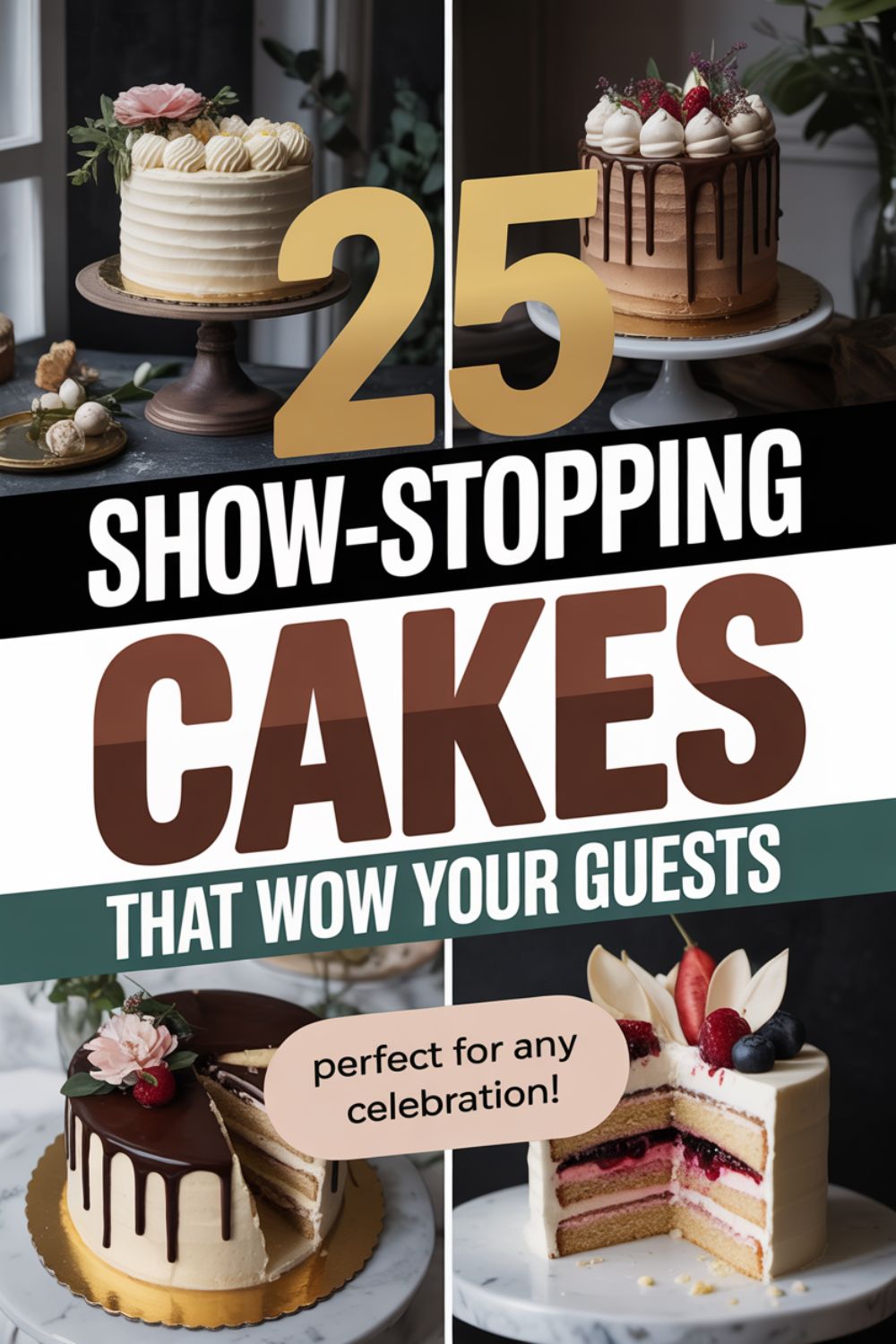
25 Show-Stopping Cakes That Will Wow Your Guests
Look, I’ve been to enough parties where someone brings out a sad, deflated grocery store cake with wonky letters that spell “Hapy Birhtday.” We’ve all been there, right? But here’s the thing—making a cake that actually makes people gasp (in a good way) isn’t some mystical skill reserved for fancy pastry chefs with Instagram-perfect kitchens.
I’m talking about those cakes that make everyone pull out their phones before even thinking about cutting into them. The kind that sits on your counter and whispers, “Yeah, I made that” every time you walk past. Trust me, once you nail a few of these techniques, you’ll become that person everyone begs to bring dessert to gatherings.
Why Some Cakes Just Hit Different
Ever wonder why certain cakes just look… expensive? It’s not always about fancy ingredients or hours of labor. Sometimes it’s the small details that separate “nice homemade cake” from “holy cow, where did you order this?”
The secret sauce (or should I say frosting?) is actually knowing which tricks give you the most bang for your buck. I’m talking about professional techniques that sound complicated but are surprisingly doable once you get the hang of them.
Here’s what I’ve learned after making more failed cakes than I’d like to admit: presentation matters just as much as taste. You could bake the most delicious chocolate cake in the world, but if it looks like it went through a car wash, people won’t be lining up for seconds.
The Classics That Never Disappoint
1. Triple-Layer Chocolate Dream Cake
Let’s start with the heavyweight champion of cakes. There’s something about a tall chocolate cake that just commands respect. I’m not talking about a measly two-layer situation—we’re going three layers minimum here, folks.
The key is keeping those layers moist (yeah, I know, everyone hates that word, but it’s accurate). You’ll want to brush each layer with a simple syrup before frosting. Sounds fancy, but it’s literally just sugar and water boiled together. If you’re looking for more chocolate inspiration, these classic chocolate chip cookie recipes use similar flavor profiles. Get Full Recipe.
For the frosting, I’m obsessed with using a offset spatula instead of a regular butter knife. The angled blade lets you get that bakery-smooth finish without feeling like you’re fighting the frosting every step of the way.
2. Lemon Elderflower Elegance
This one’s for when you want to look sophisticated without actually being sophisticated. The combo of tart lemon and floral elderflower screams “I have my life together” even if you’re stress-baking at 11 PM in your pajamas.
IMO, the trick here is not going overboard with the elderflower. A little goes a long way, and you don’t want your cake tasting like potpourri. Trust me on this—I learned the hard way when Aunt Linda politely asked if I’d “perfumed” the dessert.
Top it with candied lemon slices (just simmer lemon rounds in sugar syrup until they’re translucent), and suddenly you’re a culinary genius. For the crumb coat, I swear by using a cake turntable—makes the whole process feel less like manual labor and more like actual decorating.
“I made this lemon cake for my daughter’s bridal shower and people literally asked if I ordered it from a professional bakery. Best compliment ever!” – Sarah M.
3. Red Velvet with Cream Cheese Perfection
Red velvet is one of those cakes that looks impressive but is actually pretty forgiving. The vibrant color does half the work for you. Just make sure you’re using real cocoa powder and enough food coloring to get that signature crimson hue.
The cream cheese frosting is where people usually mess up. You want it soft enough to spread but firm enough to hold its shape. Room temperature ingredients are your best friend here—cold cream cheese will give you lumpy frosting faster than you can say “Pinterest fail.”
For anyone who loves a good red velvet, you might also enjoy these soft and chewy cookies that have that same melt-in-your-mouth quality.
Showstopper Techniques That Look Harder Than They Are
4. Naked Cake Vibes
Okay, naked cakes are basically the mullet of the dessert world—intentionally undone but somehow still classy. You’re leaving the sides partially exposed, which means less frosting work for you and more rustic charm for everyone else.
The secret? Your cake layers need to be perfectly level. When you’re not hiding everything under frosting, any wonkiness shows. I use a cake leveler for this, but a serrated knife works if you’ve got a steady hand (spoiler: I don’t).
Pile fresh fruit and edible flowers on top, and boom—instant artisan bakery aesthetic. According to King Arthur Baking, proper leveling is one of the most critical steps for a professional-looking cake.
5. Drip Cake Mastery
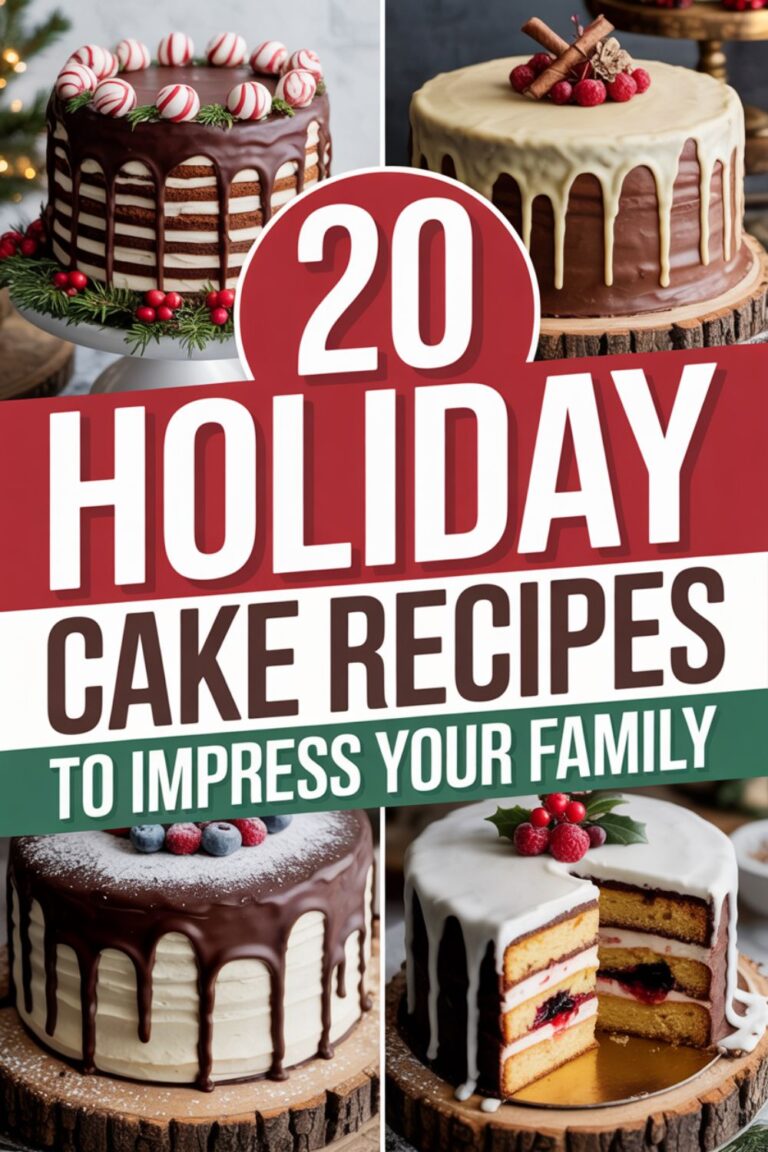
Drip cakes had their moment on Instagram a few years back, but they’re still crowd-pleasers. The trick is getting your ganache to the right consistency—too thick and it won’t drip, too thin and it’ll run all the way down like a chocolate waterfall gone wrong.
Test your ganache on a glass first before committing to the cake. Pipe it around the edge, then use a bench scraper to spread the excess across the top. Looks intentional, hides any weird spots on your frosting job.
Want more creative topping ideas? Check out these drop cookie recipes for inspiration on mixing textures and flavors.
Speaking of creative techniques, you might also love these no-bake treats or these simple 5-ingredient desserts for when you want something impressive without the full commitment.
6. Ombre Buttercream Beauty
This one’s all about patience and color theory. You’re gradually transitioning from one shade to another, which sounds complicated but is actually just… frosting in stripes and smoothing.
Divide your frosting into bowls and add progressively more food coloring to each. Start with the darkest shade at the bottom, pipe horizontal stripes of each color up the sides, then smooth with your scraper. The colors blend together naturally, and you look like you went to pastry school.
Flavor Combinations That Slap
7. Salted Caramel Everything
Salted caramel is the basic girl of cake flavors, but you know what? Basic works for a reason. The sweet-salty combo is literally science—it makes our brains release happy chemicals or something. Don’t quote me on the neuroscience, but I know it tastes good.
Make your own caramel sauce (it’s easier than you think—just watch it like a hawk so it doesn’t burn), add a hefty pinch of flaky sea salt, and drizzle it between layers and over the top. I like to use silicone baking mats under everything because caramel cleanup is nobody’s idea of a good time.
8. Cookies and Cream Chaos
This is what happens when you stop pretending to be sophisticated and just embrace what makes you happy. Crushed Oreos in the batter, Oreos in the frosting, whole Oreos on top. It’s excessive, it’s delicious, it’s perfect.
For a similar indulgent vibe, try these easy cookie recipes you can bake tonight. Get Full Recipe.
The genius move here is using dark chocolate cake as your base instead of vanilla. It makes the white cookie cream pop visually and adds depth to the flavor. Plus, it’s harder to see crumbs when you’re frosting, which is honestly half the battle.
9. Pistachio Rose Romance
Okay, stay with me on this one. I know pistachio and rose sounds like something from a fancy Middle Eastern bakery (it is), but it’s actually not that hard to pull off at home.
Grind up pistachios fine (a food processor is clutch here) and fold them into your batter. Add a touch of rose water to your frosting—and I mean a TOUCH. Rose water is intense, and you want “delicate floral notes,” not “eating grandma’s soap.”
Garnish with crushed pistachios and dried rose petals. Suddenly you’re the person who brings “interesting” desserts to parties, which is a weird flex but we’ll take it.
When You Want to Get Really Fancy
10. Mirror Glaze Magic
Mirror glaze cakes look like they belong in a museum, not your kitchen. That impossibly smooth, reflective surface seems like it requires a degree in food science, but it’s mostly just timing and temperature.
The glaze needs to be exactly 90-95°F when you pour it. Too hot and it’ll melt your frosting underneath, too cold and it won’t flow smoothly. Get yourself a digital thermometer and take the guesswork out of it.
Pour the glaze over a frozen cake (yes, frozen—this is crucial) in one smooth motion. Let it drip down naturally. Don’t touch it, don’t fix it, just let physics do its thing. According to baking experts, temperature control is everything when working with mirror glazes.
11. Geode Cake Glamour
These look like you cracked open a cake and found crystals inside, which is both weird and mesmerizing. You’re basically creating a cavity in the side of your cake and filling it with rock candy or sugar crystals.
The actual technique isn’t that hard—cut out a section after frosting, fill with crystals (you can buy them or make your own), and edge with royal icing to make it look intentional. I use edible gold luster dust to make the edges shimmer because if you’re going this extra, might as well go all the way.
12. Watercolor Wash Wonder
This technique makes your cake look like abstract art. Mix gel food coloring with vodka or clear extract (the alcohol evaporates quickly and won’t make your frosting soggy) and paint it onto white buttercream with a food-safe brush.
Don’t overthink the design—literally just swirl colors around and let them blend. The imperfection is the point. It’s like the Bob Ross of cake decorating: there are no mistakes, only happy little accidents.
Occasion-Specific Showstoppers
13. Wedding-Worthy White Tier Cake
Multi-tiered cakes are the final boss of cake decorating. You need dowels, you need math, you need patience. But FYI, the payoff is worth it when people assume you hired a professional.
The key is making sure each tier is properly supported. I use plastic dowels because they’re cheap and sturdy. Measure, cut to height, and insert them into the bottom tiers before stacking. This isn’t the time to wing it—structural failure at a wedding is nobody’s idea of a good time.
For simpler sweet treats that still impress, these cookie bars baked in one pan are clutch.
14. Birthday Blast Rainbow Cake
Rainbow cakes are having a moment, and honestly, who doesn’t love cutting into a cake and finding surprise colors inside? Kids lose their minds over this, and adults pretend to be mature but are equally thrilled.
Divide your batter into six bowls, dye each a different color of the rainbow, and layer them up. The trick is keeping the layers distinct—let each one cool completely before adding the next, or you’ll get muddy colors that look more “tie-dye accident” than “vibrant rainbow.”
15. Baby Shower Pastel Perfection
Pastel cakes are all about that soft, dreamy aesthetic. Think blush pink, baby blue, mint green—colors that whisper instead of shout. According to research on proper cake storage from The Kitchn, delicate buttercream colors hold up better when stored correctly.
Use an airbrush kit if you really want to level up. You can create gradient effects and subtle color changes that are impossible to achieve with spatulas alone. Plus, you’ll feel like a cake artist instead of just someone who bakes.
Top with sugar flowers or macarons for that extra Pinterest-mom energy. No judgment—we’re all trying to impress people on some level.
Texture and Decoration Elements
16. Buttercream Flower Garden
Piping flowers sounds intimidating, but start with basic roses and you’ll be shocked at how quickly you improve. You need a flower nail and petal tips, then it’s just practice, practice, practice.
Make a bunch of flowers on parchment squares, freeze them, then transfer to your cake when you’re ready. This way you’re not trying to pipe directly onto the cake and having a meltdown when the third rose looks like a blob.
If you enjoy working with different textures, these vegan cookies and gluten-free cookies offer similar creative satisfaction.
17. Textured Buttercream Rustic Finish
Not everyone wants perfectly smooth cakes. Sometimes you want that homemade, rustic vibe that says “I made this with love and didn’t stress about perfection.” Use a palette knife to create swoops and peaks in your frosting.
The best part? Imperfections are literally the point. Messy is the goal. It’s like the cake equivalent of “I woke up like this” but actually believable.
18. Fondant Fantasy Creations
Fondant gets a bad rap for tasting like sweet Play-Doh, and honestly, fair. But it does create impossibly smooth finishes and lets you sculpt details that buttercream can’t touch.
If you’re going the fondant route, invest in a fondant smoother and cornstarch for dusting. Roll it out evenly, drape it over your cake, and smooth from top to bottom. Cut away excess with a pizza cutter (seriously—it’s the best tool for this).
“I was terrified of fondant until I tried it for my son’s superhero cake. Once you get the technique down, it’s actually therapeutic!” – Marcus T.
Flavor Forward Innovations
19. Earl Grey Lavender Sophistication
This is the cake you make when you want people to think you’re more cultured than you actually are. Steep Earl Grey tea in your milk before adding it to the batter, and fold in dried lavender (culinary grade, not from your garden).
The result is subtle, floral, and makes you feel like you should be hosting an English garden party instead of scrolling TikTok in your pajamas. Pair with lemon buttercream to cut the floral intensity.
20. Espresso Hazelnut Heaven
Coffee and cake is already a winning combo, but adding hazelnut takes it to that Nutella-adjacent place that people go feral for. Add espresso powder to your chocolate cake batter (it intensifies the chocolate flavor without making it taste like coffee) and fold toasted hazelnuts into your frosting.
Top with whole hazelnuts that you’ve toasted yourself. Yeah, you can skip this step, but toasting nuts in a mini toaster oven takes like five minutes and makes your kitchen smell amazing.
21. Champagne Celebration Cake
Replace the milk in your vanilla cake recipe with champagne or prosecco. The bubbles make the cake extra light and fluffy, plus you get to drink the leftover champagne while you bake, which is the real win here.
Add champagne to your buttercream too for maximum fancy vibes. Garnish with edible gold leaf because if you’re using champagne in cake, subtlety clearly isn’t the goal.
Advanced Techniques Worth Learning
22. Swiss Meringue Buttercream Superiority
American buttercream is fine—it’s sweet, it’s easy, it gets the job done. But Swiss meringue buttercream is silky, not-too-sweet, and pipes like a dream. The catch? You’re cooking egg whites and sugar over a double boiler first, which sounds scary but isn’t.
You’ll need a stand mixer for this one because hand mixing meringue is a special kind of arm workout nobody asked for. Beat until stiff peaks form, then slowly add softened butter. It might look curdled at first—don’t panic, keep beating and it’ll come together. Expert decorators swear by this frosting for a professional finish.
23. Ganache Under Fondant Perfection
If you’re going to use fondant, put ganache underneath first. The ganache creates a perfectly smooth surface (easier than getting buttercream that smooth) and acts as glue for the fondant. Plus it adds flavor, which fondant desperately needs.
Make your ganache with dark chocolate and heavy cream (1:1 ratio for pourable, 2:1 chocolate to cream for thicker), pour it over your chilled cake, and let it set completely before adding fondant. The chocolate hardens into this shell that makes fondant application so much easier.
24. Royal Icing Details
Royal icing is what you use for those intricate piped details, letters, and decorations that dry hard. Mix powdered sugar, meringue powder, and water, adjust consistency for piping or flooding, and go to town.
I practice designs on parchment first because royal icing doesn’t forgive mistakes. Once it’s on the cake and dried, it’s there forever (or until someone eats it, I guess).
25. Hand-Painted Cake Art
This is where you channel your inner artist. Mix food coloring with vodka or clear extract and paint directly onto fondant or buttercream with food-safe brushes.
You can do anything—florals, geometric patterns, abstract swirls, even portraits if you’re feeling ambitious. The beauty is that there’s no right or wrong way. You’re creating edible art, and that’s honestly pretty cool.
For more creative baking projects, check out these low-sugar cookies for when you want to experiment with healthier ingredient swaps.
Frequently Asked Questions
How far in advance can I make a decorated cake?
Most buttercream-frosted cakes can be made 2-3 days ahead if stored properly. Keep them in an airtight container at room temperature, or refrigerate if your kitchen gets warm. Just bring refrigerated cakes to room temp before serving for best flavor and texture. Fondant cakes actually improve with time and can be made up to a week ahead.
What’s the best way to get smooth frosting on my cake?
Start with a crumb coat (thin layer of frosting to trap crumbs), then chill the cake for 15-20 minutes. Apply your final coat and use a bench scraper or offset spatula held at a 45-degree angle while slowly rotating your cake turntable. Dip your spatula in hot water and wipe clean between passes for that ultra-smooth finish.
Can I freeze a decorated cake?
Yes, but with caveats. Buttercream freezes beautifully for up to 3 months—just wrap tightly in plastic wrap and then foil. Fondant can crack when thawed, so it’s riskier. Freeze the cake unwrapped for 30 minutes first to harden the frosting, then wrap. Thaw in the fridge overnight, still wrapped, to prevent condensation.
Why does my cake dome in the middle when baking?
The edges set faster than the center, which keeps rising and creates a dome. Fix this by using cake strips (wet fabric strips around your pan), lowering your oven temp by 25°F and baking longer, or simply leveling your cooled cake with a serrated knife. Domes are normal—leveling is expected in most decorating.
What’s the difference between buttercream types and when should I use each?
American buttercream (butter + powdered sugar) is sweetest and easiest, great for casual cakes. Swiss and Italian meringues are silkier and less sweet, perfect for elegant designs and piping. Cream cheese frosting is tangy and pairs perfectly with red velvet or carrot cake but doesn’t hold up well in heat.
Final Thoughts
Here’s the honest truth about show-stopping cakes: they’re not about being perfect. They’re about putting in effort that people can see and taste. Every cake you make teaches you something, even if that lesson is “don’t add that much rose water next time.”
Start with techniques that feel doable and work your way up. Nobody masters mirror glaze on their first try, and anyone who says they did is lying. The cakes that wow people are the ones made with attention to detail and a willingness to try new things, even when you’re pretty sure you’ll mess them up.
The best part about becoming the cake person in your friend group? People stop bringing store-bought desserts to your parties, which means more homemade goodness for everyone. And honestly, watching someone’s face light up when they see a cake you made is better than any compliment.
So grab your mixing bowls, turn on some music, and start creating cakes that make people whip out their cameras. You’ve got this—just remember to chill your frosting layers and maybe invest in a turntable. Your shoulders will thank you.