
20 Cookie Recipes That Use Oats for Extra Fiber
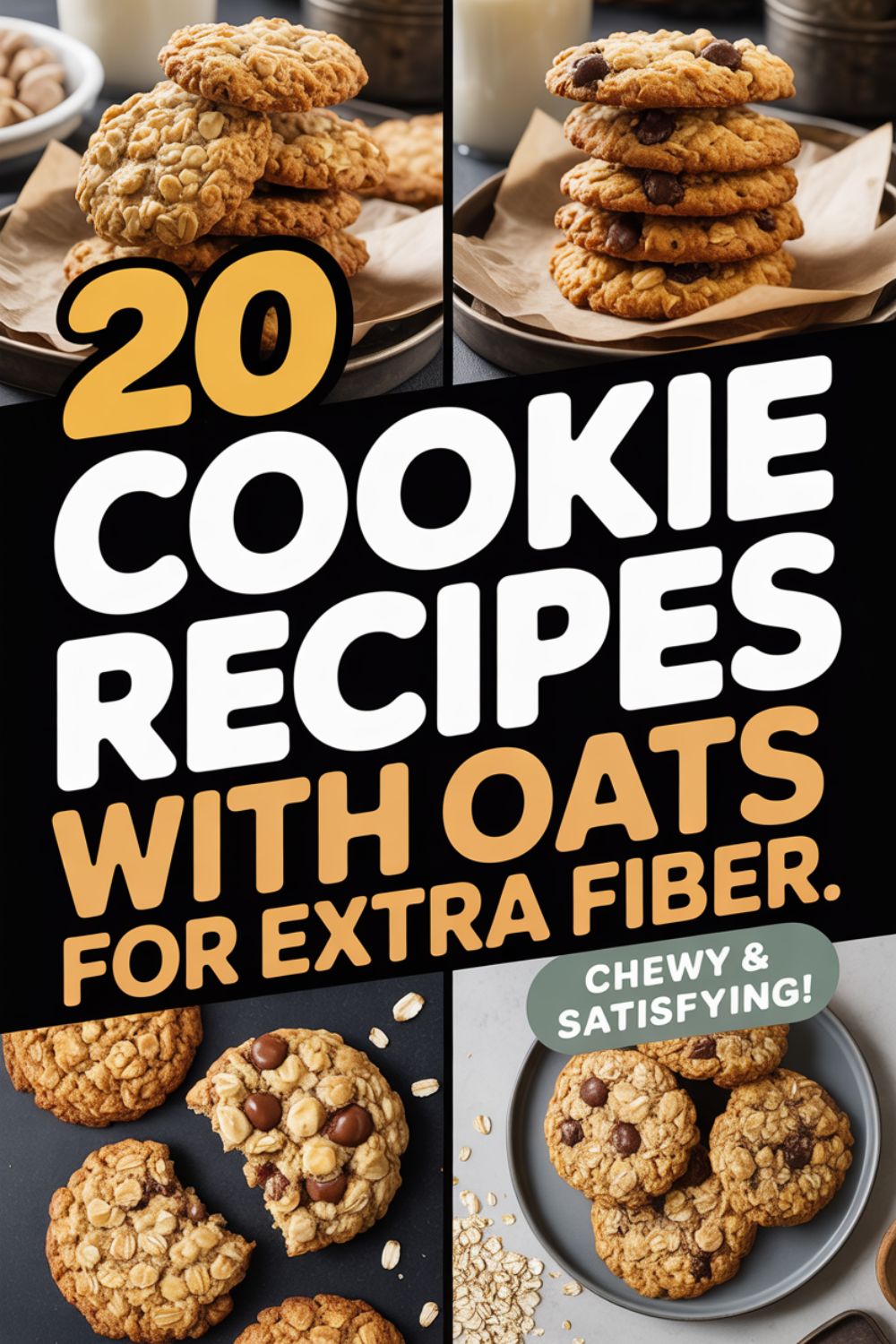
Oats aren’t just for boring breakfast bowls anymore. When you toss them into cookie dough, something magical happens. You get this chewy, satisfying texture that keeps you coming back for more, plus you’re sneaking in a solid dose of fiber without even trying. Research shows that the beta-glucan fiber in oats can help lower cholesterol and keep your blood sugar from doing that annoying rollercoaster thing.
I’ve spent way too many afternoons testing cookie recipes in my kitchen, and honestly? The oat-based ones are the ones I keep going back to. They’re more forgiving than traditional cookies, they stay fresh longer, and you can actually have two without feeling like you need a nap. So yeah, I’m pretty much obsessed.
Why Oats Are Actually Perfect for Cookies
Here’s the thing about oats that most people don’t realize: they’re basically a miracle ingredient for baking. While everyone’s obsessing over the latest superfood trend, oats have been quietly doing the heavy lifting in our kitchens for decades.
First off, let’s talk fiber. One cup of oats packs about 8 grams of fiber, and unlike the fiber in some other grains, oat fiber is the soluble kind. Translation? It actually dissolves and creates this gel-like substance in your gut that slows down digestion. Sounds weird, I know, but it’s exactly why you feel full longer after eating oat cookies compared to regular ones.
But it’s not just about fiber. According to Mayo Clinic, oats are loaded with vitamins and minerals like manganese, phosphorus, and those B vitamins that give you actual energy instead of just a sugar rush. When you bake with oats, you’re essentially turning dessert into something that doesn’t completely derail your day.
The texture thing is real too. Rolled oats add this incredible chewiness that makes cookies feel more substantial. You know those cookies that basically dissolve in your mouth and leave you wanting twelve more? Oat cookies aren’t like that. They have staying power.
The Science Behind Oats and Blood Sugar
Okay, I’m going to nerd out for a second here because this is actually fascinating. When you eat regular cookies, your blood sugar spikes like you just chugged an energy drink. But oat cookies? Totally different story.
That beta-glucan fiber I mentioned earlier forms this viscous coating in your digestive tract. It literally slows down how fast glucose enters your bloodstream. Harvard’s Nutrition Source explains that this can help prevent those sharp blood sugar spikes and crashes that make you feel jittery and exhausted.
I’m not saying oat cookies are health food—they’re still cookies, people. But if you’re going to indulge, doesn’t it make sense to pick the option that won’t send your energy levels on a wild ride? That’s exactly what happened when I switched from my old chocolate chip recipe to an oat-based version. Same delicious taste, way less afternoon slump.
Understanding Different Types of Oats
Not all oats are created equal, and this matters more than you’d think when you’re baking. Steel-cut oats are those thick, chewy pieces that take forever to cook. They’re great for savory dishes but honestly? Skip them for cookies. They stay too crunchy and nobody wants to chip a tooth on dessert.
Rolled oats (also called old-fashioned oats) are your best friend for cookie baking. They’ve been steamed and flattened, which means they soften up nicely while still maintaining some texture. This is what I use in probably 90% of my cookie recipes.
Quick oats are rolled thinner and break down faster. They work in cookies, but you lose some of that signature chewiness. I use them when I want a smoother texture or when I’m blending the oats into flour. Speaking of which, I keep a high-speed blender # on my counter specifically for making oat flour—it’s cheaper than buying it and takes like 30 seconds.
If you’re looking for more cookie inspiration that goes beyond traditional recipes, you might want to check out some vegan options that use oats as a binding agent instead of eggs.
20 Oat Cookie Recipes That’ll Change Your Mind
Alright, let’s get to the good stuff. These aren’t your grandma’s oatmeal cookies (though hers were probably amazing too). These are updated, tested, and honestly, some of my favorite things to bake.
1. Classic Oatmeal Raisin Cookies
I know, I know—raisins are polarizing. But hear me out. When you use plump, good-quality raisins in an oat cookie with just the right amount of cinnamon, it’s like eating a warm hug. The oats get this incredible chew, and the raisins add pockets of sweetness without being cloying. Get Full Recipe.
The key here is not overbaking them. You want these cookies to look slightly underdone when you pull them from the oven. They’ll firm up as they cool, and you’ll end up with that perfect soft center. I use a cookie scoop # to keep them uniform—it’s one of those tools that seems unnecessary until you own one, then you wonder how you lived without it.
2. Chocolate Chip Oat Cookies
This is the gateway cookie for people who claim they don’t like oatmeal cookies. By mixing rolled oats with all-purpose flour and folding in dark chocolate chips, you get something that bridges the gap between classic chocolate chip and oatmeal perfection.
I’m partial to using dark chocolate chips because they’re less sweet and let the toasted oat flavor shine through. Plus, dark chocolate has those antioxidants everyone talks about, so you can feel slightly virtuous while demolishing half a dozen cookies. Get Full Recipe.
3. Peanut Butter Oat Cookies
These are dangerously simple. Oats, peanut butter, a bit of honey, and maybe some chocolate chips if you’re feeling fancy. The natural oils in peanut butter keep these cookies moist, and the oats add substance that makes them actually filling. I’ve been known to eat these for breakfast and not feel guilty about it.
Pro tip: if you’re dealing with peanut allergies, almond butter or sunflower seed butter work just as well. The nutritional profile stays similar, and you still get that creamy, slightly salty contrast to the oats. For more ideas on simple cookie recipes that won’t tie you up in the kitchen all day, check out these 5-ingredient cookies.
4. Banana Oat Breakfast Cookies
Okay, calling these “breakfast cookies” might be a stretch, but they’re way healthier than a doughnut, so I’m claiming it. Mashed banana acts as both a binder and sweetener, meaning you can cut back on added sugar significantly. Mix in some oats, a handful of walnuts, and maybe some dark chocolate chips, and you’ve got something that’s genuinely nutritious.
The banana needs to be really ripe—like, almost embarrassingly brown. That’s when the natural sugars are at their peak, and you get the best flavor. I keep overripe bananas in my freezer specifically for recipes like this. Just thaw them out and you’re good to go. Get Full Recipe.
5. Cranberry White Chocolate Oat Cookies
This combination is basically what happens when tart and sweet have a very successful arranged marriage. The cranberries add this zingy brightness that cuts through the richness of white chocolate, and the oats tie everything together with their earthy, nutty flavor.
I use dried cranberries that aren’t loaded with extra sugar—check the ingredients and try to find ones that are just cranberries and maybe a touch of apple juice. The natural tartness is what makes these cookies special. And before you ask, yes, you can swap in milk chocolate if white chocolate isn’t your thing, but you’ll lose some of that flavor contrast.
Quick Snack Options:
Sometimes you need cookies fast, and I mean really fast. These no-bake cookie recipes are lifesavers when you’re short on time but still want something homemade. Or if you’re just starting your cookie-baking journey, these drop cookie recipes are basically foolproof.
6. Coconut Almond Oat Cookies
These taste like vacation in cookie form. Toasted coconut flakes, sliced almonds, and oats create this tropical-meets-wholesome vibe that’s hard to resist. The coconut adds fat (the good kind) which keeps these cookies incredibly moist, and the almonds bring a satisfying crunch.
I toast both the coconut and almonds separately before adding them to the dough. It takes an extra ten minutes, but the depth of flavor you get is absolutely worth it. Use a rimmed baking sheet # and watch them carefully—coconut burns faster than you think.
7. Apple Cinnamon Oat Cookies
If fall had a cookie, this would be it. Finely diced apples fold into an oat-based dough loaded with cinnamon, nutmeg, and just a hint of ginger. The apples release moisture as they bake, which keeps these cookies soft for days.
Use a tart apple variety like Granny Smith. The sweetness from the dough needs that acidic counterpoint, otherwise everything tastes one-note. And don’t skip the step of tossing the diced apples with a little lemon juice—it prevents browning and adds another layer of flavor. Get Full Recipe.
8. Double Chocolate Oat Cookies
For the chocolate fanatics out there (guilty as charged), these cookies pack cocoa powder into the dough AND add chocolate chips. The oats keep them from being overwhelmingly sweet and add a chewiness that makes them feel more sophisticated than a basic chocolate cookie.
I use Dutch-processed cocoa powder for a deeper, less acidic chocolate flavor. It’s slightly more expensive than natural cocoa, but the difference in taste is noticeable. Mix in some dark chocolate chunks instead of chips, and you’ve got a cookie that could legitimately pass for bakery-quality.
9. Maple Walnut Oat Cookies
Real maple syrup (not the fake stuff) gives these cookies a subtle, complex sweetness that refined sugar just can’t match. Toasted walnuts add richness and those beneficial omega-3 fatty acids everyone’s always talking about.
The trick is using just enough maple syrup to flavor the cookies without making them too sweet or too wet. I go for about a quarter cup per batch and reduce the other liquid ingredients slightly. Also, toasting walnuts is non-negotiable. Raw walnuts can taste slightly bitter, but toasted walnuts are nutty and buttery and perfect. Get Full Recipe.
10. Lemon Blueberry Oat Cookies
These are what happens when you combine the brightness of lemon with the sweetness of blueberries and the earthiness of oats. It’s like a muffin and a cookie had a baby, and that baby turned out surprisingly well-adjusted.
Fresh blueberries work better than frozen for this recipe—frozen ones release too much liquid and can make the cookies soggy. Toss the blueberries in a little flour before folding them in to prevent them from sinking to the bottom. And use both lemon zest and juice for maximum citrus impact.
If you’re into citrus flavors in baked goods, you’ll probably also love exploring some of these easy cookie recipes that use similar flavor profiles.
11. Ginger Molasses Oat Cookies
These are basically gingerbread cookies with an oat upgrade. The molasses adds deep, almost smoky sweetness, and the combination of fresh and ground ginger gives you both heat and complexity. The oats mellow everything out and add texture that keeps these cookies interesting bite after bite.
Don’t skimp on the fresh ginger. I grate about a tablespoon into the dough, and it makes all the difference. Store these in an airtight container with a piece of bread to keep them soft and chewy—yes, that weird trick actually works. Get Full Recipe.
12. Chai Spice Oat Cookies
If you’re a chai tea addict like me, these cookies will blow your mind. Cardamom, cinnamon, ginger, cloves, and black pepper create that signature chai flavor profile, and the oats provide the perfect neutral base to let those spices shine.
The key is getting the spice balance right. Too much clove and they taste medicinal. Too much black pepper and they’re just weird. I’ve tested this ratio about fifteen times, and trust me, it’s perfect. Dunk these in actual chai tea for the full meta experience.
13. Salted Caramel Oat Cookies
Sweet, salty, chewy, and slightly crispy around the edges—these cookies check every texture and flavor box. I make a simple caramel sauce with brown sugar, butter, and cream, then fold it into the oat cookie dough before adding a generous sprinkle of flaky sea salt on top.
The caramel needs to be completely cool before you add it to the dough, or you’ll end up with a melted mess. I make it the night before and stick it in the fridge. Also, invest in good flaky sea salt #—the texture and flavor are leagues better than regular table salt. Get Full Recipe.
14. Espresso Chocolate Chip Oat Cookies
Coffee and chocolate are one of those classic combinations that just works, and adding oats to the mix creates something addictively good. The espresso powder amplifies the chocolate flavor without making the cookies taste overtly coffee-ish.
I use instant espresso powder, which dissolves easily into the dough. If you can’t find it, finely ground coffee works too, but the texture will be slightly different. These are fantastic as an afternoon pick-me-up when you need both caffeine and sugar in your life.
15. Cherry Almond Oat Cookies
Dried cherries and almond extract create this intensely flavorful cookie that tastes way fancier than the effort required. The oats keep them grounded and prevent them from being too sweet, while the cherries add little bursts of tartness throughout.
Be careful with almond extract—a little goes a long way, and too much tastes like you’re eating perfume. I use about half a teaspoon per batch, which is just enough to enhance the cherry flavor without overwhelming everything else. Get Full Recipe.
Looking for more ways to work with specific dietary needs? These gluten-free cookie recipes use oats as a base and turn out just as delicious as traditional versions.
16. Pumpkin Spice Oat Cookies
Yes, I’m that person who gets excited about pumpkin spice, but honestly? These cookies are good enough to eat year-round. Real pumpkin puree adds moisture and a subtle earthy sweetness, while the spices bring warmth and comfort.
The secret is using canned pumpkin puree, not pumpkin pie filling (which already has sugar and spices added). You want plain puree so you can control the flavor yourself. And make sure to drain it slightly if it seems watery—too much moisture makes the cookies cakey instead of chewy.
17. Tahini Date Oat Cookies
This combination might sound weird, but stick with me. Tahini (sesame seed paste) adds this nutty, slightly bitter complexity that plays beautifully with sweet dates and earthy oats. These cookies taste sophisticated and are naturally sweetened by the dates alone.
Chop the dates into small pieces and toss them with a little flour so they don’t clump together. I use Medjool dates because they’re softer and sweeter, but any variety works. The tahini should be well-stirred before using—the oil separates and you need it fully incorporated. Get Full Recipe.
18. Pistachio Cardamom Oat Cookies
These are elegant, slightly exotic, and absolutely delicious. The pistachios stay slightly crunchy even after baking, and the cardamom adds this floral, citrusy note that makes you wonder what the flavor actually is.
Use shelled, unsalted pistachios and chop them roughly. I like having some bigger pieces and some smaller bits for varied texture. The cardamom should be freshly ground if possible—pre-ground cardamom loses its potency quickly and can taste dusty. A small spice grinder # is perfect for this and costs about the same as a couple of lattes.
19. Coconut Lime Oat Cookies
Bright, tropical, and surprisingly addictive, these cookies bring summer vibes no matter what time of year it is. The lime zest cuts through the richness of coconut and creates this perfectly balanced flavor that keeps you reaching for just one more.
Use unsweetened shredded coconut if you can find it—the sweetened stuff makes these cookies way too sugary. And zest the lime directly over the dough to capture all those aromatic oils. The white pith is bitter, so make sure you’re only getting the green outer layer. Get Full Recipe.
20. Brown Butter Oat Cookies
This is where we end on a high note. Brown butter is one of those ingredients that transforms everything it touches, and these simple oat cookies are no exception. The nutty, caramelized flavor of brown butter elevates a basic cookie into something truly special.
Making brown butter isn’t hard, but it requires attention. Melt the butter in a light-colored pan so you can see when the milk solids turn golden brown. It happens fast, and there’s a thin line between perfectly browned and burned. Once it’s done, let it cool completely before using. The smell alone makes this worth the effort. Get Full Recipe.
For more cookie variations that are perfect for sharing or gifting, these soft and chewy cookie recipes include several oat-based options that stay fresh for days.
Essential Tools and Ingredients
Look, you don’t need a kitchen full of fancy gadgets to make great oat cookies, but a few key items make the process significantly easier and more enjoyable. I learned this the hard way after years of struggling with inadequate tools.
Meal Prep Essentials Used in These Recipes
The first thing I’d invest in is a good stand mixer #. Hand mixing cookie dough gets old fast, especially if you’re making multiple batches. A stand mixer does the heavy lifting while you measure out ingredients or clean up.
A quality baking sheet set # changed my cookie game entirely. Thin, warped pans create hot spots and uneven baking. Get heavy-duty sheets that won’t buckle in the oven, and your cookies will thank you with even browning and perfect texture.
Those silicone baking mats # I mentioned earlier? Total game-changer. Zero sticking, zero scrubbing, and they last forever. I haven’t used parchment paper in years. Plus they’re better for the environment, which is a nice bonus.
For ingredients, always keep quality rolled oats on hand. I buy them in bulk and store them in an airtight container to maintain freshness. Same goes for nuts—buy them whole and chop them yourself for better flavor and texture.
Tools & Resources That Make Baking Easier
A digital kitchen scale # might seem excessive, but baking by weight is so much more accurate than using measuring cups. It’s the difference between consistently good cookies and cookies that turn out different every time.
Get yourself a cooling rack # that’s actually big enough for a full batch of cookies. Stacking hot cookies on top of each other creates steam and makes them soggy. Proper air circulation is crucial.
If you’re serious about cookie baking, consider picking up a cookie scoop set # with multiple sizes. Consistent size means consistent baking time, and the spring-loaded action is oddly satisfying.
Common Mistakes to Avoid
After making literally hundreds of batches of oat cookies, I’ve made every mistake in the book. Let me save you some trouble by pointing out the most common pitfalls.
Overmixing the Dough
Once you add flour to wet ingredients, mix just until combined. Overmixing develops gluten, which makes cookies tough instead of tender. This is especially true with oat cookies because the oats already add structure. I learned this lesson the hard way after producing several batches of hockey pucks masquerading as cookies.
Not Adjusting Liquid Ratios
Oats absorb moisture, which means you sometimes need to add a bit more liquid than a traditional cookie recipe calls for. If your dough seems dry and crumbly, don’t panic—add a tablespoon of milk or water until it comes together. The dough should be scoopable but not wet.
Skipping the Chill Time
I know waiting is the worst part, but chilling cookie dough for at least 30 minutes prevents the cookies from spreading too much. The butter firms up, the oats hydrate properly, and the flavors meld together. It’s tempting to skip this step, but resist. Your cookies will be better for it.
If you struggle with cookies spreading too thin or turning out flat, check out these classic chocolate chip cookie recipes that include troubleshooting tips applicable to all cookie types, including oat-based ones.
Using Quick Oats When You Need Rolled Oats
These are not interchangeable in most recipes. Quick oats break down more and create a different texture—sometimes mushier, sometimes too soft. Unless the recipe specifically calls for quick oats, stick with rolled. Your cookies will have better structure and that signature chewiness we’re after.
Storage and Freshness Tips
One of the best things about oat cookies is how well they keep. Unlike some delicate cookies that go stale in a day, oat cookies actually improve slightly after a day or two as the flavors develop and the oats continue to hydrate.
Store them in an airtight container at room temperature for up to a week. If you want them to stay extra soft, toss a piece of bread in the container. The cookies will absorb moisture from the bread and stay chewy. Replace the bread every couple days.
For longer storage, freeze them. Layer cookies between sheets of parchment paper in a freezer-safe container or bag. They’ll keep for up to three months. Thaw at room temperature for about 30 minutes, or warm them in a 300-degree oven for 5 minutes to get that fresh-baked taste back.
Cookie dough freezes beautifully too. Scoop it into balls, freeze on a baking sheet until solid, then transfer to a freezer bag. Bake from frozen whenever you want fresh cookies—just add a couple minutes to the baking time. It’s like having a cookie emergency fund.
Complete Meal Plans:
If you’re looking to incorporate more homemade treats into your weekly routine, these one-pan cookie bars are perfect for meal prep. And if you’re watching sugar intake but still want to enjoy cookies regularly, these low-sugar cookie recipes prove you don’t have to sacrifice flavor for healthier options.
Frequently Asked Questions
Can I substitute quick oats for rolled oats in cookie recipes?
Generally, no. Quick oats have a finer texture and absorb liquid differently, which can make your cookies mushy or affect their structure. If you absolutely must substitute, use slightly less liquid in the recipe and expect a softer, less chewy result. Rolled oats are really the way to go for optimal texture and that signature oat cookie chew.
Why did my oat cookies turn out hard instead of chewy?
This usually happens from overbaking or using too little fat in the recipe. Oat cookies continue cooking slightly after you remove them from the oven, so take them out when they still look slightly underdone in the center. They should be golden around the edges but still soft in the middle. Also, make sure you’re measuring flour correctly—too much flour creates dry, hard cookies.
How do I make my oat cookies gluten-free?
Use certified gluten-free oats (regular oats are often cross-contaminated with wheat during processing) and replace all-purpose flour with a gluten-free flour blend. The texture might be slightly different, but the cookies will still turn out delicious. Some people find that adding a quarter teaspoon of xanthan gum helps with binding if your flour blend doesn’t already contain it.
Can I reduce the sugar in oat cookie recipes?
You can reduce sugar by about a quarter without drastically affecting the cookies. Beyond that, you’ll notice changes in texture and browning. Sugar doesn’t just add sweetness—it also affects moisture retention and creates that golden color we love. If you’re cutting sugar for health reasons, consider using mashed banana or applesauce to replace some of it, though this will change the flavor profile.
What’s the best way to get perfectly round oat cookies?
Use a cookie scoop for uniform portions, chill the dough before baking, and if they still spread unevenly, gently tap the baking sheet on the counter once or twice during baking to redistribute the dough. You can also use a round cookie cutter to gently press around warm cookies right out of the oven to reshape them. They’ll firm up in that shape as they cool.
Final Thoughts
Here’s what I want you to take away from this: oat cookies aren’t just the healthy alternative nobody really wants. They’re legitimately delicious, satisfying, and versatile enough to accommodate basically any flavor combination you can dream up. The fiber boost is just a happy bonus.
Whether you stick with classic oatmeal raisin or venture into more adventurous territory with tahini date or pistachio cardamom, you’re going to end up with cookies that taste amazing and actually make you feel good. Not just the temporary sugar rush kind of good, but the “I can have two of these and not crash an hour later” kind of good.
Start with whichever recipe sounds most appealing to you. Master that one, then move on to the next. Before you know it, you’ll have a rotation of go-to oat cookie recipes that’ll make you the hero of every potluck, bake sale, and casual Tuesday night when you just need something sweet.
And seriously, don’t overthink it. Baking should be fun, not stressful. If your first batch isn’t perfect, eat them anyway and adjust next time. That’s how you learn, and honestly, even mediocre homemade cookies are better than most store-bought ones.