19 Almond Flour Cookie Recipes for Low-Carb Baking
Why Almond Flour Works So Well in Cookies
Almond flour isn’t just wheat flour with its carbs removed. It behaves completely differently in the oven, and once you understand that, you stop fighting it and start working with it. The fat content from the almonds gives cookies a naturally tender crumb, and that subtle nuttiness actually complements most cookie flavors rather than competing with them.
From a nutrition standpoint, the swap makes genuine sense. A quarter cup of almond flour has around 6 grams of carbohydrates and 3 grams of fiber, compared to roughly 22 grams of carbs in the same amount of all-purpose wheat flour. According to research published by Healthline on almond flour’s nutritional profile, it also delivers meaningful amounts of vitamin E, magnesium, and monounsaturated fats — the same kind associated with improved heart health markers.
One thing worth knowing: almond flour and almond meal are not the same thing. Almond flour uses blanched, peeled almonds ground to a fine powder. Almond meal uses whole almonds with their skins, resulting in a coarser texture with a slightly bitter edge. For cookies, you almost always want the fine-milled flour. The texture difference is significant enough to matter.
Store your almond flour in an airtight container in the freezer. Because of its fat content, it goes rancid faster than wheat flour at room temperature — especially once a bag is opened. Frozen, it keeps for months and you can use it straight from the freezer.
The one adjustment most people need to make when switching to almond flour is managing moisture. Almond flour holds more fat and less starch, so it can spread more aggressively in the oven. Chilling your dough for 20–30 minutes before baking solves most spreading issues. A good silicone baking mat also helps keep the bottoms from over-browning — I’ve used mine on hundreds of batches at this point and barely ever reach for parchment anymore.
Speaking of gluten-free baking broadly, if you love exploring this corner of the kitchen, you’ll find a lot of overlap with gluten-free cookies that actually taste amazing — some of which share similar almond flour techniques and flavor profiles.
The 19 Almond Flour Cookie Recipes
- 1Classic Almond Flour Shortbread
Buttery, crumbly, and genuinely simple. This one uses almond flour, grass-fed butter, a pinch of salt, and your sweetener of choice. The texture is closer to a Scottish shortbread than a chewy cookie — which is exactly the point. It crumbles perfectly and pairs beautifully with tea or coffee. Get Full Recipe
- 2Chewy Almond Flour Chocolate Chip Cookies
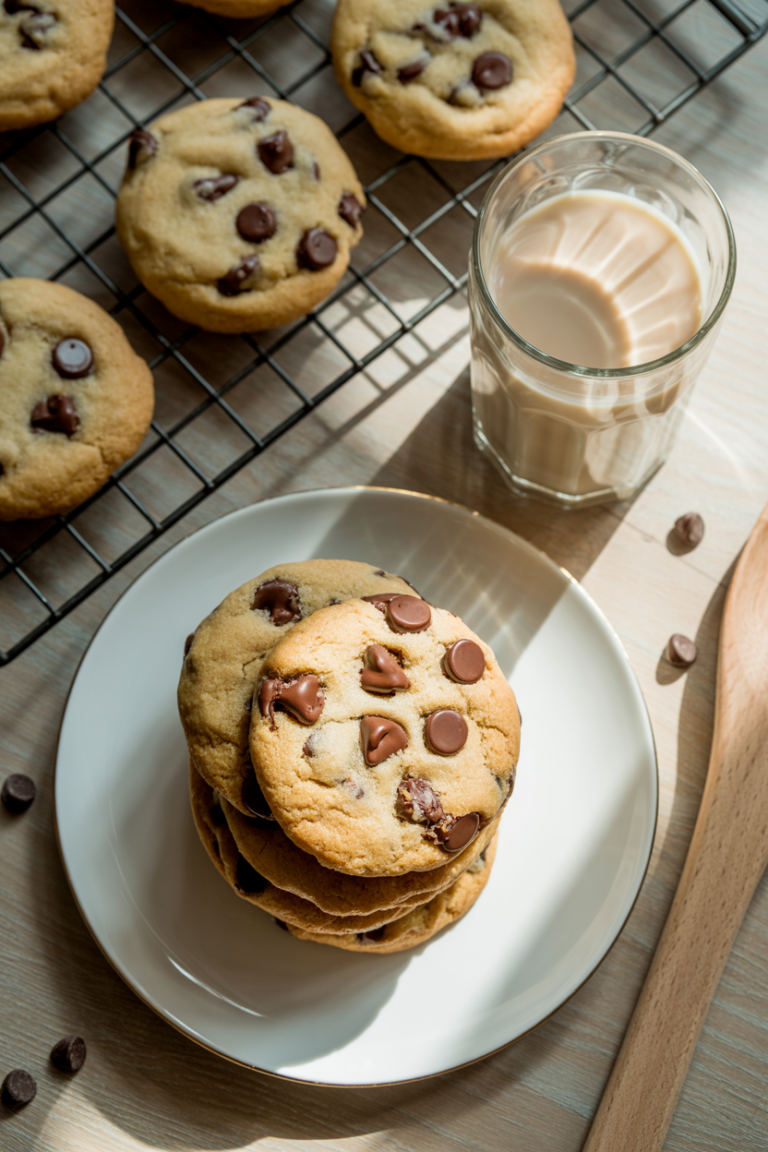
The one everyone wants to nail first. Getting chewiness from almond flour requires a little strategy — specifically, an egg plus an extra yolk, a touch of tapioca starch, and chilled dough. The result is a cookie that holds its shape and pulls apart with that satisfying, slightly gooey center. Use quality dark chocolate chips (70% or higher) and the flavor really sings. Get Full Recipe
- 3Almond Flour Snickerdoodles
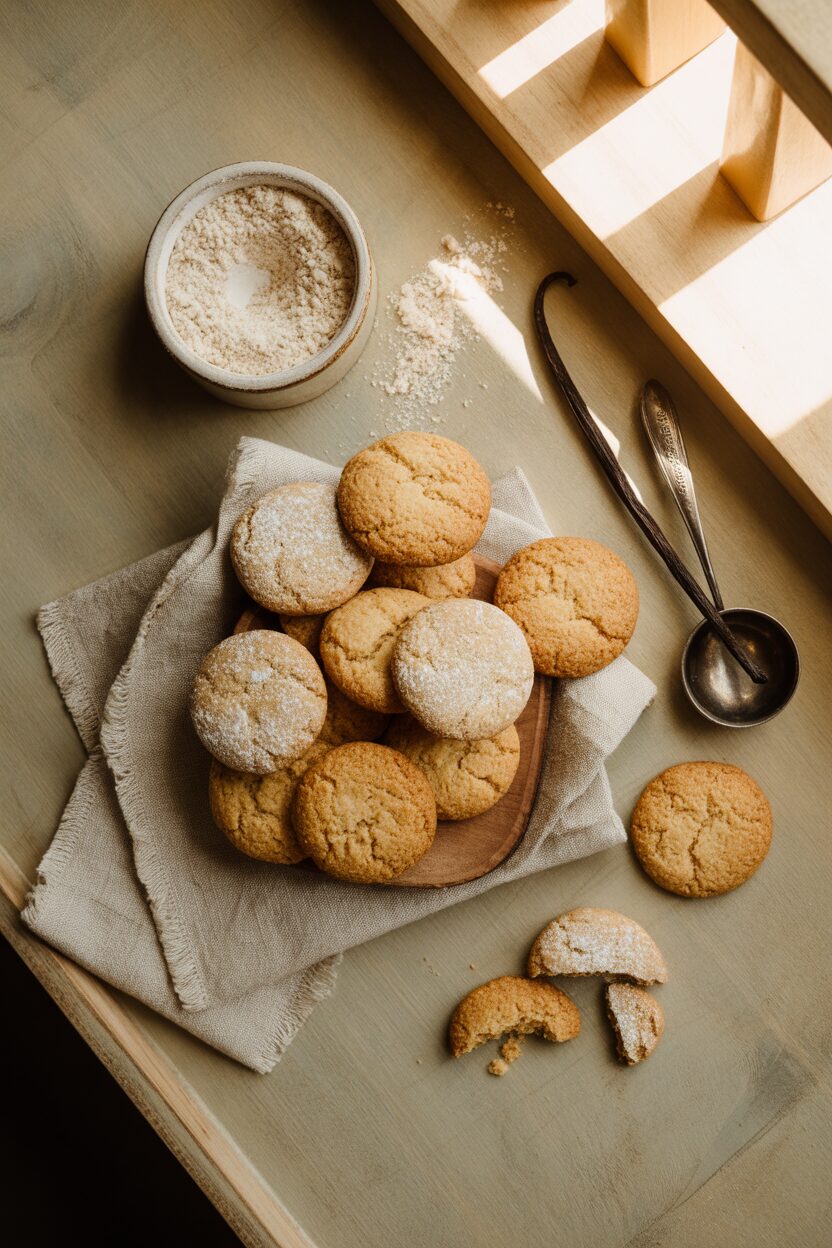
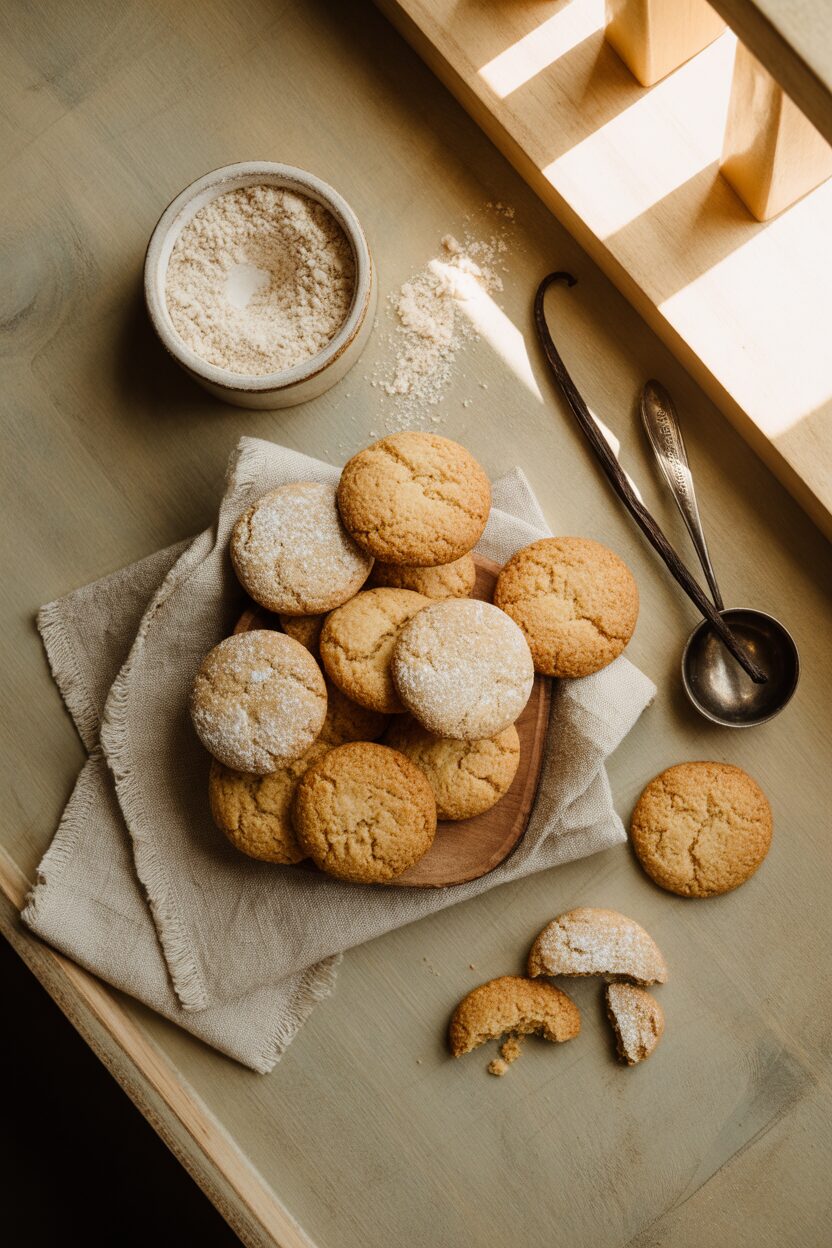
The cinnamon-sugar coating is everything here. Because almond flour cookies tend to be denser, the crisp outer layer from rolling in cinnamon erythritol creates a genuinely satisfying contrast. These stay soft in the center for days if you store them right — which, IMO, makes them one of the best make-ahead options on this list.
- 4Lemon Almond Flour Cookies
Bright, a little tart, and unexpectedly refreshing. Fresh lemon zest is non-negotiable here — the bottled stuff doesn’t have the volatile oils that make these cookies smell as good as they taste. A drizzle of lemon glaze (powdered sweetener + lemon juice) finishes them off. These are the ones people eat three of before they realize what happened.
- 5Almond Flour Peanut Butter Cookies
One of the easiest on this list: almond flour, natural peanut butter, egg, sweetener, and vanilla. The almond and peanut flavors complement each other in a way that’s almost better than traditional peanut butter cookies. Press a fork crosshatch into the top before baking — it’s not just for looks, it helps them bake more evenly.
- 6Double Chocolate Almond Flour Cookies
Cocoa powder in the dough, sugar-free chocolate chips folded in — this one is for the committed chocolate person. The almond flour base keeps these fudgy rather than cakey, which is exactly what a double chocolate cookie should be. They look dramatic and take about 25 minutes total. Worth every minute.
- 7Almond Flour Thumbprint Cookies with Raspberry Jam
These look like they took effort. They didn’t. A simple almond flour dough rolled into balls, pressed with your thumb, filled with a small spoonful of low-sugar raspberry jam (or any jam you prefer), and baked until golden. The jam caramelizes slightly at the edges and the whole thing is just very, very good.
- 8Almond Flour Sugar Cookies (Rollable)
The trickiest one technically, but completely doable if you chill your dough well and roll it between two sheets of parchment. These hold their shape when cut, making them great for holidays or whenever you want to break out the cookie cutters. They’re a little sturdier than the usual almond flour cookie, which works in your favor here.
- 9Almond Flour Coconut Macaroons
Technically macaroons rather than cookies, but they belong here. Shredded coconut, almond flour, egg whites, and sweetener make these naturally low-carb and also dairy-free. Dip the bottoms in melted dark chocolate and let them set — it adds a bittersweet finish that makes the whole thing taste much more sophisticated than a five-ingredient recipe has any right to.
- 10Almond Flour Ginger Cookies
Warm, spiced, and slightly chewy with crisp edges. Fresh grated ginger plus dried makes for a more complex flavor than dried alone. These are especially good in colder months and keep well for a full week — if they last that long, which they probably won’t.
- 11Almond Flour White Chocolate Macadamia Cookies
A riff on the classic, made low-carb with sugar-free white chocolate chips and roughly chopped macadamia nuts. The buttery richness of macadamia pairs beautifully with almond flour’s natural nuttiness. These tend to spread a little more than others, so chilling the dough is especially important.
- 12Almond Flour Oatmeal-Style Raisin Cookies (Keto Version)
No oats, but a combination of almond flour, hemp seeds, and flaxseed creates a surprisingly similar texture and chew. Use sugar-free raisins or just substitute with dark chocolate chips. Cinnamon, nutmeg, and vanilla round out the flavor profile. A genuinely clever swap that holds up to scrutiny.
- 13Almond Flour Espresso Cookies
For the coffee lover on your list — or, let’s be real, for yourself at 3pm. Instant espresso powder dissolves directly into the batter and gives these a deep, slightly bitter edge that plays beautifully against a sweetener like monk fruit. A few dark chocolate chips on top and these are legitimately café-worthy. Get Full Recipe
- 14Almond Flour Mexican Wedding Cookies
Traditionally made with regular flour and powdered sugar, this version swaps in almond flour and powdered erythritol for the coating. The result is the same tender, melt-in-your-mouth ball that you remember — just with a dramatically different carb count. Pecans or walnuts work equally well.
- 15Almond Flour Cardamom Cookies
Cardamom is underused in American baking, and that’s a genuine shame. Here it pairs with almond flour and a hint of rose water for something that feels distinctly Scandinavian or Middle Eastern depending on how you look at it. Subtle, aromatic, and completely different from anything else on this list.
- 16Almond Flour Tahini Cookies
If you’ve never baked with tahini, this is a great entry point. It adds a savory, slightly bitter depth that balances beautifully against a sweetener and vanilla. These cookies have a fudgy interior with slightly crisp edges and a gorgeous golden-brown color. Sesame seeds on top are optional but highly recommended.
- 17Almond Flour Pecan Sandies
Toasted pecans blended into almond flour dough — deeply nutty, buttery, and slightly crumbly. These are the cookie equivalent of a comfortable chair: nothing flashy, completely satisfying. Toast your pecans first. It makes a noticeable difference in flavor and takes about eight minutes in a dry pan.
- 18Almond Flour Matcha Cookies
Ceremonial-grade matcha gives these a striking green color and a clean, slightly grassy flavor that works remarkably well in a cookie. White chocolate chips (sugar-free) or a white chocolate drizzle make for a classic combination. These photograph beautifully if that’s a consideration for you, and they taste even better than they look.
- 19Almond Flour Cranberry Orange Cookies
Dried cranberries (unsweetened or lightly sweetened), fresh orange zest, and almond flour come together in a cookie that’s bright, slightly tart, and festive enough for any occasion. The orange zest is what really lifts this recipe — don’t skip it, and definitely zest directly into the bowl so you don’t lose any of the oils.
If you’re looking for even more ways to use almond flour in your baking rotation, check out these almond cake recipes with rich flavor — many of the same techniques and tips translate directly.
Baking Essentials I Actually Use for These Recipes
These are the things I reach for constantly when making almond flour cookies. Not a sponsored list — just honest picks from someone who bakes a lot and has tried the alternatives.
Non-stick, reusable, and it keeps almond flour cookies from spreading too much on bare metal. I line every single sheet pan with these.
Consistent portioning is the difference between cookies that bake evenly and cookies that don’t. A medium scoop (1.5 tablespoon) works for most recipes on this list.
Heavy-gauge aluminum, warp-resistant, and the right size for a full batch. Cheap sheet pans buckle in a hot oven and bake unevenly — this one doesn’t.
Covers sweetener swaps, flour ratios, and how to adjust baking times for almond flour. Handy to have bookmarked when you’re adapting a traditional recipe.
60+ tested recipes beyond what you’ll find on most blogs. Organized by texture (crisp, chewy, cakey) which makes it genuinely useful as a reference.
A small, active group where people share tweaks, troubleshoot fails, and post what they’re baking that week. Very low noise, high signal.
Getting the Texture Right: Tips That Actually Help
Chilling the dough is not optional (sorry)
I know. You want cookies now, not in 30 minutes. But almond flour dough chills fast — even 20 minutes in the fridge makes a meaningful difference in how much your cookies spread. Cold dough holds its shape better in the oven and gives you a thicker, more structured cookie instead of a flat, sad disc. If you’re in a rush, the freezer for 10 minutes gets you close.
The binding situation also requires attention. Regular flour contains gluten, which holds everything together. Almond flour doesn’t, so you need something else to do that job. Eggs are the most common binder, and an extra yolk adds richness and chew. Flax eggs work for vegan versions but tend to make the texture slightly denser. Chia eggs split the difference — they hold well and add a mild nuttiness that actually fits here.
When a recipe calls for letting almond flour cookies cool on the pan for 10 minutes before moving them — do it. They firm up significantly as they cool and will crumble if you try to move them straight from the oven. Patience here is genuinely rewarded.
Sweetener choices and how they affect texture
Not all low-carb sweeteners behave the same in baked goods, and this matters. Erythritol produces a crispier, more shortbread-like texture. Monk fruit (pure) is very similar to erythritol in baking behavior. Allulose behaves more like regular sugar — it caramelizes, browns, and creates a chewier result, which makes it particularly useful for chocolate chip cookies and anything where you want more of that traditional texture.
FYI — if your almond flour cookies come out with a cooling effect or a slightly gritty texture, that’s erythritol behaving as erythritol does. Switching to allulose or a blend usually resolves it. Most recipes on this list note which sweetener works best for the intended texture.
Worth noting: Medical News Today’s nutritional overview of almond flour highlights how its low glycemic index helps maintain more stable blood sugar levels compared to wheat-based alternatives — which is part of why allulose (also low-glycemic) pairs so well with it from both a baking and a health standpoint.
If you want to explore cookie textures further, take a look at soft and chewy cookies that actually satisfy — several of those recipes use techniques that translate well to almond flour with minor adjustments.
Tools and Resources That Make Low-Carb Baking Easier
A few things I’ve found genuinely useful — not because they’re fancy, but because they solve real problems in this specific kind of baking.
Almond flour measurements by volume are less accurate than by weight. A scale removes guesswork entirely, especially for recipes where flour amounts are critical to texture.
Some almond flour brands clump. A quick sift before mixing gives you a lighter, more uniform dough. Takes 30 seconds and makes a noticeable difference in finer cookies.
Pre-cut parchment rounds for round cake pans and cookie sheets. Not glamorous, but getting cookies off the pan cleanly is one of those things that matters every single time.
A one-page reference that shows exactly how to substitute different sweeteners in baking — ratios, texture outcomes, and which ones work best in different recipe types.
Common problems (spreading, crumbling, soggy centers) explained clearly with practical fixes. Worth having when you’re experimenting with new recipes.
Active community of home bakers sharing real results, adapted recipes, and troubleshooting help. More useful than most comment sections on recipe blogs.
Variations and Smart Swaps Worth Knowing
One of the quietly great things about almond flour cookies is how well they accept variations. The base — almond flour, a fat (butter or coconut oil), a sweetener, a binder — is flexible. Once you understand that structure, you can riff on flavors without things falling apart.
For dairy-free versions: replace butter with refined coconut oil (1:1 ratio). The flavor is slightly more neutral, which actually works well in recipes with stronger flavors like espresso or lemon. Unrefined coconut oil adds coconut flavor — sometimes that’s what you want, sometimes it isn’t.
For vegan versions: swap the egg for a flax egg (1 tablespoon ground flaxseed + 3 tablespoons water, rested for 5 minutes). The texture will be slightly denser and less chewy, but the flavor holds up well. Almond flour and coconut oil already make most of these naturally dairy-free, so vegan versions aren’t far off.
On the topic of nut flours generally — almond flour vs. coconut flour is a comparison that comes up constantly. They are not interchangeable. Coconut flour absorbs dramatically more liquid (about four times as much), so you can’t substitute one for the other in equal amounts. If a recipe calls for coconut flour and you want to use almond flour, you’d need roughly 4x the amount and significantly less liquid. For most of these cookie recipes, almond flour is the right choice for texture and flavor.
“I made the peanut butter cookies from this list for a family gathering and didn’t tell anyone they were low-carb. Half of them asked for the recipe before they found out. My sister, who thinks keto baking is always sad and dense, took four. That felt like a real win.”
— Marta K., reader from our communityIf you’re building out a broader low-carb and low-sugar baking repertoire, these low-sugar cookies for guilt-free snacking pair really well with the almond flour recipes here — some overlap in technique, and it gives you more variety for the week.
Also worth exploring alongside these: vegan cookies that actually taste like dessert — a lot of those recipes already lean on almond flour or nut-based ingredients and will feel familiar once you’ve worked through a few of these.
Storing Almond Flour Cookies the Right Way
Because almond flour has a higher fat content than wheat flour, these cookies can get oily and soft faster if you don’t store them well. Room temperature storage works for 2–3 days in an airtight container. After that, refrigerate them — they’ll keep for up to a week and actually taste great cold, especially the chocolate ones.
For longer storage, freeze them. Most almond flour cookies freeze beautifully. Layer them between parchment paper in an airtight container and freeze for up to three months. Thaw at room temperature for 15–20 minutes, or give them 8–10 minutes in a 300°F oven to bring them back to fresh-baked quality. I use these glass storage containers with snap lids for both the fridge and freezer — they seal well and don’t absorb flavors between batches.
Bake a double batch and freeze half unbaked as portioned dough balls. When you want fresh cookies, pull them straight from the freezer and add 3–4 minutes to the baking time. Fresh cookies in 20 minutes with zero effort.
For gifting purposes — a tin of almond flour cookies is genuinely impressive. Use a decorative cookie tin with a tight-fitting lid, layer with parchment, and include a small card noting they’re gluten-free. People appreciate the thought, especially if they have dietary restrictions you’ve remembered.
Frequently Asked Questions
Can I substitute almond flour for all-purpose flour 1:1 in any cookie recipe?
Not quite. While you can often get away with a 1:1 swap for volume, almond flour lacks gluten so your cookies may spread more and be more fragile. You’ll usually need to add a binder (egg or flax egg), chill the dough, and adjust baking time downward by 2–3 minutes since almond flour browns faster than wheat flour.
Why did my almond flour cookies spread so much?
The most common reason is skipping the chilling step. Almond flour dough is softer than wheat dough and needs time in the fridge to firm up before baking. Also check that you’re using fine almond flour (not almond meal) and that your butter or coconut oil wasn’t too warm when you mixed the dough.
Are almond flour cookies actually keto-friendly?
Yes, when made with a low-glycemic sweetener like erythritol, monk fruit, or allulose. A typical almond flour cookie made with these ingredients runs about 3–6 grams of net carbs per cookie depending on the recipe — significantly less than a conventional cookie. Always check your specific sweetener and add-ins to be sure.
Can I make almond flour cookies without eggs?
Yes. Flax eggs (1 tablespoon ground flaxseed + 3 tablespoons water) work well as a binding substitute. Chia eggs are another option with similar results. Both produce a slightly denser texture than egg-based cookies, but the flavor holds up well in most recipes, especially those with strong flavors like chocolate or lemon.
What’s the difference between almond flour and almond meal in cookie recipes?
Almond flour is made from blanched, peeled almonds ground to a fine powder. Almond meal is made from whole almonds (with skins) and is coarser with a slightly more bitter flavor. For most cookies, especially delicate or thin ones, fine almond flour gives better results. Almond meal works fine in denser, heartier cookies where a rustic texture is acceptable.
Final Thoughts
Almond flour cookies aren’t a compromise — they’re a different thing, with their own strengths and a genuine flavor payoff. Once you stop expecting them to behave exactly like wheat-based cookies and start understanding what makes them work, the results get genuinely exciting.
These 19 recipes cover the full range: simple weeknight cookies you can throw together fast, elegant options for when you want to impress, and everything in between. The key variables — flour quality, dough temperature, sweetener choice, and baking time — are manageable once you’ve run through a batch or two. Each time gets easier, and the results get more consistent.
Pick one that sounds good to you right now and bake it this week. That’s the only way any of this actually becomes useful. And if you discover a tweak that makes one of these significantly better, I’d genuinely love to hear about it.