17 High-Protein Vanilla Cake Ideas That Actually Taste Like Dessert
Because “protein cake” should never be code for “chalk-flavored hockey puck.”
Let me be honest with you. The first high-protein vanilla cake I made tasted like a gym locker smells. It had the texture of dense rubber, a strange aftertaste from a cheap protein powder, and a color that can only be described as “sad beige.” I ate it anyway, because I had put effort into it, and I am stubborn.
That was three years ago. Since then, I have obsessively tested, tweaked, and rebuilt vanilla cake recipes around one goal: more protein, zero flavor compromise. What you get from this list is the result of all that trial and error, without the suffering.
Whether you train regularly, eat with fitness goals in mind, or just want a cake that does something slightly useful beyond tasting good, these 17 high-protein vanilla cake ideas cover every format, occasion, and skill level. From single-serve mug cakes to layered celebration showstoppers, there is something here you will actually want to eat on a Tuesday.
Why High-Protein Vanilla Cake Actually Works (When You Do It Right)
Vanilla is the ideal flavor for protein baking, and this is not an accident. The mellow, warm sweetness of a good vanilla base does a genuinely impressive job of masking the slightly bitter edge that most protein powders carry. Compare that to, say, a chocolate protein cake, where the cocoa and protein flavors compete for attention. With vanilla, everything cooperates.
The second reason these recipes work is understanding which protein sources behave in baking. Greek yogurt, cottage cheese, whey isolate, egg whites, and casein each interact with flour and heat differently. Use the wrong one and you end up with a gummy crumb or a brick-dense slice. Use the right one in the right ratio, and the result is a cake that looks, feels, and tastes like a real bakery product.
According to research on how protein affects baking chemistry, adding protein sources changes moisture retention and gluten development, which is why substitution ratios matter. You cannot simply swap all-purpose flour for protein powder and expect normal results. That is the mistake most people make exactly once.
Speaking of knowing your ingredients — if you already enjoy baking healthier sweets, you might also want to check out these healthy cake recipes with natural sweeteners for even more clean-eating inspiration alongside this list.
The 17 High-Protein Vanilla Cake Ideas, Broken Down
1. Classic Vanilla Whey Protein Layer Cake
This is the one to make when you want to show up somewhere with a real cake and not have to explain that it is “healthy.” You use vanilla whey isolate blended with cake flour, Greek yogurt, egg whites, and a small amount of coconut oil. The result is a genuinely fluffy, slightly springy layer cake with around 18–22g of protein per slice depending on your stack height.
The frosting matters enormously here. A Greek yogurt-based vanilla buttercream (strained overnight in the fridge for thickness) pipes cleanly and holds its shape without tasting like a gym supplement. I keep a rotating cake stand with a locking base on my counter specifically for frosting days — it makes the smoothing process significantly less chaotic. Get Full Recipe
2. Vanilla Cottage Cheese Snack Cake
Cottage cheese in cake sounds suspicious, I know. But once blended completely smooth, it functions almost identically to sour cream in a recipe while delivering a protein punch most people do not see coming. This snack cake version bakes in a square pan, needs no frosting, and clocks in at roughly 14g protein per square. It is the one I make on Sundays and eat through the week.
FYI, the texture only works if you blend the cottage cheese until fully smooth before adding it to the batter — any lumps and you end up with visible white bits throughout the crumb, which is unappealing even if it tastes fine. A small personal blender cup handles this in about 20 seconds.
3. Greek Yogurt Vanilla Bundt Cake
Bundt cakes have an inherent advantage in protein baking: the shape and density naturally hide any slight variation in texture. This recipe swaps half the butter for full-fat Greek yogurt, uses vanilla protein powder as partial flour replacement, and finishes with a honey-vanilla glaze. It slices beautifully and makes the kitchen smell incredible.
If you love Bundt-style baking, the 25 bundt cake recipes for any occasion collection covers everything from classic to showstopper — worth bookmarking alongside this one.
4. High-Protein Vanilla Mug Cake
Three minutes from craving to cake. This version uses one scoop of vanilla casein protein, one egg, two tablespoons of Greek yogurt, a dash of baking powder, and a splash of almond milk. Casein is the key here — it produces a softer, less rubbery mug cake than whey because of its slower heat interaction. Single-serve, about 25g of protein, zero dishes beyond the mug.
5. Vanilla Protein Sheet Cake with Whipped Yogurt Frosting
Sheet cakes are the most practical format on this list, period. You bake one pan, frost the top, and cut squares as needed. This recipe uses a combination of whole wheat pastry flour and vanilla whey, plus applesauce for moisture. The frosting is just strained Greek yogurt whipped with honey and vanilla — lighter than buttercream and genuinely delicious. Get Full Recipe
6. Almond Flour Vanilla Protein Cake (Gluten-Free)
Almond flour brings its own protein content (roughly 6g per 1/4 cup) and gives this cake a slightly dense, moist crumb that honestly works better with vanilla than with chocolate. Add egg whites for lift, a scoop of unflavored or vanilla pea protein, and you get a gluten-free option that does not taste like gluten-free baking. If anyone in your circle avoids gluten, this is the version to make.
For more gluten-free baking ideas beyond cake, the gluten-free cookies that taste amazing collection is a great companion resource.
7. Vanilla Protein Tres Leches
This one is my personal favorite on the list. You make a lean vanilla sponge with egg whites and a light touch of protein powder, then soak it in a three-milk mixture that replaces the traditional heavy cream with a blend of whole milk, evaporated milk, and protein-enriched Greek yogurt thinned with a little vanilla. The result is a ridiculously moist cake with a protein content significantly above standard tres leches and a flavor that is genuinely hard to distinguish from the original.
8. Vanilla Poke Cake with Protein Pudding Fill
Poke cakes are a cheat code for moisture. You bake a vanilla protein cake base, poke it all over with a wooden spoon handle, then pour a vanilla protein pudding mixture (made with casein powder and almond milk) into every hole. It seeps in, sets slightly, and every bite delivers that filling you cannot quite explain. The extra protein comes from the pudding fill more than the cake itself.
9. Vanilla Protein Marble Cake
Take your vanilla protein batter and swirl in a small amount of chocolate protein batter for a marble effect. The two flavors complement each other in every bite, and the pattern looks genuinely impressive with almost zero extra effort. I use a silicone loaf pan for this one — the swirl stays cleaner when you unmold, and cleanup is about thirty seconds of rinsing.
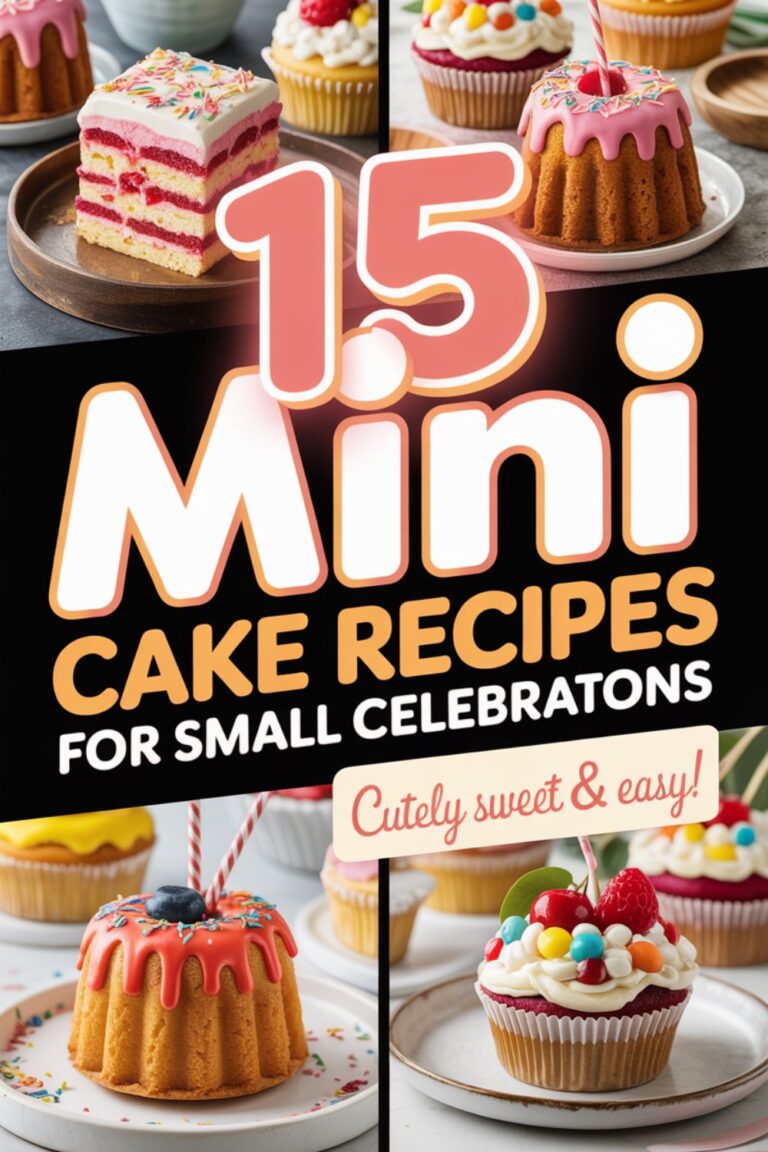
10. Mini Vanilla Protein Celebration Cakes
These are individual-sized layer cakes built in ramekins or small round tins, frosted and decorated as single-serving celebrations. They make excellent birthday or milestone treats when you want the visual drama of a real cake without committing to a full bake. Each mini measures roughly 15–18g of protein and photographs beautifully for anyone who bothers with that sort of thing.
If you love the idea of small-format celebration baking, these mini cake recipes for small celebrations give you a wider range of flavors and formats to work with.
11. No-Bake Vanilla Protein Icebox Cake
No oven required. Layers of vanilla protein cream (Greek yogurt, cream cheese, vanilla protein powder, and honey whipped together) alternate with whole grain graham crackers in a loaf pan, then chill overnight. The crackers soften into a cake-like layer, and the result slices cleanly with a surprisingly convincing slice-of-cake appearance. Around 12–15g of protein per slice depending on your yogurt brand.
12. Vanilla Protein Dump Cake
The least glamorous name on this list, but one of the easiest recipes. You essentially layer a vanilla protein cake mix (or a homemade dry mix with vanilla whey and cake flour) in a pan, dot with butter, add Greek yogurt streaks, and bake until golden. It comes out as a crumbly, cakey, pudding-like situation that is genuinely comforting and requires exactly zero mixing skill.
13. Vanilla Protein Upside-Down Cake
The fruit topping on an upside-down cake adds natural sweetness that lets you reduce added sugar in the batter significantly. This version uses a vanilla protein base beneath a caramelized pear and vanilla layer, resulting in a showstopper that reads as far more indulgent than it actually is. The natural fruit sugars and protein together give you a more stable blood-sugar response than a traditional slice, which is useful information if that matters to your eating goals.
14. Vanilla Bean Protein Cheesecake Cake
This is a hybrid: a thin vanilla protein cake layer on top of a Greek yogurt cheesecake layer, baked together and chilled until set. The cheesecake layer uses cottage cheese, cream cheese, vanilla protein, eggs, and real vanilla bean paste. Both layers bake at the same temperature and time if you manage the pan size correctly. The result looks and tastes nothing like a “protein dessert” — it tastes like something from a proper bakery case. Get Full Recipe
15. Vanilla Protein Coffee Cake with Crumb Topping
Brunch-ready and genuinely brilliant. The streusel topping uses oat flour, a little coconut oil, and a touch of brown sugar — it bakes into a crunchy, cookie-like crumb over a soft vanilla protein cake base made with Greek yogurt and vanilla whey. It is the one recipe on this list where I have genuinely struggled to stop at one piece.
If coffee cake is your thing, you are going to want to bookmark the coffee cake recipes with crumb topping collection immediately — there are twenty variations that cover everything from cinnamon swirl to brown butter editions.
16. Vanilla Protein Pound Cake
The pound cake format is forgiving and rich-tasting even when you reduce the fat. This version uses a combination of regular flour, vanilla casein protein powder, Greek yogurt, eggs, and a modest amount of butter. The result has the dense, tight crumb of a classic pound cake with a notably cleaner nutritional profile. Excellent sliced cold from the fridge the next day, which feels like it should be illegal.
IMO, pound cake is one of the most underrated cake styles for protein adaptation. The dense format actually masks protein powder texture better than any other style on this list.
17. Vanilla Protein Birthday Layer Cake (The Full Showstopper)
This is the one you make when you want to bring a real celebration cake to a party and tell absolutely no one about the protein content until after they have had two slices. Three layers of vanilla protein cake, vanilla Greek yogurt buttercream between each layer, and a clean exterior frost. It slices like a dream, feeds twelve, and delivers roughly 20g of protein per generous slice. It is genuinely the best vanilla birthday cake I have made — protein or otherwise.
Baking Essentials for High-Protein Cakes
A few things I actually use — no fluff, just the tools and resources that make the process easier.
Physical Tools Worth Having
- Cake Pans (3-pack): Even layers bake more evenly in proper aluminum pans. I use these 8-inch round cake pans — they heat consistently and release cleanly without heavy greasing.
- Kitchen Scale: Protein baking requires precision. Volume measurements for protein powder are wildly inconsistent. A small digital kitchen scale takes the guesswork out completely and costs almost nothing.
- Rotating Cake Stand: Frosting without one is genuinely harder. A sturdy cake turntable makes smooth frosting achievable even for beginners — and it doubles as a serving stand.
Digital Resources
- Macro Tracker App: Log your ingredients as you build the recipe — most apps let you create custom recipes and calculate per-serving protein automatically. MyFitnessPal and Cronometer both work well.
- Protein Powder Database: Examine.com maintains reliable data on protein powder types, absorption rates, and baking behavior differences between whey, casein, and plant-based options.
- High-Protein Baking Guide (PDF): Several registered dietitians publish downloadable ratio guides for protein baking substitutions — worth having as a reference when you start adapting your own recipes.
Choosing the Right Protein Source for Your Vanilla Cake
Not all protein sources behave the same way in a cake, and this is where most home bakers run into trouble. Here is a quick breakdown of what works and when:
- Vanilla Whey Isolate: Best for light, fluffy cakes. Bakes quickly, so watch your oven time carefully. Excellent flavor-masking.
- Casein Protein: Better for denser, moister cakes and mug-style bakes. Absorbs more liquid, so adjust your ratios accordingly.
- Greek Yogurt (full-fat): The easiest protein add with zero texture risk. Adds tang and moisture simultaneously. Replace sour cream or buttermilk 1:1.
- Cottage Cheese (blended smooth): Surprisingly versatile. Works beautifully in pound cake and cheesecake-hybrid formats.
- Egg Whites: Lift and protein without fat. Useful when you want a lighter crumb. Aquafaba works as a plant-based swap for those avoiding eggs.
- Pea Protein (unflavored): The best plant-based option for vanilla baking. Has the least intrusive flavor of the plant-based powders and handles heat well.
Research published on protein supplementation and dietary protein sources consistently shows that adequate daily protein intake supports muscle maintenance and satiety — so building it into your desserts is a genuinely practical approach rather than a gimmick.
If you are also interested in expanding your healthier-baking repertoire beyond vanilla, these unique cake flavors worth trying give you a whole world of options to test once you have the protein-baking method down. And if you want to stay in the vanilla family but explore lighter textures, the moist cake recipes that never turn dry collection is genuinely useful for understanding moisture technique.
Tools and Resources That Make Protein Baking Easier
No pressure on any of these — just sharing what genuinely speeds up the process.
Kitchen Tools
- Silicone Bake Mat: I use a silicone baking mat on every sheet cake. Nothing sticks, nothing burns at the edges, and cleanup is genuinely zero effort.
- Piping Set: A basic reusable piping bag set with interchangeable tips makes the difference between a frosted cake and a decorated cake. Even a beginner can do a simple rosette border after five minutes of practice.
- Oven Thermometer: Most ovens run 15–25 degrees off their displayed temperature. An inexpensive oven thermometer solves the mystery of why your cakes keep over- or under-baking.
Digital Resources
- Protein Baking Course: Several nutrition-focused bakers offer short online courses on adapting traditional recipes for higher protein — Udemy and Skillshare both have options in this space.
- Macro Calculation Spreadsheet: A simple downloadable spreadsheet (free versions available via most fitness blogs) that auto-calculates per-serving nutrition as you enter ingredient weights.
- Community: If you want real-time feedback and shared recipe variations, a baking-focused community group (WhatsApp or Discord) is worth joining. Seeing how others tweak the same recipe is often more useful than any written guide.
Frosting a High-Protein Vanilla Cake Without Killing the Protein Effort
The frosting is where most high-protein cakes go sideways nutritionally. You spend careful effort on the cake itself, then pile on a standard buttercream that adds 200+ calories and zero protein per slice. Here are the frosting options that actually make sense:
- Greek Yogurt Buttercream: Replace half the butter in a standard vanilla buttercream with strained (overnight) full-fat Greek yogurt. Adds creaminess, a subtle tang, and roughly 2–3g extra protein per serving. Pipes well if kept cold.
- Whipped Cottage Cheese Frosting: Blend until completely smooth, whip with powdered sugar and vanilla. Tastes light, sets firm enough to decorate, and delivers significantly more protein than any butter-based option.
- Cream Cheese + Protein Frosting: Classic cream cheese frosting with a scoop of vanilla protein powder added. Works especially well with the cheesecake-hybrid and pound cake versions.
- Stabilized Whipped Cream: For lighter, less sweet coverage on mini cakes and poke cakes. Add gelatin or cream of tartar to stabilize for warm weather serving.
For even more creative frosting inspiration, the frosting recipes that elevate any cake collection covers 25 variations, several of which adapt beautifully to lower-sugar, higher-protein versions.
Frequently Asked Questions
Can you taste the protein powder in a vanilla protein cake?
With a good quality vanilla whey isolate and proper ratios (no more than 20–25% of the total flour weight), most people cannot detect it. The vanilla flavor in the powder and the vanilla extract in the recipe work together to mask any protein-specific taste. Cheap, unflavored whey concentrate is the one that tastes like you added it — invest in a reasonable isolate and the issue largely disappears.
How much protein should a high-protein vanilla cake have per slice?
Anything above 10g per slice qualifies as meaningfully high-protein for a dessert, since a standard vanilla cake slice delivers around 3–5g at most. The recipes on this list range from 12g to 25g per slice depending on format and serving size. The layer cakes and pound cake versions tend to be on the higher end; the no-bake icebox cake sits lower.
What is the best protein powder for baking vanilla cake?
Vanilla whey isolate consistently performs best for lighter cake formats because it blends smoothly and bakes without excessive density. Casein works better in denser formats like mug cakes and pound cakes. For plant-based baking, unflavored or vanilla pea protein produces the least intrusive taste and behaves most like casein in terms of heat stability. Avoid rice protein for cakes — it produces a gritty crumb no amount of vanilla can fully hide.
Can you make a high-protein vanilla cake without protein powder?
Absolutely. Greek yogurt, cottage cheese, extra egg whites, and almond flour are all legitimate protein-boosting ingredients that require no powder whatsoever. The Greek yogurt layer cake and cottage cheese snack cake on this list use no protein powder at all and still deliver 12–15g per serving. If powder is not your thing, those formats are the place to start.
How do you keep a high-protein vanilla cake moist?
Moisture is the biggest technical challenge in protein baking because protein powders absorb a lot of liquid. The solutions are: increase your wet ingredients slightly (extra yogurt, an additional egg white, a tablespoon more oil), do not overbake (pull the cake when a toothpick comes out with a few moist crumbs, not completely clean), and wrap it well. High-protein cakes dry faster than standard ones overnight, so an airtight container or plastic wrap on the cut edges makes a real difference.
The Takeaway
High-protein vanilla cake is not a compromise. It is a format that, done correctly, produces desserts genuinely worth eating — not because they are impressive for “healthy” baking, but because they are actually good. The 17 ideas on this list cover every skill level, occasion, and preference, from a three-minute mug cake to a full celebration showstopper.
Start with the format that makes the most sense for your kitchen and your week. The Greek yogurt layer cake and the cottage cheese snack cake are probably the most beginner-friendly entry points. Once you understand how these proteins behave in heat, adapting your own favorite vanilla cake recipe becomes genuinely straightforward.
Pick one, bake it this week, and let the results do the convincing for you. The protein-forward version of your favorite vanilla cake is almost certainly better than you expect it to be.