23 Spring Cookies Decorated with Flowers & Pastels
Spring baking season hits different when you’re staring at a batch of sugar cookies that look like they belong in a pastel fever dream. I’m talking butter-yellow daisies, lavender polka dots, and enough pink icing to make a flamingo jealous. If you’ve been scrolling through Pinterest thinking “I could never make those,” let me stop you right there.
These 23 spring cookie ideas aren’t just pretty—they’re actually doable. You don’t need a piping degree from some fancy culinary school or a drawer full of specialty tips. What you do need is decent royal icing, gel food coloring (seriously, don’t even think about the liquid stuff), and maybe a little patience when your first flower looks more like a blob.
I’ve spent more hours than I’d like to admit wrestling with flood consistency and wondering why my cookies never look as crisp as the pros. Turns out, there’s a reason bakeries charge $5 per cookie, and it’s not just because they’re greedy. But here’s the thing—you can totally nail that spring aesthetic at home without losing your mind or your grocery budget.

Why Spring Cookies Hit Different
There’s something about ditching winter’s heavy chocolate-everything vibe for lighter, brighter flavors that just feels right when the weather starts warming up. Spring cookies aren’t just about slapping some pastel frosting on sugar cookies and calling it a day—though let’s be honest, that works too.
The real magic happens when you combine soft butter cookies with smooth royal icing in colors that actually look like spring. We’re talking sky blue, mint green, peachy pink, and that perfect buttery yellow that reminds you of daffodils. These aren’t your Christmas cookie reds and greens.
According to the FDA’s guidance on food colorings, gel-based food colors provide more vibrant, consistent results than traditional liquid dyes because they’re more concentrated and won’t thin out your icing. That’s why every serious cookie decorator’s drawer looks like a rainbow exploded in it.
Here’s what I’ve learned after way too many batches: spring cookies are forgiving. A slightly wonky petal? Call it “rustic.” Colors bleeding together? “Watercolor effect.” The best part about these 5-ingredient cookies is they taste amazing even when they don’t photograph perfectly.
The Base: Getting Your Sugar Cookies Right
Let’s talk about the foundation here. You can’t build a gorgeous spring masterpiece on a cookie that tastes like sweetened cardboard. I’ve tried every shortcut imaginable, and honestly, a solid sugar cookie recipe makes all the difference.
Your ideal spring cookie base should be sturdy enough to handle wet icing without dissolving into mush, but not so hard you could use it as a doorstop. The thickness matters too—I shoot for about a quarter inch because anything thinner bakes too crispy, and anything thicker takes forever to dry after decorating.
When you’re cutting out shapes, flour is your friend but also your enemy. Too much and your cookies taste chalky. Too little and everything sticks. I use a silicone baking mat which basically eliminates this whole problem, plus cleanup is stupid easy.
The baking part? Don’t walk away. Spring cookies are delicate, and the line between “perfectly golden” and “why did I even try” is about 45 seconds. Pull them when the edges just barely start to color. They’ll keep cooking on the pan for a minute after.
Cookie Cutter Choices That Actually Matter
Not all flower cookie cutters are created equal. I learned this the expensive way after buying a $3 set that looked cute but cut like a dull butter knife. The cheap metal ones bend, the plastic ones crack, and don’t even get me started on the ones with too many intricate details.
For spring cookies, simple flower shapes work best—5-petal flowers, daisies, tulips. You want clean lines that are easy to ice. I swear by this stainless steel cutter set because they’re sharp enough to actually cut (revolutionary concept), and they don’t rust when you forget to dry them immediately.
Bunny shapes, egg shapes, and simple leaves also fall into the spring category. The key is variety without going overboard. Three or four different shapes give you enough options without making your decorating station look like a craft store threw up.
Royal Icing Decoded: The Consistency Crisis
Okay, real talk. Royal icing consistency is where dreams go to die. Too thick and it looks like toothpaste sitting on top of your cookie. Too thin and it runs everywhere like water. Getting it right is part science, part witchcraft, and entirely frustrating until you nail it.
There are basically three consistencies you need to know: stiff for outlines and details, medium for filling smaller areas, and flood for covering large spaces. Most spring cookie designs use all three, which is why you see decorators with approximately seventeen squeeze bottles labeled with increasingly aggressive Sharpie notes.
The “20-second rule” gets thrown around a lot in cookie decorating circles. When you drag a knife through flood-consistency icing, the line should disappear in—you guessed it—20 seconds. If it disappears faster, add powdered sugar. Slower? Add water, one teaspoon at a time like your life depends on it.
I use these squeeze bottles with precision tips for flood icing because they give you way more control than piping bags for large areas. Plus they don’t explode in your hands when you squeeze too hard (speaking from traumatic experience here).
The wet-on-wet technique is your secret weapon for spring cookies. While your base icing is still wet, you add dots or details on top that blend slightly for that watercolor look. It’s how you get those dreamy polka-dotted flowers without spending three hours and developing carpal tunnel.
Color Theory for Spring Cookie Success
Spring color palettes are all about soft, muted tones that don’t assault your eyeballs. We’re going for “garden party” not “circus tent.” The trick is using gel food colors but not too much of them—start with a tiny amount and build up.
Sky blue, lavender, soft pink, mint green, and butter yellow are your spring cookie MVPs. These colors play well together and give you that cohesive look even when you’re mixing and matching designs. Throw in some white and you’ve got yourself a legitimate palette.
According to research on food coloring safety from Chemical Safety Facts, gel colors are FDA-approved and safe for consumption when used as directed—they’re just more concentrated than liquid dyes, which is exactly what we want for vibrant spring shades without watering down our icing.
One thing I wish someone had told me earlier: colors darken as royal icing dries. That pale pink you mixed? It’s going to be two shades darker in a few hours. Mix lighter than you think you need. Your future self will thank you when your cookies don’t all look like they’re auditioning for a Valentine’s theme instead of spring.
For those gorgeous two-toned flowers you see everywhere, you literally just use two shades of the same color family. Light pink base with darker pink details, or sky blue with periwinkle accents. It looks complicated but it’s honestly just strategic laziness—pick colors that naturally go together and you can’t mess it up too badly.
If you’re looking to expand your cookie repertoire beyond spring themes, you might want to check out these easy cookie recipes that work year-round. Sometimes you need a break from the floral aesthetic, you know?
Flower Decorating Techniques That Don’t Require a Degree
Let’s cut through the intimidation factor here. Piping flowers isn’t rocket science, but cookie decorating Instagram would have you believe you need the steady hands of a neurosurgeon. You don’t. You just need to understand a few basic techniques and accept that your first attempt might look like a kindergartener’s art project.
The Basic Flood and Detail Method
This is your entry-level technique and honestly, it works for 90% of spring cookies. You outline your cookie with piping consistency icing (think thick toothpaste), then flood the inside with thinner icing that self-levels. Let it dry overnight—patience is not optional here—then add details on top.
For flowers, I outline the petals individually, flood them, and while they’re still wet, add a dot of white or yellow in the center. Boom, instant flower. The wet-on-wet dots spread slightly and give you that professional look without any actual skill required. Get Full Recipe for basic flood cookies that you can customize.
The main thing is keeping your hand steady and moving at a consistent speed. Shaky hands = lumpy outlines. Stop and start = weird breaks in your lines. I usually prop my decorating arm on a stack of cookbooks for stability because I have the natural hand steadiness of someone who’s had six espressos.
Petal Piping for Show-Offs
If you want to level up, petal tips are where it’s at. A Wilton #104 petal tip is the standard for cookie flowers, and it makes those ruffled petal effects you see on fancy cookies. The wide end goes against the cookie, narrow end points out, and you move in a small arc while squeezing.
According to detailed cookie decorating tutorials from Sarah Grace Cookie Co, using stiff-peak royal icing fresh from the mixer gives you the best petal definition. If your icing has been sitting for more than an hour, re-whip it for those fluffy, realistic blooms.
Here’s the thing about petal flowers: they look impressive but they’re actually more forgiving than precise flooding. A slightly wonky petal just looks organic and hand-made. You’re creating art, not engineering blueprints. Plus, flowers in nature aren’t perfectly symmetrical anyway.
The odd-number rule is weirdly important. Flowers with 3, 5, or 7 petals look more natural than even-numbered ones. Don’t ask me why—it’s some kind of human perception thing—but once you notice it, you can’t unsee it. Your cookies will just look “better” when you stick to odd numbers.
23 Spring Cookie Ideas to Steal
Alright, let’s get into the actual designs. These range from “I’ve never decorated a cookie before” to “I have piping bags in my sleep,” so pick your skill level and jump in.
Beginner-Friendly Designs
1. Simple daisy cookies are your gateway drug to spring decorating. White petals with a yellow center. That’s literally it. You can flood or pipe them, whatever feels comfortable.
2. Pastel polka dot flowers use the wet-on-wet technique we talked about. Flood a flower shape with lavender, drop white dots on top while it’s wet. They spread into perfect little polka dots without you doing anything fancy.
3. Two-tone tulips are just outlined petals filled with two shades of pink. Bottom half dark, top half light, blend them slightly in the middle. Looks way harder than it is.
4. Ombre petal cookies use the same color in three different shades. Start with the darkest on the bottom petals and work your way up to the lightest on top. It’s gradient without the stress.
5. Watercolor flowers happen when you’re “bad” at keeping colors separate. Intentionally let your pink, yellow, and white icing bleed together for that painted look. Call it artistic vision.
6. Spring leaf cookies are just green shapes with a darker green vein piped down the middle. Pair them with your flowers for a complete look and pretend you planned it all along.
Intermediate Level Designs
7. Lavender sprigs are just tiny purple dots in a pattern. Use a small round piping tip #2 and pipe clusters of dots along a green stem. It’s repetitive but meditative, like adult coloring books except you can eat it.
8. Cherry blossom branches combine brown piped branches with pink 5-petal flowers. The branches can be wonky—that’s how real trees look. The flowers are just 5 dots of pink in a circle. Not complicated, just time-consuming.
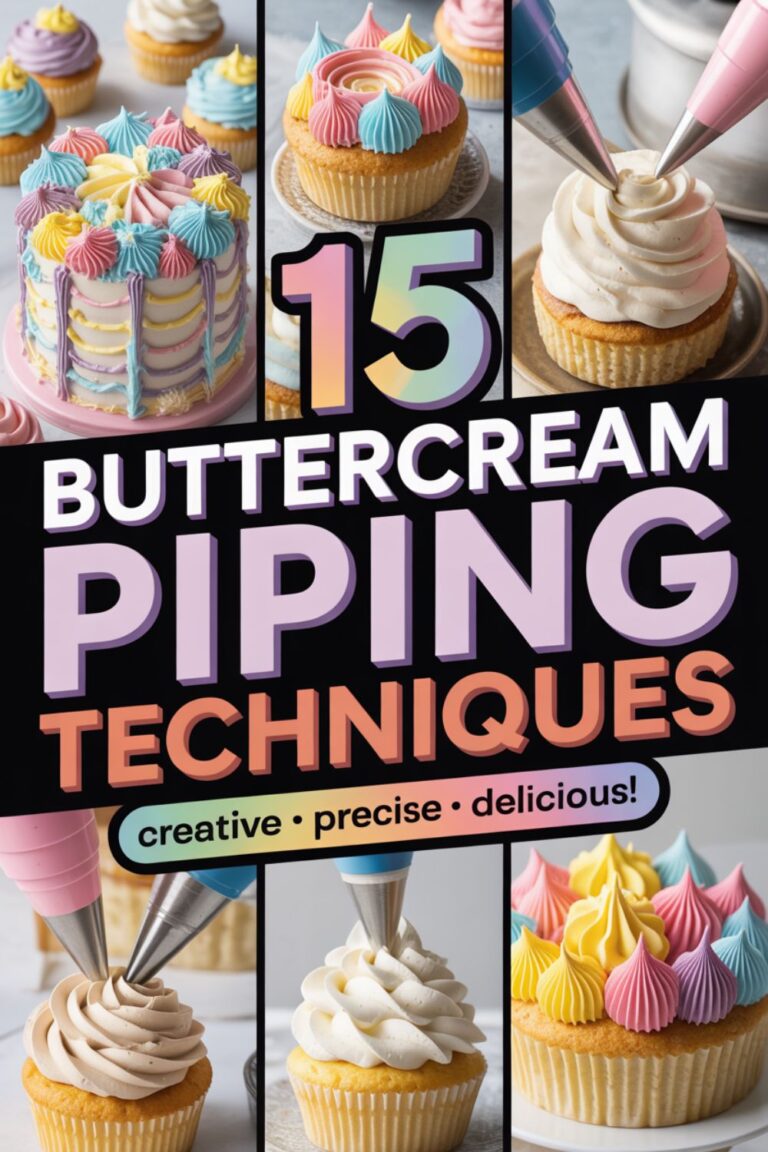
9. Buttercream roses on cookies sound fancy but they’re basically the same technique as on cakes, just smaller. You need buttercream instead of royal icing because it pipes differently, but the effect is stunning for spring bridal showers.
10. Gingham pattern cookies give major picnic vibes. Pipe alternating horizontal and vertical lines in pastel pink or blue, then fill in the squares. It’s tedious but if you can draw a tic-tac-toe board, you can do this.
11. Floral monogram cookies are perfect for Mother’s Day or spring birthdays. Pipe or paint an initial in the center, then surround it with tiny piped flowers. Looks custom without requiring actual customization skills.
12. Stacked flower cookies use different sized flower cutters to create dimension. Bake 2-3 sizes, stack them with icing as glue, add a center detail. Instant wow factor for minimal extra work.
Speaking of stacking and layering, if you’re into creative cookie presentations, these cookie bars you can make in one pan are perfect for when you want impressive results without the fuss of individual cookies. Sometimes I just need the shortcut, and that’s okay.
Advanced Show-Stoppers
13. Royal icing basket weave flowers require patience I don’t always have, but the results are bakery-level gorgeous. You pipe a basket weave pattern on round cookies, then add flowers on top. It’s a commitment, FYI.
14. 3D butterfly cookies use piped wings that stand up off the cookie. You pipe them on parchment, let them dry, then attach them to flood-iced cookies. They look like they’re about to fly away, which is the point.
15. Fondant flower cookies combine royal icing backgrounds with fondant flower decorations made in silicone molds. Two different mediums, one impressive cookie. The molds do most of the work, which is my kind of decorating.
16. Hand-painted watercolor cookies use diluted gel colors painted directly on dried royal icing. You need actual artistic ability for this one, or at least the confidence to fake it. The blended effect is worth the learning curve.
17. Mirror glaze cookies aren’t technically royal icing, but the glossy finish over pastel bases screams spring. You need a mirror glaze kit and steady hands. The result looks like glass.
18. Lace detail flowers use a super fine tip to pipe intricate patterns on flooded cookies. This is where that PME #1 or #0 tip comes in handy. It’s basically calligraphy but with icing.
Wild Card Spring Cookies
19. Marbled spring cookies happen when you swirl different colored icing together before it sets. Pink and white, blue and yellow, whatever combo you want. Use a toothpick to create the marble effect.
20. Pressed flower cookies use actual edible flowers pressed into white royal icing. You need food-safe dried flowers for this, but the organic look is unbeatable.
21. Ombre ruffle cookies gradually change color from bottom to top using a petal tip. Start with dark pink at the bottom and work your way up to white at the top. The ruffles hide imperfections beautifully.
22. Sugar crystal flowers add sparkle with sanding sugar or edible glitter while the icing is still wet. The crystals catch light and add that spring garden magic. Just don’t go overboard unless you’re into the disco aesthetic.
23. Floral cookie garden boxes aren’t a single cookie design but a collection displayed in clear cookie boxes with dividers. Mix and match all your spring designs for a complete garden effect that makes amazing gifts.
For more inspiration on cookie variety, check out these soft and chewy cookie recipes and drop cookie options perfect for beginners. Sometimes you need a texture change from all those decorated sugar cookies.
Tools and Gadgets That Actually Earn Their Keep
Let’s talk about what you actually need versus what the internet tells you that you need. Cookie decorating can become a money pit fast if you buy every cute gadget you see. Here’s what’s worth it.
Essential Tools That Make Life Easier
- Quality piping bags – I prefer disposable ones because washing reusable bags is my personal hell. Buy a box of 100 and never look back.
- Wilton icing tips – A basic decorating set covers most techniques. You need round tips in various sizes, a petal tip or two, and maybe a leaf tip.
- Squeeze bottles – For flood icing, these are non-negotiable. Get the ones with different colored caps so you can keep your colors straight.
- Cookie scoops – Not just for drop cookies. A small cookie scoop helps you get consistent amounts of dough for even baking.
- Offset spatulas – Both large for icing spreading and small for detail work. Don’t skip the small one; it’s a game-changer for smoothing flood icing.
- Gel food colors – Already mentioned but worth repeating. Americolor or Wilton gels are the gold standard.
Nice-to-Have Upgrades
- Cookie turntable – Makes decorating so much easier when you can spin the cookie instead of contorting your body. Not essential but definitely helpful.
- Scribe tools – For popping air bubbles in wet icing and spreading flood icing into corners. A toothpick works but these are more precise.
- Airbrush system – If you get really into this, an airbrush adds professional gradient effects. It’s an investment though, so maybe master the basics first.
- Silicone molds – For fondant flowers and decorations. They do the work for you, which is always my preferred method of crafting.
If you’re looking to expand beyond just cookies into other spring desserts, these strawberry cake recipes and bright, fresh lemon cakes use a lot of the same decorating techniques. The skills transfer, which makes buying all these tools feel slightly less ridiculous.
Troubleshooting Common Spring Cookie Disasters
Let’s address the elephant in the room: sometimes your cookies look terrible. I’ve made every mistake possible, and I’m here to tell you it happens to everyone, even those Instagram accounts that make it look effortless.
When Your Icing Won’t Cooperate
Icing that’s too thin is the most common problem. It runs off the cookie, bleeds into other colors, and generally acts like it has somewhere better to be. Add powdered sugar one tablespoon at a time until it thickens up. Mix thoroughly between additions.
Too thick? Add water literally one teaspoon at a time. I mean it—one teaspoon. It goes from cement to soup faster than you’d think possible. Mix, test, repeat. This is where patience becomes a virtue whether you like it or not.
Icing that crusts over while you’re working is the worst. Keep unused portions covered with a damp paper towel. For bottles, wipe the tips clean and keep the caps on when not actively using them. Once a crust forms, you’re basically done with that batch.
Color Catastrophes
Colors turning out wrong happens all the time. Remember they darken as they dry, but they can also shift hues depending on your ingredients. Butter-based cookies under white icing can make everything look slightly yellow. Just accept it or use a white-white base layer first.
Bleeding colors are usually a consistency issue. Your flood icing is too thin, or you’re putting wet icing next to wet icing without waiting. Give each section time to crust over (about 15 minutes) before adding adjacent colors if you want crisp lines.
If your pastels look muddy, you probably added too much color. With gel colors, a toothpick dab is often enough for pastel shades. You can always add more, but you can’t take it back once it’s mixed in.
Shape and Texture Issues
Cookies spreading in the oven means your dough was too warm or you didn’t use enough flour. Always chill dough before cutting, and if shapes spread anyway, add flour next time. Also check your baking temperature—too low and cookies spread before setting.
Air bubbles in flood icing drive me crazy. Pop them immediately with a scribe tool or toothpick. They won’t disappear on their own, and they’ll show up in your finished cookies as little craters. Not cute.
Icing that cracks when dry usually means it was too thick or you applied it too heavily. Thinner layers dry more evenly and crack less. If it keeps happening, thin your flood icing slightly.
While we’re on the topic of spring baking, you might also enjoy these vegan cookie recipes or these gluten-free options if you’re baking for folks with dietary restrictions. The decorating techniques work on any type of cookie base.
Storing and Gifting Your Spring Cookie Creations
You spent hours making these cookies look perfect—don’t ruin them with terrible storage. Royal icing decorations are delicate, and they can smudge, stick together, or absorb moisture if you’re not careful.
Let cookies dry completely before storing—and I mean completely. Royal icing needs 8-12 hours, sometimes longer for thick layers or humid weather. If icing is still slightly tacky, it will stick to whatever it touches and ruin your work.
Stack dried cookies between layers of parchment or wax paper in an airtight container. The container is key because royal icing absorbs moisture from the air and gets soft. Room temperature storage works fine for up to two weeks.
For gifting, invest in clear cello bags with twist ties or cookie boxes with inserts. Individual wrapping protects cookies during transport and looks more professional. Add a cute ribbon and suddenly you’re a legit baker.
Never refrigerate decorated cookies. The moisture will destroy your royal icing and make everything sticky. If you need to ship cookies, pack them tightly so they can’t slide around, and use plenty of bubble wrap. I learned this lesson the expensive way.
Want to make ahead? Bake cookies and freeze them undecorated for up to 3 months. Decorate them when you’re ready to use them. You can also freeze decorated cookies, but you need to freeze them flat first, then pack them carefully. The icing stays intact surprisingly well.
Frequently Asked Questions
How long does royal icing take to dry on cookies?
Plan on at least 8-12 hours for royal icing to fully dry and harden. Thick layers or humid weather can extend this to 24 hours. The icing should feel completely firm and not tacky to the touch before stacking or packaging. Rushing this step ruins everything, trust me.
Can I use regular food coloring instead of gel?
You technically can, but you shouldn’t. Liquid food coloring thins out your icing and makes colors less vibrant. Gel colors are concentrated, so you need way less to get bright colors without messing up your icing consistency. It’s worth the extra $3 per bottle for results that don’t look washed out.
What’s the best way to prevent colors from bleeding into each other?
Let each color section crust over before adding an adjacent color—about 15 minutes usually does it. Also make sure your flood icing is the right consistency; too thin and it’ll run everywhere. Outlining sections with piping consistency icing creates barriers that help keep colors separate.
How do I fix royal icing that’s too thick or too thin?
For icing that’s too thick, add water one teaspoon at a time and mix thoroughly. For icing that’s too thin, add sifted powdered sugar one tablespoon at a time. Test the consistency after each addition. The 20-second rule is your friend—a line drawn through flood icing should disappear in about 20 seconds.
Can I make spring cookies ahead of time?
Absolutely. Bake undecorated cookies up to 3 months in advance and freeze them in airtight containers. Decorated cookies with royal icing can be made 1-2 weeks ahead and stored at room temperature in airtight containers. Just make sure the icing is completely dry before stacking or storing to prevent smudging.
Final Thoughts on Spring Cookie Decorating
Here’s what I want you to take away from all this: spring cookies don’t have to be perfect to be beautiful. The whole point of homemade is that human touch, the slight variations that prove an actual person made these with their actual hands.
Start with simple designs. Master flooding before you attempt 3D butterflies. Get comfortable with basic color mixing before you try complex palettes. There’s no prize for doing the hardest technique first, but there is a lot of frustration and wasted ingredients.
The real secret to good spring cookies is practice and accepting that some batches will look better than others. The ones that don’t turn out Pinterest-perfect still taste delicious, and honestly, those are the ones you get to eat yourself without feeling guilty about ruining a gift.
Invest in decent tools, use gel colors, let everything dry completely, and remember that even the pros mess up regularly—they just don’t post those pictures on Instagram. Your spring cookies are going to be great because you made them, wonky petals and all.
Now go forth and decorate. Spring isn’t going to cookie itself.