17 Fresh & Fruity Spring Cakes Perfect for Brunch
Spring brunch without cake feels like showing up to a party in sweatpants—technically fine, but you’re missing the whole vibe. I’m talking about those cakes that make people forget their usual Sunday scone routine and reach for seconds before they’ve finished their coffee. You know the ones—bursting with berries, citrus, and that “I can’t believe this is homemade” energy.
Here’s the thing about spring cakes: they should taste like sunshine looks. Light, bright, and packed with fruit that actually tastes like fruit—not the sad, flavorless stuff you find in grocery store muffins. I’ve spent way too many Saturday mornings experimenting with different cake recipes, and I’m about to save you from my trial-and-error disasters.
These 17 cakes balance fancy-looking presentation with “I’m not stressing over this” simplicity. Whether you’re hosting brunch for your book club or just want to pretend you have your life together for one weekend, these recipes deliver. No fondant required, no pastry degree needed—just really good cake that happens to look impressive.
Why Spring Cakes Hit Different for Brunch
Brunch cakes occupy this weird middle ground between breakfast and dessert that somehow works. They’re sweet enough to satisfy your sugar cravings but not so decadent that you feel guilty eating them before noon. Spring brings out the best in this category because the fruit is actually good—strawberries taste like strawberries again, not cardboard, and citrus is still having its moment.
I used to think brunch cakes needed to be complicated to impress people. Wrong. The secret is fresh ingredients and proper moisture—two things that spring fruit naturally provides. Berries add natural sweetness and keep cakes from drying out, which means you can often reduce added sugar without sacrificing flavor. According to research on berry nutrition, strawberries and other spring berries are packed with vitamin C and antioxidants, making them a smarter sweetener choice than processed sugars.
The texture matters too. You want something that holds up to being sliced ahead of time but doesn’t turn into a brick by the time your guests arrive. That’s where offset spatulas become your best friend—they make spreading batters and frostings so much easier without deflating your carefully folded ingredients.
The Essential Spring Cake Flavor Profiles
Lemon Everything (Because Duh)
If spring had a flavor, it would be lemon. Bright, zippy, and it makes everything taste cleaner. I put lemon in nearly every spring cake I make, even when it’s not the star ingredient. Just a little zest in the batter transforms the whole thing. Those lemon cake recipes I’ve been testing lately prove that you can’t really go wrong with citrus in April and May.
The key to lemon cakes is balancing the tartness. You want that pucker-worthy zing without making people’s faces contort. I usually add a touch of vanilla extract and sometimes a hint of almond extract—just enough to round out the sharpness. Works every time.
Berry Medleys That Actually Work
Not all berry combinations are created equal. Strawberry and rhubarb? Classic for a reason. Blueberry and lemon? Can’t go wrong. Raspberry and… basically anything? Winner. But mixing too many berries together can create a muddy flavor that tastes like “generic fruit.” Pick two, maybe three max, and let them shine.
Fresh berries beat frozen for texture, but frozen works fine if you’re making something like a fruit upside-down cake. Just don’t thaw them first—toss them in frozen so they don’t bleed everywhere and turn your batter purple.
Unexpected Fruit Twists
Spring isn’t just berries and citrus. Apricots, peaches (the early varieties), and even rhubarb bring something different to the table. Rhubarb especially—it’s tart, it’s weird, and it makes people think you’re fancier than you actually are. Plus, it pairs beautifully with vanilla and cardamom in ways that feel elegant without being pretentious.
I’ve started playing with tropical fruits too. Pineapple works surprisingly well in spring cakes, especially when you want something that feels lighter than traditional coffee cake. If you’re into that vibe, check out these pineapple cake recipes for ideas you can adapt.
Baking Techniques That Actually Matter
Room Temperature Ingredients Aren’t Just a Suggestion
This drives me nuts when people skip it. Cold eggs and butter don’t cream properly, period. Your cake will be denser, your crumb will be tighter, and you’ll wonder why your friend’s cake looked fluffier. The difference is literally 30 minutes of planning ahead.
I set everything out while I drink my first coffee. By the time I’m ready to bake, the butter’s soft enough to leave a fingerprint but not melting into a puddle. That’s the sweet spot. If you forget, you can microwave eggs in warm water for about 5 minutes—just don’t actually cook them, please.
Don’t Overmix (Seriously, Stop)
Overmixing develops gluten, which is great for bread, terrible for cake. Once you add your dry ingredients, mix until you just barely don’t see flour anymore. Those little streaks? They’ll hydrate. That desperate need to make sure everything’s perfectly combined? Let it go.
I use a Danish dough whisk for this step instead of my stand mixer. Sounds old-school, but it prevents overmixing better than anything else I’ve tried. Plus it makes you feel like a legit baker.
Speaking of mixing techniques, if you’re working on perfecting your overall cake game beyond just spring flavors, these moist cake recipes share a lot of the same foundational techniques I’m describing here.
Spring Baking Essentials I Actually Use
Physical Products:
- 9-inch Springform Pan – Makes releasing delicate fruit cakes so much less stressful. No more digging cakes out with a spoon.
- Citrus Zester & Juicer Set – Life’s too short for dull zesters that only grab pith. Get the good one.
- Silicone Baking Mats – I mentioned these earlier. Game-changer for sticky glazes and sugar-topped cakes.
Digital Resources:
- Spring Baking Printable Planner – Track your recipes, ingredient lists, and timing so you’re not frantically Googling measurements at 7am.
- Fruit Seasonality Chart – Know what’s actually fresh versus what’s been sitting in cold storage since December.
- Cake Troubleshooting Guide – For when your cake sinks, cracks, or does other mysterious things. Happens to everyone.
Join Our Community: We’ve got a WhatsApp group for home bakers where people share their brunch wins (and hilarious fails). Real feedback, no judgment.
My Top 17 Spring Cake Picks for Brunch
1. Classic Lemon Poppyseed Bundt
This is the cake that makes people ask for the recipe. Light lemon flavor, crunchy poppyseeds, and that gorgeous bundt shape that looks fancy with zero effort. I glaze mine with a simple lemon-powdered sugar situation—nothing complicated. The shape does the work for you, which is exactly my kind of baking.
The texture hits that perfect balance between moist and tender without being dense. I use sour cream in the batter, which keeps it from drying out even if you bake it the day before. Actually, bundt cakes improve overnight—the flavors meld and the crumb sets up nicely.
2. Strawberry Shortcake Layer Cake
Basically strawberry shortcake decided to put on heels and show up to brunch. Three layers of vanilla cake, fresh strawberries macerated in sugar (game-changer, btw), and whipped cream stabilizer so your frosting doesn’t weep all over the place.
I make this one when I want to look like I tried really hard but actually didn’t. The cake itself is straightforward, and assembly is just stacking and spreading. For a lighter frosting option that won’t collapse, try these whipped cream frosting variations that hold up better than standard whipped cream. Get Full Recipe
3. Blueberry-Lemon Coffee Cake
Coffee cake is the most underrated brunch cake category. This one’s got a thick crumb topping that’s basically half the reason to make it, a lemon-scented cake base, and fat blueberries throughout. The crumb topping stays crunchy if you add a bit of melted butter to the sugar mixture instead of just cutting in cold butter.
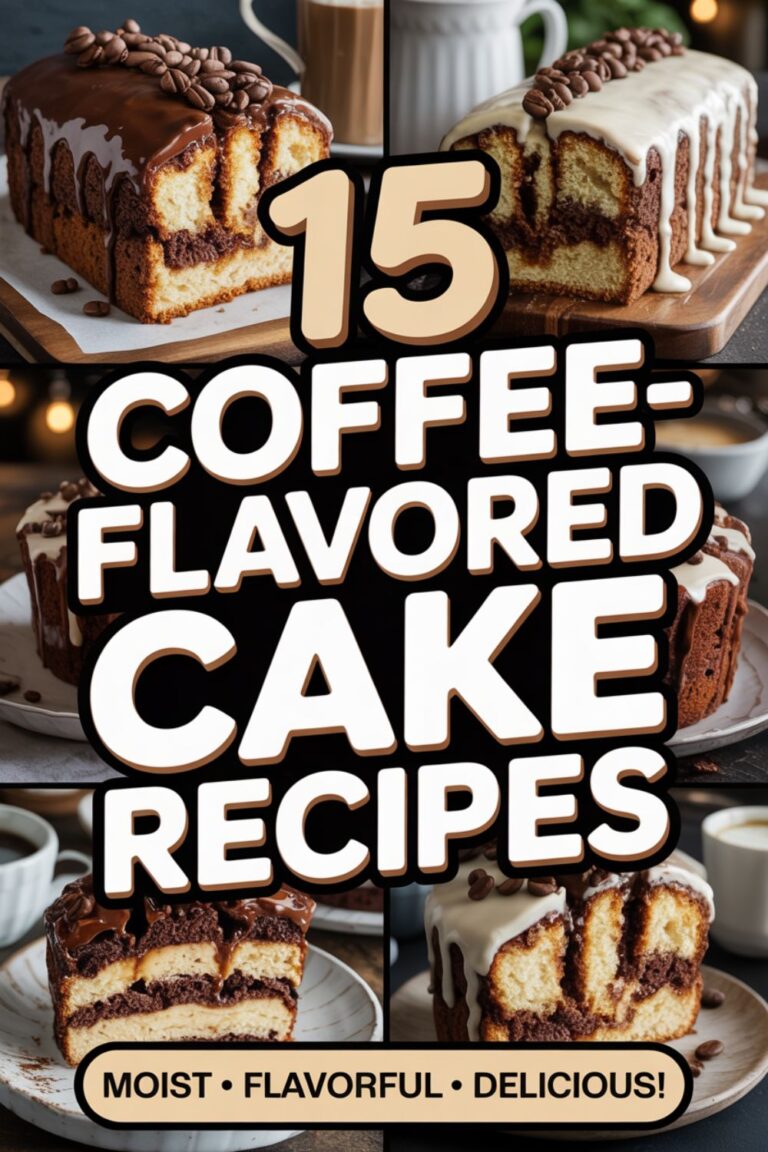
Make this the morning of or the night before—both work. If you’re prepping ahead, leave the crumb topping separate and add it right before baking so it stays crispy. If you’re into coffee cakes with serious crumb game, these coffee cake recipes with crumb topping are all variations on this same genius concept.
4. Coconut-Lime Sheet Cake
Sheet cakes don’t get enough respect at brunch. They’re easier to cut and serve than layer cakes, and this one tastes like vacation. Coconut milk in the batter, lime zest everywhere, and toasted coconut on top because we’re not monsters. According to nutritional research on coconut milk, it adds healthy fats while keeping the cake incredibly moist.
I use one of those quarter sheet pans for smaller crowds—perfect size for 8-10 people without leftovers haunting you for a week. The lime glaze soaks into the warm cake, which is the entire point of sheet cakes, IMO.
“I made the coconut-lime version for Easter brunch and people legit asked where I ordered it from. My aunt didn’t believe I baked it myself until I showed her the dirty mixing bowl.” – Jenny, community member
5. Rhubarb Upside-Down Cake
Rhubarb is having a moment, and I’m here for it. This cake looks impressive because the fruit caramelizes on the bottom (which becomes the top, hence “upside-down”), creating this gorgeous pink pattern. The tartness of rhubarb balances the sweet caramel layer perfectly.
You need a cast-iron skillet or oven-safe pan for this—I use my trusty 10-inch cast iron that I’ve had forever. The caramelization happens right in the pan, then you pour the batter over and bake. Flip it while it’s still warm, not cooled, or it’ll stick like crazy.
6. Almond-Raspberry Loaf Cake
Loaf cakes are clutch for brunch because you can slice them thin or thick depending on your crowd. This one has almond flour for extra moisture and a subtle nutty flavor, with raspberries that stay intact instead of turning to mush. The almond cake recipes I’ve been perfecting all use this same technique of combining almond and all-purpose flour.
Top it with sliced almonds before baking for crunch, and dust with powdered sugar right before serving. That’s it. No frosting needed, which is great when you’re already juggling ten other dishes for brunch.
7. Orange-Cranberry Olive Oil Cake
Olive oil cakes stay moist forever, which is perfect for advance prep. This one uses orange zest and juice plus dried cranberries (or fresh if you can find them in spring—sometimes you get lucky). The olive oil creates this unique texture that’s tender but substantial.
Use good olive oil here—not your fancy finishing oil, but also not the stuff you bought for $3. The flavor comes through subtly, and cheap oil tastes cheap. I drizzle mine with an orange glaze that soaks into the top and makes it look bakery-level.
For more ideas that use this same moist-cake technique, these one-bowl cake recipes share the simple mixing method that keeps everything tender.
8. Strawberry-Basil Pound Cake
Basil in cake sounds weird until you try it. The combination with strawberries is chef’s kiss—herbal without being savory, fresh without being overwhelming. I steep basil in warm cream, strain it out, then use that infused cream in the cake batter. Fancy technique, easy execution.
Pound cakes are naturally denser than other cakes, which some people love for brunch. Slices hold up well on plates, they travel easily if you’re bringing cake somewhere, and they don’t need frosting. These classic pound cake recipes give you the foundation if you want to experiment with other flavor combos. Get Full Recipe
9. Peach Melba Layer Cake
Peaches and raspberries together create this beautiful peachy-pink color that screams spring. I use peach puree in the cake layers—you can make it from fresh peaches or just buy good-quality peach baby food (yes, really, no one will know). Raspberry jam between the layers, and a light vanilla buttercream to tie it together.
If you’re nervous about layer cakes, this is a good starter. The layers don’t have to be perfect because the frosting hides sins. Just make sure they’re level—that’s where a cake leveler saves the day. Way easier than eyeballing it with a knife.
10. Lemon-Blueberry Ricotta Cake
Ricotta makes cake insanely moist and adds protein, so you can almost pretend it’s healthy. Almost. The texture is somewhere between regular cake and cheesecake—dense but not heavy, creamy but not rich. Blueberries and lemon do their usual perfect pairing thing.
This cake actually tastes better cold, which makes it ideal for make-ahead brunch prep. I bake it the night before, let it chill overnight, and serve it straight from the fridge. The flavors intensify, and the texture gets even better. FYI, if you’re into that cheesecake-adjacent vibe, these cheesecake recipes use similar techniques with ricotta and cream cheese combinations.
11. Carrot Cake with Pineapple
Carrot cake for brunch feels right. It’s got vegetables in it, so it’s basically a salad, right? The pineapple keeps everything super moist and adds natural sweetness. I use crushed pineapple—drain it well, or your batter will be soup.
Top it with cream cheese frosting because that’s the law. I make mine slightly less sweet than traditional versions, which lets the spices in the cake shine through. Walnuts or pecans on top add crunch and make it look finished. These carrot cake recipes all use the pineapple trick for extra moisture. Get Full Recipe
12. Apricot-Ginger Bundt
Apricots are underused in spring baking, which is a shame because they’re excellent. This cake uses fresh apricots diced small, with crystallized ginger for a subtle spicy kick. The ginger isn’t overwhelming—it just adds warmth that makes the apricots taste more complex.
Bundt cakes are your friend when you need easy elegance. This one works warm or room temperature, and I serve it with a simple apricot glaze. The bundt cake recipes I’ve collected all have this same user-friendly vibe.
13. Triple Berry Yogurt Cake
Yogurt cakes are magic. The acid from the yogurt reacts with baking soda to create lift, plus it keeps everything moist without adding tons of fat. I use Greek yogurt for extra protein and a denser crumb, then fold in strawberries, blueberries, and raspberries.
This cake is great for health-conscious brunch guests because it’s lower in sugar and fat than traditional cakes without tasting “healthy.” I barely glaze it—just a drizzle of vanilla glaze for aesthetics. Sometimes simple wins.
Tools & Resources That Make Spring Baking Easier
Physical Products:
- Microplane Zester – The gold standard for citrus zest. Nothing else comes close, and it doubles for grating nutmeg.
- Cooling Rack Set – Stackable ones save counter space when you’re baking multiple cakes. Get the ones that fit inside your sheet pans.
- Cake Strip Wraps – Prevents doming and ensures even baking. Works like magic, especially for layer cakes.
Digital Resources:
- Recipe Scaling Calculator – For when you need to double a recipe or cut it in half without doing mental math.
- Brunch Hosting Timeline Template – Plan what to bake when, so you’re not stressing the morning of.
- Ingredient Substitution Guide – Because you’ll always be out of something at 8am on a Sunday.
14. Meyer Lemon Glazed Cake
Meyer lemons are sweeter and less tart than regular lemons, with a subtle floral note that’s perfect for spring. This is a simple single-layer cake with a thick glaze that hardens slightly on top. The glaze is key—make it thick enough to coat the back of a spoon, then pour generously.
I bake this in a 9-inch round pan and serve it straight from the pan. No need to transfer it or make it precious. The rustic look works for brunch. If Meyer lemons aren’t available, regular lemons work fine—just add a tiny bit of honey to the glaze to approximate that sweetness.
15. Banana-Berry Breakfast Cake
This one straddles the line between banana bread and cake, which is perfect for brunch. Overripe bananas bring natural sweetness and moisture, while fresh berries add brightness. I use whatever berries look good—usually strawberries or blueberries.
The texture is denser than regular cake but lighter than traditional banana bread, which makes it filling without being heavy. Top it with a light cream cheese glaze or just dust it with powdered sugar. These banana cake recipes all use similar ratios if you want to experiment.
16. Pistachio-Rose Loaf
Okay, this one’s a bit more adventurous, but hear me out. Pistachios and rose water create this Middle Eastern-inspired flavor that feels special without being complicated. I use ground pistachios in the batter (you can buy them already ground or blitz them yourself) and just a touch of rose water—too much and it tastes like soap.
The color is this gorgeous pale green that looks amazing against white plates. I top mine with crushed pistachios and a light rose glaze. It’s different enough to be memorable but not so weird that people won’t eat it.
17. Classic Strawberry Sheet Cake
Sometimes you need a crowd-pleaser that won’t stress you out. This is that cake. Sheet cake, fresh strawberries folded into the batter, simple vanilla flavor, and a basic buttercream frosting. Nothing complicated, everything delicious.
I make this when I’m feeding a lot of people or when I just don’t have the energy for layer cakes and fancy techniques. The sheet pan cake recipes I lean on all have this same practical approach—good flavor, easy execution, feeds a crowd. Fresh strawberries on top make it look finished, and you’re done.
For those perfect finishing touches that make sheet cakes look professional, these frosting recipes offer tons of variations beyond basic buttercream.
Making Spring Cakes Ahead Without Sacrificing Quality
The biggest brunch hack is prepping cakes the day before. Most unfrosted cakes actually improve overnight—the crumb settles, flavors meld, and everything slices cleaner. Wrap cooled cakes tightly in plastic wrap, then again in foil, and store at room temperature.
Frosted cakes need refrigeration, especially if you’re using cream cheese frosting or whipped cream. Bring them to room temperature about an hour before serving—cold cake tastes muted, and the texture is off. Set a timer so you don’t forget and serve arctic cake to your guests.
Fruit-topped cakes should wait until the last minute for topping. The fruit weeps and makes everything soggy if you add it too early. Prep your fruit the night before, store it separately, then arrange it right before serving. Takes five minutes and makes all the difference.
Frequently Asked Questions
Can I use frozen fruit in spring cakes?
Yes, but don’t thaw it first. Toss frozen berries directly into your batter to prevent them from bleeding color everywhere. The texture won’t be quite as good as fresh, but it works in a pinch. I coat frozen fruit in a tablespoon of flour before adding it to help prevent sinking and color bleeding.
How do I prevent fruit from sinking to the bottom of my cake?
Three tricks: toss fruit in flour before adding to batter, make sure your batter is thick enough to support the fruit (thin batters equal sinking fruit), and if you’re really worried, add half the batter to the pan, sprinkle some fruit, add remaining batter, then top with more fruit. This distributes it throughout instead of letting it all sink.
What’s the best way to store leftover cake?
Unfrosted cakes can stay at room temperature wrapped tightly for 2-3 days. Frosted cakes with buttercream can also stay out if your house isn’t too warm, but anything with cream cheese frosting, whipped cream, or fresh fruit needs the fridge. Always bring refrigerated cake to room temp before serving for best flavor and texture.
Can I make these cakes gluten-free?
Most of these work with a 1:1 gluten-free flour blend, though the texture will be slightly different—usually a bit denser. Add an extra egg or a tablespoon of sour cream to help with moisture. The bundt cakes and loaf cakes tend to adapt better than layer cakes. If you want dedicated gluten-free recipes, these gluten-free options use similar fruit-forward approaches.
How far in advance can I bake cakes for brunch?
Most cakes can be baked one day ahead without issues. Some, like pound cakes and bundt cakes, actually improve overnight. If you need to go further ahead, bake and freeze unfrosted cakes wrapped tightly in plastic wrap and foil for up to a month. Thaw overnight at room temperature, then frost and serve.
Final Thoughts on Spring Brunch Cakes
Spring baking should feel fun, not stressful. These 17 cakes cover everything from simple loaf cakes you can make half-asleep to impressive layer cakes that look like you actually know what you’re doing. The key is working with seasonal fruit while it’s at its peak and not overthinking the process.
Your brunch guests don’t need perfection—they need something delicious that pairs well with coffee and conversation. Any of these cakes deliver on that promise. Pick one that matches your skill level and energy, use good ingredients, and trust the process. The fruit does most of the heavy lifting flavor-wise, so you’re already halfway there.
Start with the classics like lemon bundt or strawberry layer cake if you’re new to this. Once you nail those, branch out to the weirder combos like pistachio-rose or rhubarb upside-down. Spring only lasts so long—might as well bake your way through it.