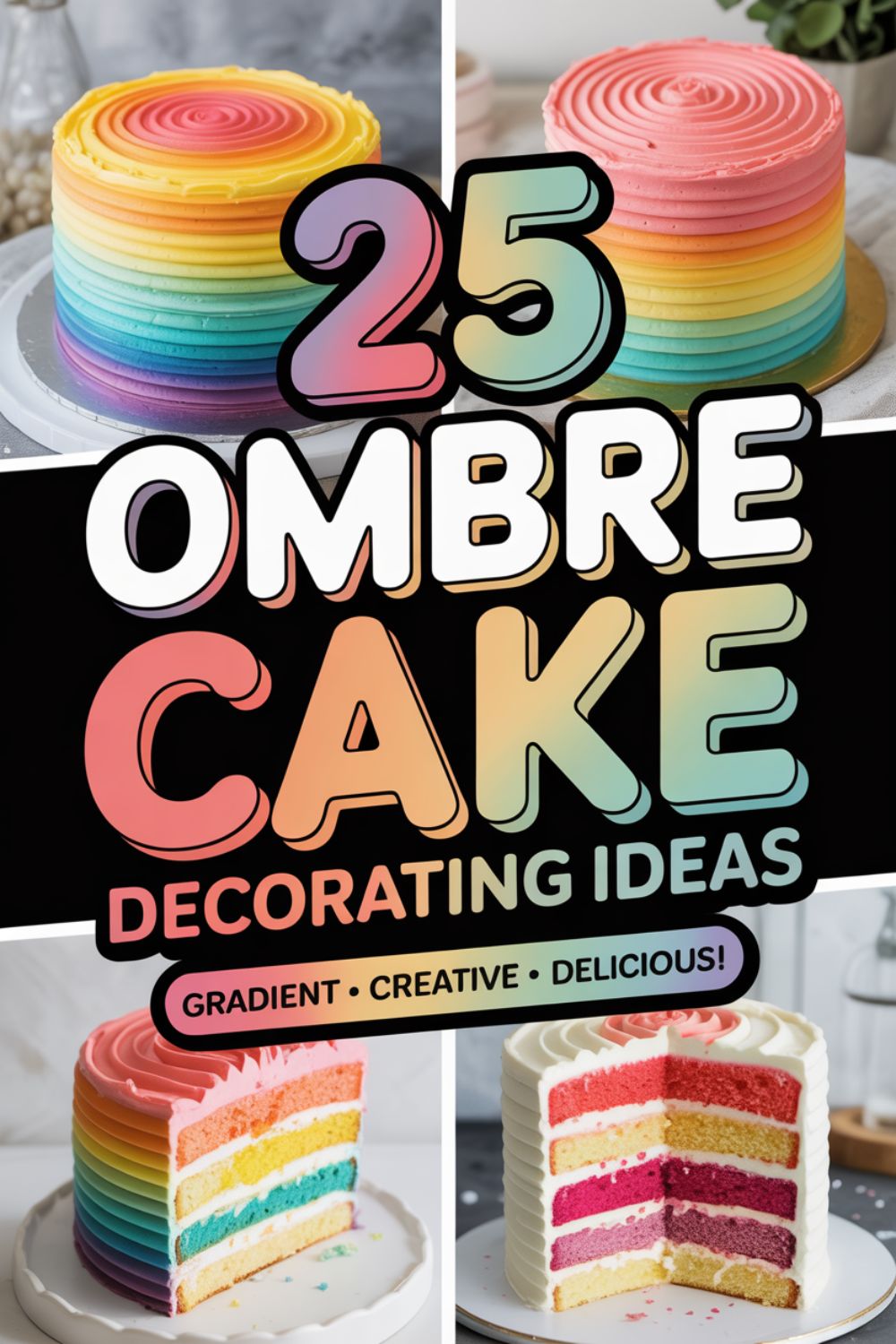
25 Ombre Cake Decorating Ideas That’ll Make You Look Like a Pro
You know that moment when you scroll past a stunning ombre cake on Instagram and think, “There’s no way I could pull that off”? Yeah, I used to think that too. Turns out, creating those gorgeous gradient effects isn’t some mystical baking wizardry reserved for pastry chefs with fancy culinary degrees. It’s actually way more doable than you’d think, and honestly? It’s kind of fun once you get the hang of it.
I’ll be real with you—my first attempt at an ombre cake looked like a toddler got loose with food coloring. But after a few tries and some trial and error, I figured out what actually works. Now I’m sharing all those hard-won lessons so you don’t have to waste three perfectly good cakes learning the ropes like I did.
Whether you’re planning a birthday party, a baby shower, or just want to flex your baking skills on social media, these 25 ombre cake decorating ideas will give you the confidence to create something genuinely impressive. No culinary school required.
Understanding the Ombre Effect (And Why It’s Easier Than You Think)
Let’s start with the basics. The word “ombre” comes from French, meaning “shaded” or “shadow.” In cake decorating, it’s all about creating a smooth color transition from dark to light (or vice versa, if you’re feeling rebellious). According to the Institute of Culinary Education, professional pastry chefs use this technique to add visual depth that mimics natural color variations you’d see in nature.
The beauty of ombre cakes? You’ve got two main routes to choose from. You can create the gradient effect in the cake layers themselves, or you can go for an ombre frosting on the outside. IMO, the frosting method is way more forgiving for beginners, but we’ll cover both approaches here.
The secret weapon in your ombre arsenal is gel food coloring. Forget those watery liquid food colors your mom used for Easter eggs—gel coloring is where it’s at. It gives you vibrant, concentrated color without messing up your batter or frosting consistency. I picked up this gel food coloring set after ruining my fourth cake with liquid colors, and it was a total game-changer.
Classic Pink Ombre Cake
Pink ombre is the gateway drug of gradient cakes. It’s timeless, elegant, and works for literally any celebration from baby showers to sweet sixteens. Start with a pure white layer at the top and gradually deepen the pink as you work your way down.
For the smoothest transition, I divide my buttercream into four bowls. The first stays white, the second gets just a hint of pink, the third gets a bit more, and the fourth bowl gets the most color. When you stack and frost, you’ll pipe each shade onto its corresponding section, then use an offset spatula to blend where the colors meet.
The technique reminds me of how different frosting recipes each bring their own character to a cake. Just like choosing between buttercream and cream cheese frosting changes the whole vibe, your color choices set the entire mood of your ombre creation.
Baking the Layers
If you want to take it up a notch, create ombre layers inside the cake too. Divide your vanilla batter into separate bowls and add increasing amounts of gel coloring. Pour each shade into its own pan and bake as usual. When you slice into it, people lose their minds over the surprise gradient inside.
Your basic moist vanilla cake recipe works perfectly here. You want something that holds up well to being layered and won’t dry out.
Blue Ocean Wave Ombre
This one’s for the ocean lovers and beach party enthusiasts. Start with deep navy or cobalt blue at the bottom and fade up through turquoise to the palest sky blue at the top. It’s giving major mermaid vibes without being too literal about it.
The trick with blue ombre is not going too dark too fast. Blue food coloring can be sneaky—a little goes a long way, and it often appears darker once your frosting or batter sets. According to baking experts, gel colors can deepen slightly during baking, so keep that in mind when mixing your shades.
I like to pair this design with some subtle texture. Once you’ve got your smooth ombre base, use a petal piping tip to add tiny ruffles around the bottom edge. It creates this cool wave effect that really sells the ocean theme.
Adding Complementary Flavors
Here’s where you can get creative beyond just aesthetics. Consider adding coconut extract to your frosting or folding some toasted coconut into your cake layers. The tropical flavor plays beautifully with the beachy color scheme, and it’s a nice surprise when people take that first bite.
Looking for more ideas? Check out these unique cake flavors that could inspire your next ombre creation.
Sunset Gradient Cake
Okay, this one’s a showstopper. Think fiery oranges fading through coral and peach to soft yellow. It’s basically edible magic hour, and people will absolutely ask you to cater their next event when they see this.
The sunset ombre requires a bit more color mixing finesse since you’re working with multiple hues rather than shades of one color. Start by creating your darkest orange-red shade, then gradually mix in more yellow as you lighten up through the gradient. Wilton’s cake decorating techniques emphasize the importance of smooth blending between different colors.
What makes this design extra special is the warm, inviting feel it brings to any celebration. I’ve used this for fall birthday cakes, summer parties, and once for a client who just really loved sunsets. No judgment—we all have our things.
Purple Ombre Dream
Purple ombre runs the gamut from sophisticated deep plum to barely-there lavender. It’s got this dreamy, whimsical quality that works beautifully for spring celebrations, garden parties, or anyone who’s really into that whole aesthetic vibe.
One thing I’ve learned: purple can be tricky because it often reads differently in photos than it does in person. If you’re making this cake for an event that’ll be heavily photographed (hello, Instagram), do a test run with your lighting first. Natural light tends to show purple more accurately than artificial lighting.
I grab this rotating cake stand every time I work on ombre cakes. Makes the whole process so much smoother, and you can actually see what you’re doing from all angles.
If you’re into experimenting with flavors that match your colors, consider mixing in some lavender extract or even a touch of earl grey tea into your batter. The floral notes complement the purple beautifully, and it’s an unexpected flavor twist that guests always remember. Speaking of unexpected flavors, these coffee-flavored cakes offer another way to think outside the vanilla box.
Monochromatic Green Ombre
Green ombre doesn’t get enough love, and I’m here to change that. From deep forest green fading up to mint or sage, this palette is fresh, modern, and works year-round. I’ve done this for spring baby showers and winter holiday parties with equal success.
The key with green is choosing the right undertone. Cool-toned greens (with blue undertones) give you that minty, fresh vibe. Warm-toned greens (with yellow undertones) lean more toward olive or sage territory. Both are gorgeous, just different moods entirely.
For decoration, consider adding some gold leaf accents or simple white flowers. The contrast between organic green and metallic gold is chef’s kiss. You can find edible gold leaf sheets online pretty cheap, and they make any cake look like it came from a fancy bakery.
Natural Color Alternatives
Real talk: if you’re trying to avoid artificial food coloring, green is actually one of the easier colors to achieve naturally. Spinach powder or matcha can give you beautiful green shades without the synthetic dyes. Just know that natural colors tend to be more subtle and may fade slightly over time.
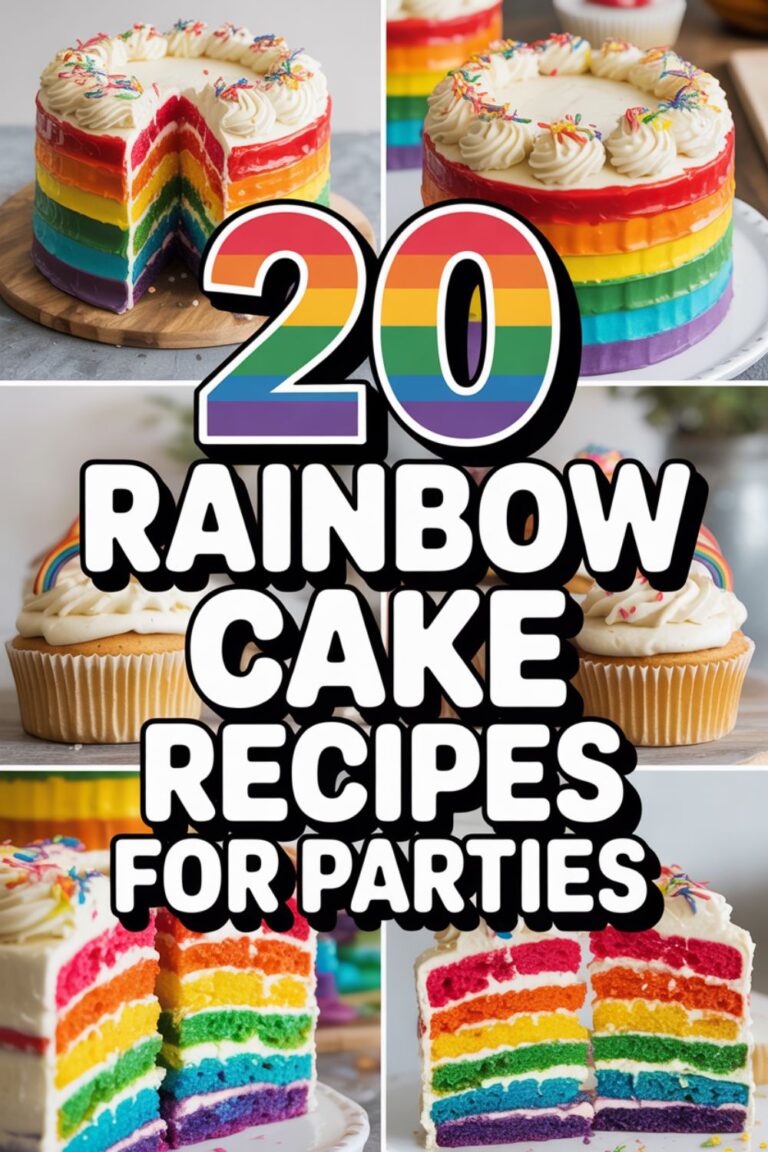
Rainbow Ombre Layers
Go big or go home, right? Rainbow ombre takes commitment—you’re looking at six or seven different colored layers—but the wow factor is unmatched. This is the cake that gets shared on social media and makes people message you asking if you’ll make their kid’s birthday cake.
The secret to rainbow ombre is keeping each layer relatively thin. You want to show off all those colors when you slice into it, so skip the thick, towering layers and go for something more stacked and compact. Think pancakes, not burgers.
I use these 6-inch cake pans when I’m doing rainbow layers. They’re the perfect size for creating a tall, dramatic cake without needing a ridiculous amount of batter. Plus, a 6-inch cake still serves plenty of people without being wasteful.
For the frosting, you’ve got options. You could do a white buttercream to let those colorful layers shine through when you cut it, or you could go full rainbow on the outside too. Just maybe have some extra frosting on hand—rainbow ombre frosting eats through buttercream faster than you’d think.
Essential Tools for Ombre Cake Decorating
After way too many ombre attempts, here’s what actually makes a difference:
- Ateco offset spatula set – Different sizes for different jobs. The angled one is crucial for smooth sides.
- Wilton gel food coloring kit – Wide color range, highly concentrated, and won’t mess with your frosting consistency.
- Non-slip cake turntable – Game changer for achieving those smooth gradient blends. Worth every penny.
- Digital Ombre Cake Decorating Guide – Step-by-step video tutorials showing exactly how to blend colors like a pro.
- Color Mixing Chart PDF – Takes the guesswork out of creating perfect gradients with any color combo.
- Cake Decorating Printable Templates – Helpful guides for portion sizes and layer measurements.
Join our WhatsApp community for daily cake decorating tips and troubleshooting help from fellow bakers!
Coral to Peach Ombre
This color combo hits different. It’s softer than straight pink but more interesting than plain peach. The coral-to-peach gradient has this peachy-keen energy that’s perfect for spring and summer celebrations.
The thing about coral is that it requires a bit of color mixing finesse. You’re essentially blending red, orange, and pink in different ratios to get those perfect shades. Start with your base pink, add tiny amounts of orange, and adjust from there. It’s like being a color scientist, except way more delicious.
I’ve found this palette pairs beautifully with fresh strawberry cake recipes. The flavor matches the color scheme, and there’s something satisfying about that kind of cohesion.
Gold and Champagne Ombre
For those fancy occasions when you need a cake that screams “celebration,” go for a gold and champagne ombre. Think New Year’s Eve, milestone birthdays, or weddings where elegance is the name of the game.
This one’s a bit different because you’re working with metallic and neutral tones rather than pure colors. Start with a deep gold buttercream (achieved with gold luster dust mixed into ivory frosting) and fade up through champagne tones to barely-tinted cream at the top.
The metallic element adds serious sophistication. I mix edible gold luster dust right into my buttercream, which gives it this subtle shimmer that catches the light beautifully. Just make sure you’re using actual edible luster dust and not craft glitter—learned that lesson the hard way at a friend’s engagement party.
Pair this with a champagne-flavored cake (yes, it’s a thing, and yes, it’s amazing) for the full luxury experience. You can also check out these celebration cake ideas for more inspiration on special occasion baking.
Mint to White Gradient
Clean, fresh, and seriously Instagram-worthy. Mint green fading to white has this crisp, modern aesthetic that works for everything from baby showers to bridal showers to “I just felt like making a pretty cake” Thursdays.
The beauty of starting with mint is that it’s naturally a lighter color, so your gradient doesn’t need to span as dramatic a range as, say, navy blue to white. This makes it more forgiving for beginners who are still figuring out the color-blending thing.
Top this with some simple white chocolate curls or fresh mint leaves for decoration. Keep it minimal—the gradient is the star here, and you don’t want to cover it up with too much fuss.
Flavor Pairing Ideas
Mint chocolate chip cake is the obvious choice here, but hear me out: lemon cake with mint frosting is underrated and absolutely delicious. The citrus cuts through the sweetness, and the mint keeps it fresh. These lemon cake recipes would work perfectly as a base.
Black to Gray Ombre
For the goths, the Halloween enthusiasts, or anyone who thinks “edgy” should extend to desserts, black-to-gray ombre is where it’s at. It’s dramatic, unexpected, and looks absolutely stunning when done right.
Black food coloring is notoriously difficult to work with. It tends to taste bitter if you use too much, and achieving true black (rather than dark purple or navy) requires a hefty amount of gel color. My workaround? Start with chocolate cake instead of vanilla. The dark base means you need less black coloring, and the chocolate flavor masks any bitter aftertaste.
This design works beautifully for kids’ birthday parties with themes like space, pirates, or superheroes. Just because it’s black doesn’t mean it has to be scary—it can be sleek and cool instead.
Yellow to White Sunshine Gradient
Pure sunshine in cake form. This cheerful gradient runs from bright, happy yellow down to soft buttery cream or white. It’s impossible to look at this cake and not smile, which makes it perfect for celebrations that need an extra dose of joy.
Yellow can be tricky because it sometimes looks greenish if you’re not careful with your food coloring. Stick with gel colors labeled specifically as “lemon yellow” or “golden yellow” rather than just generic yellow. The right shade makes all the difference.
I love pairing this with lemon or vanilla bean cake. You could also go wild and do a pineapple upside-down cake situation with ombre frosting on top. Unexpected but delicious.
Burgundy to Blush Ombre
Deep, rich burgundy fading up through wine tones to soft blush creates this sophisticated, romantic vibe that’s perfect for fall weddings, anniversary celebrations, or Valentine’s Day with a twist.
The key to nailing this gradient is taking your time with the color mixing. Burgundy is essentially a mix of red and purple with some brown tones, so you’re working with a complex color right off the bat. Build your shades gradually, testing each one against the others to make sure your transition looks smooth.
Consider adding some sugar flowers in complementary colors or going for a semi-naked frosting style where you can see glimpses of the cake layers underneath. The rustic-meets-elegant aesthetic works beautifully with this color palette.
These red velvet cake recipes would pair perfectly with a burgundy ombre frosting—you’d have color coordination inside and out.
Teal to Aqua Gradient
Teal ombre sits right in that sweet spot between blue and green, giving you this cool, refreshing vibe that’s perfect for summer parties, pool parties, or anyone who just really loves that color (we see you, teal enthusiasts).
The transition from deep teal to light aqua is relatively easy to achieve because you’re working with one color family. Start with your darkest teal, then gradually add white buttercream to lighten it for each subsequent shade. Simple, straightforward, and hard to mess up.
For texture, try the petal technique—use a petal piping tip to create subtle horizontal ruffles around the cake. When you do this in ombre colors, it creates this beautiful dimensional effect that catches light differently at various angles.
Rose Gold Metallic Ombre
Rose gold is having a moment (and has been for a while, let’s be honest), and for good reason. It’s feminine without being too sweet, metallic without being too flashy. A rose gold ombre cake is basically Instagram catnip.
You’ll need rose gold luster dust for this one. Mix it into ivory or light pink buttercream in varying concentrations—more luster dust at the bottom for that deep rose gold, less as you work your way up to a subtle peachy shimmer at the top.
The metallic finish means you’ll want to keep your decorations minimal. Maybe some fresh flowers or simple piped details, but let that shimmer do the heavy lifting. This pairs beautifully with elegant wedding cake designs if you’re going DIY for your big day.
Resources That Make Ombre Decorating Easier
Here’s what’s actually helped me level up my ombre game:
- Bench scraper set – Essential for those smooth, blended sides. Get one with measurements marked on it.
- Piping bag set with couplers – Makes switching between colors way faster without dirtying a million bags.
- Digital kitchen scale – For dividing batter and frosting evenly between bowls. Eyeballing it leads to uneven layers.
- Ombre Cake Calculator Spreadsheet – Helps you figure out exactly how much batter and frosting you need for different cake sizes.
- Advanced Color Theory for Bakers PDF – Goes deep into which colors blend well together and why.
- Video Course: Mastering Gradient Techniques – Shows troubleshooting for common ombre problems in real-time.
Lavender to White Gradient
There’s something incredibly soothing about lavender ombre. It’s got that spa-day, zen-garden energy that makes it perfect for spring celebrations, Mother’s Day, or whenever you need a cake that feels like a deep breath.
Lavender falls into that tricky color territory where too much can look purple, but too little barely registers. The sweet spot is achieving that distinct lavender tone—purple with just a hint of gray to soften it. Mix your purple gel color with the tiniest touch of black or brown to knock back the brightness.
This is one case where I absolutely recommend adding flavor to match the aesthetic. Lavender extract in your frosting (go easy—a little is plenty) or even dried culinary lavender mixed into the cake batter creates this cohesive sensory experience. It’s the kind of detail that makes people remember your cake.
Chocolate Brown Ombre
Who says ombre has to be all pastels and bright colors? Brown ombre—from deep dark chocolate to light mocha—is sophisticated, unexpected, and perfect for the chocolate lovers who want something beyond a standard chocolate cake.
The easiest way to achieve this is by starting with chocolate buttercream and lightening it progressively with vanilla buttercream. You get natural color variation without needing food coloring at all, and the slight flavor difference between layers adds interest.
Top it with chocolate shavings, cocoa nibs, or even some salted caramel drizzle. This would pair perfectly with chocolate cake recipes that are rich and decadent.
Tangerine to Cream Ombre
Bright, citrusy, and full of personality. Tangerine orange fading to cream gives you this warm, inviting look that screams summer parties and outdoor celebrations. It’s like sunshine decided to become a cake.
Orange can be an interesting color to work with because it shows up differently on white versus off-white frosting. Make sure you’re starting with the whitest buttercream possible if you want true tangerine rather than peachy orange. These tropical-flavored cakes would complement this color scheme beautifully.
Turquoise to Silver Ombre
This combo is giving major winter wonderland or under-the-sea vibes, depending on how you style it. The coolness of turquoise paired with the neutral sophistication of silver creates this almost ethereal effect.
For the silver element, mix silver luster dust into white buttercream. Start with a lot of luster dust at the bottom for deep silver, then transition through increasingly lighter turquoise shades as you move up the cake.
This design would be stunning for a small celebration cake where you really want to make an impact without going over-the-top.
Magenta to Pink Ombre
Bold, bright, and unapologetically vibrant. This hot pink gradient makes a statement and then some. It’s perfect for anyone who thinks subtle pastels are overrated and wants their cake to have personality.
Magenta requires a generous amount of gel coloring—this isn’t a color that happens with just a few drops. But the payoff is worth it. The intensity of deep magenta fading through hot pink to soft baby pink creates this dynamic range that photographs beautifully.
Sage Green to Ivory Gradient
Muted, earthy, and effortlessly elegant. Sage green ombre has this organic, garden-party feel that works year-round but especially shines for spring and fall celebrations. It’s having a serious moment in wedding cakes right now.
The trick with sage is getting that perfect grayish-green tone without it looking muddy. Mix green gel color with tiny amounts of brown and black to achieve that muted, sophisticated shade. It’s finicky, but when you nail it, it’s gorgeous.
Pair this with some fresh eucalyptus, rosemary sprigs, or simple white flowers for decoration. The natural, botanical vibe complements the earthy color palette perfectly. If you’re feeling ambitious, try this with carrot cake for that rustic-meets-refined aesthetic.
Navy to Baby Blue Ombre
Deep, nautical navy fading to the softest baby blue gives you this classic, timeless look that works for boys’ baby showers, sailor-themed parties, or anyone who loves blue but wants something more interesting than solid color.
Navy is one of those colors that can look almost black if you’re not careful. Make sure you’re working in good lighting when you mix your shades so you can actually see what you’re creating. Natural daylight is your friend here.
For decoration, consider some simple white piping details or even fondant anchors if you’re going full nautical. Keep it clean and classic to let the gradient shine.
Peach to Yellow Ombre
Warm, cheerful, and perfect for spring and summer celebrations. This gradient mimics the colors of sunrise or sunset (depending on which direction you go with it), and it’s just plain happy to look at.
The peach-to-yellow transition is pretty forgiving because both colors are in the warm family and blend naturally. Start with your peach (a mix of pink and orange), then gradually add yellow to lighten it while shifting the hue. The middle tones practically create themselves.
This would pair beautifully with fruit-flavored cakes like peach, apricot, or even mango. Match your flavor to your color for maximum impact.
Violet to Lilac Gradient
Rich violet fading to soft lilac creates this dreamy, romantic atmosphere that’s perfect for spring celebrations, garden parties, or anyone who wants their cake to look like it belongs in a fairytale.
Violet and lilac are basically the same color at different intensities, which makes this gradient particularly easy to achieve. Start with your deepest violet, then gradually add white buttercream to lighten it for each subsequent shade. No complex color mixing required.
The simplicity of the technique means you can focus more energy on decorations. Fresh flowers, piped details, or even some simple edible glitter can take this from pretty to absolutely magical.
For more cake inspiration beyond ombre designs, check out these party cake recipes that’ll feed a crowd without breaking your back or your budget.
Troubleshooting Common Ombre Problems
Let’s talk about what goes wrong and how to fix it, because trust me, things will go wrong at some point. That’s just part of the learning process.
Streaky, Unblended Colors
This usually happens when your frosting is too cold or you’re being too gentle with your blending. Solution? Let your frosting come to room temperature, and don’t be afraid to really work that bench scraper around the cake. Multiple passes are normal and expected.
Colors Look Muddy
This happens when you’re trying to blend colors that are too far apart on the color wheel, or when you’ve used too many different shades. Stick to 3-4 shades maximum for a clean gradient. More than that, and you’re asking for mud.
Uneven Color Distribution
Usually caused by not dividing your batter or frosting evenly between bowls. Get yourself a kitchen scale and weigh everything. Eyeballing doesn’t work for ombre—I learned that the hard way.
Frosting Too Soft to Hold Shape
Pop your frosted cake in the fridge for 15-20 minutes to firm up between blending passes. Working with slightly chilled frosting gives you more control and cleaner lines.
Frequently Asked Questions
Do I need special equipment to make an ombre cake?
Not really. A good offset spatula, bench scraper, and rotating cake stand make life easier, but you can create ombre effects with just a regular spatula and patience. The rotating stand is the one thing I’d call a genuine game-changer though—it’s worth the investment if you plan to decorate cakes regularly.
How far in advance can I make an ombre cake?
You can bake the cake layers up to a month ahead and freeze them wrapped tightly in plastic wrap. The decorated cake should be fine in the fridge for 2-3 days before serving. Just bring it to room temperature before cutting for the best flavor and texture.
What’s the easiest ombre technique for beginners?
Start with ombre frosting on the outside of a simple single-color cake. It’s way more forgiving than trying to create ombre cake layers, and you can fix mistakes by adding more frosting. Stick to one color family (like all blues or all pinks) rather than trying to blend multiple different colors.
Can I use liquid food coloring instead of gel?
You can, but I really don’t recommend it. Liquid food coloring is watered down, so you’d need tons of it to get vibrant colors, and all that extra liquid can mess up your batter and frosting consistency. Gel coloring is concentrated and won’t throw off your recipes. The $10-15 you spend on a gel color set will save you from ruined cakes.
How do I get really smooth color transitions?
The secret is in the blending. Apply your different colored frostings in horizontal bands, slightly overlapping where they meet. Then use a bench scraper held at a 45-degree angle while slowly rotating your cake turntable. Make multiple passes—the first smooths, the second blends, and the third (and sometimes fourth) refines. Don’t rush it.
Final Thoughts
Look, ombre cakes might seem intimidating when you’re scrolling past professional-looking photos online, but they’re genuinely achievable with a bit of practice and patience. Your first attempt probably won’t be Instagram-worthy—mine definitely wasn’t—but that’s okay. Each cake teaches you something.
The beauty of ombre decorating is that even imperfect gradients look pretty. Unlike some cake decorating techniques where one mistake ruins everything, ombre is forgiving. Slightly uneven color transitions? Still looks intentional. Colors blend a bit too much in one spot? Just call it “rustic” and move on.
Start with a simple single-color gradient, use quality gel food coloring, and don’t be afraid to take your time with the blending process. Once you nail the basic technique, you can get creative with color combinations, add texture with different piping tips, or even experiment with flavors that match your colors.
Whether you’re making a cake for a special celebration or just because Tuesday feels like it needs more color, these ombre techniques will serve you well. Now get out there and make something beautiful. Your Instagram feed is waiting.