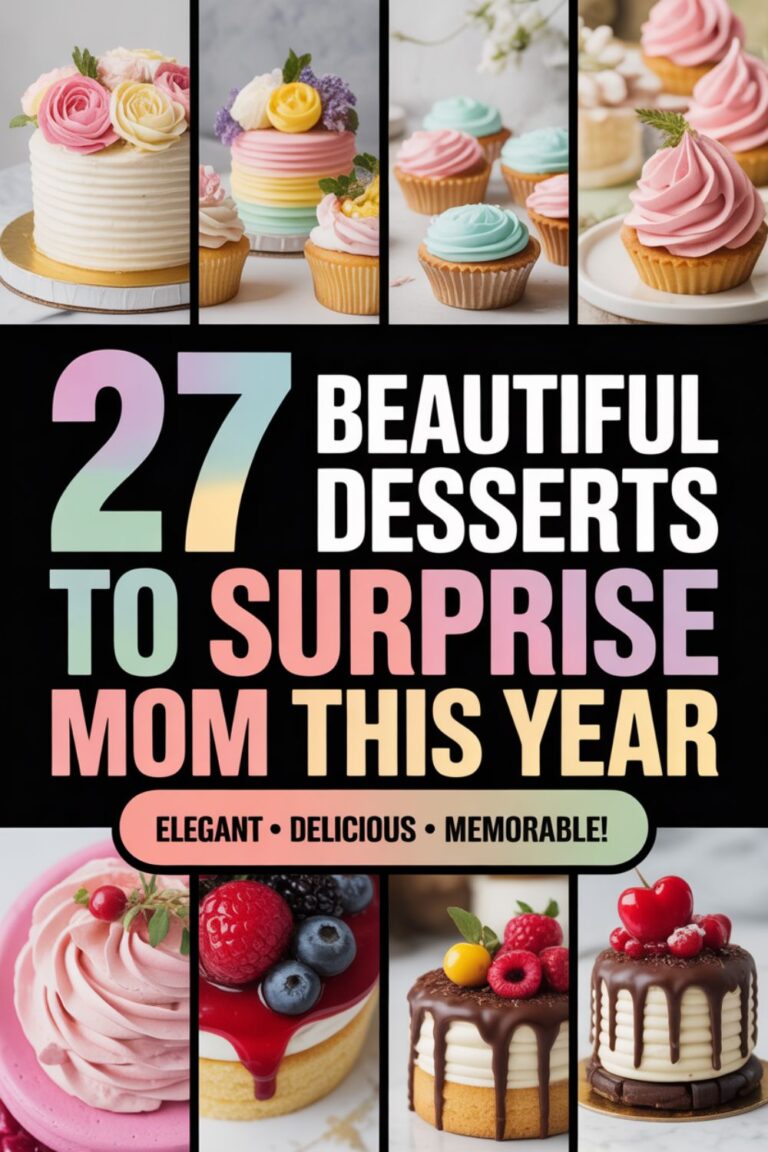
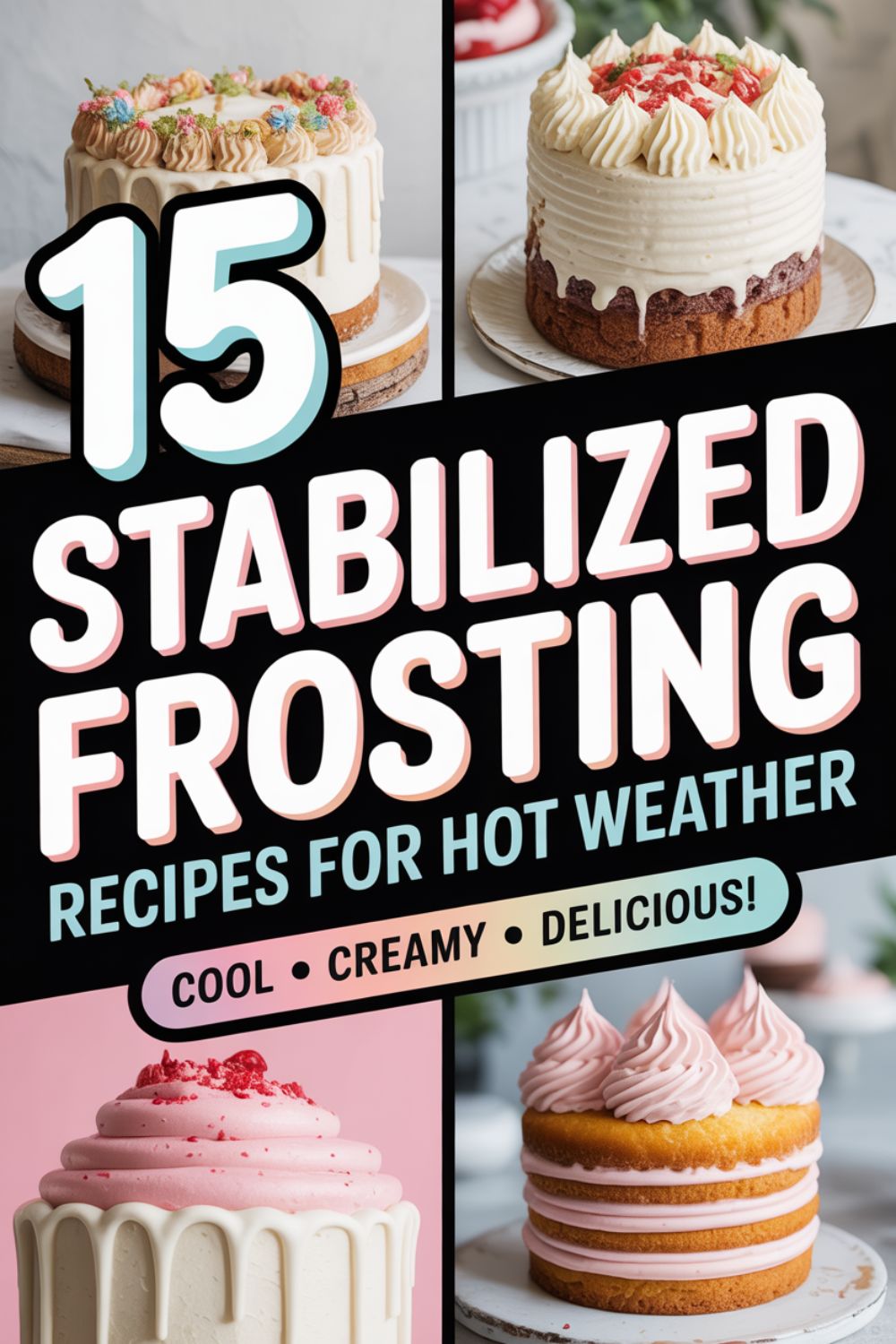
15 Stabilized Frosting Recipes for Hot Weather
Nothing ruins a beautifully frosted cake faster than a hot summer day. You spend hours perfecting your buttercream, pipe those gorgeous swirls, and then boom—twenty minutes later, it’s sliding off the cake like it’s trying to escape. I’ve been there, standing in my kitchen watching my hard work literally melt away, and let me tell you, it’s not a fun experience.
The thing about regular frosting is that it’s essentially butter and sugar. Great for taste, terrible for stability when the mercury climbs. But here’s the good news: you don’t have to give up on frosted cakes during summer barbecues, outdoor weddings, or those sweltering birthday parties. Stabilized frosting exists, and it’s about to become your new best friend.
I’m sharing fifteen frosting recipes that actually hold up in the heat. These aren’t your average frostings with a prayer and a wish attached. We’re talking about scientifically sound techniques that keep your cakes looking professional even when it’s ninety degrees outside. Some use meringue powder, others rely on cream cheese or pudding mix, and a few get downright creative with gelatin and cornstarch.
Whether you’re frosting kids’ birthday cakes poolside or prepping desserts for a summer wedding, these recipes will save you from frosting disasters.
Why Regular Frosting Fails in Heat
Let’s get real about what happens when you take regular buttercream outside in July. Butter melts at around 90-95°F, which means your gorgeous frosting starts breaking down the second temperatures climb. The fat separates from the sugar, and you’re left with a greasy, sad-looking mess that pools around your cake like a moat nobody asked for.
I learned this the hard way at my nephew’s outdoor birthday party three years ago. I’d made this stunning superhero cake, complete with intricate piping and fondant details. Within thirty minutes of setting it on the dessert table, the whole thing looked like it had been through a tropical rainstorm. The birthday boy actually asked if the cake was “sweating.” Mortifying doesn’t even begin to cover it.
The science is pretty straightforward. Regular American buttercream contains roughly 75% butter, and when that butter hits its melting point, there’s nothing holding the structure together. Food science research shows that emulsified fats need stabilizers to maintain their structure under heat stress. That’s where our stabilized frostings come in—they incorporate ingredients that reinforce the structure and raise the melting point.
The Science Behind Stabilization
Stabilizing frosting isn’t magic—it’s chemistry. You’re essentially adding ingredients that create a stronger network within the frosting structure. Think of it like adding rebar to concrete. The concrete might hold up okay on its own, but those steel bars make it way more resistant to stress.
Different stabilizers work in different ways. Meringue powder adds protein structure through egg whites, which coagulate and firm up. Cornstarch absorbs excess moisture and prevents the fat from separating. Cream cheese brings in more protein and a bit of tang, while also reducing the overall butter content. Gelatin creates a gel network that traps everything in place.
The ratio matters too. You can’t just dump a cup of cornstarch into your buttercream and call it stable. Too much stabilizer and your frosting tastes chalky or gummy. Too little and you haven’t really solved the melting problem. The recipes I’m sharing hit that sweet spot where stability meets flavor.
If you’re looking for more ways to work with temperature-sensitive desserts, you might want to check out ice cream cake recipes that deal with similar challenges.
15 Stabilized Frosting Recipes
1. Classic Meringue Powder Buttercream
This is my go-to for wedding cakes and outdoor events. You replace some of the butter with meringue powder, which adds structure without changing the flavor much. I use this professional-grade meringue powder that dissolves smoothly and doesn’t leave any graininess.
The beauty of this frosting is that it pipes beautifully and holds intricate details. I’ve used it for rose swirls that stayed crisp through a four-hour outdoor reception. The meringue powder essentially creates tiny protein scaffolds throughout the frosting that keep everything locked in place. Get Full Recipe
2. Cream Cheese Buttercream Hybrid
Here’s where things get interesting. You cut your butter content by replacing half of it with full-fat cream cheese. The cream cheese adds stability through its protein content and brings this subtle tang that balances the sweetness perfectly. I’ve found this works exceptionally well on carrot cakes and anything with warm spices.
The trick is using brick-style cream cheese, not the spreadable kind. The spreadable stuff has too much moisture and will actually make your frosting less stable. Beat your cream cheese until it’s completely smooth before adding the butter—lumpy cream cheese equals lumpy frosting, and nobody wants that.
3. Pudding Mix Buttercream
This one sounds weird until you try it. You add instant pudding mix to your standard buttercream recipe, and the cornstarch in the pudding acts as a stabilizer. Plus, you get flavor options. Vanilla pudding mix in vanilla buttercream is subtle, but chocolate pudding mix in chocolate buttercream? Game changer.
I grab this instant pudding mix that comes in tons of flavors and doesn’t have any weird aftertaste. The cornstarch content is high enough to provide serious stability without making your frosting taste like, well, cornstarch. FYI, this is one of those modifications that seems too simple to work, but it absolutely does.
4. Swiss Meringue Buttercream
Swiss meringue buttercream is naturally more stable than American buttercream because you’re building it on a meringue base. You cook egg whites and sugar together, whip them into glossy peaks, then gradually add butter. The result is silky, less sweet than American buttercream, and way more heat-resistant.
I won’t lie—this takes more effort than dumping butter and powdered sugar into a bowl. You need a reliable candy thermometer to get your egg whites to the right temperature. But once you nail the technique, you’ll understand why professional bakers swear by it. Get Full Recipe
Frosting Essentials I Actually Use
After years of trial and error, here’s what lives permanently in my baking cabinet:
Physical Products:- Heavy-duty stand mixer – Makes Swiss and Italian meringue buttercream infinitely easier. The bowl attachment needs to be spotless for meringue work.
- Offset spatula set – Cannot frost a cake properly without these. The angled ones are perfect for smoothing sides.
- Piping tip collection – Spring for the metal ones. The plastic tips warp and give you wonky designs.
- Complete Frosting Techniques eBook – Covers everything from basic piping to advanced stabilization methods.
- Seasonal Baking Planner – Helps you plan temperature-appropriate desserts year-round.
- Troubleshooting Guide PDF – What to do when your frosting breaks, curdles, or won’t whip up.
5. Italian Meringue Buttercream
This is Swiss meringue’s fancier cousin. Instead of cooking the egg whites directly, you make a hot sugar syrup and pour it into whipping egg whites. The hot syrup cooks the eggs while you’re whipping, creating an incredibly stable meringue base. Then you add your butter, and you’ve got frosting that can handle serious heat.
Italian meringue buttercream is what you see on those gravity-defying cakes that somehow survive outdoor summer weddings. It’s smooth, pipeable, and stays put. The downside? You need to watch that sugar syrup like a hawk because if it gets too hot, you’ll scramble your eggs. Ask me how I know.
6. Ermine Frosting (Flour Buttercream)
Also called boiled milk frosting, this old-school recipe uses a cooked flour and milk mixture as the base. You cook flour and milk together until it forms a thick paste, let it cool, then whip it with butter and sugar. The cooked flour creates stability, and the lower butter content means less melting risk.
The texture is somewhere between buttercream and whipped cream—lighter than American buttercream but still substantial. It’s less sweet too, which I appreciate after eating an entire slice of red velvet cake. My grandmother used this on everything, and now I understand why.
For anyone exploring different cake and frosting combinations, these frosting recipes offer even more variety beyond heat-stable options.
7. Cornstarch-Stabilized Buttercream
Sometimes the simplest solutions work best. You add cornstarch directly to your American buttercream recipe—usually about two tablespoons per cup of butter. The cornstarch absorbs moisture and creates a more stable structure. It’s not as bulletproof as some other methods, but it’s incredibly easy and doesn’t require special ingredients.
The key is sifting your cornstarch with the powdered sugar before adding it to the butter. Dumping it in straight creates clumps that never fully incorporate. I use my fine-mesh sifter for this—it catches any lumps and aerates the dry ingredients at the same time.
8. Cream Cheese Frosting with Gelatin
Cream cheese frosting is notoriously unstable in heat, which is tragic because it tastes amazing. But add a bit of unflavored gelatin, and suddenly you’ve got a cream cheese frosting that won’t slide off your cake. You bloom the gelatin in cold water, melt it gently, then incorporate it into your frosting.
The gelatin creates a network that holds everything together without affecting the flavor. I’ve used this on summer carrot cakes and lemon cakes, and it performs beautifully. Just don’t add the gelatin when it’s too hot, or you’ll melt your butter and end up with soup. Get Full Recipe
9. Whipped Cream Stabilized with Gelatin
Whipped cream frosting is light and delicious but absolutely useless in warm weather—unless you stabilize it with gelatin. You bloom the gelatin, melt it, let it cool slightly, then fold it into freshly whipped cream. The result holds its shape and won’t weep or deflate.
This is perfect for lighter cakes where you don’t want heavy buttercream. I use it on angel food cakes, berry cakes, and anything where the cake itself is the star. The cream stays fluffy but firm enough to pipe decorations. Just keep in mind that even stabilized whipped cream has its limits—it’s not going to survive four hours in direct sunlight.
10. Mascarpone Buttercream
Mascarpone cheese might seem like an odd choice for frosting stabilization, but hear me out. It has a higher fat content than cream cheese and a milder flavor. When you blend it with butter and powdered sugar, you get this incredibly smooth frosting that’s naturally more stable than straight buttercream.
The mascarpone reduces the overall butter content while adding richness and a subtle tang. It works particularly well on coffee-flavored cakes and anything with espresso or chocolate. IMO, this is one of the most underrated frosting styles out there.
11. Chocolate Ganache Buttercream
Chocolate ganache is already pretty heat-stable compared to regular frosting, and when you whip it with butter, you get the best of both worlds. The chocolate adds structure through cocoa butter, which has a higher melting point than dairy butter. Plus, you get that intense chocolate flavor.
I make this with good quality dark chocolate and heavy cream, let it cool until it’s thick but pliable, then whip it with softened butter. The texture is dreamy—smooth, pipeable, and stable enough for outdoor events. It’s my secret weapon for chocolate layer cakes.
12. Buttercream with Shortening
Okay, I know shortening gets a bad rap, but listen—it doesn’t melt like butter does. When you replace half your butter with high-ratio shortening, your frosting becomes significantly more heat-stable. Yes, you lose some flavor compared to all-butter buttercream, but sometimes stability wins.
The trick is using high-ratio shortening specifically formulated for baking, not the stuff you buy for pie crusts. Regular shortening has a greasy mouthfeel, but high-ratio shortening is emulsified differently and actually tastes decent. This is what most professional bakeries use for outdoor wedding cakes. There’s a reason they don’t call you the day after complaining about melted frosting.
Tools & Resources That Make Everything Easier
These genuinely changed how I approach summer baking:
Must-Have Tools:- Digital kitchen scale – Precision matters with stabilized frostings. Eyeballing measurements leads to texture issues.
- Bench scraper – Gets your cake sides perfectly smooth. The metal ones work better than plastic for this.
- Revolving cake stand – Game changer for frosting evenly. My wrist thanks me every time I use it.
- Advanced Piping Techniques Course – Video tutorials on everything from basic borders to 3D flowers.
- Summer Baking Survival Guide – Covers heat-stable recipes, transportation tips, and emergency fixes.
- Recipe Scaling Calculator – Instantly adjust frosting recipes for different cake sizes.
Want to connect with other bakers dealing with heat challenges? Join our WhatsApp Baking Community where we share real-time tips and troubleshooting advice.
13. Seven-Minute Frosting with Stabilizer
Traditional seven-minute frosting is gorgeous—glossy, marshmallow-like, pure white—but it deflates faster than a popped balloon in humid weather. The stabilized version adds a bit of cream of tartar and cornstarch to the mix, giving it structure that lasts.
You still cook the egg whites and sugar over a double boiler while whipping, but the added stabilizers mean your frosting doesn’t weep or collapse after a few hours. This works beautifully on coconut cakes where you want that fluffy, cloud-like texture. Get Full Recipe
14. Brown Butter Buttercream
Browning your butter before making buttercream does two things: it adds this incredible nutty, caramel-like flavor, and it slightly reduces the moisture content, making the final frosting more stable. The milk solids brown and caramelize, creating complexity you just don’t get from regular butter.
You need to let your brown butter cool and resolidify before using it—adding warm brown butter to powdered sugar creates a soupy mess. I brown my butter the night before, refrigerate it, then bring it back to room temperature before making frosting. The flavor is worth every extra minute.
15. Vegan Buttercream with Aquafaba
For anyone avoiding dairy, aquafaba (the liquid from canned chickpeas) whips up like egg whites and can be used to make a stable vegan buttercream. You whip the aquafaba with sugar until you get stiff peaks, then gradually add vegan butter. The protein in the aquafaba provides structure similar to meringue buttercream.
I was skeptical the first time I tried this, but it genuinely works. The texture is light, it pipes well, and it doesn’t taste like chickpeas at all. It’s perfect for anyone making vegan desserts who still wants that professional frosted look.
Storage and Transportation Tips
Even the most stable frosting can fail if you don’t handle it properly. I learned this after a three-hour drive to my cousin’s wedding where my “stable” cake arrived looking questionable. The frosting held up, but the car’s heat had softened it just enough to cause issues.
Always chill your frosted cake completely before moving it. I’m talking rock-solid cold, straight from the refrigerator. Transport it in the coolest part of your car—usually the floor behind the front seats, never the trunk in summer. If you’re driving more than thirty minutes, consider bringing a cooler with ice packs to create a climate-controlled environment.
According to food safety guidelines, frosted cakes with dairy ingredients shouldn’t sit at room temperature for more than two hours. Even with stabilized frosting, you’re still working with perishable ingredients. Plan your timing accordingly.
When you arrive at your destination, get that cake into a cool spot immediately. If it’s an outdoor event, keep it in air conditioning until the absolute last minute. Set it up in shade, and if possible, position it where there’s some air circulation. Stagnant hot air is frosting’s worst enemy.
Common Mistakes to Avoid
I’ve made every frosting mistake in the book, so let me save you some heartache. The biggest error people make is assuming stabilized frosting is bulletproof. It’s not. It’s significantly more heat-resistant than regular frosting, but it still has limits. Don’t leave your stabilized buttercream cake in direct sunlight for hours and expect perfection.
Another mistake is over-beating your frosting. When you whip frosting too much, you incorporate too much air, and air pockets weaken the structure. Beat until your frosting is smooth and fluffy, then stop. If you’re using a stand mixer with a paddle attachment, medium speed is your friend.
Using cold butter straight from the fridge is a recipe for lumpy frosting. Your butter needs to be room temperature—soft enough to leave an indentation when you press it, but not so soft that it’s greasy. This is especially critical for meringue buttercreams where you’re adding butter to an already-whipped base.
And please, for the love of all things frosted, don’t skip the crumb coat. I don’t care how stable your frosting is—if you try to apply it directly to a naked cake, you’ll get crumbs mixed into your final layer. Apply a thin layer first, chill it, then add your final coat. This is basic stuff, but people skip it all the time and wonder why their cakes look messy.
Frequently Asked Questions
Can I make stabilized frosting ahead of time?
Absolutely. Most stabilized frostings actually benefit from resting in the refrigerator overnight—the flavors meld and the texture improves. Just bring it back to room temperature and re-whip it briefly before using. Swiss and Italian meringue buttercreams can be made up to a week ahead and refrigerated, or frozen for up to three months.
Will stabilized frosting work in humid weather?
Humidity presents different challenges than heat, but yes, stabilized frostings handle humidity better than regular buttercream. The stabilizers help prevent moisture absorption that causes frostings to weep or become sticky. Swiss and Italian meringue buttercreams are particularly good in humid conditions because of their protein structure.
Can I use stabilized frosting for piping intricate designs?
Most stabilized frostings pipe beautifully—often better than regular buttercream. Swiss and Italian meringue buttercreams are especially smooth and hold detail well. The key is getting the consistency right. If your frosting is too soft, refrigerate it briefly. Too stiff? Add a tiny bit of cream or milk and re-whip.
Does stabilized frosting taste different from regular buttercream?
It depends on the method. Meringue buttercreams are less sweet and have a silkier texture than American buttercream. Cream cheese versions add a slight tang. Pudding-stabilized buttercream tastes nearly identical to regular buttercream. Most people actually prefer the taste of stabilized versions once they try them.
How long can a cake with stabilized frosting sit out?
For food safety reasons, no cake with dairy-based frosting should sit at room temperature for more than two hours. Stabilized frosting will hold its shape longer than regular frosting in heat, but bacteria growth is still a concern. If you’re serving outdoors, set the cake out right before cutting and refrigerate leftovers promptly.
Final Thoughts
Stabilized frosting isn’t just about preventing disasters—it’s about freedom. Freedom to bake beautiful cakes in July without stress. Freedom to say yes to that outdoor wedding cake request. Freedom to actually enjoy your own party instead of hovering nervously over the dessert table.
I’ve given you fifteen different approaches here because not every method works for every situation. Some of you want the easiest possible solution, so go with cornstarch-stabilized buttercream. Others are ready to tackle Swiss meringue buttercream because you want that silky, professional texture. There’s no wrong choice as long as it works for your needs and skill level.
Start with one recipe and master it before moving on to more complex techniques. Pay attention to your butter temperature, don’t over-beat your frosting, and always chill your cakes completely before exposing them to heat. These fundamentals matter more than the specific stabilization method you choose.
Summer baking doesn’t have to be stressful. With the right techniques and a little planning, your frosted cakes can look just as good at the end of the party as they did when you pulled them out of the refrigerator. Now go forth and frost something beautiful—the heat doesn’t stand a chance.