15 Whipped Cream Frosting Recipes That’ll Make You Ditch Buttercream Forever
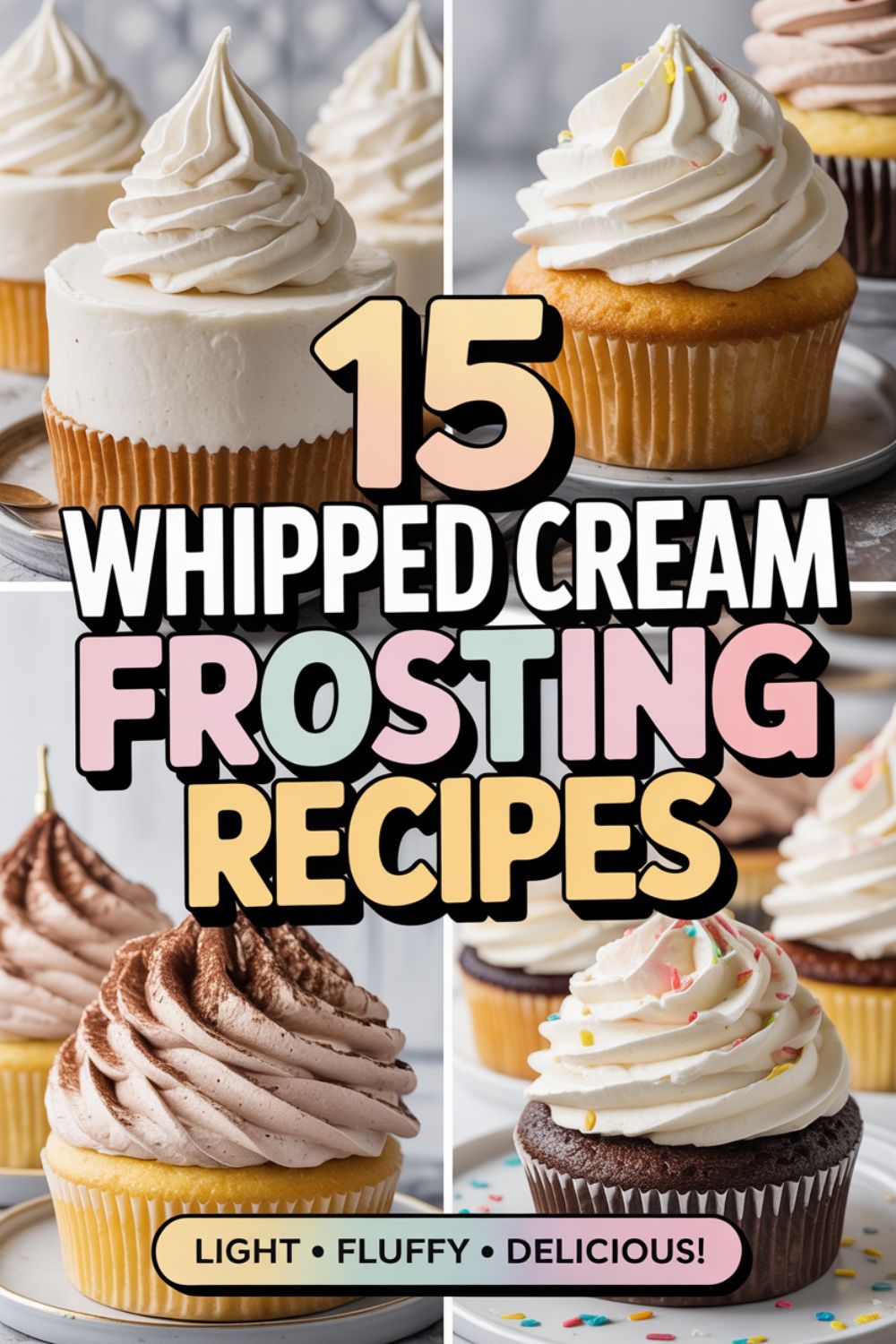
Look, I get it. Buttercream has had its moment. But if you’re still wrestling with rock-hard frosting that makes your teeth ache or spending twenty minutes trying to get it spreadable, we need to talk about whipped cream frosting. Light, fluffy, and actually tastes like clouds decided to become dessert—this is the frosting that doesn’t leave you feeling like you just ate a stick of butter with your cake.
I stumbled into whipped cream frosting territory purely by accident when I forgot to buy powdered sugar for a birthday cake. Best mistake ever. Now I can’t go back, and honestly, neither will you once you see how ridiculously easy these recipes are. We’re talking about frostings that whip up in minutes, don’t require a engineering degree to stabilize, and actually let you taste the cake underneath.
So whether you’re frosting a perfectly moist layer cake or just want something lighter than traditional buttercream, these 15 whipped cream frosting recipes will change your baking game completely.
Why Whipped Cream Frosting Beats Buttercream (Fight Me)
Before we jump into the recipes, let’s address the elephant in the room. Yes, whipped cream frosting is more delicate than buttercream. Yes, it needs refrigeration. But here’s what it doesn’t do: coat your mouth with a greasy film, overpower your cake, or require you to cream butter for ten minutes while questioning your life choices.
Whipped cream frosting is lighter, fluffier, and lets the actual cake flavor shine. It’s what bakeries use when they want that elegant, not-too-sweet finish. Plus, you can flavor it about a million different ways without adding cups of sugar. According to nutritional research on heavy cream, while it’s still an indulgent choice, whipped cream actually contains fewer calories per serving than traditional buttercream when properly portioned.
The secret? Stabilization. We’re going to use cream cheese, gelatin, pudding mix, or mascarpone to keep these frostings from deflating faster than your hopes of getting that promotion. Trust me, I learned this the hard way after my first whipped cream cake slid sideways at a potluck. Never again.
The Classic Stabilized Whipped Cream Frosting
Let’s start with the OG. This is your foundation recipe, the one you’ll come back to when you want something reliable and universally loved. I use this stand mixer for all my whipped cream frostings because the whisk attachment makes stabilization so much easier than a hand mixer.
The key to stabilization here is cream cheese. Just a few ounces mixed in before you add the cream gives you structure without making it taste like cheesecake. You want your cream cheese at room temperature—and I mean actually room temperature, not “I microwaved it for 30 seconds and now it’s a puddle” temperature.
What Makes It Special
- Stability for days: This frosting holds up at room temperature for about 2 hours, in the fridge for up to 3 days
- Pipes beautifully: You can do all those fancy swirls and rosettes without it collapsing
- Not too sweet: Perfect for pairing with richer cakes or fruit-based desserts
- Forgiving texture: Even if you slightly overwhip, the cream cheese helps maintain smoothness
This frosting works brilliantly on red velvet cakes where you want that classic cream cheese element without the density of traditional cream cheese frosting. Get Full Recipe
Chocolate Whipped Cream Frosting (Because Obviously)
If you’re not making chocolate whipped cream frosting, are you even living? This version uses both cocoa powder and melted chocolate for maximum chocolate flavor without the grainy texture you sometimes get from just cocoa.
Here’s where I made my rookie mistake: I added the melted chocolate while it was still warm. Don’t do this. You’ll end up with chocolate scrambled eggs in cream form. Let it cool to room temperature first, or better yet, use these mini chocolate chips that melt evenly and cool quickly.
The pudding mix trick works wonders here. A box of instant chocolate pudding mix not only stabilizes but intensifies that chocolate flavor. Some people swear by gelatin, but IMO, pudding mix is easier and tastes better. No bloom time, no weird texture—just dump it in and whip.
If you’re frosting a chocolate lava cake or anything else intensely chocolatey, this frosting won’t compete—it’ll complement. Get Full Recipe
Tools & Resources That Make Whipped Cream Frosting Easier
After making approximately 47 whipped cream frostings last year (yes, I have a problem), here are the tools that actually matter:
Essential Physical Tools:
- This balloon whisk attachment for your stand mixer—the wider wires incorporate more air faster than standard whisks
- These glass mixing bowls that nest in ice water if your kitchen runs hot (summer whipped cream is a nightmare otherwise)
- An offset spatula set for spreading without deflating your carefully whipped peaks
Digital Resources Worth Your Time:
- The Whipped Cream Frosting Master Guide (digital PDF with troubleshooting flowcharts—because sometimes you need to know WHY it’s weeping)
- 50 Flavor Combination Cards (downloadable deck with ratios and pairing suggestions)
- Video Tutorial Bundle: Stabilization Techniques Compared (shows gelatin vs. pudding mix vs. cream cheese side by side)
Join our Baking Without Breaking WhatsApp Community where we share real-time frosting fails and wins. It’s free, judgment-free, and someone’s always awake when you need emergency decorating advice at 11 PM.
Strawberry Whipped Cream Frosting
Real strawberry flavor, not that artificial pink nonsense. I reduce fresh strawberries into a concentrate, strain out the seeds, and fold it into stabilized whipped cream. The result? Actual strawberry taste that doesn’t turn your frosting into pink soup.
Here’s the science bit: strawberries are mostly water, and water is whipped cream’s enemy. You need to cook down about two cups of strawberries until you’re left with maybe 1/3 cup of thick, jammy concentrate. Patience here pays off—rushing this step means runny frosting.
Freeze-dried strawberries are your secret weapon for intensifying flavor without adding moisture. I grind them into powder using this spice grinder and fold them in at the end. Boom—strawberry flavor that punches you in the taste buds (in a good way).
This pairs beautifully with spring strawberry cakes or any vanilla-based cake that needs a fruity upgrade. The natural sweetness of strawberries means you can cut back on added sugar, which makes this frosting taste fresher and less cloying than most fruit buttercreams.
Coffee Whipped Cream Frosting
Coffee frosting shouldn’t taste like someone waved a coffee bean over heavy cream and called it a day. This version uses espresso powder dissolved in just a tablespoon of hot water, creating an intense coffee concentrate that flavors without watering down your cream.
I’ve tested instant coffee, brewed espresso, and espresso powder. Espresso powder wins every time. It dissolves completely, doesn’t add liquid, and gives you that deep, almost caramel-like coffee flavor. If you’re looking at those coffee-flavored cakes, this frosting is non-negotiable.
The cream cheese stabilization method works perfectly here because it adds a slight tanginess that plays well with coffee’s bitterness. You get this sophisticated, not-too-sweet frosting that adults actually want to eat. Kids might hate it. That’s fine—more for us.
Meal Prep Essentials for Frosting Success
Yeah, you can meal prep frosting components. Game-changer for people who bake on the weekends but don’t want to spend three hours in the kitchen.
What You Can Prep Ahead:
- Portion containers for pre-measured sugar, cocoa powder, or pudding mix—just dump and whip on baking day
- These squeeze bottles for flavor extracts and concentrates, labeled and ready to grab
- Silicone freezer trays for pre-portioned cream cheese cubes that thaw faster than a brick
Prep-Friendly Digital Resources:
- Frosting Batch Calculator (tells you exactly how much to make for any cake size—no more “I think this is enough?”)
- Make-Ahead Baking Planner (schedule what to prep when so you’re not scrambling day-of)
- Flavor Pairing Database (searchable by cake type, season, or dietary restriction)
Lemon Whipped Cream Frosting
Bright, tangy, and perfect for cutting through super-sweet cakes. The trick here is using both lemon zest and lemon juice, but adding them at different stages. Zest goes in early for maximum flavor infusion. Juice goes in after the cream is partially whipped, so the acidity doesn’t prevent proper aeration.
I learned this from a pastry chef who said adding citrus too early causes the acid to “tighten” the cream proteins before they can properly expand. Translation: flat, grainy frosting. Partially whip first, add acid, then finish whipping. Science is cool.
This frosting is incredible on lemon cakes obviously, but also try it on coconut cakes for a tropical vibe or almond cakes for something more sophisticated. The versatility is unreal.
Speaking of citrus variations, if you love bright flavors, you might also want to check out some orange cream variations or even lime-infused options that work on similar principles but bring their own personality to the party.
Cream Cheese Whipped Cream Frosting
This is what happens when cream cheese frosting and whipped cream frosting have a baby. You get the tang and stability of cream cheese with the lightness of whipped cream. Best of both worlds, and honestly, this might be my desert island frosting.
The ratio matters more here than anywhere else. Too much cream cheese and you’re back to dense frosting territory. Too little and it won’t hold. Sweet spot? About 8 ounces of cream cheese to 2 cups of heavy cream. That gives you structure without sacrificing fluff.
Beat the cream cheese with powdered sugar until it’s completely smooth—no lumps, no chunks. Then add your whipped cream in stages, folding gently. If you dump it all at once, you’ll deflate everything you worked for. Patience, grasshopper.
This works on literally every cake. Carrot cake? Obviously. Red velvet? Classic. Even banana cake gets a serious upgrade with this frosting. It’s the universal donor of frostings.
Mascarpone Whipped Cream Frosting
Fancy alert. Mascarpone is that Italian cream cheese that’s less tangy and more… creamy? Silky? Words fail me, but your taste buds won’t. This frosting has a luxurious mouthfeel that makes regular whipped cream seem watery by comparison.
The downside? Mascarpone costs more than regular cream cheese. The upside? You need less of it for the same stabilization effect, so it kind of evens out. Plus, the flavor is so much more sophisticated. This is what I use when I want to impress people who “don’t really like frosting.”
Mascarpone doesn’t need as much whipping as cream cheese. It’s already soft and spreadable, so you’re basically just incorporating it into whipped cream. Go easy on the mixer or you’ll end up with something closer to mousse. Which, don’t get me wrong, is delicious—but not what we’re going for here.
Try this on tres leches variations where the richness complements all that milky goodness, or on any Italian wedding cake where you want authentic flavor.
Vanilla Bean Whipped Cream Frosting
Real vanilla beans elevate whipped cream from “nice” to “where has this been all my life?” The little specks aren’t just pretty—they’re flavor bombs. I scrape a whole vanilla bean into my cream before whipping, and the difference between this and vanilla extract is night and day.
Can’t afford vanilla beans every time? I get it. They’re basically black gold at this point. My compromise: use vanilla bean paste which gives you those specks and intense flavor without the $8-per-bean price tag. It’s concentrated, so you need less, and the bottle lasts forever.
One vanilla bean or one tablespoon of paste flavors about 3 cups of whipped cream. Don’t go overboard or you’ll get that artificial-tasting vanilla punch that screams “trying too hard.” Subtle is sophisticated here.
This is perfect on unique cake flavors where you don’t want the frosting competing with complex cake profiles, or on simple vanilla or white cakes where the frosting gets to be the star.
Peanut Butter Whipped Cream Frosting
Controversial take: peanut butter buttercream is too heavy. There, I said it. This whipped cream version gives you all that peanut butter flavor without feeling like you just ate a jar with a spoon (although no judgment if that’s your thing).
The challenge with peanut butter is that it’s thick and can deflate your whipped cream faster than you can say “Reese’s.” Solution: use creamy peanut butter, not natural. I know, I know, but the emulsifiers in processed peanut butter actually help it incorporate better. Natural peanut butter separates and gets grainy. Choose your battles.
Beat the peanut butter with powdered sugar first until it’s light and fluffy. This step is crucial—it aerates the peanut butter so when you fold it into whipped cream, you’re combining two light elements instead of trying to mix a brick into clouds.
According to research comparing nut butters, peanut butter provides protein and healthy fats alongside its indulgent flavor, making it a slightly more nutritious choice than pure sugar-based frostings. Still dessert though—let’s not pretend we’re eating salad here.
This is obviously perfect on chocolate cakes, but try it on banana cake for an Elvis-inspired situation that’ll blow minds.
Amaretto Whipped Cream Frosting
Grown-up frosting time. Amaretto brings this subtle almond-cherry flavor that makes people ask “what IS that?” in the best way possible. You’re not hitting them over the head with liqueur—you’re adding depth and intrigue.
The alcohol content actually helps with stability. Surprising, right? The alcohol slightly denatures the proteins in the cream, which can improve structure. Don’t overdo it though—too much and you’ll have alcoholic whipped cream that won’t hold at all. Two to three tablespoons per two cups of cream is the sweet spot.
If you’re making this for kids or people who avoid alcohol, use almond extract instead. It won’t be quite the same (amaretto has that cherry note extract lacks), but it’s still delicious. Add a tiny bit of cherry juice and you’re close.
Perfect on almond cakes, obviously, but also magical on cherry chocolate cakes or anything with stone fruits.
Coconut Whipped Cream Frosting
This can go one of two ways: actual coconut cream (the thick stuff from a can of coconut milk), or heavy cream with coconut extract. Both work, both are delicious, but they’re different beasts.
Coconut cream version: Chill a can of full-fat coconut milk overnight. The cream rises to the top. Scoop it out, leaving the watery part behind. Whip it like regular cream with powdered sugar. You get naturally dairy-free frosting that tastes authentically coconutty. The downside? It’s more finicky and doesn’t hold as well without stabilizers.
Heavy cream with coconut extract version: Easier, more stable, but less intensely coconut-flavored. I usually do this one and add toasted coconut flakes at the end for texture and visual interest. The toasted flavor amps up the coconut taste without making it taste like sunscreen.
This is incredible on coconut cakes, pineapple cakes, or basically any tropical-themed dessert. I toast my coconut flakes in this small skillet because it’s easier to control the browning than in the oven where I inevitably forget about them and burn everything.
Nutella Whipped Cream Frosting
Yeah, we’re doing this. Nutella makes everything better, including frosting. The hazelnut-chocolate combo is unbeatable, and because Nutella is already spreadable, it incorporates into whipped cream way easier than you’d think.
The key is warming the Nutella slightly—not hot, just room temperature or barely warmer. Cold Nutella from the fridge is too stiff and will seize up your frosting into weird lumps. Microwave for maybe 10 seconds, just enough to make it pourable.
Drizzle it into your partially whipped cream while the mixer runs on low. This creates swirls of Nutella throughout the frosting without deflating it. If you want fully incorporated chocolate-hazelnut frosting, beat it until uniform. If you want a marbled effect, stop sooner. Both are correct answers.
Try this on hazelnut cakes, vanilla cakes, or sneak it onto breakfast cakes and call it a balanced meal. I won’t tell.
Maple Whipped Cream Frosting
Real maple syrup, not the fake pancake stuff. This distinction matters more here than anywhere because you’re relying entirely on that maple flavor to come through. The imitation stuff tastes like chemicals mixed with regret.
Pure maple syrup is liquid, which normally spells disaster for whipped cream. But if you reduce it first—boil it down until it’s thick and syrupy—you concentrate the flavor and reduce the moisture content. About 1/2 cup of syrup reduces to roughly 1/4 cup of maple concentrate that won’t wreck your frosting’s structure.
Let it cool completely before adding to cream. I cannot stress this enough. Hot maple syrup + cold cream = scrambled dairy situation nobody wants. Been there, scrubbed that mixer bowl way too many times.
This frosting is phenomenal on apple cakes, coffee cakes, or anything with fall vibes. FYI, it also pairs surprisingly well with bacon if you’re into that sweet-savory life.
Mint Whipped Cream Frosting
Mint frosting walks a fine line between “refreshing” and “toothpaste.” The secret? Use peppermint extract, not spearmint, and go lighter than you think you need. You can always add more, but you can’t un-mint an over-minty frosting.
Start with 1/4 teaspoon of peppermint extract per 2 cups of heavy cream. Taste. Add more if needed. Most people overdo mint because they’re tasting it on a spoon, where it seems weak. On an actual cake with chocolate or vanilla, that flavor amplifies.
Adding a few drops of green food coloring is optional but honestly makes it look more appetizing. We eat with our eyes first, and green signals “mint” to our brains. Keep it subtle though—you want soft mint green, not Shrek.
Obviously perfect on chocolate cakes (mint chocolate chip for the win), but also try it on grasshopper cakes or party cakes where you want something a little different.
Boozy Whipped Cream Frosting (Bailey’s or Kahlúa)
Last but definitely not least: frosting with a kick. Bailey’s and Kahlúa both work beautifully in whipped cream because they’re cream-based liqueurs that actually complement the dairy rather than fighting it.
The alcohol helps with stabilization (to a point), but more importantly, it adds complexity. Bailey’s gives you that Irish cream flavor—vanilla, cocoa, whiskey warmth. Kahlúa brings coffee and subtle spice. Both make your frosting taste expensive and sophisticated.
Use about 3 tablespoons per 2 cups of cream. More than that and you risk over-thinning your frosting plus making it taste boozy in a bad way. You want people to wonder what that amazing flavor is, not to get tipsy from cake.
Bailey’s version is incredible on coffee cakes or chocolate cakes. Kahlúa version obviously pairs with coffee or mocha cakes. Both are dangerous because they taste so good you’ll eat frosting straight from the bowl. I’m not saying I’ve done this. I’m just saying I understand if you do.
Jennifer from our community mentioned she made the Bailey’s version for her anniversary cake, and her husband (who “hates frosting”) asked if she could make a bowl of just the frosting. That’s the power we’re working with here.
Frequently Asked Questions About Whipped Cream Frosting
How long does whipped cream frosting last in the fridge?
Stabilized whipped cream frosting lasts 3-4 days in the fridge when stored properly in an airtight container. Regular unstabilized whipped cream barely makes it 24 hours before it starts weeping and deflating. This is why stabilization matters—it’s not just about structure while decorating, it’s about actually being able to make your cake ahead of time without it looking sad by party time.
Can I freeze whipped cream frosting?
Yes, but with caveats. Stabilized whipped cream frosting freezes better than unstabilized, but you’ll still lose some volume when you thaw it. Freeze it in an airtight container for up to one month, then thaw in the fridge overnight and re-whip briefly before using. Don’t expect it to be as fluffy as fresh, but it’ll work in a pinch for filling cupcakes or layering cakes.
Why is my whipped cream frosting runny?
Three main culprits: you didn’t whip it enough, your cream wasn’t cold enough, or you added too much liquid flavoring. Make sure your cream, bowl, and beaters are all properly chilled. Whip until you get stiff peaks that hold their shape when you lift the beaters. If you’re adding liquid extracts or juice, reduce the amount or use concentrated forms instead. And if it’s hot in your kitchen, give up and make the cake tomorrow when it’s cooler—seriously, whipped cream and heat don’t mix.
Can I use whipped cream frosting for piping decorations?
Absolutely, but only if it’s properly stabilized. Cream cheese, gelatin, or pudding mix stabilization will give you frosting that holds detailed piping work. Use a chilled piping bag and work quickly in a cool kitchen. For intricate designs, stick to simpler patterns—whipped cream won’t hold razor-sharp edges like buttercream, but soft rosettes, shells, and borders work beautifully. Keep the cake refrigerated until serving to maintain those decorations.
What’s the difference between whipped cream frosting and whipped cream?
Whipped cream is just heavy cream beaten with sugar until fluffy—that’s it. Whipped cream frosting includes stabilizers (cream cheese, mascarpone, gelatin, or pudding mix) that help it hold its structure for longer periods and survive the weight of being spread on cakes or piped into decorations. Regular whipped cream deflates within hours and can’t support much weight. Frosting stays fluffy for days and actually functions as, well, frosting. The stabilizers also let you add more flavorings without turning it into liquid.
The Final Whip (See What I Did There?)
Here’s the truth about whipped cream frosting: once you get comfortable with stabilization techniques, you’ll wonder why you ever bothered with buttercream. It’s faster, lighter, more versatile, and honestly just tastes better on most cakes. Sure, it needs refrigeration. Sure, it won’t hold up in 90-degree heat at an outdoor wedding. But for normal cake situations? It’s unbeatable.
Start with the classic stabilized version. Get comfortable with the texture and consistency. Then branch out into flavors that excite you. Maybe that’s the Nutella version, maybe it’s the boozy Bailey’s situation. Whatever speaks to your soul (and your cake needs).
The beauty of whipped cream frosting is its forgiving nature. You can fix over-whipped cream by folding in more cold cream. You can adjust sweetness on the fly. You can change flavors mid-whip if you suddenly decide chocolate isn’t doing it for you today. Buttercream doesn’t give you that flexibility—once you’ve committed, you’re stuck.
So grab your mixer, chill those bowls, and start whipping. Your cakes will thank you. Your dinner guests will thank you. Your taste buds will throw you a parade. And honestly? You’ll never look at frosting the same way again.