15 Minimalist Cake Decorating Ideas That Prove Less Is More
You know that feeling when you’re scrolling through cake photos and everything looks like it survived a frosting explosion? Same. I used to think impressive cakes needed hours of piping, fondant sculpting, and enough buttercream to sink a ship. Turns out, some of the most stunning cakes I’ve ever made were the ones where I stepped back and let simplicity take the wheel.
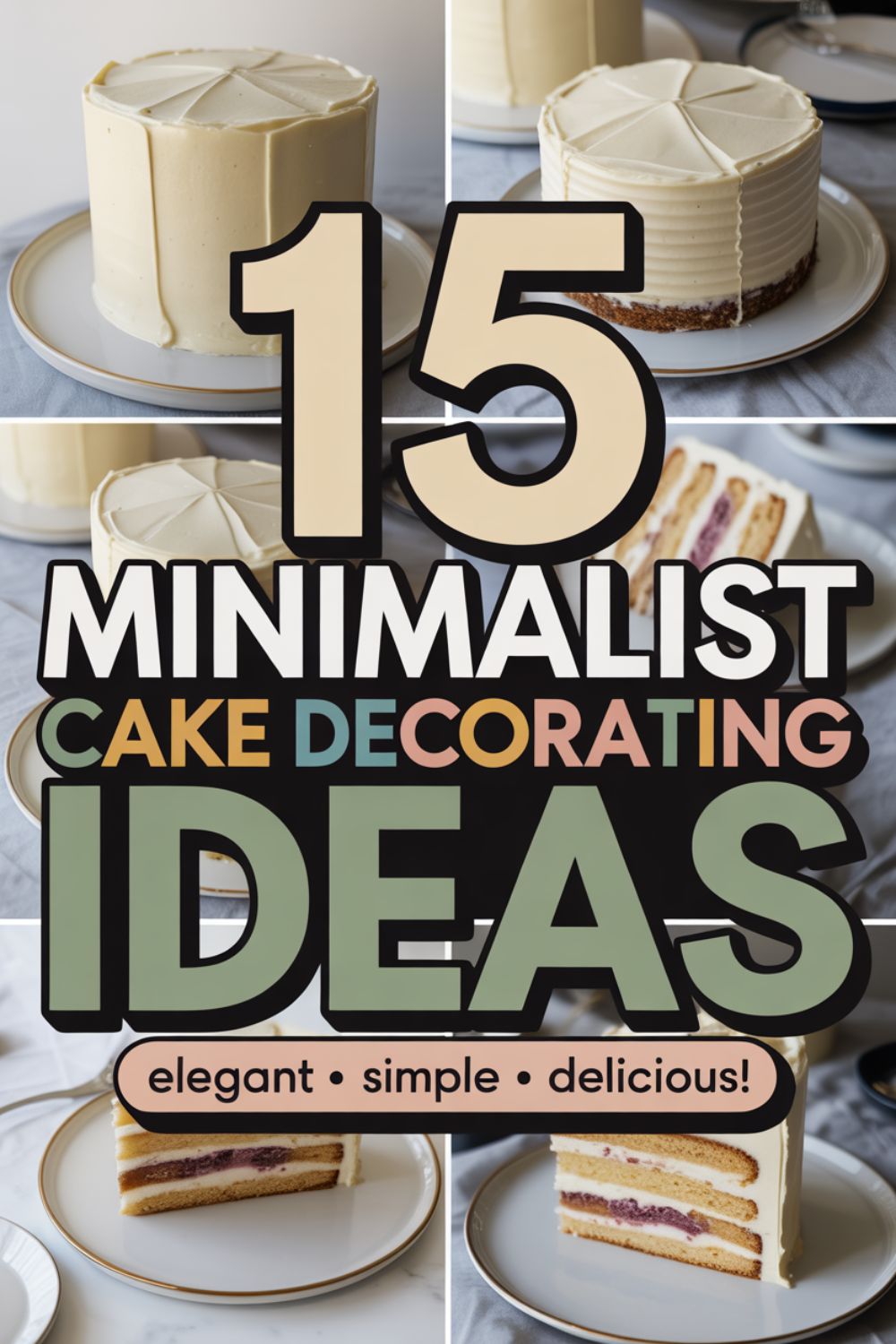
Minimalist cake decorating isn’t about being lazy or cutting corners. It’s about making intentional choices that let your cake breathe. Clean lines, thoughtful color choices, and strategic restraint can turn a basic layer cake into something that looks like it belongs in a fancy bakery window. Plus, you’ll spend less time stressing over perfectly symmetrical rosettes and more time actually enjoying the process.
Whether you’re decorating for a wedding, birthday, or just because it’s Tuesday and you deserve cake, these fifteen ideas will show you how stunning simplicity can be. No culinary degree required—just a willingness to embrace the beauty of “less is more.”
Why Minimalist Cake Decorating Actually Makes Sense
Here’s the thing about minimalist cakes—they force you to nail the basics. You can’t hide a lopsided layer under seventeen roses and some piped borders. Clean design means your frosting technique, cake texture, and flavor combinations need to stand on their own. That sounds scary, but it’s actually liberating once you get the hang of it.
I learned this the hard way when I tried to recreate an elaborate Pinterest cake for my sister’s birthday. Three hours in, covered in colored buttercream and questioning my life choices, I scraped everything off and went minimal. Smooth white frosting, fresh berries on top, done. Everyone raved about it. Nobody missed the sugar flowers I’d abandoned in frustration.
Minimalist decorating also saves you serious time and money. Instead of buying twelve shades of food coloring and five different piping tip sets, you invest in quality basics. I use this offset spatula for almost everything—smoothing frosting, lifting cake layers, even spreading ganache. One good tool beats a drawer full of specialized gadgets you’ll use once.
1. The Naked Cake (But Make It Intentional)
Naked cakes get a bad rap because people think they’re unfinished. Done right, they’re anything but. The key is making it look deliberately minimal, not like you gave up halfway through. You want just enough frosting between layers to hold things together, with the cake edges showing through in an artfully rustic way.
I like to use a slightly thicker frosting layer on the bottom and top, then go really light on the sides. When you stack your layers, that little bit of frosting squeezes out just enough to look intentional. Top it with seasonal fruit, some edible flowers, or literally nothing, and you’ve got yourself a stunner.
For the actual cake, flavor matters more here since you’re showing it off. These moist cake recipes work perfectly because nobody wants to see a dry, crumbly naked cake. Trust me on that one.
2. Single-Color Smooth Finish
Nothing says “I know what I’m doing” quite like a perfectly smooth, single-color cake. The monochrome look is classic, elegant, and surprisingly forgiving if you know the tricks. White is the obvious choice, but I’ve done gorgeous cakes in dusty rose, sage green, and this moody charcoal gray that people still ask me about.
The secret to a smooth finish? Multiple thin coats beat one thick coat every single time. Do a crumb coat first—that’s your messy layer that seals in all the crumbs. Chill it. Then add your final coat in thin, even swipes. I keep a bench scraper on hand for this. Hold it at a slight angle and rotate your turntable slowly. Works like magic.
Here’s something nobody tells you: the frosting temperature matters. Too cold and it’ll tear your cake apart. Too warm and it’ll slide everywhere. I let mine sit at room temp for about 20 minutes before using it. Game changer.
Essential Tools for Minimalist Cake Decorating
Look, you don’t need a whole kitchen supply store to make beautiful cakes. Here’s what I actually use on repeat:
- Rotating cake turntable – Makes smoothing frosting about 100 times easier. Mine’s basic but sturdy.
- Offset spatulas in two sizes – Get a large and a small. You’ll use both constantly.
- Bench scraper set – For those crisp, clean edges. Metal works better than plastic, FYI.
- Digital Decorating Course – I took one that focused specifically on smooth frosting techniques. Worth every penny.
- Minimalist Cake Template Pack – Printable guides for perfect proportions and measurements.
- Cake Decorating eBook Collection – Includes troubleshooting guides for common frosting fails.
These are the real MVPs in my decorating arsenal. No fluff, just tools that actually earn their counter space.
3. Fresh Flowers (The Easiest Elegant Touch)
Want to make any cake look like it costs three times what it actually did? Fresh flowers. I’m talking real, from-the-florist or your-garden flowers, not those weird sugar ones that taste like regret. A simple white cake with a small cluster of flowers on top looks effortlessly sophisticated.
But—and this is important—not all flowers are food-safe. Roses, pansies, violets, and lavender are good to go. Lilies, hydrangeas, and baby’s breath? Keep those away from your frosting. I learned this after a near-miss at a friend’s wedding. Do your homework before you start sticking petals on buttercream.
For placement, less is definitely more. A small arrangement on top or a few strategic blooms on one side beats flowers all over like it’s a funeral wreath. If you’re nervous about flowers touching frosting, use these small flower tubes that keep stems off the cake but hold them in place. Nobody will know they’re there.
4. Geometric Drip Effect
Okay, drip cakes are everywhere, I know. But hear me out—a minimalist drip is different. Instead of chocolate dripping down every possible surface, you’re strategic about it. Choose one side for a controlled drip, or do evenly spaced drips around the top edge. It’s modern, it’s clean, and it doesn’t look like your cake had a ganache accident.
The consistency of your drip matters more than you think. Too thick and it just sits there. Too thin and it runs all the way down like sad chocolate tears. I test mine on the side of a glass first. You want it to drip about an inch or two, then stop. Mix a little more cream or chocolate to adjust as needed.
Color-wise, stick with one shade. White chocolate on a white cake with just the drips colored is gorgeous. Or go full chocolate on a pale cake for contrast. When you’re working with unique cake flavors, match your drip to the cake’s vibe. Matcha cake? Matcha white chocolate drip. You get the idea.
If you’re looking for more cake inspiration that keeps things simple but stunning, you’ll love these elegant wedding cake ideas you can DIY. They prove you don’t need a professional bakery budget to get professional results.
5. Textured Buttercream Swirls
Sometimes the most minimalist approach is just being honest about texture. Instead of fighting for that Instagram-perfect smooth finish, lean into natural buttercream texture. Rough, organic swirls give your cake character and dimension without needing extra decorations.
I do this with the back of a spoon or my offset spatula. Just swirl the frosting in loose, casual movements. Don’t overthink it—some of my best textured cakes happened when I stopped trying so hard. The messy-on-purpose look is way more forgiving than trying to get mirror-smooth sides.
This technique works especially well with different frosting recipes. Swiss meringue buttercream gives you these beautiful, silky peaks. American buttercream holds more structured swirls. Cream cheese frosting falls somewhere in between. Play around and see what you like.
6. Gold Leaf Accents
Gold leaf sounds fancy and intimidating, but it’s actually stupid easy to work with. A few strategic pieces of edible gold leaf can turn a plain cake into something that looks like it belongs at a five-star event. I’m talking 2-3 small pieces carefully placed, not the whole cake wrapped in gold like a rapper’s tooth.
The trick is using tweezers and a light touch. Gold leaf is crazy delicate—breathe too hard and it’ll fly away. I dab a tiny bit of vodka or clear extract where I want the gold to stick, then gently place it with precision tweezers. Press lightly with a dry brush to secure it.
Cost-wise, a little goes a long way. One small book of edible gold leaf has lasted me probably eight cakes. Place it near the base, scattered on top, or just on one side for asymmetric interest. Pair it with a simple white or blush cake and you’re done.
7. Fresh Fruit Crown
Nothing beats the natural beauty of fresh fruit. Arrange berries, figs, citrus slices, or whatever’s in season on top of your cake, and suddenly you’ve got a centerpiece. The key is choosing fruit that complements your cake’s flavors while adding visual contrast.
I like to cluster fruit on one side or in the center rather than spreading it evenly. It creates this artful, collected-from-the-garden vibe. Mix textures too—smooth figs with bumpy raspberries, shiny blackberries with matte blueberries. That variety keeps it interesting without being busy.
For cakes that play well with fruit toppings, check out these lemon cake recipes. Citrus and berries are basically best friends. Just make sure your fruit is dry before placing it—nobody wants soggy cake tops.
8. Single Statement Bloom
Instead of a whole flower arrangement, try one perfect bloom. A single peony, a lush garden rose, or even a beautiful dahlia can be all you need. The simplicity forces you to choose the absolute best flower, and that intentionality shows.
I usually place it slightly off-center on top, maybe with a few small leaves or a sprig of greenery. The asymmetry feels more natural and less staged than dead-center placement. Make sure whatever flower you choose is substantial enough to make an impact on its own.
Seasonality matters here. A big white hydrangea bloom in summer, a burgundy dahlia in fall, a ranunculus in spring. Let the season guide your choice and your cake will automatically feel current and thoughtful. Plus, one quality bloom costs way less than a whole bouquet.
9. Ombré Layers (Inside the Cake)
Here’s a fun plot twist—minimalist on the outside, surprise on the inside. Keep your exterior simple and clean, then reveal gorgeous ombré layers when you slice it. People lose their minds over this every single time.
You’ll need to divide your cake batter into separate bowls and tint each one a slightly different shade of the same color. Start with your darkest shade on the bottom and work up to the lightest on top. Frost the outside in a neutral color—white, cream, or even match your lightest shade.
The effect when you cut into it? Chef’s kiss. It’s like a secret that you get to reveal. Works great with natural colors too—you can do ombré using beet juice, matcha powder, or cocoa for different tones. Way healthier than using a bottle of food coloring, according to Healthline’s guide to natural food dyes.
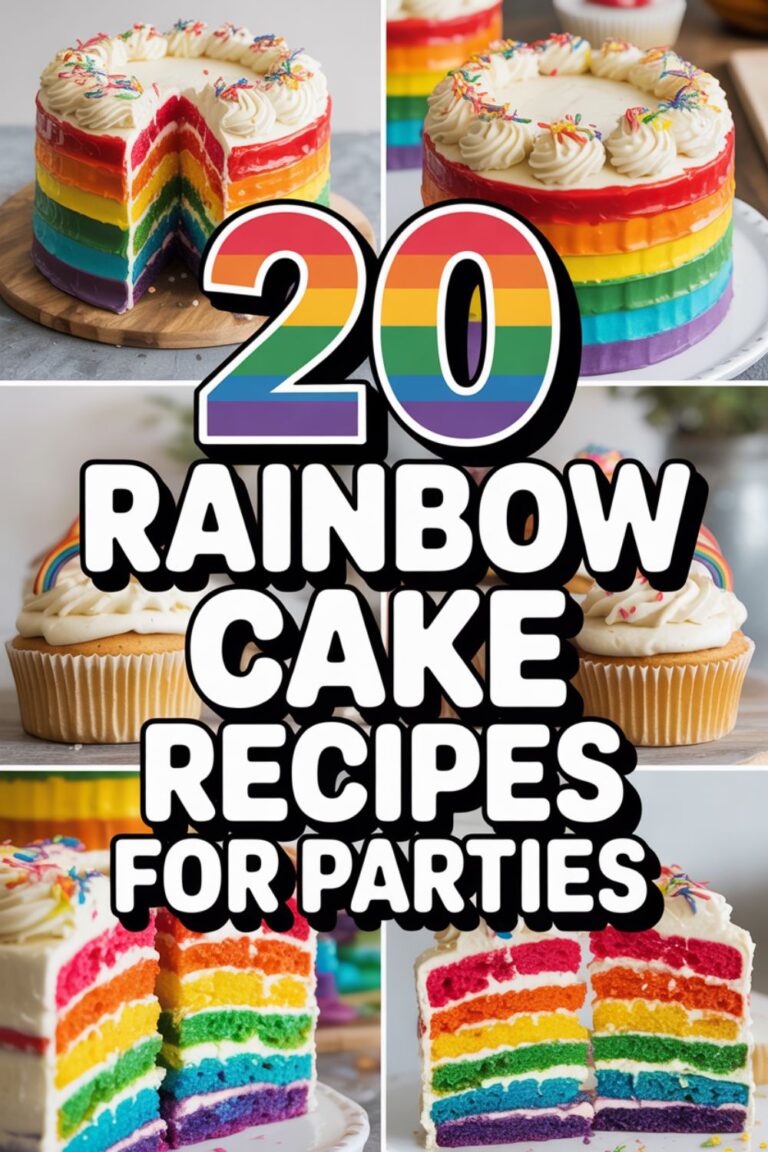
This pairs beautifully with rainbow cake recipes if you want to take the color concept further. Though honestly, a subtle pink-to-white or blue-to-white ombré feels more sophisticated than full rainbow, IMO.
Resources That Actually Help You Decorate Better
Beyond tools, there are some resources I keep coming back to that genuinely made me a better decorator:
- Professional piping bag set with couplers – Even minimalist cakes sometimes need piping. Get quality bags that don’t burst.
- Cake decorating turntable with non-slip base – Mine wobbled until I upgraded. Total game changer.
- Digital kitchen scale – Precision matters more than you think for consistent results.
- Master Class in Minimalist Decorating – Online course that covers technique fundamentals without the fluff.
- Cake Ratio Calculator – Digital tool that helps you scale recipes perfectly.
- Seasonal Decoration Guide – eBook with ideas organized by season and occasion.
Also, if you want to connect with other bakers who are into this whole less-is-more approach, there’s a really helpful community on WhatsApp where people share their wins and troubleshooting tips. Just saying.
10. Naked Sides with Smooth Top
This is like the naked cake’s more refined cousin. You leave the sides completely bare or just lightly scraped, but you give the top a perfectly smooth, finished look. The contrast between rustic sides and polished top is pretty striking.
I do this when I want something casual but still put-together. Birthday parties, baby showers, casual weddings—it hits that sweet spot between too formal and too relaxed. Plus it cuts your frosting time in half since you’re only really fussing over one surface.
The top is where you can play. Keep it plain, add some fruit, do a simple buttercream swirl. Whatever you choose will be the focal point since the sides are intentionally understated. Works especially well with bundt cakes if you want to try the concept on a different cake shape.
11. Monochromatic Color Blocking
Take one color and use different shades of it to create visual blocks. Think blush pink base with a darker rose top, or light gray bottom with charcoal gray upper tier. It’s graphic without being loud, interesting without being busy.
The cleanest way to do this is with separate tiers or layers that you frost individually before stacking. That way your color lines stay crisp. If you try to do it all on one cake, you risk the colors bleeding into each other, which defeats the whole clean, intentional look.
I keep my color transitions horizontal rather than vertical—just feels more natural and balanced. You can do two, three, or even four shades if you’re feeling ambitious. Stick to the same color family though. This isn’t the place to bring in random hues.
12. Rustic Spatula Swirls
Sometimes the best decoration is just visible tool marks. Use your offset spatula to create intentional swoops and swirls in your frosting, leaving the marks visible instead of smoothing them out. It’s like controlled chaos, and when done right, it looks effortlessly artistic.
The motion matters here—swirl in one consistent direction for a cohesive look. I usually start from the bottom and work my way up in loose, sweeping curves. Don’t overthink each swipe; the slightly imperfect nature is what makes it work.
This technique is super forgiving because there’s no “wrong” way to do it. Every cake ends up unique. It’s also way faster than trying to achieve perfect smoothness, which makes it great for those moments when you need a cake yesterday but still want it to look intentional.
13. Single Piped Border
If you want just a touch of traditional decorating without going full bakery, try a single piped border. One clean line of piping around the base or top edge can frame your cake beautifully without overwhelming it. I usually go with a simple shell border or small dots.
The key is keeping it understated. Small piping tip, consistent pressure, same color as your base frosting or just slightly darker. You’re adding definition, not creating a focal point. It’s the cake decorating equivalent of adding a simple frame to a painting.
Practice your border on parchment paper first. I use these washable piping bags for practice since they’re reusable and save me from wasting a million disposable bags. Once you’ve got your rhythm down, the actual cake border takes maybe five minutes.
14. Herb and Greenery Accents
Fresh herbs are wildly underrated in cake decorating. Rosemary, thyme, sage, and even basil can add this gorgeous, organic element that flowers sometimes can’t. The silvery-green of sage, the delicate leaves of thyme—they photograph beautifully and bring unexpected sophistication.
I like pairing herbs with fruit for a balanced look. Rosemary with citrus, thyme with berries, sage with figs. The herbal notes often complement the cake flavors too, especially if you’re working with citrus or olive oil cakes. According to BBC Good Food’s herb guide, many herbs also bring antioxidant benefits.
Keep the portions small—a few sprigs strategically placed, not a whole herb garden situation. You want people to say “oh, that’s beautiful and different” not “why is there a salad on this cake?” Less is definitely more with herbs.
15. Minimalist Message or Number
Sometimes all you need is simple text. A single number for a birthday, “Love” for a wedding, initials for an anniversary—clean, simple lettering can be incredibly impactful. Skip the elaborate script and go for modern, readable fonts.
You can pipe it directly onto the cake, use letter cutters with fondant, or even use these minimalist cake toppers that come in various styles. I usually stick with the same color as the cake or go metallic gold for a subtle pop.
Placement matters as much as the text itself. Center it on top, put it in the lower right corner, or even on the side of the cake. Off-center often looks more modern and intentional than straight-up centered. Play with position before committing.
For celebration cakes specifically, you might find inspiration in these celebration cake ideas or these kids birthday cake ideas that keep things simple but special. Get Full Recipe ideas from both collections—they’re full of approachable designs.
Common Questions About Minimalist Cake Decorating
Do minimalist cakes cost less to make than elaborate designs?
Generally yes, but it depends on your approach. You’ll save money on piping tips, food coloring, and fondant supplies. However, minimalist designs often rely on premium ingredients like quality vanilla extract, good chocolate, or fresh flowers, which can add up. The real savings comes from time—you’ll spend way less hours decorating, and time is money, right?
Can beginners really pull off minimalist cake decorating?
Absolutely, and honestly, minimalist is one of the best places to start. You learn fundamental techniques like crumb coating and smooth frosting without the pressure of elaborate details. Once you master these basics, you can tackle anything. Plus, small imperfections actually work with the minimalist aesthetic—it’s supposed to look human-made, not factory-perfect.
How do I keep a naked or semi-naked cake from drying out?
The exposed cake layers are definitely more vulnerable, so moisture is key. Use cakes that are naturally moist (like those with oil instead of just butter, or ones with sour cream or yogurt). Apply simple syrup to each layer before frosting—it seals in moisture and adds flavor. Store the finished cake covered in the fridge and bring it to room temp 30 minutes before serving.
What frosting works best for smooth, minimalist finishes?
Swiss meringue buttercream is the gold standard—it’s super smooth, not too sweet, and holds up well at room temperature. American buttercream works too if you whip it really well and use it at the right temperature. Ganache is fantastic for that perfectly smooth, almost mirror-like finish. Avoid cream cheese frosting for ultra-smooth looks; it’s trickier to work with in warm conditions.
How far in advance can I decorate a minimalist cake?
Most minimalist cakes actually hold up better than elaborate ones. You can frost your cake 1-2 days ahead if you’re using buttercream or ganache—just keep it refrigerated and covered. Add fresh flowers, fruit, or herbs the day of serving for maximum freshness. If you’re doing something like gold leaf or texture work, you can do that a day ahead without issues.
Wrapping It Up
Look, you don’t need to spend twelve hours and mortgage your house to make a gorgeous cake. Minimalist decorating proves that thoughtful restraint beats elaborate chaos almost every time. Whether you’re going full naked cake, adding a single perfect flower, or just embracing natural texture, these approaches let your actual cake shine through.
The best part? You’ll actually enjoy the process instead of dreading it. No more piping-induced hand cramps or staying up until 2 AM trying to get fondant drapes to cooperate. Just clean techniques, quality ingredients, and the confidence that comes from knowing less really is more.
Start with one or two techniques that speak to you. Master those, then expand your repertoire. Before you know it, you’ll be that person everyone asks to make their special occasion cakes. And you’ll do it without losing your mind or your weekends.