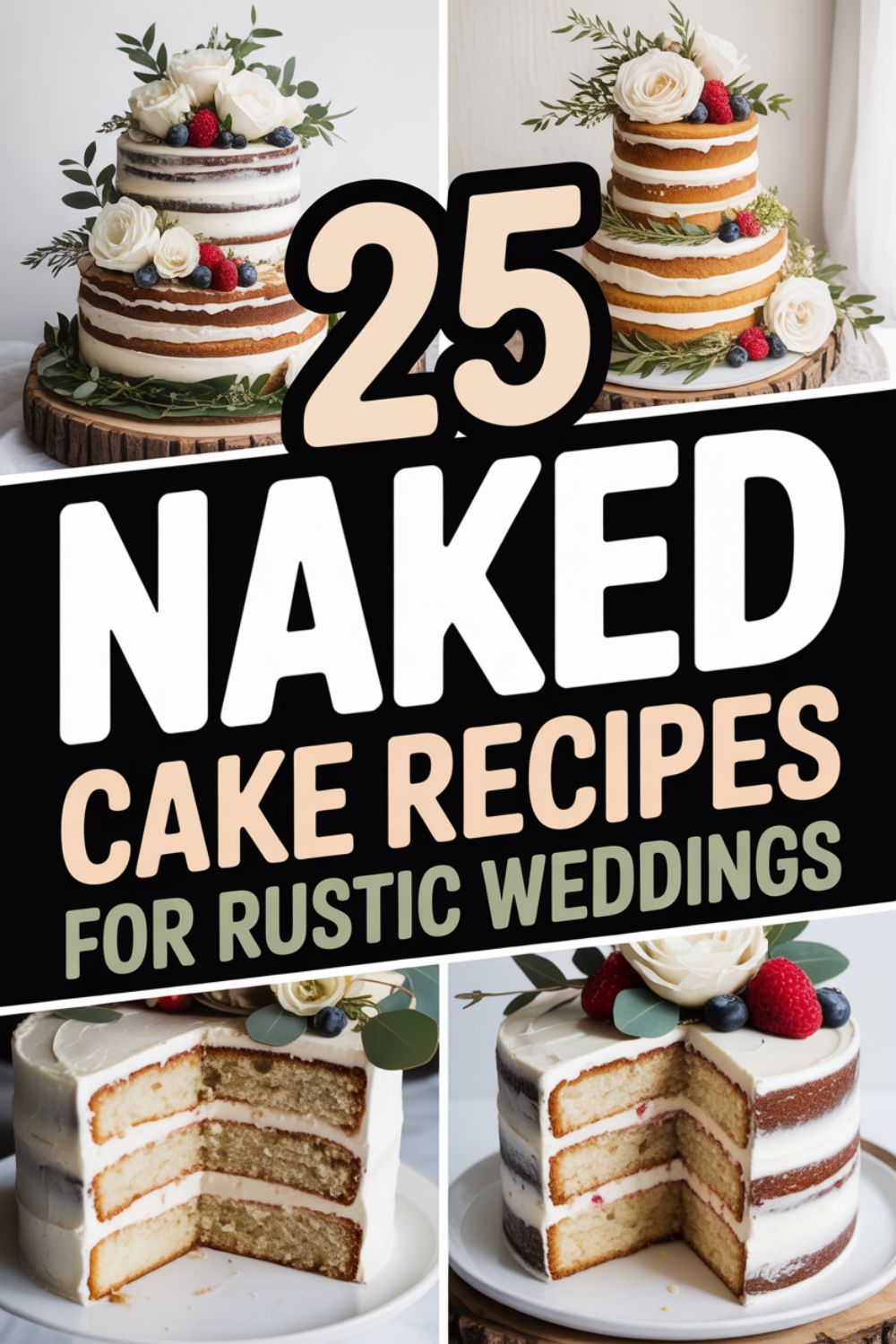
25 Naked Cake Recipes for Rustic Weddings
You know what I absolutely can’t stand about traditional wedding cakes? All that fondant. It’s like eating sweetened Play-Doh wrapped around what could’ve been a perfectly good cake. That’s exactly why naked cakes became my obsession when I started planning rustic weddings—they’re honest, they’re gorgeous, and they actually taste like cake should taste.
Naked cakes strip away all the pretense and let the actual layers, fillings, and textures shine. They’re imperfectly perfect, which makes them ideal for barn weddings, garden ceremonies, or any celebration where you want elegance without the stuffiness. Plus, they’re way more forgiving to make than those pristine fondant-covered towers that require an engineering degree.
I’ve spent the last few years testing, tasting, and tweaking naked cake recipes specifically for weddings. Some bombed spectacularly—looking at you, lemon cake that dried out after two hours. But most turned out stunning, and that’s what I’m sharing here. These 25 recipes work beautifully for rustic weddings, hold up during transport, and most importantly, they make your guests actually excited about cake.
Why Naked Cakes Work So Well for Rustic Weddings
Let me tell you why naked cakes and rustic weddings are basically soulmates. First off, they look intentionally undone in the best possible way. While traditional wedding cakes scream “formal ballroom,” naked cakes whisper “intimate garden party” or “charming barn reception.” They fit the vibe without trying too hard.
The exposed layers create this beautiful contrast between cake and frosting that photographs like a dream. Natural light hits those ridges and textures in ways that smooth fondant just can’t match. I’ve seen naked cakes look absolutely stunning in golden hour photos, whereas heavily frosted cakes sometimes look flat and one-dimensional.
There’s also a practical side nobody talks about. Naked cakes use less frosting, which means they’re lighter, less sweet, and honestly more enjoyable to eat after a full wedding meal. Your guests won’t feel like they need a nap after one slice. They also tend to be more affordable since you’re not buying pounds of fondant or paying for intricate piping work.
According to The Spruce Eats, naked cakes originated from the rustic, homemade aesthetic movement and have become a staple at modern weddings precisely because they celebrate natural beauty over artificial perfection.
Essential Tools for Making Wedding-Worthy Naked Cakes
Before we jump into recipes, let’s talk gear. You don’t need a professional bakery setup, but a few key tools make the difference between a cake that holds together beautifully and one that looks like it survived an earthquake.
I’m obsessed with my rotating cake stand—it makes frosting so much easier when you can spin the cake instead of awkwardly walking around it. Worth every penny, and you’ll use it for birthday cakes long after the wedding. For leveling layers, I use a serrated cake leveler instead of trying to eyeball it with a knife. Trust me, even layers make naked cakes look intentional instead of lopsided.
You’ll also want a good offset spatula for spreading that thin layer of frosting. The angled blade gives you way more control than a regular butter knife, and it creates those gorgeous swoops and texture marks that make naked cakes Instagram-worthy.
The Foundation: Classic Vanilla Naked Cake
Every naked cake journey starts here. This vanilla base is sturdy enough to stack, moist enough to stay fresh for hours, and neutral enough to pair with literally any filling or topping you can imagine. I’ve used this recipe for at least a dozen weddings, and it’s never let me down.
The secret is buttermilk. It keeps the crumb tender without making the cake so delicate it falls apart when you try to frost it. Regular milk just doesn’t give you the same structure. You’ll also want to use cake flour instead of all-purpose—it creates a finer texture that looks more elegant when those layers are exposed.
Mix your dry ingredients thoroughly before adding the wet ones. I know it seems basic, but I’ve seen people skip this step and end up with pockets of flour in their finished cake. Not cute when someone bites into their wedding cake and gets a mouthful of raw flour taste.
When you need something simple but stunning, these moist cake recipes are game-changers for keeping your layers perfect even after hours on display.
Assembly Tips for the Vanilla Base
Once your layers cool completely—and I mean completely, not “eh, close enough”—trim the domed tops so they stack flat. Place your first layer on a sturdy cake board that’s at least the same diameter as your cake. This isn’t optional for wedding cakes; you need that support.
Spread a thin layer of frosting on top of the first layer, then add your filling if you’re using one. Place the second layer on top and gently press down. The frosting should squish out slightly at the edges—that’s the naked cake look you want. Repeat with remaining layers.
For the exterior, you’re not trying to create a smooth, crumb-coat situation. Just swipe your offset spatula around the sides to catch any loose crumbs and create some texture. The goal is “barely frosted” not “forgot to finish frosting.”
Chocolate Naked Cakes That Actually Taste Rich
Let’s be real—most chocolate wedding cakes are disappointing. They either taste like cocoa powder mixed with sadness or they’re so dense you need a saw to cut through them. The chocolate naked cakes that work for weddings need to be intensely chocolatey but still light enough to stack without collapsing.
I use a combination of Dutch-process cocoa and melted dark chocolate. The cocoa gives you that deep color and flavor, while the melted chocolate adds moisture and richness. You can skip the melted chocolate if you’re in a pinch, but the cake won’t be quite as luxurious.
Coffee is your secret weapon here. Add a tablespoon of espresso powder or strong brewed coffee to your batter. It won’t make the cake taste like coffee—it amplifies the chocolate flavor in a way that makes people ask what your secret is. I’ve had guests literally interrogate me about this.
If you’re looking for more chocolate inspiration beyond naked cakes, check out these chocolate lava cake recipes that prove chocolate desserts can be both decadent and elegant.
Fruit-Forward Naked Cakes for Summer Weddings
Summer weddings practically demand fruit-filled naked cakes. The combination of fresh berries, light cake, and minimal frosting feels appropriate when it’s 85 degrees and your guests are fanning themselves with their programs. Plus, fruit adds natural color that makes naked cakes look vibrant without food coloring.
Strawberry naked cakes are classic for a reason. Use fresh strawberries in the filling and as decoration—the red color against vanilla or white cake layers creates this gorgeous contrast. Just make sure you slice the strawberries thin and pat them dry with paper towels before adding them to the cake. Nobody wants a soggy cake layer.
Lemon cakes work beautifully for outdoor spring and summer weddings. The brightness cuts through the richness of buttercream frosting, and lemon pairs well with basically every berry you can think of. I always add lemon zest to both the cake and the frosting for maximum citrus punch. Get Full Recipe
Berry Combinations That Work
Not all berry combinations are created equal for naked cakes. Raspberries and blackberries hold their shape better than strawberries when you pile them on top of a cake. Blueberries are fine but can roll off if you’re not careful—I usually nestle them between other berries to keep them in place.
Here’s my go-to formula: Start with a base of halved strawberries arranged cut-side down on the top tier. Add clusters of raspberries and blackberries for height variation. Tuck in some blueberries and maybe some fresh mint or thyme sprigs for an herbal note. It looks professionally arranged but takes about five minutes.
Stone fruit like peaches and plums also work wonderfully, especially for late summer weddings. Slice them thin, fan them out on the layers, and watch people lose their minds over how pretty it looks. Just serve these cakes within a few hours since stone fruit can oxidize and look sad.
Baking Essentials I Actually Use
Look, I’ve wasted money on plenty of kitchen gadgets that now live in the back of my cabinet. These are the tools that actually earn their counter space when I’m baking wedding cakes:
- Heavy-duty cake pans (set of 3) – Cheap pans warp in the oven and give you uneven cakes. I learned this the hard way.
- Digital kitchen scale – Measuring by weight instead of volume makes your cakes consistent every single time.
- Bench scraper – Perfect for creating that signature semi-frosted look on naked cakes.
- Ultimate Wedding Cake Guide (Digital PDF) – My complete planning checklist for baking and transporting tiered cakes safely.
- Frosting Flavor Combinations eBook – 50+ tested frosting recipes that pair perfectly with naked cakes.
- Rustic Wedding Dessert Planner – Digital resource with timelines, shopping lists, and decoration ideas.
Want more baking tips and real-time help? Join our WhatsApp Baking Community where we share last-minute fixes, substitution ideas, and moral support during wedding cake panic attacks.
Naked Cakes with Unconventional Flavors
Once you master the basics, it’s time to get weird with flavors. And by weird, I mean delicious but unexpected. These are the cakes that make guests remember your wedding specifically because the cake was that good.
Almond naked cakes have this subtle, sophisticated flavor that works beautifully for evening weddings. Replace half the vanilla extract with almond extract, and add a handful of finely ground almonds to your flour mixture. The texture becomes slightly denser in a good way, and it pairs amazingly with cherry or apricot fillings. For rich almond flavor that actually delivers, try these almond cake variations.
Coconut cakes transport you straight to a tropical beach, which is perfect if you’re doing a destination wedding or just want vacation vibes at your local venue. Use coconut milk in place of regular milk, add shredded coconut to the batter, and top with toasted coconut flakes. It’s dramatic without being over the top.
Coffee-flavored naked cakes are underrated, IMO. They’re perfect for morning or brunch weddings, and they give you a legit excuse to have coffee cake for your wedding cake. Pair them with Irish cream frosting or mascarpone filling for maximum indulgence. These coffee cake recipes prove that coffee desserts belong at fancy events too.
Spiced Naked Cakes for Fall Weddings
Fall weddings need cakes that taste like the season. Cinnamon, nutmeg, ginger, and cardamom all work beautifully in naked cake recipes. The warm spices pair perfectly with cream cheese frosting and make your venue smell absolutely incredible while the cake sits on display.
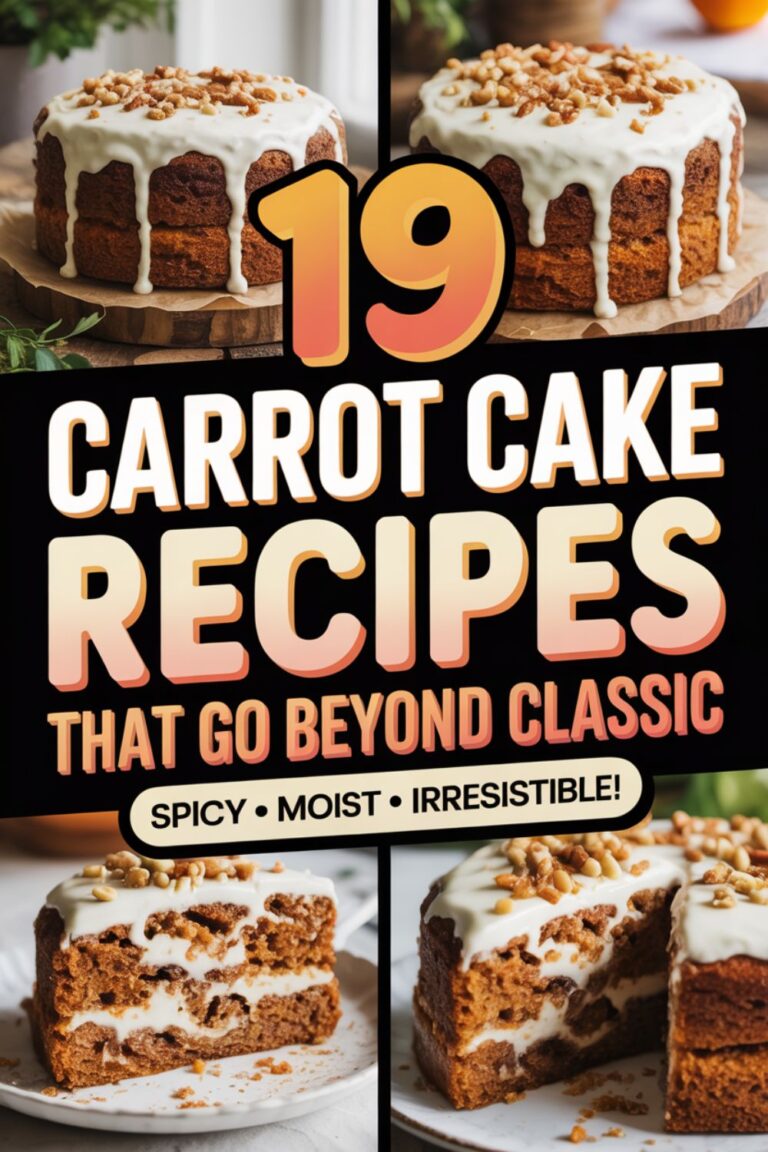
Carrot cake might seem like an odd choice for a wedding, but hear me out. When you make it properly—with fresh carrots, plenty of warming spices, and cream cheese frosting—it’s elegant and sophisticated. Plus, the little flecks of orange carrot in the layers look gorgeous when exposed. You can skip the traditional walnuts if you’re worried about nut allergies. Get Full Recipe
Apple cakes work wonderfully for October and November weddings. Fold in diced apples tossed with cinnamon and a bit of lemon juice. The apple pieces add pockets of moisture and flavor throughout the cake, and they look beautiful in cross-section when you cut into it.
If you’re leaning toward fall flavors, don’t miss these apple cake recipes that celebrate autumn in every bite.
Dairy-Free and Vegan Naked Cake Options
More couples are requesting dairy-free or vegan wedding cakes, either for dietary restrictions or personal preference. The good news? Naked cakes are actually easier to make vegan than traditional frosted cakes because you’re using less frosting anyway.
For the cake itself, swap regular milk with almond milk, oat milk, or coconut milk. Buttermilk can be replaced with plant milk mixed with a tablespoon of apple cider vinegar—let it sit for five minutes and you’ve got vegan buttermilk. Butter substitutes with vegan butter sticks, not margarine. There’s a difference, and your cake will taste like it.
Vegan frosting is trickier but totally doable. Coconut cream whipped with powdered sugar makes a light, fluffy frosting that actually holds up at room temperature. Just make sure you refrigerate your can of coconut milk overnight and only use the solid cream that separates at the top. The liquid part is useless for frosting.
Cashew-based frostings are another option—soak raw cashews overnight, blend them with coconut cream, vanilla, and sweetener until smooth. It creates this rich, almost cream cheese-like texture that works beautifully for naked cakes. According to research on plant-based diets, using whole food ingredients like nuts can actually increase the nutritional value of desserts while maintaining incredible flavor.
Looking for more plant-based dessert ideas? These vegan cookie recipes prove you don’t need animal products to create show-stopping sweets.
Gluten-Free Naked Cakes That Don’t Taste Like Cardboard
Let me be brutally honest—most gluten-free cakes taste like sweetened sawdust. But when you do it right, gluten-free naked cakes can be just as delicious as their wheat-based cousins. The key is using the right flour blend and not skipping the xanthan gum.
I use a combination of almond flour and gluten-free all-purpose flour. The almond flour adds moisture and a slight nuttiness, while the all-purpose blend provides structure. If you use only almond flour, your cake will be too dense and fragile. If you use only gluten-free all-purpose, it’ll be dry and crumbly. The combination is magic.
Xanthan gum acts as a binder that replaces the gluten. You only need about half a teaspoon per cup of flour, but don’t skip it. Without it, your cake layers will fall apart when you try to stack them. Not fun when you’re assembling a three-tier wedding cake two hours before guests arrive.
For more gluten-free baking inspiration, check out these gluten-free cookie recipes that actually deliver on flavor and texture.
Texture Tips for Gluten-Free Baking
Gluten-free batters behave differently than regular cake batters. They’re usually thicker and don’t spread as easily in the pan. That’s normal. Don’t add extra liquid to thin it out—you’ll end up with a gummy texture instead of a light crumb.
Let your batter rest for 10-15 minutes before pouring it into pans. This gives the flour time to hydrate and results in a better texture. I know you’re impatient—I am too—but this step matters for gluten-free cakes.
Gluten-free cakes also dry out faster than regular cakes, so wrap your cooled layers tightly in plastic wrap as soon as they’re cool enough to handle. If you’re baking more than a day in advance, freeze the wrapped layers. They’ll actually be more moist when you thaw them than if you’d just left them at room temperature.
Frosting and Filling Combinations That Work
The frosting you choose for a naked cake is just as important as the cake itself. You need something that tastes amazing but also has enough structure to hold the layers together without sliding off in warm weather. This is where a lot of people mess up.
Swiss meringue buttercream is my top choice for wedding cakes. It’s silky, not too sweet, and stable at room temperature for several hours. American buttercream is easier to make but gets cloyingly sweet when you’re eating a slice of cake, not just a cupcake. Italian meringue buttercream is beautiful but requires a candy thermometer and exact timing that stresses me out.
Cream cheese frosting is perfect for carrot cakes, red velvet, or anything with warm spices. Just make sure you use full-fat cream cheese and actual butter—not the spreadable stuff that comes in a tub. That spreadable cream cheese has added stabilizers that make your frosting weird and slippery.
If you want to level up your frosting game, these frosting recipes cover everything from classic buttercream to creative flavor combinations.
Filling Ideas Beyond Basic Frosting
Naked cakes are the perfect opportunity to get creative with fillings. The layers are exposed, so people can actually see what you’ve tucked between them. Make it interesting.
Fruit curd fillings add brightness and cut through rich frosting. Lemon curd is classic, but passion fruit, raspberry, or even blood orange curd are stunning in naked cakes. Spread a thin layer of frosting first, then add the curd, then another thin layer of frosting. This prevents the curd from seeping into the cake and making it soggy.
Salted caramel is another winning filling. The sweet-salty combination makes people’s taste buds very happy, and it pairs well with vanilla, chocolate, or apple cakes. Just don’t use store-bought caramel sauce—it’s too thin and will drip everywhere. Make a thick, spreadable caramel or buy one specifically designed for cake filling.
Fresh fruit between the layers looks gorgeous but comes with risks. Berries can bleed and stain your cake, while sliced fruit can make things soggy if the cake sits too long. If you’re set on fresh fruit filling, assemble the cake no more than 4-6 hours before serving.
Resources That Actually Help
After years of making wedding cakes, I’ve learned that the right information saves you from disaster. Here’s what’s actually been useful:
- Professional piping bag set – Even naked cakes need piping bags for filling. The disposable ones are wasteful and the reusable cloth ones are annoying to clean.
- Cake dowel rods – Critical for stacked cakes. Your bottom tier will collapse without proper support, and that’s not a story you want to tell.
- Cake lifter spatula – Transferring frosted layers without destroying them requires the right tool. Your hands are not that tool.
- Wedding Cake Math Calculator (Digital) – Figures out exactly how much batter and frosting you need for different tier sizes. Saves so much waste.
- Flavor Pairing Guide for Cakes – Takes the guesswork out of which fillings work with which cake flavors.
- Emergency Cake Fixes eBook – Troubleshooting guide for when things go wrong. And they will go wrong at some point.
Our WhatsApp Wedding Cake Support Group is also available for real-time questions when you’re mid-crisis and need answers fast. We’ve all been there.
Decorating Naked Cakes Like a Pro
The whole point of a naked cake is the understated elegance, but that doesn’t mean you just slap some layers together and call it done. The decoration is what takes a naked cake from “nice homemade dessert” to “legit wedding centerpiece.”
Fresh flowers are the easiest way to make a naked cake look expensive. But please, for the love of everything, make sure your flowers are food-safe and pesticide-free. Not all flowers are edible, and some are straight-up poisonous. Roses, peonies, ranunculus, and lavender are usually safe bets, but confirm with your florist.
You can place flowers directly on the cake or use a flower spike holder if you’re worried about stems touching the frosting. I usually tuck flowers into the frosting between tiers or cascade them down one side. Symmetrical placement looks too formal for the rustic vibe you want.
Other Decoration Options That Work
Beyond flowers, fresh fruit is an obvious choice. Pile berries on top, tuck figs between layers, or arrange thin citrus slices for a modern look. Herbs like rosemary, thyme, and sage add color and an unexpected aromatic element that photographs beautifully.
Edible flowers bring color without overwhelming the cake. Pansies, violas, and nasturtiums are all edible and come in gorgeous colors. You can also crystallize them with egg white and sugar for a sparkly, fairy-tale effect.
Drizzled honey or caramel adds drama and catches the light in photos. I use a squeeze bottle with a fine tip to control the drizzle—trying to pour it from a spoon usually results in too much pooling in one spot.
Transporting and Serving Naked Cakes
Here’s where the anxiety kicks in. You’ve baked this beautiful cake, and now you need to get it to the venue without it becoming a Pinterest fail. Naked cakes are actually easier to transport than fully frosted cakes because they’re not as heavy, but they’re also more delicate since there’s less frosting to hold them together.
Refrigerate your assembled cake for at least an hour before moving it. This firms up the frosting and helps the layers stick together. If you’re dealing with a hot day, chill it for two hours. Cold cake is less likely to shift during transport.
Use a sturdy cake box that’s slightly larger than your cake. Line the bottom with a non-slip mat or even a damp kitchen towel to prevent sliding. Place the cake in the box while it’s still on its cake board—never try to transfer it directly into the box.
The Car Ride Strategy
Put the cake on the floor of your car, not on a seat. The floor is flatter and more stable. If you have a passenger, they can steady the box during turns, but honestly, I’d rather drive alone and focus entirely on not taking corners like I’m in Fast & Furious.
Drive slowly. I’m talking grandma-going-to-church slowly. No sudden braking, no aggressive acceleration, no jackrabbit starts at green lights. Your only job right now is delivering this cake in one piece. Everything else can wait.
Once you arrive, let the cake sit at room temperature for 30-60 minutes before serving. This allows the flavors to develop and the texture to soften. Cold cake straight from the fridge doesn’t taste as good, even if it survived the trip perfectly.
Naked Cakes for Different Wedding Sizes
Not every wedding needs a four-tier showstopper. Small intimate weddings with 20-30 guests can get away with a gorgeous two-tier naked cake, while larger celebrations might need four or five tiers plus a sheet cake in the back for extra servings.
Here’s my formula: Each 6-inch tier serves about 8-12 people, each 8-inch tier serves 18-24, and each 10-inch tier serves 30-38. I always add a buffer of 10-15% because someone will want seconds, and running out of wedding cake is tragic.
For really large weddings (150+ guests), consider making your displayed naked cake just for show and cutting a sheet cake in the kitchen to actually serve. Guests won’t know the difference, and you’ll save yourself hours of assembling a massive tiered cake.
Mini Naked Cakes for Each Table
Want to make your wedding extra memorable? Skip the single large cake and make individual mini naked cakes for each table. They’re basically three 4-inch layers stacked with minimal frosting and decorated with flowers or fruit.
This approach looks incredibly impressive, eliminates the cake-cutting ceremony if that’s not your thing, and ensures every guest gets fresh cake instead of the dry end pieces. Fair warning though—it’s more work upfront. You’ll need multiple cake pans and a solid game plan for assembly. These mini cake recipes are perfect for this approach.
Common Naked Cake Mistakes and How to Fix Them
I’ve made every possible naked cake mistake, so let me save you the tears and wasted ingredients. The most common error is using frosting that’s too soft. When your frosting is too warm or has too much liquid, it slides right off the cake or oozes out between layers. Fix this by chilling your frosting for 15-20 minutes before using it.
Another mistake is overfilling between layers. I get it—you want lots of flavor. But too much filling makes the cake unstable and creates a leaning tower situation that only ends badly. Stick to about 1/4 to 1/3 cup of filling per 8-inch layer. Less is genuinely more here.
People also frequently skip dowel rods in tiered cakes because they think naked cakes are light enough to support themselves. They’re not. Any cake over two tiers needs dowels in the bottom tier to prevent it from collapsing under the weight. This isn’t optional—it’s structural engineering.
Fixing a Lopsided Cake
So your cake is leaning more than the Tower of Pisa. Don’t panic. If you catch it early enough, you can often fix it by gently pressing the top tier into alignment while the frosting is still soft. Chill it immediately to set the frosting in this new position.
If it’s really bad and you’re close to serving time, strategically place decorations on the leaning side to disguise it. Load up that side with flowers, fruit, or greenery to draw the eye away from the lean. Nobody will notice if you don’t point it out.
For cakes that are already assembled and doomed, your best option is to carefully disassemble, trim the uneven layers, and reassemble with fresh frosting. It’s stressful but doable if you still have a few hours before the event.
Frequently Asked Questions
How far in advance can I make a naked cake for a wedding?
You can bake the cake layers up to two days ahead if you wrap them tightly in plastic wrap and store them at room temperature, or freeze them for up to a month. However, assemble and decorate the naked cake no more than 24 hours before the wedding for the best appearance and freshness. The minimal frosting on naked cakes means they can dry out faster than fully frosted cakes.
Will a naked cake hold up in hot weather?
Naked cakes can handle moderate warmth, but extreme heat is risky. If your wedding is outdoors in summer, use Swiss meringue buttercream or cream cheese frosting instead of whipped cream, and keep the cake in air conditioning until the last possible moment. Consider setting it up in a shaded area and serving within 2-3 hours of placing it out. For outdoor receptions in intense heat, a frozen dessert might actually be a smarter choice.
Do I need to refrigerate a naked wedding cake?
It depends on your frosting and filling. Buttercream-based naked cakes can sit at room temperature for 4-6 hours safely. If you’re using cream cheese frosting, fresh fruit, or any dairy-heavy fillings, refrigerate the cake and only bring it out 30-60 minutes before serving. The cake tastes better at room temperature, but food safety comes first.
How do I keep my naked cake layers from sliding?
Make sure your frosting is the right consistency—not too soft or too stiff. Insert dowel rods through the center of stacked tiers to create internal support. You can also place a small dollop of frosting directly on your cake board before adding the bottom layer to act as glue. Chilling the assembled cake for at least an hour before transport helps everything set in place.
Can I make a naked cake without special equipment?
Absolutely. At minimum, you need cake pans, mixing bowls, and measuring cups. An offset spatula helps with frosting but isn’t essential—a regular butter knife works in a pinch. A rotating cake stand makes life easier but isn’t required. The most important “equipment” is patience and willingness to embrace imperfection, which is literally the point of naked cakes anyway.
Final Thoughts on Naked Wedding Cakes
Naked cakes aren’t just a trend that’ll look dated in your wedding photos five years from now. They represent a shift toward authenticity and simplicity in wedding culture—showing what’s real instead of hiding it under layers of fondant perfection. That resonates with people, which is why naked cakes have stayed popular even as other wedding trends come and go.
The beauty of naked cakes is that they’re forgiving. A slightly uneven layer adds character. Frosting that’s not perfectly smooth looks intentional. Decorations placed asymmetrically create visual interest. You’re not fighting against the nature of homemade cake—you’re celebrating it.
Whether you’re making your own wedding cake or baking one for someone you love, remember that the point isn’t perfection. The point is creating something beautiful and delicious that brings people together. A naked cake does exactly that, with way less stress than trying to achieve bakery-level smooth fondant in your home kitchen.
Start with the basic vanilla or chocolate recipe, master the assembly technique, and then experiment with flavors and decorations that reflect your personal style. Your wedding cake should taste like you, not like every other wedding cake that came before it. That’s what makes it memorable.