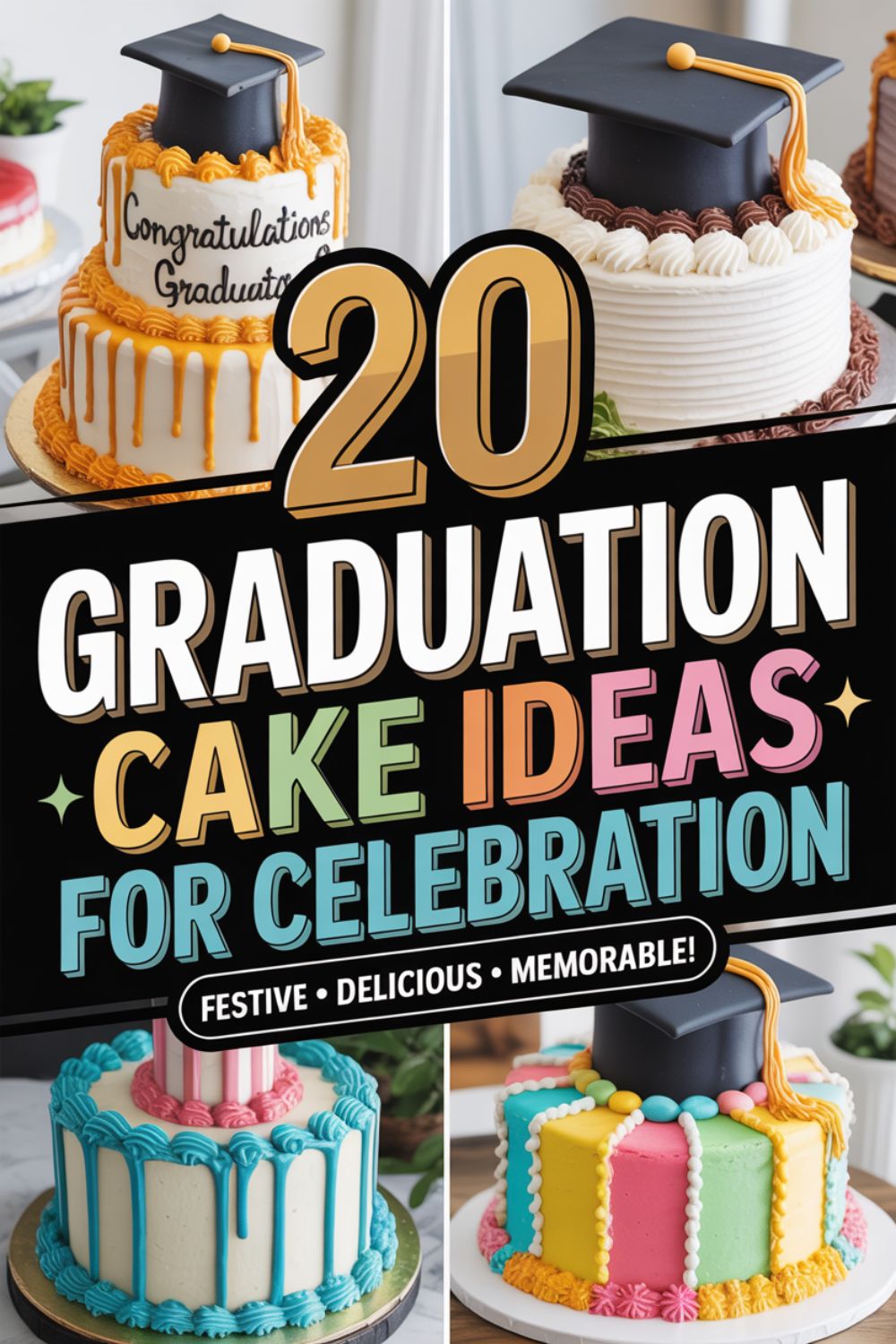
20 Graduation Cake Ideas That’ll Make You the Hero of the Party
Look, I get it. You’re staring down graduation season and your brain is already fried from party planning. Now someone’s expecting you to show up with a cake that doesn’t look like it came from the clearance rack at a grocery store two hours before closing time.
Here’s the thing—graduation cakes don’t have to be stressful. Whether you’re celebrating a kindergartener who just learned to tie their shoes or a college grad drowning in student loans, the right cake makes the whole celebration feel special. I’ve spent way too many weekends elbow-deep in fondant and buttercream, and honestly? Some of the best cakes I’ve made were the simplest ones.
So grab your offset spatula and let’s talk about 20 graduation cake ideas that’ll actually work in your kitchen. No culinary degree required.

Classic Cap and Tassel Cakes
The graduation cap cake is basically the little black dress of commencement desserts. Everyone’s seen one, but that doesn’t mean yours has to look boring.
I made my first cap cake for my cousin’s high school graduation, and let me tell you—I thought I’d nailed it until I tried to transport the thing. The fondant mortarboard slid right off in my car. Learn from my mistakes: if you’re going with a fondant cap, let it dry for at least 24 hours before placing it on your cake. According to Escoffier’s guide to cake decorating techniques, proper drying time is crucial for any three-dimensional fondant work.
The easiest version? Bake a simple round or square cake, frost it smooth, and top it with a store-bought graduation cap decoration. Nobody needs to know you didn’t hand-sculpt that tassel from edible gold dust. For a slightly fancier version, pipe buttercream rosettes all over the sides. I use a Ateco 846 piping tip for this—it creates these perfect little swirls that look way more impressive than the effort required.
Want to skip the fondant entirely? Use a square brownie pan to bake a flat “mortarboard” layer, frost it black, and place it on top of your main cake using dowels for support. Add a tassel made from yellow or school-color frosting and you’re done.
School Colors Make It Personal
Here’s where you can actually flex a little. Every school has colors, and using them on your cake instantly makes it feel custom. Navy and gold? Gorgeous. Maroon and white? Classic. That weird teal and orange combo your high school inexplicably chose in 1987? Sure, why not.
I like to do ombre frosting in school colors—it’s shockingly easy and looks like you spent hours on it. Just divide your buttercream into bowls, add different amounts of food coloring to each, and frost from dark to light as you work up the cake. If you want to get really specific about color matching, Wilton’s buttercream techniques guide has solid advice on achieving consistent colors.
Speaking of school spirit, these unique cake flavors might inspire you to match the cake’s taste to the school’s vibe too.
Letter and Number Cakes
Letter cakes are having a moment, and honestly, they’re perfect for graduations. Spell out the grad’s initials, their graduation year, or just a big celebratory “GRAD” if you’re feeling ambitious.
The trick here is getting a number and letter cake pan set. Don’t try to freehand cut these shapes unless you have surgeon-level knife skills and the patience of a saint. Trust me on this—I once attempted to carve a “2” and ended up with something that looked more like a question mark having an existential crisis.
Once you’ve got your letter baked and cooled, the decorating possibilities are endless. You can go minimalist with smooth buttercream and a simple border, or cover the entire thing in piped rosettes for that Instagram-worthy floral effect. I’ve seen people add fresh flowers, edible glitter, or even fresh fruit if you’re trying to convince yourself this counts as healthy.
The Stacked Letter Look
Want to level up? Make multiple letter cakes and stack them. This works great for “CLASS OF ’26” displays. Just make sure you use cake dowels between layers if you’re stacking anything heavier than a cupcake. Nothing kills a party vibe faster than watching your carefully crafted cake topple over.
For those attempting more complex designs, check out these frosting recipes that hold their structure better than standard buttercream.
Sheet Cakes with Diploma Toppers
Let’s be real—sometimes you just need to feed 50 people and you don’t have time for architectural cake engineering. Sheet cakes are the unsung heroes of graduation parties.
The beauty of a sheet cake is the surface area. You’ve got this huge blank canvas to work with. I usually frost the whole thing in white or cream buttercream, then pipe a congratulatory message across the top. Add some fondant diploma scrolls (which are way easier to make than they look—just roll fondant into a cylinder and tie with a ribbon made from more fondant), scatter some edible gold stars, and call it a day.
If you want to get slightly fancier without losing your mind, try the basketweave piping technique along the sides. It sounds complicated but it’s literally just piping vertical and horizontal lines in an alternating pattern. Looks professional, takes minimal skill. IMO, it’s the perfect technique for people who want to look like they tried without actually trying that hard.
The best part about sheet cakes? They’re easy to transport. No anxiety about whether your three-tier masterpiece will survive the drive. Just cover it, slide it in the car, and you’re good.
Photo Transfer Magic
Here’s a hack that makes people think you’re some kind of cake wizard: edible image printing. You can have a photo of the graduate printed onto edible paper (most grocery store bakeries do this) and place it right on your frosted sheet cake. Surround it with piped borders and you’ve got a personalized cake that took approximately 10 minutes of actual work.
For inspiration on simpler cake approaches that still look amazing, these dump cake recipes prove that easier doesn’t mean less impressive. Get Full Recipe.
Tiered Celebration Cakes
Okay, now we’re getting into territory that requires a bit more commitment. Tiered cakes look absolutely stunning, but they also require some engineering knowledge and patience.
I made my first tiered cake for my niece’s college graduation and spent about three hours watching YouTube tutorials beforehand. The key things you need to know: use dowels to support each tier, make sure your frosting is firm (refrigerate between tiers), and for the love of all that is holy, work on a level surface.
A classic two-tier graduation cake works beautifully. Make the bottom tier larger (maybe 10 inches) and the top tier smaller (6 inches). Frost both in your base color, then decorate each tier differently—maybe rosettes on the bottom, smooth frosting with a drip effect on top, and a graduation cap as the topper.
The drip technique is easier than it looks. Make a chocolate ganache (just heavy cream and chocolate chips melted together), let it cool slightly, and pour it around the edge of your top tier. Gravity does most of the work. I use a plastic squeeze bottle for more control—way better than trying to pour from a bowl and ending up with ganache all over your counter.
Naked Cakes for the Win
If you want the tiered look but smoothing buttercream makes you want to throw your spatula across the room, go with a naked cake. This is where you skip the outer coat of frosting and let the cake layers show. Just frost between the layers, stack them up, and add some fresh flowers or berries on top. It’s the “I woke up like this” of cake decorating—effortlessly beautiful.
For those diving into more intricate baking, these bundt cake recipes show how different pan shapes can simplify your decorating while still looking special.
Book Stack Cakes
This is one of my favorite graduation cake ideas because it’s thematic without being cheesy. You’re basically creating a cake that looks like a stack of textbooks, which is both clever and surprisingly doable.
Bake rectangular cakes in different sizes—I use rectangular cake pans in 9×13, 7×11, and maybe a 6×8 if I’m feeling ambitious. Stack them at slight angles to look like books piled on a desk. Cover each “book” in colored fondant or buttercream, then use edible markers or piped frosting to add “titles.”
The titles can be funny (“How to Adult: A Guide” or “Naps I Should Have Taken”), inspirational quotes, or actual textbooks from the graduate’s major. I once made one for a biology major and titled the books things like “Advanced Procrastination” and “Caffeine: A Love Story.”
Top the whole stack with a fondant graduation cap or diploma, and you’ve got yourself a conversation starter. According to Preppy Kitchen’s decorating guide, rectangular cakes are actually easier to frost smoothly than round ones, so this is a great project for intermediate bakers.
Cupcake Towers for Crowd Control
Sometimes the smartest graduation cake isn’t a cake at all. Cupcake towers solve SO many problems—easy serving, no cutting required, portion control, and you can offer multiple flavors.
The key to making a cupcake tower not look like you just gave up on making a real cake is presentation. Get a tiered cupcake stand (they’re reusable for every future party) and arrange your cupcakes in a deliberate pattern. I like to frost them all in the same color using a 1M piping tip for that classic swirl, then top each one with a small fondant graduation cap or diploma.
You can also spell something out with the cupcakes. Arrange them so the caps spell “GRAD” or the graduation year. It’s like edible Scrabble.
Flavor Variety Without the Stress
The beautiful thing about cupcakes is you can make half chocolate, half vanilla, maybe throw in some strawberry for the rebels in the crowd. Nobody argues about cake flavors when they can just grab their favorite.
I usually make two or three batches using these easy cookie recipes as inspiration for flavor combinations that work well in cupcake form too. Get creative with the frostings—try these frosting recipes to keep things interesting. Get Full Recipe.
Minimalist Modern Graduation Cakes
Not every graduation cake needs to scream “CONGRATULATIONS GRADUATE” in fondant letters and edible glitter. Sometimes less is genuinely more.
I’m talking about a simple, elegantly frosted cake in a single color—think sage green, dusty rose, or classic white. Smooth sides (use a bench scraper for this), maybe a simple gold drip, and one tasteful topper. That’s it. That’s the whole cake.
The trick to pulling this off is making sure your frosting is absolutely perfect. No lumps, no crumbs, no weird patches where you can see the cake peeking through. This is where the crumb coat becomes your best friend—frost the cake with a thin layer, refrigerate it for 20 minutes, then apply your final smooth coat.
For the topper, you can go with a simple “Congrats Grad” cake topper in acrylic or wood (tons of these on Etsy), or just add one perfect fresh flower. Peonies are my go-to because they’re dramatic without trying too hard.
Monochrome Magic
An all-white cake with just a hint of texture—maybe some vertical lines scraped with a bench scraper or subtle buttercream texture—looks incredibly sophisticated. Add a black fondant graduation cap on top and you’ve got modern minimalism that photographs beautifully.
If you’re going for this aesthetic, check out these classic pound cake recipes that have the perfect dense crumb for clean lines and sharp edges.
Themed Major-Specific Cakes
This is where you can get really creative and personal. Is the graduate studying to be a doctor? Make a cake with a stethoscope draped over it. Engineering major? Add fondant blueprints and tiny edible tools. Art student? Go wild with paint palette decorations and edible paintbrushes.
I made one for a friend’s daughter who graduated with a teaching degree—decorated it to look like an apple, added fondant ABC blocks around the base, and piped “Teacher Extraordinaire” across the top. She cried, which is the ultimate graduation cake success metric.
The key here is not going overboard. Pick 2-3 elements that represent the major and work them into your design. You don’t need to recreate the entire periodic table on a cake for a chemistry grad—just a few beakers and maybe an Erlenmeyer flask made from fondant will do the trick.
Geode and Gem Cakes
Okay, these look insane but they’re actually more forgiving than you’d think. Geode cakes have this gorgeous crystalline center that catches the light and makes everyone go “how did you DO that?”
The secret? Rock candy. You make a hollow in your frosted cake, fill it with broken pieces of rock candy in your chosen colors (purple and blue look especially stunning), and surround it with painted buttercream to create that natural stone effect.
I use edible luster dust mixed with vodka (it evaporates, leaving just the shimmer) to paint the frosting around the geode opening. Creates this beautiful gradient effect that looks way more professional than my actual skill level.
Top the whole thing with a simple fondant graduation cap and you’ve got a cake that looks like it belongs in a bakery window.
Rustic Buttercream Designs
If smooth, perfect frosting isn’t your thing (it’s definitely not mine), lean into the rustic aesthetic. This is cake decorating for people who have accepted that perfection is overrated.
Frost your cake in whatever color you want, then use a offset spatula or even just a regular butter knife to create texture. Swirls, swoops, deliberate messy edges—it all works. The beauty of the rustic look is that “imperfections” are kind of the point.
I like to add fresh flowers (make sure they’re food-safe and pesticide-free), some greenery, maybe a drip of gold or chocolate ganache down the sides. Stick a “Congrats Grad” topper in there and you’re done. The whole thing takes maybe 30 minutes once the cake is baked and cooled.
Seasonal Flowers and Greenery
Graduation season usually means spring or early summer, so you’ve got access to gorgeous fresh flowers. Roses, peonies, lavender, eucalyptus—all of these make your cake look expensive without requiring advanced cake decorating skills.
Just remember: put a barrier between the flowers and the cake if the flowers aren’t organic. I use little pieces of plastic wrap or stick the stems in flower tubes to keep anything icky from touching the frosting.
Looking for more ways to use seasonal ingredients? These healthy cake recipes with natural sweeteners incorporate fresh, seasonal flavors that pair beautifully with floral decorations.
Ombre and Gradient Cakes
Ombre cakes look complicated but they’re actually just an exercise in patience and having enough bowls. You’re creating a color gradient—usually light to dark or one color to another—by using different shades of frosting.
Here’s how I do it: divide your buttercream into 4-5 bowls. Leave one white, add progressively more food coloring to each bowl until you’ve got a range from pale to deep. Frost your cake in horizontal stripes, starting with the darkest shade at the bottom and working your way up to the lightest at the top. Use your bench scraper or offset spatula to blend where the colors meet.
The result is this gorgeous, gradual color shift that photographs like a dream. I usually keep the top smooth and simple—maybe add a single topper or some fresh flowers—because the ombre effect is statement enough.
Inside Surprise Ombre
Want to really blow minds? Make the cake layers themselves ombre. Divide your cake batter into bowls, color each one a different shade, and bake them separately. When you stack and cut the cake, you get this incredible rainbow or gradient effect inside.
Fair warning: this requires multiple cake pans or a lot of patience waiting for pans to cool between batches. But the payoff is worth it. I made one for my nephew’s graduation where the outside was plain white buttercream and the inside was blue ombre to match his school colors. The looks on people’s faces when we cut it? Priceless.
For inspiration on creative layering techniques, check out these cheesecake recipes that play with different layers and textures.
Galaxy and Space-Themed Cakes
Perfect for the grad who’s literally shooting for the stars. Galaxy cakes are all about deep blues, purples, and blacks with splashes of white for stars.
The technique is surprisingly simple: frost your cake in dark buttercream (navy or black), then use a damp paper towel or sponge to dab on different colors—deep purple, bright blue, maybe some pink. Blend them together slightly so you get that nebula effect. Splatter white buttercream or royal icing across the whole thing for stars (I load up a toothbrush and flick it—messy but effective), add some edible gold stars, and boom. You’ve got a galaxy.
Top it with a graduation cap and maybe pipe “The Universe is Yours” or something equally dramatic. It’s the perfect cake for science majors, astronomy nerds, or anyone who appreciates a good space pun.
Drip Cakes in School Colors
Drip cakes are having their moment, and graduation is the perfect excuse to make one. The technique is straightforward: frost your cake smooth, make a ganache or melted candy coating in your school colors, let it cool slightly, then drizzle it around the top edge of your cake.
The drips will run down the sides creating that signature look. I like to add some piped buttercream swirls on top, maybe some gold macarons or chocolate-covered strawberries if I’m feeling fancy. The key is getting your drip mixture to the right consistency—too thin and it runs all the way down, too thick and it doesn’t drip at all.
Test it on a glass first. Seriously. Pour a little on the edge of a drinking glass and see how it behaves. Adjust as needed. This 30-second test has saved me from many cake disasters.
If you’re experimenting with different glazes and toppings, these one-bowl cake recipes give you a solid base to work with while keeping cleanup manageable. Get Full Recipe.
Surprise Inside Cakes
Want to make people lose their minds when you cut the cake? Hide something inside. I’m talking about cakes that look normal on the outside but reveal school colors, sprinkles, or even candies when you slice into them.
The easiest version is the sprinkle surprise cake. Make your cake batter, fold in a ton of colorful sprinkles, bake as normal. The outside looks like any other frosted cake, but when you cut it, there’s this explosion of color from all the sprinkles baked inside.
You can also do a checkerboard pattern using a checkerboard cake pan set, or hide a layer of candy in the middle. I once made a cake with a hidden layer of mini chocolate chips and the graduate literally gasped when we cut into it. That’s the energy we’re going for.
Chocolate Lovers Dream Cakes
Some people just want chocolate. No fancy decorations, no fondant sculptures, just really good chocolate cake with chocolate frosting and maybe some chocolate shavings on top.
I respect this immensely. Make a rich chocolate cake (my go-to uses coffee in the batter to deepen the chocolate flavor—doesn’t taste like coffee, just makes the chocolate taste MORE like chocolate). Frost it with chocolate buttercream or ganache. Grate some quality dark chocolate over the top with a microplane grater. Add a graduation topper. Done.
If you want to elevate it slightly, do a chocolate mirror glaze. It’s that shiny, reflective finish you see on fancy bakery cakes. Looks impossible, actually just requires following a recipe precisely and having a thermometer. The effect is absolutely worth the minimal extra effort.
Triple Chocolate Overload
Chocolate cake, chocolate ganache filling, chocolate buttercream frosting, chocolate chips scattered on top. This is for the graduate who doesn’t do subtlety. Add some chocolate-covered strawberries around the base if you’re trying to sneak in some fruit.
For more chocolate inspiration that goes beyond basic, these classic chocolate chip cookie recipes might spark ideas for mix-ins and flavor combinations.
Vintage Graduation Cakes
Think old-school bakery vibes. Lots of piped buttercream borders, maybe some roses, classic white or ivory frosting, and elegant script lettering.
This style requires some piping skills, but the individual techniques aren’t actually that hard. Shell borders (just squeeze and release your piping bag in a rhythm), buttercream roses (there are about a million YouTube tutorials), and simple drop flowers can all be learned in an afternoon of practice.
I like to use a parchment paper piping bag for practicing. You can pipe your designs, scrape the frosting back into the bowl, and try again. No wasted frosting, unlimited practice time.
The vintage look works especially well for cakes that need to feed a crowd. Make a large sheet cake, pipe your borders and decorations, add a few strategically placed sugar flowers, and you’ve got something that looks like it came from a fancy bakery circa 1952.
Naked Cakes with Gold Leaf
For the grad who appreciates understated elegance, a naked cake with just a touch of gold leaf is perfection. The naked cake shows off your layers, and the gold leaf adds that special occasion sparkle without overwhelming the design.
Frost between your layers but leave the sides exposed. Make sure your cake layers are even and your frosting is neat because it’s all on display. Add some fresh flowers, a few pieces of edible gold leaf (it comes in sheets, you just tear off pieces and gently place them), and maybe some fresh berries.
The whole thing feels organic and special at the same time. Plus, naked cakes are way more forgiving than trying to achieve perfectly smooth buttercream sides. If your layers are a little wonky? That’s just rustic charm.
Cookie and Cake Hybrid Towers
Why choose between cookies and cake when you can have both? Make a simple frosted cake as your base, then surround it with decorated sugar cookies cut into graduation caps, diplomas, or the graduation year.
I use a cookie cutter set for graduation shapes, bake the cookies, decorate them with royal icing (which hardens nicely and holds up well), then stick them into the sides of the frosted cake or arrange them on top. You can also make a cookie “fence” around the cake by standing cookies up all around the perimeter.
This gives you the wow factor of a decorated cake with the bonus of pre-portioned cookie treats. People can grab a cookie from the cake before you even cut it. It’s like built-in party appetizers.
If you’re inspired by the cookie angle, these no-bake cookie recipes and 5-ingredient cookies show how simple cookie recipes can complement a more elaborate cake without adding too much extra work.
Confetti Explosion Cakes
This is maximum celebration vibes in cake form. We’re talking sprinkles everywhere—in the batter, on the frosting, cascading down the sides, possibly launching out of the cake when you cut it if you’re really committed.
Make a vanilla or funfetti cake base, add extra sprinkles to the batter (FYI, use the long rod-shaped sprinkles, not the round ones—those melt and turn your batter weird colors). Frost with white or pastel buttercream, then cover the sides in sprinkles. I pour sprinkles into a large baking sheet, hold my frosted cake over it, and press handfuls of sprinkles onto the sides.
Top with even more sprinkles, maybe some sprinkle-covered chocolate spheres, and a gold “Congrats” topper. It’s colorful chaos in the best possible way.
The Sprinkle Press Method
Here’s a technique that makes the sprinkle application less messy: frost your cake, chill it for 15 minutes so the frosting is firm, place it in a large bowl or on a rimmed baking sheet, then gently press handfuls of sprinkles onto the sides. The sprinkles that don’t stick fall into the bowl/sheet and you can reuse them. Way better than having sprinkles all over your kitchen floor for the next month.
Frequently Asked Questions About Graduation Cakes
How far in advance can I make a graduation cake?
You can bake cake layers 2-3 days ahead and keep them wrapped in plastic wrap in the fridge, or freeze them for up to a month. Buttercream frosting can be made a week in advance and stored in the fridge (just bring it to room temperature and re-whip before using). Fondant decorations can be made weeks ahead if stored properly in an airtight container. However, I recommend assembling and decorating the final cake no more than 1-2 days before the event for the freshest taste and best appearance.
What’s the best frosting for decorating graduation cakes?
American buttercream is your best friend for graduation cakes—it’s stable, pipes well, holds its shape, and tastes good. Swiss or Italian meringue buttercream are great if you want something less sweet and silky smooth. For fondant work, you’ll need a firm buttercream base underneath. Avoid whipped cream frostings unless you’re serving immediately, as they don’t hold up well at room temperature.
How do I transport a graduation cake safely?
First, chill your cake thoroughly—cold buttercream is much more stable than room temperature. Place the cake on a non-slip mat or damp towel on a flat surface in your car. For tiered cakes, transport the tiers separately and assemble on-site. Drive slowly, avoid sudden stops, and maybe recruit someone to hold the cake box if it’s particularly elaborate. I’ve learned this the hard way too many times.
Can I make a graduation cake without fondant?
Absolutely! Most of the cakes I make use only buttercream because it tastes better and is more forgiving for home bakers. You can create beautiful graduation cakes with just buttercream piping, fresh flowers, ganache drips, and simple toppers. Fondant is completely optional and honestly, most people prefer the taste of buttercream anyway.
How much cake do I need for my graduation party?
A general rule is to assume each person will eat one slice. An 8-inch round cake serves about 12-16 people, a 9×13 sheet cake serves 20-24, and a quarter-sheet cake serves 24-30. If you’re serving other desserts too, you can probably estimate slightly smaller portions. When in doubt, go bigger—leftover cake is never a problem.
Your Graduation Cake Game Plan
Here’s the thing about graduation cakes: they don’t have to be perfect to be perfect, if that makes sense. The cake you make with your own hands (even if those hands are trembling from too much coffee and stress) will mean more than anything you could order from a bakery.
Pick a design that matches your skill level and the time you actually have available. There’s zero shame in starting with a simple sheet cake and building your skills from there. My first graduation cake was a lopsided mess with crooked lettering and fondant that looked like it had been attacked by a very angry toddler. But you know what? The graduate loved it anyway because someone cared enough to try.
The cakes that get remembered aren’t necessarily the ones with perfect fondant work or intricate piping. They’re the ones made with love, the ones that show you paid attention to what the graduate likes, the ones that become part of the celebration story. So grab your mixing bowls, pick a design that speaks to you, and make something worth celebrating.
And hey, if all else fails, you can always cover mistakes with extra frosting and sprinkles. That’s basically my entire baking philosophy right there.
Similar Posts
27 Thermomix Rezepte Ideen Für Die Ganze Woche
27 Thermomix Rezepte Ideen Für Die Ganze Woche Stell dir vor: Montag Abend, du kommst müde von der Arbeit nach Hause, öffnest den Kühlschrank – und weißt mal wieder nicht, was du kochen sollst. Klingt bekannt? Genau da kommt dein Thermomix ins Spiel. Mit den richtigen Rezeptideen wird dein Thermomix nicht nur zur Küchenmaschine, sondern…
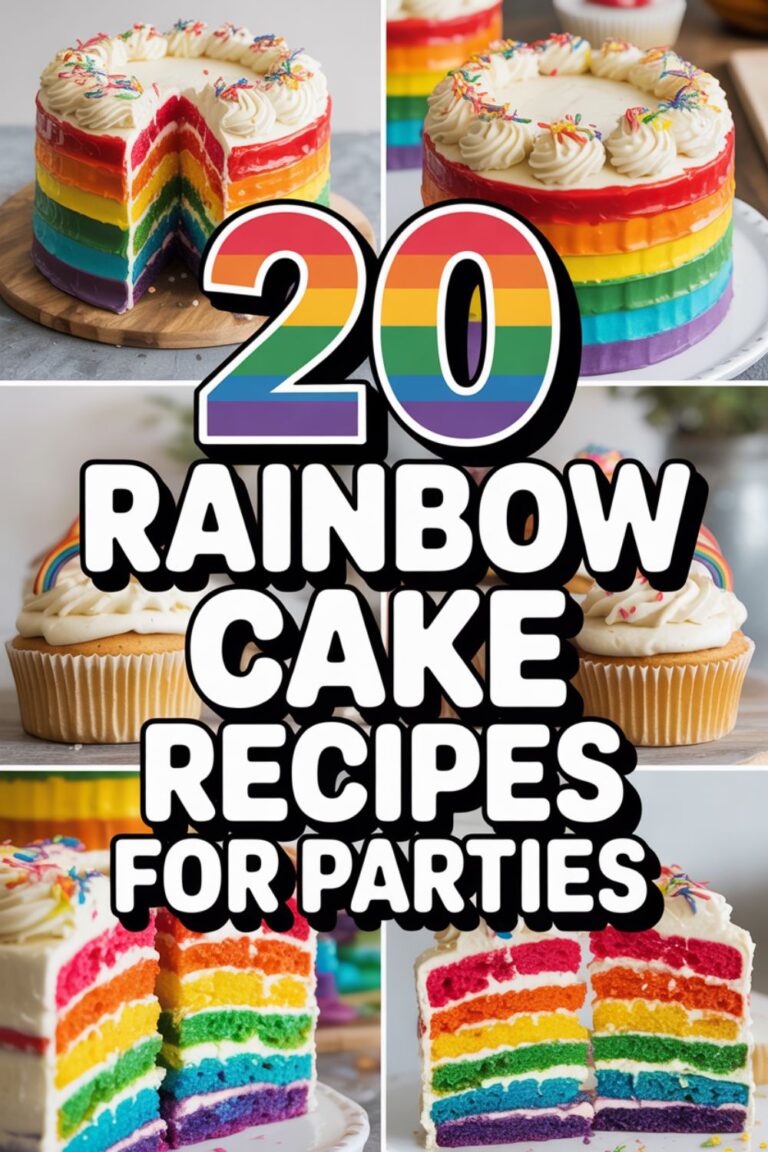
20 Rainbow Cake Recipes for Parties
20 Rainbow Cake Recipes for Parties – Purely Plateful 20 Rainbow Cake Recipes for Parties You know that moment when you slice into a cake and everyone gasps? That’s exactly what happens with rainbow cakes. I’m talking about those show-stopping desserts that make people pull out their phones faster than you can say “Instagram-worthy.” Listen,…
27 Schnelle Thermomix Rezepte Unter 30 Minuten
27 Schnelle Thermomix Rezepte Unter 30 Minuten Kennst du das Gefühl, nach einem langen Tag nach Hause zu kommen und absolut keine Energie mehr zu haben, aber trotzdem etwas Leckeres auf den Tisch bringen zu wollen? Genau da kommt dein Thermomix ins Spiel. Dieses Gerät ist nicht umsonst der heimliche Star in so vielen deutschen…
21 Thermomix Rezepte Rezepte Die Du Kennen Musst
21 Thermomix Rezepte Die Du Kennen Musst Okay, ich muss ehrlich mit dir sein — als ich meinen ersten Thermomix bekam, dachte ich wirklich, das wäre nur ein überteurerter Mixer. Spoiler: Ich lag komplett falsch. Dieses Gerät hat meine Küche auf den Kopf gestellt, und heute zeige ich dir 21 Rezepte, die du unbedingt ausprobieren…
20 Chocolate Cake Recipes for Serious Chocoholics
20 Chocolate Cake Recipes for Serious Chocoholics 20 Chocolate Cake Recipes for Serious Chocoholics Look, I’m not here to judge your relationship with chocolate. If you’re the type who thinks “a little chocolate” means an entire cake, we’re going to get along just fine. Whether you’re stress-baking at 11 PM or planning an elaborate birthday…
20 Themed Party Cake Recipes That’ll Make You the Party Hero
20 Themed Party Cake Recipes That’ll Make You the Party Hero 20 Themed Party Cake Recipes That’ll Make You the Party Hero Look, I’ve been to enough birthday parties where someone showed up with a store-bought sheet cake and everyone politely pretended it was fine. But you know what gets people actually excited? A cake…