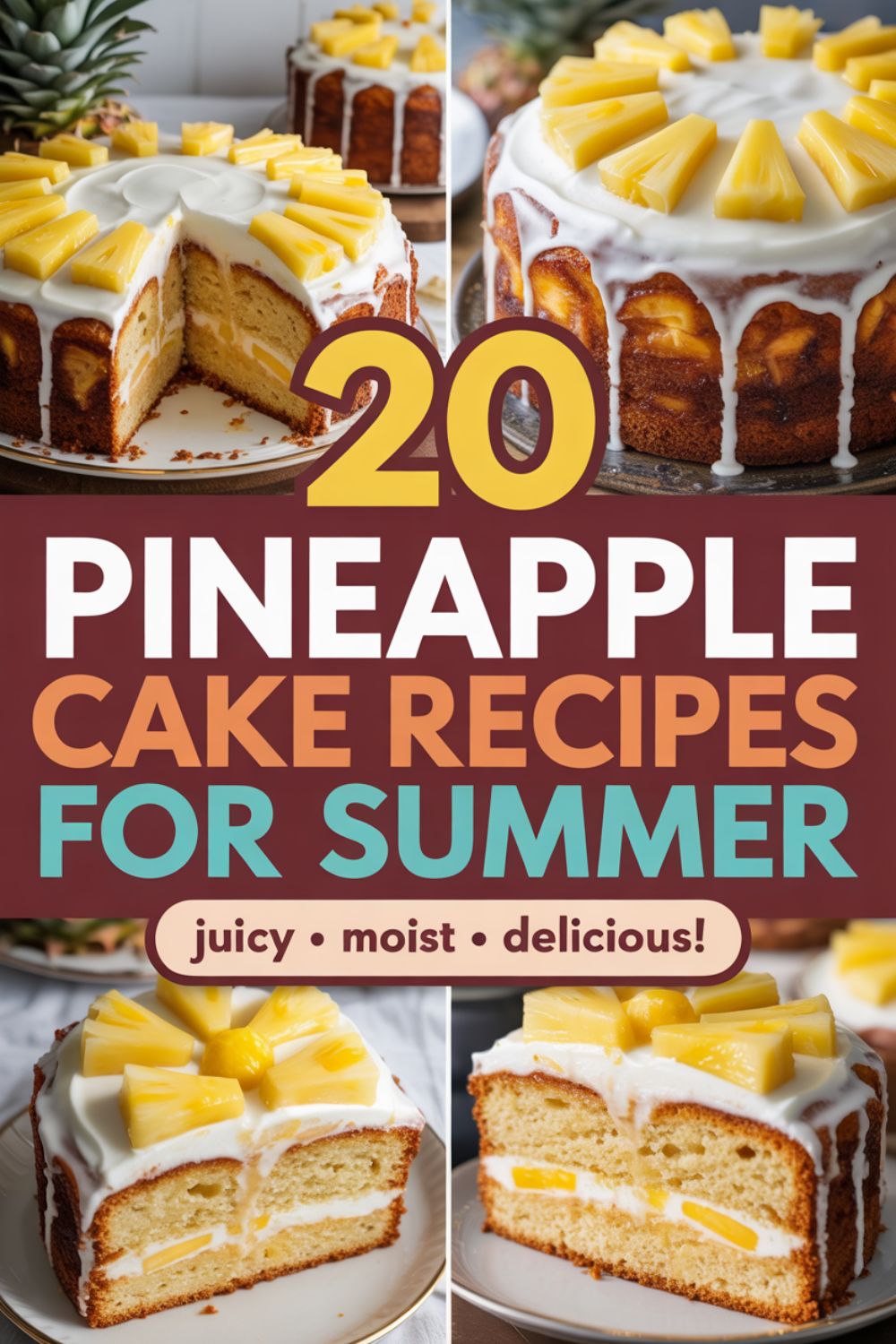
20 Pineapple Cake Recipes for Summer
Tropical sweetness meets baking bliss
Listen, I get it. Summer hits, and suddenly every dessert feels too heavy, too rich, or just plain boring. You want something that screams sunshine without making you feel like you need a nap after one slice. That’s where pineapple cakes swoop in to save your warm-weather gatherings.
I’ve been baking with pineapple for years now, and honestly? It’s the most underrated fruit in the dessert world. Sure, everyone talks about berries and peaches when summer rolls around, but pineapple brings something different to the table—that perfect balance of sweet and tangy that makes your taste buds do a little happy dance.
These twenty recipes range from classics your grandma would approve of to modern twists that’ll have people asking for the recipe before they’ve even finished their first bite. Some are stupid-easy (think dump-and-bake situations), while others are showstoppers that look way harder than they actually are. Ready to turn your kitchen into a tropical paradise?
Why Pineapple Deserves Its Cake Moment
Before we jump into recipes, let’s talk about why pineapple is basically the MVP of summer baking. This tropical fruit packs serious nutritional benefits that most desserts can’t touch. We’re talking vitamin C levels that rival oranges and an enzyme called bromelain that actually aids digestion.
Not that I’m saying pineapple cake is health food—let’s be real here. But when you’re choosing between dessert options, at least this one comes with some vitamins attached. The natural sweetness also means you can often cut back on added sugar without sacrificing flavor. Win-win, IMO.
Plus, pineapple’s moisture content keeps cakes tender for days. You know how some cakes turn into dry hockey pucks by day two? Not happening with pineapple in the mix. The fruit releases just enough juice during baking to keep everything moist without turning your cake into a soggy mess.
Pro Tip
Always drain your canned pineapple thoroughly before adding it to batters. Pat it dry with paper towels if needed. Too much liquid will throw off your cake’s texture and baking time.
Classic Pineapple Upside-Down Cake
Let’s start with the OG. Pineapple upside-down cake is that retro dessert that never actually went out of style, it just got cooler. The trick here is getting that caramel layer perfect—not too thick, not too thin, and definitely not burnt.
I use a cast-iron skillet for mine because it distributes heat evenly and gives you those gorgeous crispy edges. This 10-inch cast iron skillet has been my ride-or-die for years. The browning you get from cast iron is unmatched, and honestly, serving the cake right in the skillet is kind of a power move at dinner parties.
The brown sugar and butter mixture needs to bubble for exactly two minutes—set a timer. Any less and it won’t caramelize properly; any more and you’ll taste burnt sugar instead of caramel. Trust me on this one. Been there, scraped that into the trash.
Making It Your Own
The classic version calls for maraschino cherries, but you can totally swap those for fresh cherries, dried cranberries, or even candied ginger. I’ve done a version with rum-soaked raisins that adults go crazy for. Just remember that whatever you add needs to be able to handle the heat without turning to mush.
Some people add coconut to the batter for extra tropical vibes. If you’re going that route, use sweetened shredded coconut rather than the unsweetened stuff—it gives you better flavor distribution without any weird texture issues.
If you loved this classic approach, you might also enjoy exploring upside-down cake recipes with other fruits or checking out these timeless pound cake variations that work beautifully with pineapple additions.
Tropical Pineapple Coconut Layer Cake
Now we’re talking showstopper territory. This three-layer beauty combines pineapple cake with coconut cream frosting, and it’s the kind of dessert that makes people take photos before cutting into it. The layers stay incredibly moist thanks to a pineapple simple syrup you brush on while they’re still warm.
Here’s where things get interesting. Instead of traditional buttercream, I make a cream cheese coconut frosting that’s tangy enough to balance all that sweetness. You need a stand mixer with a paddle attachment for this one—trying to beat cream cheese frosting by hand is a workout nobody asked for.
The secret ingredient? A tablespoon of rum extract in the frosting. It doesn’t make it boozy, just gives it this subtle depth that people can’t quite put their finger on. When they ask what makes it so good, just smile mysteriously.
“I made this for my daughter’s graduation party and it was gone in twenty minutes. People were literally fighting over the last slice. Now everyone in my neighborhood expects me to bring this to every gathering.”
Assembly Tips That Actually Matter
Level your cakes. I know it seems fussy, but a cake leveler takes like thirty seconds to use and prevents that leaning tower of Pisa situation. Nobody wants structural issues in their dessert.
Chill each layer for at least an hour before assembling. Room temperature cake + heavy frosting = disaster. Physics isn’t your friend here. Cold cake holds up way better and makes spreading frosting about a million times easier.
For the filling between layers, mix some crushed pineapple into your frosting. Just make sure it’s really well-drained first. Like, squeeze-it-in-a-cheesecloth level of drained. Too much moisture and your cake will slide around like it’s on ice.
Meal Prep Essentials Used in This Plan
After years of baking pineapple cakes, these are the tools and ingredients I genuinely reach for every single time:
- Premium Pineapple Corer and Slicer – Makes dealing with fresh pineapples ridiculously easy. Game-changer if you’re using fresh fruit instead of canned.
- Heavy-Duty Cake Pans Set – Non-stick, even heating, and they last forever. Cheap pans = uneven baking = sad cakes.
- Silicone Baking Mats – Zero sticking, zero parchment paper waste. I use these for literally everything now.
- Digital Summer Baking Guide – Comprehensive PDF with timing charts, temperature conversions, and troubleshooting tips for hot-weather baking.
- Tropical Flavors Pairing Chart – Downloadable reference showing which fruits, spices, and extracts work best together. Saved me from some questionable experiments.
- Cake Decorating Video Course – Step-by-step tutorials for frosting techniques that actually look professional. Worth every penny.
Pineapple Pound Cake with Rum Glaze
Pound cakes are criminally underrated. They’re dense, buttery, and absolutely perfect with morning coffee. This version adds crushed pineapple directly to the batter, which sounds risky but somehow works perfectly. The rum glaze isn’t optional—it’s what takes this from “nice” to “holy cow, can I have the recipe?”
The key to a good pound cake is temperature control. Everything needs to be room temperature: eggs, butter, even the pineapple. Cold ingredients don’t incorporate properly and you’ll end up with a dense, weird texture instead of that perfect crumb.
I bake mine in a bundt pan because the shape is classic and it looks impressive with minimal effort. Plus, bundt pans create more surface area for that glaze to soak into. More glaze absorption equals more flavor, and I’m not arguing with that logic.
Looking for more pound cake inspiration? These classic pound cake recipes offer tons of variations you can adapt with pineapple.
The Glaze Situation
Don’t skip the glaze. Seriously. I’ve watched people try to make this cake without it, and it’s just sad. The rum glaze soaks into the warm cake and creates this incredible moisture that lasts for days. Use real rum, not extract—the flavor is completely different and worth the extra few dollars.
Poke holes all over the top of the cake with a skewer before adding the glaze. This helps it penetrate deeper instead of just sitting on the surface. Give it about five minutes to soak in, then add another layer. You want aggressive glazing here.
Quick Win
Make the glaze while the cake is still in the oven. Pour it over the cake the second it comes out—the heat helps it absorb faster and more completely.
No-Bake Pineapple Cheesecake
Summer is hot. Sometimes you don’t want to turn on the oven. This no-bake cheesecake gets it. The crust is made from crushed graham crackers and melted butter—nothing fancy, just classic and delicious. The filling combines cream cheese, whipped cream, and pineapple for something light yet satisfying.
Here’s the thing about no-bake cheesecakes: they need serious chill time. Like, overnight minimum. I know it’s tempting to cut into it after a few hours, but resist. The filling needs time to set properly, or you’ll have a runny mess on your hands.
I use a springform pan with a removable bottom because trying to serve cheesecake from a regular pan is a recipe for frustration. The springform makes everything cleaner and more professional-looking with zero extra effort.
Cheesecake enthusiasts should definitely check out these cheesecake recipes for every occasion—pineapple variations work with almost all of them.
Topping Ideas
The basic version is topped with pineapple chunks and whipped cream, but you can get creative here. Toasted coconut adds great texture. Macadamia nuts bring a fancy Hawaii vibe. Caramel sauce never hurt anybody’s feelings.
I’ve done a version with crushed Nilla wafers in the crust instead of graham crackers, and honestly? Might be better than the original. The vanilla flavor plays really nicely with pineapple. Don’t knock it till you’ve tried it.
For more easy summer desserts that skip the oven, you’ll love these no-bake cake recipes and these no-bake cookies.
Pineapple Carrot Cake Fusion
Okay, hear me out on this one. Carrot cake and pineapple cake had a baby, and it’s incredible. The carrots keep everything moist while the pineapple adds that tropical sweetness. Plus you’re getting vegetables in your dessert, which totally counts as healthy. That’s my story and I’m sticking to it.
This cake needs a proper cream cheese frosting—none of that canned stuff. Making frosting from scratch takes maybe ten minutes with a mixer, and the difference in taste is massive. You need high-quality cream cheese for this, not the cheap stuff. The cheap brands have weird stabilizers that make your frosting grainy.
I add walnuts to my version because the crunch factor is essential. Some people use pecans, which is fine but wrong. I’m kidding. Sort of. Use whatever nuts you like, or skip them if you’re feeding people with nut allergies. The cake works either way.
Spice Game Strong
The spice blend here is crucial. You want cinnamon obviously, but also nutmeg, ginger, and just a tiny bit of cardamom if you’re feeling adventurous. The cardamom is what makes people say “What IS that flavor?” in the best possible way.
Don’t overmix once you add the dry ingredients. Carrot cake is supposed to be dense but tender, not tough. Mix until just combined, then fold in the carrots, pineapple, and nuts by hand. Your arm might get tired, but it’s worth it for the texture.
Mini Pineapple Upside-Down Cupcakes
Same concept as the big cake but in adorable individual servings. These are perfect for parties because everyone gets their own caramelized pineapple piece—no fighting over who gets the best slice. I use a standard muffin tin and cut the pineapple into small chunks instead of rings.
The brown sugar caramel goes in the bottom of each cup first, then a piece of pineapple, then the batter. When you flip them out of the pan after baking, each one is a perfect little upside-down situation. Kids lose their minds over these.
Timing is everything with cupcakes. Check them at fifteen minutes—they cook way faster than a full cake. A toothpick should come out clean but not bone-dry. Overbaked cupcakes are sad little hockey pucks, and we’re better than that.
“These mini versions saved my life at my son’s birthday party. Fifty kids, zero mess, everyone happy. I made three batches and they all disappeared. Now I get requests for them at every school event.”
Want more individual serving ideas? These mini cake recipes are perfect for scaling any recipe down to party-friendly portions.
Grilled Pineapple Shortcake
Grilling pineapple caramelizes the natural sugars and adds this subtle smoky flavor that’s absolutely addictive. You make simple shortcakes (basically sweet biscuits), top them with grilled pineapple and whipped cream, and suddenly you’re a culinary genius.
The shortcakes themselves are stupid easy. Flour, sugar, butter, cream—that’s it. You don’t even need a food processor, though having one helps. I use a pastry cutter to work the butter into the flour, which gives you those flaky layers everyone loves.
For the pineapple, slice it thick—about half an inch. Thinner pieces fall apart on the grill. Brush them with a tiny bit of melted butter and grill for about three minutes per side. You want good char marks but not burnt edges.
Assembly Time
Split the shortcakes while they’re still warm. The warmth helps the pineapple juice soak in a little. Layer grilled pineapple on the bottom half, add whipped cream, top with the other half. Drizzle with any leftover pineapple juice from the cutting board.
I sometimes add a sprinkle of cinnamon to the whipped cream. Not necessary, but it brings out the caramelized notes from the grilled pineapple. Little touches like this are what separate a good dessert from a memorable one.
Tools & Resources That Make Cooking Easier
These aren’t just nice-to-haves—they’re the difference between baking being a chore and actually enjoying the process:
- Digital Kitchen Scale – Baking is chemistry. Measuring by weight instead of volume makes everything more consistent. Total game-changer.
- Offset Spatula Set – For frosting cakes like you know what you’re doing. Way easier than trying to use a butter knife.
- Silicone Oven Mitts – Because burn marks aren’t cute and regular potholders are basically useless.
- Master Baking Techniques eBook – Explains the science behind why recipes work. Once you understand the “why,” you can troubleshoot anything.
- Seasonal Recipe Calendar – Monthly guide to what’s in season and how to use it. Keeps your baking fresh and interesting all year.
- WhatsApp Baking Community – Live group where people share photos, ask questions, and swap recipe hacks. The support is unreal.
Pineapple Tres Leches Cake
Tres leches is already ridiculously moist, but adding pineapple takes it to another level. The three milks (evaporated milk, condensed milk, and heavy cream) soak into the cake along with pineapple juice, creating something that’s basically a tropical pudding cake. In the best way possible.
You need a cake with an open crumb structure for this to work—the holes let the milk mixture penetrate properly. I poke the cake all over with a fork after baking, then pour the milk mixture slowly, letting it absorb before adding more. Patience here pays off big time.
The traditional topping is whipped cream, but I add crushed pineapple to mine. Some people think that’s overkill. Those people are wrong. You can never have too much pineapple in a pineapple cake. That’s just math.
Milk Mixture Math
The ratio matters. One can evaporated milk, one can sweetened condensed milk, and one cup heavy cream. Some recipes add rum to the milk mixture, which is delicious but not necessary. I’ve done it both ways and honestly can’t decide which I like better.
Let the cake soak overnight in the fridge. I know that’s a long wait, but tres leches needs time for the liquid to distribute evenly. Cutting into it too early means some parts are soggy while others are dry, and nobody wants that.
Pro Tip
Use a 9×13 pan for tres leches. Deeper pans don’t absorb the milk mixture as evenly. Sheet cake format is actually ideal for this style.
Pineapple Dump Cake
Sometimes you need dessert and you need it now. Dump cakes are the answer to that particular prayer. Canned pineapple, cake mix, and butter. That’s literally it. Dump everything in a pan, bake, and somehow end up with something that tastes way better than it has any right to.
The trick is using yellow cake mix specifically. Other flavors work, but yellow gives you that classic cake taste that plays nicely with pineapple. I’ve tried chocolate (weird), red velvet (weirder), and lemon (actually pretty good but different vibe).
You melt the butter and drizzle it over the dry cake mix. Don’t stir. Just drizzle and let it do its thing in the oven. The top gets crispy and crumbly while the bottom stays gooey. It’s controlled chaos and it’s perfect.
Need more quick dessert wins? These dump cake recipes and cake mix hacks will become your new best friends.
Pineapple Angel Food Cake
Angel food cake is light, fluffy, and surprisingly easy once you know the trick. Adding crushed pineapple to the batter keeps it moist while maintaining that signature airy texture. This is the kind of cake you can eat a huge slice of without feeling gross after.
You absolutely need a tube pan for angel food cake. Regular pans don’t work—the cake needs to climb up the sides as it bakes. I use a non-stick tube pan because flipping angel food cake out of the pan can be stressful, and the non-stick coating helps prevent disasters.
The pineapple needs to be well-drained and folded in gently at the very end. You don’t want to deflate all those egg whites you just beat to death. Gentle folding motions, like you’re trying not to wake a sleeping baby. Weird analogy but it works.
Egg White Excellence
Room temperature egg whites whip up better than cold ones. Plan ahead and let them sit out for about thirty minutes before you start. Also, make sure your bowl and beaters are completely clean—any grease at all will prevent proper whipping.
Beat the egg whites until stiff peaks form. That means when you lift the beater, the peak stands straight up without flopping over. Under-beaten = flat cake. Over-beaten = weird, grainy texture. You want that sweet spot in the middle.
Pineapple Lava Cakes
Individual molten cakes with a pineapple caramel center that oozes out when you cut into them. These look incredibly fancy but take like twenty minutes to make. The secret is freezing small cubes of pineapple caramel before wrapping them in the batter.
You need individual ramekins for this—four-ounce ones work perfectly. Butter them well and dust with sugar so the cakes release cleanly. There’s nothing sadder than a lava cake stuck in its ramekin.
The baking time is crucial here. Eight minutes at 450°F gives you that perfect molten center. Seven minutes and it’s too liquid; nine minutes and it’s just a regular cupcake. Set a timer and trust it.
Making the Lava
Cook crushed pineapple with brown sugar and butter until it’s thick and jammy. Let it cool completely, then freeze it in an ice cube tray. These frozen cubes go into the center of each cake before baking. As the cake bakes, they melt and create that flowing center.
Serve these immediately. Like, the second they come out of the oven. The molten center starts to solidify as the cakes cool, and you lose that dramatic ooze factor. Time your dinner accordingly.
Love individual desserts? Check out these cake pops and elegant plated desserts that’ll impress at any gathering.
Pineapple Streusel Coffee Cake
This is breakfast masquerading as dessert, or dessert pretending to be breakfast. Either way, nobody’s complaining. The pineapple layer sits in the middle of the cake, surrounded by tender crumb and topped with crunchy streusel. It’s dangerous how easy it is to eat half of this in one sitting.
The streusel is where you can get creative. Basic version is flour, sugar, butter. But adding chopped macadamia nuts or shredded coconut takes it up a notch. I’ve done versions with both and the texture contrast is incredible.
Use a glass baking dish so you can see when the bottom is golden brown. Coffee cakes have a tendency to get too dark on the bottom if you’re not paying attention, and glass lets you monitor the situation.
The Layering Strategy
Half the batter goes in the pan first. Then the pineapple mixture. Then the remaining batter, which you drop in dollops and spread gently. Top with streusel. The pineapple layer will try to mix with the batter—don’t let it. Keep those layers distinct.
Bake at 350°F for about forty-five minutes. The streusel should be golden and crispy, the cake should spring back when touched. Let it cool for at least fifteen minutes before cutting or it’ll fall apart. I know it smells amazing and you want it now, but patience.
Pineapple Ice Cream Cake
Summer + ice cream cake = automatic win. This version uses crushed pineapple mixed into vanilla ice cream, layered with cake and topped with whipped cream. It needs to live in your freezer for at least four hours before serving, so plan ahead.
I use a springform pan lined with plastic wrap for easy removal. The plastic wrap overhang gives you something to grab when you’re trying to lift the whole thing out of the pan. Trust me, you want that assist.
For the cake layers, I use store-bought pound cake because life’s too short and nobody can tell the difference once it’s frozen. Slice it thin—about half an inch—so it doesn’t get rock-hard in the freezer.
If ice cream cakes are your jam, these summer ice cream cake recipes offer tons of flavor combinations worth exploring.
Assembly Strategy
Soften the ice cream just enough to mix in the pineapple—you don’t want it melted, just workable. Layer: cake, ice cream, cake, ice cream, final cake layer. Press down gently to eliminate air pockets. Freeze solid before frosting.
The whipped cream topping needs stabilizer or it’ll weaken as it thaws. I use a tablespoon of instant vanilla pudding mix per cup of cream. Whip it together and it stays firm for days. No sad, runny whipped cream disasters here.
Pineapple Snack Cake
This is the cake you make when you want something sweet but not too fancy. It’s the everyday cake, the “I deserve this because I survived Monday” cake. Bakes in a 9×9 pan, comes together in one bowl, and disappears faster than you’d think possible.
No mixer required—just a whisk and some arm strength. The batter is thicker than regular cake batter because of the crushed pineapple, which is totally normal. Don’t add extra liquid trying to thin it out or you’ll throw off the whole balance.
I top mine with cream cheese frosting, but honestly? It’s great with just a dusting of powdered sugar. Or nothing at all. The cake itself is moist and flavorful enough to stand alone. Though cream cheese frosting never hurts.
Snack cakes are having a moment—check out these everyday snack cake recipes for more simple, crowd-pleasing ideas.
One-Bowl Wonder
Mix dry ingredients first, then wet ingredients, then combine. The pineapple goes in with the wet stuff. Don’t overmix—you want it just combined. Overmixing develops gluten and makes the cake tough instead of tender.
Bake at 350°F for about thirty-five minutes. It’s done when a toothpick comes out with just a few moist crumbs. Completely clean means overbaked. A few crumbs clinging to the toothpick? Perfect.
Quick Win
Make a double batch and freeze one unfrosted. Wrap it well and it’ll last three months. Thaw overnight in the fridge, frost, and you’ve got instant dessert when you need it.
Pineapple Bundt Cake with Coconut Glaze
Bundt cakes just hit different. Something about that shape makes them feel special without requiring any actual decorating skills. This one uses both pineapple juice and crushed fruit in the batter, then gets finished with a coconut glaze that soaks into all those gorgeous ridges.
The key to bundt cake success is proper pan preparation. I use a baking spray with flour and make sure every single crevice is coated. Missing even one spot means your cake will stick and break when you try to remove it. Been there, cried about that.
Let the cake cool in the pan for exactly ten minutes after baking. Too short and it falls apart; too long and it sticks. Set a timer. Don’t just eyeball it.
More bundt cake ideas? These bundt cake recipes cover every occasion and flavor profile imaginable.
Glaze Technique
The glaze needs to be the right consistency—thick enough to coat the cake but thin enough to drip attractively. Think honey texture. Too thick and it’ll just sit there in a blob. Too thin and it disappears into the cake without leaving any visual impact.
Pour the glaze over the warm cake. It’ll absorb some while creating a beautiful coating on the outside. You can do multiple layers if you want more coverage—just wait for each layer to set slightly before adding the next.
Pineapple Pudding Cake
This magical creation separates into two layers while baking—cake on top, pudding on bottom. You make one batter, pour it into a pan, and somehow end up with two distinct textures. Science is weird and delicious.
The batter looks way too thin when you pour it into the pan. That’s normal. That’s how it creates the pudding layer. Trust the process even though your instincts are screaming that something went wrong.
Serve this warm or at room temperature, never cold. Cold makes the pudding layer too firm and you lose that lovely contrast between the soft cake and the silky pudding. Warm with a scoop of vanilla ice cream? Now we’re talking.
The Magic Happens
The separation occurs because of how the eggs and sugar interact during baking. The heavier elements sink to the bottom while the lighter cake structure rises to the top. It’s all about density and chemistry, which sounds boring but creates something pretty great.
Don’t open the oven door while it’s baking. I know you’re curious about what’s happening in there, but opening the door drops the temperature and can mess with the separation process. Wait until the timer goes off.
Pineapple Crunch Cake
This cake has a graham cracker crust on the bottom, a pineapple cream cheese layer in the middle, and whipped cream on top. It’s part cheesecake, part icebox dessert, part something entirely its own. Whatever it is, it’s addictive.
The crust needs to be pressed firmly into the pan—use the bottom of a measuring cup to pack it down. Loose crust falls apart when you try to serve it, and nobody wants crumbly pieces all over their plate.
For the middle layer, beat the cream cheese until it’s completely smooth before adding anything else. Lumpy cream cheese equals lumpy dessert, and smooth is definitely the goal here. A hand mixer works fine for this if you don’t have a stand mixer.
Assembly and Chilling
Each layer needs to set before adding the next one. Crust gets chilled for thirty minutes, cream cheese layer for an hour, then top with whipped cream right before serving. Patience equals better texture and cleaner slices.
I’ve made this in a regular 9×13 pan and in individual serving glasses. Both work great, but the individual servings look fancier if you’re trying to impress someone. Same recipe, different presentation, totally different vibe.
Pineapple Sheet Cake
Sheet cakes are the workhorses of the baking world. They feed a crowd, transport easily, and come together without any fancy techniques. This pineapple version uses a simple buttermilk batter that bakes up tender and moist every single time.
I use a half-sheet pan which is slightly different from a 9×13 pan. Sheet pans give you thinner cake with more surface area for frosting. It’s the smart choice when you’re feeding a lot of people.
The frosting goes on while the cake is still warm, which seems counterintuitive but actually works perfectly. The warm cake absorbs some of the frosting, creating an incredible texture that’s part cake, part frosting, all delicious.
Sheet cakes are your friend for parties—explore these party cake recipes that feed groups without stress.
Frosting the Right Way
Make the frosting while the cake bakes so it’s ready to go immediately when the cake comes out. Pour it over the hot cake and spread quickly before it starts to set. Work fast but don’t stress—it doesn’t have to be perfect.
Let the frosted cake cool completely before cutting. I know that’s torture when it smells so good, but warm cake doesn’t cut cleanly. You’ll end up with ragged pieces instead of nice squares. Cold cake, sharp knife, clean cuts.
Pineapple Breakfast Cake
The only difference between breakfast cake and dessert cake is when you eat it. This version has less sugar than traditional cakes and includes whole wheat flour for extra nutrition. Still cake though, so don’t kid yourself too much.
Greek yogurt in the batter adds protein and keeps everything moist without adding a ton of fat. I use plain full-fat yogurt because the fat-free stuff is gross and the flavor variations don’t play nicely with pineapple.
This cake is perfect with morning coffee. Or afternoon tea. Or as a midnight snack. I’m not judging when you eat it, I’m just saying it’s versatile. Slice it thick and toast it if you want to get really fancy.
Love breakfast cakes? These brunch-worthy breakfast cakes and coffee cakes with crumb topping deserve a spot in your rotation.
Healthy-ish Modifications
You can substitute coconut sugar for regular sugar if that’s your thing. Tastes slightly different but not in a bad way. Just know that coconut sugar doesn’t dissolve as easily, so you might see some specks in the batter. Totally normal.
Adding a tablespoon of ground flaxseed boosts the nutrition without affecting texture. More than that and things get weird. A little goes a long way with flax.
Pineapple Poke Cake
Poke cakes are brilliant in their simplicity. Bake a cake, poke holes in it, pour something delicious into the holes, top with whipped cream. This version uses pineapple juice mixed with gelatin, which creates these little flavor pockets throughout the cake.
The key is using a wooden spoon handle to poke the holes—you want them big enough for the liquid to really penetrate. Toothpick holes are too small and the effect doesn’t work. Pineapple’s natural enzymes help break down proteins, making this cake incredibly tender.
The gelatin mixture needs to be liquid but not hot when you pour it over the cake. Too hot and it’ll make the cake soggy and weird. Let it cool to room temperature first, then pour slowly, letting it soak in.
Toppings and Variations
Traditional poke cake uses Cool Whip, but real whipped cream tastes better. Your call. I won’t judge either way. Sometimes convenience wins and that’s okay.
You can add crushed pineapple to the whipped cream topping for extra pineapple flavor. Or toasted coconut. Or both. More is more when it comes to poke cake toppings.
Frequently Asked Questions
Can I use fresh pineapple instead of canned?
Absolutely! Fresh pineapple works great in most recipes. Just make sure to drain it well before using—fresh fruit tends to release more liquid than canned. You’ll need about two cups of fresh pineapple chunks to replace a standard 20-ounce can. Keep in mind that fresh pineapple contains enzymes that can prevent gelatin from setting, so stick with canned for recipes that use gelatin or Jell-O.
How do I store pineapple cakes?
Most pineapple cakes stay fresh at room temperature for two to three days if covered well. Cakes with cream cheese frosting or whipped cream toppings need refrigeration and will last up to five days. Unfrosted cakes freeze beautifully for up to three months—just wrap them tightly in plastic wrap and then aluminum foil. Thaw overnight in the fridge before frosting and serving.
Why is my pineapple cake soggy?
The most common culprit is not draining the pineapple thoroughly enough. Canned pineapple sits in juice that needs to be removed before baking. Pour it into a fine-mesh strainer and press down with a spoon to extract as much liquid as possible. For crushed pineapple, you can even squeeze it gently in cheesecloth. Another cause can be underbaking—make sure your cake is fully set before removing it from the oven.
Can I make these cakes dairy-free?
Many of these recipes adapt well to dairy-free alternatives. Replace butter with coconut oil or vegan butter, use non-dairy milk like almond or oat milk, and try coconut cream for whipped toppings. Cream cheese frostings are trickier—vegan cream cheese works but has a slightly different texture. For best results, stick with recipes that don’t rely heavily on dairy for structure, like the dump cake or simple snack cake.
What’s the best way to get pineapple upside-down cake out of the pan?
Timing is everything here. Let the cake cool in the pan for exactly ten minutes after removing it from the oven. Run a knife around the edges to loosen it, then place a serving plate over the top of the pan and flip quickly but confidently. If the cake sticks, place the pan over low heat for about thirty seconds to melt the caramel slightly, then try flipping again. The key is not waiting too long—after fifteen minutes, the caramel hardens and makes removal much harder.
Similar Posts
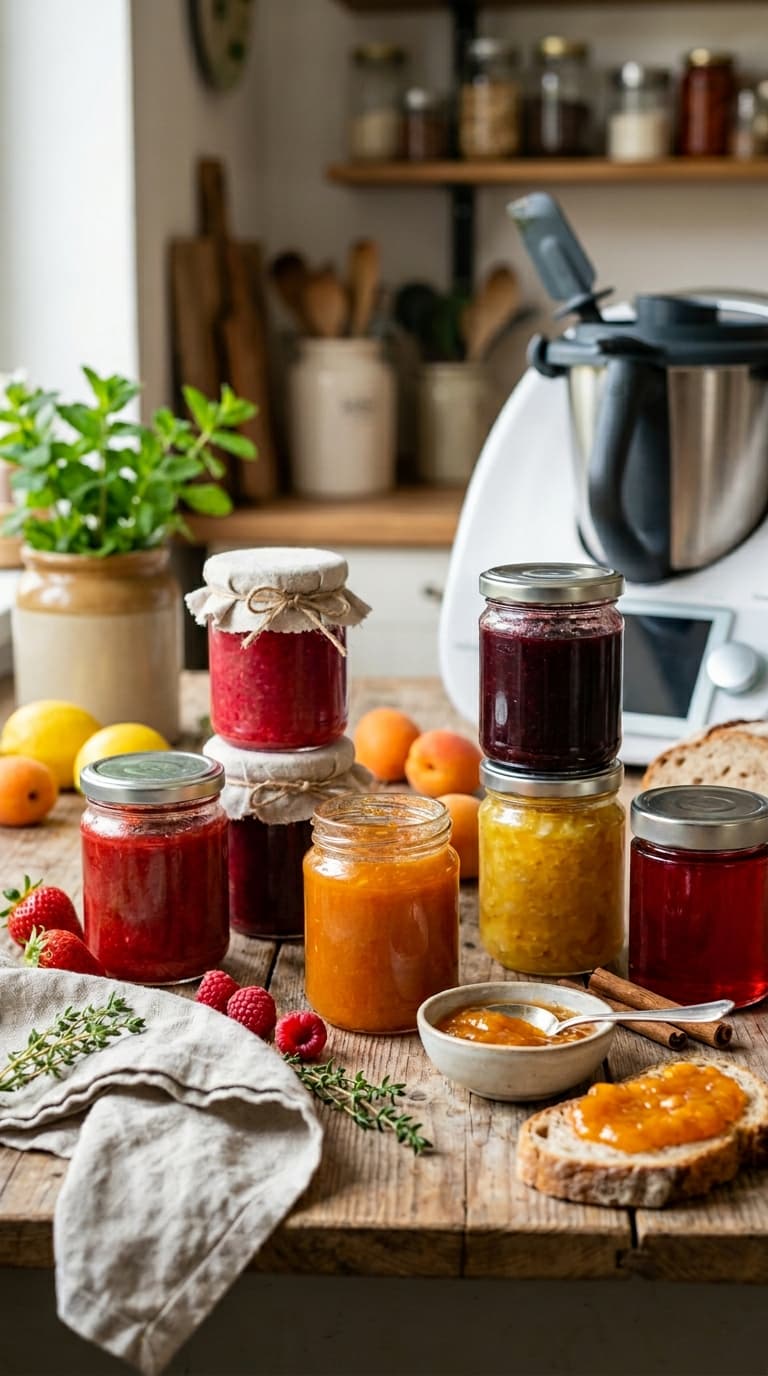
21 Thermomix Marmelade Rezepte Selbst Gemacht
21 Thermomix Marmelade Rezepte Selbst Gemacht Marmelade selbst machen klingt nach viel Arbeit, oder? Aber wer einmal mit dem Thermomix eine Konfitüre gekocht hat, der weiß: Das ist eigentlich kinderleicht. Ich habe in den letzten Jahren unzählige Gläser selbst gemacht — und ehrlich gesagt kaufe ich keine Marmelade mehr aus dem Supermarkt. Warum auch, wenn…
23 Beste Thermomix Rezepte Rezepte Dieses Jahr
23 Beste Thermomix Rezepte Dieses Jahr Okay, lass mich ehrlich mit dir sein — als ich meinen ersten Thermomix bekam, dachte ich, ich bräuchte einfach nur ein paar Grundrezepte. Spoiler: Ich lag komplett falsch. Dieses Gerät kann so viel mehr, als du dir vorstellst, und genau deshalb sitze ich hier und teile meine absoluten Lieblingsrezepte…
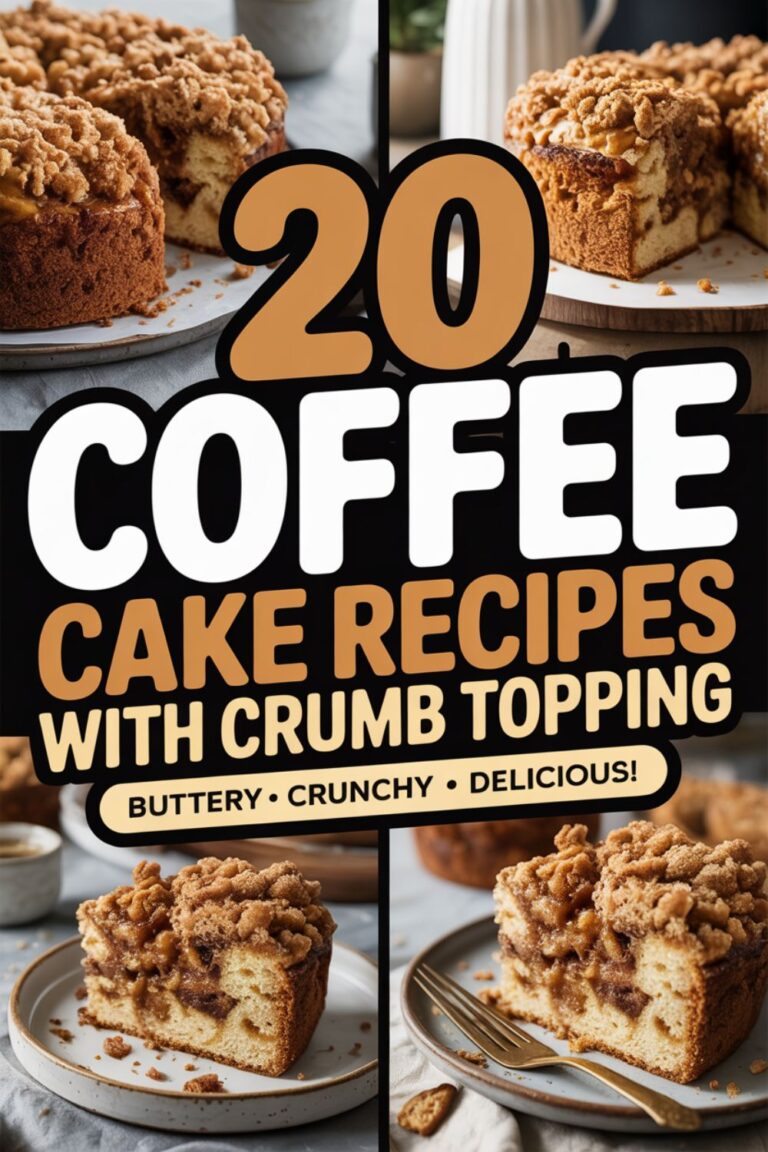
20 Coffee Cake Recipes with Crumb Topping
20 Coffee Cake Recipes with Crumb Topping – Purely Plateful 20 Coffee Cake Recipes with Crumb Topping Updated January 2026 | 12 min read Look, I’ll be honest with you—I’ve eaten more coffee cake in the past year than I probably should admit to my dentist. But when that buttery crumb topping hits just right,…
23 Thermomix Recipes English Easy Dinner Ideas
23 Thermomix Recipes English Easy Dinner Ideas Let me be honest with you — when I first got my Thermomix, I stared at it for a solid week before I actually used it. It looked impressive sitting on my counter, but the idea of figuring out all those settings felt a little intimidating. Then a…