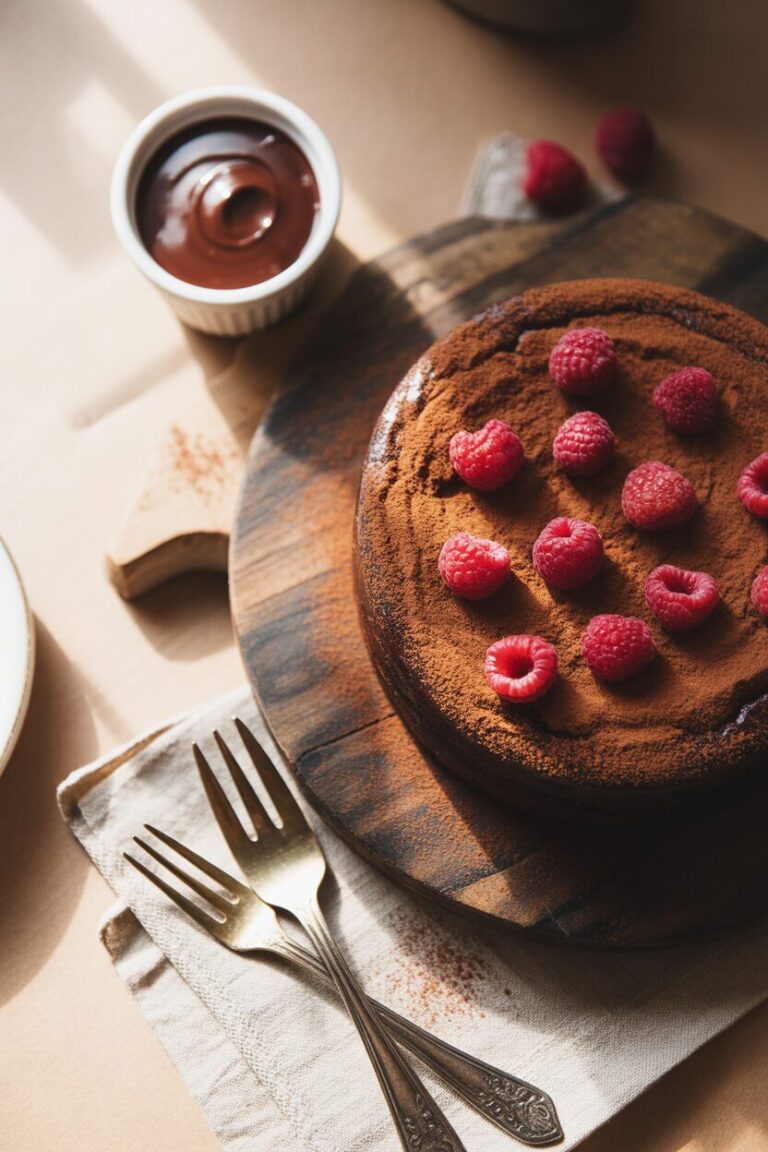
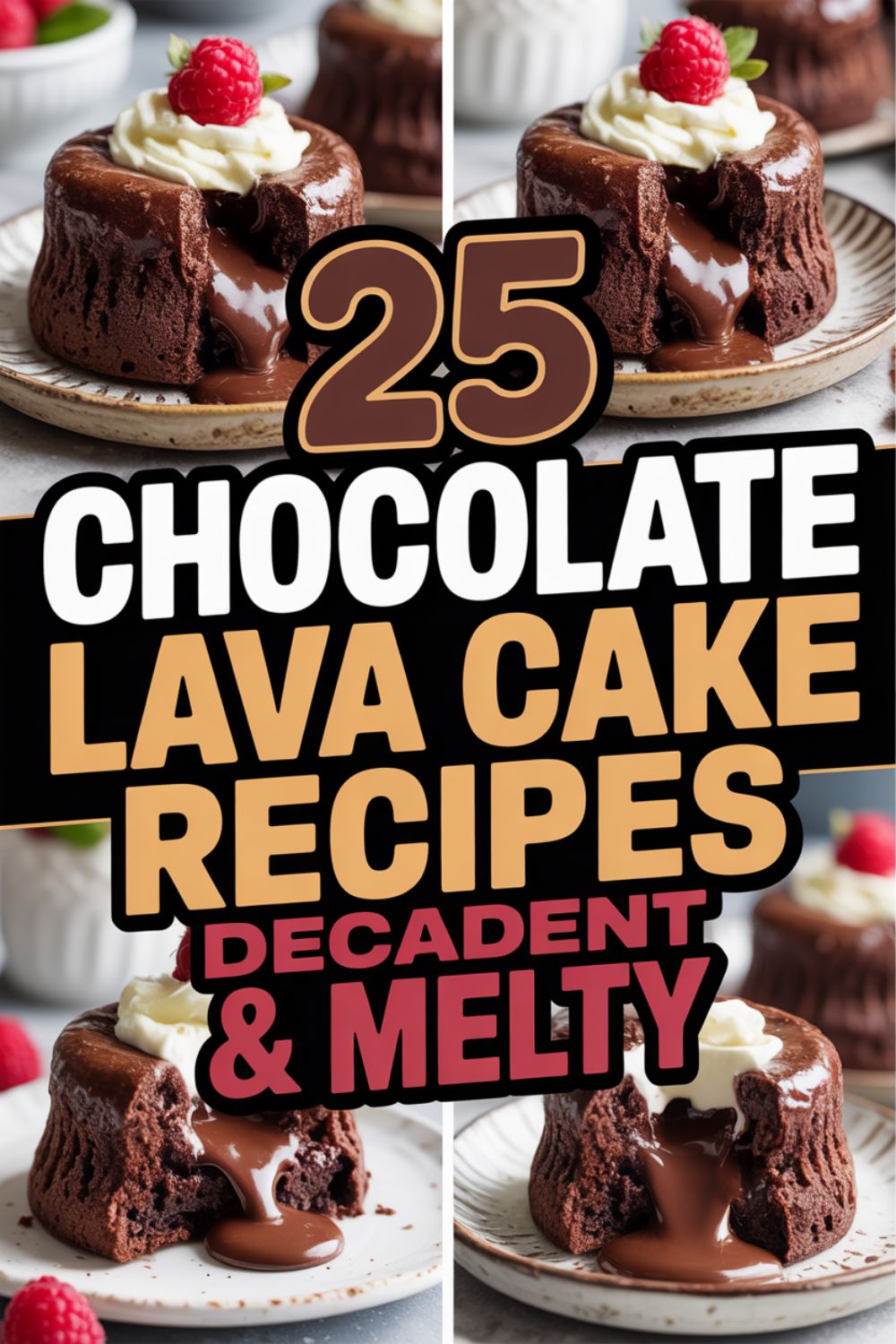
25 Chocolate Lava Cake Recipes That’ll Make You Forget Store-Bought Desserts
Look, I get it. The idea of making a chocolate lava cake at home sounds intimidating. That perfect molten center? The precise timing? But here’s the thing nobody tells you: once you nail the technique, lava cakes become your go-to impressive dessert that takes less time than driving to the bakery.
I’ve been making these for years, and trust me when I say the bakery-bought versions don’t even compare. There’s something about that moment when you crack open a homemade lava cake and watch the chocolate cascade out—knowing you created that magic yourself—that just hits different.
Why Homemade Lava Cakes Beat Restaurant Versions Every Time
Ever notice how restaurant lava cakes can be hit or miss? Sometimes the center’s too firm, sometimes it’s basically soup. That’s because timing these babies in a commercial kitchen with constantly changing oven temperatures is tough.
At home, you control everything. Dark chocolate’s rich flavanol content means you’re getting actual antioxidants alongside that incredible taste. Plus, you can choose quality chocolate instead of whatever bulk supplier the restaurant uses.
The science behind lava cakes is actually fascinating—heat diffusion creates that signature gooey center while the edges set. It’s all about temperature control and timing, which you’ll have way more control over in your own kitchen.
The Essential Equipment You Actually Need
Before we dive into recipes, let’s talk gear. You don’t need a fancy kitchen, but a few key tools make the difference between stressed-out baking and confident success.
First up: ramekins. Get the 6-ounce ones—they’re the Goldilocks size for lava cakes. I use these ceramic ramekins for basically everything from lava cakes to crème brûlée. They’re oven-safe, dishwasher-friendly, and actually look nice if you’re serving straight from them.
You’ll also want a reliable digital kitchen thermometer. Not just for checking your oven temp, but also for monitoring your chocolate mixture. Temperature matters more than you’d think when you’re folding melted chocolate into eggs.
And honestly? A good silicone spatula is worth its weight in gold. Get one that can handle high heat because you’ll be using it to fold your chocolate mixture, and nobody wants melted spatula bits in their dessert.
Mastering the Classic Chocolate Lava Cake
Let’s start with the OG recipe that started this whole obsession. The classic chocolate lava cake is surprisingly simple—just six main ingredients standing between you and chocolate heaven.
The key? High-quality chocolate. I’m talking bittersweet baking bars, not chips. Chocolate chips have stabilizers that prevent them from melting smoothly, which means your lava won’t flow quite right. Ghirardelli bittersweet chocolate bars are my go-to—they melt like a dream and have that deep, complex flavor that makes people ask for your recipe.
The Temperature Sweet Spot
Here’s where most people mess up: they add the chocolate mixture to the eggs when it’s too hot. If your melted chocolate is above 115°F when you fold it in, you’ll scramble the eggs slightly. Not enough to notice texture-wise, but enough to affect how your cake bakes.
Let that chocolate mixture cool to about 100°F—warm to the touch, but not hot. This is the melting point of cocoa butter, which affects how the proteins in your eggs will coagulate during baking. Trust the science on this one.
Speaking of technique, you might also love experimenting with these frosting recipes for other dessert projects, or try your hand at unique cake flavors when you’re feeling adventurous.
25 Lava Cake Variations Worth Making
1. Classic Dark Chocolate Lava Cake
The original. The one that makes people swoon. Master this and you’ve got a dessert for every occasion. Get Full Recipe
2. White Chocolate Raspberry Lava Cake
White chocolate can be tricky to work with—it seizes easier than dark chocolate—but the payoff is incredible. Tart raspberries cut through the sweetness perfectly. Get Full Recipe
3. Salted Caramel Lava Cake
Add a tablespoon of flaky sea salt to your chocolate mixture and drop a caramel center in before baking. The salt intensifies the chocolate flavor in a way that’s borderline addictive. Get Full Recipe
4. Peanut Butter Chocolate Lava Cake
Swirl in peanut butter before baking for a Reese’s-inspired twist. The peanut butter stays liquid while the chocolate sets around the edges, creating this amazing dual-lava situation. Get Full Recipe
5. Espresso Lava Cake
A teaspoon of instant espresso powder deepens the chocolate flavor without making it taste like coffee. It’s subtle but makes people wonder what your secret ingredient is. Get Full Recipe
6. Mint Chocolate Lava Cake
Fresh mint extract, not peppermint. There’s a difference, and it matters. Fresh mint gives you that sophisticated thin-mint vibe without the toothpaste situation. Get Full Recipe
7. Orange Chocolate Lava Cake
Orange zest and a splash of Grand Marnier if you’re feeling fancy. The citrus cuts through the richness in the best way. Get Full Recipe
8. Nutella Lava Cake
Replace half the chocolate with Nutella for that hazelnut-chocolate combo. Fair warning: this one’s dangerously easy to eat an entire batch of. Get Full Recipe
9. Cookies and Cream Lava Cake
Crushed Oreos folded into white chocolate batter. Yes, it’s over the top. Yes, it’s absolutely worth it. Get Full Recipe
10. Coconut Chocolate Lava Cake
Coconut cream instead of regular cream, topped with toasted coconut. It’s like a Mounds bar but infinitely better. Get Full Recipe
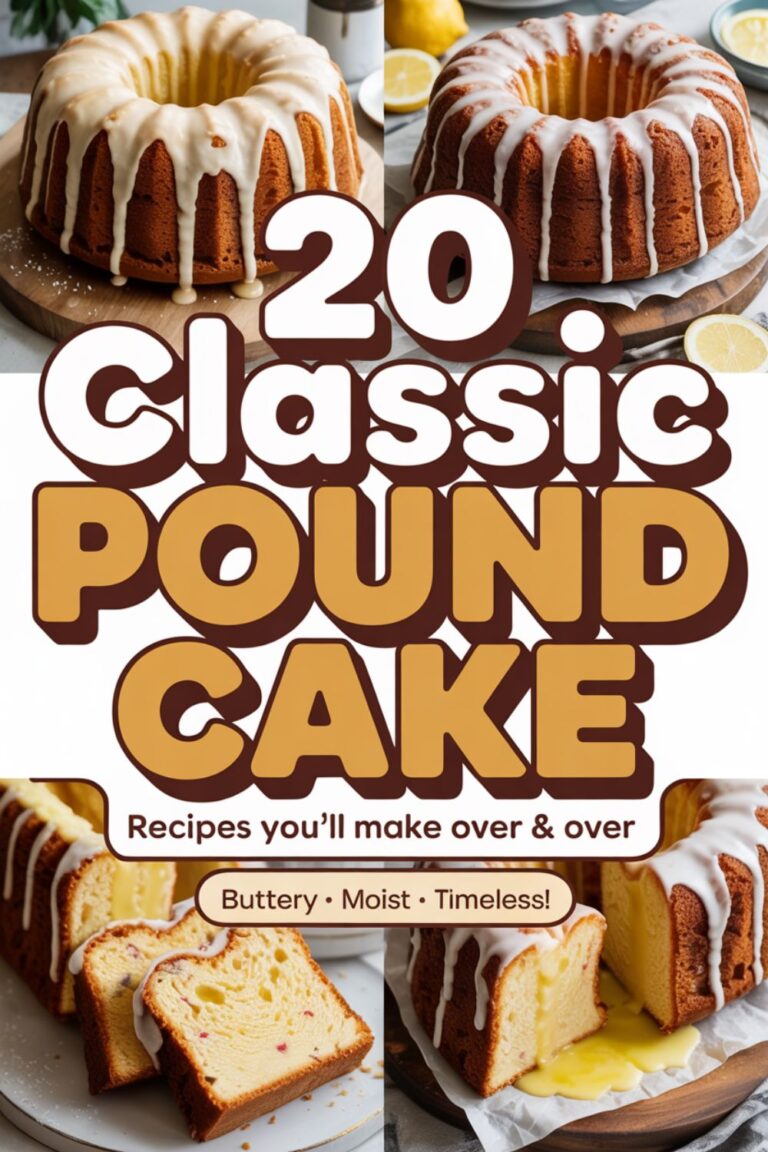
If you’re into straightforward, crowd-pleasing desserts, you’ll probably also enjoy these classic pound cake recipes. And for special occasions, check out these DIY wedding cake ideas that are actually achievable.
11. Red Velvet Lava Cake
All the visual drama of red velvet with that signature molten center. Add a cream cheese frosting on top if you’re not worried about subtlety. Get Full Recipe
12. Matcha White Chocolate Lava Cake
Matcha’s earthy bitterness balances white chocolate’s sweetness. Plus, it looks stunning when you crack it open. Get Full Recipe
13. Dulce de Leche Lava Cake
A spoonful of dulce de leche in the center creates this incredible caramel explosion. Use the good stuff—homemade or quality jarred, not the squeeze bottle kind. Get Full Recipe
14. S’mores Lava Cake
Graham cracker crust on the bottom, marshmallow fluff mixed into the batter. Torch the top if you have one. Pure nostalgia in ramekin form. Get Full Recipe
15. Cherry Chocolate Lava Cake
Amaretto and fresh cherries bring that Black Forest vibe. Save this one for when cherries are actually in season—the flavor difference is massive. Get Full Recipe
Kitchen Tools That Make Lava Cakes Easier
The perfect size for individual lava cakes. Oven-safe up to 500°F and they clean up beautifully.
Takes the guesswork out of chocolate temperatures. Worth every penny for consistent results.
Line your baking sheet to catch any overflow. Nothing sticks to these, and cleanup is instant.
Digital Resources
50+ recipes with step-by-step photos and troubleshooting guides. Perfect for visual learners.
Printable chart showing optimal temps for every stage of baking. Stick it on your fridge.
Share your lava cake wins (and fails) with fellow bakers. We all started somewhere.
16. Brownie Batter Lava Cake
Extra fudgy, with that characteristic brownie crackle on top. This one barely needs the lava center because the cake itself is so rich. Get Full Recipe
17. Mocha Lava Cake
Equal parts coffee and chocolate. If you’re a coffee person, this is your cake. I use this espresso powder because it dissolves instantly and doesn’t clump. Get Full Recipe
18. Tiramisu Lava Cake
Ladyfinger cookies at the bottom, mascarpone mixed into the batter, espresso-soaked chocolate center. It’s extra, but sometimes extra is exactly what you need. Get Full Recipe
19. Mexican Hot Chocolate Lava Cake
Cinnamon and a tiny pinch of cayenne give this version some warmth. The heat doesn’t hit until the finish, and it’s perfection. Get Full Recipe
20. Bourbon Chocolate Lava Cake
A tablespoon of good bourbon in the batter adds depth without making it boozy. Adults-only for a reason. Get Full Recipe
21. Vegan Chocolate Lava Cake
Aquafaba (chickpea water) whips up just like egg whites. Nobody will guess this is vegan unless you tell them. Check out more plant-based options in these vegan cookie recipes. Get Full Recipe
22. Gluten-Free Almond Lava Cake
Almond flour instead of regular flour gives this a subtle nutty flavor and keeps it naturally gluten-free. The texture is actually better than the original, IMO. Get Full Recipe
23. Keto Chocolate Lava Cake
Almond flour, sugar substitute, and extra egg yolks make this work on keto. Won’t lie—it’s not identical to the regular version, but it scratches the itch. Get Full Recipe
24. Irish Cream Lava Cake
Baileys in the batter and drizzled on top. This is my St. Patrick’s Day go-to, but honestly, it’s good year-round. Get Full Recipe
25. Champagne Strawberry Lava Cake
White chocolate lava with champagne and macerated strawberries. Fancy enough for New Year’s Eve but easy enough for a random Tuesday. Get Full Recipe
The Science Behind the Perfect Molten Center
Okay, mini chemistry lesson. That molten center isn’t just undercooked cake—it’s actually a careful balance of temperature, time, and ingredient ratios.
The magic happens because the edges of your cake set while the center stays liquid. Your oven temp needs to be high (usually 425-450°F) to create that temperature gradient quickly. Lower temps will cook the whole thing through before the edges have a chance to set properly.
The egg-to-flour ratio matters too. Too much flour and everything sets firm. Too little and you’ve basically got chocolate soup in a ramekin. The classic ratio is about 1 tablespoon flour per egg.
Common Mistakes and How to Fix Them
The Center Baked Through Completely
This usually means you overbaked by just a minute or two. Lava cakes are unforgiving—the difference between perfect and too-done is literally 60 seconds. Set a timer and check them at the minimum time. The edges should be set, but the center should still jiggle when you gently shake the pan.
Also check your oven temp. If it runs hot, drop the temp by 25 degrees and add a minute to the baking time.
The Cake Stuck to the Ramekin
You didn’t butter and flour (or cocoa powder) thoroughly enough. Every single crevice needs to be coated, especially where the bottom meets the sides. I use these pastry brushes to get into all the corners—way more effective than using your fingers.
The Chocolate Seized Up
Water got into your melting chocolate, or you overheated it. Even a tiny drop of water will cause chocolate to seize and turn grainy. Use a clean, dry double boiler or microwave in 20-second bursts, stirring between each one.
Essential Baking Ingredients
The foundation of great lava cakes. Don’t skimp here—quality matters.
Higher fat content means richer flavor and better texture. Once you try it, you won’t go back.
More complex flavor than extract, and those little vanilla specks look impressive.
Recipe Collections & Guides
Learn tempering, ganache ratios, and professional plating. Lifetime access.
Downloadable flowchart for diagnosing what went wrong. Save it to your phone.
Real-time help when you’re mid-recipe and something’s going sideways. We’ve all been there.
Serving Suggestions That Elevate the Experience
Plain lava cake is great. Lava cake with the right accompaniments is transcendent.
Vanilla ice cream is classic for a reason—the cold-hot contrast is chef’s kiss. But have you tried coffee ice cream? The slight bitterness plays beautifully with the sweet chocolate.
Fresh berries add acidity that cuts through the richness. Raspberries are my top choice, but strawberries work if they’re actually ripe and flavorful. Those pale, flavorless winter strawberries? Skip them.
A dusting of powdered sugar looks pretty, but flaky sea salt on top is where it’s at. The salt crystals dissolve on your tongue and make the chocolate taste more chocolatey—it’s wild how well it works.
Looking for more dessert ideas? These easy cookie recipes are perfect for when you want something sweet but less involved. Or try these no-bake cookies when it’s too hot to turn on the oven.
Making Lava Cakes for a Crowd
The beauty of lava cakes is that you can prep them ahead. Make the batter, portion it into ramekins, cover with plastic wrap, and refrigerate for up to 48 hours. Just remember to bring them back to room temp before baking—straight from the fridge means uneven cooking.
For a dinner party, I pop them in the oven when we sit down for the main course. By the time we’re ready for dessert, they’re coming out perfectly timed. Serve them in the ramekins if you’re worried about the inversion process with guests watching.
Pro move: make a few extra. Someone always wants seconds, and having a backup means you’re not doing mental math about whether there’s enough to go around.
Storage and Reheating (Though You Probably Won’t Have Leftovers)
Real talk: leftover lava cake is an oxymoron in my house. But if you somehow have extras, here’s the deal.
You can freeze baked lava cakes for up to 3 months. Wrap them individually in plastic wrap, then foil. Reheat from frozen in a 350°F oven for about 15 minutes. The center won’t be quite as molten, but it’ll still be delicious.
Better option: freeze the unbaked batter in ramekins. Bake straight from frozen, adding 2-3 minutes to the cooking time. This gives you fresh lava cake anytime with minimal effort.
The Health Angle (Such As It Is)
Look, nobody’s claiming lava cake is a health food. But if you’re going to indulge, you might as well know that dark chocolate contains flavonoids and antioxidants that can benefit heart health and cognitive function when consumed in moderation.
The key word there is moderation. But choosing high-quality dark chocolate over milk chocolate means you’re getting more of these beneficial compounds and less sugar. Research from Johns Hopkins suggests that dark chocolate can help lower blood pressure and reduce inflammation.
Plus, making dessert at home means you control the sugar content. Most recipes call for way more sugar than necessary—I usually cut it by a third and nobody notices.
For more conscious dessert options, check out these healthy cake recipes with natural sweeteners or these low-sugar cookies for guilt-free snacking.
Troubleshooting Temperature Issues
Temperature control is everything with lava cakes. If your oven runs hot, you’ll overcook the centers. Too cool, and the edges won’t set while the center stays raw.
Here’s my method: preheat your oven for at least 20 minutes, even if it beeps that it’s ready after 10. Most ovens lose heat when you open the door, so that extra preheating time gives you a buffer.
Keep an oven thermometer on the center rack at all times. It’ll show you the actual temp versus what your oven claims. Mine runs 30 degrees hot, which I only discovered after several batches of overcooked lava cakes. Knowledge is power.
Frequently Asked Questions
Can I use a muffin tin instead of ramekins?
Absolutely. Use a jumbo muffin tin for best results—the standard size works but you’ll get smaller portions. Reduce baking time by about 2 minutes since muffin tins conduct heat faster than ceramic ramekins. Grease and cocoa-powder those cups thoroughly or you’ll never get the cakes out in one piece.
Why did my lava cake come out like regular cake with no molten center?
You overbaked it, plain and simple. The window for perfect lava is narrow—usually 30-60 seconds. Check your oven temperature with a thermometer, and next time pull them when the edges are set but the center still jiggles slightly when you shake the pan. They’ll continue cooking for a minute or two after you pull them out.
How far ahead can I make the batter?
You can refrigerate portioned batter in ramekins for up to 2 days. Cover tightly with plastic wrap. The key is bringing them back to room temperature (about 30 minutes on the counter) before baking. Cold batter from the fridge will need extra baking time and won’t cook evenly.
Can I make these without eggs?
Yes, but the technique changes slightly. Aquafaba (liquid from canned chickpeas) works surprisingly well—use 3 tablespoons per egg. Whip it until it forms soft peaks before folding in your chocolate. The texture won’t be identical to egg-based versions, but it’s pretty darn close.
What’s the best chocolate to use?
High-quality baking chocolate bars with 60-70% cacao content. Skip the chocolate chips—they contain stabilizers that prevent smooth melting. Ghirardelli, Valrhona, or Callebaut are all solid choices. The better your chocolate, the better your lava cake. This is not the place to cheap out.
Final Thoughts on Lava Cake Mastery
Here’s the thing about lava cakes: they look way more complicated than they actually are. That’s what makes them perfect for impressing people without actually stressing yourself out.
Once you’ve made them a few times, you’ll develop a feel for when they’re done. You’ll learn your oven’s quirks, figure out your preferred chocolate-to-butter ratio, and maybe even develop your own signature variation.
The first batch might not be perfect. The second probably will be. By the third, you’ll be the lava cake expert in your friend group, fielding questions about technique and sharing your favorite ramekins on group chats.
And honestly? Even a slightly overcooked lava cake is still chocolate cake, which means it’s still pretty great. The bar for failure is low here, and the ceiling for success is deliciously high.
So grab some quality chocolate, preheat that oven, and make something that’ll have people convinced you went to pastry school. I’ll be here waiting for your success stories.
Looking for more baking projects? Try these upside-down fruit cakes, experiment with coffee cakes with crumb topping, or simplify your life with these cake mix hacks.
Similar Posts
33 Thermomix Rezepte Rezepte Die Du Kennen Musst
33 Thermomix Rezepte Die Du Kennen Musst Okay, hand aufs Herz – wer hat seinen Thermomix gekauft, ihn drei Wochen lang täglich benutzt und ihn dann langsam zur teuren Dekoration auf der Arbeitsplatte werden lassen? Genau. Das passiert fast jedem. Aber weißt du was? Das liegt meistens nicht am Gerät, sondern daran, dass man einfach…
21 Thermomix Rezepte Tipps & Tricks Für Jeden
21 Thermomix Rezepte Tipps & Tricks Für Jeden Okay, let’s be real — the moment you got your Thermomix, you probably stood in the kitchen staring at it thinking, “Now what?” Don’t worry, we’ve all been there. This magical machine can do just much more than just make soup, and once you unlock its full…
20 Classic Pound Cake Recipes You’ll Make Over and Over
20 Classic Pound Cake Recipes You’ll Make Over and Over 20 Classic Pound Cake Recipes You’ll Make Over and Over Let’s talk about pound cake. Not the dry, crumbly disaster you grab from the grocery store clearance rack, but real, honest-to-goodness pound cake that makes you close your eyes when you take that first bite….
17 Keto Chocolate Cake Recipes That Are Super Moist
17 Keto Chocolate Cake Recipes That Are Super Moist | PurelyPlateful PurelyPlateful Keto Baking 17 Keto Chocolate Cake Recipes That Are Super Moist By PurelyPlateful Kitchen | Low-Carb Desserts | 2,800+ words Let me be blunt: most keto chocolate cakes have the texture of a sponge you’d find under your kitchen sink. Dry, crumbly, and…
20 Holiday Cake Recipes to Impress Your Family
20 Holiday Cake Recipes to Impress Your Family 20 Holiday Cake Recipes to Impress Your Family Look, we both know the holidays aren’t complete without a show-stopping cake sitting on the table. You can have the perfect turkey, the most Instagram-worthy sides, but if that dessert falls flat? Everyone remembers. And honestly, nobody wants to…
25 Ganache Recipes for Perfect Cake Topping
25 Ganache Recipes for Perfect Cake Topping 25 Ganache Recipes for Perfect Cake Topping Look, I’m just going to say it—ganache is the answer to pretty much every cake crisis you’ll ever face. Frosting turned out grainy? Ganache. Need something impressive for a dinner party but only have twenty minutes? Ganache. Want to make a…