15 Gluten-Free Cookies That Taste Amazing
Let’s cut straight to the point—gluten-free cookies used to be terrible. Like, crumbly sawdust terrible. The kind of thing you’d politely nibble at someone’s party and then discreetly abandon on a napkin when nobody was looking. But things have changed dramatically in the past few years, and I’m here to tell you that gluten-free cookies can actually be just as good (sometimes even better) than their wheat-based cousins.
Whether you have celiac disease, gluten sensitivity, or you’re just experimenting with a gluten-free diet, you don’t have to give up cookies. And no, you don’t have to settle for those hockey-puck-hard store-bought versions either. These 15 recipes prove that gluten-free baking can produce cookies with the same texture, flavor, and satisfaction as traditional cookies—no compromises required.
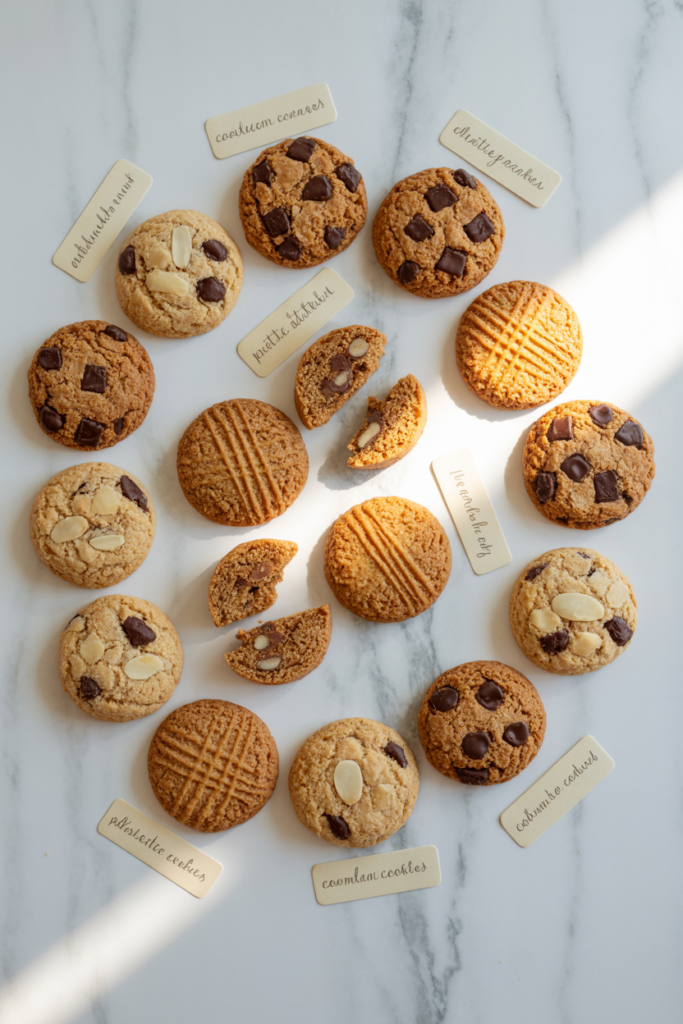
Understanding Gluten-Free Baking
Before we jump into recipes, let’s talk about why gluten-free baking is different. Gluten is the protein in wheat flour that acts like glue, holding everything together and creating that chewy texture we associate with good cookies. When you remove gluten, you need something else to do that job.
Xanthan gum is the secret weapon in gluten-free baking. It mimics gluten’s binding properties and prevents your cookies from crumbling into a million pieces. According to King Arthur Baking’s guide to xanthan gum, you typically need about 1/4 teaspoon per cup of gluten-free flour. Too little and your cookies fall apart; too much and they become gummy and dense.
Most quality gluten-free flour blends already include xanthan gum, which makes life easier. If your blend doesn’t have it, you’ll need to add it separately. FYI, always check the label before adding more—doubling up on xanthan gum creates a weird, slimy texture nobody wants.
For those dealing with celiac disease, baking gluten-free isn’t optional—it’s medically necessary. Mayo Clinic’s research on celiac disease emphasizes that even trace amounts of gluten can trigger intestinal damage, making cross-contamination a serious concern. This means using dedicated gluten-free equipment and being careful about where you store your ingredients.
Classic Gluten-Free Chocolate Chip Cookies
These are the gold standard—soft, chewy, and loaded with chocolate chips. A good gluten-free flour blend makes these cookies taste almost identical to traditional chocolate chip cookies. The trick is using brown sugar for moisture and chilling the dough for at least 30 minutes before baking.
I use this gluten-free flour blend that already has xanthan gum mixed in—saves time and gives consistent results. The blend should include rice flour, potato starch, and tapioca flour for the best texture. Get Full Recipe.
For measuring ingredients precisely (which matters more in gluten-free baking), this digital scale is absolutely essential. Gluten-free flours weigh differently than regular flour, so volume measurements can be unreliable.
Peanut Butter Cookies
Peanut butter cookies are naturally almost gluten-free already since they use very little flour. The peanut butter provides structure and moisture, so these cookies hold together beautifully even without gluten. Plus, that classic fork-pressed pattern makes them look professional with minimal effort.
Use natural peanut butter for the best flavor, but make sure it’s well-stirred so the oil is evenly distributed. These cookies stay soft for days if stored in an airtight container, which is rare for gluten-free baked goods.
Snickerdoodles
Gluten-free snickerdoodles are pure magic—soft, pillowy, and covered in cinnamon sugar. The cream of tartar in the dough gives them that characteristic tangy flavor and helps them rise. These cookies puff up in the oven and then settle slightly as they cool, creating those beautiful crackly tops.
Chilling the dough is crucial here. Cold dough spreads less in the oven, which helps maintain that thick, soft texture. Room temperature dough will spread too thin and lose that pillowy quality we’re going for. Get Full Recipe.
If you’re into cinnamon-forward treats, try these cinnamon breakfast cookies or spiced dessert recipes for more flavor inspiration.
Almond Flour Cookies
Almond flour cookies have a completely different texture from wheat-based cookies—they’re more delicate and tender, almost sandy in a good way. Almond flour is naturally gluten-free and adds a subtle nuttiness that works beautifully in cookies.
These cookies are also lower in carbs than traditional cookies, which some people appreciate. The fat content in almond flour keeps them moist and prevents that dry, crumbly texture that plagues some gluten-free baked goods.
I swear by this fine blanched almond flour—the finer grind creates better texture, and blanched almonds give you lighter-colored cookies without the brown flecks from almond skins.
Oatmeal Raisin Cookies
Oats are naturally gluten-free, but they’re often processed in facilities that also handle wheat, which creates cross-contamination issues. Make sure you’re buying certified gluten-free oats if you have celiac disease or severe gluten sensitivity.
These cookies have incredible texture thanks to the oats—hearty and chewy with just enough structure. The raisins add pockets of sweetness throughout. If raisins aren’t your thing, swap them for chocolate chips or dried cranberries.
Coconut Macaroons
Coconut macaroons are basically foolproof gluten-free cookies because they never contained wheat flour in the first place. They’re chewy, sweet, and have that distinctive coconut flavor and texture. The egg whites hold everything together, so you don’t need any additional binders.
Dipping the bottoms in melted chocolate takes these from good to exceptional. Dark chocolate works especially well because it cuts through the sweetness of the coconut. These also happen to be naturally dairy-free if you skip the chocolate or use dairy-free chocolate.
For more naturally gluten-free treats, check out these coconut flour desserts and dairy-free cookie options.
Ginger Molasses Cookies
These cookies are soft, chewy, and packed with warm spices. Molasses keeps them incredibly moist, which is perfect for gluten-free baking since moisture retention can be tricky without gluten. The crystallized ginger adds little bursts of spicy-sweet flavor throughout.
Rolling the dough balls in coarse sugar before baking creates a subtle crunch on the outside while keeping the inside perfectly soft. These cookies actually taste better the next day after the flavors have had time to develop.
Shortbread Cookies
Gluten-free shortbread is surprisingly easy because traditional shortbread doesn’t have much gluten development anyway—it’s meant to be tender and crumbly. The high butter content does most of the work in holding these cookies together.
The key is using a quality butter (not margarine) and not overbaking them. Shortbread should barely have any color on the edges when you pull it from the oven. These cookies are perfect for holidays because you can cut them into shapes and decorate them. Get Full Recipe.
I use these cookie cutters for perfectly shaped shortbread—the sharp edges cut clean shapes without dragging the dough.
Double Chocolate Cookies
Chocolate lovers, this one’s for you. These cookies pack a serious chocolate punch with cocoa powder in the dough plus chocolate chips throughout. The cocoa powder actually helps with texture in gluten-free baking because it absorbs moisture and adds structure.
Using Dutch-processed cocoa gives you deeper chocolate flavor without the acidity of natural cocoa. These cookies have an almost brownie-like texture—fudgy in the center with slightly crispy edges. They’re rich enough that you only need one or two to feel satisfied.
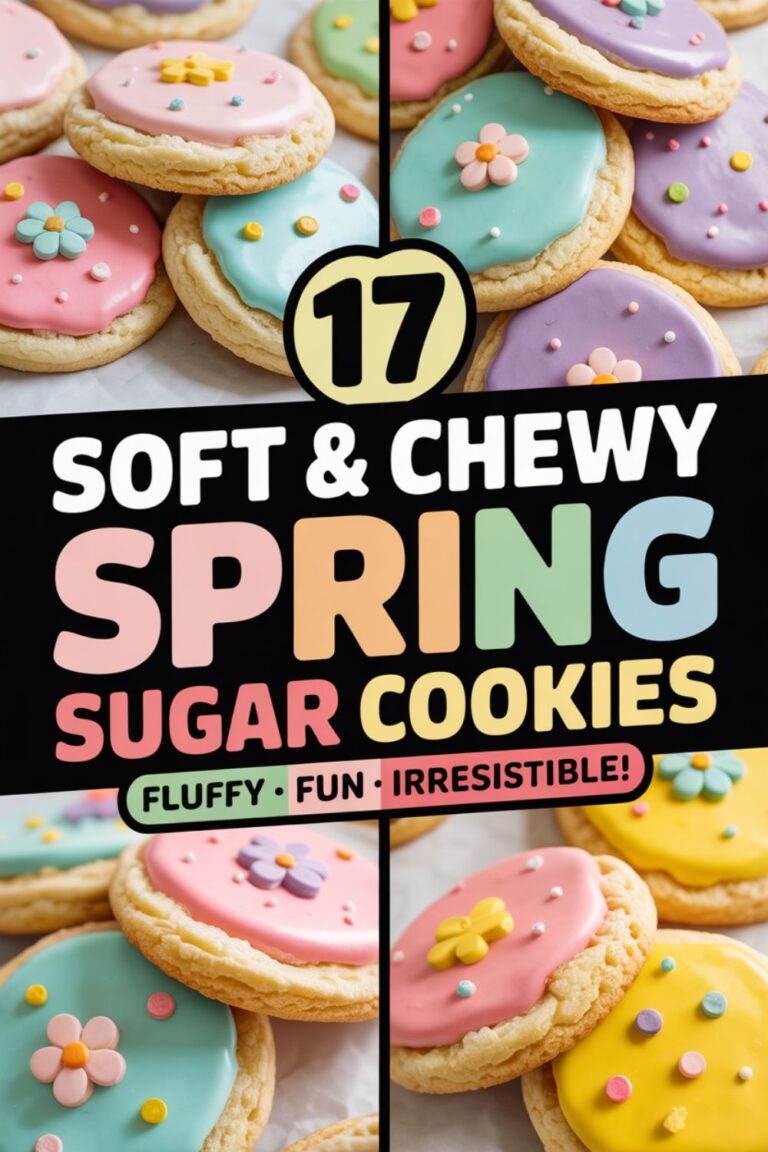
Sugar Cookies
Classic sugar cookies go gluten-free beautifully. They’re soft, buttery, and perfect for decorating. These work great for holidays, birthday parties, or any time you want a simple, versatile cookie that everyone can eat.
The dough needs to be chilled before rolling and cutting—this prevents spreading and helps the cookies hold their shapes. If you’re decorating them, let them cool completely before adding frosting or royal icing.
Looking for more versatile base recipes? Try these basic gluten-free baking recipes or decorated cookie ideas.
Lemon Cookies
Lemon cookies are bright, refreshing, and surprisingly easy to make gluten-free. The lemon zest and juice add so much flavor that you barely notice these aren’t made with regular flour. A simple lemon glaze on top takes them over the top.
These cookies have a soft, cake-like texture that stays moist for days. They’re perfect for spring and summer but honestly taste good any time you need something citrusy and sweet. The combination of tart lemon and sweet cookie is absolutely addictive.
Chocolate Crinkle Cookies
These dramatic-looking cookies have fudgy chocolate centers with crackled powdered sugar exteriors. They look incredibly fancy but are actually simple to make. The powdered sugar coating creates those characteristic cracks as the cookies expand in the oven.
Rolling the dough balls generously in powdered sugar is crucial for getting that picture-perfect crackle effect. Don’t be shy with it—more is better. These cookies need to be underbaked slightly to maintain that fudgy center texture.
Peanut Butter Blossom Cookies
These classic cookies with Hershey’s Kisses pressed in the center adapt perfectly to gluten-free baking. The peanut butter provides most of the structure, so the lack of gluten barely matters. Rolling them in sugar before baking adds a nice crunch.
Press the Hershey’s Kiss into the center immediately after removing the cookies from the oven—waiting until they cool makes them too firm to press without cracking. These are nostalgic, delicious, and absolutely worth making.
For more no-fuss cookie recipes, try these simple three-ingredient cookies or minimal-effort desserts.
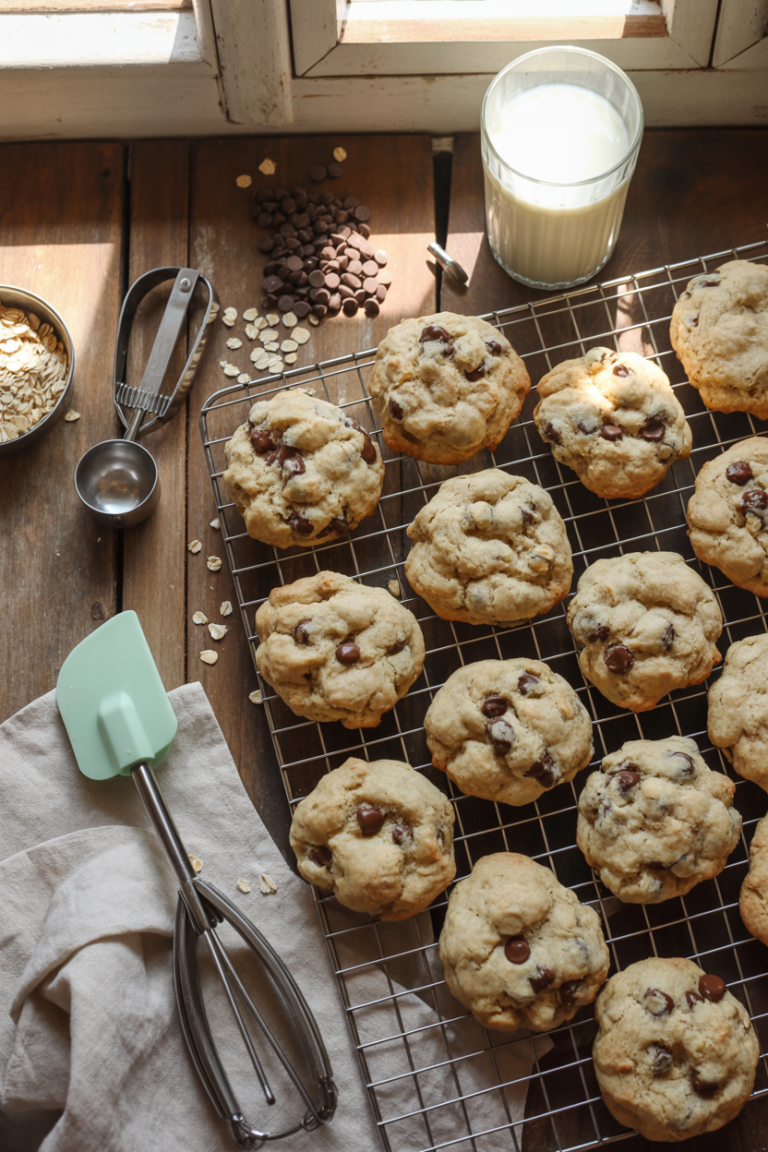
Oatmeal Chocolate Chip Cookies
Combining oats and chocolate chips in a gluten-free cookie creates something truly special. The oats add heartiness and chew, while the chocolate chips provide sweet richness. This cookie gives you the best of both worlds.
Make sure you’re using certified gluten-free oats and a reliable gluten-free flour blend. The oats will soften as they bake, creating that characteristic chewy texture. These cookies stay fresh longer than many gluten-free cookies thanks to the moisture from the oats.
Pecan Sandies
Pecan sandies are buttery, crumbly, and melt-in-your-mouth delicious. The ground pecans add flavor and help with texture, essentially acting as part of the flour. These cookies are delicate and perfect with coffee or tea.
Toasting the pecans before grinding them intensifies their flavor dramatically. It only takes a few minutes but makes a noticeable difference in the final cookies. This mini food processor makes quick work of grinding nuts to the perfect consistency.
Tips for Perfect Gluten-Free Cookies
After years of gluten-free baking experiments, I’ve learned some tricks that make a real difference.
Let the dough rest for at least 15-30 minutes before baking. Gluten-free flour blends need time to fully hydrate, which improves texture dramatically. The longer the dough rests, the better your cookies will be.
Don’t overbake. Gluten-free cookies dry out faster than regular cookies, so pull them from the oven when they look slightly underdone. They’ll continue cooking on the hot pan as they cool.
Store properly. Keep gluten-free cookies in airtight containers to prevent them from drying out. The bread slice trick works here too—add a slice of bread to the container to keep cookies soft.
Use room temperature ingredients. Cold eggs and butter don’t mix properly, which affects texture. This matters even more in gluten-free baking where you need everything to combine smoothly.
Weigh your ingredients. Gluten-free flour blends vary in density, so measuring by weight gives you consistent results. A digital scale eliminates the guesswork and improves your baking dramatically.
Avoid cross-contamination. If you’re baking for someone with celiac disease, use dedicated gluten-free equipment or thoroughly clean everything. Even tiny amounts of gluten can cause problems.
Choosing the Right Flour Blend
Not all gluten-free flour blends are created equal. Some work better for cookies than others, and it’s worth experimenting to find your favorite.
Rice-based blends are the most common and work well for most cookies. Look for blends that include white rice flour, brown rice flour, potato starch, and tapioca flour. These create a texture closest to traditional all-purpose flour.
Cup-for-cup blends are designed to replace regular flour in a 1:1 ratio in any recipe. They’re convenient and usually give good results, though some people find them slightly gummy in certain applications.
Grain-free blends use only nut flours and starches. These work well for specific recipes but aren’t always interchangeable with regular gluten-free blends. They tend to be more expensive but create unique textures.
IMO, Bob’s Red Mill 1-to-1 Baking Flour is one of the most reliable options for beginners. It includes xanthan gum, works in most recipes, and produces consistent results. This flour blend has given me great results in everything from cookies to cakes.
Understanding Common Gluten-Free Ingredients
Getting familiar with gluten-free baking ingredients helps you understand how they work and why recipes call for specific things.
Xanthan gum replaces gluten’s binding properties and prevents crumbling. About 1/4 teaspoon per cup of flour is standard for cookies.
Potato starch (not potato flour—they’re different) adds lightness and helps with browning. It absorbs moisture well.
Tapioca flour/starch provides chewiness and helps bind ingredients. It adds that slightly elastic quality that mimics gluten.
Rice flour forms the base of many blends. White rice flour is lighter, while brown rice flour adds more flavor and nutrients.
Almond flour adds moisture, protein, and a subtle nutty flavor. It’s more expensive but creates tender cookies.
Coconut flour is extremely absorbent—a little goes a long way. It’s usually combined with other flours rather than used alone.
Related Recipes You’ll Love
Looking for more gluten-free baking inspiration? Here are some recipes that complement these cookies perfectly:
More Gluten-Free Treats:
- Gluten-free brownies for fudgy chocolate satisfaction
- Gluten-free blondies when you want something butterscotch-flavored
- Gluten-free cookie bars for easier baking without scooping
Breakfast Options:
- Gluten-free muffins for morning treats
- Gluten-free pancakes for weekend breakfasts
- Gluten-free granola for quick grab-and-go options
Special Diet Combinations:
- Dairy-free and gluten-free cookies for multiple dietary restrictions
- Vegan gluten-free desserts combining both requirements
Conclusion
Gluten-free cookies have come a long way from those sad, crumbly disasters of the past. With the right flour blends, proper technique, and good recipes, you can make cookies that rival any wheat-based version. Whether you’re baking for medical reasons or personal preference, you don’t have to sacrifice flavor or texture.
The key is understanding how gluten-free ingredients work together. Use quality flour blends with xanthan gum, let your dough rest, don’t overbake, and store cookies properly. Those simple steps make all the difference between mediocre gluten-free cookies and truly amazing ones.
Start with one or two recipes from this list and see which ones become your favorites. Experiment with different flour blends to find what works best for your taste and budget. And remember—even slightly imperfect gluten-free cookies are still cookies, which means they’re still pretty great.
Now stop reading and go make some cookies. Your kitchen should smell like butter and vanilla, not sit here unused while you scroll through recipes. These cookies aren’t going to bake themselves, and honestly, you deserve something delicious that just happens to be gluten-free.