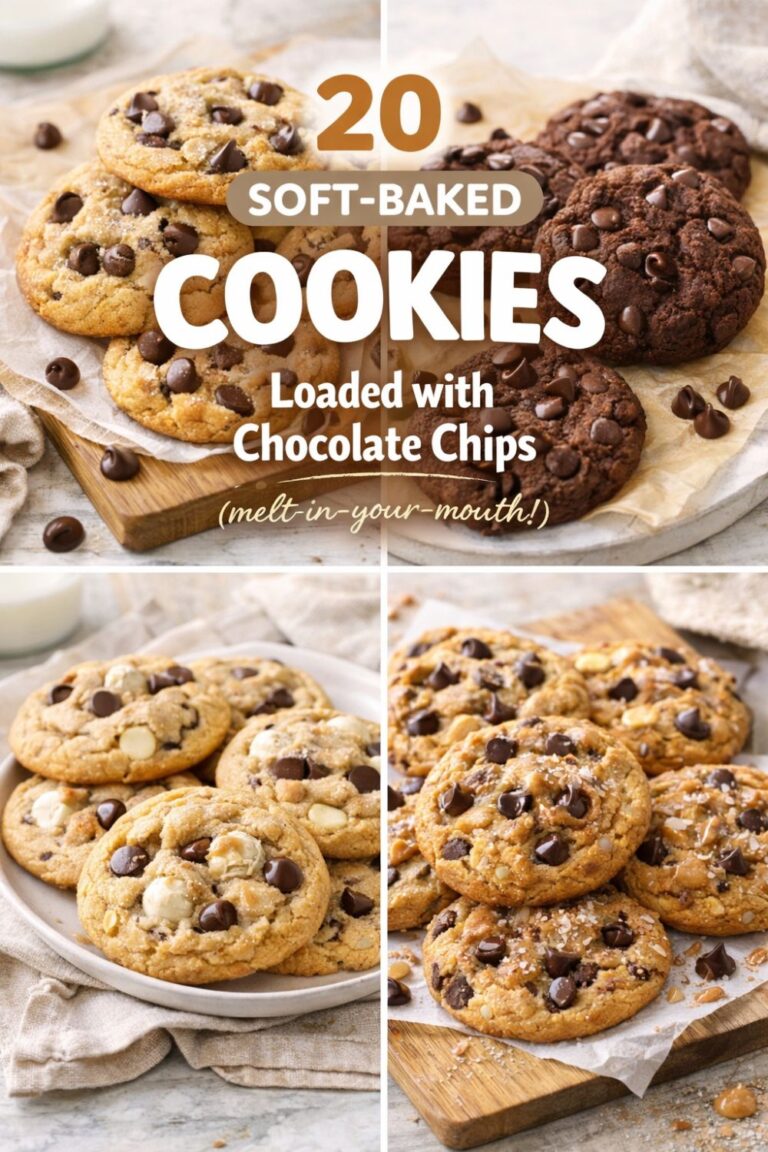
20 Soft and Chewy Cookies to Satisfy Your Sweet Tooth
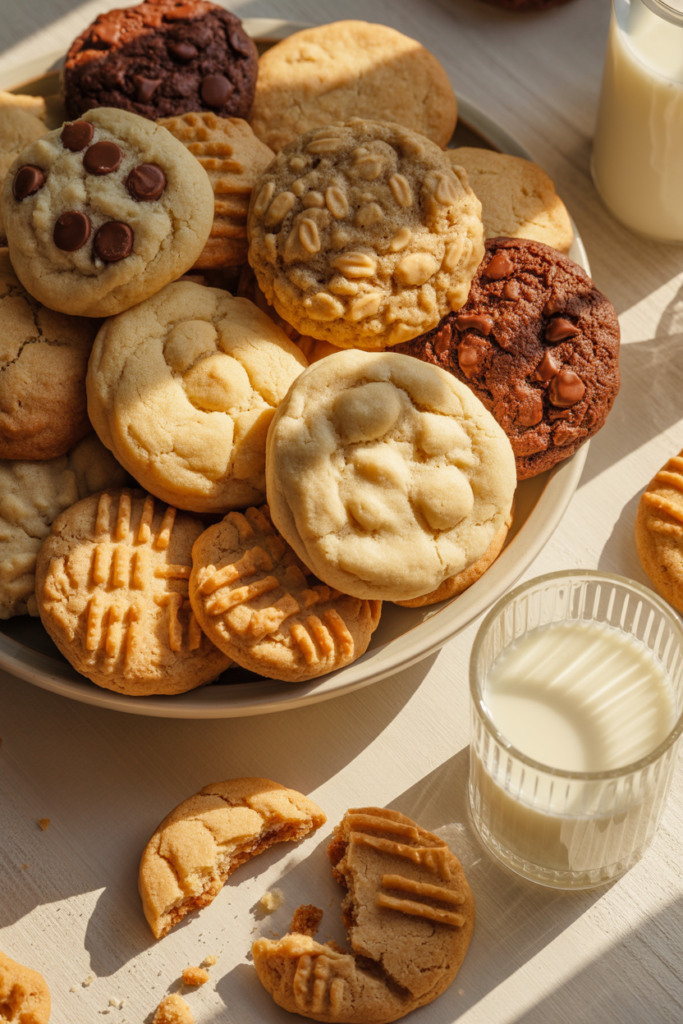
There’s something absolutely magical about biting into a soft, chewy cookie that practically melts in your mouth. Crispy cookies have their place, sure, but when you want pure comfort in cookie form, soft and chewy is the only way to go. That perfect texture—where the cookie gives way gently between your teeth, releasing buttery, sweet goodness—is basically edible happiness.
I’ve spent way too much time perfecting the art of soft cookies (my jeans will confirm this), and I’ve learned that achieving that pillowy texture isn’t just luck. It’s science, technique, and knowing which ingredients to use. Whether you’re a baking newbie or someone who already has flour permanently embedded under their fingernails, this guide covers 20 cookies that deliver on that soft, chewy promise every single time.
The Science Behind Soft and Chewy Cookies
Before we get into the recipes, let’s talk about why some cookies turn out soft while others become crispy little discs. Understanding this makes you a better baker, plus you can troubleshoot when things go wrong.
Brown sugar is your best friend when making soft cookies. The molasses content in brown sugar adds moisture and helps cookies retain their chewiness for days. According to research on how brown sugar affects baked goods, molasses is hygroscopic, meaning it attracts and holds moisture even after baking. This is why cookies made with brown sugar stay soft longer than those made with just white sugar.
Baking soda versus baking powder also plays a huge role. Baking soda creates cookies that spread more and have a chewier texture with slightly crispy edges. Baking powder, on the other hand, makes cookies puffier and more cake-like. For the perfect soft and chewy cookie, many recipes use both—getting the best of both worlds.
Underbaking slightly is the secret weapon. Cookies continue to cook on the hot baking sheet after you pull them from the oven, so taking them out when they look almost done ensures they won’t overbake and dry out.
Classic Chocolate Chip Cookies
Let’s start with the obvious winner. Classic chocolate chip cookies are soft, chewy, and loaded with melty chocolate in every bite. The key to keeping them soft is using more brown sugar than white sugar and pulling them from the oven when the edges are set but the centers still look slightly underdone.
I always use room temperature butter (not melted) and cream it with the sugars until it’s light and fluffy. This incorporates air into the dough, which contributes to that tender texture. Get Full Recipe.
For perfectly uniform cookies, I use this cookie scoop set—the medium size is ideal for standard cookies, and they all bake evenly without weird shapes.
Brown Sugar Cookies
These cookies let brown sugar shine without any distractions. They’re simple, buttery, and have this incredible caramel-like flavor that comes entirely from the brown sugar and a touch of vanilla. Some people think plain sugar cookies are boring, but those people haven’t tried these.
The texture is absolutely perfect—crispy edges with a soft, almost fudgy center. They stay chewy for days if you store them properly (which, let’s be honest, they never last that long). Rolling them in coarse sugar before baking adds a subtle crunch that contrasts nicely with the soft interior.
Peanut Butter Cookies
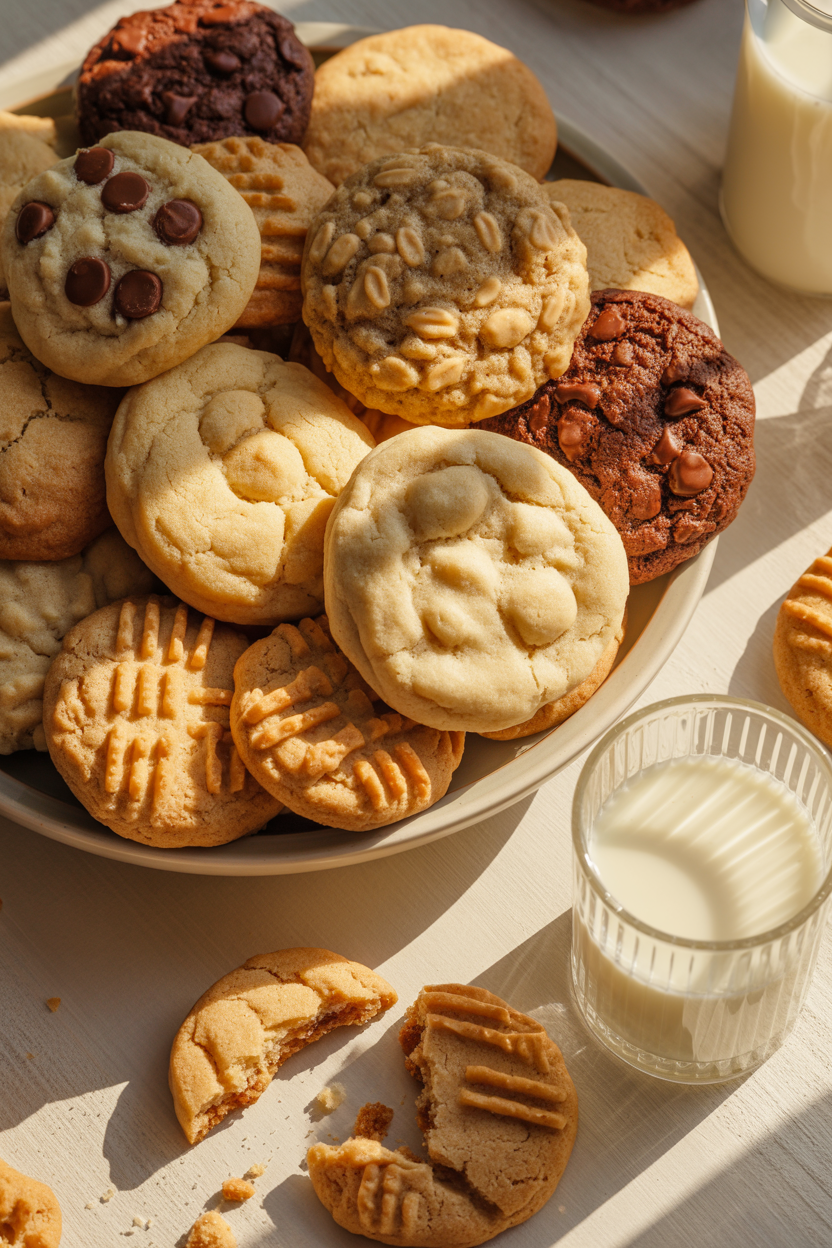
Peanut butter cookies have that distinctive fork-pressed pattern and a texture that’s somehow both crumbly and chewy at the same time. They’re also ridiculously easy because you don’t need to chill the dough—just mix, shape, and bake.
Using creamy peanut butter works better than chunky for texture consistency, but you can add chopped peanuts if you want extra crunch. Don’t skip the classic crosshatch pattern on top—it’s not just decorative. Pressing the dough balls flattens them so they bake evenly. Get Full Recipe.
For more protein-packed treats that satisfy your sweet tooth, try these high-protein cookie recipes or nut butter desserts.
Snickerdoodles
Snickerdoodles are basically sugar cookies rolled in cinnamon sugar, but somehow they’re so much better than that description suggests. The tangy cream of tartar in the dough gives them a subtle brightness that balances the sweetness, and that cinnamon-sugar coating creates the most amazing slightly crispy exterior.
These cookies puff up in the oven and then fall slightly as they cool, creating those characteristic crackly tops. The texture is pillowy soft with just enough structure to hold together. I like making these around the holidays, but honestly, they’re good any time of year.
Oatmeal Raisin Cookies
Okay, I know raisins are controversial (some people act like they’re personally offended by their existence), but oatmeal raisin cookies are genuinely fantastic when done right. The oats add heartiness and chew, while the raisins provide little pockets of sweetness throughout.
If you’re really anti-raisin, swap them for chocolate chips or dried cranberries. The cookies will still have that amazing chewy texture from the oats. Using old-fashioned rolled oats is crucial—instant oats will turn mushy, and steel-cut oats won’t soften enough.
I toast my oats before adding them to the dough using this sheet pan—it brings out their nuttiness and takes these cookies to the next level.
Molasses Cookies
Molasses cookies have that deep, rich flavor that’s both sweet and slightly bitter in the best way possible. They’re soft, chewy, and have those beautiful crackly tops that make them look bakery-fancy even though they’re super simple to make.
The molasses not only flavors the cookies but also keeps them incredibly moist. Coating them in sugar before baking gives them a subtle crunch on the outside while the inside stays perfectly tender. These are especially good in fall and winter, though I’ve been known to eat them year-round because I have no self-control.
White Chocolate Macadamia Nut Cookies
These are basically a vacation in cookie form—tropical, buttery, and a little bit fancy. White chocolate and macadamia nuts are a classic combo that never disappoints. The white chocolate melts into creamy pockets, while the macadamia nuts add a rich, buttery crunch.
Make sure you’re using actual white chocolate (check the ingredients for cocoa butter), not those weird white chips that taste like sweet candle wax. It makes a huge difference in flavor. And yes, macadamia nuts are expensive, but they’re worth every penny for these cookies. Get Full Recipe.
Looking for more indulgent cookie combinations? Check out these gourmet cookie recipes and bakery-style treats.
Oatmeal Chocolate Chip Cookies
Why choose between oatmeal cookies and chocolate chip cookies when you can have both? These cookies combine the hearty chew of oats with the sweet satisfaction of chocolate chips. They’re substantial enough to feel like a real snack but still indulgent enough to satisfy dessert cravings.
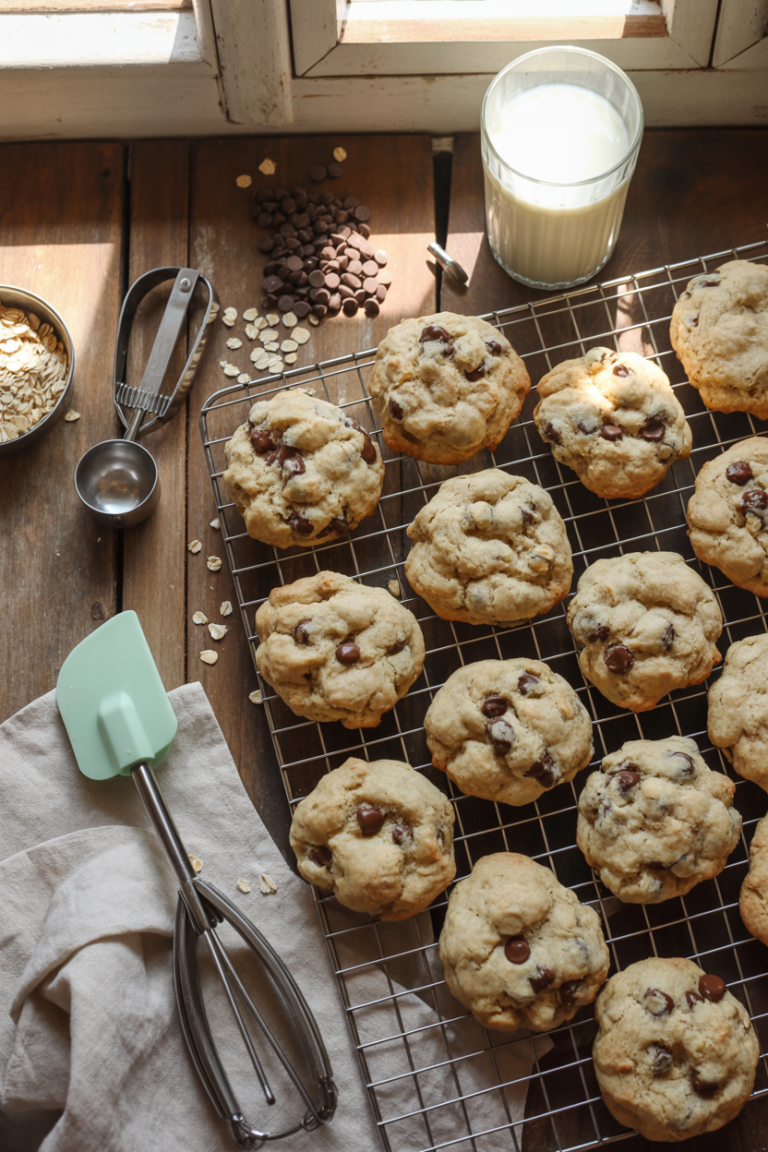
The oats soak up moisture from the dough, which helps keep these cookies soft for days. I like using a mix of chocolate chips and chocolate chunks for varied chocolate distribution and those dramatic melty spots.
Red Velvet Cookies
Red velvet cookies bring all that cocoa-tangy flavor from red velvet cake but in a convenient handheld form. They’re soft, chewy, and have a subtle chocolate flavor that’s not overwhelming. Rolling them in powdered sugar before baking creates that signature crackled appearance.
The texture on these is incredible—almost brownie-like but with more structure. They’re fancy enough for special occasions but easy enough to make on a random Wednesday when you need something sweet.
Lemon Cookies
Lemon cookies are like a burst of sunshine in cookie form. They’re soft, tender, and have that perfect balance of sweet and tart that makes you want to eat five in one sitting (not that I’ve done that… multiple times).
The lemon flavor comes from both zest and juice, which gives you the full citrus experience. A simple glaze on top adds extra sweetness and makes them look professional. These are perfect for spring and summer but honestly taste good any time you need something bright and refreshing.
For more citrus-forward desserts, try these lemon breakfast recipes or tangy fruit cookies.
Pumpkin Cookies
Pumpkin cookies are soft, cake-like, and loaded with warm spices. They’re basically everything good about fall in one bite. The pumpkin puree adds moisture and keeps these cookies incredibly soft—they stay that way for days if stored in an airtight container.
Don’t use pumpkin pie filling by mistake—you want pure pumpkin puree without added sugar or spices. The spice blend usually includes cinnamon, nutmeg, ginger, and cloves, creating that classic pumpkin spice flavor everyone pretends to hate but secretly loves.
I always use these airtight containers to store soft cookies—they keep them fresh way longer than random plastic bags or flimsy containers.
Ginger Molasses Cookies
Similar to regular molasses cookies but with extra ginger for more punch, these cookies are boldly flavored and perfectly chewy. Fresh ginger adds a spicy kick that dried ginger can’t match, though both work fine depending on how intense you want the ginger flavor.
These cookies benefit from chilling the dough before baking. It helps them hold their shape better and concentrates the flavors. The longer you chill (even overnight), the better they taste.
Double Chocolate Chip Cookies
For chocolate lovers who think regular chocolate chip cookies don’t have enough chocolate, double chocolate chip cookies deliver. The dough itself is chocolate-based, then you add chocolate chips on top of that. It’s chocolate overload in the best possible way.
Using quality cocoa powder makes a noticeable difference here. Dutch-processed cocoa gives you a deeper, less acidic chocolate flavor that works perfectly in cookies. These stay soft and fudgy in the center, almost like a cookie-brownie hybrid.
Sugar Cookies
Classic sugar cookies might seem basic, but when they’re done right, they’re absolutely perfect. Soft, buttery, and subtly sweet, they’re the foundation for so many variations. You can leave them plain, roll them in colored sugar, or add extracts like almond or lemon for different flavors.
The key to soft sugar cookies is not overbaking them. They should barely have any color on the bottom when you pull them out. They’ll look underdone, but trust the process—they’ll firm up as they cool. Get Full Recipe.
Coconut Cookies
Coconut cookies have that distinct tropical flavor and a slightly chewy texture from the shredded coconut. Using sweetened shredded coconut adds both texture and extra sweetness, though you can use unsweetened if you prefer less sugar.
These cookies are fantastic on their own, but they also pair incredibly well with chocolate. Dipping half of each cooled cookie in melted dark chocolate makes them feel fancy and adds a nice flavor contrast.
Maple Cookies
Maple cookies have a subtle, sophisticated sweetness that’s less in-your-face than regular sugar cookies. Real maple syrup is essential here—the fake pancake syrup won’t give you the same flavor. The maple adds moisture and a distinct flavor that’s perfect for fall but good year-round.
A maple glaze on top intensifies the flavor and adds extra sweetness. These cookies have a tender crumb and stay soft for days thanks to the maple syrup’s moisture content.
For more maple-flavored treats, try these maple breakfast recipes or autumn-inspired desserts.
Chai Spice Cookies
Chai spice cookies bring all those warm spices from chai tea—cardamom, cinnamon, ginger, cloves—into soft, chewy cookie form. They’re aromatic, flavorful, and sophisticated without being complicated to make.
The spice blend is key here. You can use a pre-made chai spice mix or blend your own. Fresh ground spices make a bigger flavor impact than old ones sitting in your cabinet since 2015, so check those expiration dates.
Salted Caramel Cookies
Salted caramel cookies combine sweet, salty, and buttery flavors in one incredible package. Soft caramel pieces mixed into the dough create pockets of gooey sweetness, while sea salt on top balances everything out.
Making your own caramel from scratch is impressive but not necessary—store-bought soft caramels work perfectly fine. Just cut them into smaller pieces so they distribute evenly throughout the cookies. A sprinkle of flaky sea salt on top right after baking is essential.
Almond Cookies
Almond cookies have a delicate flavor and tender texture that makes them feel fancy even though they’re simple. Almond extract is potent, so a little goes a long way—too much and they’ll taste like artificial almond, which nobody wants.
Sliced almonds on top add visual appeal and a subtle crunch that contrasts nicely with the soft cookie. These are perfect for afternoon tea or coffee, and they’re elegant enough to serve at gatherings without feeling like you’re trying too hard.
Banana Cookies
Banana cookies are a great way to use up overripe bananas when you’re tired of making banana bread. The mashed banana adds moisture and natural sweetness, keeping these cookies incredibly soft. They taste like banana bread in cookie form, which is basically a win-win.
Add chocolate chips, walnuts, or both for extra texture and flavor. These cookies are soft enough to feel almost cake-like but still have that essential cookie texture. They’re also slightly healthier than regular cookies since the banana adds nutrients and lets you reduce the sugar a bit.
For more banana-based treats, check out these banana breakfast recipes or overripe banana desserts.
Tips for Achieving Perfect Soft and Chewy Cookies
After baking roughly a million cookies (conservative estimate), I’ve learned some tricks that consistently produce soft, chewy results.
Use parchment paper or silicone mats. Greasing baking sheets with butter or spray makes cookies spread too much and can cause greasy bottoms. These silicone baking mats give you perfect results every time with zero cleanup.
Don’t overbake. This is the number one mistake people make. Cookies should look slightly underdone when you pull them out—they’ll continue cooking on the hot pan. If they look done in the oven, they’ll be overdone after cooling.
Store cookies properly. Keep soft cookies in airtight containers at room temperature. Adding a slice of bread to the container keeps them soft—the cookies will absorb moisture from the bread instead of drying out. Weird but it works.
Measure flour correctly. Too much flour makes cookies dry and tough. Either weigh your flour with this digital kitchen scale, or if measuring by volume, spoon flour into the measuring cup and level it off—don’t scoop directly from the bag, which packs in too much flour.
Use room temperature ingredients. Cold butter doesn’t cream properly with sugar, and cold eggs don’t incorporate well into the dough. Take ingredients out of the fridge 30 minutes before baking for best results.
Cream butter and sugar properly. This step incorporates air into the dough, which helps create a tender texture. Beat them together until the mixture is light, fluffy, and pale in color—usually 2-3 minutes.
Chill the dough when recipes say to. I know waiting is annoying, but chilling helps prevent excessive spreading and concentrates flavors. Most doughs benefit from at least 30 minutes in the fridge, though overnight is even better for flavor development.
Storing and Freezing Cookie Dough
Want fresh cookies whenever the craving hits? Freeze the dough. It’s a total game-changer and way better than storing baked cookies.
Scoop your dough into balls, freeze them on a baking sheet for an hour, then transfer to a freezer bag. They’ll keep for up to three months. When you want fresh cookies, bake them straight from frozen—just add 1-2 minutes to the baking time.
Some doughs actually improve after freezing because the ingredients have more time to meld together. Cookie dough made with brown sugar especially benefits from resting time, as the molasses flavor becomes more pronounced.
You can also freeze baked cookies, though they’re never quite as good as fresh. Double-wrap them in plastic wrap, then put them in a freezer bag. Thaw at room temperature for best texture.
Common Soft Cookie Problems and Solutions
Even experienced bakers run into issues sometimes. Here’s how to troubleshoot the most common problems.
Cookies spreading too much: Your butter might be too warm, or you might need to chill the dough before baking. Also check that you’re measuring flour correctly—too little flour causes excessive spreading.
Cookies turning out hard: You’re probably overbaking them. Remember, they should look slightly underdone when you remove them from the oven. Also make sure you’re using enough brown sugar, which adds moisture.
Cookies not spreading enough: Your dough might be too cold, or you might have too much flour. Room temperature dough spreads more than cold dough, so let chilled dough sit for 10-15 minutes before baking.
Dry, crumbly cookies: Not enough fat (butter) or too much flour. Also check that you’re not overbaking. Using melted butter instead of softened can sometimes help add moisture.
Cookies losing softness quickly: Store them properly in airtight containers. The bread slice trick really does work for keeping cookies soft. You can also slightly underbake them so they stay softer longer.
Related Recipes You’ll Love
Looking for more cookie inspiration? Here are some recipes that pair perfectly with soft and chewy cookies:
More Cookie Variations:
- Chocolate crinkle cookies for a soft, fudgy option
- Cream cheese cookies for an extra tender texture
- Shortbread cookie bars when you want something buttery and dense
Cookie-Adjacent Treats:
- Cookie bars and brownies for when you don’t want to scoop individual cookies
- No-bake cookie dough bites for safe-to-eat raw cookie dough
- Cookie butter recipes to make spreads from your favorite cookies
Complete Dessert Ideas:
- Ice cream cookie sandwiches using your favorite soft cookie recipe
- Cookie crust desserts repurposing cookies into other treats
Conclusion
Soft and chewy cookies are the ultimate comfort food—warm, buttery, and satisfying in a way that crispy cookies just can’t match. Whether you’re team chocolate chip, a molasses cookie devotee, or someone who thinks every cookie should have peanut butter, there’s a soft and chewy version that’ll make you happy.
The key takeaways? Use brown sugar for moisture, don’t overbake, and store your cookies properly. Master those basics and you’ll be making perfect soft cookies every time. Experiment with different flavors, try adding mix-ins, and don’t be afraid to adjust recipes to suit your preferences.
FYI, making cookies is one of those things that gets easier with practice. Your first batch might be a little wonky, but by your third or fourth attempt, you’ll have the technique down. And even slightly imperfect cookies still taste pretty damn good, so there’s really no losing here.
Now stop reading and go preheat your oven. Those cookies aren’t going to bake themselves, and honestly, you deserve something soft and chewy right about now.