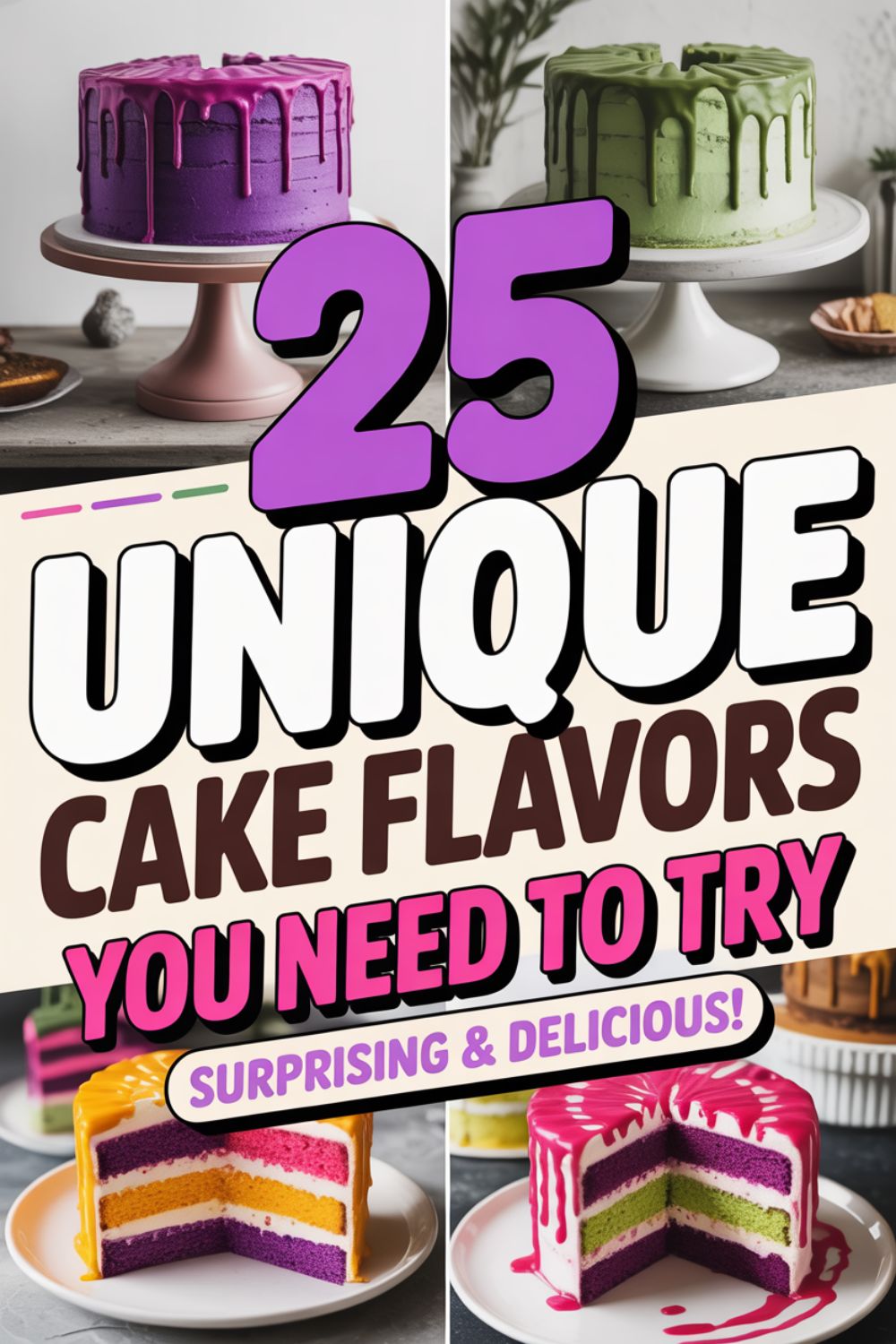
25 Unique Cake Flavors You Need to Try
Look, I’m not here to trash vanilla cake. It’s a classic for a reason. But let me ask you something—when was the last time a slice of plain vanilla made you stop mid-conversation and say, “Wait, what is IN this?” Probably never, right?
That’s the thing about unique cake flavors. They’re conversation starters. They’re the reason people remember your birthday party three years later. They’re what happens when bakers stop playing it safe and start asking, “What if?”
I’ve spent years experimenting with flavor combinations that range from “hmm, interesting” to “okay, this is borderline genius.” Some failed spectacularly (looking at you, olive oil and balsamic disaster of 2019). But the ones that worked? They changed how I think about cake entirely.
So whether you’re planning your next baking adventure or just curious about what’s possible beyond chocolate and strawberry, I’ve got 25 flavors that’ll make you rethink everything you thought you knew about cake. And no, I’m not including red velvet—because honestly, we all know that’s just chocolate cake with identity issues.
1. Matcha and White Chocolate
Matcha’s having its moment, and honestly? It’s about time. This earthy green tea powder brings a sophisticated bitterness that white chocolate rounds out perfectly. The result is this creamy, slightly sweet cake that tastes nothing like your grandma’s green tea cookies (no offense to grandma).
The trick with matcha is quality. Cheap matcha tastes like lawn clippings. Good matcha tastes like… well, expensive lawn clippings, but in a good way. I usually add premium ceremonial-grade matcha powder to the batter and pair it with a white chocolate ganache. According to research on cake chemistry, the fat content in white chocolate helps balance the astringent compounds in matcha, creating a smoother taste experience.
2. Brown Butter and Sage
Okay, stay with me here. I know sage sounds like something you’d sprinkle on your Thanksgiving turkey, not your dessert. But when you brown butter until it smells like toasted hazelnuts and steep fresh sage in it? Magic happens.
This combination works because brown butter is essentially nutty, caramelized milk solids, and sage has this earthy sweetness that complements rather than fights it. The cake itself tastes complex and grown-up. It’s the kind of flavor that makes people lean in and say, “Wait, is that… herbs?”
If you’re into experimenting with butter-based cakes, you might want to check out some soft and chewy cookie recipes that use similar techniques.
Pro Tip
Brown your butter in a light-colored pan so you can actually see when it hits that perfect golden stage. Dark pans are liars—they’ll let it burn before you even realize.
3. Black Sesame
Black sesame is one of those flavors that sounds weird until you taste it, and then suddenly you’re making it for every occasion. It’s nutty, slightly smoky, and has this gorgeous gray-purple color that photographs like a dream.
You’ll need black sesame paste or tahini for this one. Grinding whole seeds works in a pinch, but the paste gives you that smooth, consistent flavor throughout. Pair it with honey buttercream or a simple glaze. The sesame flavor is strong enough to stand alone but subtle enough that it won’t overwhelm your guests who “don’t like adventurous food.”
4. Lavender and Honey
Yes, I know lavender is everywhere now. Your soap smells like it. Your essential oils smell like it. Your neighbor’s questionable candle collection definitely smells like it. But hear me out—in a cake, lavender is incredible when you don’t overdo it.
The key is to use culinary lavender buds, not the stuff from the craft store (which is often treated with things you definitely don’t want to eat). Steep them in warm cream or milk, strain them out, and use that infused liquid in your batter. The honey adds a floral sweetness that ties everything together without tasting like potpourri.
Speaking of floral flavors, if this appeals to you, you’d probably love exploring gluten-free cookies that taste amazing—many use almond flour which pairs beautifully with floral notes.
5. Earl Grey and Lemon
There’s something deeply comforting about Earl Grey tea. Maybe it’s the bergamot. Maybe it’s the British colonialism vibes. Either way, it makes an excellent cake.
You steep the tea bags directly in your butter or milk before mixing (just like you’re making tea, but richer). The bergamot oil in Earl Grey gives you this perfumy, citrusy flavor that pairs perfectly with actual lemon zest and juice. It’s like having afternoon tea in cake form, but without the judgmental stares when you hold your pinky wrong.
6. Cardamom and Rose
If you’ve ever had Indian desserts, you know this combination is a winner. Cardamom is warm and complex—kind of like cinnamon’s more sophisticated cousin. Rose is floral without being overwhelming (when used correctly, which is important because a heavy hand with rose water will make your cake taste like your grandmother’s perfume drawer).
I grind my own cardamom pods in a spice grinder because pre-ground cardamom loses its oomph faster than my New Year’s gym motivation. Use just a few drops of rose water in the batter and maybe some dried rose petals for decoration. Get Full Recipe.
Essential Baking Tools for Adventurous Flavors
When you’re working with unique ingredients like matcha powder or black sesame paste, having the right tools makes all the difference. Here’s what I actually use (and love):
Physical Products
Premium Matcha Powder Set – Because cheap matcha tastes like sadness
Spice Grinder for Fresh Cardamom – Pre-ground is for quitters
Fine Mesh Strainer – For getting those lavender buds out without a fuss
Digital Resources
The Flavor Bible (eBook) – Your companion for pairing ingredients
Advanced Cake Decorating Course – For when your flavor game is strong but your frosting game needs work
Baking Science Master Class – Understanding the chemistry makes you a better baker, trust me
7. Miso Caramel
I can hear you from here: “Miso? In cake? That’s where I draw the line.” But listen—miso adds this umami depth that makes caramel taste more caramel-y somehow. It’s salty, it’s sweet, it’s everything you didn’t know you needed.
You make the caramel as usual, then whisk in a tablespoon of white or yellow miso paste (not red—that’s too intense). Spread it between cake layers or use it as a drizzle on top. The fermented funk of the miso plays beautifully with the burnt sugar notes in caramel. Science backs this up—the Maillard reaction during baking creates complex flavor compounds that complement fermented ingredients like miso.
8. Pistachio and Raspberry
This combo is trending hard right now, and for good reason. Pistachios bring this buttery, slightly sweet nuttiness, while raspberries cut through with their tart brightness. Together, they’re the perfect balance of rich and refreshing.
I use real pistachio paste (not extract, which tastes fake) and fold fresh or freeze-dried raspberries into the batter. The colors alone are stunning—that pale green against vibrant pink? Chef’s kiss. For more ideas on working with nuts in baked goods, check out these easy cookie recipes you can bake tonight.
9. Olive Oil and Citrus
Olive oil cakes have been around forever, but they deserve more love. Using olive oil instead of butter gives you this incredibly moist, tender crumb that stays fresh longer. Add in lemon, orange, or grapefruit zest, and you’ve got something special.
The key is using a good-quality extra virgin olive oil that’s fruity and not too peppery. The citrus zest brings brightness, and the oil carries those flavors through every bite. Plus, it’s a great option for anyone avoiding dairy. Get Full Recipe.
“I made the olive oil and blood orange cake for my daughter’s graduation party, and people kept asking for the recipe. Even my mother-in-law admitted it was ‘surprisingly good,’ which from her is basically a Michelin star.”
— Jessica, from our baking community10. Chai Spice
Chai spice cake is basically autumn in dessert form. You’ve got cinnamon, cardamom, ginger, cloves, and black pepper all working together to create something warm and complex.
I steep actual chai tea bags in warm milk for the batter, then add extra spices to boost the flavor. It pairs beautifully with cream cheese frosting or a simple honey glaze. And if you’re feeling extra, add a shot of espresso to the batter—coffee enhances all those warm spices without making it taste like coffee.
For more cookie inspiration using similar warm spices, these 5-ingredient cookies are perfect gateway recipes.
11. Coconut and Lime
This is vacation in a slice. Coconut cream in the batter gives you richness and moisture, while lime zest and juice bring that bright, tropical acidity that keeps it from being too heavy.
Use coconut cream (not coconut milk) for maximum coconut flavor. Toast some shredded coconut in the oven until golden and press it onto the frosting. The texture contrast is perfection, and it looks impressive without requiring any actual decorating skills.
12. Brown Sugar and Bourbon
This one’s for the adults in the room. Brown sugar gives you that molasses-y depth, and bourbon adds vanilla, oak, and caramel notes without making the cake boozy (most of the alcohol bakes off anyway).
I use a darker brown sugar for maximum flavor and add a couple tablespoons of bourbon to both the cake and the frosting. If you’re nervous about the bourbon flavor, start with one tablespoon and work your way up. Just don’t skip it entirely—that complexity is what makes this cake special.
Quick Win
Can’t find a specific ingredient? Hit up your local specialty food store or international market. They’re treasure troves of interesting baking ingredients, and the staff actually knows what things are used for.
13. Passion Fruit and Vanilla
Passion fruit is intensely tart and tropical, and it needs something mild to balance it out. Enter vanilla. Not vanilla extract from the grocery store—real vanilla bean paste that has those little black specks.
The passion fruit goes into a curd that gets layered between vanilla cake layers. It’s tangy, sweet, perfumy, and absolutely gorgeous when you cut into it. The bright orange curd against the pale cake is Instagram gold.
14. Tahini and Date
This combination is Middle Eastern-inspired and deeply satisfying. Tahini (sesame seed paste) has this nutty, slightly bitter edge, while dates bring natural sweetness and a caramel-like flavor.
I blend dates into a paste with hot water, then fold that into the batter along with tahini. The result is dense and moist without being heavy. Top it with a tahini buttercream if you’re feeling ambitious, or keep it simple with just a dusting of powdered sugar.
15. Ginger and Pear
Fresh ginger (not the dried stuff) brings heat and zing that pairs beautifully with sweet, delicate pears. This is an elegant fall flavor that’s more interesting than apple-anything.
Grate fresh ginger into your batter using a microplane grater, and fold in diced poached pears. The pears add moisture and subtle sweetness, while the ginger keeps things lively. Get Full Recipe.
If you like baking with fruit, you’ll also enjoy these no-bake cookie recipes that incorporate dried fruits.
16. Yuzu and Poppy Seed
Yuzu is this Japanese citrus that tastes like if a lemon, grapefruit, and mandarin orange had a baby. It’s tart, floral, and absolutely wonderful in baked goods.
Since fresh yuzu is hard to find (and expensive), I use yuzu juice or yuzu paste. Mix it into a lemon poppy seed cake base, and you’ve got something familiar but elevated. The poppy seeds add texture and a subtle nutty flavor that complements the bright yuzu.
17. Chocolate and Chili
The Aztecs were onto something with this combo. Dark chocolate and chili powder create this slow-building warmth that’s not quite spicy, not quite sweet—just interesting.
Use good dark chocolate (70% cacao) and a pinch of cayenne pepper or ancho chili powder. Start small with the chili—you want a tingle, not tears. The heat enhances the chocolate rather than overwhelming it. For more chocolate-forward recipes, these classic chocolate chip cookie recipes are crowd-pleasers.
18. Chamomile and Apricot
Chamomile is gentle and honey-like, with subtle apple notes. Pair it with fresh or dried apricots, and you’ve got a cake that tastes like a sunny afternoon.
Steep chamomile tea bags in warm cream, strain, and use that for your cake base. Fold in chopped dried apricots (the tangy-sweet ones, not the overly sulfured bright orange ones). The result is soft, floral, and just sweet enough.
Resources That Make Baking Easier
Because nobody becomes a flavor wizard overnight. These resources genuinely helped me level up:
Physical Kitchen Essentials
Digital Kitchen Scale – Measuring by weight changes everything, I promise
Offset Spatula Set – For spreading frosting like a semi-pro
Cake Turntable – Makes decorating 10x easier even if you’re all thumbs
Learning Resources
Flavor Pairing Guide (PDF) – Scientific approach to what works together
Cake Troubleshooting eBook – For when things go sideways (and they will)
Professional Baking Ratios Chart – Understanding ratios means you can improvise confidently
19. Almond and Cherry
This is classic for a reason. Almond extract has this warm, nutty sweetness that makes cherries taste even more cherry-ish. It’s like they were designed to go together.
Use almond flour in your cake base for extra almond flavor and that tender, moist crumb. Fresh or frozen cherries work better than jarred (which are usually too sweet and syrupy). Pit them yourself if you’re feeling ambitious, or buy pre-pitted to save your sanity.
20. Coffee and Walnut
Coffee cake usually means something with a crumb topping. This is different—actual coffee in the batter, paired with toasted walnuts for crunch and earthiness.
Brew strong coffee and use it as part of your liquid. Toast raw walnut halves in a 350°F oven for 8-10 minutes until fragrant, then chop and fold into the batter. Coffee enhances everything—it makes chocolate taste more chocolate-y, makes vanilla more complex, and brings out nutty flavors beautifully.
If you’re looking for more ways to incorporate nuts into your baking, try these drop cookie recipes perfect for beginners.
21. Rosewater and Pistachio
This Persian-inspired combo is elegant and aromatic without being perfumey (assuming you don’t go overboard with the rosewater, which is surprisingly easy to do).
Use culinary rosewater sparingly—literally a teaspoon or two for an entire cake. Fold in finely chopped pistachios for color and texture. The result tastes exotic and special, like something from a fancy Middle Eastern bakery.
22. Maple and Pecan
Yes, this sounds obvious. But hear me out—most maple cakes use maple extract, which tastes fake. Real maple syrup gives you that deep, woody sweetness that’s actually complex.
Use pure maple syrup (Grade A Dark) as part of your sweetener. Toast pecans until they’re crispy and smell like heaven, then fold them into the batter or press them onto the frosting. This is the cake version of autumn in Vermont, minus the leaf-peepers.
“I’ve been making the same three cake recipes for 20 years. Tried the maple pecan one last weekend for a potluck, and now I have six people demanding I teach them how to make it. It’s really not that hard—I just followed the directions!”
— David, weekend baker23. Lemon and Thyme
Thyme is savory, right? Wrong. Fresh thyme has this lemony, floral quality that pairs ridiculously well with actual lemon.
Strip fresh thyme leaves from their stems and chop finely. Add them to your lemon cake batter along with plenty of lemon zest. The thyme adds complexity and a sophisticated herbal note that makes people ask, “What’s IN this?” in the best possible way. Get Full Recipe.
24. Butterscotch and Sea Salt
Butterscotch is brown sugar and butter, basically, which means it’s delicious. Add a good flaky sea salt on top, and you’ve got that sweet-salty contrast everyone loves.
Make actual butterscotch from scratch (it’s easier than you think—just sugar, butter, and cream). Use it as a filling between layers and drizzle more on top with a generous sprinkle of flaky salt. The salt cuts the sweetness and makes everything taste more balanced.
25. Banana and Tahini
This is what happens when banana bread grows up and gets sophisticated. Tahini adds this nutty, slightly bitter depth that keeps banana cake from being too sweet or one-note.
Swirl tahini paste through the batter before baking for a marbled effect, or mix it fully into the batter for consistent flavor throughout. Use very ripe bananas (the mushier and more spotty, the better). Top with tahini frosting and a drizzle of honey for maximum impact.
For more creative takes on classic flavors, explore these vegan cookies that actually taste like dessert—many use similar techniques for building complex flavors.
Looking for more morning inspiration? Try these low-sugar cookies for guilt-free snacking or this collection of cookie bars you can bake in one pan.
Frequently Asked Questions
Can I substitute ingredients in these unique cake flavors?
Absolutely, but with some caveats. Substituting extracts for real ingredients (like vanilla extract for vanilla beans) usually works fine, though you’ll lose some depth. When it comes to fats like butter versus oil, the texture might change—butter gives you structure and flavor, while oil makes things moister. For flour substitutions in gluten-free versions, use a 1:1 baking blend designed for cakes. IMO, don’t mess with the sugar ratios too much, as sugar affects moisture and structure beyond just sweetness.
How do I know if flavor combinations will work together?
Start with the principle of complementary or contrasting flavors. Sweet pairs well with tart, rich pairs well with bright, earthy pairs well with floral. Think about flavors that share similar aromatic compounds—this is why chocolate and coffee work so well together, or why citrus and herbs often complement each other. When in doubt, try a small test batch or just mix a tiny amount of your ingredients together to taste them before committing to a whole cake.
Do unique flavors work for layer cakes, or are they better for simple cakes?
They work for both, but layer cakes give you more opportunities to play with flavor combinations. You can have a lavender cake with lemon curd filling and honey buttercream, for example. Simple single-layer cakes are great when the flavor itself is the star and doesn’t need distractions. For beginners, I’d suggest mastering the flavor in a simple format first, then getting fancy with layers once you know what you’re working with.
How should I store cakes with unusual ingredients like miso or tahini?
Most of these cakes store like regular cakes—room temperature for a day or two if they’re not frosted with cream-based frostings, or refrigerated if they are. Cakes with fresh fruit or cream cheese frostings always need refrigeration. The good news is that many unique ingredients (like olive oil or tahini) actually help cakes stay moist longer. Just wrap them well to prevent drying out.
Are these flavors too adventurous for picky eaters or kids?
Depends on the kid and the flavor. Something like brown sugar bourbon might be too sophisticated for young taste buds, but coconut lime or almond cherry are usually crowd-pleasers. The trick is not to announce what’s in it beforehand—just let them taste it first. FYI, I’ve seen kids devour matcha cake when they had no idea what it was. Context is everything. For adults, most people are more adventurous than they think once they actually taste something delicious.
The Bottom Line on Unique Cake Flavors
Here’s what I’ve learned from years of experimenting with unusual flavor combinations: people are way more open to trying new things than you’d think. Sure, there’s always that one person who insists they “only like chocolate,” but even they usually end up sneaking a second slice of your lavender honey cake when they think no one’s watching.
The science behind these flavor pairings isn’t random. When you steep herbs in cream or brown butter until it smells like heaven, you’re extracting fat-soluble flavor compounds that integrate into the entire cake. When you pair tart with sweet or earthy with floral, you’re hitting different taste receptors that make the overall experience more complex and satisfying.
Start with one or two combinations that sound appealing to you. Don’t try to make all 25 at once (unless you’re catering an event or have a lot of friends who owe you favors). Pay attention to quality ingredients—real vanilla beans, fresh herbs, good chocolate—because unique flavors deserve a solid foundation.
And if something doesn’t turn out perfectly? That’s fine. Some of my best recipes came from spectacular failures that taught me what not to do. The black sesame disaster of 2018 taught me that yes, you can actually have too much sesame. The olive oil and balsamic attempt taught me that some flavors work better in salad dressing than in cake.
But the wins—those perfect combinations where someone takes a bite and their eyes light up—those make all the experimentation worthwhile. So grab your mixing bowls, preheat that oven, and start exploring. Your taste buds will thank you, and honestly, so will everyone lucky enough to be invited to your next gathering.