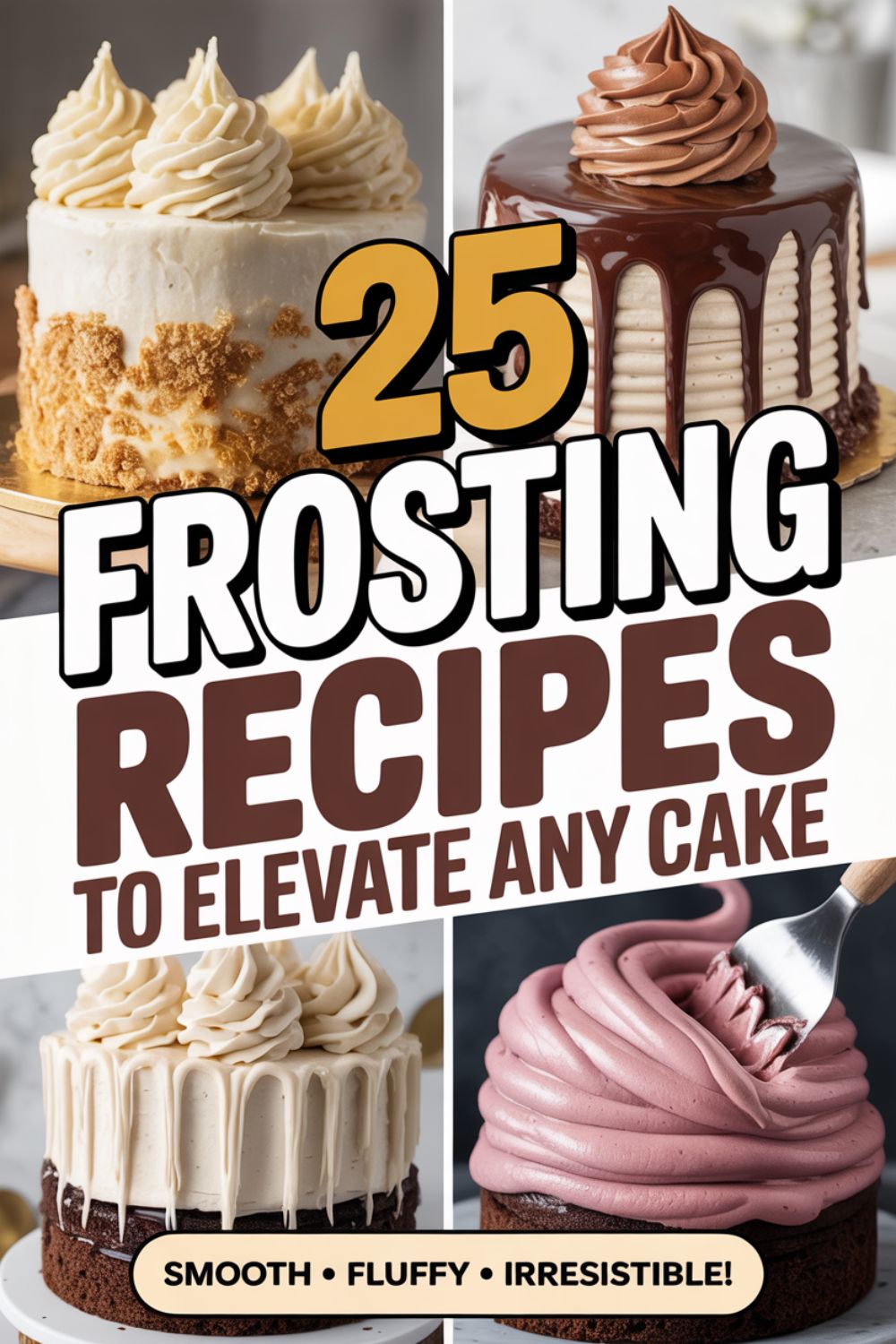
25 Frosting Recipes to Elevate Any Cake
You know that moment when you pull a cake from the oven and it looks absolutely perfect? Then you realize you haven’t figured out the frosting yet. We’ve all been there. Sure, you could grab a tub from the store, but let’s be honest—homemade frosting transforms a decent cake into something people actually remember.
I’ve spent way too many Saturday afternoons experimenting with different frosting techniques, and I’m not ashamed to admit I’ve eaten more frosting straight from the bowl than I’d like to confess. But through all that trial and error, I’ve figured out what works, what doesn’t, and which frostings are worth the extra effort.
This isn’t some fancy pastry school guide. This is real talk about frosting—the kind you can actually make in your kitchen without needing a culinary degree. Whether you’re after something classic or want to experiment with flavors that’ll make people ask for seconds, these 25 recipes have you covered.
The Foundation: Classic Buttercream Varieties
American Buttercream
Let’s start with the MVP of the frosting world. American buttercream is what most people think of when they picture frosting—butter, powdered sugar, vanilla, and a splash of milk or cream. It’s dead simple to make, which is exactly why it’s been decorating birthday cakes for generations.
The technique here matters more than you’d think. You want your butter at room temperature, not straight from the fridge. Beat it until it’s fluffy—and I mean really fluffy, like you’re making whipped cream but with butter. Then gradually add your powdered sugar. Rush this step and you’ll end up with grainy frosting that tastes more like eating sand mixed with butter.
I use this stand mixer for all my frosting projects because it has the power to really whip butter into submission. Worth every penny if you’re serious about baking.
Swiss Meringue Buttercream
Now we’re getting into the territory where people start to get intimidated. Swiss meringue buttercream sounds fancy, and it kind of is, but it’s not rocket science. You’re essentially cooking egg whites and sugar over a double boiler, then whipping them into a glossy meringue before adding butter.
The result? A frosting that’s lighter and less sweet than American buttercream. It’s silky smooth and pipes beautifully. King Arthur Baking has excellent guidance on European buttercream techniques if you want to dive deeper into the science behind it.
One thing nobody tells you: your frosting might look like it’s breaking when you add the butter. It’ll get soupy or curdled, and you’ll panic. Don’t. Keep beating. It’ll come together. I promise.
Italian Buttercream
Italian buttercream is Swiss meringue’s slightly more dramatic cousin. Instead of heating the egg whites and sugar together, you make a sugar syrup and pour it into whipping egg whites. It’s the kind of thing that makes you feel like a professional pastry chef when you nail it.
You’ll need a candy thermometer for this one—there’s no faking the temperature. Get your syrup to 240°F, not 235°F, not 245°F. Precision matters here.
The flavor is less sweet than American buttercream, and it’s incredibly stable. This is the frosting bakeries use because it holds up under pressure, literally. Hot wedding venue? Italian buttercream won’t melt into a puddle.
French Buttercream
French buttercream uses egg yolks instead of whites, giving it a rich, custardy flavor that’s honestly kind of addictive. It’s also got a gorgeous pale yellow color that you don’t need food coloring to achieve.
Fair warning: this stuff is rich. Like, a little goes a long way rich. It’s not the frosting you want for a massive sheet cake that’ll feed 50 people. But for a small, elegant layer cake? It’s perfect.
If you’re looking for more classic baking projects to pair with these frostings, Get Full Recipe for some simple cookie ideas that work beautifully alongside these frosting techniques.
Cream Cheese Frostings Worth Making
Classic Cream Cheese Frosting
The tangy counterpart to buttercream’s sweetness. Cream cheese frosting is non-negotiable for carrot cake and red velvet, but it’s also fantastic on spice cakes, pumpkin cakes, and honestly just eaten with a spoon.
The secret is using full-fat cream cheese—not the spreadable kind, not the reduced-fat kind. Food Network’s guide to cream cheese frosting breaks down why fat content matters for texture and stability.
Make sure both your cream cheese and butter are at room temperature. Cold cream cheese creates lumps that no amount of beating will fix. I learned this the hard way after spending 20 minutes trying to smooth out what looked like cottage cheese.
Whipped Cream Cheese Frosting
This is cream cheese frosting’s lighter, fluffier sibling. You add heavy cream to the mix and whip it until it’s mousse-like. It’s less stable than regular cream cheese frosting, so it’s not ideal for stacking tall layer cakes, but it’s perfect for sheet cakes or cupcakes that’ll be eaten within a day or two.
The texture is almost cloud-like. It spreads easily and doesn’t require much muscle. I use these offset spatulas for spreading—the angled blade makes getting smooth sides so much easier.
“I tried the whipped cream cheese frosting on my daughter’s birthday cupcakes and everyone asked where I bought them. Nobody believed I made them at home!” – Jennifer K., community member
Brown Butter Cream Cheese Frosting
Okay, this is where we start getting creative. Brown butter adds this nutty, caramel-like flavor that elevates regular cream cheese frosting into something special. The process takes an extra ten minutes, but it’s worth it.
You brown the butter first, let it cool completely, then proceed with the regular cream cheese frosting method. The browned butter solids give you these little flecks throughout the frosting that look intentional and fancy.
For more innovative baking ideas, you might want to check out Get Full Recipe for minimalist cookie recipes that pair well with elaborate frostings.
Chocolate Lover’s Paradise
Dark Chocolate Ganache
Ganache is technically a glaze, but it’s so versatile that it deserves a spot here. It’s just chocolate and heavy cream, heated together until smooth. The ratio determines the consistency—equal parts for a pourable glaze, more chocolate for a thicker frosting.
The quality of chocolate matters here more than anywhere else. Use good chocolate—not chocolate chips, actual baking chocolate or high-quality chocolate bars. I typically use Callebaut chocolate because it melts evenly and tastes incredible.
Let ganache cool at room temperature until it thickens to spreadable consistency. Too warm and it’ll run off your cake. Too cold and it’ll be impossible to spread. There’s a sweet spot that you learn to recognize after making it a few times.
Whipped Chocolate Buttercream
This combines the richness of chocolate with the light texture of whipped frosting. You’re essentially making chocolate buttercream, then whipping it for several extra minutes to incorporate air.
Use cocoa powder, not melted chocolate, for this one. Melted chocolate makes the frosting too heavy to whip properly. Dutch-processed cocoa gives you a deeper, darker color and less acidic flavor.
Chocolate Cream Cheese Frosting
Because why choose between chocolate frosting and cream cheese frosting when you can have both? This combines the tang of cream cheese with rich chocolate flavor. It’s less sweet than chocolate buttercream but more decadent than plain cream cheese frosting.
The trick is using both cocoa powder and melted chocolate. Cocoa powder gives you the deep chocolate flavor, while melted chocolate adds richness and helps the frosting set up nicely.
Frosting Essentials That Make Life Easier
After years of making frosting, these are the tools and products I actually use regularly:
- Heavy-duty stand mixer – Your arm will thank you, especially for buttercream recipes that require extended whipping
- Candy thermometer – Essential for Italian buttercream and any frosting requiring precision heating
- Offset spatula set – The angled blade makes frosting sides and tops infinitely easier
- Digital Frosting Techniques Masterclass – Comprehensive video guide covering every frosting style
- The Complete Buttercream eBook – Detailed recipes, troubleshooting tips, and flavor variations
- Cake Decorating Fundamentals Course – Online lessons covering piping, smooth finishes, and design basics
Mocha Buttercream
Coffee and chocolate together. Need I say more? Mocha buttercream is standard chocolate buttercream with espresso powder added. The coffee doesn’t make it taste like coffee—it amplifies the chocolate flavor and adds depth.
Use instant espresso powder, not brewed coffee. Liquid adds too much moisture and throws off the consistency. I dissolve about a tablespoon of espresso powder in a tiny bit of hot water first, then let it cool before adding it to the frosting.
Fruity and Fresh Options
Strawberry Buttercream
Real strawberry flavor, not the artificial pink stuff. The secret is using freeze-dried strawberries ground into powder. Fresh strawberries add too much moisture and make your frosting separate.
You can find freeze-dried strawberry powder online, or make your own by grinding freeze-dried strawberries in a food processor. Add it directly to your buttercream for natural color and intense strawberry flavor.
Speaking of fruit flavors, if you’re into simpler baking projects, Get Full Recipe for no-bake cookies that are perfect for hot summer days.
Lemon Cream Cheese Frosting
Bright, tangy, and perfect for spring cakes. Fresh lemon zest is mandatory here—bottled lemon juice just doesn’t cut it. The oils in the zest provide the aromatic punch that makes this frosting special.
Add both zest and juice, but go easy on the juice. Too much liquid will make your frosting runny. Start with a tablespoon and add more if needed.
Raspberry Buttercream
Similar technique to strawberry buttercream, but raspberries have a more intense, slightly tart flavor that works beautifully with vanilla or chocolate cakes. Use freeze-dried raspberry powder for the best results.
The natural pink color is gorgeous without any food coloring. It’s the kind of frosting that looks impressive but is actually one of the easier ones to make.
Orange Cream Frosting
Orange zest mixed into cream cheese frosting creates this dreamy, creamsicle-like flavor. It’s particularly good on chocolate cake—the combination of orange and chocolate is seriously underrated.
Add a tiny bit of vanilla extract too. It rounds out the orange flavor and prevents it from tasting too citrusy or perfume-like.
Unique and Interesting Flavors
Salted Caramel Buttercream
Store-bought caramel sauce works fine, but homemade caramel takes this to another level. Make your caramel, let it cool completely, then fold it into buttercream with a generous pinch of flaky sea salt.
The salt is crucial. It cuts the sweetness and brings out the caramel’s depth. Don’t use table salt—get flaky sea salt or kosher salt. The texture and flavor are different.
Brown Sugar Buttercream
Using brown sugar instead of white in your buttercream creates this subtle molasses flavor that’s perfect for autumn cakes. The color is naturally beige-ish, which might not be what you want for a wedding cake, but it’s gorgeous for rustic or fall-themed bakes.
Cream your butter with brown sugar just like you would with white. The technique is identical, but the flavor is miles more interesting.
Maple Cream Cheese Frosting
Real maple syrup, not the fake breakfast syrup. The flavor difference is night and day. This frosting is incredible on spice cakes, pumpkin cakes, or apple cakes.
Reduce the powdered sugar slightly since maple syrup adds sweetness. You’re aiming for balance—enough maple flavor to be noticeable without making it cloying.
For those who enjoy classic flavor combinations, Get Full Recipe offers timeless cookie recipes that pair beautifully with these unique frostings.
Nutella Frosting
This is basically cheating, but it works incredibly well. Beat Nutella into buttercream or cream cheese frosting. That’s it. The result is a frosting that tastes like the best chocolate-hazelnut spread but with a lighter, more spreadable texture.
Don’t go overboard with the Nutella—too much makes the frosting too soft. Start with half a cup and add more if you want stronger flavor.
Chai Spice Buttercream
Ground cardamom, cinnamon, ginger, and a pinch of black pepper mixed into buttercream. It sounds weird, but it’s phenomenal. The spices create this warm, complex flavor that works beautifully with vanilla or honey cakes.
Steep chai tea bags in the milk or cream you use for the buttercream to intensify the flavor. Let it cool completely before adding it to your frosting.
“The chai spice buttercream was a game-changer for my baking business. Customers specifically request it now, and it’s become my signature frosting.” – Marcus T., professional baker
Light and Fluffy Alternatives
Swiss Meringue
Just meringue, no butter. This creates a frosting that’s light, marshmallow-like, and not nearly as sweet as buttercream. It torches beautifully too, so you can give your cakes that dramatic toasted effect.
The stability comes from properly cooking the egg whites. Get them to 160°F over a double boiler, then whip until stiff peaks form. I use this instant-read thermometer to check temperatures accurately.
Whipped Cream Frosting
Real whipped cream stabilized with a bit of gelatin or cornstarch. It’s lighter than any buttercream, less sweet, and perfect for people who find traditional frostings too heavy.
The catch is stability. Regular whipped cream deflates and gets watery. You need to stabilize it if you want it to hold up for more than a few hours. Dissolve gelatin in cold water, heat it briefly, let it cool slightly, then drizzle it into your whipping cream.
Ermine Frosting
Also called boiled milk frosting or flour frosting. It’s old-fashioned and seriously underrated. You make a cooked flour-milk mixture, let it cool, then beat it with butter and sugar until fluffy.
The texture is silky and light, not as heavy as buttercream. It’s also less sweet, which some people prefer. The flour might sound weird, but you can’t taste it at all.
If you’re exploring different baking styles, Get Full Recipe for cookie recipes with varied textures that complement these lighter frostings.
Resources to Level Up Your Frosting Game
Beyond tools, these resources have helped me master frosting techniques:
- Advanced Piping Techniques Workshop – Learn rosettes, ruffles, and professional decorating methods
- Flavor Pairing Guide for Bakers – Discover which frostings complement specific cake flavors
- Troubleshooting Frosting Disasters eBook – Solutions for split buttercream, runny frosting, and other common issues
- Piping tip set with storage case – Quality tips make decorating so much easier
- Turntable for cake decorating – Essential for smooth, even frosting application
- Bench scraper – Creates perfectly smooth sides on layer cakes
Want even more support? Join our WhatsApp community where bakers share tips, troubleshoot issues, and celebrate their frosting victories together.
Special Techniques and Tips
Seven-Minute Frosting
Named because you literally beat it for seven minutes over a double boiler. Egg whites, sugar, and cream of tartar get whipped over simmering water until glossy and marshmallow-like.
It’s similar to Swiss meringue but with a slightly different technique. The result is pure white, fluffy, and has this incredible glossy sheen. It’s traditional for coconut cakes.
Mascarpone Frosting
Italian cream cheese, basically. Mascarpone is milder and sweeter than regular cream cheese, creating a frosting that’s incredibly rich without being tangy.
Mix it with whipped cream for stability, or use it straight with powdered sugar for a simpler approach. Either way, it’s delicious and feels luxurious.
Peanut Butter Frosting
Creamy peanut butter beaten into buttercream. It’s exactly what it sounds like, and it’s perfect. Use it on chocolate cake for the classic peanut butter cup flavor combination.
The peanut butter makes the frosting denser than regular buttercream, so you might need to thin it slightly with milk or cream. Natural peanut butter can make the frosting separate, so stick with processed brands for this application.
For more dessert inspiration that pairs with peanut butter flavors, explore Get Full Recipe for cookies that work for various dietary needs.
Coconut Buttercream
Coconut extract plus shredded coconut mixed into buttercream. Toast the shredded coconut first for deeper flavor. The texture contrast between smooth frosting and crunchy coconut is really satisfying.
Don’t overdo the extract—coconut extract is powerful stuff. A teaspoon or two is usually plenty unless you really want aggressive coconut flavor.
Cookie Butter Frosting
Like Nutella frosting, but with Biscoff cookie butter instead. It has this caramelized, spiced flavor that’s incredibly addictive. Mix it into cream cheese frosting or buttercream.
The consistency of cookie butter varies by brand, so you might need to adjust your powdered sugar. Start with less and add more if the frosting is too soft.
The Science Behind Great Frosting
Understanding why frostings work the way they do helps you troubleshoot problems and adjust recipes on the fly. Buttercream is essentially an emulsion—fat suspended in liquid. When you beat butter and sugar together, you’re creating air pockets that give frosting its light texture.
Temperature matters because butter has a narrow range where it’s workable. Too cold and it won’t cream properly. Too warm and the emulsion breaks, leaving you with greasy, separated frosting.
Powdered sugar isn’t just about sweetness—the cornstarch in it helps stabilize the frosting and gives it body. That’s why you can’t just substitute granulated sugar. Well, you can, but your frosting will be grainy and weird.
According to research on ingredient ratios in baking, the balance between fat and sugar determines both texture and stability in frosting applications.
Cream cheese frostings are different because cream cheese contains both fat and moisture. This makes them softer and less stable than pure buttercream, but also less sweet and more flavorful.
If you’re enjoying these baking insights, you might also appreciate Get Full Recipe for beginner-friendly cookie recipes that are equally educational.
Troubleshooting Common Frosting Problems
Your frosting is too soft: Pop it in the fridge for 15-20 minutes, then rebeat it. If it’s still soft, you added too much liquid. Beat in more powdered sugar, a tablespoon at a time.
Your frosting is too stiff: Add liquid—milk, cream, or water—a teaspoon at a time until you reach the right consistency. Beat well after each addition.
Your buttercream looks curdled: Temperature issue. If your butter was too cold, let the frosting sit at room temperature for 30 minutes, then beat again. If it was too warm, chill it briefly and rebeat.
Your cream cheese frosting is runny: The cream cheese or butter was too warm, or you didn’t use full-fat cream cheese. Chill the frosting until firm, or beat in more powdered sugar to absorb the excess moisture.
Your frosting tastes too sweet: Add a pinch of salt. Seriously, salt balances sweetness better than anything else. A tiny bit of lemon juice or cream of tartar can also help cut excessive sweetness.
Your chocolate frosting is grainy: The chocolate seized. This happens when water hits melted chocolate suddenly. Prevention is easier than fixing—make sure everything is dry, and add liquids slowly. If it’s already seized, try whisking in a tablespoon of vegetable oil.
Storage and Make-Ahead Tips
Most frostings store beautifully in the fridge for up to a week. Bring them to room temperature before using, then rebeat them to restore the fluffy texture. Cold frosting is basically impossible to spread smoothly.
You can freeze most frostings for up to three months. Thaw overnight in the fridge, bring to room temperature, and rebeat. The texture might not be quite as perfect as fresh, but it’s pretty close.
Whipped cream frostings and meringue-based frostings don’t store as well. They’re best used the day you make them. Plan accordingly.
If you’re frosting a cake in advance, store it in an airtight container in the fridge. Most frostings form a crust when exposed to air, which isn’t the end of the world but isn’t ideal either.
For additional make-ahead dessert ideas, Get Full Recipe features plant-based cookies that pair wonderfully with dairy-free frosting variations.
Frequently Asked Questions
Can I make frosting ahead of time?
Absolutely. Most buttercream and cream cheese frostings keep well in the fridge for up to a week or in the freezer for three months. Just bring them to room temperature and rebeat them before using. Whipped cream and meringue-based frostings are the exception—make those the same day you plan to use them.
Why is my buttercream grainy?
Usually because the butter was too cold when you started, or you added the powdered sugar too quickly. Make sure your butter is properly softened (65-70°F) and add sugar gradually while beating. If your frosting is already grainy, try beating it longer—sometimes the sugar dissolves with enough time and friction.
How do I fix frosting that’s too sweet?
Add a pinch of salt—it balances sweetness remarkably well. A tiny bit of lemon juice or cream of tartar can also help. For chocolate frosting, a small amount of instant espresso powder enhances the chocolate and reduces perceived sweetness without adding coffee flavor.
What’s the difference between American and European buttercreams?
American buttercream is butter and powdered sugar—simple and sweet. European buttercreams (Swiss, Italian, French) use a meringue or custard base, making them lighter, less sweet, and more stable. They require more technique but result in silkier, more sophisticated frosting.
Can I use salted butter in frosting?
You can, but it’s risky. The salt content varies by brand, so your frosting might end up too salty. Unsalted butter gives you control—you can add the exact amount of salt you want. If you only have salted butter, skip any additional salt in the recipe and taste as you go.
Final Thoughts
Frosting isn’t as complicated as it seems once you understand the basics. Most problems come down to temperature, technique, or rushing the process. Take your time, especially when beating butter or making meringue-based frostings. The extra minutes matter.
Start with the simpler recipes—American buttercream or basic cream cheese frosting—and build from there. Once you’re comfortable with the fundamentals, experimenting with flavors becomes way more fun and way less stressful.
The real secret to great frosting? Tasting as you go. Adjust sweetness, add more flavoring, tweak the consistency. Recipes are guidelines, not laws. Your frosting should taste good to you, which might mean more vanilla, less sugar, or an extra pinch of salt.
These 25 frostings cover most situations you’ll encounter, from casual weekend baking to special occasion cakes. Pick a few favorites, master them, and you’ll always have something impressive to top your cakes with. And remember, even if your cake isn’t perfectly level or your frosting isn’t magazine-worthy, if it tastes good, it’s a success.