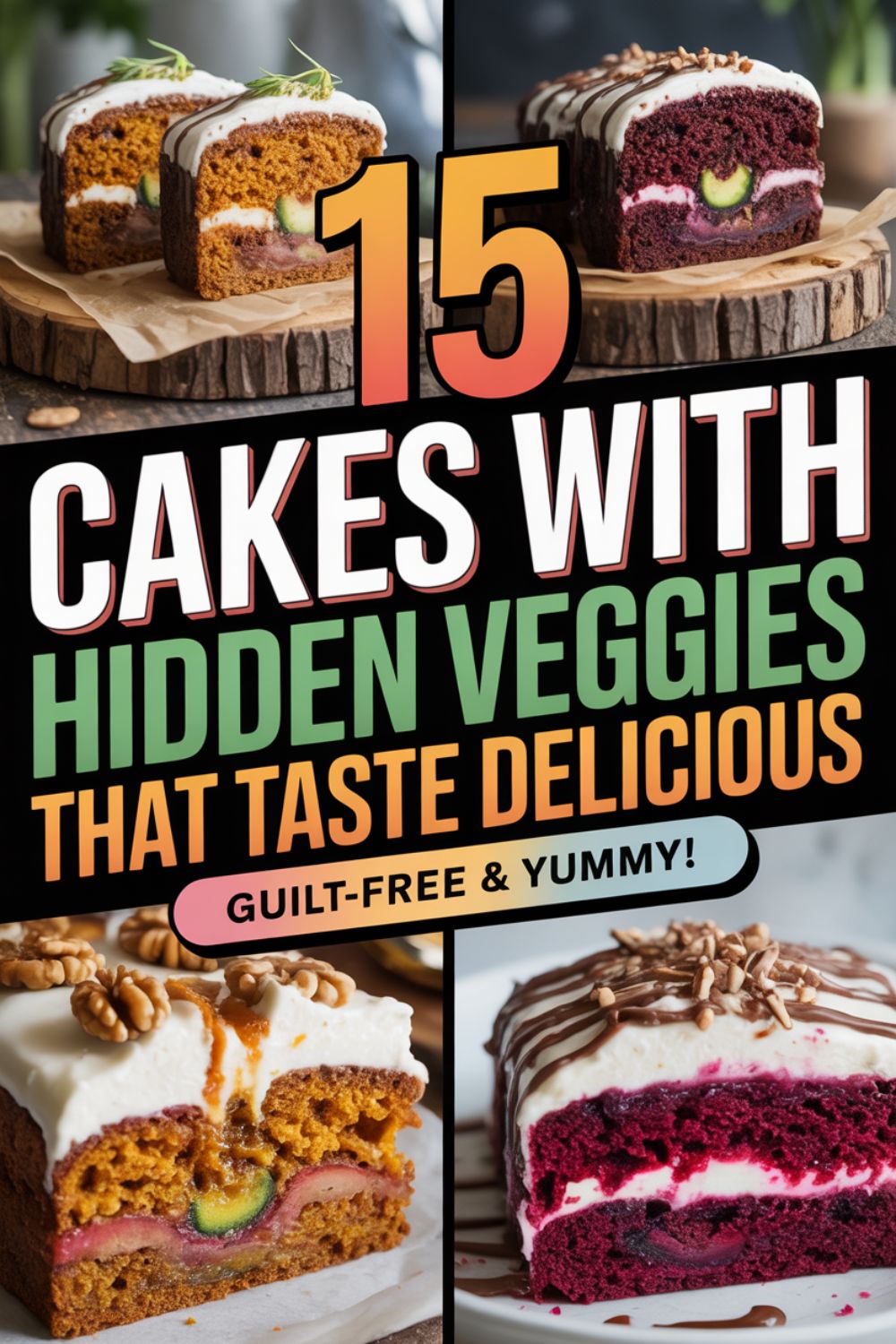
15 Cakes with Hidden Veggies That Taste Delicious
Look, I get it. The words “vegetables” and “cake” together sound like someone’s pulling a prank. But hear me out—I’ve been sneaking veggies into desserts for years, and nobody’s caught on yet. Not my picky-eating nephew, not my skeptical father-in-law, not even that friend who claims she can “taste healthy from a mile away.”
The truth is, vegetables in cakes aren’t just some Pinterest trend that sounds better than it tastes. They actually make your bakes moister, richer, and honestly? More delicious. Plus, you get to feel slightly less guilty about that second slice. Win-win.
I’m not talking about those sad, cardboard-tasting “health cakes” that make you wish you’d just eaten the carrot raw. These are legit desserts that happen to pack some nutritional punch. Your kids won’t know, your guests won’t suspect a thing, and you’ll have a secret ace up your sleeve for every potluck.
Why Vegetables Actually Belong in Your Cakes
Before you roll your eyes, let me explain the science—or at least the kitchen logic. Vegetables contain tons of water and natural sugars. When you grate or puree them into cake batter, they add moisture without making things heavy or oily. Research shows that cooking vegetables can actually increase the availability of certain nutrients like beta-carotene and lycopene by breaking down cell walls.
Plus, many vegetables pair beautifully with cake flavors. Beets have this earthy sweetness that plays incredibly well with chocolate. Carrots bring natural sugars and keep things tender. Zucchini basically disappears into the texture while keeping everything ridiculously moist.
And here’s the kicker—most vegetables are low-calorie, high-fiber additions that let you bulk up your cake without loading it with extra butter or oil. You’re essentially replacing some of the fat with produce. Not bad for something that still tastes like dessert.
1. Classic Carrot Cake with Cream Cheese Frosting
Let’s start with the OG veggie cake. Carrot cake has been fooling people for decades, and for good reason—it’s genuinely fantastic. The grated carrots keep this cake so moist it almost feels wrong calling it “healthy,” but compared to most desserts, it’s practically virtuous.
I add a hefty dose of cinnamon, a bit of nutmeg, and sometimes crushed pineapple for extra moisture. The cream cheese frosting is non-negotiable, obviously. You can convince me to eat kale, but you cannot convince me to skip cream cheese frosting on carrot cake.
The beauty of carrot cake is that it’s socially acceptable everywhere. Birthday party? Check. Easter brunch? Perfect. Random Tuesday? Absolutely. Get Full Recipe
2. Chocolate Beetroot Cake That’ll Blow Your Mind
This is my secret weapon cake. Nobody—and I mean nobody—guesses there are beets in this thing. The beetroot adds this incredible depth of flavor and turns the cake an almost burgundy-brown that looks insanely rich. Beets are loaded with antioxidants and anti-inflammatory compounds, which makes this cake feel at least 10% less indulgent.
I usually roast the beets first, then blend them smooth. Some people use canned, which is totally fine if you’re short on time. The chocolate completely masks any “earthy” flavor, leaving you with pure fudgy goodness. Top it with dark chocolate ganache and watch people lose their minds.
Honestly, this cake is so moist it borders on brownie territory. That’s the beets working their magic—they’re basically 88% water, so they keep everything soft for days. Get Full Recipe
Looking for more creative ways to use chocolate in your baking? These classic chocolate chip cookie recipes might give you some inspiration for your next dessert project.
3. Zucchini Chocolate Chip Cake
Summer squash in cake sounds weird until you try it. Zucchini has such a mild flavor that it basically vanishes, leaving behind only moisture and tenderness. I grate it fine and squeeze out some of the excess water—not all of it, just enough so the batter isn’t swimming.
The chocolate chips are key here. They distract from any hint of vegetable and make the whole thing feel indulgent. I like using mini chips because they distribute more evenly. Sometimes I toast some chopped walnuts and fold those in too for extra texture.
This cake is perfect for using up that inevitable zucchini overload from your garden. You know the one—where you can’t give zucchini away fast enough. Turn it into cake, and suddenly everyone wants some. Get Full Recipe
4. Sweet Potato Spice Cake
Sweet potatoes are basically nature’s way of saying “yes, you can have dessert.” They’re naturally sweet, loaded with fiber, and create the most incredible texture in cakes. I usually roast them whole, then mash them up while they’re still warm.
This cake works beautifully with fall spices—cinnamon, ginger, a touch of cardamom. Sometimes I’ll add a maple cream cheese frosting, but honestly, it’s delicious even plain. The sweet potato keeps it moist enough that frosting feels optional, not mandatory.
Plus, sweet potatoes are packed with beta-carotene, which your body converts to vitamin A. So you’re basically doing your eyesight a favor while eating cake. That’s my story and I’m sticking to it. Get Full Recipe
5. Pumpkin Chocolate Swirl Cake
Pumpkin puree is the MVP of hidden veggie baking. It’s cheap, it’s available year-round, and it makes everything ridiculously moist. I keep canned pumpkin in my pantry specifically for moments when I want cake but don’t want to feel completely reckless about it.
This swirl cake is part pumpkin spice, part chocolate—because why choose? The pumpkin batter gets cinnamon and nutmeg, the chocolate batter gets cocoa and a bit of espresso powder to deepen the flavor. Swirl them together in the pan, and you get this gorgeous marbled effect.
I use a simple offset spatula to create the swirl pattern. Nothing fancy, just a few figure-eights through the batter before it goes in the oven. Get Full Recipe
If you’re into simple, unfussy desserts, check out these drop cookie recipes perfect for beginners—same easy-going philosophy, different format.
Baking Essentials That Make Veggie Cakes Easier
- Box Grater with Multiple Sizes – Perfect for carrots, zucchini, and anything else you need to shred. The coarse side is your best friend for veggie cakes.
- Food Processor – Makes quick work of pureeing beets or sweet potatoes. Worth every penny if you bake regularly.
- Silicone Baking Mats – I use these on everything. Zero sticking, zero scrubbing, and your cakes slide right out.
- Digital Recipe Collection: Hidden Veggie Desserts eBook – 50+ tested recipes for sneaking vegetables into every dessert imaginable.
- Video Course: Mastering Moisture in Baking – Learn the science behind perfectly moist cakes every single time.
- Meal Prep Guide: Batch Prepping Baking Ingredients – Time-saving strategies for getting your veggie prep done in advance.
6. Butternut Squash Bundt Cake
Butternut squash has this natural sweetness and creamy texture that makes it perfect for cakes. I usually roast it until it’s super soft, then puree it smooth. The result is a cake that’s tender, not too sweet, and has this beautiful golden color.
I like making this as a bundt cake because it looks impressive with minimal effort. A dusting of powdered sugar, maybe a simple glaze—that’s all you need. The squash does the heavy lifting flavor-wise.
This cake actually tastes better the second day. Something about letting the flavors meld overnight makes it even more delicious. Store it covered at room temperature and watch it disappear slice by slice. Get Full Recipe
7. Parsnip Cake with Brown Butter Frosting
Parsnips are like carrots’ slightly sweeter, nuttier cousin. They work brilliantly in cake for the exact same reasons—moisture, sweetness, and a texture that disappears into the crumb. Plus, they have this subtle complexity that makes people go “what IS that flavor?” in the best possible way.
I pair parsnip cake with brown butter frosting because the nutty, caramelized notes complement each other perfectly. It’s not overly sweet, which I appreciate. You get this sophisticated flavor profile that feels more grown-up than your average sheet cake.
Grate the parsnips fine—really fine. You don’t want chunks. You want them to melt into the batter and create pockets of moisture throughout. Get Full Recipe
8. Red Velvet Beet Cake (The Natural Version)
Traditional red velvet gets its color from food coloring. This version uses beets for that gorgeous burgundy hue. It’s not quite as vibrant as the artificial stuff, but it’s a beautiful deep red-brown that looks elegant and tastes incredible.
I add cocoa powder, buttermilk, and a touch of vinegar for that classic red velvet tang. The beets contribute moisture and a subtle earthiness that rounds out the chocolate flavor. Top it with traditional cream cheese frosting—this is not the time to get creative.
People always ask how I get such a rich color naturally. I just smile and say “trade secret.” Let them wonder. Get Full Recipe
9. Spinach Lemon Cake (Yes, Really)
I know, I know. Spinach in cake sounds absolutely bonkers. But blend fresh spinach into the batter, and all you get is a subtle green tint and extra moisture. The lemon completely dominates the flavor profile, leaving zero trace of vegetable taste.
This cake is bright, fresh, and perfect for spring. I usually make it with a lemon glaze and sometimes add poppy seeds for texture. The spinach keeps it incredibly moist without adding any weird flavor. It’s like sneaking vitamins into dessert without anyone being the wiser.
Use baby spinach if you can—it’s more tender and blends smoother. And yes, you need a decent blender for this. No chunks allowed. Get Full Recipe
For more vegetable-forward baking ideas, these vegan cookies that actually taste like dessert prove that plant-based treats can be absolutely delicious.
10. Cauliflower Almond Cake (Gluten-Free Magic)
Cauliflower is the chameleon of vegetables. Steam it, rice it, blend it into your cake batter—it basically disappears while adding structure and moisture. This cake uses almond flour as the base, making it naturally gluten-free and surprisingly rich.
The cauliflower replaces some of the almond flour, which keeps the cake from being too dense or heavy. You get this light, tender crumb that’s hard to achieve in gluten-free baking. I usually flavor this with vanilla and almond extract, maybe some lemon zest.
Top it with whipped cream or a simple glaze. Nothing too heavy—this cake is delicate and deserves delicate treatment. Get Full Recipe
11. Black Bean Chocolate Cake (Trust Me On This)
Okay, beans aren’t technically vegetables, but they’re close enough and this cake is too good to leave out. Pureed black beans create the fudgiest, most decadent chocolate cake you’ve ever tasted. No flour, no weird texture, just pure chocolate heaven.
I use a high-powered blender to get the beans completely smooth—lumpy bean cake is nobody’s friend. Add cocoa powder, eggs, a bit of oil, and vanilla. The result is so rich and chocolatey that people genuinely cannot believe there are beans in it.
This cake is also naturally gluten-free, which makes it perfect for guests with dietary restrictions. Nobody feels left out, and everyone gets an amazing dessert. Get Full Recipe
12. Tomato Soup Spice Cake (Old-School Goodness)
This vintage recipe has been around forever, and it’s having a moment again. Condensed tomato soup adds moisture and a subtle tang that plays beautifully with warm spices like cinnamon, cloves, and nutmeg. You absolutely cannot taste the tomato—it just makes everything tender and delicious.
I like making this as a sheet cake with cream cheese frosting. It’s the kind of cake you bring to potlucks and leave with an empty pan and seventeen requests for the recipe. Super nostalgic, super easy, super moist.
Use the classic red can of tomato soup. This is not the time for organic, no-salt-added varieties. The original works best. Get Full Recipe
Tools & Resources That Make These Cakes Foolproof
- Kitchen Scale for Precise Measuring – Baking is science. Weighing your ingredients ensures consistent results every time.
- Set of Quality Mixing Bowls – You need more than you think. Nested sets save space and sanity.
- Parchment Paper Sheets – Pre-cut sheets make lining pans a breeze. No more wrestling with rolls.
- Master Class: Baking Without Gluten – Techniques for creating amazing texture in gluten-free baked goods.
- Printable Conversion Charts – Never wonder about cup-to-gram conversions again.
- Join Our Baking Community – Connect with other home bakers, share tips, troubleshoot problems, and get exclusive recipes.
13. Avocado Chocolate Cake
Avocado in cake sounds like a millennial fever dream, but it actually works incredibly well. The fat content in avocados replaces butter or oil, making this cake rich and fudgy while keeping it dairy-free. The flavor is pure chocolate—no avocado taste at all.
Make sure your avocados are really ripe and blend them until completely smooth. Lumps of avocado in cake are not pleasant. I use a hand blender to get everything perfectly smooth before adding it to the dry ingredients.
This cake stays moist for days thanks to the avocado. It’s also a great way to use up avocados that are on the edge of being too ripe to eat plain. Get Full Recipe
14. Kale Chip Funfetti Cake (Hear Me Out)
This one requires a bit of prep, but it’s worth it. You make kale chips (crispy, seasoned kale leaves), then crush them into a fine powder. This powder gets mixed into vanilla cake batter along with sprinkles for a funfetti effect. The kale adds a barely-there vegetal note and a gorgeous flecked appearance.
The key is getting the kale REALLY crispy before crushing it. Any moisture left, and you’ll get soggy green bits instead of a fine powder. I use a low oven temperature and lots of patience.
Is this extra? Absolutely. Is it also kind of genius for sneaking greens into kids’ birthday cakes? Also absolutely. Get Full Recipe
If you love the idea of playful, fun baking projects, these 5-ingredient cookies you need to try now embrace the same spirit of simple creativity.
15. Apple Carrot Walnut Cake
This is my go-to autumn cake. It combines grated apples and carrots with toasted walnuts for a cake that’s fruity, spiced, and unbelievably moist. The apples and carrots together create so much natural moisture that you barely need any oil.
I toast the walnuts first in a small toaster oven—less babysitting than a pan on the stove, no risk of burning. The toasted nuts add a depth of flavor that raw walnuts just can’t match.
Top this with a simple cinnamon cream cheese frosting or just a dusting of powdered sugar. Either way, it’s fall in cake form and absolutely worth making. Get Full Recipe
Tips for Sneaking Veggies Into Any Cake Recipe
Want to experiment with your own veggie cake creations? Here’s what I’ve learned through years of trial and error:
Moisture is everything. Vegetables add water content, so you’ll usually need to reduce other liquids slightly. Start by cutting liquid by about 1/4 cup and adjust from there. Your batter should be thick but pourable.
Grate or puree thoroughly. Nobody wants to bite into a chunk of zucchini in their chocolate cake. Take the time to grate finely or blend until completely smooth. Your food processor or high-speed blender is your best friend here.
Don’t go overboard. Start by replacing about 1/3 of the fat in your recipe with vegetable puree. You can gradually increase the ratio as you get comfortable with how different vegetables behave in baking. Vegetables offer tremendous nutritional benefits, but too much can make your cake gummy or dense.
Match flavors wisely. Earthy vegetables like beets and sweet potatoes pair well with chocolate and warm spices. Mild vegetables like zucchini and cauliflower work with almost anything. Bright vegetables like carrots and tomatoes love spices.
Adjust baking time. Vegetable-heavy cakes often take slightly longer to bake because of the extra moisture. Use the toothpick test and be patient. It’s done when a toothpick comes out with just a few moist crumbs, not wet batter.
Speaking of easy baking, if you’re looking for low-maintenance sweet treats, check out these no-bake cookie recipes for busy days—because sometimes you want dessert without turning on the oven.
The Secret to Making Veggie Cakes Irresistible
Here’s what I’ve figured out after baking dozens of vegetable cakes: the secret isn’t hiding the vegetables. It’s making the cake so damn delicious that nobody cares about the vegetables.
Don’t think of vegetables as something to disguise or apologize for. Think of them as ingredients that happen to make your cake moister, more tender, and more interesting. When you frame it that way, suddenly adding beets to chocolate cake doesn’t seem weird—it seems smart.
The best compliment I ever got on my chocolate beetroot cake? “This is the moistest cake I’ve ever had. What’s your secret?” I just smiled and said good ingredients. Which is technically true.
Also, presentation matters. A beautifully frosted cake gets eaten without questions. Nobody’s analyzing the crumb structure when they’re staring at gorgeous cream cheese frosting or chocolate ganache. Use that to your advantage.
And honestly? Sometimes I tell people there are vegetables in the cake. After they’ve already told me how amazing it is. The look on their faces is priceless, and suddenly they’re asking for the recipe instead of making skeptical comments.
For more ways to make traditionally indulgent treats a bit healthier, these low-sugar cookies for guilt-free snacking prove you can cut back on sweetness without sacrificing flavor.
Frequently Asked Questions About Veggie Cakes
Can you really taste the vegetables in these cakes?
Nope, not if you do it right. When you grate or puree vegetables and combine them with stronger flavors like chocolate, spices, or citrus, they essentially disappear into the background. What you DO taste is an incredibly moist, flavorful cake. The vegetables contribute moisture and subtle sweetness, but they don’t taste “vegetal” at all.
Do veggie cakes actually make dessert healthier?
Let’s be real—cake is still cake. But yes, adding vegetables does boost the nutritional profile without sacrificing taste. You’re adding fiber, vitamins, and antioxidants while often reducing the amount of butter or oil needed. So while I wouldn’t call it health food, it’s definitely a step up from traditional cake. Think of it as dessert with benefits.
What’s the best vegetable for beginners to start with?
Start with carrots or zucchini—they’re the gateway veggies of cake baking. Both are super forgiving, easy to find, and work in tons of different flavor profiles. Zucchini disappears completely into chocolate cakes, and carrots are already an accepted cake ingredient, so nobody will bat an eye. Once you nail those, move on to more adventurous options like beets or sweet potato.
How long do veggie cakes stay fresh?
Actually longer than regular cakes, thanks to all that extra moisture from the vegetables. Most veggie cakes stay moist at room temperature for 3-4 days when properly covered. In the fridge, you can push it to 5-7 days. The moisture content is a real advantage—these cakes don’t dry out the way butter-heavy cakes do.
Can I freeze cakes with vegetables in them?
Absolutely. Veggie cakes freeze beautifully for up to three months. I usually slice them first, wrap individual slices in plastic wrap, then store them in freezer bags. That way you can thaw just what you need. The texture holds up perfectly, and you’ll have homemade cake ready whenever a craving hits.
Final Thoughts on Veggie Cakes
Look, I’m not trying to convince you that cake is a vegetable just because it has carrots in it. That would be ridiculous. But I am saying that vegetables have earned their place in the dessert world, and these 15 cakes prove it.
The next time someone wrinkles their nose at the idea of beets in chocolate cake or zucchini in their dessert, just bake them one of these recipes. Watch them take that first skeptical bite, then go back for seconds without a word. That’s the moment you know you’ve converted another person to the church of veggie cakes.
These cakes aren’t about tricking people or being sneaky—okay, maybe a little sneaky. But mostly, they’re about making genuinely delicious desserts that happen to be a bit more nutritious than their traditional counterparts. And in a world where we’re all trying to balance enjoyment with health, that feels like a pretty solid win.
So grab your grater, fire up the oven, and start experimenting. Your taste buds will thank you. Your body might thank you too, though let’s not get carried away—it’s still cake. Delicious, moist, secretly vegetable-laden cake.