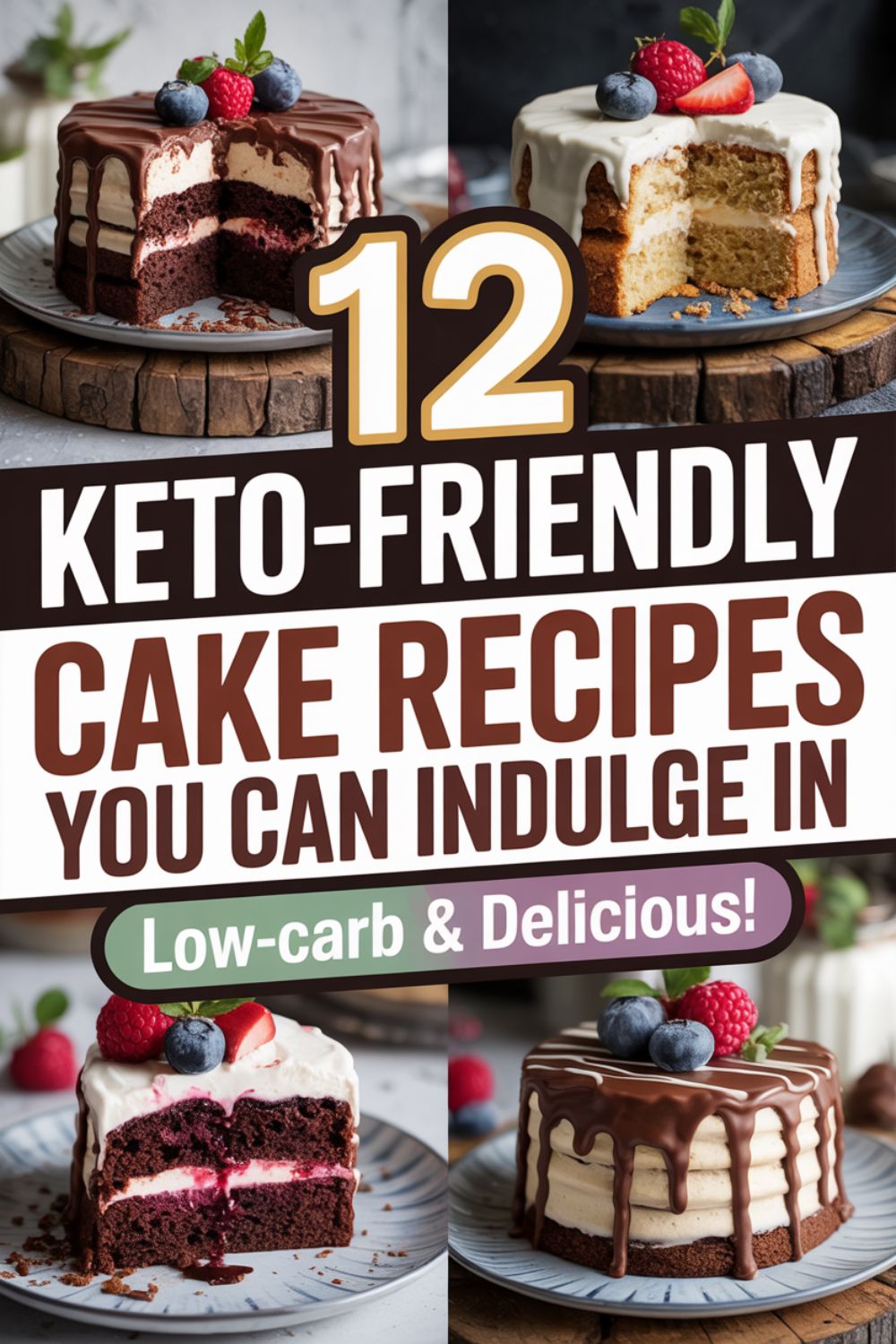
12 Keto-Friendly Cake Recipes You Can Indulge In
Look, I’m not going to sugarcoat it—giving up traditional cakes when you go keto feels like a breakup with your best friend. But here’s the thing: you don’t actually have to give them up. You just need to get a little creative with what goes into them.
I’ve spent the better part of two years perfecting keto cake recipes that don’t taste like cardboard dipped in sadness. These aren’t “pretty good for keto” cakes—they’re legitimately delicious desserts that happen to be low-carb. Whether you’re celebrating a birthday, craving something sweet after dinner, or just need proof that life without sugar isn’t a punishment, these twelve recipes have you covered.
The best part? Most of these use ingredients you probably already have in your pantry. No hunting down weird flour substitutes that cost more than your monthly Netflix subscription. Just straightforward, foolproof recipes that deliver real cake satisfaction without kicking you out of ketosis.
Why Keto Cakes Actually Work
Before we jump into the recipes, let’s talk science for a second. Traditional cakes rely on sugar and wheat flour for structure, sweetness, and texture. When you remove those, you’re not just swapping ingredients—you’re fundamentally changing how the cake behaves.
Almond flour and coconut flour become your new best friends. They’re naturally low in carbs, high in healthy fats, and provide the structure you need. The trick is understanding that they don’t behave exactly like wheat flour. Almond flour makes cakes denser and moister, while coconut flour is super absorbent and requires more liquid.
For sweetness, we’re turning to erythritol, stevia, or monk fruit sweeteners. These don’t spike your blood sugar, and honestly, once you get used to them, regular sugar starts tasting weirdly aggressive. I personally prefer erythritol because it measures cup-for-cup like sugar and doesn’t leave that weird cooling aftertaste some sweeteners have.
1. Classic Keto Chocolate Cake
This is the cake that converted my skeptical mother-in-law. Rich, moist, and intensely chocolatey, it tastes exactly like the chocolate cake you remember from childhood birthday parties. The secret is using both cocoa powder and sugar-free chocolate chips for depth of flavor.
The texture comes out perfectly tender thanks to a combination of almond flour and a touch of coconut flour. I use Greek yogurt in the batter to add moisture without making it heavy. Top it with a cream cheese frosting sweetened with erythritol, and honestly, nobody will believe it’s keto. Get Full Recipe
One thing I’ve learned: don’t overbake this one. Pull it out when a toothpick comes out with just a few moist crumbs. It’ll continue cooking as it cools, and you want that fudgy center.
2. Lemon Pound Cake
Summer afternoons were made for lemon pound cake. This version captures that bright, tangy flavor without any of the carbs. Fresh lemon zest is non-negotiable here—the bottled stuff just doesn’t cut it.
I bake this in a standard loaf pan that makes slicing super easy. The cake itself is buttery and dense in the best possible way, with a subtle sweetness that lets the lemon really shine through. When it’s still warm, I brush it with a lemon glaze made from powdered erythritol and more fresh lemon juice.
The biggest mistake people make with pound cakes is overmixing. Once your wet and dry ingredients come together, stop. You want tender crumbs, not tough rubber.
3. Red Velvet Cake with Cream Cheese Frosting
Red velvet is one of those cakes that people assume is impossible to make keto. Wrong. The distinctive color comes from natural food coloring, and the subtle chocolate flavor works beautifully with almond flour.
I add a tablespoon of white vinegar to the batter—sounds weird, but it reacts with the baking soda to give you that signature tender crumb. The cream cheese frosting is where this cake really shines. Full-fat cream cheese, butter, vanilla, and powdered erythritol whipped until it’s cloud-like.
According to research on almond flour nutrition, using almond flour instead of traditional wheat flour significantly reduces the glycemic impact while adding beneficial vitamin E and healthy fats.
Speaking of celebration cakes, if you’re looking for more crowd-pleasing dessert options, you might want to check out some easy cookie recipes that pair perfectly with cake at parties, or try these cookie bars for a simpler dessert spread.
4. Vanilla Bean Cheesecake
Okay, technically cheesecake might be stretching the definition of “cake,” but I’m including it anyway because it’s too good to leave out. The crust is made from crushed almonds and butter—way better than graham crackers ever were, IMO.
Real vanilla bean paste makes a massive difference here. You can use vanilla extract in a pinch, but that speckled look from the vanilla seeds is worth the extra few bucks. The filling is just cream cheese, eggs, sour cream, and sweetener. Simple ingredients, spectacular results.
Bake it in a water bath to prevent cracks. I use a 9-inch springform pan wrapped in foil, and it comes out smooth every single time. Let it cool gradually in the oven with the door cracked—sudden temperature changes are the enemy of perfect cheesecake.
5. Coconut Flour Vanilla Cake
For those of you with nut allergies, coconut flour is your hero. This vanilla cake is light, fluffy, and completely almond-free. The trick with coconut flour is using way more eggs than you think you need—like, six eggs for one cake kind of more.
Don’t panic when you see the egg count. Coconut flour is incredibly absorbent, and those eggs provide structure and moisture. The result is a cake that’s tender without being crumbly. I usually frost this with a simple buttercream made from butter, cream, and powdered sweetener.
One reader from our community, Lisa, tried this recipe for her daughter’s dairy-free keto birthday and said it was the first time in months her kid actually enjoyed cake. That’s the kind of win that makes recipe testing worth it.
6. Chocolate Peanut Butter Swirl Cake
Ever wondered why chocolate and peanut butter work so perfectly together? Me neither, because I’m too busy eating them to care about the science. This cake combines a chocolate base with swirls of sugar-free peanut butter throughout.
The technique is simple: make your chocolate batter, pour half into the pan, dollop spoonfuls of natural peanut butter on top, add the rest of the batter, then swirl everything with a knife. You want those gorgeous marble patterns, not a homogeneous mess.
I use a ceramic mixing bowl set for all my baking prep—makes swirling and combining batters so much easier. The contrast between the rich chocolate and salty peanut butter is addictive. Fair warning: you will eat more than one slice. Get Full Recipe
7. Strawberry Shortcake
Summer strawberries deserve a proper showcase, and this keto shortcake delivers. The cake itself is more biscuit-like than traditional sponge—think tender, buttery rounds that soak up all those gorgeous strawberry juices.
Fresh strawberries macerated with a touch of erythritol release their natural juices and create a light syrup. Pile them on split shortcakes with fresh whipped cream (just heavy cream and vanilla, nothing else needed). It’s the kind of dessert that makes you forget you’re eating low-carb.
For sweetening your strawberries, monk fruit sweetener works beautifully without that cooling effect some people dislike in erythritol. According to studies on alternative sweeteners, monk fruit extract provides sweetness without affecting blood glucose levels.
If you love fruit-based desserts but want something you can grab and go, these no-bake cookie recipes might be right up your alley.
8. Cinnamon Coffee Cake
Confession time: I’ve eaten this for breakfast more times than I care to admit. Is it technically breakfast if it has coffee in the name? I’m going with yes.
The cake has a cinnamon-sweetener swirl running through the middle and a crumbly streusel topping. That streusel—made from almond flour, butter, cinnamon, and sweetener—gets all crispy and caramelized in the oven. It’s the best part, hands down.
I bake mine in a square glass baking dish so I can see exactly when the edges are getting golden. Serve it warm with coffee, and try not to eat the entire pan in one sitting. I’ve failed at that goal repeatedly, FYI.
9. Chocolate Mug Cake
For those nights when you need cake RIGHT NOW, this single-serving mug cake is a lifesaver. Mix everything directly in the mug, microwave for ninety seconds, and you’ve got a warm, molten chocolate cake.
The texture is more like a dense brownie than a traditional cake, but when you’re craving something sweet at 9 PM, you’re not going to complain. I top mine with a dollop of whipped cream or a few sugar-free chocolate chips that melt into the warm cake.
Use a large mug—this thing rises quite a bit in the microwave. Nothing kills the vibe faster than cleaning chocolate batter off the inside of your microwave. Trust me, I know.
10. Almond Butter Cake
This cake has a secret: there’s no added flour at all. The almond butter provides structure, fat, and flavor all in one ingredient. It’s naturally gluten-free, grain-free, and tastes like a fancy French dessert.
You’ll need a high-speed blender or food processor to really emulsify everything smoothly. The batter comes together in about five minutes, and the result is this incredibly moist, almost fudgy cake with a delicate almond flavor.
I dust mine with powdered erythritol and serve it with fresh berries. Simple, elegant, and the kind of thing you can serve to non-keto friends without them ever suspecting it’s low-carb.
11. Pumpkin Spice Cake
Fall isn’t complete without pumpkin spice something, and this cake brings all those cozy autumn vibes without the sugar crash. Real pumpkin puree (not pumpkin pie filling—that stuff is loaded with sugar) adds moisture and a subtle sweetness.
The spice blend is crucial: cinnamon, nutmeg, ginger, and just a pinch of cloves. I make my own spice mix and store it in a small glass jar so it’s ready whenever the pumpkin craving hits.
Cream cheese frosting is basically mandatory on pumpkin cake. Some things in life are non-negotiable, and this is one of them. The tangy frosting cuts through the warmth of the spices perfectly. Get Full Recipe
For more seasonal baking inspiration, you’ll love these soft and chewy cookies that work year-round.
12. Tiramisu Layer Cake
This is the showstopper. Layers of espresso-soaked almond flour cake with mascarpone filling and a dusting of cocoa powder on top. It’s fancy enough for special occasions but surprisingly straightforward to make.
The key is getting good espresso or very strong coffee. Weak coffee makes weak tiramisu, and nobody has time for disappointing dessert. I brush each layer generously with the coffee mixture—you want them moist but not soggy.
The mascarpone filling is just mascarpone cheese, heavy cream, vanilla, and sweetener whipped together until it’s thick enough to spread. Layer everything in a trifle dish for a dramatic presentation, or go classic with a round cake pan.
This cake actually improves after sitting in the fridge overnight. The flavors meld together, and the texture becomes even more luscious. Make it a day ahead if you can resist not eating it immediately.
Baking Tips That Actually Matter
After making literally hundreds of keto cakes, I’ve learned some things the hard way so you don’t have to. First, invest in a kitchen scale. Baking keto is more finicky than regular baking, and measuring by weight instead of volume makes a huge difference.
Second, don’t substitute ingredients willy-nilly. Almond flour and coconut flour are not interchangeable. If a recipe calls for one, use that one. Coconut flour absorbs way more liquid, so swapping them will give you either soup or concrete.
Third, check your oven temperature with an oven thermometer. Most ovens run hot or cold, and keto cakes are less forgiving than regular ones. An oven that’s off by twenty-five degrees can mean the difference between perfect and dry.
On the topic of precision baking, having the right tools makes everything easier. If you’re serious about keto baking, check out these helpful resources.
Kitchen Essentials That Make Keto Baking Easier
Having baked my way through countless keto experiments, here’s what actually earns its space in my kitchen:
- Digital kitchen scale – Absolutely essential for accurate almond flour measurements
- Silicone baking mats – Nothing sticks, ever, and cleanup is a breeze
- Springform pans in multiple sizes – For cheesecakes and layered cakes that need easy removal
- Simple 5-ingredient dessert ideas – For when you want something sweet but don’t feel like a major baking project
- Classic cookie recipes – Because sometimes you want cookies instead of cake
- Gluten-free baking guides – Many techniques overlap with keto baking
Common Keto Baking Mistakes (And How to Avoid Them)
Let’s talk about what goes wrong, because it definitely will at some point. The most common issue? Dense, heavy cakes that sink in the middle. This usually happens when you use too much almond flour or not enough leavening.
Another problem is dryness. Almond flour cakes can go from perfectly moist to sawdust if you overbake them even slightly. Set a timer for five minutes before the recipe says they should be done, and start checking with a toothpick. You want a few moist crumbs, not a clean toothpick.
Grainy texture is usually from not mixing your batter thoroughly enough or using old sweetener that’s crystallized. Make sure your sweetener is fresh and properly dissolved into your wet ingredients before adding the dry.
Storing Your Keto Cakes
Most keto cakes keep beautifully in the fridge for up to a week. The high fat content from almond flour and butter actually helps them stay moist longer than traditional cakes.
I store mine in airtight containers or wrapped tightly in plastic wrap. Unfrosted cakes can go directly in the container. If you’ve already frosted them, stick them in the fridge uncovered for thirty minutes to let the frosting firm up, then cover them.
Freezing works great too. Wrap individual slices in plastic wrap, then put them all in a freezer bag. You can pull out one piece at a time for those emergency cake situations. They’ll keep frozen for up to three months, though mine never last that long.
Making Keto Cakes Work for Special Occasions
Birthday parties, holidays, celebrations—they all revolve around cake. Being keto doesn’t mean you have to sit there sadly eating a cheese stick while everyone else enjoys dessert.
I’ve made keto birthday cakes for kids’ parties where the non-keto kids actually preferred them to the regular cake. Nobody feels deprived when the dessert is genuinely delicious. The tiramisu layer cake or the red velvet are particularly impressive for special occasions.
For weddings or formal events, the vanilla bean cheesecake looks and tastes like something from a high-end bakery. Top it with fresh berries, and people will be asking for your caterer’s number.
If you’re planning a dessert table for a party, mixing cakes with other treats creates variety. These vegan cookie options work well alongside keto cakes for guests with different dietary needs, and these low-sugar cookies keep the whole spread relatively healthy.
The Truth About Sugar-Free Sweeteners
Let’s address the elephant in the room: sweeteners can be controversial. Some people swear by stevia, others hate it. Monk fruit works great for some folks, gives others headaches. Erythritol is my personal favorite, but it can cause digestive issues if you eat too much.
The key is finding what works for your body and your taste preferences. Start with small amounts and see how you react. Most recipes can handle substituting one sweetener for another, though you might need to adjust quantities since they have different sweetness levels.
One thing I’ve noticed: the cooling effect of erythritol is way less noticeable in baked goods than in cold applications. If you hate it in your iced coffee, you might still love it in cakes.
Why Texture Matters More Than You Think
Traditional cakes get their texture from gluten development in wheat flour. Since we’re not using wheat, we have to build texture differently. This is why most keto cake recipes rely heavily on eggs—they provide structure.
The ratio of almond flour to eggs to fat is crucial. Too much almond flour and you get a dense, heavy cake. Not enough, and it falls apart. The recipes I’ve shared here have been tested and retested to get that ratio right.
Some keto cakes will never have that exact same crumb as a traditional cake, and that’s okay. They have their own texture that’s just as good—sometimes better. The chocolate peanut butter swirl cake, for example, is denser than a regular chocolate cake but in a fudgy, brownie-like way that’s absolutely perfect.
Frequently Asked Questions
Can I substitute coconut flour for almond flour in these recipes?
Not in a 1:1 ratio, unfortunately. Coconut flour absorbs about three times more liquid than almond flour, so you’d need to completely reformulate the recipe. If you have nut allergies, look for recipes specifically designed for coconut flour like the vanilla cake I mentioned earlier. Trying to wing it with substitutions usually ends in disaster—I’ve learned this the expensive way.
How do I know when my keto cake is actually done?
The toothpick test still works, but you’re looking for moist crumbs, not a completely clean toothpick. Keto cakes continue cooking as they cool due to their high fat content, so pulling them out when they seem slightly underdone is actually perfect. The edges should pull away from the pan slightly, and the top should spring back when you gently press it.
Why did my keto cake turn out dense and heavy?
This usually happens from overmixing the batter or using too much almond flour. Keto cakes don’t need the same kind of mixing that develops gluten in traditional cakes—you just want everything incorporated. Also, make sure you’re measuring your almond flour by weight, not volume, because it can pack down significantly and throw off your ratios.
Can I make these cakes ahead of time for a party?
Absolutely, and they’re actually better made ahead. Most keto cakes taste best after sitting overnight because the flavors develop and the texture settles. Make them a day or two before your event, store them properly in the fridge, and frost them the day of. Some, like the tiramisu cake, actually require advance preparation to reach their full potential.
What’s the best sweetener to use for keto baking?
Erythritol is my go-to because it measures like sugar and bakes well without weird aftertastes. Monk fruit sweetener is great if you want to avoid any cooling effect. Avoid maltitol—it has a higher glycemic impact and can cause serious digestive distress. Whatever you choose, make sure it’s a granulated sweetener designed for baking, not liquid stevia or similar products that don’t provide bulk.
Final Thoughts on Keto Cake Adventures
Here’s what I want you to know: keto doesn’t mean giving up the things that make life sweet. These twelve cake recipes prove that you can have your cake and stay in ketosis too—no cheesy pun intended, but also not sorry.
The learning curve with keto baking is real. Your first attempt might not be Instagram-worthy, and that’s completely fine. My first keto cake was so dense it could’ve doubled as a doorstop. But I kept at it, figured out what works, and now these cakes are just part of my regular rotation.
Start with the chocolate cake or the lemon pound cake—they’re the most forgiving and have the highest success rate for beginners. Once you get comfortable with how almond flour behaves, branch out to the more complex recipes like the tiramisu or red velvet.
Remember that keto baking is more precise than regular baking, but it’s not harder. It’s just different. Follow the recipes, use good ingredients, and don’t try to freestyle until you really understand how these alternative flours work. Your taste buds—and your waistline—will thank you.
Now stop reading and go bake something. Your kitchen is calling, and it’s telling you to make that chocolate peanut butter swirl cake. You’re welcome.