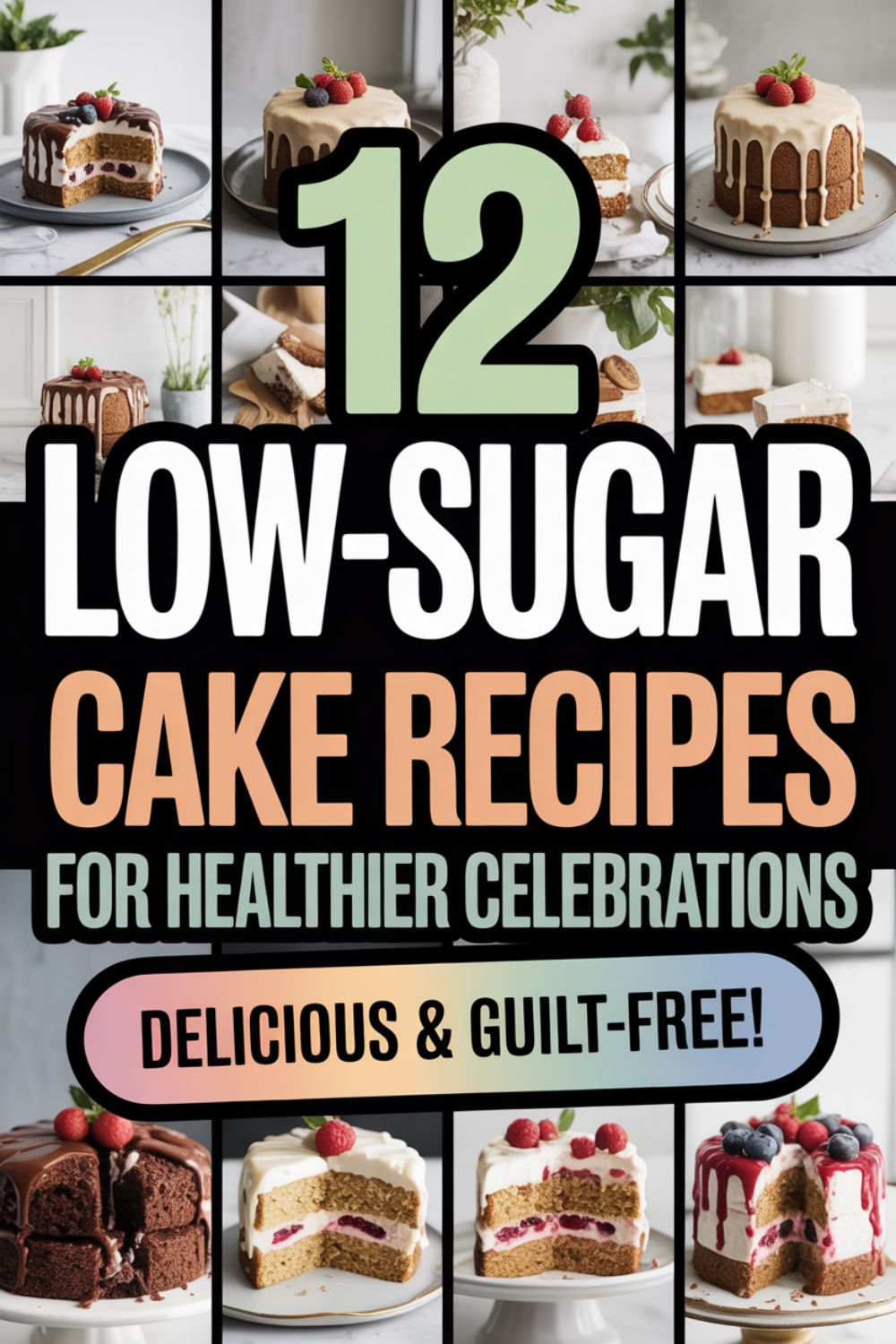
12 Low-Sugar Cake Recipes for Healthier Celebrations
Look, I’m not going to pretend that cutting sugar from cakes is some revolutionary act of culinary wizardry. But here’s the thing—celebrations shouldn’t come with a side of sugar crash and regret. I’ve been down the rabbit hole of low-sugar baking for a while now, and honestly? Some of these cakes taste better than their sugar-bomb counterparts.
The truth is, most traditional cake recipes use way more sugar than they actually need. Research shows that reducing sugar in baked goods isn’t just about cutting calories—it can actually improve texture and reduce health risks associated with excessive sugar consumption. We’re talking about smart substitutions that keep your cake moist, flavorful, and celebration-worthy.
What really sold me on low-sugar baking was realizing that sugar doesn’t equal flavor. It equals sweetness, sure, but flavor? That comes from vanilla, spices, fruit, and technique. Once I figured that out, the whole game changed.
Why Low-Sugar Cakes Actually Work
Before we jump into recipes, let’s talk science for a second. Sugar does more than sweeten—it keeps cakes moist, helps with browning, and affects texture. So when you reduce it, you can’t just subtract and hope for the best.
The secret? Replacement strategies. Natural sweeteners like monk fruit, stevia, and fruit purees can fill those functional gaps. Applesauce adds moisture. Mashed bananas bring natural sweetness and binding power. Date paste gives you that caramel-like depth without the glycemic spike.
I learned this the hard way after baking what can only be described as a hockey puck masquerading as a birthday cake. The problem? I removed sugar without adding anything to compensate for moisture loss. Never again.
The Best Sugar Substitutes for Cake Baking
Not all sugar substitutes are created equal, and some work better in cakes than others. Here’s what I’ve found actually delivers results without that weird chemical aftertaste.
Monk Fruit Sweetener
This stuff is magic. It’s derived from a small green melon, has zero calories, and doesn’t spike blood sugar. I use this monk fruit sweetener in most of my cake recipes now because it measures cup-for-cup like sugar and doesn’t leave that bitter stevia taste.
The only downside? It can be pricey. But honestly, a little goes a long way, and you’re saving money on dental bills down the road, so there’s that.
Coconut Sugar
If you want something that behaves exactly like regular sugar but with a lower glycemic index and trace minerals, coconut sugar is your friend. It has this subtle caramel flavor that actually makes chocolate cakes taste richer. I keep a big bag of coconut sugar in my pantry at all times.
Date Paste
Want to know the easiest way to add natural sweetness and moisture? Blend dates with water until smooth. Boom—date paste. It works beautifully in soft and chewy recipes and adds fiber to boot.
I make mine in this mini food processor because it’s just the right size and cleanup is stupidly easy. Blend, scrape, done.
Applesauce and Banana
These are the workhorses of low-sugar baking. Unsweetened applesauce can replace up to half the sugar in most recipes while adding moisture. Mashed banana does the same, plus it brings potassium and vitamin B6 to the party.
Just be aware that banana will add its own flavor, which is great in spice cakes and not so great in delicate vanilla cakes. Use your judgment.
12 Low-Sugar Cake Recipes You Need to Try
Alright, enough theory. Let’s get to the good stuff—actual cakes you can bake tonight that won’t send your blood sugar into orbit.
1. Almond Flour Lemon Cake
This cake is ridiculously moist thanks to almond flour and Greek yogurt. I sweeten it with monk fruit and add lemon zest for brightness. The result is a cake that tastes indulgent but has about a third of the sugar of traditional lemon cake.
The texture is tender and slightly dense in the best way possible. I bake mine in these 6-inch cake pans because they’re perfect for smaller celebrations and portion control. Get Full Recipe
2. Chocolate Avocado Cake
Yeah, I said avocado. Before you run away screaming, hear me out. Avocado adds incredible moisture and healthy fats without any avocado flavor. Combined with cocoa powder and coconut sugar, this cake is fudgy, rich, and shockingly good.
I use this Dutch-process cocoa powder because it gives you that deep, dark chocolate color without bitterness. Get Full Recipe
3. Carrot Cake with Cream Cheese Frosting
Carrot cake is already naturally sweet from the carrots and typically includes pineapple. This version uses half the sugar and relies on the natural sweetness of shredded carrots, crushed pineapple, and a touch of maple syrup.
For the cream cheese frosting, I cut the powdered sugar in half and add vanilla extract to boost flavor. Trust me, you won’t miss the extra sweetness. Get Full Recipe
Speaking of naturally sweet ingredients, you might also love these gluten-free cookies that use similar techniques.
4. Banana Walnut Cake
Overripe bananas are basically nature’s sugar substitute. This cake uses three very ripe bananas, a small amount of coconut sugar, and chopped walnuts for crunch. It’s moist, flavorful, and perfect for breakfast (yes, I said breakfast).
I toast the walnuts first in this countertop toaster oven to bring out their natural oils and deepen the flavor. Game changer. Get Full Recipe
5. Coconut Flour Vanilla Cake
Coconut flour is absorbent as hell, which means you need way more eggs and liquid than regular flour. But the payoff is a naturally sweet, tender cake that’s also gluten-free and grain-free.
This recipe uses stevia and a bit of honey for sweetness, keeping the total sugar content low while maintaining that classic vanilla cake flavor. Get Full Recipe
6. Pumpkin Spice Cake
Pumpkin puree brings moisture, fiber, and natural sweetness. Combined with cinnamon, nutmeg, and ginger, you get a warmly spiced cake that needs minimal added sugar.
I sweeten this with a combination of coconut sugar and a touch of molasses for depth. The molasses gives you that rich, almost caramelized flavor without loading up on sugar. Get Full Recipe
7. Berry Yogurt Cake
Greek yogurt makes this cake incredibly moist while adding protein. Fresh or frozen berries provide natural sweetness and antioxidants, so you can cut the sugar way down.
I use monk fruit sweetener and fold in a mix of blueberries and raspberries. The berries burst during baking, creating pockets of jammy sweetness throughout the cake. Get Full Recipe
For more berry-based treats, check out these no-bake cookie recipes that also highlight fresh fruit.
8. Apple Cinnamon Cake
Apples are naturally sweet and add moisture, making them perfect for low-sugar baking. This cake layers diced apples with cinnamon and uses applesauce as both a sugar substitute and moisture source.
The best part? It smells absolutely incredible while baking. I use this apple corer and slicer to prep the apples quickly—no more fighting with a paring knife. Get Full Recipe
9. Chocolate Zucchini Cake
Zucchini is the ultimate stealth ingredient. It adds moisture and bulk without any vegetable flavor, especially when paired with chocolate. This cake uses coconut sugar and relies heavily on cocoa powder for that rich chocolate taste.
Nobody will know there’s zucchini in this unless you tell them. And even then, they might not believe you. Get Full Recipe
10. Orange Almond Cake
This Mediterranean-inspired cake is naturally gluten-free and uses almond meal as the base. Fresh orange juice and zest provide sweetness and bright citrus flavor, reducing the need for added sugar.
I sweeten it lightly with honey and top it with a simple orange glaze made from fresh juice and a touch of powdered monk fruit sweetener. It’s elegant, sophisticated, and feels very grown-up. Get Full Recipe
11. Spiced Chai Cake
Chai spices—cardamom, cinnamon, ginger, cloves—are so flavorful that you don’t need as much sugar to make this cake interesting. I brew strong chai tea and use it in both the cake and the frosting for maximum flavor impact.
Sweetened with a combination of coconut sugar and date paste, this cake has complex flavor that doesn’t rely on sweetness alone. Get Full Recipe
If you love spiced desserts, these low-sugar cookies use similar warming spices.
12. Coffee Walnut Cake
Coffee intensifies chocolate flavor, but it also stands beautifully on its own in cake. This recipe uses brewed espresso, chopped walnuts, and just enough coconut sugar to balance the coffee’s natural bitterness.
The result is a sophisticated cake that’s perfect for afternoon coffee breaks. I frost it with a coffee-infused cream cheese frosting that uses monk fruit instead of powdered sugar. Get Full Recipe
Essential Tools for Low-Sugar Baking
Having the right equipment makes low-sugar baking so much easier. Here’s what I actually use and recommend:
- Silicone baking mats — These prevent sticking without extra butter or oil, which is crucial when you’re reducing sugar (less sugar = less natural non-stick properties)
- Digital kitchen scale — Precision matters in low-sugar baking. Measuring by weight gives you consistent results every time
- Quality vanilla extract — When you’re cutting sugar, flavor becomes even more important. Don’t cheap out on vanilla
Resources That Make Everything Easier
Beyond physical tools, these digital resources have genuinely helped me improve my low-sugar baking:
- Sugar Substitution Chart (Digital Download) — A printable guide showing exact conversion ratios for different sweeteners
- Low-Sugar Baking eBook — Collection of 50+ tested recipes with troubleshooting tips
- Healthy Baking Community — WhatsApp group where we share successes, failures, and recipe tweaks in real-time
Common Mistakes to Avoid
I’ve made every low-sugar baking mistake in the book. Here’s what to watch out for:
Over-Reducing Sugar Without Compensation
You can’t just remove sugar and expect the same results. Sugar plays multiple functional roles in baking, including moisture retention and texture. When you reduce it, you need to compensate with other ingredients like fruit puree, yogurt, or extra eggs.
Using the Wrong Substitute for the Recipe
Liquid sweeteners like honey and maple syrup add moisture. Granulated sweeteners like monk fruit and coconut sugar don’t. If you swap one for the other without adjusting liquid ratios, you’ll end up with soup or sawdust.
Expecting Identical Results
Low-sugar cakes will taste different. They should taste good—often better, in my opinion—but they won’t taste exactly like conventional cakes. The texture might be slightly denser. The sweetness will be more subtle. And that’s okay. Actually, it’s better than okay.
Tips for Perfect Low-Sugar Cakes Every Time
After baking literally hundreds of low-sugar cakes, here’s what I’ve learned:
Don’t Overbake
Low-sugar cakes dry out faster than regular cakes. Check for doneness 5 minutes earlier than the recipe suggests. A toothpick should come out with a few moist crumbs, not completely clean.
Boost Flavor with Extracts and Spices
When you reduce sugar, you need to amp up other flavors. Add an extra teaspoon of vanilla extract. Use freshly grated nutmeg instead of pre-ground. Toast your spices in a dry pan before adding them to the batter. These small steps make a huge difference.
For more ideas on flavor-forward baking, these drop cookie recipes use similar techniques.
Let Cakes Cool Completely Before Frosting
This applies to all cakes, but especially low-sugar ones. They’re more delicate and need time to set. Rush it, and you’ll end up with a crumbly mess.
How to Store Low-Sugar Cakes
Because these cakes have less sugar, they don’t last quite as long as traditional cakes. Sugar acts as a preservative, so with less of it, you need to be smarter about storage.
Store unfrosted cakes wrapped tightly in plastic wrap at room temperature for up to 3 days. Frosted cakes should go in the fridge and will last 4-5 days. For longer storage, wrap individual slices in plastic wrap, then aluminum foil, and freeze for up to 3 months.
I use these cake storage containers because they stack neatly in the fridge and keep cakes fresh without crushing them. Worth every penny.
The Health Benefits Beyond Sugar Reduction
Cutting sugar is great, but low-sugar baking often comes with bonus health benefits you might not expect.
More Nutrients Per Slice
When you replace sugar with fruit purees, you’re adding vitamins, minerals, and fiber. Almond flour adds protein and healthy fats. Greek yogurt brings calcium and probiotics. Suddenly, your cake isn’t just dessert—it’s also delivering actual nutrition.
Better Blood Sugar Control
Low-sugar cakes won’t spike your blood sugar the way conventional cakes do. This means no sugar crash an hour later, no brain fog, and no desperate hunt for more sugar to balance out the drop. You can enjoy a slice and move on with your day like a functional human.
Reduced Inflammation
Excessive sugar consumption is linked to chronic inflammation, which underlies a whole host of health problems. By reducing sugar intake—even just in your baked goods—you’re doing your body a favor.
For more anti-inflammatory baking ideas, check out these vegan cookies that also focus on whole-food ingredients.
Frequently Asked Questions
Can I use regular sugar substitutes like Splenda in cake recipes?
You can, but I don’t recommend it. Artificial sweeteners like Splenda don’t provide the bulk and moisture that sugar does, which can result in dry, flat cakes. They also have a distinct aftertaste that many people find unpleasant. Natural alternatives like monk fruit, coconut sugar, or fruit purees work better and taste more like actual cake.
How much sugar can I safely reduce from a traditional cake recipe?
Most cake recipes can handle a 25-50% reduction in sugar without major adjustments. Beyond that, you’ll need to add moisture-rich ingredients like applesauce, mashed banana, or Greek yogurt to compensate. Start conservative—reduce by a third first, see how it turns out, then adjust from there.
Will low-sugar cakes work for celebrations and special occasions?
Absolutely. I’ve made low-sugar cakes for birthdays, weddings, and holidays, and nobody complained. In fact, people often prefer them because they’re not overwhelmingly sweet. The key is making sure the cake still looks beautiful and tastes delicious—which these recipes do.
Do I need special ingredients to make low-sugar cakes?
Not necessarily. Many low-sugar cakes use everyday ingredients like bananas, applesauce, and yogurt. If you want to use alternative sweeteners like monk fruit or coconut sugar, you might need to order them online or visit a health food store, but they’re becoming more common in regular supermarkets too.
Are low-sugar cakes suitable for diabetics?
Low-sugar cakes are generally better for blood sugar management than traditional cakes, but individual needs vary. If you’re diabetic, consult with your healthcare provider about appropriate sweetener choices and portion sizes. Monk fruit and stevia are popular choices because they don’t affect blood glucose levels.
Final Thoughts on Low-Sugar Baking
Here’s the reality: you don’t have to choose between enjoying cake and maintaining your health. Low-sugar baking isn’t about deprivation—it’s about being smarter with ingredients and techniques.
The cakes I’ve shared here aren’t health food masquerading as dessert. They’re actual, delicious cakes that happen to have less sugar. They’re moist, flavorful, and worthy of celebrations. They won’t leave you in a sugar coma or filled with regret.
Start with one or two recipes that sound appealing. Don’t try to overhaul your entire baking repertoire overnight. Give yourself permission to experiment, make mistakes, and adjust recipes to your taste. Low-sugar baking is a skill, and like any skill, it gets better with practice.
And here’s something nobody tells you: once you get used to less-sweet cakes, traditional cakes start tasting sickeningly sweet. Your palate adapts. You’ll find yourself preferring the subtle sweetness that lets other flavors shine through. It’s weirdly liberating.
So grab your mixing bowls, preheat that oven, and bake something that makes you feel good—both while eating it and after. Your body will thank you, your taste buds will adjust, and you might just discover that less really can be more.