25 Layer Cakes That Are Easier Than They Look
Look, I get it. Layer cakes have this intimidating reputation that makes most home bakers scroll right past them on Pinterest. But here’s the truth nobody tells you: most of these towering beauties are just basic cake recipes stacked with confidence and a decent spatula. I’ve spent years making layer cakes that looked way more impressive than the effort I actually put in, and honestly? That’s the sweet spot.
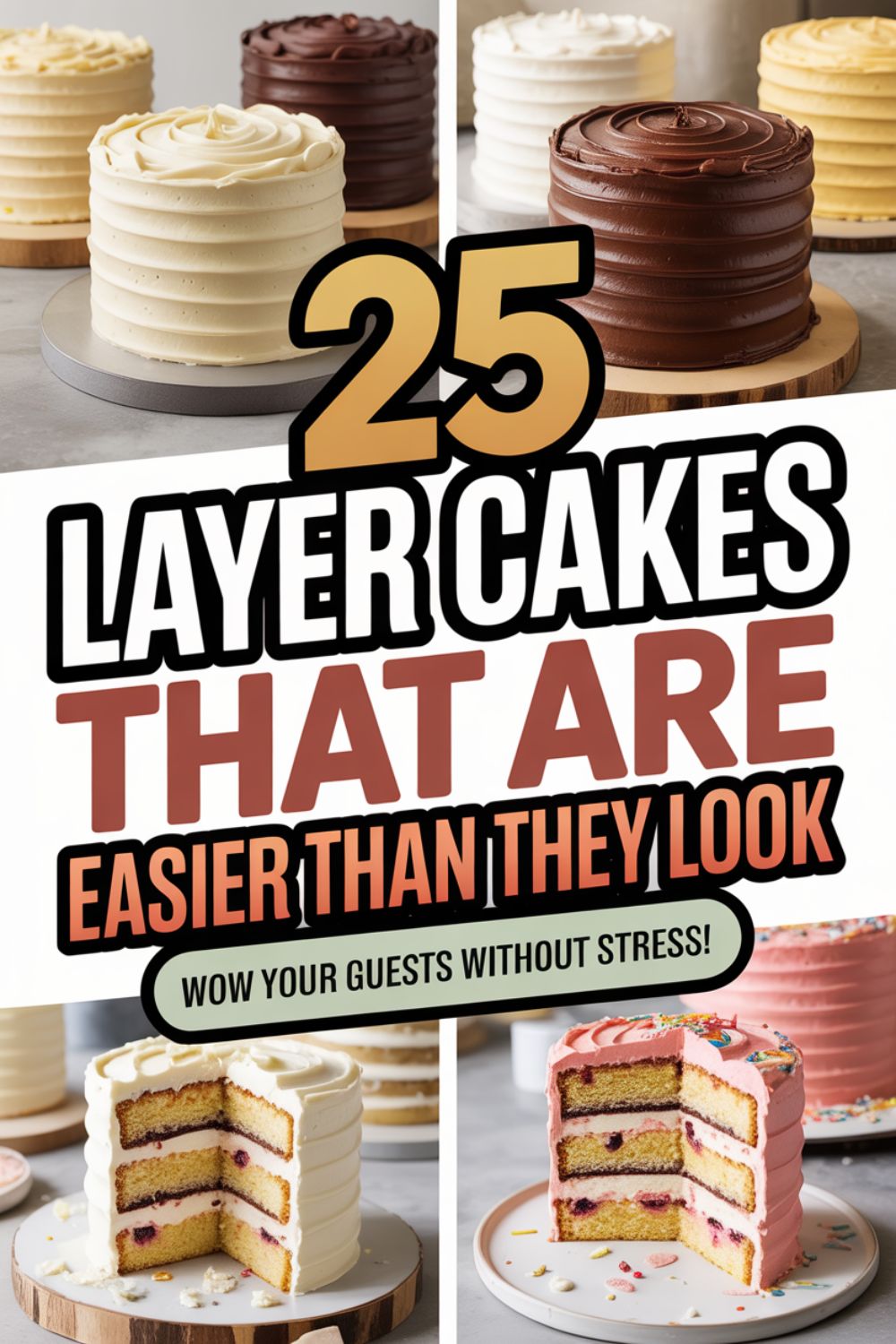
The secret to pulling off a jaw-dropping layer cake isn’t some culinary degree or fancy equipment. It’s knowing which shortcuts actually work and which techniques matter. After ruining more cakes than I care to admit, I figured out the formula. Some layer cakes are genuinely easier to execute than a batch of finicky macarons, yet they’ll earn you ten times the compliments.
I’m talking about cakes that use box mix as a base but nobody would ever guess. Cakes that forgive your wobbly hands with forgiving frostings. Cakes that look like you spent hours when you really just stacked three layers and called it a day. This isn’t about cutting corners for the sake of it—it’s about working smarter so you can actually enjoy the baking process instead of spiraling into perfectionist panic at 11 PM.
Why Layer Cakes Intimidate Everyone (And Why They Shouldn’t)
Layer cakes carry this mystique that’s completely overblown. People see a tall cake and assume hours of labor, professional training, and some kind of engineering degree to keep it from toppling over. But the reality? Most layer cakes follow the same basic principles whether you’re making two layers or six.
The main hurdle is psychological. We’ve been conditioned to think baking is either simple cookies or impossibly complex pastry with no middle ground. Layer cakes actually sit right in that middle zone—more involved than drop cookies, sure, but way more forgiving than people assume. You can mess up the leveling, smudge the frosting, or end up with a slight lean, and guess what? It’ll still taste incredible and look homemade in the best way possible.
What actually makes a layer cake easier than its reputation suggests is repetition. You’re not learning 25 different techniques. You’re learning maybe five techniques and repeating them per layer. Once you nail how to spread frosting between layers without tearing the cake, you’ve basically mastered the whole operation. The rest is just doing it again.
The Crumb Coat: Your Secret Weapon
If there’s one technique that separates amateur layer cakes from professional-looking ones, it’s the crumb coat. This thin layer of frosting acts like primer for your cake, trapping all those annoying crumbs and creating a smooth base for your final frosting layer. I skipped this step for years thinking it was unnecessary fuss, and wow, was I wrong.
The crumb coat doesn’t need to be perfect or even pretty. You’re literally just slapping a thin layer of frosting all over the cake to seal it. Think of it like spackle on a wall before you paint. Nobody sees it, but it makes everything else easier. I use this offset spatula for applying the crumb coat because the angled blade makes it stupid simple to get into all the nooks without manhandling the cake.
After you apply the crumb coat, stick the whole cake in the fridge for at least 15 minutes. This firms everything up so your final layer of frosting glides on like butter. Literally. The difference between a crumb-coated cake and one without is the difference between looking like you know what you’re doing and looking like you fought the cake and lost.
Here’s something nobody mentions: you can use a different frosting for your crumb coat than your final layer. Got some leftover buttercream from another project? Perfect crumb coat material. The crumb coat is your chance to use up odds and ends while still ending up with a cake that looks cohesive and polished.
For more creative cake ideas, you might love these 25 drop cookie recipes perfect for beginners when you want something simpler alongside your cake adventures.
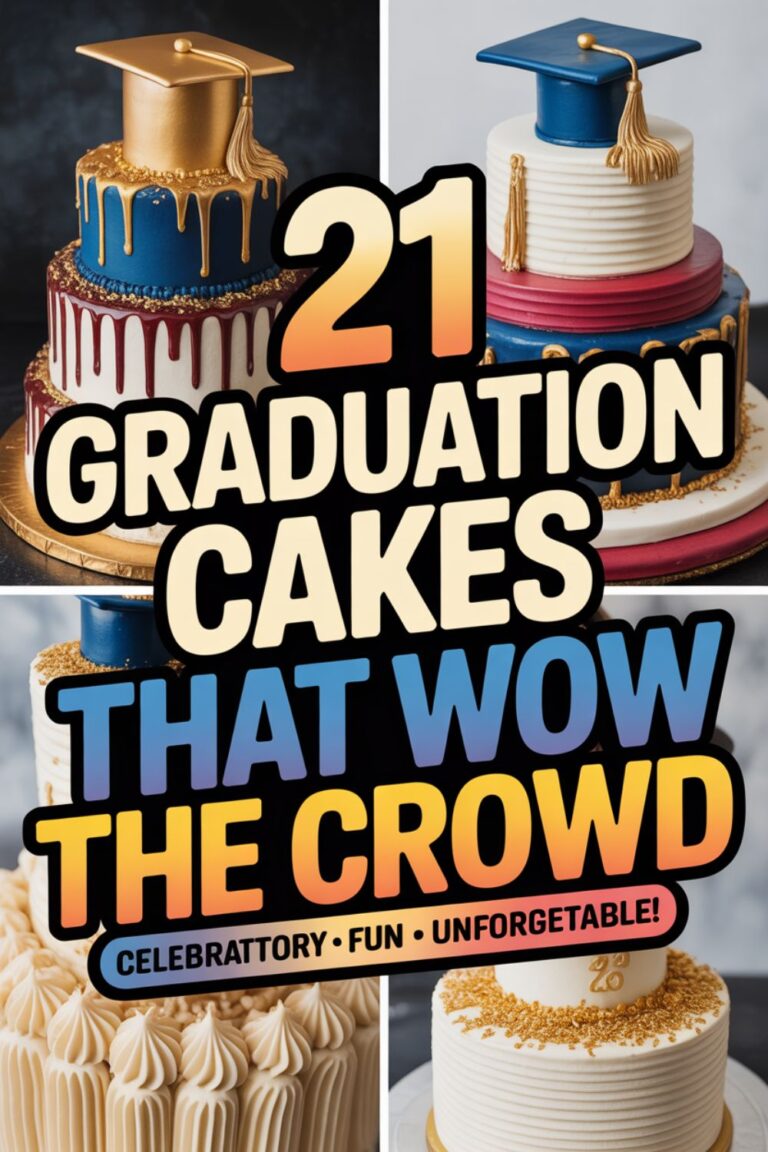
Simple Vanilla Layer Cake with Buttercream
Let’s start with the absolute classic—a three-layer vanilla cake with vanilla buttercream. This is the cake that everyone thinks they can’t make, but it’s genuinely one of the most forgiving recipes out there. The vanilla flavor is so straightforward that minor variations in technique barely show up in the final product.
The key here is using cake flour instead of all-purpose. Cake flour has less protein, which means a more tender crumb that’s way easier to work with when you’re stacking layers. You don’t need any fancy equipment—just three 8-inch round pans and the patience to let the cakes cool completely before you start frosting. And I mean completely. Warm cakes plus buttercream equals a melty disaster.
I make my buttercream in this stand mixer because it whips up lighter and fluffier than anything I could achieve by hand. The texture matters more than you’d think—fluffy buttercream spreads easier and looks more professional with less effort.
Get Full Recipe for a classic vanilla layer cake that’ll become your go-to base for dozens of variations.
Why Vanilla Works
Vanilla gets dismissed as boring, but that’s exactly why it’s perfect for beginners. There’s nothing competing with the technique. You’re not worried about chocolate seizing or fruit fillings getting runny. It’s just cake, frosting, and your ability to stack things. Plus, vanilla pairs with literally everything, so you can dress it up with whatever garnishes you want.
Chocolate Layer Cake with Ganache
Chocolate layer cakes have an unfair advantage: they’re darker, so imperfections basically disappear. Got a slightly lopsided layer? The chocolate hides it. Crumbs in your frosting? Can’t see them against the dark background. It’s like baking on easy mode.
Ganache is even more forgiving than buttercream. It’s literally just chocolate and cream, heated until smooth. You pour it over the cake, let gravity do most of the work, and suddenly you look like you attended pastry school. The glossy finish makes everything look expensive and professional, even if you barely know what you’re doing.
I use this kitchen scale to measure my ganache ingredients because precision actually matters here. Too much cream and it won’t set properly. Too little and it’s too thick to pour. But get the ratio right, and you’ve got the easiest frosting in your arsenal.
The trick with chocolate cakes is not overbaking them. They continue cooking as they cool, so pull them when a toothpick comes out with a few moist crumbs. Overbaked chocolate cake is dry and crumbly and makes layering way harder than it needs to be.
Speaking of chocolate treats, check out these classic chocolate chip cookie recipes for when you want chocolate flavor without the commitment of a full layer cake.
Strawberry Shortcake Layer Cake
Here’s where people get nervous—adding fresh fruit to layer cakes. But strawberry shortcake works because you’re not trying to hide the rustic, homemade vibe. In fact, that’s the whole point. Slightly lopsided whipped cream? Totally on brand. Juice from the strawberries bleeding into the cake? That’s authenticity, not a mistake.
The base cake is usually a simple white or vanilla cake, nothing fancy. The magic comes from macerating the strawberries with sugar, which draws out their juice and creates this incredible syrup that soaks into the cake layers. It’s impossible to mess up because wet, fruity cake is literally the goal.
I slice my strawberries using this egg slicer because it creates perfectly uniform slices in like three seconds. Uniform slices mean even distribution of fruit, which means no weird lumpy sections in your finished cake.
Whipped cream frosting is ridiculously easy compared to buttercream. Heavy cream, powdered sugar, vanilla extract. Whip until stiff peaks form. Done. It’s lighter, less sweet, and more stable than people think, especially if you stabilize it with a bit of cream cheese or gelatin. Though honestly, for a casual backyard dessert, regular whipped cream is perfectly fine.
Get Full Recipe for a strawberry shortcake layer cake that tastes like summer even in December.
Red Velvet Layer Cake
Red velvet has this reputation for being complicated, but it’s basically chocolate cake’s slightly tangy cousin with red food coloring. That’s it. The “velvet” texture comes from the chemical reaction between buttermilk and cocoa powder, which also happens to make the cake incredibly moist and forgiving.
The traditional pairing is cream cheese frosting, which is objectively easier to make than buttercream. Cream cheese, butter, powdered sugar, vanilla. Beat until fluffy. You can barely screw this up because cream cheese frosting is naturally thick and spreadable. It holds up well at room temperature and doesn’t require perfect piping skills to look good.
The red color does all the visual heavy lifting. Stack three red layers with white frosting between them, and people automatically assume you’re some kind of baking genius. The contrast is so striking that minor imperfections literally don’t register. It’s all about that dramatic reveal when you slice into it.
One tip: use gel food coloring, not liquid. Gel gives you that deep red color without adding extra liquid to your batter, which can throw off the texture. I keep this gel food coloring set stocked because it lasts forever and a little goes a long way.
The Cream Cheese Frosting Advantage
Cream cheese frosting is harder to mess up than people realize. It’s thick enough to hold layers in place but soft enough to spread easily. Plus, the tangy flavor cuts through the sweetness of the cake, making the whole thing less cloying. If you overbake your cake layers slightly, the moisture in cream cheese frosting actually helps compensate.
Lemon Layer Cake with Lemon Curd
Lemon cakes are underrated in the “impressive but easy” category. The bright flavor makes people think you used some complicated technique, but really you just added lemon zest and juice to a basic cake recipe. Lemon zest is your secret weapon—it adds intense flavor without extra moisture that could mess with your cake’s structure.
Lemon curd between the layers takes this from good to unforgettable. And here’s the thing about lemon curd: you can buy it. Seriously. High-quality store-bought lemon curd is excellent, and nobody will know you didn’t make it from scratch unless you tell them. I won’t tell if you don’t.
If you do want to make your own curd, this double boiler makes it basically foolproof. No scorching, no curdling, just smooth tangy curd that sets up perfectly. But again, zero shame in the store-bought game for this one.
The frosting can be simple buttercream flavored with lemon zest, or you can go full lemon overload with lemon cream cheese frosting. Either way, the brightness of lemon makes the cake taste lighter and more refreshing than your standard vanilla or chocolate, which somehow makes people think it’s fancier.
For more citrus-inspired treats, try these 20 soft and chewy cookies when you want something quick but still impressive.
Funfetti Layer Cake
Funfetti is the ultimate party cake, and it’s so easy it almost feels like cheating. Rainbow sprinkles mixed into vanilla cake batter. That’s the entire concept. But the visual impact is ridiculous—slice into it and you get this explosion of color that makes everyone smile.
The trick is using the right sprinkles. Jimmies (the rod-shaped ones) hold their color best during baking. Round nonpareils tend to bleed, which can turn your batter a weird grayish color. Not cute. Stick with quality jimmies and you’ll get that perfect confetti effect every time.
I buy this bulk sprinkles set because it’s way cheaper than those tiny grocery store bottles, and you’ll want a generous amount mixed into your batter. Skimping on sprinkles in a funfetti cake is like skimping on chocolate chips in cookies—technically you can, but why would you?
The frosting is usually vanilla buttercream, sometimes tinted pastel colors, sometimes left white to make the sprinkles pop. You can go wild with more sprinkles on top, or keep it simple. Either way, this cake screams celebration without requiring any actual decorating skills.
Get Full Recipe for a funfetti layer cake that’ll transport you straight back to childhood birthday parties.
Carrot Cake with Cream Cheese Frosting
Carrot cake is secretly one of the most forgiving cakes you can make. The shredded carrots add so much moisture that it’s nearly impossible to overbake it into dryness. Plus, the texture is supposed to be dense and moist, not light and fluffy, which means your margin for error is huge.
The cream cheese frosting pairs perfectly with the warm spices in the cake, and the traditional walnut or pecan topping hides any frosting imperfections. Honestly, you could have a totally wonky frosting job, sprinkle some chopped nuts over the top, and nobody would notice.
I use this box grater for shredding carrots because the fine shred distributes evenly throughout the batter. Big chunks of carrot can create air pockets that mess with your cake structure, but finely shredded carrots basically disappear into the batter while adding moisture.
Here’s a controversial opinion: raisins don’t belong in carrot cake. There, I said it. The texture clash is weird and unnecessary. Stick with nuts if you want something for texture contrast, or go completely smooth. Your cake, your rules, but just know that raisins are optional and many people prefer without.
Coconut Layer Cake
Coconut cake looks fancy but it’s literally just vanilla cake with coconut extract and shredded coconut mixed in. The exterior is typically covered in more shredded coconut, which serves the dual purpose of looking impressive and hiding any frosting mistakes you made underneath.
The covering-the-cake-in-coconut part is actually therapeutic. You make your frosting (usually vanilla buttercream or cream cheese), frost the cake, then press handfuls of shredded coconut all over the outside. The coconut sticks to the frosting, and suddenly your cake looks like something from a fancy bakery.
I buy this sweetened shredded coconut in bulk because you need a lot for both the batter and the coating. Don’t skimp here—a fully coconut-covered cake is the whole point. Sparse coconut coverage looks unfinished and sad.
If you want to get extra, you can toast some of the coconut before pressing it onto the cake. Toasted coconut adds a deeper, nuttier flavor and a gorgeous golden color. Just watch it like a hawk because coconut goes from perfectly toasted to burnt in about fifteen seconds.
Speaking of coconut treats, check out these vegan cookies that actually taste like dessert for more coconut-based inspiration.
Coffee Layer Cake with Mocha Frosting
Coffee cake isn’t what you think—I’m talking about a cake flavored with actual coffee, not that cinnamon streusel situation that’s also called coffee cake for some reason. This is chocolate cake’s sophisticated older sibling, perfect for people who find regular chocolate cake too sweet.
Adding coffee to chocolate cake intensifies the chocolate flavor without making it taste like coffee. Weird but true. You can use espresso powder, brewed coffee, or even cold brew concentrate. The coffee flavor is subtle in the finished cake but makes the chocolate taste richer and more complex.
The mocha frosting is just chocolate buttercream with espresso powder added. It’s smooth, spreadable, and tastes like an iced mocha from your favorite coffee shop. I keep this instant espresso powder in my pantry specifically for baking because it dissolves easily and has a concentrated flavor.
This cake is perfect for adult gatherings where people claim they don’t like overly sweet desserts. The coffee cuts the sweetness just enough to feel refined without being bitter. Plus, caffeine in dessert form? That’s just smart planning.
The Coffee Advantage
Coffee acts as a flavor enhancer in baking, similar to how salt brings out other flavors. Professional bakers often add a touch of coffee to chocolate recipes to deepen the flavor profile. You’re not making it taste like coffee—you’re making it taste more like itself.
Cookies and Cream Layer Cake
This is the cake for people who thought they didn’t like baking because it’s basically an assembly project disguised as a cake. Vanilla cake, vanilla buttercream, crushed Oreos. Stack, frost, repeat. The crushed cookies do all the decorating work for you.
You can mix crushed Oreos into the batter, into the frosting, or both. Sprinkle them on top, press them into the sides, use them as a border between layers. There’s no wrong way to incorporate Oreos into a cake, which is exactly why this works so well for beginners.
I use this food processor to crush the Oreos because it creates a mix of fine crumbs and larger chunks, which gives you nice texture variation. You want some pieces big enough to identify as Oreos, not just gray dust.
The best part about this cake is that it appeals to kids and adults equally. Kids see cookies in cake form and lose their minds. Adults appreciate the nostalgia factor. Everyone’s happy, and you barely had to do anything except stack and smash cookies.
Get Full Recipe for a cookies and cream layer cake that’ll disappear faster than you’d think possible.
Peanut Butter Layer Cake
Peanut butter cake is criminally underrated, probably because people don’t realize how well peanut butter works in layer cakes. The peanut butter adds moisture, richness, and a flavor that’s distinct but not overwhelming. It pairs beautifully with chocolate frosting, obviously, but also with vanilla, cream cheese, or even more peanut butter.
The cake itself is similar to vanilla cake but with peanut butter mixed into the batter. Use creamy peanut butter, not natural—the natural stuff has too much oil separation and can make your cake texture weird. Processed peanut butter (Jif, Skippy, whatever) works perfectly here.
For frosting, I usually go with chocolate because peanut butter cups are a thing for a reason. The combo is literally perfect. I make my chocolate frosting in this mixing bowl because it’s deep enough that I don’t spray cocoa powder all over my kitchen when I turn on the mixer.
Top the cake with chopped peanut butter cups, and you’ve basically made a Reese’s in cake form. There’s no universe where that doesn’t get rave reviews. You could probably serve this cake to your worst enemy and they’d have to grudgingly admit it was good.
For a lighter option when you’re craving peanut butter, try these 5-ingredient cookies that still deliver big flavor.
Banana Layer Cake with Cream Cheese Frosting
Banana cake is banana bread’s fancy cousin who went to finishing school. It’s got all the moist, dense texture that makes banana bread beloved, but in layer cake form with frosting. The overripe bananas you’ve been meaning to deal with for a week? This is their destiny.
The riper the bananas, the better. We’re talking brown, spotty, almost embarrassingly overripe. Those bananas have the intense sweetness and moisture that makes this cake nearly impossible to mess up. The natural sugars in overripe bananas also help the cake brown beautifully and develop a richer flavor.
Cream cheese frosting is the traditional pairing, but you could also do brown butter frosting or even chocolate if you’re feeling wild. I mash my bananas with this potato masher because it creates the perfect consistency—mostly smooth with a few small chunks that add texture.
You can dress this up with chopped walnuts, a caramel drizzle, or just leave it simple. The banana flavor is comforting and familiar, which makes this a great cake for people who find traditional layer cakes too fussy or sweet.
Lemon Blueberry Layer Cake
The combination of lemon and blueberry is one of those flavor pairings that just works. The tartness of lemon balances the sweetness of blueberries, and the result is a cake that tastes fresh and spring-like even if you’re making it in January with frozen berries.
Fresh blueberries can sink in cake batter, so the trick is to toss them in a bit of flour before folding them in. The flour coating helps them stay suspended throughout the batter instead of all settling at the bottom. Frozen blueberries actually work better than fresh for this reason—they’re firmer and hold their position.
I use this silicone spatula for folding in blueberries because it’s gentle enough not to smash them but effective enough to distribute them evenly. Smashed blueberries will turn your batter purple, which isn’t necessarily bad, but it’s not the look we’re going for.
The frosting can be lemon buttercream, cream cheese, or even a simple lemon glaze if you want to keep it light. Any of these options work because they let the fruit flavor shine through without competing for attention.
Hummingbird Cake
Hummingbird cake is a Southern classic that combines banana, pineapple, and pecans in a cake that’s somehow greater than the sum of its parts. It’s also ridiculously moist, which means it’s very hard to mess up. The combination of banana and crushed pineapple adds so much moisture that even if you overbake it, it’ll still be perfectly edible.
The traditional frosting is cream cheese, and you’ll want to toast your pecans before adding them to the batter and the frosting. Toasted pecans have way more flavor than raw ones, and it’s a five-minute step that makes a noticeable difference.
I drain my crushed pineapple using this fine mesh strainer because too much liquid can make the cake soggy. You want moist, not waterlogged. Press the pineapple against the strainer to squeeze out excess juice, but you don’t need to get it bone dry.
This cake is perfect for potlucks because it’s unique enough to stand out but familiar enough that people actually eat it. Nobody’s going to turn down a slice once they hear it’s got banana, pineapple, and pecans all working together.
Get Full Recipe for a hummingbird cake that’ll make you understand why Southerners have been obsessed with it for decades.
Spice Cake with Maple Frosting
Spice cake is fall in cake form—cinnamon, nutmeg, ginger, allspice, all the warm spices working together. It’s comforting, nostalgic, and way easier than people think. The spices do all the heavy lifting flavor-wise, so you don’t need to worry about adding other mix-ins or complicated techniques.
Maple frosting is the perfect pairing because it echoes those warm, cozy flavors without being too sweet. You can use real maple syrup or maple extract depending on how intense you want the flavor. Real syrup gives you a more subtle maple taste and a slightly softer frosting, while extract is more concentrated.
This is one of those cakes that actually improves with time. The spices mellow and blend together, making it taste even better on day two or three. I store mine in this cake keeper to keep it fresh while letting the flavors develop.
Top it with chopped pecans or walnuts if you want, or leave it plain. The cake is flavorful enough that it doesn’t need much decoration. Sometimes simple is better, especially when the flavor profile is this strong.
Strawberries and Cream Layer Cake
This is different from strawberry shortcake—think more elegant tea party, less backyard barbecue. The cake is typically a vanilla or white cake, the frosting is stabilized whipped cream, and fresh strawberries are layered between and on top. It’s light, refreshing, and looks incredibly sophisticated for minimal effort.
The key is stabilizing your whipped cream so it doesn’t deflate or weep. You can use gelatin, cream cheese, or even instant pudding mix. All of these methods work; pick whichever sounds least annoying to you. I usually go with cream cheese because it’s already in my fridge and adds a subtle tang.
Slice your strawberries thin and arrange them in a single layer between the cake layers. Too many strawberries and the layers will slide around. Not enough and you won’t taste them. It’s a Goldilocks situation, but once you get it right, this cake is stunning.
I use this serrated knife for slicing strawberries and leveling cake layers. The serrated edge cuts through soft fruit and cake without squishing or tearing. It’s the one knife that earns its spot in my kitchen drawer.
Almond Layer Cake
Almond extract is polarizing—people either love it or hate it. But if you’re in the love-it camp, almond cake is absolutely worth making. The almond flavor is distinct without being overwhelming, and it pairs well with tons of different fillings and frostings.
Use both almond extract in the batter and sliced almonds as garnish. The extract provides flavor, the almonds provide texture and visual interest. You can toast the sliced almonds or leave them raw, depending on how much time you have and how intense you want the almond flavor.
For frosting, vanilla buttercream works beautifully. The vanilla doesn’t compete with the almond; it complements it. You can also do an almond buttercream if you really want to commit to the theme, or branch out with raspberry or cherry frosting for a more complex flavor profile.
This cake is elegant enough for weddings but simple enough for a random Tuesday. The almond flavor reads as refined and special occasion-y, even though the actual technique is no different from making a vanilla cake.
For more almond-flavored treats, try these 12 low-sugar cookies for guilt-free snacking when you want the flavor without the full cake commitment.
Black Forest Cake
Black Forest cake sounds incredibly complicated, but it’s just chocolate cake layers with cherry filling and whipped cream frosting. That’s it. The combination is classic for a reason—chocolate and cherries are one of those flavor pairings that’s nearly impossible to mess up.
You can use fresh cherries if you’re feeling ambitious, but canned cherry pie filling works perfectly fine and saves you hours of pitting and cooking. I won’t judge. The goal is a delicious cake, not a test of your dedication to traditional methods.
The whipped cream frosting keeps this from being too heavy despite the chocolate cake base. It’s lighter and more refreshing than buttercream, which balances the richness of the chocolate and cherries. Plus, whipped cream is genuinely easier to work with than most people realize.
Garnish the top with more cherries, chocolate shavings, or both. The chocolate shavings are easy to make with this vegetable peeler—just run it along a chocolate bar and you get perfect curls with zero effort.
Orange Creamsicle Layer Cake
This cake tastes exactly like those orange and vanilla popsicles from childhood, which is either a selling point or a dealbreaker depending on your nostalgia levels. For me, it’s a massive selling point. The orange flavor is bright and citrusy without being too tart, and the vanilla cream filling is pure comfort.
You’ll want to use orange zest in the cake batter for the most intense orange flavor. Orange juice can make the batter too liquid, but zest gives you all the flavor without messing with the cake’s structure. I use this microplane zester because it creates fluffy, fine zest that distributes evenly.
The frosting is typically vanilla buttercream, sometimes with a bit of orange extract added. You can also do a cream cheese frosting if you want something tangy to balance the sweetness. Either way, the orange-vanilla combo is nostalgic and crowd-pleasing.
This cake is perfect for summer gatherings because it tastes refreshing and light despite being a full layer cake. The citrus makes it feel less heavy than chocolate or vanilla, which means people actually want seconds.
Get Full Recipe for an orange creamsicle layer cake that’ll transport you straight back to childhood summers.
Mint Chocolate Chip Layer Cake
Mint chocolate chip isn’t just for ice cream. This cake combines chocolate cake layers with mint buttercream and chocolate chips, creating a dessert that tastes like your favorite ice cream flavor in cake form. The mint frosting is usually tinted pale green, which makes it visually striking against the dark chocolate cake.
Use peppermint extract sparingly—a little goes a long way, and too much will make your frosting taste like toothpaste. Start with less than you think you need and add more gradually until you hit that perfect mint flavor without crossing into dental hygiene territory.
Fold mini chocolate chips into your frosting for texture, and sprinkle more on top for garnish. The chocolate chips add crunch and little bursts of chocolate flavor that make each bite more interesting. I buy these mini chocolate chips because they’re the perfect size for folding into frosting without weighing it down.
This cake is especially popular during the holidays because mint feels festive and winter-appropriate. But honestly, mint chocolate chip is good year-round if you ask me.
S’mores Layer Cake
S’mores cake brings campfire vibes to your kitchen without the smoke or mosquitoes. Graham cracker cake layers, chocolate ganache, and toasted marshmallow frosting. It’s indulgent, fun, and surprisingly not that difficult to execute.
The graham cracker cake is made by substituting some of the flour with graham cracker crumbs. This gives you that distinctive graham flavor without having to build an actual graham cracker crust. Just pulverize graham crackers in this food processor until they’re fine crumbs.
The marshmallow frosting can be as simple as a marshmallow buttercream or as involved as a Swiss meringue that you toast with a kitchen torch. The torch method is more dramatic and gives you those authentic s’mores char marks, but buttercream is easier and still tastes great.
Top the whole thing with more graham cracker crumbs and chocolate pieces. The texture contrast between creamy frosting, crunchy graham, and smooth chocolate is what makes s’mores addictive in the first place, and it works just as well in cake form.
Pistachio Layer Cake
Pistachio cake has this gorgeous natural green color that looks way fancier than it is. You can use pistachio pudding mix in the batter for easy flavor and color, or go the traditional route with ground pistachios and almond extract. Both methods work; the pudding mix is just faster.
Grind your pistachios fine if you’re going the traditional route—big chunks can create air pockets and uneven texture. I use this spice grinder to pulverize nuts to the perfect consistency. You want them fine enough to incorporate smoothly but not so fine that they turn into paste.
The frosting can be vanilla buttercream, cream cheese, or even white chocolate ganache. All of these options showcase the pale green cake beautifully. Garnish with chopped pistachios because the color pop is gorgeous and it reinforces the flavor.
This cake is perfect for people who want something different from the usual chocolate and vanilla options. The pistachio flavor is distinct but not weird, familiar but not boring.
Marble Layer Cake
Marble cake is genius because you get chocolate and vanilla in every bite without having to commit to one flavor. It’s also visually interesting, which makes it look more complicated than it actually is. You’re literally just swirling two batters together—if you can stir, you can marble.
Make a vanilla batter and a chocolate batter, then alternate spoonfuls in your cake pans. Run a knife or skewer through the batter in a few swirls, and boom—marble effect. Don’t overdo the swirling or you’ll just end up with muddy brown cake instead of distinct marbling.
The frosting can be vanilla, chocolate, or a combination of both. I like doing chocolate frosting because it makes the vanilla sections of the cake stand out more when you slice into it. But vanilla frosting showcases the chocolate marbling just as well. Pick whichever sounds better to you.
This cake is great for indecisive people or mixed crowds where some folks want chocolate and others want vanilla. Marble gives everyone what they want in a single cake, which is basically the diplomatic solution to the eternal chocolate-versus-vanilla debate.
Speaking of classics, check out these 25 easy cookie recipes for more crowd-pleasing treats.
Tiramisu Layer Cake
Tiramisu traditionally isn’t a layer cake, but converting it into one makes it way easier to serve at parties. You get all the coffee-soaked, mascarpone-cream goodness of traditional tiramisu in a format that slices cleanly and looks impressive on a cake stand.
The cake layers are typically vanilla or almond, brushed with espresso or coffee liqueur to give them that essential tiramisu flavor. The filling is mascarpone cream, which is richer and more stable than the traditional custard. It’s also easier because you don’t have to worry about tempering eggs or anything cooking.
I use this pastry brush to soak the cake layers with coffee because it gives you more control than just pouring it on. You want the cake moist but not soggy, and a brush helps you apply the liquid evenly.
Dust the top with cocoa powder using a fine mesh sieve for that classic tiramisu look. The bitter cocoa balances the sweet cream filling perfectly, and it’s the easiest decoration method imaginable—literally just shake cocoa powder over the top and you’re done.
Get Full Recipe for a tiramisu layer cake that’s way less fussy than traditional tiramisu but just as delicious.
German Chocolate Layer Cake
German chocolate cake has nothing to do with Germany, which is a fun fact you can share while serving it. It’s named after Sam German, who developed the chocolate used in the original recipe. The cake itself is chocolate, but the star is the coconut-pecan frosting that’s more like a thick caramel sauce.
The frosting is made with evaporated milk, sugar, egg yolks, butter, coconut, and pecans. You cook it on the stovetop until it thickens, then spread it between the layers and on top. It’s gooey, rich, and completely different from regular frosting, which is exactly why it works.
You traditionally leave the sides of the cake unfrosted, which is great news if you’re not confident in your frosting skills. The coconut-pecan mixture is thick enough that it won’t slide off, and the exposed cake sides give it a rustic, homemade look that’s totally on purpose.
I cook my frosting in this heavy-bottomed saucepan because it distributes heat evenly and reduces the risk of scorching. The frosting needs constant stirring and even heat to thicken properly without curdling the eggs.
Lemon Raspberry Layer Cake
Lemon and raspberry is one of those flavor combinations that feels fancy but is actually pretty straightforward. Lemon cake layers with raspberry filling and lemon buttercream. The bright, tart flavors make it taste expensive and special occasion-y with minimal effort.
For the raspberry filling, you can make a quick raspberry jam by cooking down fresh or frozen raspberries with sugar. Or you can just buy seedless raspberry jam and save yourself 20 minutes. Both work fine; homemade just gives you bragging rights.
The key is balancing the tartness. Both lemon and raspberry are pretty tart, so your buttercream should be on the sweeter side to balance everything out. Don’t be tempted to cut the sugar in the frosting or the whole cake will taste too sour.
Garnish with fresh raspberries and lemon zest for a pop of color that makes it clear what flavors you’re working with. This is especially nice for spring and summer events when you want something that tastes light and fresh.
Salted Caramel Layer Cake
Salted caramel is having a moment that’s lasted about a decade now, and for good reason. The combination of sweet and salty hits all the right notes, and it makes a vanilla cake feel way more special than it actually is.
You can make your own caramel sauce or buy a high-quality one—no judgment either way. If you’re making it, this candy thermometer takes the guesswork out of knowing when it’s done. Caramel is finicky and burns quickly, so having a thermometer is the difference between perfect caramel and a smoking mess.
Use the caramel as a filling between layers and drizzle more over the top of the frosted cake. The drips running down the sides look professionally done even if you just poured it from a spoon. Gravity does the decorating work for you.
Add a sprinkle of flaky sea salt on top of the caramel drips. The salt crystals catch the light and make it obvious that this is a salted caramel situation, not just regular caramel. Plus, that first bite with the salt crunch is genuinely amazing.
For more salted caramel inspiration, try these 25 cookie bars you can bake in one pan when you want easier desserts.
Tools and Resources That Make Layer Cakes Easier
After making dozens of layer cakes, I’ve learned that having the right tools genuinely makes the difference between enjoying the process and wanting to throw your spatula across the kitchen. You don’t need a million gadgets, but these essentials are worth having.
First up, this rotating cake stand changed my entire frosting game. Being able to spin the cake while keeping your spatula still creates smoother frosting with way less effort. It’s the single best investment for layer cake success.
A good offset spatula set is non-negotiable. The angled blade lets you spread frosting without your knuckles dragging through what you just smoothed. Get a few different sizes—small for detail work, large for covering big areas quickly.
For perfectly level cake layers, this cake leveler beats using a serrated knife. It cuts straight across every time, giving you professional-looking even layers without the guesswork.
Common Layer Cake Problems (And How to Fix Them)
Even with the easiest recipes, things can go wrong. The good news is that most layer cake problems have simple solutions, and many “mistakes” are actually totally fixable.
Domed Cake Tops
If your cakes are doming in the middle, you’re probably baking at too high a temperature. Lower your oven temp by 25 degrees and bake a few minutes longer. Or just level the domes off with a serrated knife or cake leveler—that’s what professionals do anyway.
Layers Sliding Apart
This usually means your frosting was too soft or your cake wasn’t completely cool. Refrigerate the whole thing for 30 minutes to firm up the frosting. For future cakes, make sure everything is completely cool before assembly and consider a crumb coat to help layers adhere.
Dry Cake
Overbaking is the usual culprit. Check your cakes 5 minutes before the recipe says they should be done. You can also brush the layers with simple syrup before frosting to add moisture back in. Nobody will know it was dry to begin with.
Frosting with Visible Crumbs
This is exactly why the crumb coat exists. If you skipped it and now have a crumby mess, you can either embrace the rustic look or scrape off the frosting, chill the cake, and start over with a proper crumb coat. Learn from my mistakes—do the crumb coat.
Related Recipes You’ll Love
Looking for more baking inspiration? Here are some recipes that pair perfectly with your new layer cake skills:
More Sweet Treats:
- 20 no-bake cookie recipes for busy days
- 15 gluten-free cookies that taste amazing
- 25 drop cookie recipes perfect for beginners
Quick Dessert Options:
Frequently Asked Questions
Can I make layer cakes ahead of time?
Absolutely. You can bake the cake layers up to three days in advance and store them wrapped tightly at room temperature, or freeze them for up to three months. Most frosted cakes actually taste better after sitting overnight because the flavors have time to meld together. Just keep them refrigerated if your frosting contains dairy.
How do I keep my cake layers from sticking to the pan?
Grease and flour your pans thoroughly, or use parchment paper circles on the bottom. I trace the pan on parchment, cut it out, and place it in the greased pan before adding batter. The cakes release perfectly every single time. Some people swear by baking spray with flour—that works too.
What’s the best way to transport a layer cake?
Refrigerate the cake for at least an hour before transport so the frosting firms up. Use a cake carrier if you have one, or place the cake on a non-slip mat in a flat area of your car. Drive carefully and avoid sudden stops. If you’re really worried, transport the layers and frosting separately and assemble on-site.
Can I use box cake mix for layer cakes?
Yes, and honestly, nobody will know unless you tell them. Doctor up box mix by using milk instead of water, adding an extra egg, and using melted butter instead of oil. These simple swaps make box mix taste bakery-quality. There’s zero shame in using shortcuts that actually work.
How long does a layer cake stay fresh?
Most layer cakes stay fresh for 3-4 days at room temperature if they’re properly covered. Cakes with fresh fruit or cream cheese frosting should be refrigerated and will keep for about the same time. Bring refrigerated cakes to room temperature before serving for the best texture and flavor.
Wrapping It Up
Layer cakes aren’t the baking monsters everyone makes them out to be. They’re just cake, frosting, and the willingness to stack things with moderate confidence. Once you’ve made one or two, you’ll realize how forgiving they actually are and how much room for error exists within what still looks impressive.
The real secret is picking recipes that work with your skill level instead of against it. Start with something simple like vanilla or chocolate. Get comfortable with the basic techniques. Then branch out into the fancier flavors and fillings when you’re ready. There’s no law that says you have to attempt a seven-layer masterpiece on your first try.
IMO, the best part about layer cakes is that they always look like you put in way more effort than you actually did. Stack three layers, add some frosting, maybe throw some sprinkles on top, and suddenly you’re the person who “makes amazing cakes.” People don’t need to know it took you 20 minutes of actual hands-on work spread across an afternoon. Let them think you’re a baking genius. You’ve earned it.