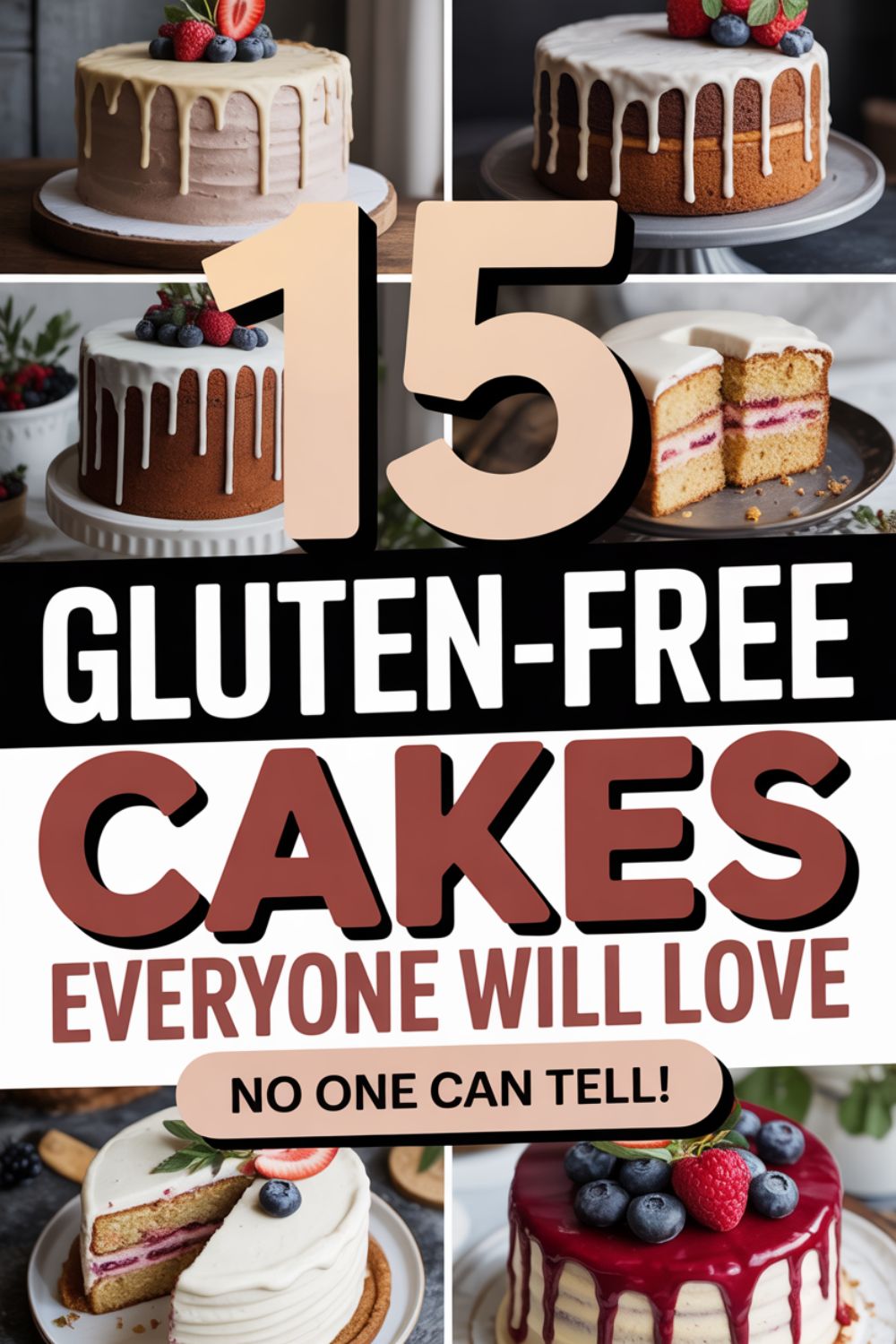
15 Gluten-Free Cake Recipes That Everyone Will Love
Let’s get something straight right off the bat: gluten-free cakes don’t have to taste like cardboard. I know, I know—you’ve probably had your share of dry, crumbly disasters that made you question why you even bothered. But here’s the thing: when you nail the right flour blend and understand a few key techniques, gluten-free cakes can be just as moist, fluffy, and downright delicious as their traditional counterparts.
Whether you’re dealing with celiac disease, gluten sensitivity, or just trying to cut back on gluten for health reasons, these 15 cake recipes are going to change your baking game. I’ve spent way too many hours testing different flour combinations and ratios to bring you cakes that actually deliver on taste and texture. No more sad, dense hockey pucks masquerading as dessert.
Why Gluten-Free Baking Is Different (And Why That’s Okay)
Here’s the deal with gluten-free baking: gluten is that magical protein that gives traditional cakes their structure and bounce. When you remove it, you need to find alternatives that can do the same job. According to Mayo Clinic, people following gluten-free diets need to ensure they’re getting proper nutrition, as many gluten-containing products are fortified with essential vitamins.
The key players in gluten-free cake baking are almond flour, coconut flour, and various gluten-free flour blends. Each brings something different to the table. Healthline notes that almond flour is lower in carbs and packed with nutrients compared to wheat flour, making it a fantastic base for moist, tender cakes.
Almond flour creates super moist cakes with a slightly nutty flavor that most people can’t even detect once you add other ingredients. Coconut flour, on the other hand, is incredibly absorbent—like, ridiculously so. You’ll need way more liquid when working with it, but it adds fiber and creates a unique texture that works beautifully in certain recipes.
Always let your gluten-free cake batter rest for 10-15 minutes before baking. This gives the flour time to absorb the liquid properly and results in a better texture. Trust me, patience pays off here.
1. Classic Vanilla Almond Flour Cake
This is your gateway drug to gluten-free baking. It’s simple, foolproof, and converts even the biggest skeptics. The almond flour creates this amazingly moist crumb that stays fresh for days—if it lasts that long. I make this at least twice a month because it’s that reliable.
The secret is using superfine almond flour rather than the coarser almond meal. The finer texture makes all the difference in achieving that light, cake-like consistency. Mix it with a touch of tapioca flour for added structure, and you’re golden.
This cake pairs perfectly with buttercream, cream cheese frosting, or just a simple dusting of powdered sugar. Get Full Recipe.
2. Decadent Chocolate Fudge Cake
If you’re a chocolate lover, this one’s non-negotiable. The combination of cocoa powder and melted dark chocolate creates layers of flavor that make this cake incredibly rich. I use a blend of almond flour and coconut flour here because the coconut flour helps absorb some of the moisture from the chocolate, preventing that gummy texture that sometimes happens with super-rich gluten-free cakes.
The trick is not to overbake. Gluten-free chocolate cakes can go from perfectly fudgy to dry in about 3 minutes flat. Use a cake tester and pull it when there are still a few moist crumbs clinging to it.
3. Lemon Blueberry Bundt Cake
This cake is what spring tastes like. The brightness of fresh lemon zest combined with bursting blueberries creates something special. I fold the blueberries in gently at the end to prevent them from sinking to the bottom—a common issue in gluten-free batters since they tend to be thicker.
The bundt pan shape isn’t just pretty; it helps the cake bake more evenly since gluten-free cakes can sometimes have trouble with the center. A good non-stick bundt pan is essential here. None of that spray-and-pray nonsense—invest in quality and you won’t be scraping cake bits out of intricate designs.
Looking for more citrus-based treats? Check out these easy cookie recipes that include some fantastic lemon options, or try these soft and chewy cookies if you’re in the mood for something different but equally delicious.
4. Coconut Lime Cake with Cream Cheese Frosting
This tropical number uses both coconut flour and shredded coconut for maximum coconut flavor. The lime adds a tangy kick that keeps it from being too sweet. FYI, this is the cake I make when I need to impress people who claim they don’t like gluten-free desserts.
The cream cheese frosting is key—it’s tangy enough to balance the sweetness and adds that smooth, creamy element. Make sure your cream cheese is at room temperature before mixing, or you’ll end up with lumps. Been there, done that, learned my lesson.
Freeze your cake layers for 30 minutes before frosting. It makes the whole process infinitely easier and prevents crumbs from mixing into your frosting. Game changer.
5. Carrot Cake with Walnuts and Raisins
Carrot cake is naturally suited to gluten-free adaptations because it’s already moist and dense. The grated carrots add tons of moisture, and the walnuts provide texture and healthy fats. I use a combination of almond flour and gluten-free oat flour for this one.
Don’t skimp on the spices here—cinnamon, nutmeg, and a touch of ginger make this cake sing. And please, use fresh spices if you can. That dusty jar from 2019 isn’t doing you any favors. Toast the walnuts beforehand in a small toaster oven for extra flavor depth.
6. Strawberry Shortcake Layers
Traditional shortcake is biscuit-based, but this version uses a light vanilla cake that’s perfect for soaking up those strawberry juices. The cake itself is made with almond flour and a bit of arrowroot starch for that tender crumb.
I macerate the strawberries with a touch of sugar and let them sit for at least 30 minutes. This creates that gorgeous syrupy juice that makes strawberry shortcake so irresistible. Layer it with fresh whipped cream, and you’ve got summer in a dessert.
7. Coffee Walnut Cake
Coffee and walnuts are a classic combination for a reason. This cake uses espresso powder to amplify the coffee flavor without adding too much liquid. The ground walnuts actually become part of the flour blend, adding richness and a subtle earthy note.
I like to finish this with a simple coffee buttercream, but it’s also excellent with just a dusting of powdered sugar. It’s sophisticated enough for a dinner party but simple enough for a Tuesday afternoon when you just need cake.
If you’re into nutty flavors in your baked goods, you might also enjoy these gluten-free cookies that taste amazing—several feature almonds and other nuts in equally delicious ways.
8. Red Velvet Cake with Classic Cream Cheese Frosting
Red velvet might seem intimidating to make gluten-free, but it’s actually quite forgiving. The cocoa powder is subtle enough that the almond flour’s nuttiness doesn’t interfere. The key is getting that perfect red color without using an entire bottle of food coloring.
Use gel food coloring instead of liquid—you’ll need way less and it won’t affect your batter’s consistency. The traditional cream cheese frosting is absolutely mandatory here. No substitutions allowed.
9. Banana Walnut Cake with Brown Butter Frosting
Overripe bananas are your friend in gluten-free baking. They add natural sweetness, moisture, and help bind everything together. This cake uses three large bananas, which might seem like a lot, but it creates incredible flavor and texture.
The brown butter frosting takes it over the top. That nutty, caramel-like flavor from browning the butter pairs perfectly with banana and walnut. Just don’t walk away while browning your butter—it goes from perfect to burnt in seconds. Stay vigilant.
Save your overripe bananas in the freezer. When you’re ready to bake, thaw them and they’ll be even more concentrated in flavor. Plus, you’ll always have bananas ready for impulse baking sessions.
10. Orange Almond Cake (Flourless)
This Mediterranean-inspired cake is naturally gluten-free because it uses whole boiled oranges instead of flour. Yes, you read that right—whole oranges, peel and all. It sounds weird, but the result is this incredibly moist, aromatic cake that’s unlike anything else.
You boil the oranges until they’re soft, blend them up, and mix with ground almonds and eggs. The texture is dense and rich, almost like a cross between cake and fudge. It’s perfect with a dollop of Greek yogurt or whipped cream. Get Full Recipe.
11. Pumpkin Spice Cake with Maple Cream Cheese Frosting
Fall in a cake pan, basically. The pumpkin puree adds crazy moisture and a subtle sweetness that pairs beautifully with warm spices. I make this year-round because canned pumpkin is always available, and honestly, who says pumpkin is only for autumn?
The maple cream cheese frosting is where this really shines. Real maple syrup, not the fake stuff—it makes a difference. Use a quality maple syrup and you’ll taste the difference immediately.
12. Funfetti Birthday Cake
Because sometimes you just need sprinkles in your life. This vanilla-based cake is studded with rainbow sprinkles and covered in more sprinkles because excess is the point. It’s joyful, it’s fun, and it proves that gluten-free cakes can be every bit as celebratory as traditional ones.
Make sure you use gluten-free sprinkles—not all sprinkles are created equal, and some contain gluten in the form of modified food starch. Check those labels.
Speaking of fun treats, if you’re looking for more festive baking ideas, these vegan cookies and drop cookie recipes offer plenty of creative flavor combinations that work wonderfully for special occasions.
13. Matcha Green Tea Cake
For something a bit different, this matcha cake brings earthy, slightly bitter notes that aren’t overly sweet. The vibrant green color is stunning, and the flavor is sophisticated without being pretentious. I use ceremonial-grade matcha powder for the best flavor and color.
Pair this with a simple white chocolate ganache or vanilla buttercream. The contrast between the earthy matcha and sweet frosting is perfection. It’s also naturally beautiful without any food coloring needed.
14. Chocolate Chip Cookie Cake
This is technically a cake but baked in a skillet like a giant cookie. It’s got that crispy edge with a soft, gooey center that everyone fights over. The almond flour base makes it rich and chewy, and I load it up with dark chocolate chips.
Serve it warm with vanilla ice cream on top, and watch it disappear. This is a crowd-pleaser that makes people forget they’re eating anything “alternative.” It’s just really good cake, period.
If you love chocolate chip anything, you absolutely have to try these classic chocolate chip cookie recipes—they’re the perfect companion to this cake-cookie hybrid.
15. Tres Leches Cake (Gluten-Free Version)
The grand finale. Tres leches cake is already incredibly moist because you literally soak it in three kinds of milk. The gluten-free version works beautifully because the almond flour base is sturdy enough to hold all that liquid without turning to mush.
You poke holes all over the baked cake and pour the milk mixture over it, letting it soak in overnight. The next day, you top it with whipped cream and maybe some fresh fruit. It’s indulgent, it’s rich, and it’s absolutely worth the wait. Get Full Recipe.
Essential Tools and Ingredients for Gluten-Free Cake Success
Let’s talk about the equipment and ingredients that’ll make your gluten-free baking life easier. Having the right tools isn’t about being fancy—it’s about getting consistent results.
Must-have ingredients: Keep superfine almond flour, coconut flour, and a good gluten-free flour blend in your pantry. I also always have xanthan gum on hand—it acts as a binder in gluten-free baking and prevents that crumbly texture.
Equipment essentials: A reliable digital kitchen scale is non-negotiable. Gluten-free baking is more precise than regular baking, and measuring by weight gives you consistent results every time. Also grab some good parchment paper rounds for lining cake pans—makes removal so much easier.
IMO, the best investment I made was a stand mixer. You can absolutely make these cakes with a hand mixer, but the stand mixer makes everything smoother and gives you better incorporation.
Common Gluten-Free Baking Mistakes (And How to Avoid Them)
Ever wondered why your gluten-free cake turned out like a sad brick? Let me save you from the mistakes I’ve made so you don’t have to.
Mistake #1: Not measuring accurately. Gluten-free flours have different densities than wheat flour. That cup of almond flour you scoop might weigh significantly different from the cup I scoop. Use a scale for consistent results.
Mistake #2: Opening the oven too early. Gluten-free cakes are more delicate while baking. That rush of cool air when you open the oven can cause them to collapse. Wait until at least three-quarters through the baking time before checking.
Mistake #3: Overmixing the batter. Unlike traditional cakes where you want to avoid developing gluten, gluten-free batters can handle more mixing. But there’s still a limit—overmixing can make the cake tough. Mix until just combined and uniform.
Mistake #4: Skipping the resting time. I mentioned this earlier, but it’s worth repeating. Let that batter sit for 10-15 minutes before baking. The flours need time to hydrate properly.
For more baking wisdom and techniques that work across different dietary needs, check out these low-sugar cookies and cookie bars—they offer great insights into alternative baking methods.
Storage and Freezing Tips
Here’s some good news: gluten-free cakes often stay moist longer than traditional cakes because of the higher fat content from almond flour. Most of these cakes will keep at room temperature for 3-4 days if properly stored.
Wrap unfrosted cakes tightly in plastic wrap, then in aluminum foil. For frosted cakes, I put them in a cake keeper or cover them with a large bowl to protect the frosting. You can also freeze most of these cakes for up to 3 months—just wrap them really well to prevent freezer burn.
When you’re ready to serve a frozen cake, let it thaw in the refrigerator overnight, then bring it to room temperature before serving. The texture will be just as good as fresh-baked.
Frequently Asked Questions
Can I substitute regular flour for gluten-free flour in any cake recipe?
Not exactly. Gluten-free flours behave differently than wheat flour, so you can’t just do a 1:1 swap in most recipes. The ratios of wet to dry ingredients often need adjustment, and you might need to add binders like xanthan gum. It’s better to start with recipes specifically developed for gluten-free baking until you get a feel for how these flours work.
Why do my gluten-free cakes sometimes have a gritty texture?
This usually happens when you use coarse almond meal instead of superfine almond flour, or when you don’t let the batter rest before baking. The resting time allows the flour particles to absorb moisture and soften. Also, some gluten-free flour blends contain rice flour that can feel gritty if not fully hydrated—another reason to let that batter rest.
How do I prevent my gluten-free cake from being too dense?
Make sure you’re not overpacking your flour when measuring—use a scale for accuracy. Also, don’t skip the leavening agents, and make sure your baking powder and baking soda are fresh. Beat your eggs well to incorporate air, and fold dry ingredients gently into wet ingredients. Sometimes adding an extra egg white can help lighten the texture without affecting the flavor.
Can I make these cakes dairy-free too?
Absolutely! Most of these recipes work great with dairy-free milk substitutes like almond milk or oat milk. For butter, use a good quality dairy-free butter or coconut oil. The cream cheese frostings can be made with dairy-free cream cheese—just make sure it’s the kind designed for baking, not the spreadable type.
How long do gluten-free cakes stay fresh?
Actually longer than you might think! Because of the higher fat content in almond flour, these cakes tend to stay moist for 3-4 days at room temperature when properly stored. They also freeze beautifully for up to 3 months. Just wrap them well in plastic wrap and foil to prevent freezer burn.
Final Thoughts
Look, gluten-free baking doesn’t have to be complicated or result in sad, disappointing desserts. These 15 cake recipes prove that with the right techniques and ingredients, you can make cakes that rival any traditional recipe. The key is understanding how gluten-free flours work and being willing to follow the recipe closely—at least until you get comfortable enough to start experimenting.
Similar Posts
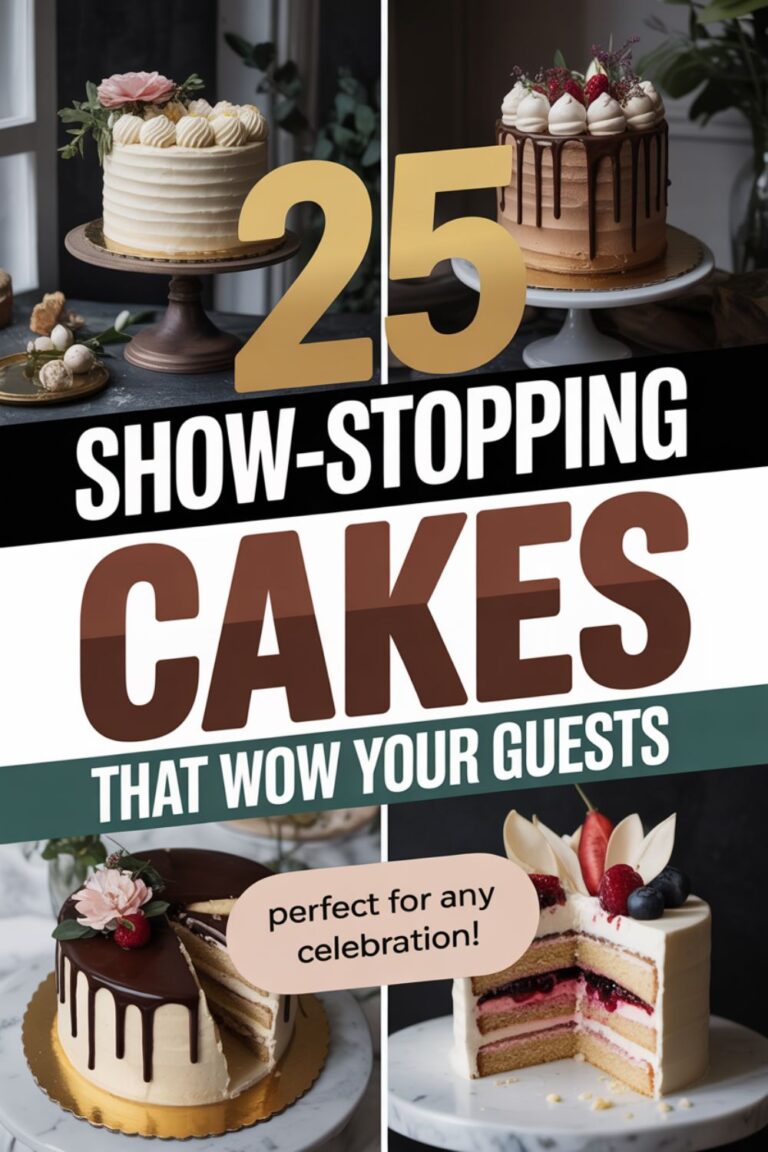
25 Show-Stopping Cakes That Will Wow Your Guests
25 Show-Stopping Cakes That Will Wow Your Guests 25 Show-Stopping Cakes That Will Wow Your Guests Look, I’ve been to enough parties where someone brings out a sad, deflated grocery store cake with wonky letters that spell “Hapy Birhtday.” We’ve all been there, right? But here’s the thing—making a cake that actually makes people gasp…
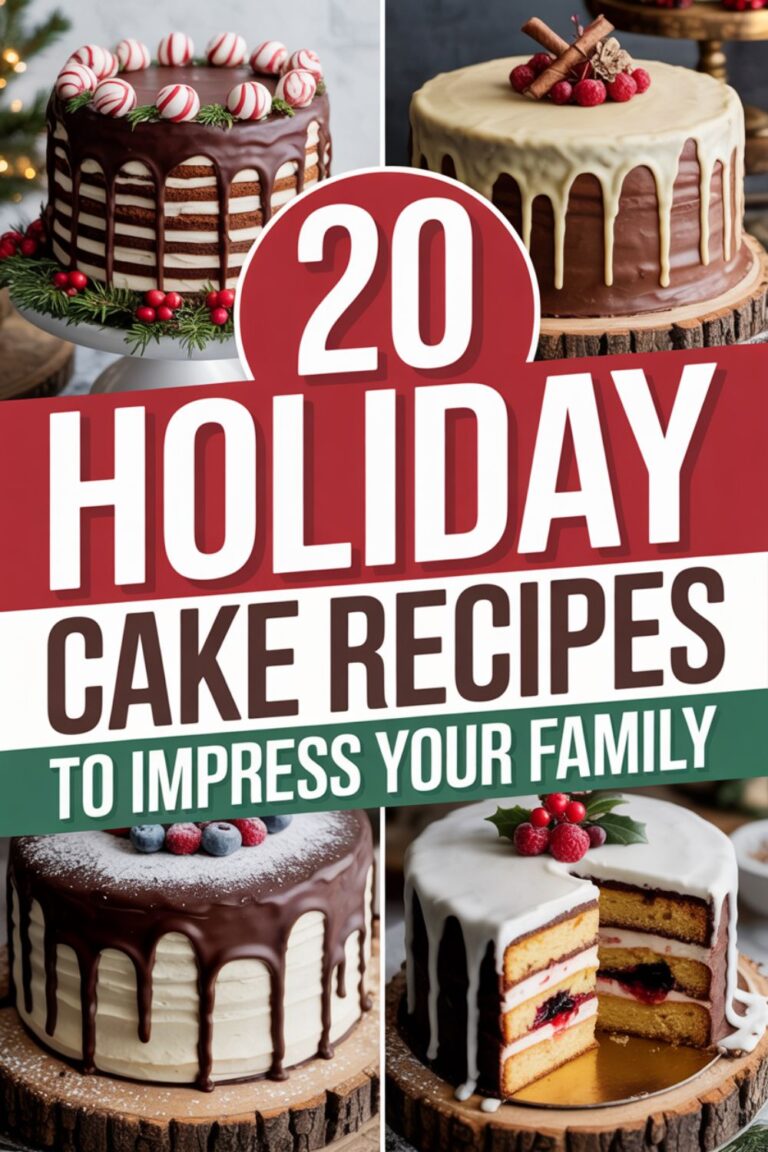
20 Holiday Cake Recipes to Impress Your Family
20 Holiday Cake Recipes to Impress Your Family 20 Holiday Cake Recipes to Impress Your Family Look, we both know the holidays aren’t complete without a show-stopping cake sitting on the table. You can have the perfect turkey, the most Instagram-worthy sides, but if that dessert falls flat? Everyone remembers. And honestly, nobody wants to…
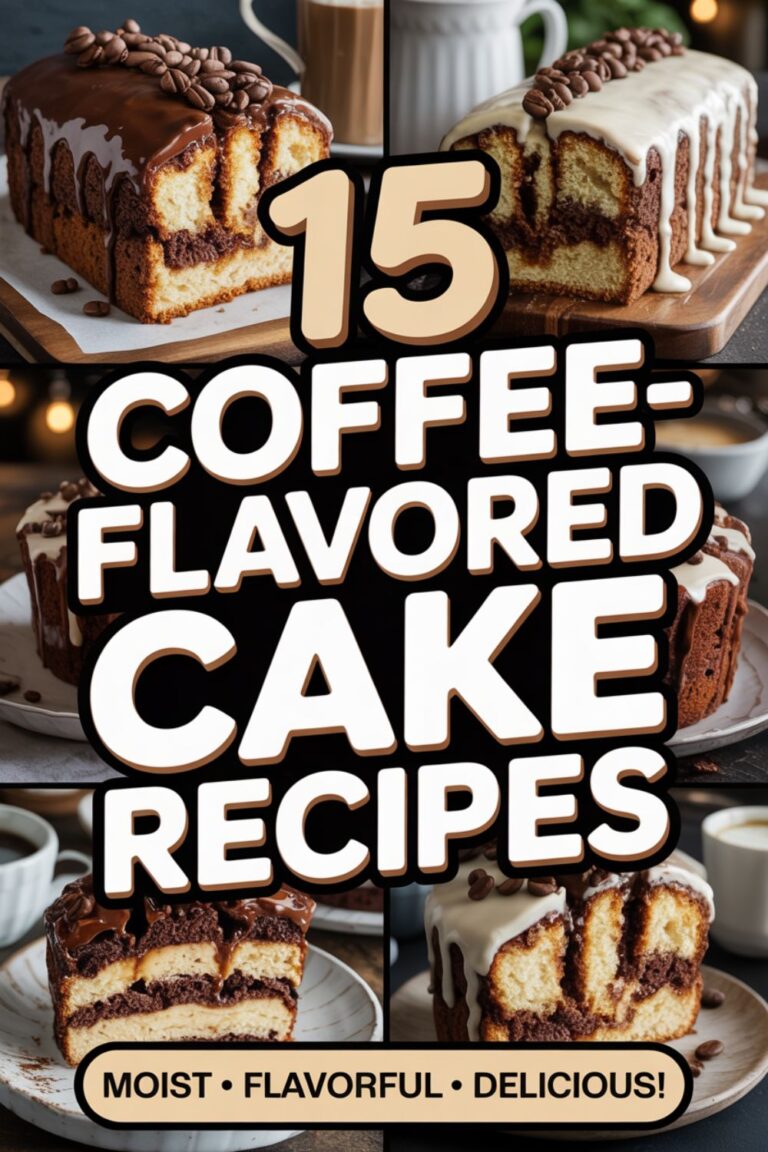
15 Coffee-Flavored Cake Recipes That’ll Make Your Kitchen Smell Like Heaven
15 Coffee-Flavored Cake Recipes That’ll Make Your Kitchen Smell Like Heaven 15 Coffee-Flavored Cake Recipes That’ll Make Your Kitchen Smell Like Heaven Wake up your taste buds with these ridiculously good coffee cakes Look, I’ll be straight with you—there’s something almost unfair about how good coffee-flavored cakes can be. You’ve got that deep, roasted complexity…
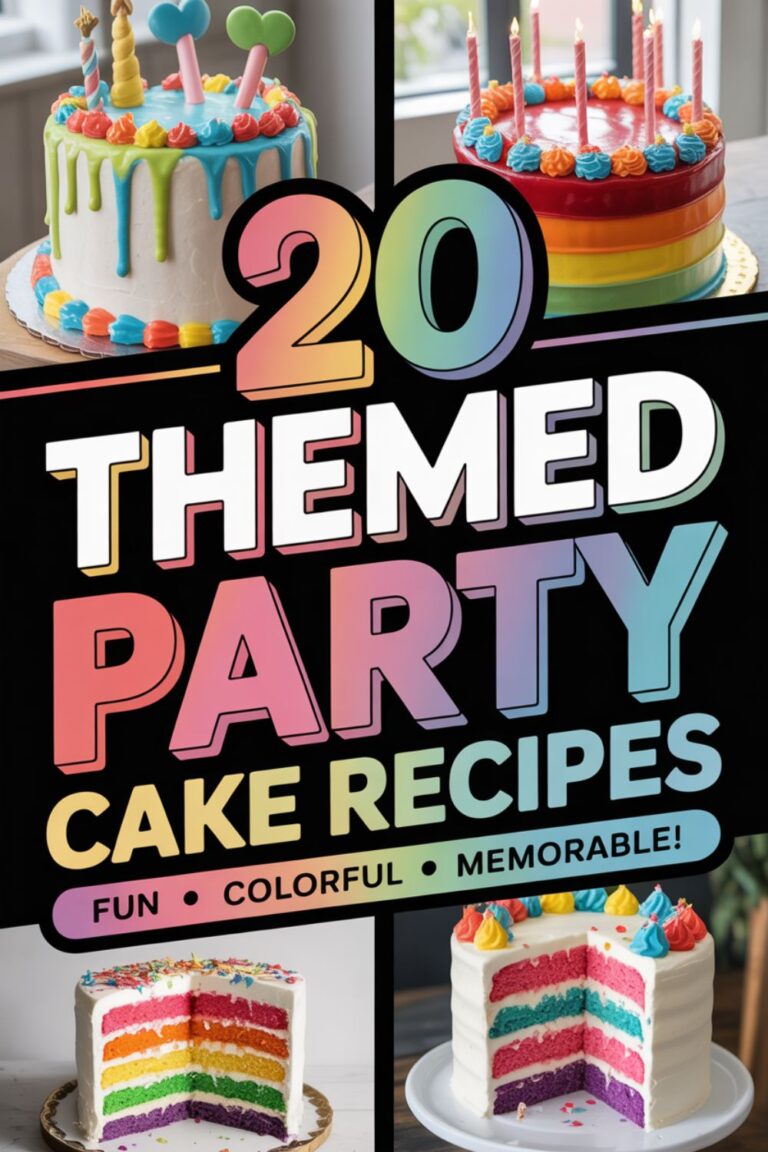
20 Themed Party Cake Recipes That’ll Make You the Party Hero
20 Themed Party Cake Recipes That’ll Make You the Party Hero 20 Themed Party Cake Recipes That’ll Make You the Party Hero Look, I’ve been to enough birthday parties where someone showed up with a store-bought sheet cake and everyone politely pretended it was fine. But you know what gets people actually excited? A cake…
29 Einfache Thermomix Rezepte Ideen Für Zuhause
29 Einfache Thermomix Rezepte Ideen Für Zuhause Ehrlich gesagt war ich skeptisch, als mir jemand sagte, dass ein Küchengerät mein Leben verändern würde. Klingt nach dem typischen Werbespruch, oder? Aber nach meinem ersten selbst gemachten Risotto – cremig, perfekt, ohne einmal umrühren zu müssen – war ich überzeugt. Der Thermomix ist kein Wundermittel, aber er…
25 Heart-Shaped Cake Recipes That’ll Make Anyone Fall in Love
25 Heart-Shaped Cake Recipes That’ll Make Anyone Fall in Love 25 Heart-Shaped Cake Recipes That’ll Make Anyone Fall in Love Look, I’ll be honest with you. The first time I tried making a heart-shaped cake, I ended up with something that looked more like a lumpy potato than a symbol of love. But here’s the…