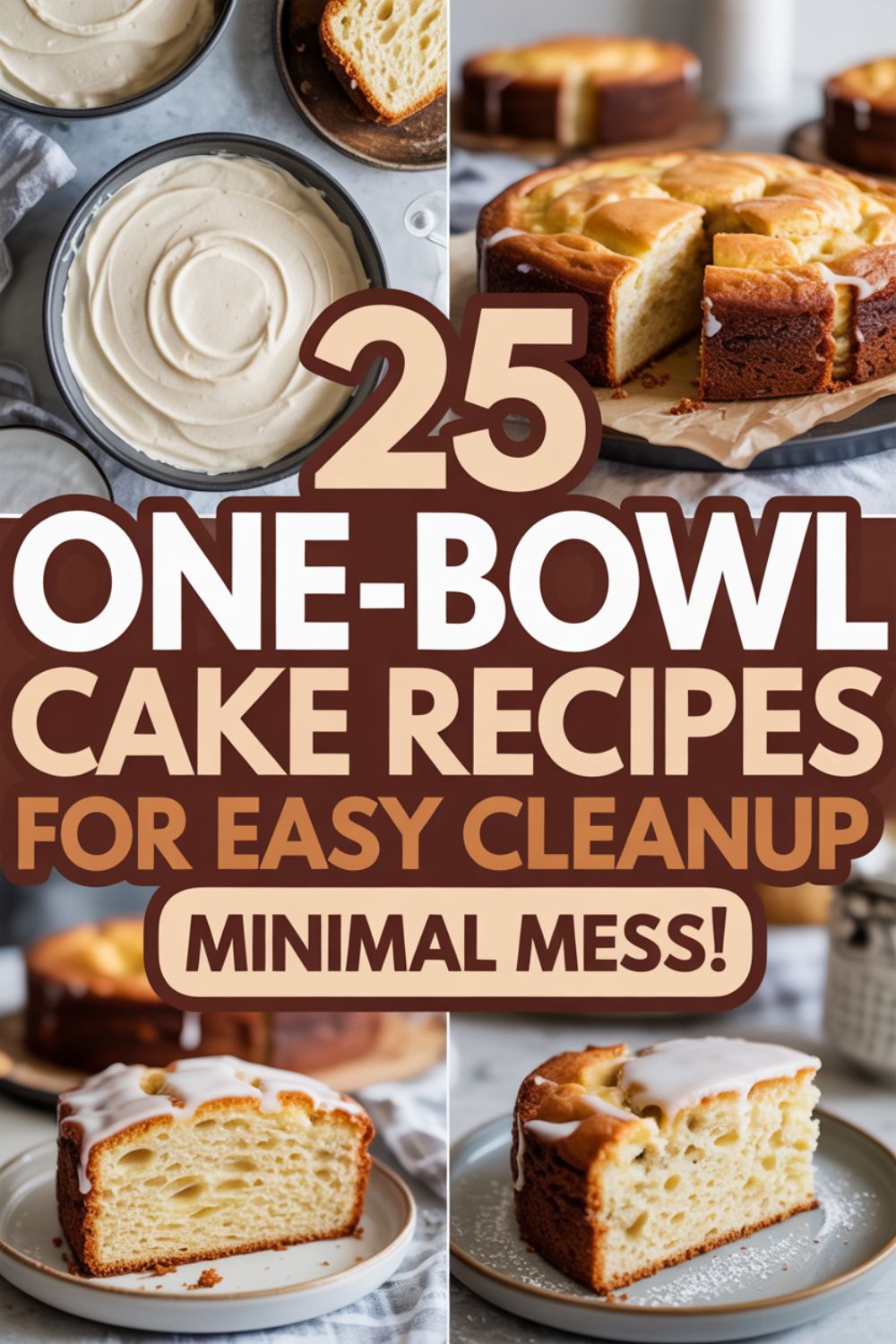
25 One-Bowl Cake Recipes for Easy Cleanup
Look, I’m gonna level with you right from the start. I didn’t embrace one-bowl baking because I’m some minimalist zen master who finds joy in simplicity. Nope. I started making one-bowl cakes because my dishwasher broke, and I was too cheap to call the repair guy immediately. Three months later, with a functioning dishwasher, I’m still making these cakes because—turns out—they’re actually brilliant.
The whole multiple-bowl situation in traditional baking? It’s theater. Most of the time, you don’t need separate vessels for every single ingredient category. The science behind one-bowl cakes is surprisingly solid, and honestly, the results speak for themselves. These cakes turn out moist, tender, and absolutely delicious without the production drama.
I’ve spent the last year testing dozens of one-bowl recipes, and I’m sharing the best ones with you. We’re talking chocolate cakes, vanilla cakes, fruit cakes, and some wild cards that’ll surprise you. Each one requires minimal cleanup but delivers maximum flavor. Because life’s too short to spend half your evening scrubbing mixing bowls.
Why One-Bowl Cakes Actually Work Better
Here’s something most baking blogs won’t tell you: the separation of wet and dry ingredients is often unnecessary. I’m not saying traditional methods are wrong—they have their place—but for everyday cake baking, the one-bowl method delivers comparable (and sometimes better) results.
The magic happens in the order you add ingredients, not in keeping them separated. According to baking science, when you add fat early in the mixing process, it coats the flour particles and limits gluten development. This is exactly what creates that tender crumb we’re after in cakes.
Traditional creaming methods—where you beat butter and sugar first—incorporate air through mechanical means. But here’s the thing: your leavening agents (baking powder, baking soda) are already creating chemical lift. The air from creaming? It’s nice, but not essential for a great cake. The chemical reactions during baking do most of the heavy lifting anyway.
Melt your butter instead of bringing it to room temperature. It speeds up prep time by about 15 minutes, and you can mix it directly with your liquids. The texture difference? Minimal at best.
I tested this theory extensively. Made the same vanilla cake recipe three ways: traditional creaming method, two-bowl method, and one-bowl. Blind taste test with my brutally honest family? They couldn’t consistently pick out which was which. The one-bowl version even won twice.
The Essential One-Bowl Technique
Before we jump into specific recipes, you need to understand the basic technique. It’s dead simple, but the order matters.
First, you’ll mix all your dry ingredients directly in your mixing bowl—flour, sugar, baking powder, salt, cocoa (if using). Give them a good whisk to combine and break up any lumps. This step takes maybe 30 seconds.
Second, add all your wet ingredients to the same bowl. We’re talking eggs, melted butter or oil, milk, vanilla extract. Some recipes call for slightly warm liquids, which helps everything blend smoothly. I use this instant-read thermometer to check temperatures when it matters, though honestly, room temperature liquids work fine 90% of the time.
Third, mix until just combined. This is where people mess up. They think more mixing equals better results. Wrong. Once you can’t see dry flour, stop. Those little lumps? They’ll work themselves out during baking. Overmixing develops gluten, making your cake tough and dense.
Use a whisk for dry ingredients and switch to a wooden spoon for wet ingredients. The whisk aerates the flour, and the spoon prevents overmixing. This simple switch improved my cake texture significantly.
Fourth, pour into your prepared pan and bake immediately. Don’t let the batter sit around. Baking powder starts working as soon as it hits liquid, so you want to capture all that leavening action in the oven, not on your counter.
Classic One-Bowl Vanilla Cake
Let’s start with the foundation—a solid vanilla cake that’ll become your go-to for birthdays, celebrations, or random Tuesday afternoons when you need cake in your life.
This recipe creates a tender, moist cake with a fine crumb. It’s not trying to be fancy, and that’s exactly why it works. Mix your flour, sugar, baking powder, and salt. Add eggs, melted butter, milk, and a generous amount of vanilla extract. Mix until smooth, bake at 350°F for about 30 minutes, and you’re done.
The vanilla extract quality matters here. Since vanilla is the star, don’t cheap out with imitation stuff. I keep a bottle of pure Madagascar vanilla extract specifically for cakes like this. The difference in flavor is noticeable.
This cake layers beautifully if you want to make a two-tier birthday cake. Just double the recipe and split between two 9-inch pans. For a simple weeknight dessert, bake it in a 9×13 pan and dust with powdered sugar. If you’re into vanilla-based desserts, these soft and chewy cookies pair perfectly with afternoon coffee.
One-Bowl Chocolate Cake That Doesn’t Suck
Most one-bowl chocolate cakes are just… okay. They’re dense, they’re dry, or they taste like disappointing birthday party cake from 1987. Not this one.
The secret ingredient is coffee. Not enough to taste coffee—just enough to amplify the chocolate flavor exponentially. You can use actual brewed coffee or just instant coffee dissolved in hot water. The hot water itself is crucial; it blooms the cocoa powder, bringing out deeper chocolate notes.
For the cocoa powder, use Dutch-processed cocoa if you have it. It’s darker, smoother, and less acidic than natural cocoa. But honestly? Natural cocoa works fine. I’ve made this cake both ways, and while Dutch-processed wins in a side-by-side comparison, natural cocoa still delivers a delicious cake.
“I’ve made this chocolate cake at least fifteen times in the past two months. My kids request it constantly, and it’s the only recipe where I don’t dread the cleanup afterward. The coffee trick is genius—nobody can identify it, but everyone says it’s the best chocolate cake they’ve had.”
— Rachel from our community
The texture on this cake is incredible. It’s moist without being gummy, tender without falling apart, and chocolatey without that artificial cocoa powder taste some recipes have. I use parchment paper rounds to line my cake pans—makes removing the cake foolproof and saves me from greasing and flouring anxiety.
Speaking of chocolate desserts, you might also love these classic chocolate chip cookie recipes for when you want something handheld and gooey.
Lemon One-Bowl Cake (Surprisingly Good)
I was skeptical about lemon cake in the one-bowl format. Lemon cakes typically require a delicate touch, and I figured the dump-and-mix method would somehow mess with the citrus brightness. Turns out, I was completely wrong.
Fresh lemon juice and zest are non-negotiable here. Bottled lemon juice tastes like furniture polish, and powdered zest doesn’t exist because it would be useless. Use this microplane zester to get superfine zest that distributes evenly throughout the batter. I’ve tried cheaper zesters, and they just don’t deliver the same results.
The key is adding a touch of sour cream or Greek yogurt to balance the acidity. It keeps the cake from being too tangy while adding moisture and richness. About half a cup for a standard 9-inch round cake does the trick.
This cake is absolutely phenomenal with a simple glaze—just powdered sugar mixed with lemon juice until it drips nicely. Pour it over while the cake is still slightly warm so it soaks in a bit. Or leave it plain and serve with fresh berries. Either way, it’s refreshing and light without being boring.
Spice Cake That Tastes Like Fall in a Bowl
If pumpkin spice had a more sophisticated, less Instagram-y cousin, it would be this spice cake. We’re using real spices here—cinnamon, nutmeg, ginger, a pinch of cloves—mixed with brown sugar for deep, molasses notes.
The spice blend matters more than you’d think. Spices work chemically with other ingredients to enhance flavors throughout the cake. Fresh spices (less than six months old) make a noticeable difference. If your cinnamon has been in your cabinet since 2019, it’s time for an upgrade.
I add a grated apple to this batter—about one medium apple, peeled and grated. It adds moisture and a subtle fruity sweetness without making the cake taste specifically like apple. The apple also helps keep the cake moist for days.
For more fall-inspired treats that come together quickly, check out these drop cookie recipes perfect for beginners. They use the same dump-and-mix philosophy and pair beautifully with afternoon tea.
This cake doesn’t need frosting. A cream cheese glaze works if you want something, but honestly, it’s perfect plain with coffee. The spices develop deeper flavor after a day, so this is actually one of those rare cakes that improves with time.
Coconut One-Bowl Cake (The One Nobody Expects)
Coconut cake has a reputation for being fussy. The traditional version requires toasting coconut, making coconut custard filling, whipping up coconut frosting—it’s exhausting just thinking about it. This version strips all that away while keeping the best part: the coconut flavor.
Use coconut milk instead of regular milk. Full-fat coconut milk, the kind that comes in a can. Shake it well before using. This adds coconut flavor and richness without requiring any additional steps. Add shredded coconut to the batter—I use unsweetened shredded coconut because the cake has enough sugar already, but sweetened works too.
The texture is phenomenally moist, almost pudding-like without being underbaked. The coconut adds both flavor and structure in a way that’s hard to explain until you try it. If you’re worried about the coconut milk being too strong, don’t be. It mellows significantly during baking.
Top with a simple coconut glaze (powdered sugar, coconut milk, vanilla) and extra toasted coconut flakes. Or skip the glaze entirely and serve it with whipped cream. It’s one of those cakes that works equally well as a dressed-up dessert or a casual afternoon snack.
Banana Cake Without the Annoying Prep
Banana bread gets all the attention, but banana cake is where it’s at. It’s moister, sweeter, and honestly easier to make. Plus, you can frost it, which makes it feel more special than banana bread ever could.
The riper your bananas, the better. I’m talking black-spotted, starting-to-smell-funky, why-haven’t-you-thrown-these-out-yet ripe. Those bananas have converted their starches to sugars, giving you maximum sweetness and banana flavor. Mash them right in your mixing bowl—one less dish to wash.
I add a touch of cinnamon and a splash of rum extract (or real rum if you’re feeling fancy). The combination elevates banana cake from “I needed to use up these bananas” to “I’m making this on purpose.” You can substitute vanilla extract if rum isn’t your thing, but try the rum version at least once.
Freeze overripe bananas in their peels. When you’re ready to bake, thaw them in warm water for ten minutes, then squeeze the banana out like toothpaste. Instant mashed banana with zero effort.
Pair with cream cheese frosting or brown butter icing. Or just dust with powdered sugar and call it done. Banana cake is forgiving like that. Looking for more ways to use up ripe fruit? These easy cookie recipes include several fruit-based options that work with whatever’s getting too soft in your fruit bowl.
Almond One-Bowl Cake (Gluten-Free Option)
This is technically a gluten-free cake, but don’t let that scare you. It’s not trying to imitate regular cake—it’s doing its own delicious thing with almond flour as the star.
Almond flour creates a dense, moist texture that’s more like European-style cakes. It’s rich without being heavy, sweet without being cloying. Mix almond flour with eggs, sugar, melted butter, vanilla, and a pinch of salt. That’s literally it.
The almond flavor is subtle and nutty, not artificial or overwhelming. I use blanched almond flour for the finest texture, though almond meal works if you don’t mind a slightly coarser crumb and visible almond skin flecks.
This cake stays moist for days—and I mean really moist, not “still technically edible” moist. The high fat content in almond flour means it doesn’t dry out like wheat-based cakes. Store it at room temperature in an airtight container, and it’ll be perfect for nearly a week.
Top with sliced almonds and a dusting of powdered sugar for presentation, or glaze with a simple lemon or orange glaze. It pairs exceptionally well with stone fruits, berries, or a dollop of lightly sweetened whipped cream.
Baking Essentials That Make One-Bowl Cakes Even Easier
After making dozens of one-bowl cakes, these are the tools and products that actually earn their cabinet space:
- Large ceramic mixing bowl – Heavy enough not to slide around, with high sides to prevent splattering
- Silicone spatula set – Gets every bit of batter out, saving at least two tablespoons per cake
- Digital kitchen scale – For those recipes where precision matters, though most one-bowl cakes forgive measuring sins
- Quick Cake Fixes eBook – Troubleshooting guide for when cakes sink, burn, or turn out weird
- 30-Day Cake Challenge PDF – Different one-bowl cake each day with shopping lists
- Baking Substitutions Cheat Sheet – Because you will run out of eggs at 8 PM on a Sunday
- Join our WhatsApp Baking Community – Share your cake wins, learn from others’ mishaps
Carrot Cake Minus the Hassle
Traditional carrot cake recipes want you to grate carrots, toast nuts, soak raisins, and mix everything in multiple stages. This version gets you 90% of the way there with about 30% of the effort.
Buy pre-shredded carrots from the produce section. I know, I know—fresh grated is “better.” But is it $3 and 20 minutes of grating better? For weeknight cake, absolutely not. The pre-shredded carrots work perfectly fine and save you from cleaning your grater.
The spice mix is straightforward: cinnamon, ginger, nutmeg. Some recipes add allspice or cardamom, which is nice if you have them, but not essential. Use brown sugar for molasses depth, and add crushed pineapple (drained) for moisture and subtle sweetness.
I use this nut chopper for the walnuts or pecans. Three pumps and you’ve got perfectly chopped nuts without pulling out the food processor. Drop them into the batter last, fold gently, and you’re done.
Cream cheese frosting is non-negotiable on carrot cake. Don’t even try to tell me otherwise. Make it simple: cream cheese, butter, powdered sugar, vanilla. Beat until fluffy, spread generously, and try not to eat it directly from the bowl with a spoon. For more baking inspiration that celebrates simple pleasures, explore these vegan cookies that actually taste like dessert—surprisingly easy and genuinely delicious.
Strawberry Cake Using Actual Strawberries
Most strawberry cake recipes use gelatin mix or artificial flavoring, which is fine if you’re going for 1950s nostalgia. But fresh strawberry cake—made with real strawberries—is something else entirely.
Puree fresh strawberries and reduce them on the stovetop until concentrated. You’ll lose about half the volume, but the flavor intensifies dramatically. This concentrated puree goes directly into your batter, replacing some of the liquid.
The result is a pale pink cake with genuine strawberry flavor, not the artificial bright-pink stuff. It’s subtle, sophisticated, and actually tastes like strawberries. The texture stays moist and tender, similar to vanilla cake but with fruity notes.
“Made this for my daughter’s birthday party, and three parents asked for the recipe. Nobody could believe it was made from scratch in one bowl. The real strawberry flavor was a game-changer—so much better than any box mix we’ve tried.”
— Jennifer T., community member
Top with cream cheese frosting or a simple buttercream. Add fresh strawberry slices for decoration. This cake is perfect for spring and summer celebrations, garden parties, or whenever you score really good strawberries at the farmers market.
Coffee Cake (Actual Coffee, Not Just Morning Cake)
This isn’t technically “coffee cake” in the traditional sense—it’s cake flavored with actual coffee. Bold, intense coffee flavor that doesn’t apologize for itself.
Use strong brewed coffee or espresso. Instant espresso powder works too if you dissolve it in hot water. The coffee flavor should be noticeable but not overwhelming—you’re making cake, not drinking your morning cup.
Pair coffee with chocolate chips, or keep it pure coffee flavor. I usually add a touch of cinnamon, which plays surprisingly well with coffee. The cake comes out dense and moist, almost like a coffee-flavored pound cake.
This is an adult cake. Kids typically don’t appreciate it, which means more for you. Serve it with afternoon coffee or tea, and watch people do that thing where they close their eyes and nod appreciatively. Use these mini loaf pans to make individual portions—perfect for gift-giving or portion control (though who am I kidding, you’ll eat two).
Peanut Butter Cake That’s Not Too Sweet
Peanut butter cakes often cross the line into “this is basically eating frosting” territory. This version keeps the peanut butter flavor front and center while maintaining actual cake texture and balanced sweetness.
Use creamy peanut butter, not natural peanut butter. The emulsifiers in regular peanut butter help create better texture in baking. Natural peanut butter with separated oil doesn’t blend as smoothly. I typically use name-brand creamy peanut butter because it’s consistent and reliable.
The trick is using less sugar than you think you need. Peanut butter adds richness and a subtle sweetness on its own, so you can back off on the sugar without sacrificing flavor. The result is a cake that tastes like peanut butter, not like sugar with peanut butter mixed in.
If peanut butter desserts are your weakness, you’ll definitely want to check out these 5-ingredient cookies you need to try now. Several use peanut butter as a base and come together even faster than cake.
Frost with chocolate ganache, peanut butter frosting, or nothing at all. This cake is substantial enough to stand alone. Drizzle with melted chocolate if you want something fancy-looking without actual effort.
Orange Cake with Zero Zest Drama
Orange cakes traditionally require zesting, which creates two problems: finger fatigue and tiny orange bits all over your counter. This version uses whole orange segments blended right into the batter, peels and all.
Okay, you still need to peel the orange, but that’s way easier than zesting. Roughly chop one whole orange (seeds removed), toss it in a blender with the eggs and oil, and blend until smooth. Pour this orange mixture into your bowl with the dry ingredients, mix, and bake.
The texture is incredibly moist, and the orange flavor is pronounced but not bitter. The blended orange also adds natural pectin, which helps keep the cake tender. It’s one of those clever shortcuts that actually improves the final product.
Drizzle with an orange glaze (orange juice and powdered sugar) or dust with powdered sugar. This cake is fantastic for breakfast—it’s basically fruit, right?—or as a light dessert after a heavy meal.
Gingerbread Cake Any Time of Year
Gingerbread isn’t just for December. This spicy, molasses-rich cake works year-round, especially with morning coffee or afternoon tea.
The molasses is key—it provides both flavor and moisture. Use regular molasses, not blackstrap, unless you enjoy things that taste like despair. Add fresh ginger if you have it (grated), but ground ginger works fine. The combination of cinnamon, ginger, cloves, and nutmeg creates that classic gingerbread warmth.
This cake is dense and substantial, more like British-style gingerbread than American gingerbread cookies. It’s not trying to be light and fluffy—it’s going for rich and satisfying. The texture improves after a day, so make it ahead if you’re planning to serve it for something special.
Serve with lemon sauce, whipped cream, or cream cheese frosting. Or eat it plain with black coffee like I do, pretending it’s sophisticated instead of just lazy. This is comfort food disguised as dessert.
Red Velvet Without Food Coloring Guilt
Traditional red velvet uses an obscene amount of food coloring to achieve that signature color. This version uses beets—yes, beets—for natural color and added moisture.
Puree cooked beets (canned work fine) and add them to your batter. The earthy beet flavor disappears almost entirely, leaving just a subtle earthiness that actually complements the cocoa. The color isn’t quite as vibrant as food coloring, but it’s a lovely natural reddish-brown.
Keep the cocoa amount light—red velvet is supposed to be a subtle chocolate cake, not a chocolate bomb. The tang comes from buttermilk, which reacts with the baking soda to create a tender crumb. If you don’t have buttermilk, mix regular milk with a tablespoon of vinegar and let it sit for five minutes.
Cream cheese frosting is mandatory on red velvet cake. This is the law, and I will fight anyone who disagrees. The tangy frosting balances the subtle sweetness of the cake perfectly.
Buy pre-cooked beets in vacuum-sealed packages. They’re already peeled and cooked, so you just need to puree them. Saves time and avoids the whole “my kitchen looks like a crime scene” situation.
Olive Oil Cake (Sounds Weird, Tastes Amazing)
Olive oil cake is having a moment in fancy restaurants, but it’s actually incredibly simple to make at home. The olive oil creates a uniquely moist texture and adds a subtle fruity flavor that’s hard to pin down but impossible to resist.
Use a good olive oil, but not your $40 finishing olive oil. A mid-range extra virgin olive oil works perfectly. The flavor should be pleasant but not overpowering—you want olive oil notes, not a salad dressing cake.
Add citrus zest (lemon or orange) to brighten the olive oil flavor. The combination is sophisticated without being pretentious. This is the cake you make when you want to impress dinner guests but don’t want to stress about complicated techniques.
The texture is dense and moist, similar to pound cake but lighter. It stays fresh for days, improving slightly as the flavors meld. Dust with powdered sugar, serve with berries and whipped cream, or drizzle with honey. It’s versatile enough to work as breakfast, snack, or dessert.
Tres Leches-Inspired One-Bowl Cake
Traditional tres leches involves poking holes in a cake and drowning it in three types of milk. This version simplifies the process while keeping that signature soaked, intensely moist texture.
The base cake is intentionally plain—just vanilla, really—because the milk mixture is where the magic happens. After baking, immediately poke holes all over the warm cake using a skewer or chopstick. Pour the milk mixture (evaporated milk, condensed milk, and heavy cream) over the top while it’s still warm.
The cake absorbs the milk mixture as it cools, creating that characteristic texture. It’s not soggy—it’s luxuriously moist. There’s a difference. Store this in the refrigerator, and it’ll stay perfect for several days.
Top with whipped cream and fresh fruit before serving. Tres leches is traditionally served cold, which makes it perfect for make-ahead desserts. The cleanup is minimal despite the multiple components because everything happens in stages, not simultaneously.
Pound Cake That’s Actually Easy
Traditional pound cake gets its name from using a pound each of flour, butter, eggs, and sugar. That’s a lot of ingredients to cream and fold and worry about. This simplified version keeps the dense, buttery texture while cutting the fuss dramatically.
Use melted butter instead of room-temperature butter. This alone saves 30 minutes of waiting and 10 minutes of creaming. Mix with sugar, add eggs one at a time, then fold in flour and a splash of vanilla. That’s it. No multiple mixing stages, no complicated folding techniques.
The resulting cake is dense, buttery, and perfect for slicing thin and serving with tea. It toasts beautifully if you want to make it even better. Use a classic loaf pan for the traditional pound cake shape, or bake it in a bundt pan for more surface area to drizzle with glaze.
This pound cake is a blank canvas. Keep it plain, add lemon zest, swirl in jam, fold in chocolate chips—whatever you want. The base recipe is forgiving enough to handle mix-ins without affecting texture.
Tools & Resources That Make Baking Actually Enjoyable
These aren’t fancy gadgets you’ll use once—they’re genuinely helpful tools that make the one-bowl baking process smoother:
- Offset spatula – For spreading frosting evenly without tearing the cake surface
- Cooling rack set – Lets air circulate so cakes don’t get soggy bottoms
- Cake strips – Wrap around pans to prevent domed tops and promote even baking
- Essential Frosting Techniques Video Course – Learn five basic frostings that cover 90% of situations
- Cake Decorating on a Budget eBook – Make cakes look expensive using stuff you already own
- Seasonal Cake Flavor Guide PDF – Matches cake flavors with ingredients actually in season
- WhatsApp Kitchen Tips Group – Daily baking tips and ingredient substitution advice
Applesauce Cake (Because Someone Needs to Use That Jar)
We all have that jar of applesauce sitting in the pantry, bought for some forgotten recipe and now taking up space. This cake puts it to excellent use while creating something legitimately delicious.
Applesauce acts as a fat replacer, keeping the cake moist while cutting down on butter or oil. You still need some fat for flavor and texture, but you can reduce it significantly. The result is a lighter cake that doesn’t taste diet-y or virtuous—just good.
Add cinnamon and nutmeg to complement the apple flavor. Raisins or chopped walnuts work well if you’re into that sort of thing. I usually skip them because I’m not convinced anyone actually enjoys raisins in cake, but I won’t judge if you’re Team Raisin.
This cake is perfect for lunchboxes, afternoon snacks, or breakfast if you’re not too strict about what constitutes breakfast food. It stays moist for days and actually tastes better on day two when the flavors have mingled.
Buttermilk Cake (The Secret Weapon)
Buttermilk might be the single best ingredient for cake baking. It adds tang, tenderizes gluten, and creates the most amazing crumb texture. This simple buttermilk cake showcases exactly why bakers love this ingredient.
The acidity in buttermilk reacts with baking soda, creating extra lift and a tender texture. It’s a chemical reaction that makes your cake better without any additional effort. Just swap buttermilk for regular milk, and magic happens.
If you don’t have buttermilk, make your own by adding a tablespoon of lemon juice or vinegar to a cup of milk. Let it sit for 5-10 minutes until it curdles slightly. Boom, homemade buttermilk. Works perfectly in any recipe calling for buttermilk.
This cake is versatile enough to be your base for nearly any flavor. Add cocoa for chocolate, citrus zest for brightness, or keep it plain and let the buttermilk tang shine through. Frost it, glaze it, or dust it with powdered sugar. All versions work.
Pumpkin Spice Cake (Yes, Really)
Look, I know pumpkin spice is overdone and basic and whatever else the internet says about it. But you know what? It’s overdone because it’s delicious. This cake makes no apologies.
Use canned pumpkin puree (not pumpkin pie filling, which is already spiced and sweetened). Mix it with the standard fall spices—cinnamon, nutmeg, ginger, cloves. The pumpkin adds moisture and a subtle earthiness without being too pumpkin-forward.
The texture on this cake is phenomenal. Dense and moist, like carrot cake but without the carrots. It’s substantial without being heavy. This is the cake equivalent of wearing a cozy sweater—comforting and satisfying.
Cream cheese frosting is the traditional choice, though maple frosting or brown butter icing work beautifully too. Or keep it simple with a dusting of cinnamon sugar. This cake doesn’t need elaborate decoration to be impressive. For more fall-inspired treats that embrace seasonal flavors unapologetically, check out these no-bake cookie recipes for busy days.
Marble Cake Without the Fuss
Marble cake seems complicated—you’re making two batters, swirling them, hoping the pattern looks intentional instead of chaotic. This method simplifies everything while still delivering that classic marble effect.
Make one vanilla batter. Remove about a third of it into a small bowl and stir in cocoa powder. Drop spoonfuls of vanilla batter into your pan, then drop spoonfuls of chocolate batter on top. Use a butter knife to swirl them together in a figure-eight pattern.
That’s it. You don’t need perfect swirls or specific patterns. The random swirling creates visual interest, and every slice is slightly different. The key is not over-swirling—a few gentle passes with the knife is enough. Too much swirling and you’ll just end up with brown cake.
The flavor combination is classic for a reason. Vanilla and chocolate together just work. This cake needs no frosting—the marble pattern is decorative enough. Dust with powdered sugar if you want, but it’s perfect plain.
Honey Cake for Non-Honey-Haters
I get it—honey can be polarizing. But this honey cake is subtle enough to win over skeptics while still delivering that floral sweetness honey lovers crave.
Use a good honey—not the bear-shaped squeeze bottle kind, but actual honey from bees. The flavor difference is significant. I typically use local wildflower honey, which has a complex flavor profile without being overwhelming.
The honey adds moisture and a subtle sweetness that’s different from sugar. It also helps the cake stay moist for longer due to honey’s hygroscopic properties (it attracts and retains moisture). This is one of those cakes that’s better the next day.
Pair with tea—it’s traditional in many European and Middle Eastern cultures to serve honey cake with hot tea. The combination is soothing and sophisticated. Add a simple glaze or leave it plain. Both work equally well.
Zucchini Cake That Doesn’t Taste Like Vegetables
Before you scroll past—hear me out. Zucchini cake is essentially carrot cake’s less famous but equally delicious cousin. The zucchini adds moisture and keeps the cake tender without contributing any vegetable flavor.
Grate the zucchini and squeeze out excess moisture using a clean kitchen towel or paper towels. You want the moisture that stays with the zucchini, but the loose water on top should be removed. This prevents a soggy cake while keeping the benefits of the moisture within the zucchini itself.
Add chocolate chips to make it more appealing to kids (and adults who are skeptical of vegetables in dessert). The chocolate masks any hint of zucchini flavor, and you end up with an incredibly moist chocolate cake that happens to contain a vegetable.
Alternatively, make it spice-forward with cinnamon and nutmeg, similar to carrot cake. Frost with cream cheese frosting, and I guarantee nobody will guess there’s zucchini in it. It’s a sneaky way to use up summer garden abundance.
Angel Food Cake Alternative (Still One Bowl)
Traditional angel food cake requires separating eggs, beating whites to stiff peaks, folding carefully—it’s a whole production. This version isn’t technically angel food cake, but it delivers a similarly light, fluffy texture with way less drama.
The secret is using cake flour (lower protein content means less gluten development) and whipping the whole eggs with sugar until they’re pale and fluffy. This incorporates air without requiring separated eggs and stiff peaks. Add flour gently, bake in an ungreased tube pan, and you’ll get a light, airy cake.
The texture isn’t identical to true angel food cake—it’s slightly denser—but it’s still light and delicate. Plus, you can actually make it without an electric mixer if you’ve got arm stamina. Mix by hand and you’ll understand why our grandmothers had such impressive biceps.
Serve with fresh berries and whipped cream. This cake is naturally lower in fat than most, making it a good choice when you want something sweet but relatively light. No guilt required.
Brown Butter Cake (Worth the Extra Step)
Okay, technically this requires one extra pan to brown the butter, but I’m including it because the result is so spectacularly good. Brown butter adds a nutty, caramel-like depth that regular melted butter can’t match.
Brown your butter in a light-colored pan so you can see when it reaches that perfect amber stage. The milk solids will toast, creating an incredible aroma. Let it cool slightly before mixing with your other ingredients—if it’s too hot, it’ll cook the eggs.
The brown butter flavor permeates the entire cake, creating complexity without additional ingredients. It’s one of those things where people taste it and can’t quite figure out what makes it special. That’s your secret.
Brown extra butter and store it in the fridge. It’ll solidify but can be melted again when you need it. Having pre-browned butter on hand means you can make this cake without the extra step next time.
Keep the frosting simple—this cake’s flavor deserves to be the star. A light vanilla buttercream or even just whipped cream works perfectly. Don’t mask the brown butter with intense flavors.
The Troubleshooting Guide Nobody Talks About
Let’s be honest—sometimes cakes don’t turn out perfect, even with the simplest one-bowl method. Here’s how to fix common problems without spiraling into baking despair.
If your cake sinks in the middle, you either opened the oven too early or your leavening agents are old. Baking powder and baking soda lose potency after about six months. Date your containers when you open them, and replace them regularly. This has saved me more failed cakes than any other single tip.
If your cake is too dense, you probably overmixed. Once flour is added, treat your batter gently. Mix until you can’t see dry flour anymore, then stop. Those small lumps will work themselves out during baking. Overmixing develops gluten, making cakes tough and dense.
If your cake is dry, you might have overbaked it or measured your flour incorrectly. Scoop flour into measuring cups using a spoon, then level off with a knife. Scooping directly with the measuring cup compacts the flour, and you’ll end up using too much. Also, check your cake 5 minutes before the recipe says—ovens vary significantly.
If your cake sticks to the pan, you didn’t grease and flour properly (or use parchment paper). Don’t skimp on this step. I use baking spray with flour because it’s foolproof and takes two seconds. Regular cooking spray doesn’t work as well for cakes.
Making One-Bowl Cakes Actually Special
Just because these cakes are simple doesn’t mean they have to look simple. A few easy techniques can make your one-bowl cake look bakery-quality without requiring advanced skills.
Level your cakes if you’re stacking them. Use a serrated knife to slice off any domed top, creating flat layers that stack evenly. This makes a huge visual difference. Save the scraps for snacking—baker’s privilege.
Learn one good frosting and get comfortable with it. You don’t need to master seven different frostings. A simple American buttercream (butter, powdered sugar, vanilla, milk) covers 90% of situations. Master that, and you’re set.
Use fresh fruit, edible flowers, or herbs for decoration. They look impressive but require zero skill. Arrange berries on top, add some mint leaves, and suddenly your simple cake looks Instagram-worthy. Looking for more ways to make simple desserts look impressive? These cookie bars you can bake in one pan use similar decorating tricks.
Dust with powdered sugar using a fine-mesh sieve for an elegant finish. Or drizzle a simple glaze (powdered sugar plus liquid) in a random pattern. It looks intentional and artistic without requiring any actual artistic ability.
Frequently Asked Questions
Can I substitute oil for butter in one-bowl cake recipes?
Absolutely. Oil actually creates a moister texture than butter, though you’ll sacrifice some flavor. If you’re using oil, add a touch of extra vanilla extract to compensate for the missing butter flavor. Use a neutral oil like vegetable or canola—olive oil only works in specific cakes where its flavor complements the other ingredients.
Why does my one-bowl cake always turn out dense?
The most common culprit is overmixing after adding flour. Mix only until you can’t see dry flour anymore—those small lumps are fine and will disappear during baking. Also check that your leavening agents (baking powder, baking soda) are fresh. They lose effectiveness after about six months, so date your containers when you open them.
Can I make one-bowl cakes ahead of time?
Most one-bowl cakes actually improve after sitting for a day, as flavors meld and moisture distributes evenly. Store unfrosted cakes wrapped tightly in plastic wrap at room temperature for 2-3 days, or freeze for up to three months. Frost just before serving for best results. Cakes with fruit or dairy-based frostings should be refrigerated.
What’s the best way to measure flour for consistent results?
Use the spoon-and-level method: fluff up your flour with a spoon, spoon it into your measuring cup without packing it down, then level off the top with a knife. Never scoop directly with the measuring cup—this compacts the flour and you’ll end up using way too much. For ultimate consistency, weigh your flour using a kitchen scale.
Do I really need to use room temperature eggs for one-bowl cakes?
It helps, but it’s not critical for one-bowl methods like it is for traditional creaming methods. Room temperature eggs mix more easily with other ingredients and create a smoother batter. If you forget to take eggs out early, place them in a bowl of warm water for 5-10 minutes before using. Quick fix that works every time.
Final Thoughts on One-Bowl Baking
After a year of making nothing but one-bowl cakes, I’m convinced this is how cakes should be made. Not because I’m lazy (though I definitely am), but because these methods produce consistently good results without the stress and cleanup that make baking feel like a chore.
The twenty-five cakes I’ve shared here cover nearly every flavor profile and occasion you’ll encounter. Some are classics simplified, others are unexpected combinations that work surprisingly well. All of them can be mixed in a single bowl and baked with minimal fuss.
Start with the basic vanilla or chocolate cake to get comfortable with the technique. Once you understand the fundamental method—dry ingredients first, wet ingredients second, mix until just combined—you can adapt any of these recipes to your taste. Swap spices, change up the mix-ins, adjust sweetness levels. The one-bowl method is forgiving enough to handle experimentation.
The real victory here isn’t just the reduced cleanup, though that’s certainly nice. It’s the freedom to bake spontaneously without psyching yourself up for a major production. When making cake requires one bowl, a whisk, and twenty minutes of effort, you’ll actually make it. And honestly, that’s what baking should be—accessible, enjoyable, and delicious.
So grab your biggest mixing bowl, pick a recipe that sounds good, and make yourself some cake. Your dishwasher (and your sanity) will thank you.