25 Ganache Recipes for Perfect Cake Topping
Look, I’m just going to say it—ganache is the answer to pretty much every cake crisis you’ll ever face. Frosting turned out grainy? Ganache. Need something impressive for a dinner party but only have twenty minutes? Ganache. Want to make a boxed cake look like it came from a fancy bakery? You guessed it—ganache.
I spent years overthinking cake decorating until I realized that a silky, glossy ganache solves about ninety percent of my problems. It’s just chocolate and cream, but somehow it transforms into this luxurious topping that makes people think you know what you’re doing in the kitchen. Spoiler alert: you don’t need to be a pastry chef to nail this.
Whether you’re into classic dark chocolate, want to experiment with white chocolate raspberry, or need a dairy-free version that doesn’t taste like sadness, I’ve rounded up twenty-five ganache recipes that’ll make your cakes look bakery-worthy. No fancy equipment required, no culinary degree needed—just you, some chocolate, and a willingness to lick the spoon when nobody’s looking.
Why Ganache Beats Buttercream Every Single Time
Controversial opinion coming in hot: ganache is superior to buttercream in almost every scenario. I said what I said. While buttercream has its place (looking at you, piped roses), ganache brings a level of sophistication that makes your cakes taste grown-up without being pretentious.
The texture alone wins the battle. Buttercream can get cloying after a few bites—all that sugar and butter starts feeling heavy. Ganache, on the other hand, melts on your tongue with this silky richness that doesn’t coat your mouth in a weird way. Plus, it actually tastes like chocolate instead of just sweet.
Here’s the real kicker: ganache is stupidly easy to make. You literally heat cream, pour it over chopped chocolate, wait a minute, and stir. That’s it. No creaming butter for ten minutes, no worrying about temperature, no risk of it breaking into a grainy mess. If you can boil water and stir, you can make ganache.
The Basic Ganache Ratio You Need to Memorize
Okay, so before we get into all the fancy variations, you need to understand the golden ratio. For a pourable glaze, you want equal parts chocolate and cream by weight. For a thicker, spreadable frosting consistency, you want two parts chocolate to one part cream. And for truffle-style ganache that you can pipe or roll, you need two and a half parts chocolate to one part cream.
I keep a digital kitchen scale on my counter because eyeballing ganache ratios is a rookie mistake I made exactly once. That batch turned into chocolate soup, and I ended up eating it with a spoon like some kind of defeated pastry chef. Learn from my failures.
The beauty of understanding these ratios means you can scale any recipe up or down. Making cupcakes? Half the recipe. Got a three-tier wedding cake to cover? Triple it. The math actually works in your favor here, which is rare in baking.
Temperature Matters More Than You Think
Here’s something they don’t tell you in basic recipes: temperature control is everything. Your cream needs to be hot enough to melt the chocolate completely, but not so hot that it breaks the emulsion. I aim for cream that’s just reached a simmer—you’ll see tiny bubbles forming around the edges.
Room temperature matters too. If you’re working in a cold kitchen, your ganache will set up faster than you can spread it. I learned this the hard way during a winter baking session when my ganache went from liquid to fudge in about forty-five seconds. Now I keep my kitchen around seventy degrees when I’m working with ganache, and I use a instant-read thermometer to check both the cream (around 170°F) and the final ganache (around 90°F for pouring).
If you’re looking for more ways to elevate your cake game, you might want to check out these frosting recipes that pair beautifully with ganache layers. Sometimes combining a light buttercream with a ganache drip creates this perfect contrast that’s honestly chef’s kiss.
Classic Dark Chocolate Ganache Variations
Let’s start with the OG—dark chocolate ganache. This is your workhorse recipe, the one you’ll make again and again because it works on everything from moist chocolate cakes to vanilla sheet cakes that need some drama.
Traditional Dark Chocolate Ganache
The classic version uses bittersweet chocolate (60-70% cacao) and heavy cream. That’s it. The quality of your chocolate matters here—garbage in, garbage out. I typically grab whatever’s on sale at the grocery store that’s at least sixty percent cacao, and it turns out great every time. Get Full Recipe
Some people swear by European chocolate, but honestly? I’ve made this with generic grocery store bars and had people ask if I ordered it from a fancy bakery. The key is using real chocolate, not chocolate chips, which contain stabilizers that mess with the texture.
Espresso Dark Chocolate Ganache
Add a tablespoon of instant espresso powder to your cream before heating it. The coffee doesn’t make it taste like mocha—it amplifies the chocolate flavor and adds this subtle depth that makes people tilt their heads and wonder what makes it taste so good. Get Full Recipe
I keep a jar of instant espresso in my pantry specifically for this. It’s become my secret weapon for any chocolate recipe. According to research on flavor pairing, coffee and chocolate share similar flavor compounds, which is why they enhance each other without creating a distinct coffee taste.
Sea Salt Dark Chocolate Ganache
Stir in a quarter teaspoon of flaky sea salt after your ganache comes together. The salt cuts through the richness and makes the chocolate taste more complex. I like using a flaky Maldon sea salt because the texture adds these little crunchy moments when you bite into the cake. Get Full Recipe
“I made the sea salt dark chocolate ganache for my husband’s birthday cake last month, and he literally ate three slices in one sitting. He’s not even a huge dessert person, but something about that salt-chocolate combo had him hooked. I’ve made it twice since then just because he keeps hinting about it.” — Maria K., community member
Bourbon Dark Chocolate Ganache
Add two tablespoons of bourbon to your finished ganache and stir well. The alcohol adds warmth and complexity without making it taste boozy. This one’s killer on carrot cakes or anything with warm spices. Get Full Recipe
White Chocolate Ganache That Doesn’t Suck
Real talk: white chocolate ganache is finicky. White chocolate has a lower melting point than dark chocolate, which means it’s easier to break the emulsion and end up with a greasy, separated mess. But when you get it right? Pure magic.
Classic White Chocolate Ganache
Use a ratio of three parts white chocolate to one part cream. White chocolate has more cocoa butter and milk solids, so you need less liquid. Heat your cream to just barely simmering—if it’s too hot, the white chocolate will seize up on you. Get Full Recipe
I use a double boiler setup for white chocolate ganache because the indirect heat gives you more control. Is it an extra step? Yeah. Is it worth not having to throw away a batch of seized chocolate? Absolutely.
Lemon White Chocolate Ganache
Add the zest of two lemons to your cream before heating it. Let it steep for ten minutes, then strain it out before pouring over the chocolate. The lemon oil infuses the cream with this bright, fresh flavor that keeps white chocolate from tasting too sweet. This is perfect for spring cakes or anything with berries. Get Full Recipe
Vanilla Bean White Chocolate Ganache
Split a vanilla bean lengthwise, scrape out the seeds, and add both the seeds and the pod to your cream. Heat it, let it steep, remove the pod, then proceed as normal. The vanilla bean adds these little flecks and an intense vanilla flavor that makes white chocolate taste luxurious instead of just sugary. Get Full Recipe
Real vanilla beans are expensive, I won’t lie. But a small jar of vanilla bean paste works almost as well and doesn’t require splitting pods and scraping seeds. One tablespoon equals about one vanilla bean, and it lasts forever in your pantry.
Ganache Essentials I Actually Use
After making ganache approximately eight thousand times, these are the tools that actually earn their spot in my kitchen:
Physical Products:
- OXO Good Grips Digital Kitchen Scale – Precise measurements make or break ganache ratios. This one’s been through years of chocolate-splattered abuse and still works perfectly.
- Pyrex 4-Cup Glass Measuring Cup – I heat my cream directly in this, pour it over chocolate in the same container, and it’s microwave-safe for when ganache sets up too quickly.
- Offset Spatula Set – The angled blade gives you control when spreading ganache without dragging cake crumbs into it. Get a small and large one.
Digital Resources:
- Ganache Troubleshooting Guide – Quick-reference PDF for when things go wrong (and they will). Covers fixes for separated, grainy, or too-thick ganache.
- Chocolate Tempering Temperature Chart – Printable chart showing ideal working temps for different chocolate types. Stick it on your fridge.
- Ganache Ratio Calculator – Downloadable spreadsheet that automatically scales ingredient amounts based on your cake size. No more math fails.
Want to connect with other ganache enthusiasts? Join our WhatsApp baking community where we share wins, troubleshoot disasters, and send way too many photos of perfectly glazed cakes.
Milk Chocolate Ganache for the Sweet Tooths
Milk chocolate ganache doesn’t get enough love, IMO. Everyone assumes it’s too sweet or too childish, but it has this creamy, mellow flavor that works beautifully on cakes that already have strong flavors competing for attention.
Classic Milk Chocolate Ganache
Use a two-to-one ratio of milk chocolate to cream. Milk chocolate has more sugar and milk solids than dark chocolate, so you need less cream to get the right consistency. This makes a ganache that’s sweet but not cloying, with a softer set than dark chocolate versions. Get Full Recipe
Salted Caramel Milk Chocolate Ganache
Stir three tablespoons of caramel sauce into your finished ganache along with a pinch of sea salt. The caramel adds this buttery depth that makes milk chocolate taste more complex. I use store-bought caramel because making it from scratch for ganache feels like overkill, and nobody can tell the difference once it’s mixed in. Get Full Recipe
Peanut Butter Milk Chocolate Ganache
Add a quarter cup of creamy peanut butter to your hot ganache and whisk until smooth. This creates the most amazing peanut butter cup flavor that’s incredible on chocolate cakes. If you’re feeling fancy, drizzle some extra melted peanut butter on top before it sets. Get Full Recipe
FYI, natural peanut butter doesn’t work as well here because the oil separates. You want the stabilized, creamy stuff like Skippy or Jif. Sometimes processed is actually better, and this is one of those times.
Flavored Ganache Recipes That Sound Fancy But Aren’t
This is where ganache gets fun. You can infuse your cream with basically anything—herbs, spices, teas, extracts—and create flavors that sound like they came from a specialty bakery.
Lavender Dark Chocolate Ganache
Add two teaspoons of culinary lavender to your cream before heating. Let it steep for fifteen minutes, strain thoroughly, then proceed with your ganache. Lavender chocolate sounds pretentious, but it tastes elegant and floral without tasting like soap if you don’t overdo it. Get Full Recipe
Make sure you use culinary lavender, not the stuff from craft stores or garden centers. That’s treated with chemicals you definitely don’t want to eat. I grab mine from the spice aisle or order a small bag of organic culinary lavender online that lasts me all year.
Orange Dark Chocolate Ganache
Add the zest of one orange to your cream, heat it, steep for ten minutes, then strain before pouring over chocolate. Orange and chocolate is a classic combination that never gets old. This ganache is perfect on rich pound cakes where you want something that cuts through the density. Get Full Recipe
Cinnamon Dark Chocolate Ganache
Add two cinnamon sticks to your cream and let them steep while it cools slightly. Remove them before pouring over chocolate. Cinnamon adds warmth without the gritty texture you get from using ground cinnamon. This one’s killer during fall and winter on basically any spice cake or apple-based dessert. Get Full Recipe
Mint Dark Chocolate Ganache
Add a half teaspoon of peppermint extract to your finished ganache. Start with less—peppermint is powerful, and you can always add more but you can’t take it away. This is the ganache I make for every holiday party because it tastes festive without requiring any actual effort. Get Full Recipe
Speaking of party-worthy desserts, these cake pop recipes work beautifully when you dip them in any of these ganache variations. The glossy coating makes them look professional even if your cake pop shapes are questionable.
Dairy-Free and Vegan Ganache Options
Dairy-free ganache used to taste like a sad compromise, but coconut cream changed everything. You can make ganache that’s completely vegan and still has that silky, rich texture we’re after.
Coconut Cream Dark Chocolate Ganache
Swap heavy cream for full-fat coconut cream in a one-to-one ratio. Use the thick cream from the top of a can of coconut milk, not the watery stuff at the bottom. This makes a ganache that sets up beautifully and has just a hint of coconut flavor that works surprisingly well with dark chocolate. Get Full Recipe
Refrigerate your cans of coconut milk overnight before using them. The cream separates and solidifies at the top, making it easy to scoop out just the thick part. I keep a can opener that’s dedicated to coconut milk because once you use it for Thai curry, everything tastes vaguely like lemongrass.
Almond Milk Ganache
This one’s trickier because almond milk is thinner than cream. You need to use a three-to-one ratio of chocolate to almond milk and add a tablespoon of coconut oil to help with texture. It’s not quite as rich as cream-based ganache, but it’s legitimately good for a dairy-free option. Get Full Recipe
Oat Milk Ganache
Oat milk makes surprisingly good ganache because it’s naturally creamier than other plant milks. Use a two-to-one ratio of chocolate to oat milk with a tablespoon of vegan butter mixed in. The oat milk adds a subtle sweetness that works well with dark chocolate. Get Full Recipe
For more plant-based baking inspiration, check out these vegan cookie recipes that prove dairy-free desserts don’t have to taste like cardboard.
Ganache Troubleshooting: When Things Go Wrong
Listen, ganache seems foolproof until it isn’t. Here’s what to do when your chocolate dreams turn into chocolate nightmares.
Your Ganache Separated and Looks Greasy
This happens when the fat separates from the cocoa solids, usually because your cream was too hot or you stirred too aggressively. Fix it by adding a tablespoon of cold cream and whisking gently. If that doesn’t work, use an immersion blender for about ten seconds—it’ll re-emulsify the mixture. I’ve saved countless batches this way.
Your Ganache is Grainy
Graininess means the chocolate seized, which happens when even a tiny bit of water gets into the mixture. Prevention is easier than the cure here—make sure your bowl and utensils are completely dry. If it’s already grainy, try adding a tablespoon of warm cream and whisking vigorously. Sometimes it comes back, sometimes it doesn’t. Chocolate is moody like that.
Your Ganache is Too Thick
You used too much chocolate for the amount of cream, or it cooled down too much. Warm it gently in the microwave in ten-second bursts, stirring between each burst. If it’s still too thick, add warm cream a tablespoon at a time until you reach the consistency you want.
Your Ganache is Too Thin
Opposite problem—too much cream. Let it cool at room temperature for thirty minutes and see if it thickens up. If you’re impatient (hi, me too), refrigerate it for ten minutes and stir every couple of minutes. Don’t walk away and forget about it, or you’ll end up with chocolate fudge.
Tools That Make Ganache Easier
These aren’t essential, but they’ll save you from the frustration of broken or seized ganache:
Physical Products:
- Silicone Spatula Set – Heat-resistant and flexible enough to scrape every bit of ganache from the bowl. The good ones don’t leave that weird rubber taste on chocolate.
- Fine Mesh Strainer – Essential for infused ganaches where you need to remove zest, herbs, or spices without leaving bits behind.
- Pouring Shield for Stand Mixers – If you’re whipping ganache into frosting consistency, this prevents chocolate from flying all over your kitchen. Ask me how I know.
Digital Resources:
- Ganache Timing Guide – Shows exactly how long to wait before pouring, spreading, or piping based on room temperature. No more guessing games.
- Chocolate Pairing Cheat Sheet – Lists which flavors work best with dark, milk, and white chocolate. Stops you from making weird combinations that sound good in theory.
- Video Tutorial Library – Twelve short videos showing proper ganache technique, troubleshooting, and application methods. Because sometimes you need to see it.
Unique Ganache Recipes That’ll Impress People
These are the recipes I pull out when I want people to think I’m a better baker than I actually am. They sound complicated but follow the same basic technique we’ve been using all along.
Raspberry White Chocolate Ganache
Heat a half cup of fresh or frozen raspberries with your cream until the berries break down. Strain out the seeds, then pour the pink-tinted cream over white chocolate. The raspberry flavor is bright and fruity without being artificial, and the pale pink color looks gorgeous on spring cakes. Get Full Recipe
Champagne White Chocolate Ganache
Replace a quarter of your cream with champagne or prosecco. The bubbles cook off, but you’re left with this subtle fruity complexity that makes white chocolate taste sophisticated instead of just sweet. This is my go-to for anniversary cakes because it feels celebratory. Get Full Recipe
Brown Butter Dark Chocolate Ganache
Brown four tablespoons of butter in a pan until it smells nutty and looks amber-colored. Add it to your hot cream before pouring over chocolate. The toasted, caramelized notes from the brown butter add this incredible depth that makes people interrogate you about your technique. Get Full Recipe
Matcha White Chocolate Ganache
Whisk two teaspoons of high-quality matcha powder into your cream before heating. The earthy, slightly bitter matcha balances white chocolate’s sweetness perfectly. Plus, the pale green color is striking on cakes without needing food coloring. Get Full Recipe
Cheap matcha tastes like grass clippings, so this is one place where quality matters. A small tin of ceremonial grade matcha costs more upfront but lasts forever because you use such a small amount per batch.
Earl Grey Dark Chocolate Ganache
Steep three Earl Grey tea bags in your hot cream for ten minutes, then remove them and reheat the cream before pouring over chocolate. The bergamot in Earl Grey adds this citrusy, floral note that’s unexpected and delicious. This ganache has a cult following in my house. Get Full Recipe
According to studies on flavor compounds in chocolate and tea, both contain similar aromatic molecules, which explains why they pair so naturally together—it’s chemistry, not just culinary tradition.
“I tried the Earl Grey ganache on a whim for my sister’s bridal shower cake, and it was the most complimented thing I’ve ever baked. Three people asked for the recipe, and one woman took a photo of the cake label so she could try to order one later. I felt like a professional pastry chef for approximately twenty-four hours.” — David R., community member
How to Actually Apply Ganache to Cakes
Making ganache is one thing. Getting it on your cake without destroying everything is another. Here’s what actually works.
The Crumb Coat Method
Let your ganache cool until it’s spreadable but not stiff—it should move like thick honey. Apply a thin layer all over your cake to trap crumbs, then refrigerate for twenty minutes. Once the crumb coat is set, apply your final coat of ganache. This prevents you from dragging cake crumbs into your glossy finish.
I use my trusty offset spatula for this step. The angled blade gives you leverage and control that a regular knife just can’t match. It’s the difference between a smooth professional finish and something that looks like you frosted it with a credit card.
The Pour-Over Method
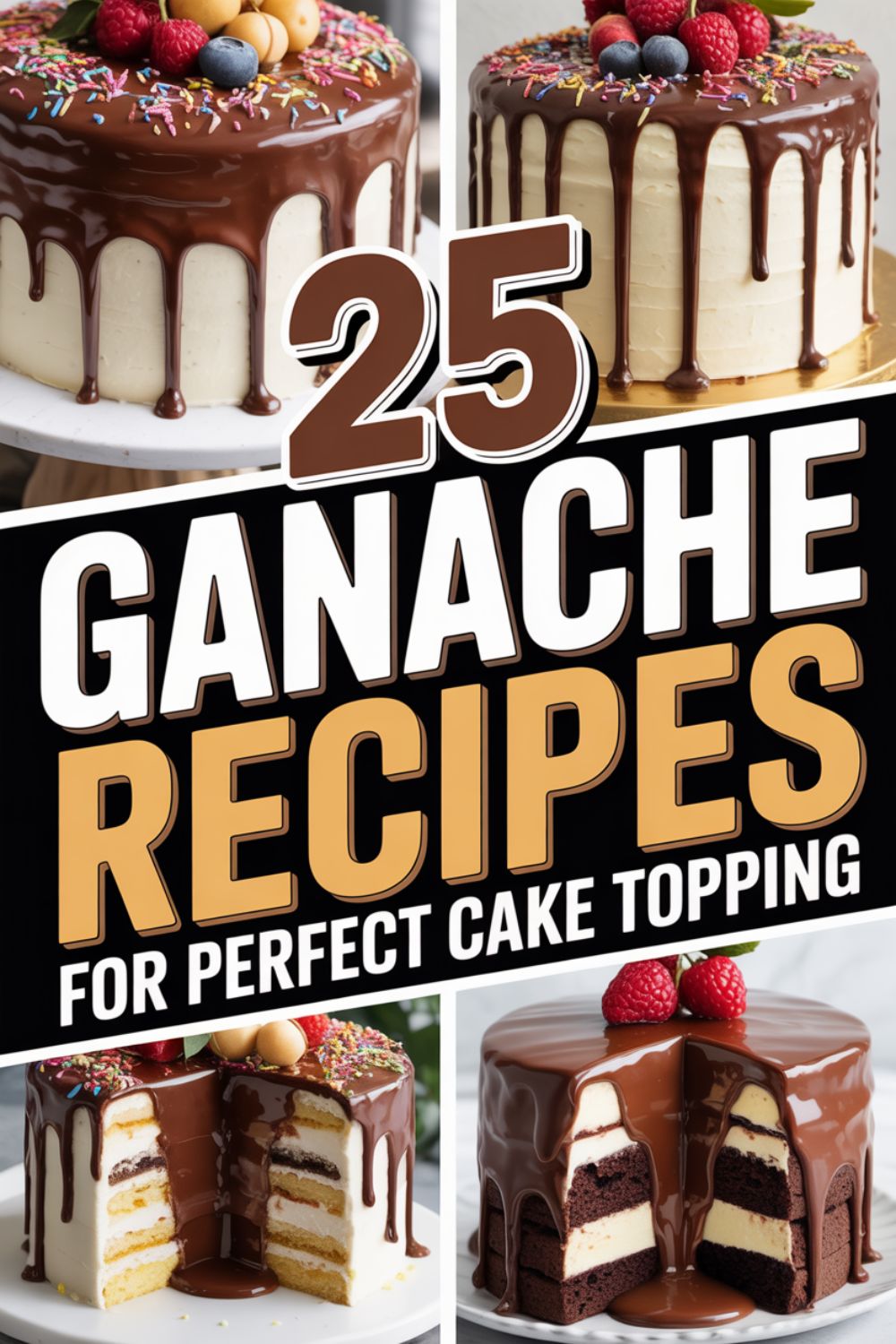
Place your cake on a wire rack set over a baking sheet. Make sure your ganache is warm and pourable—it should pour off a spoon in a steady stream. Pour it over the center of your cake and let gravity do most of the work. Use a spatula to guide it over the edges if needed. This creates that gorgeous drip effect you see on fancy birthday cakes.
The Whipped Ganache Technique
Let your ganache cool completely, then whip it with a stand mixer or hand mixer until it lightens in color and becomes fluffy. This creates a frosting that pipes beautifully and has a mousse-like texture. You can use it for rosettes, borders, or just spreading like regular frosting with way better flavor.
Storing Ganache and Making It Ahead
Ganache keeps beautifully, which makes it perfect for advance prep. You can make it up to a week ahead and store it in an airtight container in the refrigerator. When you’re ready to use it, let it come to room temperature or gently warm it in the microwave.
I portion leftover ganache into small containers—usually a half cup each—and freeze them. They keep for three months, and I can thaw exactly what I need without defrosting a massive batch. Label them with the type (dark chocolate, white chocolate, flavored) and the date because frozen ganache looks identical to every other chocolate blob in your freezer.
For make-ahead cakes, you can ganache your cake and refrigerate it for up to three days before serving. Just let it come to room temperature for an hour before you serve it. Cold ganache is fine, but room temperature ganache has the silky texture that makes it special.
Related Recipes You’ll Love
Frequently Asked Questions
Can I make ganache without heavy cream?
Absolutely. You can use coconut cream for a dairy-free version, or even whole milk if you adjust the chocolate-to-liquid ratio to three-to-one instead of two-to-one. The ganache won’t be quite as rich, but it’ll still work. Half-and-half also works in a pinch, though it sets up slightly softer than heavy cream.
Why did my ganache turn out grainy?
Graininess usually means water got into your chocolate, causing it to seize. Make sure all your tools are completely dry, and avoid letting steam from the hot cream condense into the bowl. Sometimes chocolate that’s overheated can also turn grainy—keep your cream just at a simmer, not a rolling boil.
How do I fix ganache that’s too thick?
Gently warm it in the microwave in ten-second bursts, stirring between each interval. If it’s still too thick after warming, add warm cream one tablespoon at a time until you reach the consistency you want. Be patient—adding too much cream at once can swing it too far in the other direction.
Can I color white chocolate ganache with food coloring?
Yes, but use gel food coloring, not liquid. Liquid food coloring contains water, which can cause the ganache to seize. Add the gel coloring after your ganache is fully mixed and starts to cool slightly. A little goes a long way, so start with a tiny amount and add more as needed.
How long does ganache stay fresh on a cake?
A ganache-covered cake will stay fresh at room temperature for two to three days, assuming your kitchen isn’t ridiculously hot. If you need to keep it longer, refrigerate it—the ganache will dull slightly and may develop condensation, but the flavor and texture remain good for up to a week. Let it come to room temp before serving for the best experience.
Final Thoughts on Ganache Mastery
Here’s the truth about ganache: it’s not complicated, it’s just specific. Once you understand the basic ratios and techniques, you can customize it endlessly to match whatever cake or flavor profile you’re working with.
The beauty of ganache is that it makes you look like you know what you’re doing in the kitchen without requiring actual pastry school. Your cakes will have that glossy, professional finish that screams “I spent hours on this” when really you spent about ten minutes melting chocolate and cream together.
Start with the classic dark chocolate version and get comfortable with the process. Once you nail that, the flavored variations are just a matter of adding an ingredient or two. Before you know it, you’ll be the person everyone asks to make the cake for special occasions because yours actually tastes as good as it looks.
And when someone compliments your cake and asks how you made it look so professional? Just smile mysteriously and tell them it’s all about the ganache. Let them think you’re a baking wizard. We both know the truth—you just heated up some cream and melted some chocolate—but they don’t need to know it was that easy.
Similar Posts
20 Classic Pound Cake Recipes You’ll Make Over and Over
20 Classic Pound Cake Recipes You’ll Make Over and Over 20 Classic Pound Cake Recipes You’ll Make Over and Over Let’s talk about pound cake. Not the dry, crumbly disaster you grab from the grocery store clearance rack, but real, honest-to-goodness pound cake that makes you close your eyes when you take that first bite….
15 Quick & Easy Mug Cake Recipes
15 Quick & Easy Mug Cake Recipes 15 Quick & Easy Mug Cake Recipes Look, I get it. It’s 9 PM, you’re craving something sweet, and the last thing you want to do is preheat an oven, pull out mixing bowls, and commit to baking an entire cake. That’s where mug cakes swoop in to…
20 Rainbow Cake Recipes for Parties
20 Rainbow Cake Recipes for Parties – Purely Plateful 20 Rainbow Cake Recipes for Parties You know that moment when you slice into a cake and everyone gasps? That’s exactly what happens with rainbow cakes. I’m talking about those show-stopping desserts that make people pull out their phones faster than you can say “Instagram-worthy.” Listen,…
25 Sheet Pan Cake Recipes for Easy Serving
25 Sheet Pan Cake Recipes for Easy Serving 25 Sheet Pan Cake Recipes for Easy Serving Look, I’m gonna level with you – sheet pan cakes changed my entire approach to baking for gatherings. No more stressing about whether my layer cake will topple over during transport, no more fretting about perfectly even layers. Just…
25 Frosting Recipes to Elevate Any Cake
25 Frosting Recipes to Elevate Any Cake 25 Frosting Recipes to Elevate Any Cake You know that moment when you pull a cake from the oven and it looks absolutely perfect? Then you realize you haven’t figured out the frosting yet. We’ve all been there. Sure, you could grab a tub from the store, but…