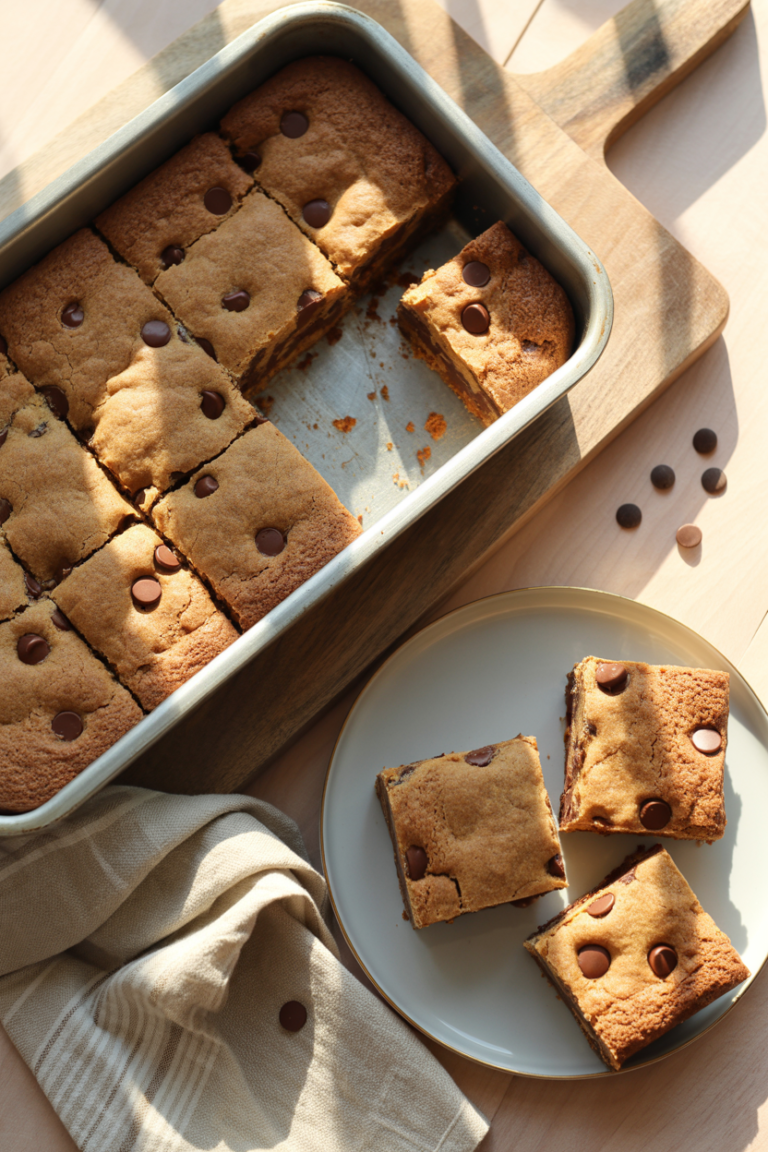
25 Cookies Using Alternative Flours (Almond, Coconut)
Look, I get it. You’re standing in the baking aisle, staring at those bags of almond and coconut flour, wondering if they’re actually worth the hype—or just another expensive trend that’ll leave you with disappointing cookies and buyer’s remorse. Been there, done that, got the sad, crumbly cookie to prove it.
But here’s the thing: once you nail the technique with alternative flours, you’ll wonder why you didn’t make the switch sooner. These flours aren’t just for people avoiding gluten or counting carbs. They bring something special to the cookie game—richer flavors, interesting textures, and yeah, some pretty solid nutritional perks that regular flour just can’t touch.
I’m talking cookies that are moist, chewy, and actually taste like something worth eating. No cardboard vibes here. Whether you’re team almond flour or coconut flour (or playing both sides), this guide’s got 25 cookie recipes that’ll make you a believer. Trust me, your cookie jar is about to get a serious upgrade.
Why Alternative Flours Are Actually Worth Your Time
Before we jump into the recipes, let’s talk about why almond and coconut flours deserve a permanent spot in your pantry. Spoiler alert: it’s not just because they’re trendy.
Almond flour packs impressive nutritional benefits, with high levels of vitamin E, magnesium, and heart-healthy monounsaturated fats. We’re talking about a flour that actually does your body some favors while you’re indulging in dessert. It’s lower in carbs than wheat flour and has a subtle, almost buttery flavor that plays nice with basically everything.
Coconut flour, on the other hand, is the fiber champion. It absorbs liquid like nobody’s business, which means you need way less of it in recipes. One-quarter cup of coconut flour roughly equals a full cup of almond flour in most recipes. It’s also naturally sweet and gives cookies this pleasant tropical undertone without being overwhelming.
Pro Tip: New to alternative flour baking? Start with almond flour. It behaves more predictably than coconut flour and doesn’t require as much recipe tweaking. Once you’re comfortable, branch out to coconut flour or mix the two for interesting results.
🎉 Join Our Baking Community!
Want daily recipe inspiration, baking tips, and exclusive content? Join our WhatsApp channel where we share weekly meal plans, kitchen hacks, and answer your baking questions in real-time. Click here to join our community – it’s completely free!
The Almond Flour Advantage
Almond flour brings this rich, almost cake-like texture to cookies that regular flour just can’t replicate. The fat content keeps everything moist, and honestly, cookies made with almond flour tend to stay fresh longer—assuming they last that long in your house.
What I love most about almond flour is its versatility. You can basically take your favorite traditional cookie recipe, swap the wheat flour for almond flour at a 1:1 ratio, and get solid results. Yeah, they’ll be a bit denser and won’t spread as much, but that’s not necessarily a bad thing. Sometimes you want a thick, chewy cookie that feels substantial.
The nutritional profile is legit too. We’re talking about roughly 6 grams of protein per quarter cup, plus all that vitamin E working as an antioxidant. For anyone watching their blood sugar, almond flour has a low glycemic index, so it won’t send your levels on a rollercoaster ride.
Classic Almond Flour Chocolate Chip Cookies
Let’s start with the obvious one—chocolate chip cookies. This is where almond flour really shines. The cookies come out with crispy edges and soft centers, and the almond flour adds this subtle nuttiness that makes the chocolate taste even better.
You’ll want to use a good quality almond flour here—I’m talking finely ground, blanched almonds. The cheap stuff with inconsistent texture will give you weird results. Mix your dry ingredients, cream together some butter and sugar (or a sugar substitute if that’s your thing), add an egg and vanilla, then fold everything together. A silicone baking mat works wonders here because almond flour cookies can stick like crazy to regular parchment.
Speaking of chocolate chip variations, you might also love these classic chocolate chip cookie recipes that include both traditional and alternative flour options.
Almond Flour Snickerdoodles
Snickerdoodles with almond flour are a game-changer. The cinnamon-sugar coating gets all crispy while the inside stays soft, and the almond flour keeps them from drying out the way traditional snickerdoodles sometimes do.
The trick is cream of tartar—don’t skip it. That’s what gives snickerdoodles their signature tang and helps with the texture. Roll the dough balls in a cinnamon-sugar mixture before baking, and watch them transform into these gorgeous crackled beauties. Get Full Recipe.
Almond Butter Cookies
Here’s where things get interesting. Almond flour plus almond butter creates this double-almond situation that’s absolutely addictive. These cookies are naturally flourless in the traditional sense, super easy to make, and honestly taste way fancier than the effort required.
All you need is almond butter, an egg, some sweetener, and vanilla. Mix, scoop, bake. That’s it. The almond flour here isn’t even necessary because the almond butter provides enough structure, but adding a bit creates a slightly different texture that some people prefer.
Quick Win: Can’t decide between almond and peanut butter cookies? Make both and do a side-by-side taste test. Almond butter versions are milder and more refined, while peanut butter brings that nostalgic, bold flavor we all know.
Lemon Almond Cookies
Bright, citrusy, and perfect for spring or summer. The almond flour’s subtle nuttiness complements lemon beautifully—it’s like they were made for each other. Add some lemon zest to the dough and maybe a simple lemon glaze on top, and you’ve got cookies that look and taste like you bought them from a fancy bakery.
I like using a microplane grater for the lemon zest because it gets superfine pieces that distribute evenly throughout the dough. Regular graters leave you with chunks that can taste bitter.
Almond Flour Shortbread
Shortbread is traditionally butter, sugar, and flour—that’s it. Swap the regular flour for almond flour and you get this incredibly buttery, melt-in-your-mouth cookie that’s somehow even more decadent than the original.
The key is using cold butter and not overmixing. You want the dough just barely combined, then roll it out and cut into your favorite shapes. A sprinkle of coarse sugar on top before baking adds a nice textural contrast. These cookies practically dissolve on your tongue, and the almond flour makes them feel almost… luxurious? Yeah, luxurious. That’s the word.
🍪 Baker’s Essential: Premium Almond Flour
Not all almond flours are created equal. After testing dozens of brands, this ultra-fine blanched almond flour consistently delivers the best texture and flavor. No grittiness, no weird aftertaste—just perfect cookies every single time.
Check Current Price →Coconut Flour Cookie Magic
Coconut flour is finicky, I won’t lie. But once you understand how it works, it opens up a whole new world of cookie possibilities. The main thing to remember: coconut flour absorbs moisture like a sponge. You need significantly less coconut flour than you’d use of any other flour, and you need more liquid to compensate.
Most coconut flour cookie recipes call for extra eggs to provide structure and moisture. Don’t be surprised if a recipe uses 4-6 eggs for a single batch of cookies. That’s normal with coconut flour. The eggs aren’t there just for binding—they’re providing the moisture that coconut flour desperately needs.
KitchenAid Stand Mixer – The Cookie Baker’s Dream
After years of hand-mixing and using cheap mixers that burned out, I finally invested in this stand mixer and it completely transformed my baking. Worth every penny for anyone serious about cookies.
- Powerful motor handles thick alternative flour doughs without struggling
- Multiple attachments for everything from whipping egg whites to kneading
- Hands-free operation means you can prep other ingredients while it mixes
- Built to last – mine’s going strong after 5+ years of heavy use
The payoff? Cookies that are tender, slightly chewy, and naturally sweet with just a hint of coconut flavor. Plus, coconut flour is loaded with fiber, which is great for digestion and keeping you satisfied longer.
Coconut Flour Chocolate Cookies
Rich, fudgy, and surprisingly satisfying. These cookies have a brownie-like quality that makes them perfect for serious chocolate cravings. The coconut flavor is subtle enough that even coconut skeptics usually enjoy them.
Use good quality cocoa powder—Dutch-processed cocoa gives you a darker, more sophisticated flavor, while natural cocoa is brighter and more acidic. Mix your coconut flour with cocoa, add melted butter or coconut oil, eggs, sweetener, and chocolate chips if you’re feeling extra. Let the dough rest for about 10 minutes before scooping—this gives the coconut flour time to absorb the moisture properly.
🥥 Game-Changer: Organic Coconut Flour
This is the coconut flour I keep restocking in my pantry. Super fine texture, incredible absorption, and it doesn’t clump like cheaper brands. Makes troubleshooting coconut flour recipes so much easier when you’re working with quality ingredients.
See It Here →If you’re into chocolate cookies, check out these soft and chewy cookies that might inspire your next baking session.
Coconut Flour Vanilla Bean Cookies
Simple, elegant, and showcasing coconut flour at its best. Real vanilla bean paste or scraped vanilla beans make these cookies taste restaurant-quality. The coconut flour creates a tender crumb that’s almost cake-like.
Don’t cheap out on the vanilla here. Pure vanilla bean paste or extract makes a massive difference. Those little black specks throughout the cookies aren’t just pretty—they’re packed with flavor. These are perfect for pairing with coffee or tea, or for when you want something sweet but not overwhelmingly rich.
Coconut Flour Peanut Butter Cookies
The classic peanut butter cookie gets a coconut flour makeover, and honestly, I think I like this version better than the original. The coconut flour makes them incredibly soft and almost melts in your mouth. That signature fork crosshatch pattern still works perfectly.
Use natural peanut butter for best results—the kind that’s just peanuts and maybe a little salt. The processed stuff with added sugar and hydrogenated oils throws off the texture. Press them with a fork before baking, and watch them puff up into these perfect little rounds.
Coconut Flour Ginger Cookies
Spicy, warming, and perfect for fall. Coconut flour handles spices really well, and the moisture from the extra eggs keeps these cookies from getting dry the way some ginger cookies can. Fresh ginger gives you the best flavor, but ground ginger works fine too.
I like adding a bit of crystallized ginger to the dough for extra punch and texture. A small food processor makes quick work of chopping it into tiny pieces. Roll the dough balls in coarse sugar before baking for that classic crackled top and sweet crunch.
Coconut Flour Cinnamon Roll Cookies
Yes, you read that right—cinnamon roll flavors in cookie form. These are fun to make and even more fun to eat. You basically make a coconut flour cookie dough, roll it out, spread it with butter and cinnamon sugar, roll it up like a log, slice, and bake.
The coconut flour dough is forgiving enough to roll without cracking, which is rare for gluten-free doughs. A light cream cheese glaze on top after baking takes these over the top. They’re like the love child of a cookie and a cinnamon roll, and I’m here for it. Get Full Recipe.
For more easy cookie ideas, take a look at these easy cookie recipes you can bake tonight when you’re short on time.
Combining Almond and Coconut Flours
Here’s where things get really interesting. You don’t have to choose sides—mixing almond and coconut flours gives you the best of both worlds. The almond flour provides structure and richness, while the coconut flour adds fiber and helps absorb excess moisture.
A good starting ratio is about 3 parts almond flour to 1 part coconut flour. This combo works particularly well in cookies because it creates a texture that’s closer to traditional wheat flour cookies than using either alternative flour alone.
Mixed Flour Chocolate Chunk Cookies
Thick, chewy, and loaded with chocolate chunks. The combination of flours creates this perfect texture that’s substantial without being dense. These are the cookies you make when you want to impress someone.
Chop your chocolate bars into irregular chunks rather than using chips—it makes the cookies look more artisanal and creates those dramatic chocolate pools. A good chef’s knife makes this job way easier. Sprinkle a little flaky sea salt on top before baking, and suddenly you’ve got bakery-level cookies.
Professional Baking Sheet Set with Silicone Mats
These heavy-duty baking sheets changed everything about how my cookies turn out. No more burnt bottoms, no more sticking, just perfectly even baking every single time.
- Commercial-grade aluminum distributes heat evenly (no hot spots!)
- Includes silicone mats so alternative flour cookies never stick
- Reinforced edges prevent warping even at high temperatures
- Easy cleanup – just wipe down the mats and you’re done
Double Flour Oatmeal Cookies
Oatmeal cookies with a gluten-free twist. The almond and coconut flour combo keeps these soft and chewy, while the oats add texture and that classic oatmeal cookie flavor. Add raisins, chocolate chips, or dried cranberries—whatever strikes your fancy.
Make sure you’re using certified gluten-free oats if that matters to you. Regular oats are often processed in facilities that handle wheat. Let the dough rest for 15-20 minutes before baking so the oats and coconut flour can absorb some moisture. This prevents dry, crumbly cookies.
Mixed Flour Sugar Cookies
The ultimate canvas for decorating. These hold their shape beautifully and have a tender crumb that’s not too soft, not too crispy. Perfect for holidays, birthdays, or whenever you feel like getting creative with frosting.
Chill the dough thoroughly before rolling and cutting—this is crucial with alternative flour doughs. They’re more delicate than wheat flour doughs and can fall apart if too warm. Cookie cutters with simple shapes work best because intricate designs tend to blur during baking.
Pro Tip: Having trouble getting your cookies to brown nicely? Brush the tops lightly with melted butter or egg wash before baking. Alternative flour cookies can sometimes look pale even when they’re fully cooked.
Blended Flour Peppermint Cookies
Minty, festive, and perfect for winter. The combo of almond and coconut flour creates a sturdy cookie that can handle mix-ins like crushed peppermint candies without falling apart. A little peppermint extract goes a long way here—don’t overdo it.
Crush the peppermint candies in a sealed plastic bag using a rolling pin or the bottom of a heavy pan. You want pieces, not dust. Fold them into the dough and maybe sprinkle a few more on top for that Instagram-worthy look.
Combo Flour Chai Spice Cookies
Warming spices meet tender cookies. Cardamom, cinnamon, ginger, and cloves create this complex, aromatic cookie that pairs beautifully with tea (obviously) or coffee. The mixed flour base keeps them from being too heavy despite all those spices.
Grind your own spices if possible—pre-ground spices lose their potency quickly. A simple spice grinder or coffee grinder dedicated to spices makes this easy. The flavor difference is significant.
No-Bake Alternative Flour Cookies
Sometimes you want cookies but don’t want to deal with preheating the oven or waiting for things to bake and cool. No-bake cookies using alternative flours are a legitimate option, and they’re perfect for hot summer days or when you’re feeling lazy (no judgment).
Almond Flour Energy Bites
Okay, technically these are more “bites” than cookies, but they scratch the same itch. Mix almond flour with nut butter, honey or maple syrup, and whatever mix-ins you like—chocolate chips, dried fruit, coconut flakes. Roll into balls, refrigerate, done.
These are great for meal prep. Make a big batch on Sunday and grab a couple throughout the week when you need a quick snack. They’re filling thanks to all that protein and healthy fat from the almond flour. For more ideas like this, check out these no-bake cookie recipes for busy days.
Coconut Flour No-Bake Cookies
The classic no-bake chocolate cookies get even better with coconut flour. The absorbent nature of coconut flour means these set up quickly and hold together well. Cocoa, butter, sweetener, coconut flour—mix, shape, refrigerate.
Store these in the fridge or they’ll get too soft. The coconut flour provides structure, but it’s not magic. A cool environment keeps them firm and perfect for snacking. Get Full Recipe.
📦 Storage Solution: Glass Cookie Containers Set
These airtight glass containers are a total game-changer for keeping alternative flour cookies fresh. The silicone seals actually work (unlike flimsy plastic), and you can see exactly what’s inside. Stackable design saves counter space too.
Grab Yours Now →Mixed Flour Cookie Dough Balls
Safe-to-eat cookie dough that’s actually good for you (relatively speaking). No eggs, no risk, just delicious cookie dough flavor in bite-sized form. The combination of almond and coconut flour creates a texture that’s remarkably similar to real cookie dough.
Heat-treat your flours first if you’re worried about food safety—just spread them on a baking sheet and bake at 350°F for 5-10 minutes. This kills any potential bacteria. Then mix with nut butter, sweetener, vanilla, and chocolate chips. Roll, refrigerate, devour.
If simple ingredients appeal to you, you’ve got to see these 5-ingredient cookies that prove less is definitely more.
Special Diet-Friendly Cookies
The beauty of alternative flour cookies is that they’re already checking several dietary boxes. But we can go further. These cookies work for people following specific eating plans without sacrificing flavor or texture.
Keto Almond Flour Cookies
Low-carb doesn’t mean low-flavor. Almond flour is naturally keto-friendly, and when you swap regular sugar for a granulated sweetener like erythritol or monk fruit, you’ve got cookies that fit perfectly into a ketogenic diet.
The trick with keto cookies is getting the right sweetness level. Sugar substitutes vary in intensity, so you might need to adjust amounts. Start with slightly less than the recipe calls for—you can always add more. Some people find that combining two different sweeteners (like erythritol and stevia) helps eliminate any aftertaste.
Paleo Coconut Flour Cookies
Paleo-friendly baking can be challenging, but coconut flour makes it easier. These cookies use coconut flour, eggs, coconut oil, and a paleo-approved sweetener like honey or maple syrup. No grains, no dairy, no problem.
The natural sweetness of coconut flour means you can often use less sweetener than you’d expect. These cookies are proof that eating paleo doesn’t mean giving up on treats entirely. They’re just as satisfying as conventional cookies, maybe even more so because you’re not dealing with the blood sugar crash afterward.
Vegan Alternative Flour Cookies
Making vegan cookies with alternative flours requires some creativity since coconut flour especially relies heavily on eggs. But it’s totally doable. Flax eggs or chia eggs work surprisingly well, and you can use coconut oil or vegan butter for the fat.
The texture will be slightly different from egg-based versions—a bit denser, less cakey—but still delicious. Add a little apple cider vinegar to help with leavening, and make sure your flax or chia eggs are properly gelled before adding them to the dough. Want more vegan inspiration? These vegan cookies prove plant-based baking is seriously delicious.
Low-Sugar Almond Flour Cookies
For anyone watching their sugar intake but not necessarily going full keto, these cookies strike a nice balance. Use just a small amount of natural sweetener—maybe 2-3 tablespoons for a whole batch—and rely on the natural sweetness of vanilla, spices, or a little fruit puree.
Applesauce or mashed banana can add sweetness and moisture without refined sugar. Yeah, they add carbs, but they’re whole food carbs that come with fiber and nutrients. These won’t taste as sweet as conventional cookies, but your palate adjusts faster than you’d think. After a week or two of eating less sugar, these taste perfectly sweet. Looking for more ways to cut sugar? Check out these low-sugar cookies for guilt-free snacking.
Storage and Make-Ahead Tips
Alternative flour cookies generally keep better than wheat flour cookies thanks to their higher fat content. But there are still some best practices to follow if you want them staying fresh and delicious.
Room temperature storage: Most alternative flour cookies will stay fresh at room temperature for 3-4 days in an airtight container. Glass containers with silicone seals work great because they don’t absorb odors or trap moisture the way plastic sometimes does.
Refrigerator storage: Cookies with cream cheese frosting or any perishable toppings need refrigeration. They’ll stay good for about a week. Just know that refrigeration can make cookies firmer—let them come to room temperature before eating if you want the best texture.
Freezer storage: This is where alternative flour cookies really shine. They freeze beautifully for up to 3 months. Freeze them on a baking sheet first so they don’t stick together, then transfer to freezer bags. Pull out individual cookies as needed and let them thaw at room temperature or pop them in the microwave for a few seconds.
Cookie dough storage: IMO, freezing cookie dough is even better than freezing baked cookies. Scoop the dough into balls, freeze on a baking sheet, then transfer to a freezer bag. Now you can bake fresh cookies anytime without the hassle of making a whole batch. Bake directly from frozen—just add a minute or two to the baking time.
Quick Win: Label everything in your freezer with dates and flavors. Future you will thank present you when you’re staring at three identical bags of frozen cookie dough wondering which one is chocolate chip and which is ginger spice.
💬 Never Miss a Recipe!
Get new cookie recipes, troubleshooting advice, and member-only baking guides sent straight to your phone. Our WhatsApp community is where the magic happens – real conversations with real bakers. Join us now and level up your baking game!
Troubleshooting Common Issues
Alternative flour baking comes with its own set of challenges. Here’s how to fix the most common problems people run into.
Cookies Spreading Too Much
If your cookies turn into flat puddles, your dough is probably too warm or too wet. Chill the dough for at least 30 minutes before baking. If that doesn’t work, add a tablespoon or two more flour to your next batch. Also, make sure your butter isn’t too soft—it should be cool room temperature, not melted or warm.
Cookies Too Dry or Crumbly
This is especially common with coconut flour. The flour absorbed more moisture than expected. Next time, add an extra egg or a few tablespoons of milk. You can also try adding a tablespoon of honey or maple syrup—liquid sweeteners add moisture while also providing binding power.
Weird Aftertaste
Sometimes alternative flours can have an off taste, especially if they’re old or were stored improperly. Store your flours in airtight containers in the refrigerator or freezer. Almond flour especially can go rancid quickly due to its high fat content. Sniff your flour before using it—it should smell fresh and nutty, not musty or sour.
Cookies Not Browning
Alternative flour cookies can look pale even when they’re done. Try brushing the tops with melted butter or a little egg wash before baking. You can also increase your oven temperature by 25°F for the last few minutes of baking to encourage browning. Just watch them carefully so they don’t burn.
Dense, Heavy Texture
You might need more leavening. Add an extra 1/4 teaspoon of baking powder or baking soda to your recipe. Also, make sure you’re not overmixing the dough—mix just until combined. Gentle handling makes a real difference with alternative flour cookies.
Flavor Variations and Mix-Ins
Once you’ve mastered the basic alternative flour cookie dough, the world is your oyster. Here are some flavor combinations that work particularly well with almond and coconut flour bases.
Chocolate lovers: Dark chocolate chunks, white chocolate chips, cocoa nibs, or espresso powder all elevate the chocolate experience. For an extra dimension, add a pinch of cayenne pepper or cinnamon to your chocolate cookies—the spice makes the chocolate taste richer.
Fruit additions: Dried cherries, cranberries, or chopped apricots add chewy sweetness and bright flavor. Fresh berries work too, but they add moisture, so you might need to adjust your flour amounts slightly. Freeze-dried fruit is actually perfect because it adds intense flavor without extra liquid.
Nut and seed options: Chopped walnuts, pecans, or hazelnuts complement the nuttiness of almond flour. Pepitas or sunflower seeds add crunch and nutrition. Toast nuts before adding them to your dough for maximum flavor impact—a small toaster oven makes this super convenient.
OXO Cookie Scoop Set – Perfectly Sized Cookies Every Time
Consistency is everything in baking, and these scoops deliver identical cookie sizes batch after batch. They’re ergonomic, don’t stick, and have made my cookie baking so much faster.
- Three sizes included – small, medium, and large for any cookie recipe
- Spring-loaded mechanism releases dough cleanly without mess
- Comfortable grip even when scooping thick alternative flour doughs
- Dishwasher safe for easy cleanup after baking sessions
Spice blends: Beyond cinnamon, try cardamom, nutmeg, allspice, or Chinese five-spice. Spices pair beautifully with the subtle sweetness of alternative flours. Don’t be afraid to experiment with unconventional combinations like rosemary-lemon or lavender-vanilla.
Cookies for Special Occasions
Alternative flour cookies aren’t just for everyday snacking. They can absolutely hold their own at parties, holidays, and special events.
Holiday Almond Flour Gingerbread
Gingerbread cookies that are actually soft and flavorful instead of hard as rocks? Yes please. Almond flour makes them tender while maintaining enough structure for decorating. Cut them into festive shapes, decorate with royal icing, and nobody will guess they’re gluten-free.
The molasses in gingerbread provides moisture that works beautifully with almond flour. These cookies improve with age too—make them a day or two before you need them for the best flavor and texture.
Wedding-Worthy Coconut Macaroons
Technically these are macaroons, not cookies, but they use coconut flour and deserve a mention. Chewy, sweet, and elegant enough for any fancy occasion. Dip the bottoms in melted dark chocolate for extra sophistication.
The key to perfect macaroons is beating the egg whites to stiff peaks before folding in the coconut. This creates a light, airy texture that’s addictive. A hand mixer makes this job way easier than doing it by hand.
Birthday Funfetti Cookies
Who says alternative flour cookies can’t be fun? Mix rainbow sprinkles into your almond and coconut flour dough, and you’ve got birthday party-ready cookies that happen to be gluten-free. Kids and adults both love these.
Use naturally colored sprinkles if you’re concerned about artificial dyes. They’re not quite as vibrant, but they still deliver that festive look. These are perfect for making ahead and freezing—pull them out whenever someone needs a birthday cookie. For more crowd-pleasing options, don’t miss these drop cookie recipes perfect for beginners.
Elegant Lavender Shortbread
Fancy AF without being complicated. The almond flour base takes on lavender beautifully, creating these delicate, sophisticated cookies perfect for afternoon tea or bridal showers. Just don’t overdo the lavender—too much and they’ll taste soapy.
Use culinary-grade dried lavender buds and grind them finely before adding to your dough. You only need about 1 teaspoon for a whole batch. These cookies are understated elegance in edible form.
Festival-Ready Iced Sugar Cookies
The alternative flour version of decorated sugar cookies that you can make for any holiday or celebration. The dough rolls out nicely, holds shapes well, and provides a great canvas for royal icing artwork.
Invest in a few good cookie cutters for different occasions—hearts for Valentine’s Day, pumpkins for Halloween, snowflakes for winter. The cookies themselves are delicious enough that even undecorated ones get devoured. Get Full Recipe.
Frequently Asked Questions
Can I substitute almond flour for coconut flour in any recipe?
Nope, it’s not a 1:1 swap. Coconut flour absorbs way more liquid than almond flour—you typically need about 1/4 cup coconut flour to replace 1 cup of almond flour. You’ll also need to add extra eggs or liquid to compensate. Honestly, it’s easier to find a recipe specifically designed for the flour you want to use rather than trying to convert.
Why are my coconut flour cookies so dry?
Coconut flour is incredibly absorbent, so if your cookies are coming out dry, the dough probably needed more moisture. Try adding an extra egg or a couple tablespoons of milk next time. Also, make sure you’re measuring correctly—coconut flour should be spooned into the measuring cup and leveled off, not packed down. Overmixing can also make them dry, so mix just until combined.
How long do alternative flour cookies stay fresh?
They actually keep better than regular cookies because of their higher fat content. At room temperature in an airtight container, they’ll stay fresh for 3-4 days. In the refrigerator, about a week. In the freezer, up to 3 months. FYI, freezing the dough works even better than freezing baked cookies—you can have fresh-baked cookies anytime with zero hassle.
Are alternative flour cookies healthier than regular cookies?
Depends on what you mean by “healthier.” They’re generally higher in protein, healthy fats, and fiber compared to wheat flour cookies. They’re also naturally gluten-free and usually lower on the glycemic index. But let’s be real—they’re still cookies, usually loaded with sugar and butter. They’re a better choice nutritionally speaking, but moderation still matters.
Can I make alternative flour cookies without eggs?
Almond flour cookies are easier to make egg-free than coconut flour ones. For almond flour cookies, try using flax eggs (1 tablespoon ground flaxseed mixed with 3 tablespoons water per egg). For coconut flour, it’s trickier because the recipe relies heavily on eggs for moisture and structure. You’ll need multiple egg substitutes and might need to experiment a bit to get the texture right.
Final Thoughts
Alternative flour cookies aren’t just a substitute for the “real thing”—they’re legitimately delicious in their own right. Whether you’re avoiding gluten, cutting carbs, or just looking to expand your baking repertoire, almond and coconut flour deliver cookies that are moist, flavorful, and satisfying.
Yeah, there’s a learning curve. You’ll probably have a few batches that don’t turn out quite right while you’re figuring out how these flours behave. But stick with it, because once you nail the techniques, you’ll have a whole new category of cookies in your arsenal.
The best part? These cookies often keep better and freeze beautifully, so you can always have homemade treats on hand. Whether you’re team almond flour, team coconut flour, or playing both sides with a mix of the two, there’s a cookie here for every craving and occasion.
Now stop reading and start baking. Your kitchen is about to smell amazing, and your cookie jar is about to get seriously upgraded. You’re welcome.