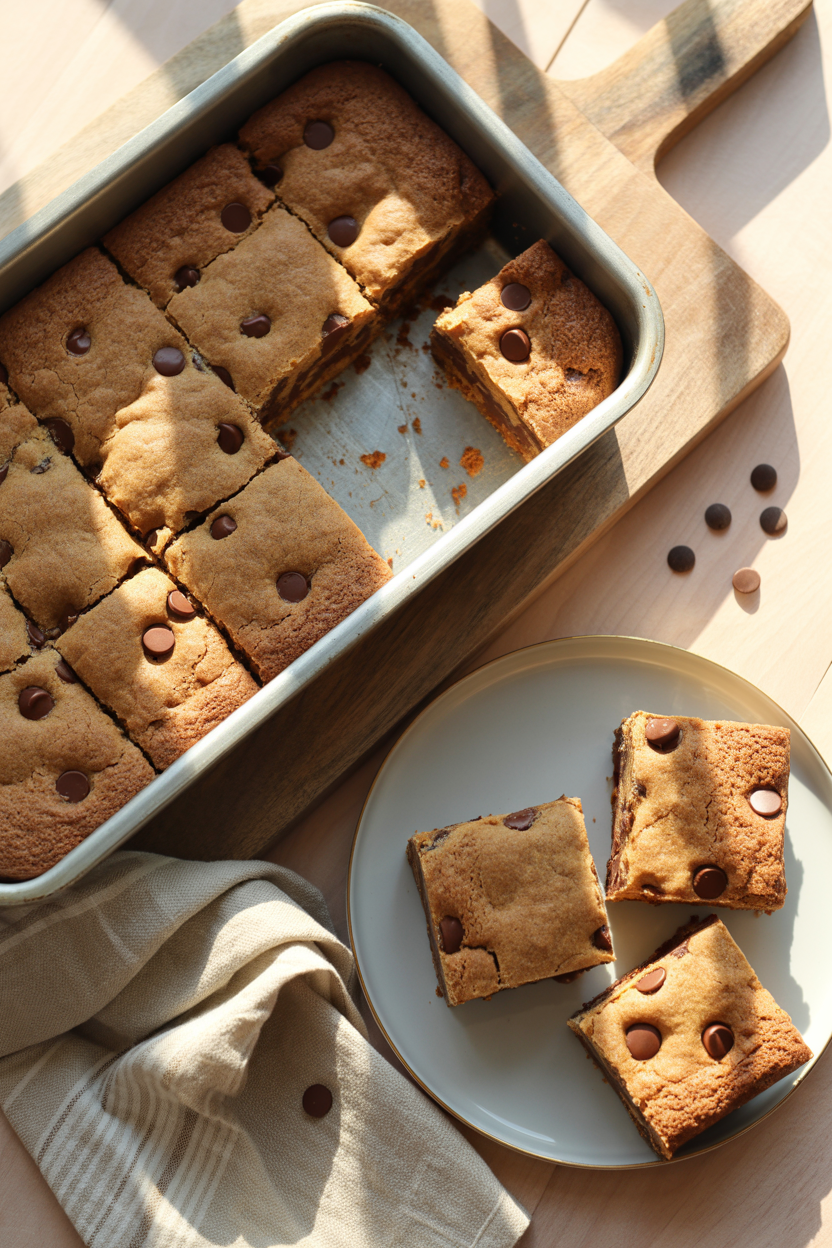
25 Cookie Bars You Can Bake in One Pan
Look, I get it. You want cookies, but the thought of scooping out individual dough balls and baking them in batches makes you want to order takeout instead. Cookie bars are the hack we all need—one pan, one batch, zero fuss. You press dough into a pan, bake it, slice it up, and suddenly you’re the person who “has their life together” at the office potluck.
I started making cookie bars out of pure laziness, and honestly? I’m never going back. They’re faster, they portion perfectly, and you can sneak mix-ins into them without worrying about structural integrity. Plus, they travel better than regular cookies, which means fewer crumbs in your car and more compliments at whatever event you’re attending.
Why Cookie Bars Beat Regular Cookies Every Single Time
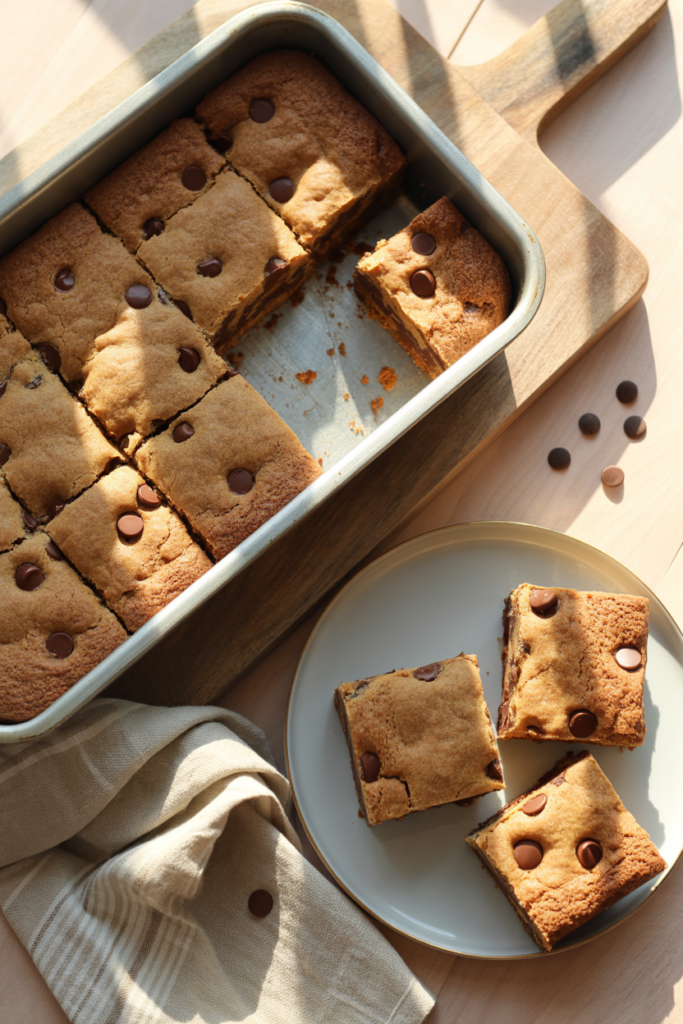
Regular cookies have their place, sure. But cookie bars eliminate about 90% of the annoying parts of cookie-making. You don’t need to worry about spacing on the baking sheet or whether your cookies will spread into weird amoeba shapes. You just press, bake, and cut.
The texture hits differently too. Cookie bars give you crispy edges and a chewy center in every single piece. With regular cookies, you’re gambling on texture—some burn, some stay doughy, and you inevitably eat three “test cookies” to make sure they’re acceptable.
I use a 9×13 inch baking pan for most of these recipes because it’s the Goldilocks size—not too thick, not too thin. You can also use an 8×8 or 9×9 pan if you want thicker bars, but you’ll need to adjust the baking time. Grab this straight-sided aluminum pan if you don’t have one yet—it conducts heat evenly and nothing sticks to it when you line it with parchment.
The Secret to Perfect Cookie Bars Every Time
Here’s what nobody tells you: cookie bars need parchment paper with overhang. I’m talking at least two inches hanging over each side of the pan. This lets you lift the entire slab out after baking, which makes cutting so much cleaner. Trust me, trying to cut bars directly in the pan is a one-way ticket to mangled, crumbly disaster.
Another trick? Let them cool completely before slicing. I know you want to eat them immediately—I do too—but warm cookie bars fall apart. Stick the whole pan in the fridge for 20 minutes if you’re impatient. The bars firm up fast, and you get clean cuts with a sharp knife.
Speaking of knives, I use this bench scraper instead of a regular knife for cutting bars. It gives you perfectly straight edges and doesn’t drag the dough. You press down instead of sawing through, which keeps everything intact.
Classic Chocolate Chip Cookie Bars
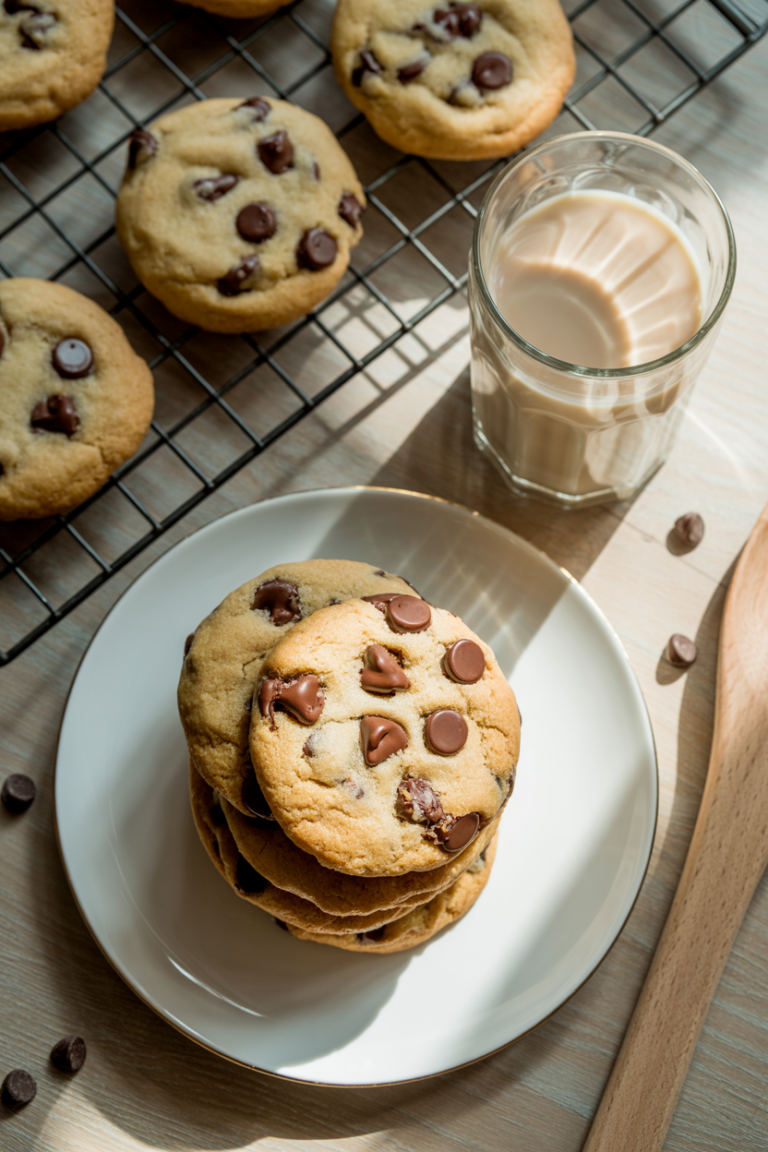
Let’s start with the obvious winner. Chocolate chip cookie bars taste exactly like the Toll House cookies your mom made, except you make them in 15 minutes instead of 45. You cream butter and sugar, add eggs and vanilla, mix in flour and chocolate chips, then press everything into your pan.
The ratio matters here. You want slightly more flour than a regular cookie recipe so the bars hold their shape when you cut them. I also chill my dough for 10 minutes before pressing it into the pan—this prevents the bars from spreading too thin while baking.
Use good chocolate chips. The cheap ones taste like waxy sadness. I go for semi-sweet chocolate chips most of the time, but dark chocolate chips work if you want a less sweet bar. You can also chop up a chocolate bar instead of using chips—the irregular chunks melt into puddles of chocolate that make every bite feel special.
Brownies Disguised as Cookie Bars
Okay, technically brownies aren’t cookie bars, but fudgy brownie cookie bars absolutely count. You make a basic brownie batter, but you add an extra egg and a bit more flour to give them that chewy cookie texture instead of pure fudge.
I fold chocolate chips into the batter because more chocolate never hurt anyone. You can also swirl in peanut butter or Nutella before baking—just dollop spoonfuls on top of the batter and drag a knife through it in swirls. It looks impressive and tastes even better.
The secret to fudgy bars is underbaking them slightly. Pull them out when they still jiggle a tiny bit in the center. They’ll firm up as they cool, and you’ll end up with that perfect dense, fudgy texture. Overbaked brownies turn into chocolate-flavored cardboard, which is a crime against dessert.
If you’re looking for more chocolate-forward recipes, you’ll love these rich chocolate dessert ideas or this guide to baking with different types of chocolate.
Peanut Butter Cookie Bars That’ll Ruin You for Regular PB Cookies
Peanut butter cookies are great until you remember you have to press each one with a fork and make that little crosshatch pattern. With cookie bars, you skip all that and just spread peanut butter dough in a pan.
I use crunchy peanut butter because the little peanut chunks add texture, but smooth works fine too. The key is using natural peanut butter with a bit of oil separation—it makes the bars more tender. If you only have the super-stabilized stuff like Jif, that’s fine, but add an extra tablespoon of butter to compensate.
These bars pair insanely well with chocolate chips, but I also love adding chopped Reese’s cups or a chocolate drizzle on top after baking. You melt chocolate chips with a tiny bit of coconut oil, then drizzle it over the cooled bars with a fork. It hardens into a shell that cracks when you bite into it.
Oatmeal Cookie Bars with Raisins (or Without, I Won’t Judge)
I’m team raisin, but I know that’s controversial. The beauty of cookie bars is you can customize them however you want. Swap raisins for chocolate chips, dried cranberries, or chopped dates. You could even leave them plain if you’re into that minimalist lifestyle.
The texture on oatmeal bars depends on how you treat the oats. I use old-fashioned rolled oats and mix them in without any pre-soaking. They soften as the bars bake but keep a pleasant chew. Quick oats work too, but they make the bars slightly mushier—not bad, just different.
I always add cinnamon and a pinch of nutmeg because oatmeal cookies without spice taste flat. A tablespoon of molasses also adds depth without making the bars too sweet. These bars are slightly healthier than most cookie options, which means you can eat three and call it breakfast. I won’t tell.
According to research on whole grain consumption, oats provide soluble fiber that helps regulate blood sugar—so yeah, these bars basically count as health food.
M&M Cookie Bars for When You Need Instant Serotonin
There’s something about colorful candy-coated chocolate that makes people unreasonably happy. M&M cookie bars are basically chocolate chip bars with a personality upgrade. You can use regular M&Ms, peanut M&Ms, or those pretzel-filled ones if you want a salty-sweet situation.
Press extra M&Ms on top of the dough before baking so they’re visible. People eat with their eyes first, and a pan of rainbow-studded cookie bars looks way more appealing than plain beige dough. The M&Ms on top get slightly toasted in the oven, which gives them this caramelized edge that regular M&Ms don’t have.
I bake these for exactly 22 minutes at 350°F. Any longer and the M&M candy shells start cracking and looking sad. You want them intact and shiny when the bars come out of the oven. Let the pan cool on a wire cooling rack so air circulates underneath—this prevents soggy bottoms.
Snickerdoodle Cookie Bars with Extra Cinnamon Sugar
Snickerdoodles involve rolling each cookie in cinnamon sugar before baking, which sounds cute but gets tedious fast. Cookie bars skip the rolling and just press cinnamon-sugar dough into a pan, then dust more cinnamon sugar on top.
The cream of tartar is essential here. It gives snickerdoodles that signature tangy flavor that separates them from regular cinnamon cookies. Don’t skip it or substitute baking powder—it won’t taste right.
I go heavy on the cinnamon sugar topping. Like, aggressively heavy. You want a visible layer on top that caramelizes slightly while baking. The edges get crispy and the center stays soft, and that contrast is what makes these bars addictive.
For anyone interested in flavor science, the tanginess comes from the acid in cream of tartar interacting with baking soda. Studies on baking chemistry show how these reactions affect texture and taste in baked goods.
White Chocolate Macadamia Cookie Bars
These taste like vacation. White chocolate and macadamia nuts together create this buttery, tropical vibe that makes you forget you’re standing in your kitchen on a Tuesday.
Chop the macadamia nuts roughly so you get both big chunks and small pieces. The variety in size makes every bite slightly different. I also use white chocolate chips and chunks—chips for even distribution, chunks for dramatic melty pockets.
White chocolate burns easily, so watch your oven temperature. Keep it at 325°F instead of the usual 350°F, and pull the bars out when they’re just barely golden at the edges. The center will look underdone, but it’ll set as it cools.
Lemon Cookie Bars That Aren’t Lemon Bars
Lemon bars usually refer to that custard-topped situation with powdered sugar. These are different—they’re straight-up cookie bars with lemon zest and lemon juice in the dough.
Fresh lemon zest is mandatory. Bottled lemon juice is fine in a pinch, but zest gives you those aromatic oils that make the bars smell incredible while baking. I use the zest from two lemons and about three tablespoons of juice.
These bars taste bright and slightly tangy, which makes them weirdly good with tea or coffee. I dust them with powdered sugar after they cool because it looks nice and adds a bit more sweetness to balance the tart lemon.
Craving more dessert ideas? Try these citrus-based treats or this collection of summer baking recipes for something refreshing.
Nutella Swirl Cookie Bars
Take a basic cookie bar recipe, dollop Nutella all over the top, swirl it with a knife, and bake. That’s it. That’s the whole recipe.
I use about half a cup of Nutella and drop it in spoonfuls across the dough. Then I drag a butter knife through it in zigzag patterns to create swirls. Don’t overmix or you’ll lose the visual contrast between the cookie dough and Nutella.
These bars are rich. Like, “one piece is actually enough” rich. The Nutella sinks slightly into the dough while baking and creates these pockets of hazelnut-chocolate goodness. You can also substitute any nut butter or chocolate spread if Nutella isn’t your thing.
Triple Chocolate Cookie Bars for Chocolate Extremists
Regular chocolate chip bars aren’t chocolatey enough for some people. Fair. Triple chocolate bars use cocoa powder in the dough, then add both semi-sweet and white chocolate chips for maximum chocolate coverage.
The cocoa powder makes the base dough darker and gives it that deep chocolate flavor. Dutch-processed cocoa works best because it’s less acidic and has a smoother taste. I sift the cocoa powder with the flour to avoid lumps—nobody wants to bite into a pocket of pure cocoa powder.
I press extra chocolate chips on top before baking because I’m not subtle. The white chocolate chips create visual contrast against the dark dough, and they melt into creamy puddles that balance the intensity of the semi-sweet chocolate.
Pumpkin Spice Cookie Bars (Yes, Even in December)
Pumpkin spice isn’t just for fall. These bars taste great year-round, and I will defend that opinion aggressively. You mix canned pumpkin puree into the dough along with cinnamon, ginger, nutmeg, and cloves.
Use actual pumpkin puree, not pumpkin pie filling. The pie filling has added sugar and spices that throw off the recipe balance. Plain pumpkin puree from a can works perfectly. Make sure you mix it thoroughly into the butter and sugar so it distributes evenly.
These bars stay incredibly moist because of the pumpkin. They also freeze beautifully, which means you can make a batch and have pumpkin cookie bars available whenever you want them. I store them in an airtight container with parchment between the layers so they don’t stick together.
Coconut Cookie Bars That Taste Like Almond Joy
Sweetened shredded coconut mixed into cookie bar dough creates this chewy, tropical situation that pairs perfectly with chocolate. I add mini chocolate chips to the dough and press sliced almonds on top before baking.
Toast the coconut first if you want extra flavor. Spread it on a sheet pan and bake it at 325°F for about 5 minutes, stirring occasionally, until it’s golden. Toasted coconut has a nutty, caramelized flavor that makes these bars taste way more sophisticated.
I drizzle melted dark chocolate over the cooled bars and sprinkle more toasted coconut on top. It’s basically a deconstructed Almond Joy in bar form, and it’s dangerously good.
Toffee Crunch Cookie Bars
Toffee bits add this buttery crunch that elevates basic cookie bars into something that tastes expensive. I use Heath bar bits because they’re already chopped and perfectly sized, but you can chop up Skor bars or even make your own toffee if you’re feeling ambitious.
Mix most of the toffee bits into the dough, then press more on top so they’re visible. The ones on top get extra caramelized in the oven and create this crunchy layer that contrasts with the soft cookie underneath.
These bars are sweet, so I add a pinch of sea salt to the dough to balance everything. You can also sprinkle flaky sea salt on top right after baking—it melts slightly into the warm bars and adds this sophisticated salty-sweet thing.
Peanut Butter and Jelly Cookie Bars
PB&J isn’t just for sandwiches. Cookie bars layered with peanut butter dough and strawberry jam hit that nostalgic sweet spot that makes everyone happy.
I spread peanut butter dough in the pan, dollop jam on top, then add more peanut butter dough in small chunks. The jam layer stays visible in some spots and gets covered in others, so you get different jam-to-cookie ratios in every bite.
Use a thick jam or preserves instead of jelly—jelly is too liquidy and makes the bars soggy. I prefer strawberry, but raspberry or blackberry jam works great too. You could even use Nutella instead of jam if you want a different twist.
Butterscotch Oatmeal Cookie Bars
Butterscotch chips are criminally underused. They taste like brown sugar and butter had a baby, and mixed into oatmeal cookie bars, they’re absolutely perfect.
I use the same oatmeal cookie base but swap chocolate chips for butterscotch chips. The butterscotch flavor is subtle and caramel-y without being too sweet. You can also add chopped pecans or walnuts for extra texture.
These bars taste amazing with coffee. The butterscotch flavor complements the bitterness of coffee in a way that chocolate doesn’t. I cut them into small squares and keep them in a tin on my counter for quick breakfast pastry vibes.
Want more breakfast-friendly bakes? Check out these easy morning pastries or this roundup of make-ahead breakfast treats.
S’mores Cookie Bars
Graham cracker crumbs in the cookie dough, mini marshmallows on top, chocolate chips throughout—s’mores bars bring campfire nostalgia indoors without the smoke and burnt fingers.
Crush graham crackers into fine crumbs and mix them into the dough. They add flavor and a slight sandy texture that reminds you of actual s’mores. I add chocolate chips to the dough, then press mini marshmallows on top halfway through baking.
Here’s the trick: add the marshmallows after 15 minutes of baking, then return the pan to the oven for another 5-7 minutes. This prevents the marshmallows from burning while still letting them get golden and toasted on top. You can also hit them with a kitchen torch after baking for extra char.
Salted Caramel Pretzel Cookie Bars
Sweet and salty in one bite—these bars combine crushed pretzels, caramel bits, and chocolate chips in a brown sugar cookie base.
Crush pretzels into small pieces but don’t pulverize them completely. You want visible pretzel chunks for texture and that satisfying crunch. I use those caramel bits that are already chopped so you don’t have to unwrap 50 caramels individually.
Press extra pretzels on top before baking and sprinkle with coarse sea salt. The pretzels on top toast in the oven and add extra crunch. The salt brings out the caramel flavor and keeps the bars from tasting one-note sweet.
Maple Pecan Cookie Bars
Real maple syrup in cookie bars makes them taste like fall, even though maple syrup is acceptable year-round, IMO. Mix maple syrup into the dough and fold in chopped pecans.
Use Grade A dark amber maple syrup for the strongest flavor. The lighter grades taste too subtle in baked goods. You’ll need about a quarter cup, and you’ll need to reduce the other liquid in the recipe slightly to compensate.
I press pecan halves on top in a decorative pattern because it makes the bars look fancy. You can also make a maple glaze by mixing powdered sugar with maple syrup and drizzling it over the cooled bars. It’s aggressively sweet but undeniably delicious.
Chai Spice Cookie Bars
Cardamom, cinnamon, ginger, cloves, and black pepper—chai spices turn basic cookie bars into something that tastes complex and interesting.
Don’t skip the black pepper. It sounds weird, but a tiny pinch adds this subtle heat that makes the other spices pop. I use the same amount of spices you’d use for gingerbread, but I add cardamom for that distinctive chai flavor.
These bars pair perfectly with actual chai tea or coffee. The spices aren’t overwhelming—they’re warm and comforting without making you feel like you’re eating potpourri. Add white chocolate chips if you want something creamy to balance the spices.
Espresso Chocolate Chip Cookie Bars
Coffee in cookie dough doesn’t make them taste like coffee—it makes the chocolate taste more chocolatey. I add two tablespoons of instant espresso powder to chocolate chip cookie bar dough, and it transforms them.
The espresso powder dissolves into the butter and sugar, so you don’t get coffee chunks. What you get is this deep, rich chocolate flavor that tastes more intense than regular chocolate chip bars. If you’re not a coffee person, you won’t even identify the coffee flavor—you’ll just think the chocolate tastes better.
I use instant espresso powder instead of regular instant coffee because espresso powder is more concentrated. You can find it in the baking aisle, usually near the chocolate chips. If you can’t find it, finely ground instant coffee works in a pinch.
Cranberry Orange Cookie Bars
Dried cranberries and orange zest create this bright, fruity situation that feels lighter than most cookie bars. These are great during winter when you want something that isn’t pure chocolate and butter.
Chop the dried cranberries so they’re smaller—whole cranberries create hard spots in the bars. I also soak them in warm orange juice for 10 minutes before adding them to the dough. This softens them and infuses them with more orange flavor.
Use fresh orange zest, not the dried stuff in the spice aisle. You want those aromatic oils from fresh orange peel. I use the zest from one large orange and add a tablespoon of orange juice to the dough for extra citrus punch.
Almond Joy-Inspired Cookie Bars
Coconut, chocolate, and almonds—the holy trinity of Almond Joy candy bars, now in cookie bar form. Press sweetened shredded coconut and slivered almonds into chocolate cookie dough and bake.
I mentioned coconut bars earlier, but these are different because they use a chocolate base instead of vanilla. The chocolate dough makes the coconut and almond flavors more prominent. You can also add a layer of chocolate ganache on top after baking for maximum decadence.
Toast the almonds and coconut before adding them to the dough. This extra step adds so much flavor that it’s worth the five minutes. Just watch them carefully because both coconut and almonds burn fast.
If you’re into coconut desserts, you’ll also enjoy these coconut cream recipes or this tropical dessert collection.
Brown Butter Cookie Bars
Brown butter is the secret weapon that makes everything taste better. You melt butter and cook it until the milk solids turn golden brown, then use that butter in your cookie bar dough.
The browning process gives butter this nutty, caramel-y flavor that’s absurdly good. Make sure you let the brown butter cool completely before using it—hot butter will scramble your eggs. I brown twice as much butter as I need and keep the extra in the fridge for future baking.
These bars don’t need mix-ins. The brown butter flavor is complex enough on its own. You could add chocolate chips if you want, but honestly, plain brown butter cookie bars are perfect as-is.
Mint Chocolate Cookie Bars
Peppermint extract and chocolate chips create that mint-chocolate combo that some people love and others find toothpaste-adjacent. I’m team mint chocolate, so these bars make my list.
Use peppermint extract sparingly. A quarter teaspoon is enough—too much makes the bars taste medicinal. I add semi-sweet chocolate chips to the dough and press Andes mints on top after baking while the bars are still warm. They melt slightly and create this glossy chocolate-mint layer.
You can also crush candy canes and press the pieces into the top of the dough before baking. They melt and create streaks of red and white that look festive. Just avoid baking these in summer because nobody wants mint chocolate when it’s 90 degrees outside.
Cherry Almond Cookie Bars
Dried cherries and almond extract turn basic cookie bars into something that tastes fancy enough for a party. Almond extract is strong, so you only need half a teaspoon—any more and it tastes like perfume.
I use dried tart cherries instead of sweet cherries because the tartness balances the sugar in the cookie dough. Chop them roughly so they distribute evenly. You can also add slivered almonds for extra almond flavor and crunch.
These bars are great with a cup of tea. The cherry-almond combination feels elegant without being fussy. I dust them with powdered sugar after they cool because it makes them look prettier and adds a bit more sweetness.
Cookie Butter Cookie Bars
Cookie butter (Biscoff spread) is basically gingerbread-flavored peanut butter, and it makes incredible cookie bars. Swirl it into vanilla cookie bar dough or use it as the base fat instead of butter.
I do both—I replace half the butter with cookie butter, then swirl more on top before baking. This gives you cookie butter flavor throughout plus visible swirls that look impressive. The bars taste like spiced cookies with extra spices, which sounds redundant but absolutely works.
You can find cookie butter at most grocery stores near the peanut butter. The crunchy version adds texture, but smooth works fine too. These bars are sweet and dense, so cut them into small squares—they’re rich.
You Might Also Like
Looking for more dessert ideas? Here are some recipes that pair perfectly with these cookie bars:
More Bar Recipes:
- Fudgy brownies with cream cheese swirl
- Lemon bars with shortbread crust
- No-bake peanut butter bars
Cookie Variations:
- Classic chocolate chip cookies
- Soft ginger molasses cookies
- Snickerdoodle cookies with extra cinnamon
The Bottom Line on Cookie Bars
Cookie bars eliminate most of the annoying parts of cookie-making while delivering the same delicious results. You press dough into a pan, bake it once, and cut it into perfectly portioned squares. No scooping, no multiple batches, no cookies that spread into weird shapes.
The best part? You can customize cookie bars endlessly. Swap mix-ins, change the base flavor, add swirls or toppings—every variation works as long as you keep the basic dough ratios consistent. I’ve made cookie bars with literally every ingredient in my pantry at some point, and they always turn out.
Start with the basic chocolate chip version to get your technique down, then experiment with different flavors. Keep parchment paper and a good sharp knife on hand, and you’ll crank out professional-looking cookie bars that make people think you know what you’re doing in the kitchen. The secret is that cookie bars are basically foolproof—you just don’t tell anyone that part.