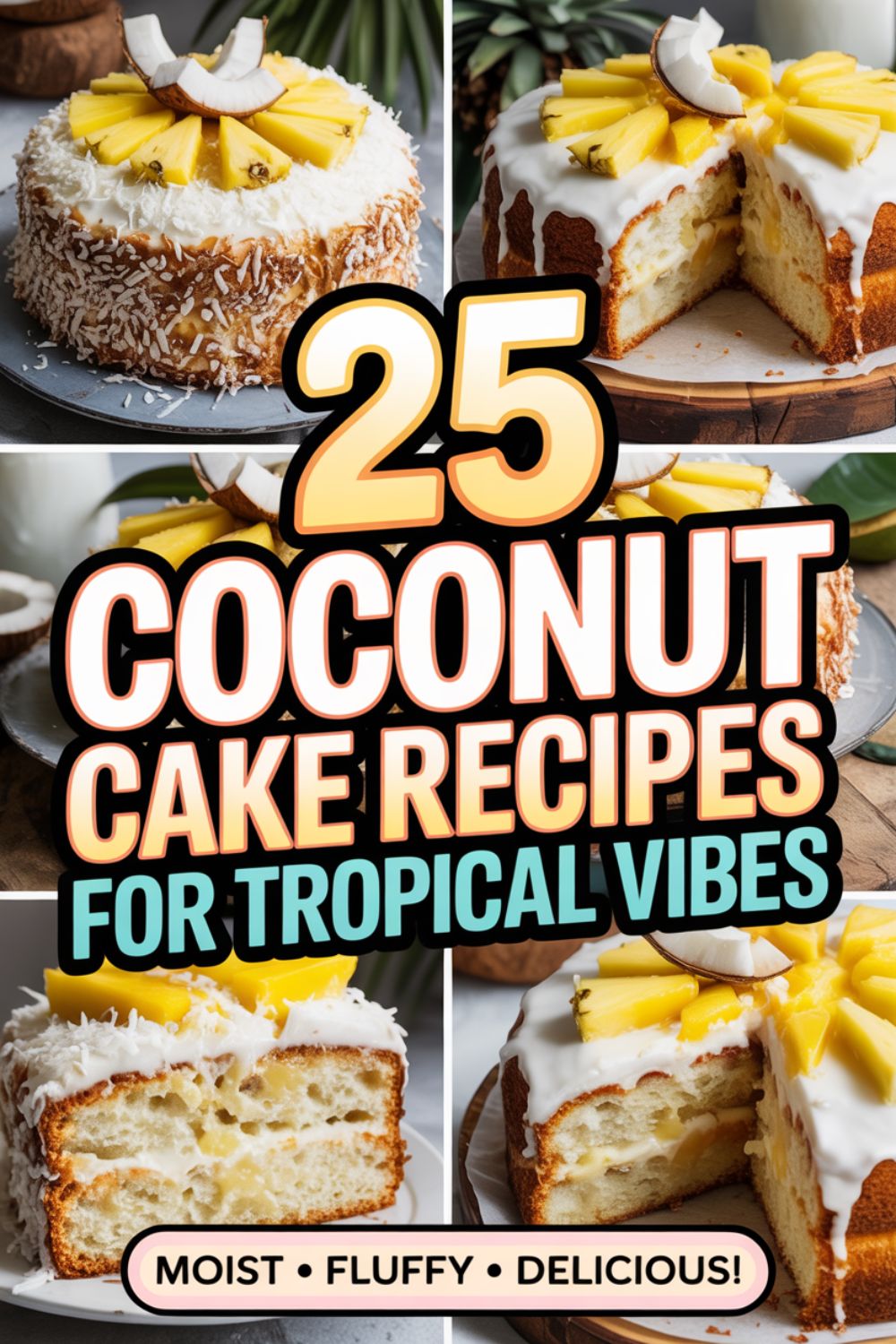
25 Coconut Cake Recipes for Tropical Vibes
From classic layers to island-inspired creations that’ll transport you straight to paradise
Look, I’m not saying coconut cake is the answer to all your problems, but have you ever seen someone frowning while eating a slice of fluffy, coconut-covered heaven? Exactly.
There’s something almost magical about coconut cake—that perfect marriage of moist crumb, sweet coconut flavor, and those gorgeous white flakes that somehow end up everywhere except your plate. Whether you’re chasing childhood memories of your grandma’s famous cake or just want to feel like you’re on a tropical vacation without the plane ticket, these 25 coconut cake recipes have you covered.
From traditional Southern-style layer cakes that’ll make you weep with joy to modern twists that’ll have your Instagram followers demanding the recipe, we’re diving deep into coconut cake territory. And trust me, by the time you’re done reading this, you’ll be itching to preheat that oven.
Why Coconut Cake Deserves a Spot in Your Baking Rotation
Here’s the thing about coconut cake—it’s not just another dessert. It’s a statement. A delicious, fluffy, coconut-covered statement that says, “Yes, I know how to have a good time.”
I’ve been baking for years, and coconut cake still surprises me. The versatility is insane. You can go full-on classic with a towering layer cake that requires structural engineering skills, or keep it casual with a simple sheet cake that’s perfect for Tuesday night because, why not?
What really sets coconut cake apart is the coconut itself. Unlike some ingredients that lose their personality when baked, coconut actually intensifies. The toasting brings out nutty undertones, the milk adds moisture that’ll make your cake practically melt on the tongue, and the flakes provide texture that keeps things interesting. According to research on coconut’s unique nutritional profile, the medium-chain fatty acids in coconut are absorbed differently than other fats and have been linked to various health benefits—though let’s be real, we’re here for the taste.
Plus, coconut cake is forgiving. Forgot to bring your eggs to room temperature? Coconut milk’s got your back. Overmixed the batter slightly? The coconut texture will hide a multitude of sins. It’s like the friend who always makes you look good in group photos.
Toast your coconut flakes before adding them to the batter or using them for decoration. Just 5 minutes at 325°F transforms them from bland to nutty perfection. Watch them like a hawk though—they go from golden to burnt faster than you can say “tropical paradise.”
The Essential Guide to Coconut Cake Success
Choosing Your Coconut
Not all coconut is created equal, and this is where things get interesting. You’ve got options, my friend.
Shredded coconut is your workhorse. It comes sweetened or unsweetened, and honestly, I keep both in my pantry. Sweetened for when I want that classic, over-the-top coconut flavor, unsweetened when I’m feeling slightly less indulgent or want more control over the sweetness level.
Coconut flakes are the show-stoppers. Bigger, more dramatic, better for decoration. I love using organic coconut chips for topping—they add this incredible crunch that makes people think you’re way fancier than you actually are.
Coconut milk is where the moisture magic happens. Full-fat is non-negotiable for the richest cakes. Don’t even think about reaching for the light stuff unless you enjoy disappointment. The unique fatty acid composition of coconut actually contributes to the tender, moist crumb we’re after.
The Mixing Method Matters
I’m going to let you in on a little secret that changed my coconut cake game forever: the creaming method is your best friend here. Beating butter and sugar until it’s light and fluffy—and I mean really fluffy, like 3-5 minutes with a stand mixer with paddle attachment—creates air pockets that make your cake impossibly tender.
Add your eggs one at a time. I know, I know, it feels tedious. But trust me, this isn’t the time to dump everything in and hope for the best. Each egg needs time to fully incorporate before you add the next one. This is how you avoid that curdled look that makes you question all your life choices.
When you’re alternating dry ingredients with liquid, start and end with dry. This isn’t just baker superstition—it actually prevents overmixing and keeps your crumb tender. Mix until just combined, then stop. That last 30 seconds of mixing is the difference between “wow, this is amazing” and “it’s a little dense, isn’t it?”
25 Coconut Cake Recipes That’ll Make You Feel Like You’re on Vacation
Classic Coconut Layer Cakes
Let’s start with the queen of coconut cakes: the classic layer cake. This is the one your grandmother made, the one that shows up at every Southern potluck, the one that makes people weak in the knees.
The traditional version features three or four layers of tender white cake, coconut cream filling, and enough shredded coconut on the outside to make you look like you’ve been through a snowstorm. It’s not subtle, but who wants subtle when you can have spectacular?
My go-to classic uses coconut milk in the batter and coconut extract in the frosting. The trick is to brush each layer with a simple coconut syrup before frosting—this is what separates the amateurs from the pros. Get Full Recipe
For a slightly lighter take, try a coconut chiffon cake. It uses oil instead of butter and whipped egg whites for lift, resulting in a cake that’s somehow both rich and airy. The texture is incredible—like biting into a coconut-flavored cloud. I use a tube pan with removable bottom for this one because it needs to cool upside down, and nobody wants their masterpiece stuck to the pan.
Tropical Fusion Flavors
Now we’re getting into my favorite territory: coconut cake meets other tropical flavors and magic happens.
Coconut-Pineapple Upside-Down Cake is basically a vacation in cake form. Caramelized pineapple on the bottom, coconut-studded cake on top, and when you flip it? Pure Instagram gold. The pineapple juice keeps everything ridiculously moist, and the caramelization adds this deep, complex sweetness that plays beautifully with the coconut. Get Full Recipe
For more upside-down inspiration, our collection of upside-down cake recipes with fruit will blow your mind with creative flavor combinations.
Mango-Coconut Tres Leches takes the traditional tres leches and gives it a tropical makeover. Instead of just regular milk, we’re using coconut milk as one of the three milks, plus adding fresh mango puree. The result? A cake so moist it borders on pudding, in the best possible way. You’ll need a 9×13 inch baking dish with lid for this one because it needs to soak overnight in the fridge.
Lime-Coconut Pound Cake is what happens when coconut cake decides to be sophisticated. The tartness of the lime cuts through the richness of the coconut and butter, creating this perfect balance that’s neither too sweet nor too heavy. Top it with a lime glaze and toasted coconut, and you’ve got something that looks simple but tastes like you spent all day on it.
Modern Twists on the Classic
Let’s talk about the coconut cakes that make traditionalists clutch their pearls—in a good way.
Coconut Matcha Layer Cake sounds weird until you taste it. The earthy, slightly bitter matcha is the perfect counterpoint to sweet coconut, and the color? Absolutely stunning. Green and white layers that look like something from a high-end bakery. I use ceremonial grade matcha powder for this because the cheaper stuff can taste like grass clippings, and nobody wants that.
Salted Caramel Coconut Bundt is what happens when you take everything good in the world and put it in one cake. Coconut cake base, salted caramel drizzled throughout, more salted caramel on top, finished with toasted coconut and flaky sea salt. It’s ridiculously over-the-top, and I regret nothing. For perfect results every time, invest in a good non-stick bundt pan—I learned this the hard way after too many cakes that refused to release.
If you’re into bundt cakes, our comprehensive guide to bundt cake recipes for any occasion has even more creative ideas to explore.
Chocolate-Coconut Marble Cake is for the people who can’t decide between chocolate cake and coconut cake. Why choose? Marble them together for this gorgeous swirl effect. The chocolate I use is always high-quality—it makes a difference. A premium dark cocoa powder creates deeper, more complex chocolate flavor that holds its own against the coconut.
“I made the lime-coconut pound cake for my sister’s bridal shower and people literally asked for the recipe before they finished their slice. Three guests wanted to know where I ordered it from—that’s how good it was. Made my whole year, honestly.”
No-Bake and Easy Options
Not everyone has time to babysit a three-layer cake, and that’s perfectly fine. These coconut cakes deliver maximum flavor with minimum fuss.
Coconut Icebox Cake is basically layers of graham crackers (or cookies) soaked in coconut cream, stacked, and left to chill until everything melds together into this creamy, dreamy dessert. Zero oven time required. I make mine in a rectangular glass baking dish so you can see all those beautiful layers.
For more no-bake inspiration, check out our collection of no-bake cookie recipes—perfect for those days when turning on the oven feels like too much work.
Coconut Mug Cake is your answer to 11 PM coconut cravings. Mix everything in a mug, microwave for 90 seconds, and boom—personal-sized coconut cake. It’s not going to win any beauty contests, but it tastes incredible and you can eat it straight from the mug with a spoon. No judgment here.
Dump Coconut Cake is exactly what it sounds like—dump everything in a pan, bake, done. The magic happens when you pour coconut cream over the hot cake and let it soak in. It’s simple, it’s casual, and it’s absolutely delicious. Perfect for when you need dessert but can’t be bothered with precision.
Speaking of dump cakes, our guide to dump cake recipes with just a few ingredients has tons more super-easy options that taste way fancier than the effort required.
Special Dietary Variations
Everyone deserves good coconut cake, regardless of dietary restrictions. These recipes prove you don’t need to compromise on flavor.
Vegan Coconut Cake uses aquafaba (the liquid from canned chickpeas—stay with me here) as an egg replacer, and coconut oil instead of butter. The result is surprisingly light and incredibly coconutty. Top it with coconut whipped cream and toasted coconut for a completely plant-based dessert that’ll make everyone happy. Get Full Recipe
For more plant-based baking ideas, explore our vegan cookies that actually taste like dessert—because everyone needs good treats.
Gluten-Free Coconut Almond Cake uses almond flour as the base, which actually works beautifully with coconut. The texture is slightly denser but incredibly moist, and the almond flavor complements the coconut perfectly. I use a fine blanched almond flour for the best texture—the coarse stuff can make things grainy.
If you’re exploring gluten-free baking, our collection of gluten-free cookies that taste amazing will give you even more confidence in alternative flour baking.
Low-Sugar Coconut Cake relies on natural sweetness from dates and the coconut itself, plus a touch of stevia. It’s not going to taste exactly like the sugar-loaded version, but it’s still delicious and won’t send your blood sugar on a rollercoaster. The dates also add incredible moisture and a subtle caramel flavor.
Check out our low-sugar cookies for guilt-free snacking for more ideas on reducing sugar without sacrificing flavor.
Mini and Individual Portions
Sometimes you want coconut cake but don’t want to commit to an entire cake situation. Enter mini versions.
Coconut Cupcakes are perfect for parties, portion control, or just because they’re cute. I make mine with coconut milk in the batter, cream cheese-coconut frosting, and a generous sprinkle of toasted coconut on top. A standard muffin tin with 12 cups is all you need, though I also love making mini versions in a 24-cup pan for even smaller indulgences. Get Full Recipe
Coconut Cake Pops take a bit more work but they’re worth it. Crumble up coconut cake, mix it with frosting to make it moldable, form into balls, dip in white chocolate, roll in coconut. They’re adorable, delicious, and disappear at parties faster than you can say “I should’ve made more.” A cake pop maker isn’t necessary but it makes the process way easier if you plan to do this regularly.
For more party-perfect treats, check out our easy cake pops recipes—they’re always crowd-pleasers.
Coconut Petit Fours are tiny, elegant, and make you look like you went to pastry school. They’re just small squares of coconut cake, coated in a thin layer of white chocolate or fondant, topped with a coconut flake or two. Perfect for fancy occasions or when you want to feel fancy on a random Wednesday.
Speaking of mini desserts, our mini cake recipes for small celebrations has tons of adorable options for every occasion.
Make coconut simple syrup and keep it in your fridge. Equal parts water and sugar, simmered with a cup of shredded coconut, then strained. Brush it on any cake layer before frosting for instant moisture and flavor boost. It keeps for weeks and transforms even mediocre cakes into something special.
Seasonal and Holiday Coconut Cakes
Coconut cake isn’t just for summer, despite its tropical vibes. These seasonal variations prove it works year-round.
Coconut-Cranberry Christmas Cake combines the tropical flavor of coconut with tart cranberries and a hint of orange zest. The red and white color scheme is perfect for holidays, and the flavor combo is surprisingly sophisticated. Fresh cranberries work best here—frozen ones release too much liquid and make things soggy.
Coconut-Pumpkin Spice Cake sounds like it shouldn’t work, but it absolutely does. The warm spices play beautifully with the coconut, creating this cozy-tropical hybrid that’s perfect for fall. I use coconut milk instead of regular milk in the batter, and the result is incredibly moist with layers of complex flavor. Get Full Recipe
Coconut-Strawberry Shortcake is my go-to for spring and summer celebrations. Instead of traditional shortcake, I use a coconut cake base. Layer it with fresh strawberries and coconut whipped cream, and you’ve got something that tastes like a vacation and looks gorgeous. The strawberries need to be perfectly ripe for this—sad, flavorless winter strawberries will ruin the whole vibe.
Coffee Cake and Breakfast Variations
Who says coconut cake is only for dessert? These breakfast-appropriate versions are total game-changers.
Coconut-Pecan Coffee Cake features a tender coconut cake base with a crunchy pecan-coconut streusel on top. It’s perfect with your morning coffee and sophisticated enough to serve at brunch. The streusel needs a good amount of butter to get properly crispy—don’t skimp here. Get Full Recipe
For more morning inspiration, our collection of coffee cake recipes with crumb topping has endless delicious options for breakfast or brunch.
Coconut-Banana Breakfast Cake is basically banana bread’s cooler, more sophisticated cousin. Mashed bananas add moisture and natural sweetness, while coconut adds texture and tropical flair. It’s healthier than regular cake (or at least I tell myself that) and actually makes a decent breakfast. Toast a slice and spread it with natural almond butter—trust me on this.
Also check out our breakfast cake recipes for brunch for more ways to justify cake in the morning.
Coconut-Blueberry Snack Cake sits somewhere between breakfast and dessert, which is exactly where I like to live. Fresh or frozen blueberries work great, and the cake stays moist for days. A square baking pan is perfect for this—cut it into squares and it’s ready to grab whenever you need a little pick-me-up.
For more anytime treats, our snack cake recipes for every day will keep your cake tin full and your family happy.
Elegant and Wedding-Worthy
Sometimes coconut cake needs to dress up, and boy, can it ever look stunning.
Coconut-Champagne Cake is what I imagine angels eat at fancy parties. Champagne in the batter and buttercream, coconut throughout, topped with gold leaf if you’re feeling extra. It’s sophisticated, celebratory, and tastes like the best decision you’ve ever made. Use a decent champagne—cooking wine won’t cut it here.
Planning a special event? Our guide to elegant wedding cake ideas you can DIY has stunning options for celebrations of all kinds.
Coconut-Lavender Cake is delicate, floral, and absolutely gorgeous. A tiny bit of lavender goes a long way—too much and it tastes like soap. But get it right, and you’ve got something truly special. I use culinary lavender buds steeped in warm coconut milk, then strained out before mixing into the batter.
White Chocolate-Coconut Layer Cake is pure elegance. White chocolate ganache between the layers, white chocolate buttercream outside, covered in coconut flakes. It’s essentially a snowball of deliciousness, and people lose their minds over it. The white chocolate needs to be good quality—cheap stuff has a waxy texture that’ll ruin the whole thing.
Sheet Cakes and Crowd-Pleasers
When you need to feed a bunch of people without having a nervous breakdown, these sheet cakes are your answer.
Texas-Style Coconut Sheet Cake is big, bold, and unapologetically rich. Coconut in the batter, coconut in the frosting, coconut on top. It’s not subtle, but it feeds a crowd and everyone will ask for seconds. The frosting goes on while the cake is still warm, which creates this amazing texture as it soaks in slightly. Get Full Recipe
For more crowd-friendly options, check out our party cake recipes for a crowd—perfect for feeding lots of hungry people without stress.
Coconut Poke Cake involves poking holes all over a baked cake and pouring coconut cream mixture over it, letting it soak into all those holes. Top with whipped cream and toasted coconut. It’s easy, impressive, and everyone thinks you’re a genius. I use the handle of a wooden spoon for poking—works perfectly.
Coconut-Cream Cheese Sheet Cake has a cream cheese frosting that’s mixed with coconut and spread generously over a simple coconut sheet cake. It’s the kind of cake that disappears at potlucks, and someone always tries to take the last piece home. A good offset spatula makes frosting sheet cakes way easier and gives you those smooth, professional-looking results.
Essential Tools for Coconut Cake Success
Here are the tools that actually make a difference when you’re baking coconut cakes:
- Professional Stand Mixer (5-Quart) – Seriously, for creaming butter and sugar to perfect fluffiness, nothing beats a good stand mixer. Your arms will thank you.
- 3-Piece Round Cake Pan Set – For those stunning layer cakes. Get the good ones with straight sides and they’ll last forever.
- Digital Kitchen Scale – Baking is science, people. Measuring by weight is way more accurate than cups, especially with coconut products.
- Ultimate Coconut Cake Recipe Collection (Digital Download) – 50+ tested recipes with step-by-step photos and troubleshooting guides. Perfect for building your coconut cake confidence.
- Tropical Desserts Masterclass (Video Course) – Learn professional techniques for working with coconut, making perfect frostings, and creating bakery-worthy results at home.
- Monthly Cake Baking Guide (Subscription) – Get new seasonal coconut cake recipes delivered monthly, plus exclusive tips and community access.
Want personalized baking advice and recipe support? Join our WhatsApp Baking Community where we share tips, troubleshoot problems, and celebrate your successes together.
Pro Tips for Perfect Coconut Cake Every Single Time
Moisture Is Everything
The difference between a good coconut cake and a great one often comes down to moisture. Here’s how to nail it: don’t skip the coconut milk. Even if the recipe calls for regular milk, swap at least half for coconut milk. The fat content keeps everything tender and adds that crucial coconut flavor that extract alone can’t provide.
Simple syrup is your secret weapon. I brush it on every single cake layer before frosting, no exceptions. It’s just equal parts sugar and water, heated until the sugar dissolves, maybe with some coconut extract thrown in. This step alone has saved countless cakes from dryness.
Store your cake properly. If you’re making it ahead, wrap the layers in plastic wrap while they’re still slightly warm. This traps moisture. Then refrigerate. The frosted cake should be covered and can live at room temperature for a day or two, but longer than that and you’ll want it in the fridge.
Frosting Techniques That Actually Work
Getting coconut to stick to the sides of a frosted cake seems simple until you try it and half of it falls on the counter. Here’s the trick: press it on immediately after frosting, while the frosting is still tacky. Don’t wait. I put my toasted coconut in a wide, shallow bowl, hold the cake over it (or over a sheet pan if I’m feeling less bold), and just press handfuls onto the sides and top.
For a cleaner look, chill your frosted cake for 15 minutes first, then do a final thin layer of frosting and apply the coconut while that’s fresh. This gives you more control and less mess. A cake decorating turntable makes this process infinitely easier—you can rotate the cake instead of awkwardly walking around it.
Troubleshooting Common Issues
Dense, heavy cake? You probably overmixed. With coconut in the batter, there’s less room for error. Mix until just combined, then stop. Those last few streaks of flour will incorporate as you fold.
Dry cake? Not enough fat or you overbaked it. Coconut cakes need to be pulled from the oven when a toothpick comes out with a few moist crumbs, not completely clean. They’ll continue cooking as they cool.
Frosting won’t stick? Your cake is too warm or your frosting is too soft. Cool the cake completely—and I mean completely, at least two hours. If the frosting is the problem, chill it for 10 minutes and try again.
“I’ve been intimidated by layer cakes my whole life, but the coconut simple syrup trick gave me so much confidence. Even my slightly wonky layers tasted incredible and stayed moist for three days. Finally made a birthday cake I’m actually proud of!”
Storing and Serving Your Coconut Masterpiece
Let’s talk about what happens after you’ve created your coconut cake masterpiece, because proper storage is the difference between day-three bliss and day-three disappointment.
Room temperature storage works for 1-2 days if your kitchen isn’t too warm and you’ve got a good cake dome or cover. But honestly? I almost always refrigerate. Coconut milk-based cakes and cream cheese frostings need the cold. Just let the cake come to room temperature before serving—cold cake doesn’t taste as good, and I’ll fight anyone who says otherwise.
Freezing coconut cake is absolutely possible and actually works great. Wrap individual slices in plastic wrap, then foil, then stick them in a freezer bag. They’ll keep for three months. Thaw in the fridge overnight, then bring to room temperature. It’s like having a dessert emergency fund, and I highly recommend it.
For serving, a good serrated cake knife is essential. It cuts through layers cleanly without squishing everything. Wipe it clean between slices for those picture-perfect servings that make you look like you know what you’re doing.
Meal Prep Resources for Serious Bakers
Make your coconut cake baking even easier with these helpful resources:
- Glass Storage Container Set – Perfect for storing cake layers, frosting, and prepped ingredients. The airtight seal keeps everything fresh.
- Silicone Baking Mat Set – Makes cleanup a breeze and ensures even baking. No more stuck-on cake disasters.
- Measuring Cup and Spoon Set – Accurate measurements make all the difference. Stainless steel lasts forever.
- Baking Basics Cheat Sheet (Printable PDF) – Conversion charts, substitution guides, and timing references all in one handy document you can keep in your kitchen.
- Cake Decorating Workshop (Online Class) – Master frosting techniques, piping, and professional finishing touches. Lifetime access included.
- Seasonal Baking Planner (Digital) – Plan your baking projects, track ingredient inventory, and never forget an important celebration again.
Make extra frosting. Always. There’s nothing worse than running out mid-decoration. Extra frosting can be refrigerated for a week or frozen for months. Plus, leftover coconut buttercream on graham crackers is a legitimate snack. Don’t judge me.
Taking Your Coconut Cake Game to the Next Level
Once you’ve mastered the basics, it’s time to get creative. This is where coconut cake goes from “that was delicious” to “holy wow, you made this?”
Try compound flavors. Don’t just make coconut cake—make toasted coconut cake by toasting all your coconut before adding it. The nutty, caramelized flavor is a total game-changer. Or infuse your coconut milk with fresh ginger or lemongrass for an unexpected twist that’ll have people trying to figure out your secret ingredient.
Experiment with textures. Add crushed macadamia nuts to your batter for crunch. Fold in some cream cheese for tanginess. Mix in some Greek yogurt to add moisture and a subtle tang that balances the sweetness beautifully.
Play with presentation. Naked cakes (where you can see the layers) look gorgeous with coconut cake. Or go full maximalist with edible flowers, gold leaf, and enough toasted coconut to make it look like a snowdrift. There’s no wrong answer here—it’s your cake.
IMO, the best coconut cakes are the ones that surprise people. They expect sweet and tropical, so give them that but with a twist. A hint of cardamom. A layer of passion fruit curd. Some toasted sesame seeds mixed with the coconut. These little touches transform good cakes into unforgettable ones.
Frequently Asked Questions
Can I use coconut flour in coconut cake recipes?
Yes, but it requires significant recipe modifications. Coconut flour absorbs way more liquid than regular flour—you typically need only 1/4 to 1/3 the amount. You’ll also need extra eggs and liquid to prevent a dry, crumbly texture. For best results, use recipes specifically developed for coconut flour rather than trying to substitute it in traditional recipes. It creates a denser, more compact cake that’s still delicious but quite different from the light, fluffy traditional coconut cake.
What’s the difference between sweetened and unsweetened coconut in cakes?
Sweetened coconut contains added sugar and is often moister, which can affect both sweetness and texture in your cake. It’s traditional in classic coconut cakes and creates that nostalgic, super-sweet flavor most people remember. Unsweetened gives you more control over sweetness levels and has a more pure coconut flavor. For modern recipes or if you’re reducing sugar, unsweetened is better. Just don’t swap them one-for-one without adjusting your sugar content—sweetened coconut can add up to 2 tablespoons of sugar per cup.
How do I prevent my coconut cake from being too dry?
Several things help: use full-fat coconut milk instead of low-fat options, don’t overbake (pull it when a toothpick has moist crumbs, not when completely clean), and brush layers with coconut simple syrup before frosting. Also check your oven temperature with a thermometer—home ovens often run hot. Store the cake properly wrapped or covered to retain moisture, and make sure you’re measuring flour correctly by spooning it into the cup rather than scooping, which can pack in too much flour.
Can coconut cake be made ahead of time?
Absolutely. Unfrosted cake layers can be baked, cooled, wrapped tightly in plastic wrap, and refrigerated for up to 3 days or frozen for up to 3 months. Frosted cakes keep well in the fridge for 3-4 days—just bring to room temperature before serving. FYI, many bakers actually prefer making cakes a day ahead because they’re easier to frost when slightly chilled, and the flavors have time to develop and meld together.
What’s the best frosting to pair with coconut cake?
Classic choices include cream cheese frosting (which balances the sweetness), coconut buttercream (for maximum coconut flavor), or whipped cream frosting (for a lighter option). For something different, try salted caramel buttercream, lime buttercream, or white chocolate ganache. The key is choosing something that complements rather than competes with the coconut. Avoid chocolate unless you’re specifically going for a chocolate-coconut combo, as it can overpower the delicate coconut flavor.
Your Coconut Cake Journey Starts Here
Here’s the truth about coconut cake: it’s forgiving, it’s versatile, and it’s absolutely worth making. Whether you’re going for a classic layer cake that’ll make your grandma proud or experimenting with wild flavor combinations that would make her clutch her pearls, you’ve got options.
The recipes in this guide range from dead-simple to impressively complex, from traditional to totally modern, from everyday treats to special occasion showstoppers. Start wherever feels comfortable, and don’t be afraid to make mistakes. Every slightly lopsided layer, every frosting mishap, every cake that didn’t quite turn out right is teaching you something.
And honestly? Even the “failed” coconut cakes usually taste pretty amazing. That’s the beauty of working with coconut—it’s hard to mess up something that starts with this much inherent deliciousness. So preheat that oven, grab your coconut, and start baking. Your kitchen is about to smell like tropical paradise, and your taste buds are in for a serious treat.
Similar Posts
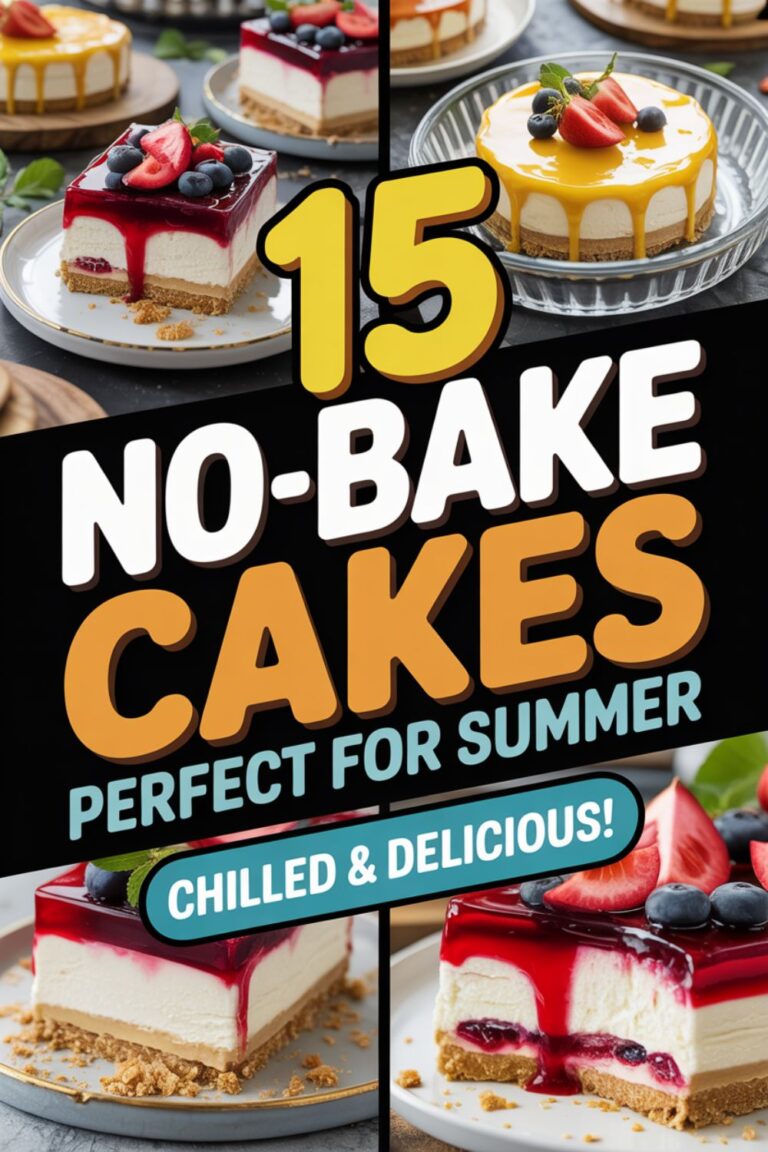
15 No-Bake Cakes Perfect for Summer
15 No-Bake Cakes Perfect for Summer 15 No-Bake Cakes Perfect for Summer Look, I’m not trying to be dramatic here, but turning on the oven when it’s 95 degrees outside feels like some kind of self-inflicted punishment. Who does that? Not me, and hopefully not you either. Summer is for bare feet, cold drinks, and…
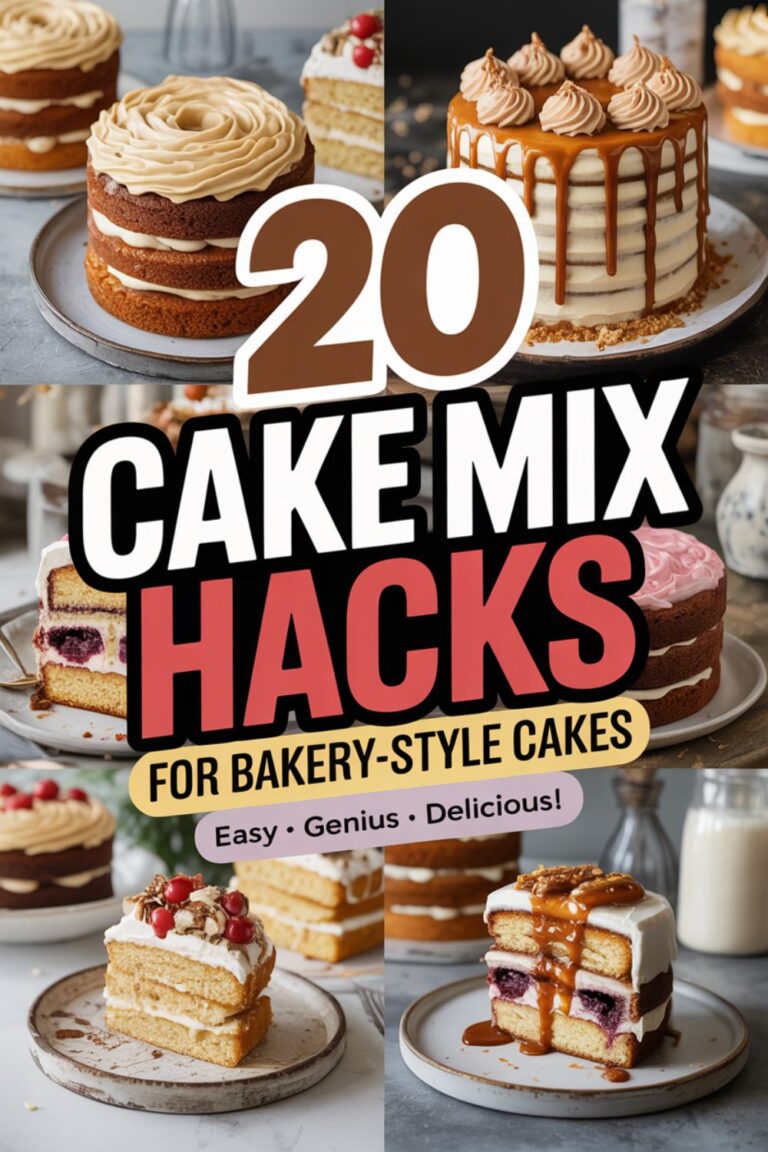
20 Cake Mix Hacks for Bakery-Style Cakes
20 Cake Mix Hacks for Bakery-Style Cakes 20 Cake Mix Hacks for Bakery-Style Cakes Look, I’m not here to judge anyone who uses cake mix. In fact, I’m about to make you a cake mix evangelist. You know that moment when someone takes a bite of your cake and asks if you used a fancy…
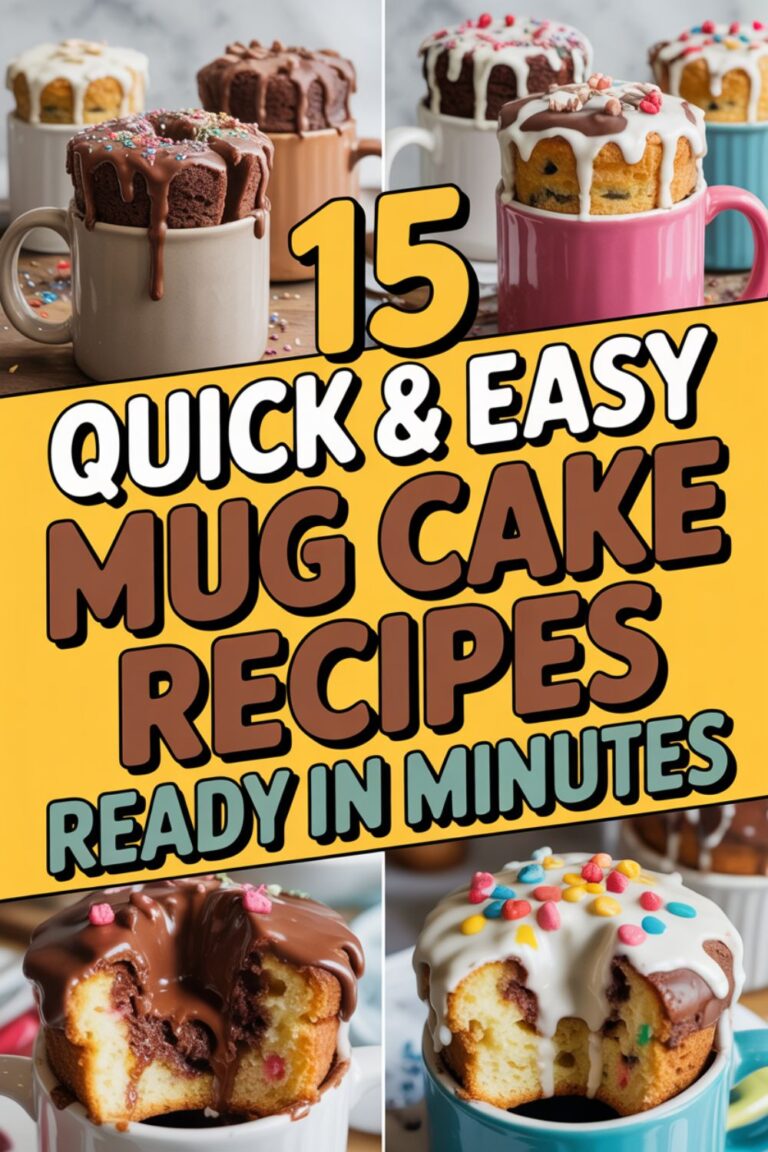
15 Quick & Easy Mug Cake Recipes
15 Quick & Easy Mug Cake Recipes 15 Quick & Easy Mug Cake Recipes Look, I get it. It’s 9 PM, you’re craving something sweet, and the last thing you want to do is preheat an oven, pull out mixing bowls, and commit to baking an entire cake. That’s where mug cakes swoop in to…
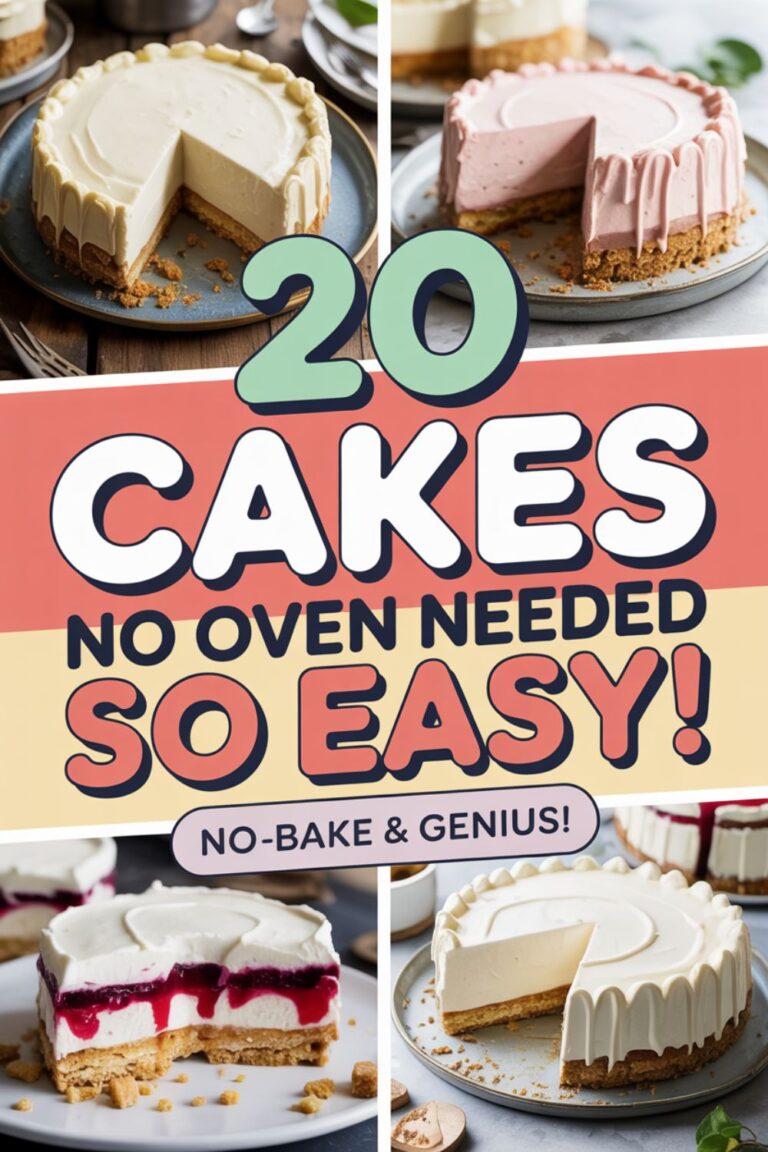
20 Cakes You Can Make Without an Oven
20 Cakes You Can Make Without an Oven – No-Bake Dessert Heaven 20 Cakes You Can Make Without an Oven Look, I get it. Your oven just died, you’re living in a dorm with a microwave and a mini-fridge, or maybe you just can’t be bothered to preheat anything on a sweltering summer day. Whatever…
25 Cake Recipes Using Seasonal Fruits
25 Cake Recipes Using Seasonal Fruits 25 Cake Recipes Using Seasonal Fruits Look, I’m going to level with you right off the bat: baking with whatever fruit is sitting in the grocery store year-round is fine, but baking with seasonal fruits at their peak? That’s where the magic happens. There’s something almost unfair about how…