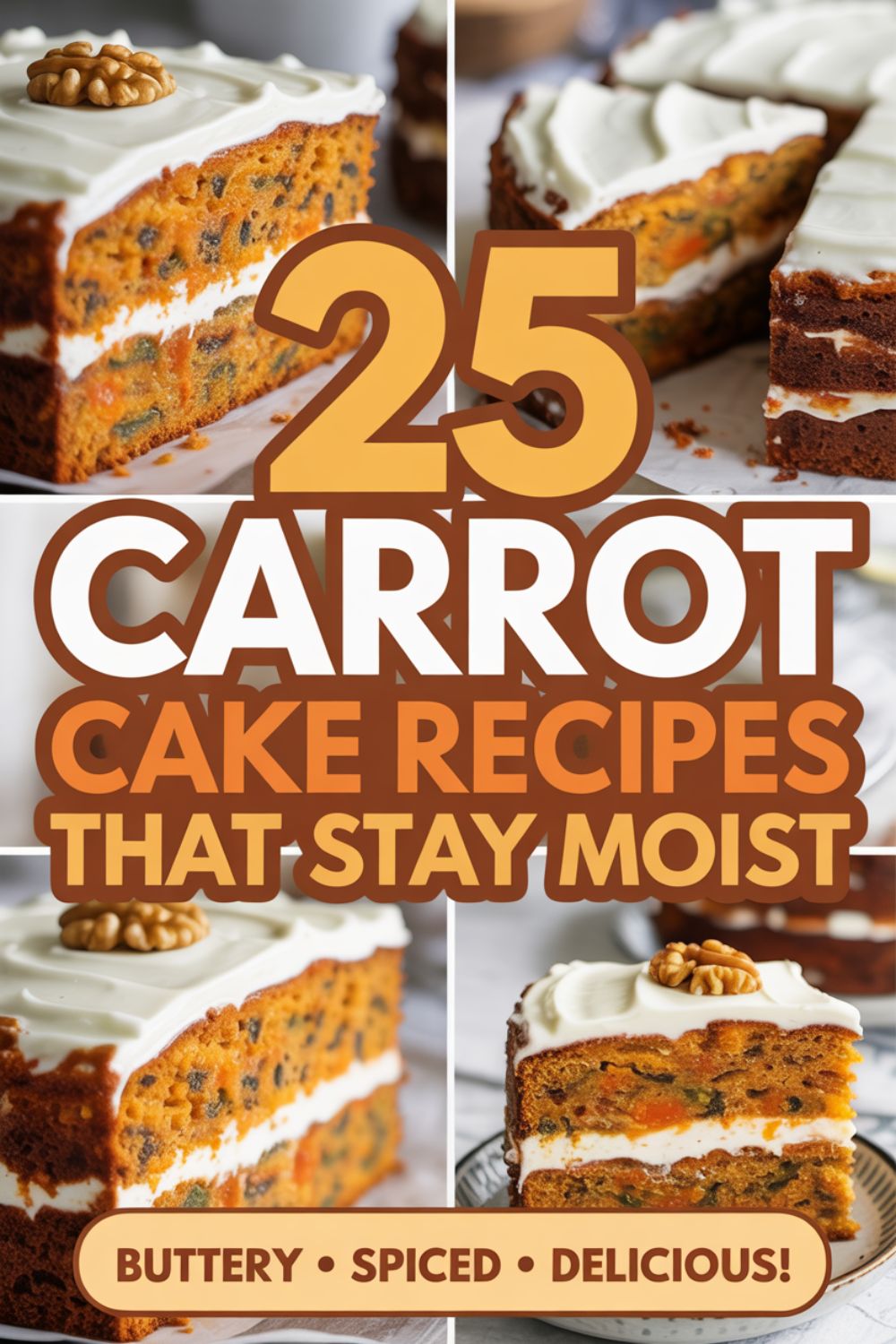
25 Carrot Cake Recipes That Stay Moist
Look, I get it. You’ve baked a carrot cake that looked Instagram-perfect fresh out of the oven, only to find it turned into something resembling cardboard by the next morning. Been there, cursed about it, and then spent way too many weekends figuring out why this keeps happening to perfectly good cake.
Here’s the thing about carrot cake—it’s supposed to be the moistest cake in your repertoire. The shredded carrots practically guarantee that. But somehow, people still manage to end up with dry, crumbly disasters. So I’m sharing 25 recipes that actually stay moist, plus the science-y bits that explain why they work.
Whether you’re team cream cheese frosting or prefer yours naked, whether you need gluten-free or want to go full decadent, this collection has your back. And no, you won’t need a culinary degree to pull these off.
Why Most Carrot Cakes Turn Into Pucks
Before we get into the recipes, let’s talk about what actually keeps cake moist. It’s not magic—it’s mostly oil and proper ingredient ratios. According to Mayo Clinic’s research on cooking oils, plant-based oils create superior moisture retention in baked goods compared to butter.
Carrot cake traditionally uses oil instead of butter, which is actually genius. Oil stays liquid at room temperature, coating the flour proteins and keeping everything tender. Butter solidifies when it cools, which can make cakes drier. The grated carrots add moisture too, but here’s what most people mess up: they either squeeze out all the liquid from the carrots, or they don’t grate them fine enough.
Also, overmixing kills cakes. Period. When you beat the life out of cake batter, you develop too much gluten, and that creates a tough, dry texture. Mix just until combined, then walk away from the bowl.
The Classic Moist Carrot Cake
This is your go-to recipe when someone says “carrot cake” and you picture that perfect, spice-forward cake with cream cheese frosting. It uses a full cup of vegetable oil, which sounds like a lot until you realize that’s exactly why it stays moist for days.
The secret here is the ratio: two cups of sugar to three cups of flour, with four eggs binding everything together. I’ve seen people try to cut the sugar to make it “healthier,” but sugar isn’t just for sweetness—it also traps moisture. Cut it too much, and you’ll have a dry cake.
For the classic version, you’ll want cinnamon, nutmeg, and a touch of ginger. Some recipes add vanilla extract, which I always do because it rounds out the spices without making things taste like a candle. Get Full Recipe
I always bake mine in these springform pans because they make it stupidly easy to get the cake out without destroying it. Nothing worse than your beautiful cake sticking to the pan and coming out in chunks.
Cream Cheese Frosting That Doesn’t Slide Off
The frosting needs to be thick enough to stay put but spreadable enough that you’re not tearing the cake underneath. The ratio I use is 8 ounces of cream cheese to 4 tablespoons of butter, with about 3 cups of powdered sugar. Some people add heavy cream to thin it out, but that’s usually a mistake that leads to frosting pooling at the base of your cake.
Make sure your cream cheese and butter are at actual room temperature—not cold, not melted, but soft enough that you can easily press a finger into them. This takes planning, which I know is annoying, but it makes a massive difference. If you’re looking for more ways to master your frosting game, check out these 25 frosting recipes to elevate any cake.
Oil vs. Butter in Carrot Cakes
This comes up constantly. People want to use butter because it tastes better, right? Wrong. In carrot cake specifically, oil wins every single time for moisture. The cake stays tender even when refrigerated, which you can’t say for butter-based cakes.
That said, you can use melted butter if you absolutely must. Just know that your cake will be slightly drier and will harden up faster in the fridge. For the best of both worlds, some bakers use half oil and half melted butter. That gives you moisture plus that buttery flavor.
I tested this with this digital kitchen scale because volumetric measurements can be wildly inaccurate with oil. Weighing your ingredients isn’t being fussy—it’s the difference between a great cake and a mediocre one.
Vegan Carrot Cake That Doesn’t Suck
Finding a vegan carrot cake that actually stays moist is harder than it should be. Most recipes replace eggs with flax eggs or applesauce, which works okay but doesn’t quite nail the texture. The best vegan version I’ve tried uses aquafaba (that liquid from canned chickpeas) as the egg replacer.
Three tablespoons of aquafaba equals one egg, and it whips up into this surprisingly stable foam that keeps the cake light. You’ll still use oil for fat, and honestly, the carrots do so much heavy lifting that most people can’t even tell it’s vegan. Get Full Recipe
For anyone dealing with multiple dietary restrictions, you might want to explore these vegan dessert recipes that actually taste like dessert for more ideas.
The Applesauce Question
Some vegan recipes use applesauce instead of eggs, which adds moisture but can make the cake gummy if you’re not careful. The ratio should be one-quarter cup of unsweetened applesauce per egg. Any more than that and you’re basically making apple carrot cake, which isn’t necessarily bad, just different.
Gluten-Free Carrot Cake Success
Gluten-free baking is where things get dicey, but carrot cake is actually one of the easier cakes to convert. The moisture from the carrots and oil compensates for the usual dryness you get with gluten-free flour blends.
Use a 1:1 gluten-free flour blend that already has xanthan gum in it. Don’t try to DIY this unless you really know what you’re doing. I’ve wasted enough almond flour and tapioca starch to know that pre-mixed blends are worth the extra couple dollars.
The cake might take an extra 5-10 minutes to bake through, and it’ll be slightly denser than the wheat version, but it absolutely stays moist. Let it cool completely before frosting or it’ll turn into a crumbly mess. Get Full Recipe
I bake all my gluten-free stuff in parchment-lined pans because gluten-free batters are stickier and more likely to cement themselves to metal. For more gluten-free baking inspiration, check out these gluten-free cookies that taste amazing.
Spiced Carrot Cake Variations
The basic spice trio is cinnamon, nutmeg, and ginger, but you can absolutely switch things up. Adding cardamom gives it this slightly floral, exotic vibe that’s really good. Some people swear by allspice, which I think works if you’re going for a more “holiday cake” feel.
One of my favorite variations adds a quarter teaspoon of black pepper. I know that sounds weird, but it adds this subtle warmth that makes people ask what your secret ingredient is. Don’t go overboard though—you want it to enhance the other spices, not overpower them.
The Pineapple Debate
Crushed pineapple in carrot cake is divisive. Some people think it’s essential for moisture, others think it makes the cake too sweet and changes the texture. I fall somewhere in the middle—it definitely adds moisture, but you have to drain it well or the cake gets soggy.
If you’re using pineapple, add about half a cup of drained crushed pineapple. Save the juice for something else or drink it because adding it to the batter is a fast track to gummy cake. The natural enzymes in pineapple can also break down the flour proteins if you let the batter sit too long, so bake it right away.
Meal Prep Essentials Used in This Plan
Here’s the stuff I actually use when I’m baking multiple carrot cakes or prepping for the week:
- Box Grater Set – The four-sided kind with different grating sizes. I use the smallest holes for carrots to maximize moisture release.
- Silicone Spatulas – Because scraping down the bowl properly matters, and these don’t leave batter behind like the rubber ones.
- Glass Mixing Bowls – They don’t retain odors or stains like plastic, and you can see exactly what you’re mixing.
Digital Resources That Actually Help:
- Baking Conversions Chart PDF – A downloadable chart for converting cup measurements to grams, which is clutch for scaling recipes.
- Carrot Cake Flavor Combinations Guide – An ebook with tested spice ratios and add-in suggestions that won’t throw off moisture balance.
- Frosting Troubleshooting Checklist – Because we’ve all had frosting disasters and this helps you fix them before they ruin your cake.
Mini Carrot Cakes and Cupcakes
Carrot cake cupcakes are perfect for portion control and they actually stay moister than full cakes sometimes because of the higher surface-area-to-volume ratio. The outside edges get that slightly caramelized thing going while the centers stay incredibly tender.
Baking time drops significantly though—you’re looking at 18-22 minutes instead of 30-35. Check them at 18 minutes with a toothpick because overbaked cupcakes are the devil. They’ll keep baking for a couple minutes after you pull them out, so err on the side of slightly underdone. Get Full Recipe
I use these silicone cupcake liners because paper liners always stick to the cake and you lose half the cupcake trying to peel them off. Silicone pops right off and you can reuse them forever.
Looking for more individual-sized treats? These mini cake recipes for small celebrations might give you some ideas.
Bundt Pan Carrot Cake
Bundt pans are underrated for carrot cake. You get that gorgeous shape, and because of how the pan is designed, heat circulates more evenly. This usually means a moister cake with less risk of the edges drying out while the center finishes baking.
Grease your bundt pan within an inch of its life. I’m talking butter or shortening in every single crevice, then a dusting of flour. Or use that baking spray with flour that’s basically cheat mode for getting cakes out of complicated pans.
When it’s done, let it cool in the pan for exactly 10 minutes, then invert it onto a cooling rack. Too soon and it falls apart; too late and it glues itself to the pan. For more bundt cake wisdom, check out these bundt cake recipes for any occasion.
Low-Sugar Carrot Cake Options
Cutting sugar in carrot cake is tricky because sugar affects texture, not just sweetness. But you can reduce it by about one-third without major consequences. I’ve had good results using three-quarters of the called-for sugar and adding a bit more cinnamon to compensate for the perceived sweetness loss.
Some people use coconut sugar or maple sugar, which works fine but changes the flavor profile. Coconut sugar adds a caramel-y note that’s actually pretty good with the spices. Just know that alternative sweeteners often have more moisture than white sugar, so you might need to reduce your liquids slightly.
Artificial sweeteners are a hard pass for me in cakes. They don’t provide structure the way sugar does, and the texture always comes out weird. If you need truly low-sugar, you’re better off making a smaller cake and having a proper slice than making a full cake with sweetener that nobody wants to eat. Get Full Recipe
If you’re interested in naturally sweetened options, these healthy cake recipes with natural sweeteners might inspire you.
The Nut Situation
Walnuts or pecans are traditional, and they add texture plus healthy fats that actually help with moisture. I toast mine first in a small toaster oven because raw nuts taste flat and toasted nuts taste like you know what you’re doing.
Five minutes at 350°F is usually enough—watch them carefully because they go from perfect to burnt in about 30 seconds. Let them cool completely before chopping and adding to the batter or they’ll make your wet ingredients weirdly warm and throw off the chemistry.
If you’re dealing with nut allergies, sunflower seeds are a decent substitute. They add crunch without the allergen issues. Or just skip them entirely and add extra raisins or dried cranberries.
Raisins: The Most Controversial Ingredient
People have strong opinions about raisins in carrot cake. I’m team raisin, but I get it if you’re not. They do add moisture though, so if you’re leaving them out, you might want to add a couple extra tablespoons of oil or use the pineapple option.
Golden raisins are prettier than regular raisins and taste a bit less intense. Some people soak their raisins in rum or orange juice before adding them, which sounds fancy but honestly makes a noticeable difference in the final cake.
Cream Cheese Alternatives
Not everyone can do dairy, and some people just don’t like cream cheese frosting. A simple powdered sugar glaze with lemon juice is surprisingly good and lets the cake flavor shine through more.
For a dairy-free cream cheese frosting, the vegan cream cheese brands have gotten way better. Some of them actually taste like the real thing now. You’ll need to add a bit more powdered sugar usually because they’re slightly thinner than regular cream cheese.
Buttercream works too, though it’s not traditional. A cinnamon buttercream is actually really good with carrot cake—just cream together butter and powdered sugar, then add cinnamon and a splash of vanilla.
Tools & Resources That Make Cooking Easier
These are the kitchen tools that actually earn their counter space when you’re baking regularly:
- Offset Spatula – For spreading frosting like you actually know what you’re doing. The angled blade makes it so much easier.
- Bench Scraper – Perfect for cleaning up your workspace and also great for smoothing frosting on the sides of cakes.
- Cooling Rack Set – Stackable ones save space and let air circulate under your cakes so the bottoms don’t get soggy.
Digital Guides I Actually Reference:
- Cake Troubleshooting Master Guide – A PDF that explains every possible cake disaster and how to fix it. Worth every penny.
- Seasonal Spice Blend Recipes – Downloadable spice mix ratios for different flavor profiles beyond basic cinnamon-nutmeg.
- Frosting Techniques Video Series – Step-by-step videos showing different frosting styles, from rustic to bakery-smooth.
Sheet Cake vs. Layer Cake
Sheet cakes are criminally underrated. They bake more evenly because the batter is spread thinner, which means less risk of dry edges. Plus you can frost them right in the pan, which saves dishes and makes transportation easier.
Layer cakes look impressive but require more work. You need to level the layers, add filling between them, and get the frosting smooth on the outside. It’s worth it for special occasions, but for a Tuesday night dessert, sheet cake wins. Get Full Recipe
I bake my sheet cakes in this commercial-grade half sheet pan because the cheap thin ones warp in the oven and bake unevenly. A good pan costs more upfront but lasts basically forever.
Layering Without Tragedy
If you’re going the layer cake route, let those layers cool completely before trying to stack them. I mean it—wait until they’re room temperature. Trying to frost a warm cake is how you end up with melted frosting and cake crumbs everywhere.
Use a cake turntable if you have one, or just put your cake plate on a inverted bowl to create a makeshift turntable. It makes frosting so much easier when you can spin the cake instead of walking around it like a weirdo.
Carrot Cake with Mix-Ins
Beyond nuts and raisins, you can add all sorts of things. Shredded coconut adds moisture and a subtle tropical vibe. Dried cranberries give you tart pops of flavor. Even chocolate chips work if you’re into that whole carrots-and-chocolate thing.
The rule is no more than two cups total of add-ins or you’ll throw off the moisture balance and the cake won’t hold together properly. Distribute them evenly through the batter so every slice gets some, and fold them in gently at the very end.
Fresh apple chunks are interesting too—grate them just like the carrots. They add moisture and a subtle apple flavor that plays well with the cinnamon. Just make sure to use a firm apple like Granny Smith that won’t turn to mush in the oven.
Storage Tips for Maximum Moisture
This is where people screw up perfectly good cakes. Carrot cake should be stored in the refrigerator because of the cream cheese frosting, but refrigerators are moisture-sucking death traps for baked goods.
Wrap your cake tightly in plastic wrap, then put it in an airtight container. The double barrier keeps the moisture in and the fridge smells out. Nobody wants their carrot cake tasting like leftover Thai food.
Before serving refrigerated cake, let it sit at room temperature for about 30 minutes. Cold cake has muted flavors and a denser texture. Letting it warm up brings back the moisture and makes the frosting spreadable again instead of cement-hard.
Freezing Carrot Cake
Carrot cake freezes incredibly well, which is clutch if you’re meal prepping desserts or just want cake on demand. Freeze unfrosted layers wrapped in plastic wrap and foil, and they’ll keep for up to three months.
Thaw them overnight in the fridge, then frost them the next day. The texture is basically identical to fresh-baked. I’ve done taste tests where people couldn’t tell the difference between fresh and previously frozen.
Troubleshooting Dry Carrot Cake
If your carrot cake came out dry, here’s what probably happened: you overbaked it, used too much flour, didn’t use enough oil, or overmixed the batter. Possibly all four because Murphy’s Law applies to baking.
The toothpick test isn’t perfect for super moist cakes. It should come out with a few moist crumbs clinging to it, not completely clean. Clean means you’ve overbaked it. Pull it out when you still see some crumbs.
If you accidentally overbaked it, make a simple syrup with equal parts sugar and water, heat it until the sugar dissolves, and brush it onto the warm cake layers. This adds moisture back and can save an overly dry cake from the trash.
Making Carrot Cake in Different Pans
Besides standard round cake pans, bundt pans, and sheet pans, carrot cake works in loaf pans for a more casual snack cake vibe. Bake it in two standard loaf pans for about 45-50 minutes. The loaf shape is nice for breakfast cake or gifting because it travels well.
Muffin tins obviously work for cupcakes, but you can also make carrot cake in a square baking dish and cut it into bars. No frosting required if you don’t feel like dealing with it—just dust with powdered sugar and call it done.
I’ve even seen people make carrot cake in a slow cooker, which sounds insane but apparently works. The texture is different—more pudding-like than traditional cake—but it stays incredibly moist because of the steam cooking method.
The Science of Moist Cake
Moisture in cakes comes from fat, sugar, and liquids, but also from proper baking techniques. Fat coats flour proteins, preventing them from forming too much gluten which would make the cake tough. This is why oil-based cakes stay moister than butter-based ones.
Sugar is hygroscopic, meaning it attracts and holds water molecules. This keeps cakes from drying out. The carrots themselves contain about 88% water according to research on carrot cake science, so they’re basically moisture insurance built right into your batter.
Eggs add moisture too, but their main job is structure and binding. The emulsification happening when you mix eggs with oil is what creates that tender crumb. If you’re curious about more cake science, these moist cake recipes that never turn dry use similar principles.
Temperature Matters More Than You Think
Ingredient temperature affects moisture retention. Room temperature eggs blend more easily with other ingredients, creating better emulsification. Cold eggs can cause the batter to seize up or not mix properly, leading to an uneven texture with dry spots.
The oven temperature matters too. Too hot and you get a dark crust with a raw center that you then overbake trying to cook through. Too cool and the cake bakes for so long that all the moisture evaporates. An oven thermometer is like five bucks and will tell you if your oven is lying to you, which most of them are.
Carrot Cake for Breakfast
Look, carrot cake has vegetables in it, so calling it breakfast isn’t that much of a stretch. Make a less-sweet version, skip the frosting, and you’ve basically got a morning glory muffin situation.
Add some oats to the batter for extra fiber, use whole wheat flour for half the all-purpose flour, and reduce the sugar. Maybe throw in some flax seeds if you’re feeling extra virtuous. Top with a simple yogurt glaze instead of cream cheese frosting. Get Full Recipe
For more breakfast cake ideas that won’t make you feel like you’re eating dessert at 8am, check out these breakfast cake recipes for brunch.
One-Bowl Carrot Cake
Sometimes you just want cake without creating 47 dishes. One-bowl carrot cake recipes mix everything in one bowl, usually starting with the wet ingredients and then adding the dry stuff directly to the same bowl.
It’s not quite as fluffy as the traditional method where you mix wet and dry separately, but it’s still plenty moist and the difference is minimal. Plus you’re way more likely to actually make the cake if you know cleanup will be easy.
The trick is to add the dry ingredients gradually and mix just until you don’t see flour anymore. One-bowl doesn’t mean one-stir—you still need to mix it properly, just with less mess. These one-bowl cake recipes for easy cleanup use the same principle.
Frequently Asked Questions
How do you keep carrot cake moist after baking?
The key is proper storage. Once the cake is completely cooled, wrap it tightly in plastic wrap and store it in an airtight container in the refrigerator. The double layer of protection prevents moisture loss. You can also brush the unfrosted layers with simple syrup before assembling to add extra moisture that lasts for days.
Can you make carrot cake ahead of time?
Absolutely. Carrot cake actually tastes better the next day as the flavors meld together. Bake the layers up to two days ahead, wrap them well, and refrigerate. You can also freeze unfrosted layers for up to three months. Just frost the day you plan to serve for the best presentation.
Why did my carrot cake turn out dry?
The most common culprits are overbaking and using too much flour. Make sure you’re measuring flour correctly by spooning it into the measuring cup rather than scooping directly from the bag. Also, check your cake a few minutes before the recipe’s stated baking time—it’s done when a toothpick comes out with a few moist crumbs, not completely clean.
Do you have to refrigerate carrot cake?
Yes, if it has cream cheese frosting, it should be refrigerated because cream cheese is a dairy product that can spoil at room temperature. An unfrosted carrot cake can stay at room temperature for a day or two if stored in an airtight container, but it’ll last longer in the fridge regardless of frosting.
What’s the best oil to use in carrot cake?
Vegetable oil or canola oil work best because they’re neutral in flavor and stay liquid at room temperature, which keeps the cake moist. Olive oil can work but adds a distinct flavor that not everyone enjoys in sweet applications. Melted coconut oil is another option that adds a subtle coconut note to the cake.
Final Thoughts
The secret to carrot cake that stays moist isn’t actually a secret at all—it’s just using enough oil, not overbaking, and storing it properly. Most of the “tricks” are really just basic baking principles that somehow got forgotten in favor of cutting corners or trying to make cake “healthier” by removing the very things that make it good.
Whether you go classic with cream cheese frosting, try a vegan version, or experiment with different spices and mix-ins, the foundation stays the same. Use oil, don’t overbake, keep it covered. Follow those rules and your carrot cake will be moist days later, which is the whole point.
And honestly? Life’s too short for dry cake. Make one of these recipes, enjoy the process, and don’t stress if it’s not Instagram-perfect. If it tastes good and stays moist, you’ve won.