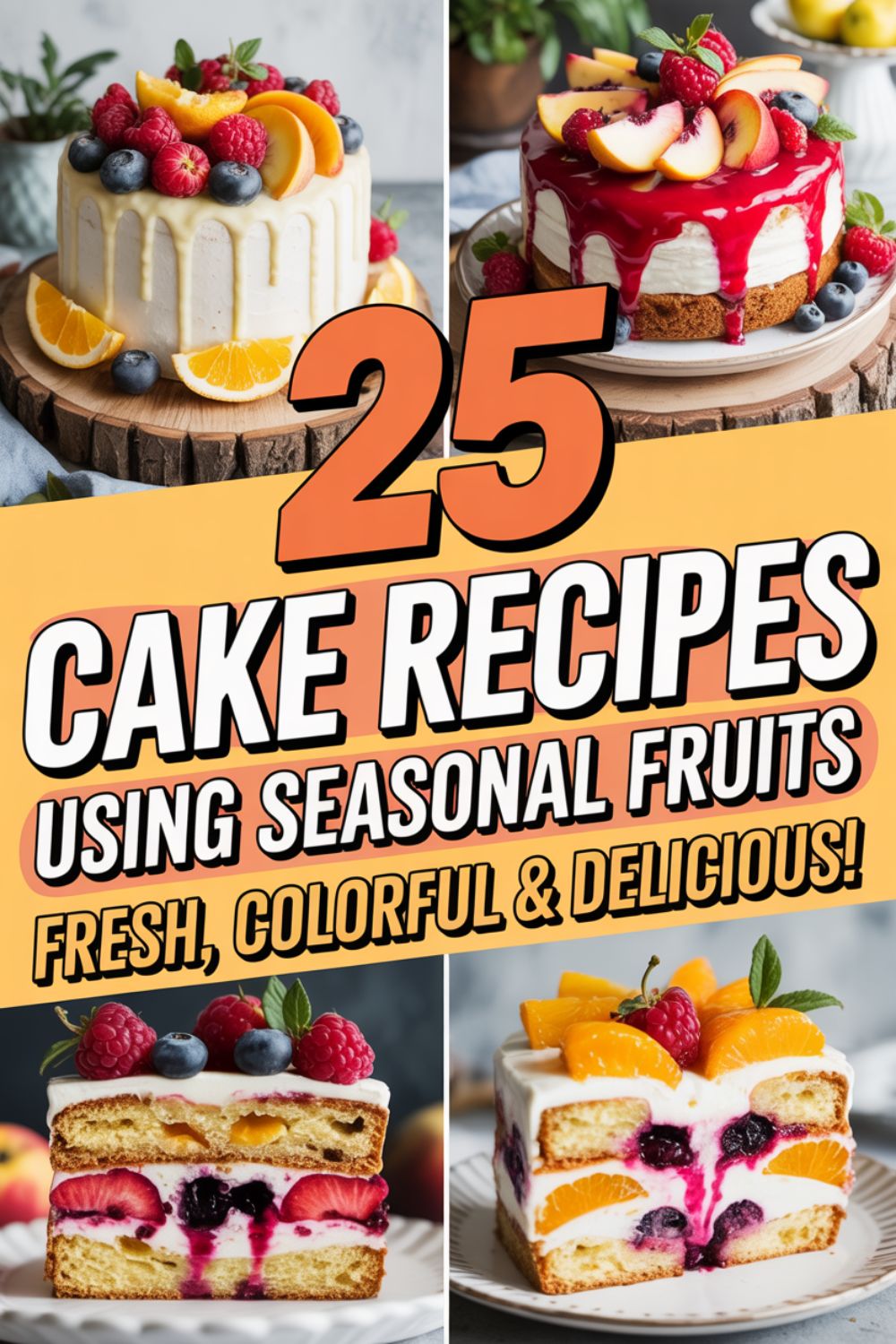
25 Cake Recipes Using Seasonal Fruits
Look, I’m going to level with you right off the bat: baking with whatever fruit is sitting in the grocery store year-round is fine, but baking with seasonal fruits at their peak? That’s where the magic happens. There’s something almost unfair about how much better a strawberry tastes in June versus January, and that difference becomes ridiculously obvious when you bake it into a cake.
I’ve spent enough Saturday mornings standing in my kitchen, spatula in hand, wondering why my apple cake tasted bland only to realize I’d used out-of-season apples that had traveled halfway around the world. Never again. Once you start timing your baking with what’s actually ripe and ready, you’ll never go back to sad, flavorless fruit.
So here’s the deal: I’m walking you through 25 cake recipes that celebrate fruit when it’s at its absolute best. We’re talking spring berries, summer stone fruits, fall apples, and winter citrus. Each season brings its own lineup of superstars, and I’m here to show you how to turn them into cakes that actually taste like something.
Why Seasonal Fruits Make Better Cakes
Before we jump into recipes, let’s talk about why this even matters. When fruits ripen naturally during their growing season, they develop deeper flavors and higher nutrient content. That’s not just food blogger talk—it’s actual science.
Think about it: a peach picked at peak ripeness in July is bursting with juice and sweetness. That same variety in February? It’s been picked early, shipped across continents, and artificially ripened. The texture is mealy, the flavor is muted, and honestly, why bother? Your cake deserves better ingredients, and you deserve better cake.
Plus, seasonal fruits are usually cheaper because they’re abundant. When strawberries are in season, farmers markets practically give them away compared to winter prices. Your wallet will thank you, and so will your taste buds.
Spring: Berries and Stone Fruits Take Center Stage
Spring is when baking gets exciting again after the long winter. Suddenly, strawberries, rhubarb, and early cherries start showing up, and it’s like the baking gods are smiling down on us. These fruits are tart, bright, and perfect for cakes that feel fresh and light.
1. Classic Strawberry Shortcake
Let’s start with the obvious winner. A proper strawberry shortcake uses fresh, in-season berries that you macerate with just a touch of sugar. The berries release their juices, you pile them onto buttery biscuits or sponge cake, add some whipped cream, and suddenly you remember why summer is worth waiting for. Get Full Recipe.
The key here is using strawberries that are actually red all the way through—none of that white, crunchy nonsense you get in winter. If your berries don’t smell sweet, they won’t taste sweet either.
2. Rhubarb Upside-Down Cake
Rhubarb is one of those ingredients people either love or haven’t tried yet. It’s tart, slightly vegetal, and needs sugar to shine. An upside-down cake is perfect because the rhubarb caramelizes in the brown sugar at the bottom, creating this gorgeous pink-streaked masterpiece when you flip it.
I like to use this cast-iron skillet for upside-down cakes. The even heat distribution means perfect caramelization every time, and you can serve right from the pan for that rustic look everyone pretends wasn’t intentional.
3. Lemon Blueberry Bundt Cake
By late spring, blueberries start appearing, and they’re incredible with lemon. The tartness of the lemon cuts through the sweetness of the berries, and a bundt pan gives you that bakery-worthy presentation without much effort. Dust it with powdered sugar, maybe drizzle some lemon glaze, and you’re done.
For a lighter take on breakfast baking, you might also enjoy these easy drop cookie recipes that work beautifully with spring berries.
4. Strawberry Rhubarb Crumb Cake
Combining strawberries and rhubarb is basically a cheat code for spring baking. The strawberries bring sweetness, the rhubarb brings tang, and together they create something greater than the sum of their parts. Top it with a buttery crumb topping and you’ve got a cake that works for breakfast, dessert, or standing-at-the-counter-at-midnight snacking.
5. Cherry Almond Cake
When cherries hit in late spring, grab them. Fresh cherries in cake are a different animal from canned or frozen. They’re juicy, slightly tart, and pair beautifully with almond flavor. I use almond extract and sometimes throw in some almond flour for extra nuttiness.
Pitting cherries is annoying, I won’t lie. But a good cherry pitter makes the job so much faster. Or just buy pre-pitted if you can find them fresh—no judgment here.
Summer: Stone Fruits and Berries Galore
Summer is peak baking season, even though it’s hot as hell and turning on the oven feels like a terrible idea. But when peaches, plums, apricots, and blackberries are at their best, you make it work. Maybe you bake in the early morning. Maybe you blast the AC. Either way, these cakes are worth the sweat.
6. Peach Pound Cake
A good pound cake is dense, buttery, and perfect for holding juicy fruit. Fresh peaches get folded into the batter and also arranged on top before baking. As they cook, they sink in slightly and create these caramelized pockets of fruit. It’s the kind of cake you eat with your hands, standing over the sink, because who has time for plates?
7. Blackberry Lavender Cake
This one’s a little fancy, but hear me out. Blackberries and lavender are a match made in heaven—the floral notes complement the tartness of the berries without being overwhelming. Just don’t go crazy with the lavender. A little goes a long way, and you don’t want your cake tasting like soap.
I grind my lavender with sugar using a spice grinder to release the oils and distribute the flavor evenly. Game changer.
8. Plum Torte
The famous Marian Burros plum torte from the New York Times is legendary for a reason. It’s simple, it showcases the fruit, and it requires just a few basic ingredients. Halve your plums, arrange them cut-side up on the batter, sprinkle with cinnamon sugar, and bake. That’s it. Summer perfection.
9. Apricot Almond Olive Oil Cake
Olive oil cakes are underrated. They’re moist, have a unique fruity flavor from the oil, and stay fresh longer than butter cakes. Apricots work beautifully here—their slight tartness balances the richness of the olive oil, and the almond adds depth.
Looking for more ways to use almonds in baking? These gluten-free cookie recipes have some great almond-based options.
10. Mixed Berry Angel Food Cake
When it’s too hot to even think about heavy desserts, angel food cake is your friend. It’s light, airy, and when you top it with fresh mixed berries and whipped cream, it feels indulgent without being oppressive. The key is using the best berries you can find—strawberries, blueberries, raspberries, whatever looks good.
11. Nectarine Cardamom Cake
Nectarines are just peaches that went to finishing school—smooth, elegant, no fuzz. They’re excellent in cakes, and cardamom brings this warm, slightly citrusy spice that makes the whole thing feel sophisticated. Serve it with Greek yogurt or crème fraîche for extra fancy points.
If you’re into unique flavor combinations, you might love experimenting with these vegan cookie recipes that prove plant-based baking can be just as creative and delicious.
12. Raspberry Lemon Layer Cake
Layer cakes are a commitment, but sometimes you want to go all out. Fresh raspberries between layers of lemon cake, with a tart lemon buttercream, creates this beautiful pink-and-yellow situation that looks impressive but isn’t actually that hard. The trick is making sure your cake layers are completely cool before frosting, or you’ll have a melted mess.
I use cake strips around my pans for even baking and flat tops. Less trimming, less waste, more cake in your face.
Kitchen Tools That Make Fruit Cakes Easier
- Silicone Baking Mats – No more stuck-on fruit messes. These are non-stick miracles that save you from scrubbing pans.
- Offset Spatula – Perfect for frosting layer cakes and spreading batter evenly.
- Bench Scraper – Not just for dough. Great for transferring chopped fruit and cleaning your work surface.
- Seasonal Baking Guide eBook – Digital download with timing charts for peak fruit seasons
- Fruit Cake Recipe Collection – 50+ recipes organized by season (digital PDF)
- Join our WhatsApp Baking Community – Share your creations and get real-time tips
Fall: Apples, Pears, and Cozy Spices
Fall baking is where I truly come alive. The weather cools down, the oven feels like a good idea again, and apples, pears, and figs are everywhere. Add some cinnamon, nutmeg, and cardamom into the mix, and you’ve got cakes that smell like a hug.
13. Classic Apple Cake
Everyone needs a go-to apple cake recipe, and this is mine. Chunks of fresh apples, warm spices, maybe some walnuts if you’re feeling it. The apples release moisture as they bake, keeping the cake tender without being soggy. Use a mix of tart and sweet apples—Granny Smith and Honeycrisp is my preferred combo.
For more apple-based inspiration, check out these easy cookie recipes that also celebrate fall flavors.
14. Pear Ginger Upside-Down Cake
Pears don’t get enough love in baking, which is a shame because they’re fantastic. They’re subtle, sweet, and have this delicate flavor that pairs beautifully with ginger. Arrange pear slices in a brown sugar glaze, top with ginger-spiced batter, bake, flip, and try not to eat the whole thing in one sitting.
I use fresh ginger that I grate with a microplane rather than ground ginger. The flavor is brighter and has more zing.
15. Fig and Honey Cake
Figs have a short season in fall, so grab them when you see them. They’re naturally sweet, slightly jammy, and work beautifully with honey’s floral notes. This cake is simple—let the figs be the star. Slice them in half, arrange them on top of a honey-sweetened batter, and bake until golden.
16. Spiced Apple Cider Cake
Reduce some fresh apple cider down to concentrate the flavor, then use it in your cake batter and frosting. The result is this intensely apple-flavored cake that tastes like fall in dessert form. Top it with a cider glaze or cream cheese frosting—both work perfectly.
17. Pear Almond Tart Cake
This is technically a tart but close enough to cake that I’m including it. A buttery crust, almond frangipane filling, and thinly sliced pears arranged in a pretty pattern. It looks fancy, it tastes incredible, and it’s easier than you think. Serve it with whipped cream or vanilla ice cream.
18. Cranberry Orange Bundt Cake
Fresh cranberries show up in fall and stick around through winter. They’re tart, they pop in your mouth, and they need sugar to be palatable in baked goods. Paired with orange zest and juice, they create this bright, tangy cake that cuts through all the heavy holiday food.
If you love citrus and berry combinations, these soft and chewy cookies have similar flavor profiles that work year-round.
19. Maple Pear Cake
Real maple syrup (not the fake stuff) brings this earthy sweetness that pairs perfectly with pears. This cake is moist, not too sweet, and works great for breakfast or dessert. I use Grade A Dark Amber maple syrup for the most flavor.
Winter: Citrus Saves the Day
Winter can feel bleak for fruit lovers, but that’s when citrus fruits are at their peak. Oranges, lemons, grapefruits, and blood oranges bring brightness and acidity that makes winter baking feel special. Plus, citrus zest is basically magic in cake batter.
20. Blood Orange Olive Oil Cake
Blood oranges have this gorgeous deep red color and a slightly berry-like flavor that regular oranges lack. An olive oil cake base lets their flavor shine without competing. The result is a moist, tender cake with a beautiful pink hue and complex citrus flavor.
21. Meyer Lemon Yogurt Cake
Meyer lemons are sweeter and less acidic than regular lemons, with a floral quality that’s perfect for cakes. Yogurt keeps this cake incredibly moist and adds a slight tang. It’s simple, unfussy, and the kind of cake you can make on a random Tuesday because you have the ingredients on hand.
For more lemon-based treats, these 5-ingredient cookies show how a few quality ingredients can create something special.
22. Grapefruit Pound Cake
Grapefruit is underused in baking, probably because people assume it’s too bitter. But when you use the zest and balance it with sugar, you get this sophisticated, slightly floral cake that’s really unique. A grapefruit glaze on top drives the flavor home.
23. Orange Cardamom Cake
Cardamom and orange are one of those combinations that just works. The warm spice enhances the citrus without overpowering it. This cake is aromatic, flavorful, and feels slightly exotic without being fussy.
I buy whole cardamom pods and grind them fresh. The flavor is so much better than pre-ground, and it keeps your spice cabinet from smelling like a Indian restaurant (not that there’s anything wrong with that).
24. Clementine Cake
This might sound weird, but you boil whole clementines, blend them up (peels and all), and fold them into your batter. The result is this incredibly moist, intensely citrus cake that uses the whole fruit—no waste. It’s also naturally gluten-free if you use almond flour.
25. Pomelo and Coconut Cake
Pomelos are these massive citrus fruits that are like sweeter, milder grapefruits. The segments work beautifully in a coconut cake, creating this tropical vibe that makes you forget it’s freezing outside. Use coconut milk in the batter and top with toasted coconut for maximum impact.
Speaking of coconut, if you’re looking for dairy-free options, these vegan cookie recipes have great tips on using coconut products in baking.
Essential Baking Ingredients for Seasonal Cakes
- Quality Vanilla Extract – Not imitation. Real vanilla makes a difference, especially in fruit-forward cakes.
- Parchment Paper Rounds – Pre-cut circles make cake removal foolproof. Worth every penny.
- Microplane Zester – For getting every bit of citrus zest without the bitter white pith.
- Seasonal Fruit Calendar (printable PDF) – Never miss peak season again
- Cake Troubleshooting Guide – Digital resource for fixing common issues
- Bakers’ WhatsApp Group – Real-time help and seasonal recipe swaps
Tips for Baking with Seasonal Fruits
Alright, you’ve got the recipes, but let’s talk technique for a second. Baking with fresh fruit isn’t quite the same as following a standard cake recipe. Fruit adds moisture, which can throw off your ratios if you’re not careful.
Adjust Your Moisture Levels
Really juicy fruits like peaches, plums, and berries release liquid as they bake. This can make your cake soggy if you’re not prepared. Combat this by tossing your fruit in a bit of flour or cornstarch before adding it to the batter. It absorbs some of that excess moisture and keeps things balanced.
Another trick: reduce other liquids in your recipe slightly when you’re adding very juicy fruit. Start with a tablespoon less liquid and see how the batter looks. You can always add more, but you can’t take it out.
Don’t Overmix
When you add fruit to cake batter, be gentle. Overmixing develops gluten, which makes your cake tough and dense. Fold the fruit in with a spatula using broad, gentle strokes until just combined. You want to preserve those air bubbles you worked hard to create when creaming your butter and sugar.
Know When to Use Fresh vs. Frozen
Look, I’m all about fresh seasonal fruit, but I’m also realistic. If you want to make a strawberry cake in December, use frozen berries. Just don’t thaw them first—add them frozen to prevent color bleeding and extra moisture. They’ll thaw in the oven.
That said, frozen fruit will never have the same texture as fresh. Save frozen for cakes where the fruit gets baked in, and use fresh for toppings and garnishes where texture matters.
For tips on making quick treats when you’re short on time, these no-bake cookie recipes are lifesavers.
Citrus Zest Is Your Secret Weapon
The zest of citrus fruits contains all those essential oils that pack serious flavor punch. When a recipe calls for lemon, orange, or lime, always zest it before juicing. Use a microplane grater to get fine, delicate shreds that distribute evenly through your batter.
Just avoid the white pith underneath the colored zest—it’s bitter and will make your cake taste medicinal. Light pressure, multiple passes, and rotate the fruit as you go.
Taste Your Fruit First
This sounds obvious, but I can’t tell you how many times I’ve grabbed fruit without tasting it first and ended up with a disappointing cake. If your strawberries are bland raw, they’ll be bland baked. If your apples are mealy, your cake will suffer.
Always taste your fruit before using it. If it’s not delicious on its own, it won’t magically become delicious in cake form. Save those subpar fruits for smoothies where you can mask the flavor with other ingredients.
Frequently Asked Questions
Can I substitute frozen fruit for fresh in these cake recipes?
You can, but results vary depending on the recipe. For cakes where fruit gets mixed into the batter, use frozen fruit without thawing—toss it in flour first to prevent color bleeding. For upside-down cakes or toppings where appearance and texture matter, fresh is really your best bet. Frozen fruit releases more moisture, so you might need to slightly reduce other liquids in your recipe or add an extra tablespoon of flour to compensate.
How do I prevent fruit from sinking to the bottom of my cake?
The flour-coating trick works wonders here. Toss your fruit pieces in a tablespoon or two of flour before folding them into the batter—the flour helps suspend the fruit throughout the cake rather than letting gravity win. Also, don’t overmix your batter; a thicker batter holds fruit better than a thin, runny one. If you’re using very heavy fruit like cherries, try cutting them into smaller pieces to distribute the weight.
What’s the best way to store cakes made with fresh fruit?
Fresh fruit adds moisture, which is great for eating but tricky for storage. Most fruit cakes keep well covered at room temperature for a day or two, but refrigeration extends their life to 4-5 days. Let the cake cool completely before covering to prevent condensation, which makes things soggy. For longer storage, wrap individual slices tightly in plastic wrap and freeze for up to 3 months—just thaw at room temperature when you want a slice.
Do I need to adjust baking time when using fresh fruit?
Sometimes, yes. Fruit adds extra moisture, which can slightly extend baking time. Start checking your cake about 5 minutes before the recipe’s suggested time with a toothpick test. If it comes out clean or with just a few moist crumbs, you’re done. If it’s still wet, give it another 5 minutes and check again. Oven temperatures vary too, so always trust the toothpick over the timer.
Can I use multiple types of fruit in one cake?
Absolutely, and it’s often delicious! Just make sure you’re combining fruits with similar moisture levels and baking behaviors. Berries play well together, as do stone fruits like peaches and plums. Mixing very juicy fruit with drier fruit can work, but you’ll want to monitor your batter’s consistency. IMO, 2-3 types of fruit is the sweet spot—more than that and flavors start competing rather than complementing.
Final Thoughts
Here’s the thing about baking with seasonal fruits: it forces you to be present and intentional. You can’t make a strawberry shortcake in October, so when June rolls around, you make it and you appreciate it. There’s something deeply satisfying about eating food that’s tied to a specific time and place.
I’ve given you 25 recipes, but really, I’ve given you a framework. Once you understand how seasonal fruits behave in cakes and which flavors work together, you can start improvising. See beautiful peaches at the market? Throw them in a cake. Bought too many apples? Cake time.
The best part about seasonal baking is that it never gets boring. Just when you’re getting tired of berry cakes, stone fruits show up. When you’ve had your fill of peaches, apples arrive. And when winter feels endless, citrus reminds you that bright, fresh flavors exist even in February.
So pay attention to what’s in season, buy the best fruit you can afford, and bake something that tastes like right now. Your future self, standing in your kitchen with a fork and a slice of cake, will thank you.