25 Beautiful Spring Layer Cakes for Any Celebration
Your guide to show-stopping spring desserts that taste as good as they look
Spring hits differently when you’ve got a gorgeous layer cake sitting on your counter. Maybe it’s the way the afternoon light catches those swirls of pastel buttercream, or how a single slice can turn a random Tuesday into something worth celebrating. Whatever it is, there’s something undeniably magical about a well-made layer cake during this time of year.
Look, I’m not gonna pretend layer cakes are effortless. They’re not those dump-and-go desserts you throw together while half-watching Netflix. But here’s the thing: once you nail the basics, they become your secret weapon for impressing literally everyone. Birthday party? Layer cake. Brunch with friends? Layer cake. Just because it’s Saturday and you deserve something pretty? You guessed it.
I’ve been making layer cakes for years now, and I’ve learned that spring is hands-down the best season for them. The flavors are brighter, the colors are cheerier, and honestly, who doesn’t want an excuse to pipe pastel roses onto buttercream when the weather finally warms up? Plus, proper layer cake assembly is way easier than most people think once you get the hang of it.
Why Spring Layer Cakes Hit Different
Spring layer cakes aren’t just regular cakes with pastel frosting slapped on top. They’re a whole vibe. The flavors shift from heavy, spiced winter desserts to lighter, brighter combinations that actually make sense when the sun’s out past 6 PM.
Think lemon and lavender instead of gingerbread. Fresh strawberries instead of dried cranberries. Delicate vanilla bean instead of molasses. These cakes embrace the season without trying too hard, and that’s exactly why they work.
I started taking layer cakes seriously a few years back after getting tired of store-bought options that looked amazing but tasted like sweetened cardboard. The turning point? Realizing I could make something better at home with a decent offset spatula and some patience. No culinary degree required.
Freeze your cake layers the night before assembly. They’re way easier to work with when they’re cold, and you’ll get cleaner cuts and less crumbling. Trust me on this one.
The Foundation: What Makes a Great Spring Layer Cake
Before we get into specific flavors and designs, let’s talk fundamentals. A great spring layer cake needs three things: moist, flavorful cake layers, frosting that doesn’t quit, and a structure that won’t collapse mid-party.
The Cake Layers
Your cake layers are the foundation of everything. Skip the boxed mix if you can, especially for spring cakes where fresh flavors really shine. A simple vanilla or lemon base works wonders, and you can always dress it up with extracts, zests, or even fresh fruit purees.
According to baking experts at Barbara Bakes, weighing your cake batter ensures each layer bakes evenly. I use a cheap digital kitchen scale for this, and it’s genuinely been a game-changer. No more lopsided cakes that lean like the Tower of Pisa.
One trick I picked up from trial and error: don’t overmix your batter. Once the flour’s incorporated, stop. Overmixing develops gluten, and you’ll end up with tough, chewy layers instead of the tender crumb you’re after. If you’re curious about achieving that perfect texture, check out these moist cake recipes that never turn dry.
The Frosting Game
Buttercream is king for spring layer cakes. It’s stable, it pipes beautifully, and you can tint it any color without weird chemical aftertastes. American buttercream is the easiest route—just butter, powdered sugar, vanilla, and a splash of cream. Done.
If you want to level up, Swiss or Italian meringue buttercream is less sweet and silkier, but it requires a bit more finesse. I usually stick with American for weeknight baking and save the fancy stuff for special occasions. The Wilton team shares some brilliant buttercream techniques that work for any skill level.
Here’s a thing nobody tells beginners: room temperature ingredients matter way more than you think. Cold butter won’t cream properly, and your frosting will be lumpy and sad. I microwave my butter in 10-second bursts at 50% power until it’s soft but not melted. Game changer.
For even more frosting inspiration, explore these frosting recipes to elevate any cake—some of them are absolutely stunning for spring celebrations.
Make your buttercream the day before and store it in the fridge. Let it come to room temp and re-whip before using. It’ll be smoother and easier to work with than fresh buttercream.
Structure and Assembly
A wobbly cake is a sad cake. To keep your layers stable, you need to level them (those domes gotta go), use enough frosting between layers, and consider using a cardboard cake round as your base. It makes moving the cake infinitely easier and prevents structural disasters.
I also swear by using a cake turntable for assembly. It’s not mandatory, but rotating the cake while you frost makes everything smoother and less frustrating. Plus, you’ll feel like a legit pastry chef, which is always fun.
The professionals at Completely Delicious recommend chilling your cake layers before assembly. Cold layers are sturdier, easier to handle, and less likely to shed crumbs into your frosting. I usually wrap mine in plastic and refrigerate overnight.
Want perfectly flat layers? These cake leveling and stacking tutorials will change your life. Seriously, flat layers make everything easier.
Essential Baking Tools for Spring Layer Cakes
Professional Offset Spatula Set
Honestly the most-used tool in my kitchen. Perfect for spreading frosting, leveling layers, and getting those clean edges everyone loves. The angled design makes all the difference.
Rotating Cake Turntable
This thing turns frosting from a frustrating mess into an oddly satisfying experience. Smooth, stable base that spins like butter. Worth every penny.
Wilton Decorating Tip Set
Even if you’re not into fancy piping, having a few basic tips opens up a world of possibilities. The star tip alone will make your cakes look professional with minimal effort.
Spring Cake Decorating eBook
Our comprehensive digital guide with 50+ spring decorating ideas, step-by-step photo tutorials, and troubleshooting tips. Perfect for beginners and experienced bakers alike.
Buttercream Mastery Video Course
Learn professional buttercream techniques from home. Includes videos on smooth frosting, piping flowers, and fixing common mistakes. Lifetime access with new lessons added monthly.
Layer Cake Template Pack
Printable templates for perfectly sized layers, frosting amount calculators, and flavor combination guides. Makes planning your cakes so much easier.
25 Spring Layer Cake Ideas That Actually Work
Alright, let’s get to the good stuff. These aren’t just random cake ideas I pulled from thin air—they’re combinations I’ve actually made, tested, and loved. Some are classics, some are a bit quirky, but they all capture that spring feeling.
1. Classic Lemon Layer Cake with Raspberry Filling
You can’t go wrong with lemon and raspberry. The tartness of both components balances the sweetness of buttercream perfectly, and the color combo is chef’s kiss. I use fresh lemon zest in the cake batter and between the layers for maximum citrus punch.
Pro tip: Meyer lemons are sweeter and more floral than regular lemons. If you can find them, use them. The difference is noticeable. For more bright, refreshing options, check out these lemon cake recipes that are bright and fresh.
2. Strawberry Champagne Cake
Fancy name, surprisingly doable execution. Fresh strawberry puree in the cake, champagne in the buttercream, and fresh berries between the layers. It tastes expensive but costs about the same as a regular layer cake.
The champagne adds this subtle complexity that makes people go “wait, what’s in this?” in the best way possible. Just make sure to reduce the champagne first so it concentrates the flavor without making your frosting soupy.
3. Lavender Honey Vanilla Cake
This one’s for people who like their desserts a little less traditional. Culinary lavender (not the stuff from your garden, please) infuses the cake with this delicate, floral note that screams spring. Honey buttercream ties it all together.
Word of warning: go easy on the lavender. A little goes a long way, and too much makes your cake taste like soap. Start with half a teaspoon of dried culinary lavender per cake layer and adjust from there.
Love unique flavors? Dive into these unique cake flavors you need to try for more creative inspiration that’ll set your spring baking apart.
4. Coconut Lime Layer Cake
Tropical vibes meet spring freshness. Toasted coconut in the cake layers, lime curd filling, and coconut buttercream on the outside. It’s like a vacation in cake form, minus the overpriced resort fees.
I toast my coconut in a cast iron skillet over medium heat. Watch it like a hawk though—coconut goes from perfectly golden to burnt in about 30 seconds flat. If coconut’s your thing, these coconut cake recipes are absolute gold.
5. Pistachio Rose Cake
This sounds bougie, but it’s honestly just ground pistachios in the batter and a touch of rosewater in the frosting. The color is naturally pale green (very spring-appropriate), and the flavor is subtle but sophisticated.
Fair warning: rosewater is potent. Start with 1/4 teaspoon in your frosting and taste before adding more. You want a hint of rose, not a mouthful of perfume.
6. Carrot Cake with Cream Cheese Frosting
A classic for a reason. Moist, spiced cake loaded with carrots, walnuts, and sometimes pineapple. Tangy cream cheese frosting cuts through the sweetness perfectly. It’s technically appropriate year-round, but it feels especially right in spring.
The key to great carrot cake is using freshly grated carrots, not the pre-shredded kind from a bag. They have more moisture and better texture. I use my box grater and just deal with the minor inconvenience because the result is worth it. For variations that stay perfectly moist, try these carrot cake recipes.
7. Lemon Blueberry Cake
Lemon cake layers dotted with fresh blueberries, lemon buttercream, and more berries on top. It’s like a muffin grew up and got fancy. The blueberries burst during baking and create these pockets of jammy sweetness.
Use frozen wild blueberries if you can find them—they’re smaller and distribute more evenly through the batter. Just toss them in a tablespoon of flour before folding them in so they don’t sink to the bottom.
8. Funfetti Spring Cake
Sometimes you just want sprinkles. This is a basic vanilla cake loaded with pastel sprinkles, vanilla buttercream, and more sprinkles on top. It’s joyful, it’s festive, and kids (and adults, let’s be real) absolutely love it.
Make sure you use jimmies-style sprinkles, not the round nonpareils. Jimmies hold their color better during baking and don’t bleed.
Chill your frosted cake for 15 minutes before adding sprinkles. They’ll stick better and look more polished. Press them gently into the sides with your hands for full coverage.
9. Earl Grey Tea Cake with Honey Buttercream
Infusing cake batter with Earl Grey tea sounds pretentious until you taste it. The bergamot in the tea adds this citrusy, floral note that’s surprisingly complex. Pair it with honey buttercream and you’ve got yourself a sophisticated spring dessert.
Steep the tea bags in warm milk, let it cool, then use that milk in your cake batter. The flavor infuses beautifully without any weird texture issues.
10. Strawberry Shortcake Layer Cake
All the best parts of strawberry shortcake, but in layer cake form. Vanilla cake, fresh macerated strawberries, and stabilized whipped cream frosting. It’s lighter than buttercream and perfect for warmer spring days.
The trick with whipped cream frosting is stabilizing it so it doesn’t deflate. I use a bit of cream cheese or gelatin to keep everything firm. Nobody wants a saggy cake. Looking for more strawberry inspiration? Check out these strawberry cake recipes for spring.
11. Lemon Poppy Seed Cake
Lemon and poppy seeds are a match made in heaven. The seeds add this subtle nutty flavor and pleasant texture. Lemon buttercream or cream cheese frosting both work great here.
Toast your poppy seeds lightly in a dry pan before adding them to the batter. It brings out their flavor and makes them less likely to just sink to the bottom.
12. Almond Amaretto Cake
Almond extract in the cake, a splash of amaretto in the buttercream, and sliced almonds pressed into the sides. It’s elegant, not too sweet, and tastes like you spent way more effort than you actually did.
If you’re serving to kids or people who avoid alcohol, skip the amaretto and double up on the almond extract instead. You’ll still get that distinct almond flavor. For more almond-forward recipes, these almond cake recipes deliver serious flavor.
13. Pineapple Coconut Cake
Crushed pineapple in the batter, coconut buttercream, and toasted coconut on the outside. It’s like a piña colada you can eat with a fork. Very spring break energy, but in the best way.
Make sure to drain your crushed pineapple really well. Excess liquid will make your cake dense and soggy. I press it through a fine mesh strainer and squeeze out as much juice as possible. These pineapple cake recipes are perfect for transitioning into warmer months.
14. Vanilla Bean Cake with Raspberry Swiss Meringue Buttercream
Sometimes simple is better. Good quality vanilla beans make all the difference here. Scrape the seeds into your batter and frosting for those pretty specks and incredible flavor. Raspberry Swiss meringue buttercream adds a sophisticated tang.
Real vanilla beans are pricey, but vanilla bean paste is a solid alternative. It’s basically vanilla extract with the seeds added back in, and it’s way more affordable.
15. Orange Creamsicle Layer Cake
Orange cake with vanilla buttercream, just like the ice cream truck treat we all loved as kids. Fresh orange zest in the cake and a hint in the frosting makes it taste fresh, not artificial.
Use the zest from about three oranges for a standard three-layer cake. More is better with citrus zest—it’s where all the flavor lives without the acidity of the juice.
Planning a big celebration? These celebration cake ideas will help you create something truly memorable for any milestone event.
And if you’re looking for kid-friendly options, don’t miss these kids birthday cake ideas that’ll make you the hero parent.
16. Matcha White Chocolate Cake
Matcha’s earthiness pairs surprisingly well with white chocolate’s sweetness. The color is this beautiful pale green that’s perfect for spring. Just don’t go overboard on the matcha powder or it’ll taste bitter.
I use ceremonial grade matcha for baking because it’s smoother and less astringent than culinary grade. Start with 2 tablespoons per cake layer and adjust to taste.
17. Lemon Curd Layer Cake
Lemon cake with homemade lemon curd between the layers and lemon buttercream on the outside. It’s aggressively lemony, which is exactly what some of us want in a spring dessert.
Making lemon curd from scratch isn’t hard, but if you’re short on time, good store-bought versions exist. Just look for ones with actual lemon juice and eggs in the ingredients, not just “natural flavors.”
18. Cherry Almond Cake
Fresh or frozen cherries in the cake, almond extract throughout, and cherry buttercream. It tastes like spring in the Pacific Northwest, where cherry blossoms bloom like crazy.
If using frozen cherries, don’t thaw them first. Toss them in flour while still frozen and fold them into the batter. They won’t bleed as much during baking.
19. Peach Bourbon Layer Cake
This might sound more summer than spring, but fresh peaches start showing up in late spring, and this cake is too good to wait. Roasted peaches in the filling, a hint of bourbon in the frosting, and a serious wow factor.
Roasting the peaches concentrates their flavor and reduces moisture, which is crucial for cake filling. I do mine in a 9×13 baking dish at 375°F until they’re soft and caramelized.
20. Rhubarb Custard Cake
Rhubarb is peak spring, and pairing it with vanilla custard filling is genius. The tartness of the rhubarb cuts through the richness beautifully. It’s the kind of cake that makes people ask for the recipe immediately.
Cook your rhubarb down with sugar until it’s jammy before using it as filling. Raw rhubarb releases too much liquid and will make your cake layers slide around.
21. Blackberry Lemon Layer Cake
Similar to lemon blueberry but with blackberries, which have a slightly more complex, tangy flavor. The seeds add texture, and the dark purple color against pale yellow cake is gorgeous.
Mash half the blackberries and leave half whole for varied texture. The mashed ones create swirls of color, while the whole ones give you pockets of fruit.
22. Maple Walnut Cake
Pure maple syrup in the cake and frosting, toasted walnuts throughout. It bridges that gap between late winter and early spring perfectly—still comforting but not heavy.
Use real maple syrup, not pancake syrup. The difference in flavor is massive. Grade A amber maple syrup has the most balanced flavor for baking. I toast my walnuts in a rimmed baking sheet at 350°F for about 8 minutes until fragrant.
23. Lemon Ricotta Layer Cake
Ricotta in the batter makes this cake incredibly moist and tender. It’s got that cheesecake-adjacent texture but in cake form. Lemon zest and juice throughout keep it bright and spring-appropriate.
Use whole milk ricotta, not part-skim. The fat content makes a real difference in texture and flavor. Drain any excess liquid before mixing it into your batter.
24. Honeycomb Toffee Crunch Cake
Vanilla cake with honey buttercream and crushed honeycomb candy on top. It’s sweet, it’s crunchy, and the honeycomb adds this caramelized flavor that’s addictive. You can make honeycomb yourself or buy it—Violet Crumble bars work great crushed up.
Add the honeycomb right before serving or it’ll get soggy. I learned that the hard way after making a cake the night before and ending up with dissolved candy by party time.
25. White Chocolate Raspberry Cake
White chocolate ganache between the layers, fresh raspberries, and white chocolate buttercream on the outside. It’s rich without being heavy, and the tartness of raspberries keeps it from being cloying.
Melt your white chocolate gently over a double boiler or in short microwave bursts. White chocolate scorches easily and turns grainy if overheated. Patience is key here.
Freeze leftover cake slices individually wrapped. They thaw in about 30 minutes at room temp and taste freshly made. Perfect for those “I need cake NOW” emergencies.
Digital Resources to Level Up Your Baking
Cake Decorating Masterclass Bundle
Everything you need to decorate like a pro. Includes video tutorials on buttercream techniques, fondant basics, and advanced piping. Downloadable reference guides included.
50 Layer Cake Recipes eBook
My personal collection of tested, perfected layer cake recipes from classic to creative. Each recipe includes detailed instructions, troubleshooting tips, and flavor variations.
Buttercream Color Mixing Guide
Never waste frosting trying to get the right color again. This digital guide shows you exactly which gel colors to mix for 100+ shades, with ratios and photos.
Gel Food Coloring Set
Professional-grade colors that won’t water down your frosting. This set has every color you need for spring cakes plus a few extras for creative mixing.
Cake Decorating Book Bundle
Three bestselling cake decorating books covering everything from basics to advanced techniques. Beautiful photography and clear instructions make learning easy.
Silicone Baking Mats (Set of 3)
Non-stick, reusable, and way better than parchment paper. These have saved me countless cakes from sticking disasters. Totally worth the investment.
Decorating Your Spring Layer Cake
Making the cake is one thing. Decorating it so it looks Instagram-worthy is another beast entirely. But here’s the secret: you don’t need professional skills to make a cake that looks impressive. You just need a few key techniques and the willingness to embrace imperfection.
The Naked Cake Approach
Naked cakes (where you can see the layers through minimal frosting) are having a moment, and they’re perfect for beginners. Less frosting means less room for error, and the rustic look is very spring-appropriate.
Just apply a thin layer of frosting between layers and around the sides—enough to stick them together but not enough to fully cover. Top with fresh flowers or fruit, and you’re done. Experts at Sugar & Sparrow have great tutorials on achieving that semi-naked look.
Simple Piping Techniques
You don’t need 47 different piping tips to make pretty designs. A basic star tip can create rosettes, shells, or simple swirls that look way more complicated than they are. An open round tip is great for dots, pearls, or writing.
Practice on parchment paper first. Pipe out your design a few times until you get the hang of pressure control, then move to the actual cake. It’s way less stressful than going in blind.
Fresh Flowers and Fruit
Nature does half the decorating work for you. Fresh edible flowers like pansies, violas, or nasturtiums look gorgeous on spring cakes. Just make sure they’re actually edible and pesticide-free. For more decorating ideas, check out these floral cake decorating ideas.
Fresh berries, citrus slices, or herb sprigs (mint, rosemary, thyme) also make beautiful, low-effort toppers. Arrange them right before serving so they look fresh.
Ombré Frosting
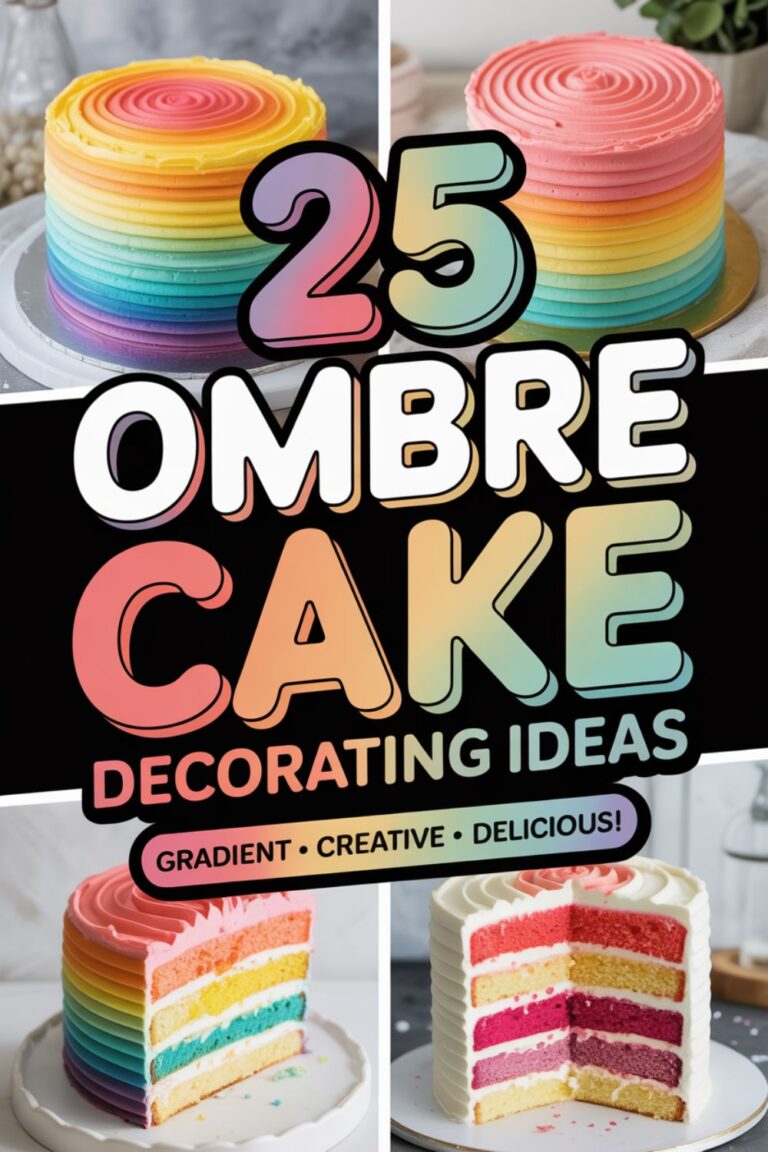
This looks fancy but it’s literally just different shades of the same color stacked on top of each other. Start with your darkest shade at the bottom, lighten it gradually with white frosting as you go up, then smooth it all out with a bench scraper.
I use a bench scraper for this—it’s basically a rectangle of metal that smooths frosting better than any spatula. Spin the cake on your turntable while holding the scraper steady against the side. Magic. For more techniques, explore these ombré cake decorating ideas.
Chill your ombré cake for 30 minutes after smoothing. When the buttercream is firm, run a hot offset spatula around the sides one more time. The heat smooths out any imperfections and gives you that flawless finish.
Drip Cakes
Chocolate or colored ganache dripping down the sides of a cake looks professional with minimal effort. The key is getting the ganache to the right consistency—thick enough that it doesn’t run everywhere, thin enough that it actually drips.
I test my ganache on the back of a spoon. If it drips slowly and coats the spoon, it’s ready. Too runny? Let it cool a bit. Too thick? Warm it slightly. These drip cake decorating ideas will walk you through the process step by step.
Common Layer Cake Problems (And How to Fix Them)
Everyone screws up cakes sometimes. The difference between a frustrated baker and a confident one is knowing how to troubleshoot when things go sideways.
Domed Cake Layers
This happens when the edges set faster than the center. The middle keeps rising, creating that annoying dome. You can level it off with a serrated knife or cake leveler, but prevention is better.
Professional bakers at Preppy Kitchen recommend baking strips—wet fabric strips that wrap around your pan and insulate the edges. This lets the whole cake rise evenly. I use Wilton baking strips and they work surprisingly well.
Dry Cake
Usually caused by overbaking or too much flour. Check your cakes a few minutes before the recipe’s suggested time. They’re done when a toothpick comes out with a few moist crumbs, not completely clean.
Also, measure flour correctly. Spoon it into your measuring cup and level it off—don’t scoop directly from the bag or you’ll pack in way too much.
Frosting Won’t Stick
Your cake layers might be too warm or you’re using frosting that’s too cold. Let hot cakes cool completely before frosting. If your buttercream is refrigerator-cold, let it sit at room temp for 15-20 minutes and re-whip before using.
A crumb coat helps too—that thin first layer of frosting that traps crumbs. Chill it for 15 minutes, then apply your final coat. Game changer for clean-looking cakes.
Sliding Layers
This is the worst. You’ve assembled this beautiful cake and the layers start sliding off each other like a leaning tower of sadness. Usually happens because your frosting is too soft or you didn’t use enough between layers.
Chill your cake between assembly and final decorating. The cold frosting firms up and acts like glue. Also, use a generous amount of frosting between layers—at least 3/4 cup for an 8-inch cake.
Struggling with technique? These professional cake decorating techniques break down everything you need to know in beginner-friendly language. No culinary school required.
Making Ahead and Storage
One of the best things about layer cakes is you can make them in stages. This prevents that frantic last-minute baking panic and actually makes the whole process enjoyable.
Bake Ahead
Cake layers freeze beautifully for up to three months. Wrap them tightly in plastic wrap, then in aluminum foil, and freeze flat. When you’re ready to use them, thaw in the fridge overnight or at room temperature for a few hours.
Frozen layers are actually easier to work with than fresh ones. They’re sturdier, less crumbly, and slice cleaner. I bake my layers two days before assembly and freeze them. Makes life so much easier.
Make Frosting Ahead
Buttercream keeps in the fridge for up to two weeks or in the freezer for three months. Bring it to room temperature and re-whip before using—it’ll look curdled and weird straight from the fridge, but a quick whip fixes everything.
I make big batches of vanilla buttercream and portion it out. When I need colored frosting, I just add gel food coloring to however much I need. Saves tons of time.
Storing Assembled Cakes
A fully assembled cake with buttercream frosting can sit at room temperature for a day or two if your kitchen isn’t sweltering. For longer storage, refrigerate it uncovered for 30 minutes to firm up the frosting, then cover loosely with plastic wrap.
Bring refrigerated cakes to room temperature for about an hour before serving. The texture and flavor are way better when the cake isn’t cold.
Frequently Asked Questions
How far in advance can I make a layer cake?
You can bake and freeze cake layers up to three months ahead, or refrigerate them for up to five days. Buttercream-frosted cakes stay fresh at room temperature for 1-2 days, or refrigerated for up to a week. Just bring it to room temperature about an hour before serving for the best texture and flavor.
Why do my cake layers dome in the middle?
Doming happens when the edges of your cake bake and set faster than the center, causing the middle to rise higher. According to Fat Daddio’s baking guide, you can prevent this by using baking strips around your pans, lowering your oven temperature by 25°F and baking longer, or simply leveling the domes off with a serrated knife after baking.
How do I get smooth buttercream on my cake?
The key is applying a thin crumb coat first, chilling it, then adding your final layer of frosting. Use an offset spatula to spread the frosting, then a bench scraper held at a 90-degree angle while rotating your cake on a turntable. Dip your scraper in hot water between passes for an ultra-smooth finish. It takes practice, but the technique works every time.
Can I use whipped cream instead of buttercream for spring cakes?
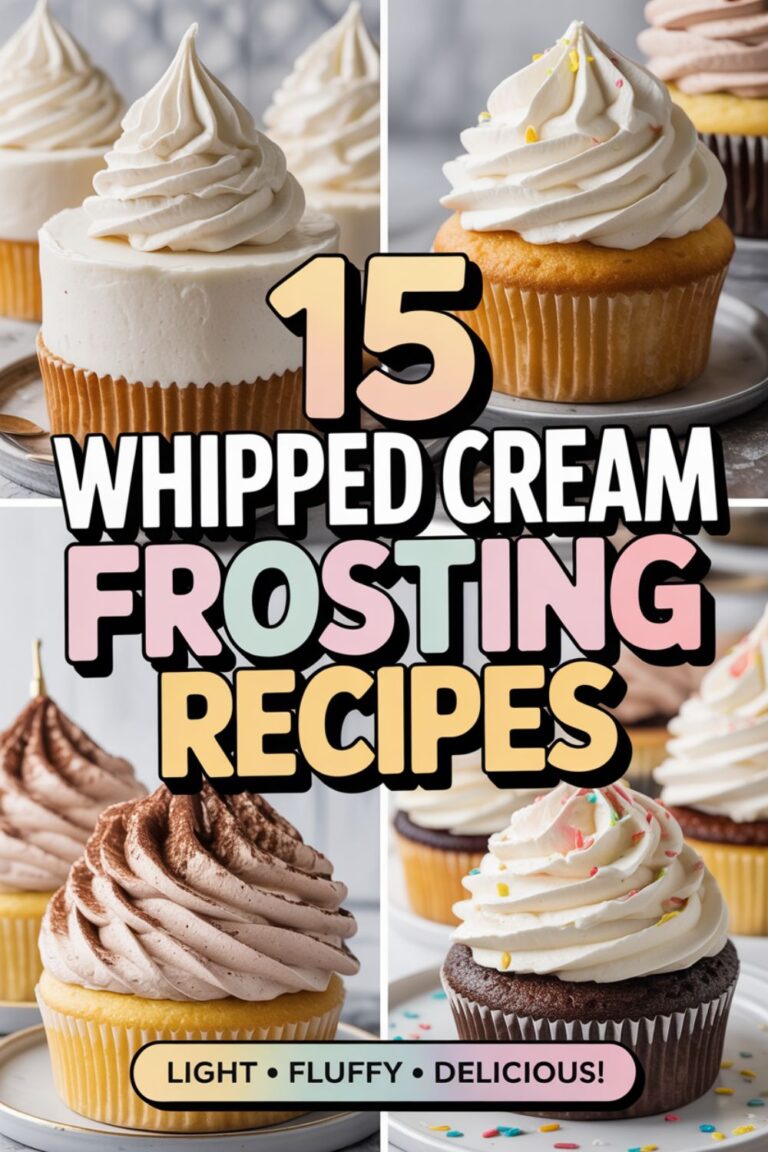
Absolutely! Whipped cream frosting is lighter and perfect for spring, especially with fruit-heavy cakes. Just make sure to stabilize it with gelatin, cream cheese, or instant pudding mix so it holds its shape. Keep whipped cream cakes refrigerated and serve within 2-3 days for best results.
What’s the best way to transport a layer cake?
Chill your fully decorated cake for at least 30 minutes to firm up the frosting. Place it on a sturdy cake board, then in a flat-bottomed box or container. Drive carefully and keep the cake level. If you’re going far, consider transporting layers and frosting separately and assembling on-site. A cake carrier with a dome is worth the investment if you transport cakes regularly.
Spring layer cakes aren’t just desserts—they’re celebrations in edible form. Whether you’re going full pastel fantasy with a lavender honey cake or keeping it classic with lemon and raspberry, the process is half the fun.
Don’t stress about perfection. Some of the best cakes I’ve made had wonky layers or lopsided frosting. People remember how a cake tastes and the occasion it marked, not whether the buttercream was Instagram-smooth.
So grab your mixing bowls, stock up on butter and powdered sugar, and make something beautiful. Spring’s too short not to celebrate it with cake.