21 Spring Bundt Cakes That Look Bakery-Made
Listen, there’s something magical about pulling a perfectly shaped bundt cake out of your oven. You know that moment when you flip the pan and pray it doesn’t stick? Yeah, that one. When it slides out flawlessly, with every ridge and curve intact, you feel like a baking wizard. Spring’s the perfect time to master this art because honestly, who doesn’t want a show-stopping cake that screams “I totally knew what I was doing” at your next brunch?
I’ve spent way too many Saturday mornings perfecting these beauties, and I’m not ashamed to admit I’ve had my share of catastrophic stuck-cake moments. But here’s the thing—bundt cakes are actually easier than layer cakes. No frosting drama, no leveling nightmares, just pure baked elegance. Plus, spring flavors like lemon, strawberry, and lavender make these cakes taste as good as they look.
Whether you’re hosting Easter brunch, celebrating a birthday, or just want something prettier than your average weeknight dessert, these 21 spring bundt cakes are about to become your new obsession. They look bakery-made, but I promise they’re totally doable at home.
Why Bundt Cakes Are Your Spring Baking Secret Weapon
Real talk—bundt cakes are the ultimate lazy baker’s hack. I don’t mean that in a bad way. I mean they make you look like you spent hours decorating when really, the pan does all the work. You literally pour batter into a fancy mold, bake it, flip it, and boom—instant showstopper.
The key to bundt cake success isn’t some complicated technique. It’s actually about three things: proper pan prep, room temperature ingredients, and knowing when to flip. According to King Arthur Baking, greasing your pan thoroughly is non-negotiable. I learned this the hard way after ruining what would’ve been a gorgeous strawberry cake.
Spring ingredients shine in bundt cakes because the format lets delicate flavors take center stage. You’re not competing with buttercream or fondant. Just pure cake, maybe a simple glaze, and the beautiful lines from your pan. IMO, this is how cake should be—unpretentious and delicious.
Essential Tools for Bakery-Quality Bundt Cakes
Before we jump into recipes, let’s talk gear. You don’t need a million things, but a few quality tools make the difference between “meh” and “wow, did you really make this?”
The Pan Makes the Cake
Your bundt pan matters more than you think. I started with a cheap one from a discount store and constantly dealt with sticking issues. Then I upgraded to a Nordic Ware 12-cup aluminum bundt pan and never looked back. The weight distribution is just better, and the non-stick coating actually works.
For intricate spring designs, Nordic Ware makes seasonal pans with florals and geometric patterns that are absolutely gorgeous. Just remember—the fancier the design, the more careful you need to be with greasing. Every single nook and cranny needs coverage.
Tools That Actually Matter
Here’s what lives in my bundt-baking drawer:
- A soft-bristle pastry brush for getting into pan details (not silicone—those don’t work as well)
- Long wooden skewers for testing doneness—toothpicks are too short
- A wire cooling rack because cooling directly on the counter creates condensation and sticking
- An offset spatula for smoothing batter and loosening edges
- A kitchen scale for accurate measurements (volume measurements can throw off bundt cakes)
The Food Network’s bundt guide recommends having an instant-read thermometer too. Bundt cakes are done around 200-205°F internally, which takes the guesswork out of baking time.
21 Spring Bundt Cakes to Make This Season
1. Lemon Lavender Bundt Cake
This is spring in cake form. The floral notes from dried lavender pair perfectly with bright lemon zest. I use about a tablespoon of culinary lavender—any more and it tastes like soap, trust me. The key is steeping the lavender in warm milk to extract the flavor without the texture.
Top it with a simple lemon glaze made from powdered sugar and fresh lemon juice. The glaze seeps into the cake ridges and creates this beautiful dripping effect that looks incredibly professional.
2. Strawberry Cream Cheese Bundt
Fresh strawberries and cream cheese are a match made in heaven. For this one, I roast the strawberries first to concentrate their flavor—roasting removes excess moisture that would otherwise make the cake soggy. Fold the roasted berries into your batter along with cream cheese chunks that melt into pockets of tangy goodness.
If you’re into fruity spring cakes, you’ll love these strawberry cake recipes for spring that explore different ways to use seasonal berries.
3. Pistachio Rose Water Bundt
Hear me out—this combination sounds fancy but it’s ridiculously easy. Ground pistachios replace part of the flour, adding moisture and a gorgeous green tint. A few drops of rose water in the batter create a subtle floral note that isn’t overwhelming.
I top this with a white chocolate ganache and sprinkle chopped pistachios on top. It looks like something from a Mediterranean bakery, but you literally just mixed stuff in a bowl and poured it in a pan.
4. Coconut Lime Bundt with Rum Glaze
This tastes like vacation. Coconut milk in the batter keeps everything incredibly moist, while lime zest adds brightness. The rum glaze is optional if you’re serving to kids, but for adults? Game changer.
I use a microplane zester for the lime—it gets just the flavorful outer layer without the bitter white pith. This tool has saved me so many times.
5. Carrot Cake Bundt with Cream Cheese Glaze
Classic carrot cake works beautifully in bundt form. The dense, moist texture releases perfectly from the pan, and you skip the hassle of frosting between layers. I add crushed pineapple for extra moisture and toasted walnuts for crunch.
The cream cheese glaze is thinner than traditional frosting, which lets it pool in the grooves and create visual interest. For more moist cake techniques, check out these carrot cake recipes that stay moist.
6. Honey Almond Spring Bundt
Honey adds moisture and a subtle floral sweetness that screams spring. I replace half the sugar with honey and add almond extract plus sliced almonds to the batter. The honey keeps this cake fresh for days—it actually tastes better on day two.
Toast your almonds before adding them. Just five minutes in a 350°F oven transforms them from meh to incredible. You’ll also want to explore these almond cake recipes with rich flavor for more nutty inspiration.
7. Lemon Poppy Seed Bundt
A classic for a reason. The poppy seeds add texture without affecting flavor much, and the lemon is the star. I use both lemon zest and lemon extract because fresh zest alone can be inconsistent.
This is one of those cakes that looks deceptively simple but tastes incredible. Brush it with lemon simple syrup while it’s still warm, then add a thicker glaze once cooled. Check out more bright citrus options in these lemon cake recipes that are bright and fresh.
8. Vanilla Bean Buttermilk Bundt
Sometimes simple is best. Real vanilla beans make this cake special—those little black specks throughout look so professional. Buttermilk creates the most tender crumb and adds a slight tang that balances the sweetness.
Scrape the seeds from one vanilla bean into your batter, then throw the empty pod into your sugar jar. Free vanilla sugar for later.
9. Orange Cranberry Bundt
Dried cranberries rehydrated in orange juice bring spring color and tartness. The orange zest in the batter complements the berries perfectly. I use a citrus juicer to get every drop of juice without the pulp.
This works beautifully for Easter or Mother’s Day because the colors are so cheerful. Glaze it with an orange glaze and add a few fresh cranberries on top for decoration.
10. Earl Grey Lavender Bundt
Tea cakes are underrated. Steep Earl Grey tea bags in warm milk, let it cool, then use that milk in your batter. The bergamot in Earl Grey creates this sophisticated, slightly floral flavor that pairs beautifully with a touch of lavender.
This is my go-to for afternoon tea situations. It’s elegant without being fussy.
Advanced Spring Bundt Techniques
Once you’ve mastered the basics, these techniques take your bundts from good to “how did you do that?”
11. Marble Bundt with Spring Fruit Swirl
Create a vanilla base and a fruit-based batter (strawberry, raspberry, or lemon curd work great). Layer them in the pan and swirl with a knife—don’t overmix or you’ll lose the definition. The swirls look incredible when you slice the cake.
For more marbling inspiration, these marble cake recipes with swirls show different techniques. Get Full Recipe
12. Champagne Bundt with Strawberry Glaze
Yes, you’re baking with champagne. The bubbles create a lighter texture, and the subtle flavor is perfect for celebrations. Reduce some champagne with strawberries for the glaze—it’s sweet, tangy, and elegant.
Use a decent champagne but not your expensive stuff. Anything you’d drink works fine for baking.
13. Coconut Cream Bundt with Toasted Coconut
Coconut milk, coconut extract, and shredded coconut create intense coconut flavor. Toast the shredded coconut before adding it for depth. I use my half-sheet baking pan to toast coconut evenly—spread it thin and watch it carefully because it burns fast.
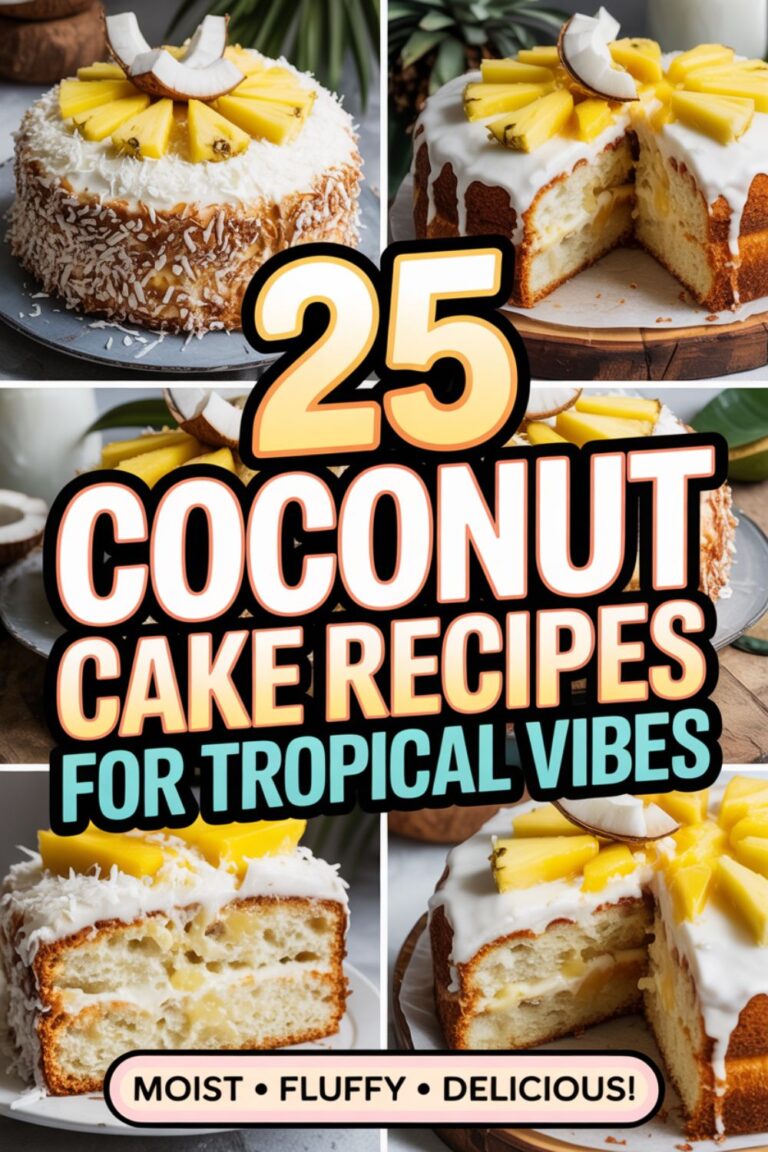
Top with a simple white glaze and press more toasted coconut into the glaze while it’s still wet. For tropical variations, explore these coconut cake recipes for tropical vibes.
14. Blueberry Lemon Bundt
Fresh blueberries can sink to the bottom, so toss them in a tablespoon of flour first. This creates a light coating that suspends them throughout the cake. Lemon zest in the batter complements the berries perfectly.
The purple-blue streaks from the berries look gorgeous against the yellow cake. This one always gets compliments.
15. Matcha White Chocolate Bundt
Matcha powder creates a beautiful green color and earthy flavor. Start with just 2 tablespoons—too much matcha tastes bitter. White chocolate chips melted throughout add sweetness and creaminess.
This is perfect for Mother’s Day or garden parties. The color alone makes it feel special.
If you’re looking for more spring desserts with bright flavors, these pineapple cake recipes and apple cake recipes offer seasonal inspiration, though they lean more toward summer and fall respectively.
16. Raspberry Ricotta Bundt
Ricotta cheese creates the most tender, moist crumb you’ve ever experienced. Fold in fresh raspberries and you’ve got spring perfection. The ricotta also helps the cake stay fresh longer—it’s still amazing three days later.
I strain my ricotta in cheesecloth for 30 minutes before using it. This removes excess moisture that could make the cake soggy.
17. Brown Sugar Pecan Spring Bundt
Brown sugar adds a subtle caramel flavor that’s not overpowering. Toasted pecans provide crunch and nuttiness. This works beautifully for spring brunches because it pairs well with coffee.
I use my food processor to finely chop some of the pecans into the batter while keeping others coarsely chopped for texture variety.
18. Lemon Ricotta with Poppy Seeds
Combining the lemon poppy seed classic with ricotta creates something extraordinary. The ricotta makes it incredibly moist while the lemon provides brightness. Poppy seeds add those pretty flecks throughout.
This is one of my most-requested recipes. People can’t figure out why it’s so much moister than regular lemon poppy seed cake.
19. Orange Olive Oil Bundt
Olive oil instead of butter creates a tender, Mediterranean-style cake that stays moist for days. Use a mild, fruity olive oil—not your peppery, extra-virgin stuff. Orange zest and juice complement the oil’s fruitiness.
This cake actually improves with age. Make it a day ahead and thank me later.
20. Vanilla Bean Sour Cream Bundt
Sour cream is the secret weapon for ultra-moist bundts. Full-fat sour cream is non-negotiable here—low-fat doesn’t have enough fat to keep things tender. Real vanilla bean paste adds those gorgeous specks throughout.
This is my go-to base recipe. I flavor it differently depending on the occasion, but the sour cream base is always the same. For perfecting your bundt basics, these bundt cake recipes for any occasion cover a ton of variations.
21. Strawberry Lemonade Bundt
Fresh strawberry puree and lemon juice create a flavor that tastes exactly like strawberry lemonade. It’s nostalgic and perfect for spring gatherings. I reduce the strawberry puree on the stove first to concentrate the flavor and remove excess liquid.
Top with a pink lemonade glaze made from powdered sugar, lemon juice, and a touch of strawberry puree. It looks like something from a professional bakery.
Curated Collection: Bundt Baking Essentials
Physical Products That Transform Your Baking
After making hundreds of bundt cakes, these are the tools I actually use:
- Nordic Ware Anniversary Bundt Pan — The 12-cup classic with the perfect non-stick coating. This pan has never failed me, even with the stickiest batters. The cast aluminum conducts heat evenly, so no hot spots or uneven baking.
- OXO Silicone Pastry Brush — Wait, I said silicone doesn’t work well earlier, but this one’s different. The bristles are soft enough to get into pan grooves without clumping grease. I keep two—one for sweet, one for savory.
- Ateco Offset Spatula Set — These are perfect for smoothing batter in the pan and loosening cake edges after baking. The angled design gives you control that straight spatulas can’t match.
Digital Resources Worth Your Time
- Spring Bundt Cake Recipe E-Book — My personal collection of 30 tested bundt recipes with troubleshooting guides. Includes glaze variations, flavor combinations, and pan prep techniques.
- Cake Decorating Master Class — Online video course covering glazing techniques, ganache drips, and presentation skills. Makes your bundts look bakery-professional.
- Seasonal Baking Calendar — Digital planner with monthly recipe suggestions, ingredient shopping lists, and baking schedules. Keeps you organized for holiday and celebration baking.
Join Our WhatsApp Baking Community: Get real-time tips, troubleshooting help, and recipe swaps with other bundt enthusiasts. We share successes, failures, and everything in between.
The Science Behind Perfect Bundt Cakes
Understanding why bundts work the way they do makes you a better baker. It’s not magic—it’s science.
Room temperature ingredients are crucial because they emulsify properly. Cold butter doesn’t cream well with sugar, creating a dense texture. Cold eggs can cause butter to seize up. Let everything sit on your counter for at least an hour before baking.
The center tube in a bundt pan isn’t just decorative. It conducts heat through the middle of the cake, ensuring even baking. This is why bundt cakes bake more evenly than regular round cakes—the heat source is both external and internal.
According to baking experts at Taste of Home, the key to preventing sticking is using shortening (not butter) for greasing. Butter contains milk solids that can cause sticking when they brown. Shortening is pure fat with no solids to create problems.
When you flip your bundt, timing matters tremendously. Too soon and the cake crumbles. Too late and it sticks permanently. That 15-minute sweet spot lets the cake firm up while still releasing residual steam that helps it separate from the pan.
Troubleshooting Common Bundt Problems
Even experienced bakers have bundt disasters. Here’s how to fix the most common issues:
When Your Cake Sticks
This is the nightmare scenario. If part of your cake sticks, don’t panic. Let the pan cool completely, then try again—sometimes additional cooling helps. If pieces are still stuck, use a plastic knife to gently pry them loose without gouging the pan.
For the salvage: Flip the damaged side down, add extra glaze, or strategically place fresh flowers or fruit over the mess. FYI, nobody needs to know what happened.
Dry or Crumbly Texture
This usually means overbaking or too much flour. Bundt cakes continue cooking from residual heat after you remove them from the oven, so take them out when a skewer comes out with a few moist crumbs—not completely clean.
If you’ve already overbaked it, brush it generously with simple syrup while warm. This adds moisture back in.
Sunken Center
Your oven temperature might be too high, causing the outside to set before the inside finishes rising. Use an oven thermometer to verify your temperature. Also, don’t open the oven door during the first 40 minutes of baking—temperature fluctuations cause sinking.
Undermixing can also cause this. Make sure your batter is well-combined without being overbeaten.
Tools & Resources That Make Baking Easier
The right tools eliminate frustration and improve your results. Here’s what actually matters:
Game-Changing Physical Tools
- Wilton Cake Release Pan Coating — This flour-oil mixture is specifically designed for detailed pans. One brush-on coating and your cake slides out perfectly every time. It’s shelf-stable and works better than spray.
- ThermoPro Digital Instant-Read Thermometer — Takes the guesswork out of doneness. Bundt cakes are done at 200-205°F in the center. This thermometer reads in 2 seconds and has saved me from countless overbaked cakes.
- Progressive International Flour Keeper — Keeps flour fresh and includes a leveler for accurate measurements. Proper measuring prevents dry, dense bundts.
Digital Resources for Skill-Building
- Master Bundt Techniques Video Series — Step-by-step videos showing pan prep, batter consistency, testing doneness, and perfect flipping technique. Visual learning makes everything clearer.
- Seasonal Flavor Pairing Guide — Digital chart showing which spring ingredients work together. Takes the guesswork out of customizing recipes.
- Bundt Troubleshooting Handbook — Downloadable PDF with solutions for every common problem. Keep it saved on your phone for quick reference while baking.
Private Facebook Group Access: Join hundreds of bundt bakers sharing photos, asking questions, and celebrating successes. The community support is invaluable for beginners and experienced bakers alike.
Glazing and Finishing Techniques
The glaze can make or break your presentation. Here’s how to do it right:
Simple glazes are just powdered sugar and liquid (milk, juice, or water). Start with a 2:1 ratio of sugar to liquid, then adjust. Thinner glazes soak into the cake, while thicker ones create a decorative coating.
For a mirror glaze effect, your glaze should be thin enough to drip slowly but not run off completely. Test on a plate first. Apply glaze while the cake is on a cooling rack with parchment underneath to catch drips—you can scoop up excess and reuse it.
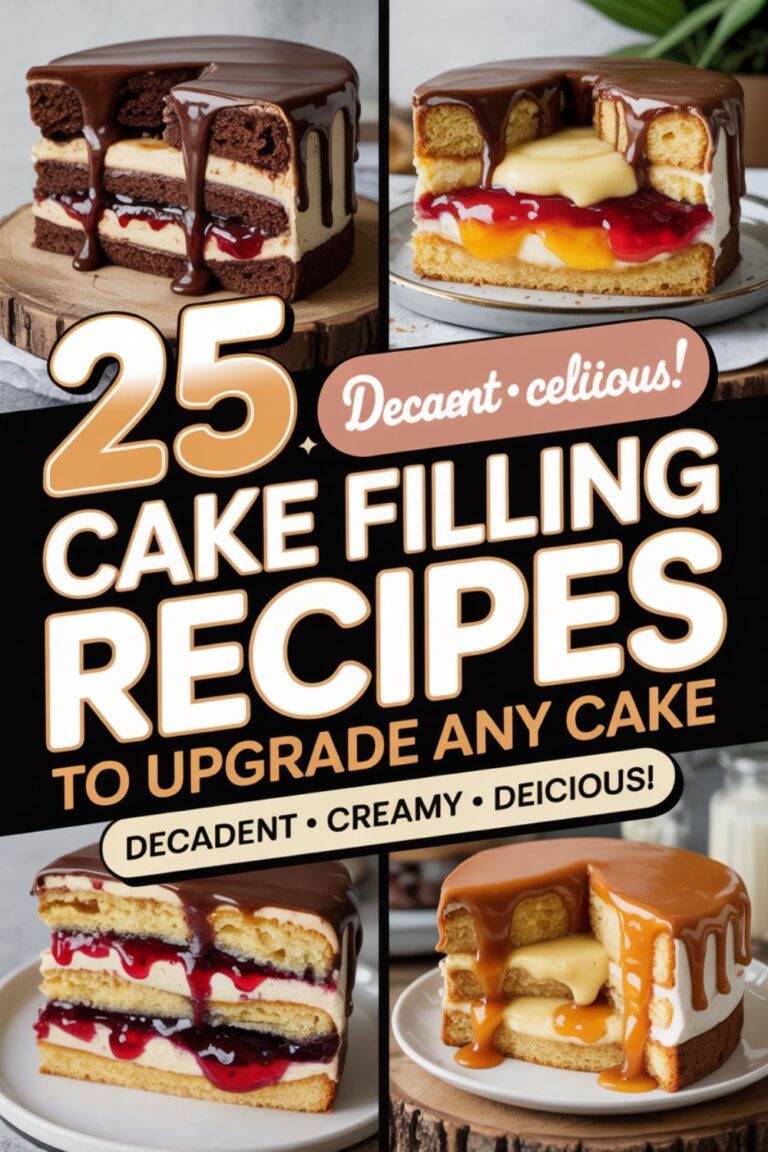
Ganache works beautifully on bundt cakes. Heat heavy cream until just simmering, pour over chopped chocolate, and whisk until smooth. Let it cool slightly before pouring—too hot and it runs off, too cool and it doesn’t drip nicely.
Fresh fruit, edible flowers, and herbs make simple but elegant decorations. Arrange them on top of your glaze while it’s still tacky so they stick. Sugared berries or candied citrus slices look incredibly professional.
For more decorating inspiration, check out these minimalist cake decorating ideas that prove less is more.
Storing and Serving Your Spring Bundts
Proper storage keeps your bundt fresh for days. Wait until completely cool before wrapping—warm cake creates condensation that makes it soggy. Wrap tightly in plastic wrap, then in foil for extra protection.
Most bundts stay fresh at room temperature for 3-4 days if wrapped well. Glazed cakes should be stored under a cake dome rather than wrapped—wrapping smears the glaze.
Freezing works great for unfrosted bundts. Wrap in plastic wrap and foil, then freeze for up to 3 months. Thaw overnight at room temperature, still wrapped, to prevent condensation from making it soggy.
Slice bundt cakes with a serrated knife using a gentle sawing motion. Clean the knife between slices for perfect presentation. A cake lifter helps transfer slices to plates without breaking them.
Serve at room temperature for best flavor and texture. Cold cake is denser and less flavorful.
Frequently Asked Questions
Why did my bundt cake stick to the pan?
The most common reasons are insufficient greasing or flipping at the wrong time. Make sure you coat every single crevice of your pan—use a pastry brush to reach tight spots. Wait exactly 15 minutes after removing from the oven before flipping. Too soon and the cake crumbles; too late and it adheres permanently.
Can I use a regular cake recipe in a bundt pan?
Yes, but denser batters work best. Pound cakes and butter cakes translate beautifully to bundt pans. Light sponge cakes or angel food cakes don’t have enough structure and often stick or collapse. Most recipes calling for two 9-inch round pans will fit a standard 10-12 cup bundt pan perfectly.
How do I know when my bundt cake is done?
Insert a long wooden skewer or cake tester into the thickest part—it should come out with just a few moist crumbs, not wet batter. The cake should also spring back when gently pressed, and the edges should pull away slightly from the pan. An instant-read thermometer should register 200-205°F in the center.
What’s the best way to transport a bundt cake?
Place your cooled, glazed cake on a sturdy cake board or plate, then cover with a large cake dome or inverted bowl. Secure the bottom with a non-slip mat in your vehicle. For longer trips, transport the cake unglazed and add the glaze at your destination—this prevents smearing during transit.
Can I make bundt cakes ahead of time?
Absolutely. Unfrosted bundt cakes actually improve after a day as the flavors meld. Bake up to 3 days ahead, wrap tightly in plastic wrap and foil, and store at room temperature. You can also freeze unfrosted bundts for up to 3 months. Add glaze just before serving for the freshest look.
Your Spring Baking Journey Starts Now
Here’s the truth—you don’t need fancy culinary training to make a bundt cake that looks bakery-made. You need a good pan, proper technique, and the confidence to flip that sucker without fear. Spring is the perfect time to master this skill because the ingredient combinations are endless and forgiving.
Start with something simple like the vanilla buttermilk or lemon poppy seed. Get comfortable with your pan and your oven. Then branch out to the more adventurous flavors like pistachio rose or earl grey lavender. Each cake teaches you something new about timing, texture, and flavor balance.
The beauty of bundt cakes is their flexibility. You can dress them up for Easter dinner or dress them down for a Tuesday afternoon snack. They freeze well, travel well, and honestly just make life better. Plus, that moment when you flip the pan and reveal a perfect cake? Never gets old.
Stop overthinking it. Grab your pan, pick a recipe, and bake something beautiful. Your spring gatherings deserve better than store-bought cake, and you’re absolutely capable of making these work. I promise the effort is worth it when people ask where you bought that gorgeous cake and you get to say “I made it.”
Now go make something that’ll make your Instagram followers jealous. You’ve got this.