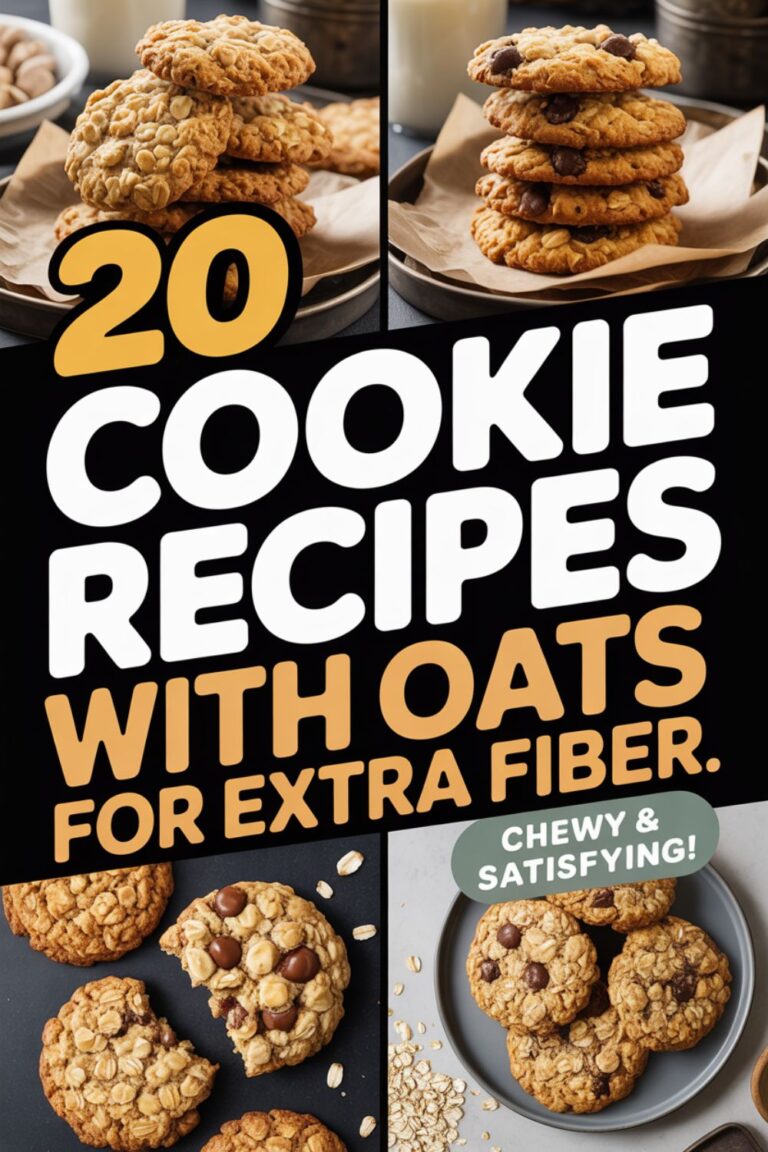
21 Macro-Friendly Cookie Recipes That Actually Taste Like Dessert
Cookies that actually fit your macros without tasting like cardboard compressed into a circle — yes, that is a real thing, and no, you do not have to compromise on flavor to get there. I spent a solid chunk of time convinced that healthy cookies were either chalky protein-powder pucks or suspiciously wet date balls. Then I started actually experimenting, and everything changed. These 21 macro-friendly cookie recipes are the ones I keep coming back to — because they hit the sweet spot between genuinely good nutrition and genuinely good taste.
Whether you are tracking macros seriously, just trying to cut back on refined sugar, or you want a cookie that will not wreck your entire evening after one too many, this list has something for you. We cover high-protein cookies, low-sugar options, no-bake versions for the days you cannot be bothered with an oven, and even vegan and gluten-free options that hold their own against the originals.
Overhead flat-lay photograph of a rustic wooden cutting board with six assorted macro-friendly cookies arranged loosely — including a golden oat-chocolate chip cookie, a dark cocoa protein ball dusted with cacao powder, and a pale almond-flour shortbread. Warm afternoon light streams in from the upper left, casting soft shadows. A small open glass jar of natural peanut butter sits slightly off-center with a wooden spoon resting on its rim. Scattered rolled oats, a few dark chocolate chips, and a sprig of fresh mint add texture. The background is a light cream linen cloth with subtle natural folds. Atmosphere is cozy, wholesome, and inviting — styled for a Pinterest-optimized food blog hero shot.
Why Macro-Friendly Cookies Are Worth Your Attention
Let me be upfront: a macro-friendly cookie is not a diet food. It is just a smarter version of something you already love. The goal is to keep protein up, manage carbohydrates from refined sources, reduce unnecessary sugar, and still end up with something that tastes like you actually wanted to eat it. That is a reasonable ask, and these recipes deliver.
The key shift is in the ingredients. Swapping all-purpose flour for almond flour or oat flour changes the macro profile dramatically. Almond flour brings healthy fats and a lower glycemic impact; oat flour adds fiber and a mild sweetness that means you need less added sugar. According to Healthline’s breakdown of almond flour nutrition, it contains roughly 6 grams of protein and only 3 grams of net carbs per quarter cup — a meaningful difference compared to white flour in the same quantity.
Protein sources are the other major lever. Greek yogurt, protein powder (whey or plant-based), nut butters, and eggs all work beautifully in cookie doughs. The trick is knowing which one plays well with which base. Protein powder, for example, absorbs moisture fast, so you need to balance it with something that keeps the dough from turning to concrete — usually extra nut butter or a little more fat.
When substituting protein powder for flour in a cookie recipe, start by replacing only 25% of the flour and increase from there. Going all-in on the first try is how you end up with rubber discs nobody wants to eat.
The 21 Macro-Friendly Cookie Recipes
Here is the full list. Each one keeps macros in check without losing the thing that makes a cookie a cookie — the satisfaction factor. A few of these have become regular rotation in my kitchen. The no-bake peanut butter oat cookies in particular are dangerously quick to make.
- High-Protein Peanut Butter Oat Cookies Made with natural peanut butter, rolled oats, and a scoop of vanilla whey. Around 8g protein per cookie. No mixer needed.
- Almond Flour Chocolate Chip Cookies Classic flavor, grain-free base. Pairs dark chocolate chips with almond flour and coconut sugar for a clean macro profile.
- No-Bake Cocoa Energy Balls Technically a cookie, functionally a lifesaver. Oats, cocoa, honey, and nut butter. Done in 10 minutes. Get Full Recipe
- Greek Yogurt Snickerdoodles Swap out half the butter for Greek yogurt, add cream of tartar, and you get a snickerdoodle that is genuinely soft with a solid protein bump.
- Black Bean Brownies (Cookie Edition) Pressed into cookie rounds instead of a pan. Fudgy, rich, and loaded with fiber. Nobody will guess the beans.
- Oat Flour Banana Cookies Ripe bananas do all the sweetening work here. Two-ingredient base with add-ins — keep it clean or go a little wild with dark chocolate chips.
- Protein Powder Sugar Cookies Use vanilla protein powder and almond flour. Works well with a light cream cheese frosting if you want to keep macros in range.
- Coconut Flour Lemon Shortbread Bright, buttery, and satisfying. Coconut flour creates a dense, slightly crumbly texture — in the good way.
- Chickpea Cookie Dough Bites Blend chickpeas with nut butter, vanilla, and a touch of maple syrup. Bake or eat raw — this base is designed to go either way.
- Vegan Dark Chocolate Tahini Cookies Tahini brings a nutty depth that works beautifully with dark chocolate. Naturally dairy-free and genuinely complex in flavor.
- Low-Sugar Oatmeal Raisin Cookies Sweetened with a small amount of coconut sugar and a mashed ripe banana. Classic taste, cleaned up macros. Get Full Recipe
- Cottage Cheese Chocolate Chip Cookies Sounds unusual; tastes incredible. Blended cottage cheese adds moisture and a protein boost without any noticeable flavor.
- Sunflower Seed Butter No-Bake Bars (Cookie Style) Great for nut-free households. Cut into cookie-sized rounds after chilling. Clean label, satisfying texture.
- Collagen Peptide Ginger Snaps Collagen powder replaces a portion of flour. The ginger spice is strong enough to mask any subtle protein aftertaste.
- Pumpkin Protein Cookies Canned pumpkin adds moisture and fiber without loading up the carb count. Add cinnamon, nutmeg, and a half-scoop of vanilla protein powder.
- Almond Butter Blossoms (No Refined Sugar) Classic peanut butter blossom shape, made with almond butter and sweetened with medjool dates. Press a dark chocolate piece into the center while warm.
- Gluten-Free Espresso Chocolate Cookies For the coffee-cookie crossover fans. Oat flour base with a shot of espresso powder. Chewy, intense, and very grown-up.
- Chia Seed Jam Thumbprint Cookies Almond flour base with a homemade chia jam center. Lower sugar than traditional jam, higher in fiber and omega-3s.
- Plant-Based Mint Chocolate Chip Cookies Flax egg binds the dough. Coconut oil replaces butter. Natural peppermint extract keeps the flavor clean and bright.
- Whey Protein Peanut Butter Blossoms Higher protein version of a holiday classic. Wrap the dough around a dark chocolate piece instead of pressing a Hershey’s kiss on top.
- Cinnamon Roll Protein Cookies All the warm comfort of cinnamon rolls, none of the yeast or rising time. Oat flour, vanilla protein, cream cheese swirl on top. Get Full Recipe
Understanding Macros in Cookie Baking
Protein Sources That Actually Work in Cookies
Not every protein source translates well into baked goods. Whey protein isolate tends to bake well but dries out fast — you need fat to compensate. Plant-based protein powders (pea, rice, hemp) add earthiness, so they pair better with cocoa or strong spice flavors. Greek yogurt is probably the most forgiving swap for anyone who does not want to deal with protein powder at all — it adds moisture, mild tang, and a real protein boost without any of the aftertaste risk.
Nut butters deserve a longer conversation because they genuinely do double duty. Natural peanut butter adds protein, fat, and flavor. Almond butter is slightly milder with a higher fat-to-protein ratio — good if you want a richer texture. Cashew butter leans sweet and creamy, which works brilliantly in shortbread-style cookies. If you are working with nut-free requirements, sunflower seed butter is the straightforward substitute, though be aware it can turn baked goods a slightly greenish color due to a reaction with baking soda. Totally normal, slightly alarming the first time you see it.
According to the Harvard T.H. Chan School of Public Health’s protein guidance, incorporating varied protein sources across meals — including snacks — supports muscle maintenance and satiety throughout the day. Your post-gym cookie is not just a treat; it is practically a nutritional strategy.
Batch-bake two or three of these macro-friendly cookie recipes on Sunday, store them in an airtight container, and you have a week’s worth of portioned snacks ready to go. Future you will be unreasonably grateful.
Managing Carbohydrates Without Sacrificing Texture
Flour is where most of the carbohydrate load lives in traditional cookies, and it is also what holds everything together. The substitution game here is about finding flours that deliver structure without the same carb count. Almond flour and coconut flour are the two most common choices, but they behave very differently. Almond flour is moist and dense; it produces a soft, chewy cookie that spreads a little during baking. Coconut flour is highly absorbent and needs significantly more liquid and eggs to function — use about a quarter of the amount you would use with all-purpose flour.
Oat flour sits in the middle and works reliably well for most cookie styles. It produces a slightly heartier texture with a mild oat flavor that does not intrude on the overall taste. If you make your own by blending rolled oats, make sure you grind them fine enough — chunky oat flour gives you a grainy texture that nobody asked for.
| Flour Type | Calories (¼ cup) | Protein | Net Carbs | Fat |
|---|---|---|---|---|
| All-purpose flour | 114 | 3g | 22g | 0.3g |
| Almond flour | 160 | 6g | 3g | 14g |
| Coconut flour | 60 | 3g | 6g | 1.5g |
| Oat flour | 110 | 4g | 18g | 2g |
Baking Essentials I Actually Use for These Recipes
A few things that make the whole process easier and more consistent — no fluff, just what genuinely helps.
Join our community for weekly macro-friendly baking drops and reader recipe features.
Smart Sweetener Swaps for Lower Sugar Cookies
Sugar is not the villain it gets painted as, but in cookie baking, most traditional recipes use far more than you need for good flavor. The work here is learning which sweeteners pull their weight. Coconut sugar is one of my default swaps — it measures 1:1 with granulated sugar, caramelizes similarly, and has a lower glycemic index. It also adds a slight molasses flavor that makes chocolate-based cookies genuinely better.
Medjool dates blended into a paste work brilliantly in dense cookies like the almond butter blossoms and the chickpea cookie dough bites. Dates add natural sweetness along with fiber and a small amount of iron and potassium. They do add bulk to the dough, so you often need to reduce another wet ingredient slightly to compensate. Maple syrup and raw honey work well in cookies that benefit from a liquid fat — they blend with nut butters seamlessly and keep the texture soft.
Monk fruit sweetener and erythritol are options if you are tracking very tightly, but IMO they work best in combination with a small amount of real sugar or honey. Going pure erythritol in cookies can give a cooling aftertaste and a slightly crystalline texture as they cool. Use them as part of a blend rather than the only sweetener, and you will get much better results.
I made the almond flour chocolate chip cookies from this list three times in one week. My husband asked me to stop making them because he kept eating the entire batch. That tells you everything you need to know.
— Megan R., community member
No-Bake Options for the Busy Week
Some days, turning on the oven is simply not happening. No-bake macro-friendly cookies are not a compromise — they are genuinely the better choice when you need something quick and portioned. The base formula for most no-bake cookies follows the same pattern: a binding fat (nut butter), a dry base (oats or protein powder), a sweetener, and a flavoring agent. Mix, shape, chill.
The 20 no-bake cookie recipes for busy days shows just how far you can take this concept — from simple peanut butter oat rounds to more elaborate layered chocolate bark cookies that require nothing more than a freezer and 20 minutes. I keep a silicone baking sheet on the bottom shelf of my fridge specifically for no-bake situations — it peels off cleanly and saves a lot of wax paper.
For anyone working toward specific fitness goals, the no-bake cocoa energy balls in this collection deserve a special mention. Two per serving, around 9 grams of protein, under 150 calories. They store well in the fridge for up to a week, and they freeze for up to three months if you portion and bag them. I have made four-dozen batches on a Sunday and lived off them guiltlessly for weeks. Some might call that a problem. I call it planning.
Vegan and Gluten-Free Macro-Friendly Options
Vegan Swaps That Work
Eggs do a lot of work in cookie dough — they bind, add moisture, and contribute structure. The most reliable vegan swap in this context is the flax egg: one tablespoon of ground flaxseed mixed with three tablespoons of water, rested for five minutes until it forms a gel. It is not perfect for every recipe, but it handles the binding role well in softer, chewier cookies.
Aquafaba (the liquid from a can of chickpeas) works as a whipped egg white replacement in recipes that need lift. This applies more to meringue-style cookies than drop cookies, but it is worth knowing about. Applesauce — roughly a quarter cup per egg — works well in oat-based and banana cookies where you do not need the structure an egg provides. FYI, unsweetened applesauce also adds a small natural sweetness, so you can reduce your added sweetener accordingly.
Plant-based butter and coconut oil replace dairy butter almost interchangeably in most cookie recipes. Coconut oil gives a slightly crispier edge and a mild tropical undertone in neutral-flavored cookies, which some people love and others notice. Refined coconut oil is fully neutral if that matters to you — I keep refined coconut oil on hand specifically for baking so the flavor does not compete.
Gluten-Free Baking Without Compromise
The biggest mistake in gluten-free cookie baking is treating it like a direct substitution exercise. Gluten provides the elastic structure that holds baked goods together — when you remove it, you need something else to do that work. Xanthan gum at about a quarter teaspoon per cup of gluten-free flour helps mimic that structure. But in many macro-friendly recipes, the eggs, nut butter, or oat flour itself provides enough binding that xanthan gum is optional.
Certified gluten-free oats are the ingredient that makes the most gluten-free macro-friendly cookies work. Standard oats carry cross-contamination risk, so if you or your household needs strict gluten-free, the certification matters. A bag of certified gluten-free rolled oats is worth having in the pantry — use them whole in oatmeal cookies or blend them into oat flour as needed.
For more dedicated gluten-free cookie inspiration beyond what this list covers, the 15 gluten-free cookies that taste amazing collection goes deep on texture and technique in ways that will genuinely upgrade your approach.
I replaced my usual post-workout snack with the Greek yogurt snickerdoodles from this list. Three weeks in and I am hitting my protein targets consistently for the first time in months. Highly recommend building a snack you actually look forward to eating.
— Jordan T., community member
Tools and Resources That Make Macro Baking Easier
The stuff I actually reach for, plus a few resources that cut the learning curve significantly.
Want weekly macro-friendly recipe drops straight to your inbox? Join the community and get new resources every Friday.
Storage, Batch Cooking, and Freezing These Cookies
Macro-friendly cookies generally have a shorter shelf life than traditional ones because they skip the preservative effect of large amounts of sugar and refined fat. At room temperature in an airtight container, most of these keep well for three to four days. Anything made with Greek yogurt or cottage cheese should go straight into the fridge and will last five to seven days. No-bake cookies made with nut butter and oats are the most stable — room temperature for up to a week, fridge for two weeks.
Freezing is where these cookies really shine for meal prep purposes. Bake a double batch, let them cool completely, then layer them between sheets of parchment paper in a freezer-safe container. Most of these cookies thaw at room temperature in about 15 minutes, or you can microwave one for 20–25 seconds. The texture stays remarkably close to fresh-baked on the ones made with oat flour and nut butter.
For batch cooking efficiency, I recommend baking two or three different varieties in one session. Use a cookie scoop set with multiple sizes — the small scoop for energy balls and bites, the medium for standard drop cookies, and the large for bars. Label everything with the date and macro breakdown before it goes into the freezer. You will thank yourself in three weeks when you grab one blindly and still know what you are eating.
Freeze cookie dough balls on a sheet pan first, then transfer to a bag. That way you can bake exactly how many you want at any time — fresh from frozen at 325°F for about 14 minutes. Perfectly portioned, always fresh.
Flavor Combinations Worth Trying Beyond the Basics
Once you have the base recipes down, the real fun starts. Macro-friendly cookies do not have to be limited to peanut butter and chocolate chip. Some of the most interesting combinations I have tried came from applying standard cookie flavors to the new flour bases.
Matcha white chocolate almond flour cookies — the subtle bitterness of matcha balances the sweetness of white chocolate chips, and almond flour keeps the texture soft and delicate. Cardamom and rose water shortbread made with coconut flour is genuinely sophisticated. The floral notes work with the slight coconut undertone in a way that feels intentional rather than accidental.
For warmer spice lovers, a chai-spiced oat flour cookie with a tahini drizzle is one of those combinations that sounds like it requires a lot of effort and actually takes about 25 minutes start to finish. The tahini provides fat and protein; the chai spices do all the flavor work. If you want to explore similar soft and chewy territory with more variety, 20 soft and chewy cookies to satisfy your sweet tooth is the natural next stop — the texture techniques there translate directly to macro-friendly doughs.
Frequently Asked Questions
Can you really make cookies that are high in protein and actually taste good?
Yes, and the key is using the right protein source for the recipe. Greek yogurt, nut butters, and eggs work better in most home-baked cookies than protein powder alone. When you do use protein powder, treat it as a partial flour substitute rather than the main ingredient — usually no more than a third of the dry mix.
What is the best flour for low-carb macro-friendly cookies?
Almond flour is the most versatile choice for low-carb baking — it produces soft, chewy cookies with only about 3 grams of net carbs per quarter cup. Coconut flour is even lower in net carbs but requires much smaller amounts and significantly more moisture to work correctly. A blend of the two often gives the best balance of structure and macros.
How do I calculate macros for homemade cookies?
The most reliable method is to add up the macros for every ingredient in the full recipe, then divide by the number of cookies the batch produces. A kitchen scale gives you accurate measurements — volume measurements like cups introduce too much variance for precise macro tracking. Apps like Cronometer or MyFitnessPal have recipe builders that do the math once you enter the ingredients.
Are oats a good base for macro-friendly cookies?
Oats are one of the best bases for this style of baking. They provide fiber, a modest protein content, and complex carbohydrates that digest more slowly than refined flour. Rolled oats in whole form add texture and chew; blended into oat flour they create a smoother, more traditional cookie texture. Use certified gluten-free oats if you need to avoid cross-contamination.
Can I freeze macro-friendly cookie dough?
Most of these doughs freeze very well. Scoop the dough into individual balls, freeze on a sheet pan until solid, then transfer to a bag or container. Bake directly from frozen at a slightly lower temperature — around 325°F — for a couple of extra minutes. This method works especially well for nut butter-based doughs and oat flour doughs.
The Bottom Line
Macro-friendly cookies stopped being a novelty in my kitchen the moment I realized how little I was giving up. The flavor, the texture, the satisfaction of having something sweet that you actually made — all of it is there. What changes is the ingredient list, and once you understand why those ingredients work, you can adapt almost any cookie recipe you already love.
Start with two or three recipes from this list that appeal to your current goals and flavor preferences. Get comfortable with the techniques, figure out which protein sources you enjoy working with, and build from there. These 21 recipes give you a solid foundation, but the real win is developing the instinct to look at any cookie recipe and know exactly how to make it work for you.
Pick one, bake it this week, and see how quickly it becomes a regular. That is genuinely the best place to start.