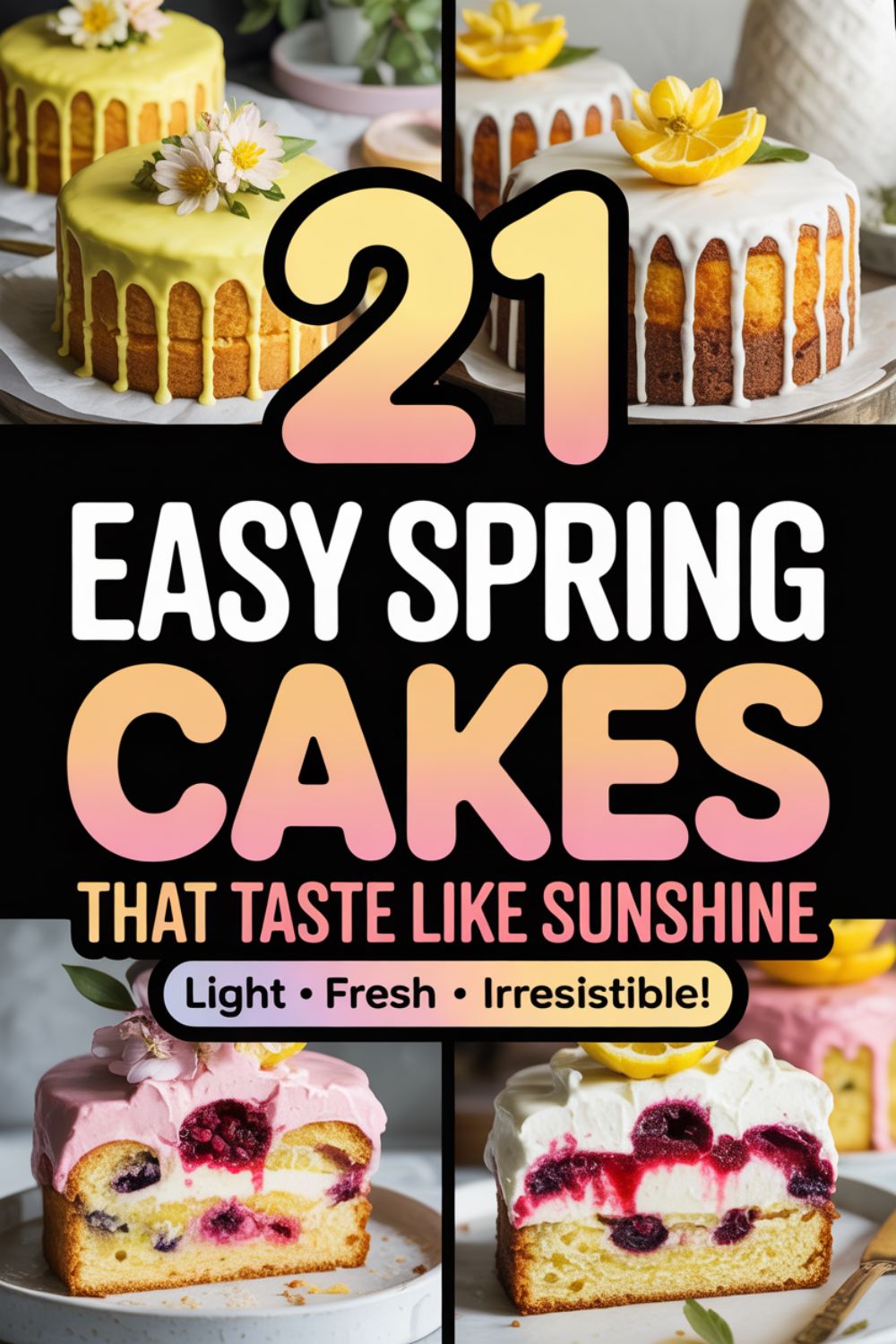
21 Easy Spring Cakes That Taste Like Sunshine
Spring’s here, and if you’re anything like me, you’re already craving something bright, fresh, and impossibly cheerful to celebrate. Forget heavy chocolate layers and dense winter desserts—this is the season for cakes that actually taste like sunshine broke through the clouds and landed on your plate.
Look, I get it. The last thing you need is another complicated baking project that requires seventeen bowls and a culinary degree. These spring cakes? They’re the opposite. Light, citrusy, berry-packed, and ridiculously easy to pull off. Whether you’re hosting brunch, need a last-minute dessert, or just want an excuse to turn on the oven and make your kitchen smell amazing, these recipes have you covered.
And honestly, spring baking just hits different. The flavors are brighter, the colors are prettier, and there’s something about a lemon-glazed cake or strawberry-topped creation that makes the whole “emerging from winter hibernation” thing feel worth it. Let’s jump in.
Why Spring Cakes Are Actually Superior
Okay, hear me out. Spring cakes aren’t just seasonal for the sake of it—they’re genuinely better than their fall and winter counterparts in ways that actually matter. First off, spring ingredients are at their peak. Fresh strawberries, tart rhubarb, fragrant citrus—all of these are screaming to be baked into something delicious right now.
Plus, spring cakes tend to be lighter. After months of dense chocolate lava cakes and spiced everything, your palate is ready for something that doesn’t sit in your stomach like a brick. These cakes are airy, refreshing, and won’t make you regret life choices thirty minutes after eating them.
And let’s talk aesthetics for a second. Spring cakes are just prettier. The pastel hues from natural ingredients like berries and citrus, the way edible flowers look perched on top of a cream cheese frosting—these cakes photograph like a dream. According to King Arthur Baking, spring desserts benefit from using seasonal ingredients that bring both vibrant color and intense flavor without relying on out-of-season produce.
Lemon Cakes: The MVP of Spring Baking
If spring had an official flavor, it’d be lemon. Bright, tangy, and endlessly versatile, lemon cakes are the backbone of any solid spring baking rotation. I’m talking lemon pound cakes, lemon bundt cakes, lemon layer cakes with cream cheese frosting—the works.
What makes lemon so perfect for spring? It’s that balance of sweet and tart that just wakes up your taste buds. Plus, lemon pairs beautifully with almost everything: berries, cream cheese, poppy seeds, even herbs like lavender or thyme if you’re feeling fancy. For a foolproof lemon cake that stays moist for days, check out these lemon cake recipes.
Classic Lemon Drizzle Cake
This one’s a staple for a reason. A simple butter cake infused with lemon zest and juice, then soaked with a lemon-sugar syrup while it’s still warm. The result? A cake that’s impossibly moist with a slight crunch from the sugary top. You can whip this up in under an hour, and it keeps beautifully for days (if it lasts that long). Get Full Recipe.
The secret to a next-level lemon drizzle is using both zest and juice. The zest gives you those essential oils that pack a citrus punch, while the juice adds the necessary acidity. Don’t skip either one. I use this microplane zester because it gets every last bit of zest without the bitter white pith underneath.
Lemon Poppy Seed Bundt Cake
If you want something that looks impressive but requires minimal effort, bundt cakes are the answer. This lemon poppy seed version has a gorgeous texture from the seeds and a glaze that sets into a beautiful shiny finish. Plus, bundt pans do half the decorating work for you—just unmold, glaze, and you’re done.
Pro tip: grease your bundt pan like your life depends on it. I’m talking butter, then flour, in every single crevice. Or better yet, use this baking spray with flour that makes unmolding a breeze. Nothing’s worse than a gorgeous cake that refuses to leave the pan.
Looking for more bundt cake inspiration? These bundt cake recipes have a version for every occasion, and the lemon-glazed options are especially perfect for spring.
Berry Cakes: Sweet, Tart, and Totally Irresistible
Berries are spring’s other big player. Strawberries, raspberries, blueberries—they’re all coming into season and begging to be baked into something delicious. Berry cakes have this beautiful way of being both sweet and slightly tart, which keeps them from feeling too cloying.
The best part? Berries are stupid easy to work with. Toss them into a batter, layer them with cream, or roast them into a compote for filling. They’re forgiving, they’re flavorful, and they make everything prettier.
Strawberry Shortcake Layer Cake
This cake is everything you love about classic strawberry shortcake, but in layer cake form. Fluffy vanilla cake layers, strawberry whipped cream, and fresh sliced strawberries. It’s light, it’s fresh, and it tastes like spring in every bite. For a complete guide on achieving those perfect layers, these bakery-style layer cakes break down all the techniques.
The trick to keeping this cake from getting soggy? Pat your strawberries dry before adding them, and don’t assemble it more than a few hours before serving. The juice will eventually weep into the cake, and while that’s not the end of the world, it’s not ideal either.
Blueberry Lemon Snack Cake
Not every cake needs to be a towering masterpiece. Sometimes you just want a simple, single-layer snack cake that you can eat straight from the pan with a fork. This blueberry lemon version fits the bill perfectly. Tender crumb, bursts of juicy berries, and a lemon glaze that soaks into every bite. Get Full Recipe.
I bake this in this 9×9 square pan because it gives you those perfect corner pieces with extra glaze. Plus, square pans are way easier to store than round ones when you’re tight on cabinet space.
For more ideas on easy, no-fuss cakes that still impress, check out these snack cake recipes that are perfect for everyday baking.
Citrus Beyond Lemon: Orange, Lime, and Grapefruit Cakes
Lemon gets all the glory, but let’s not sleep on the other citrus fruits. Orange cakes have a sweeter, more mellow flavor that pairs beautifully with almond or vanilla. Lime cakes bring a tropical vibe that feels perfect for late spring. And grapefruit cakes? They’re tart, slightly bitter, and absolutely stunning when done right.
Orange Almond Cake
This cake is ridiculously simple—it’s basically a one-bowl situation—but it tastes like you spent hours on it. Ground almonds give it a dense, moist texture, while orange zest and juice provide that bright citrus flavor. It’s naturally gluten-free if you use almond flour exclusively, which makes it a great option when you’re baking for a crowd with dietary restrictions. You’ll find similar variations in these almond cake recipes.
I drizzle this with a simple orange glaze and top it with toasted almond slices. The combination of textures—soft cake, crunchy almonds, smooth glaze—is perfection. Plus, it keeps for days and actually gets better as the flavors meld.
Key Lime Poke Cake
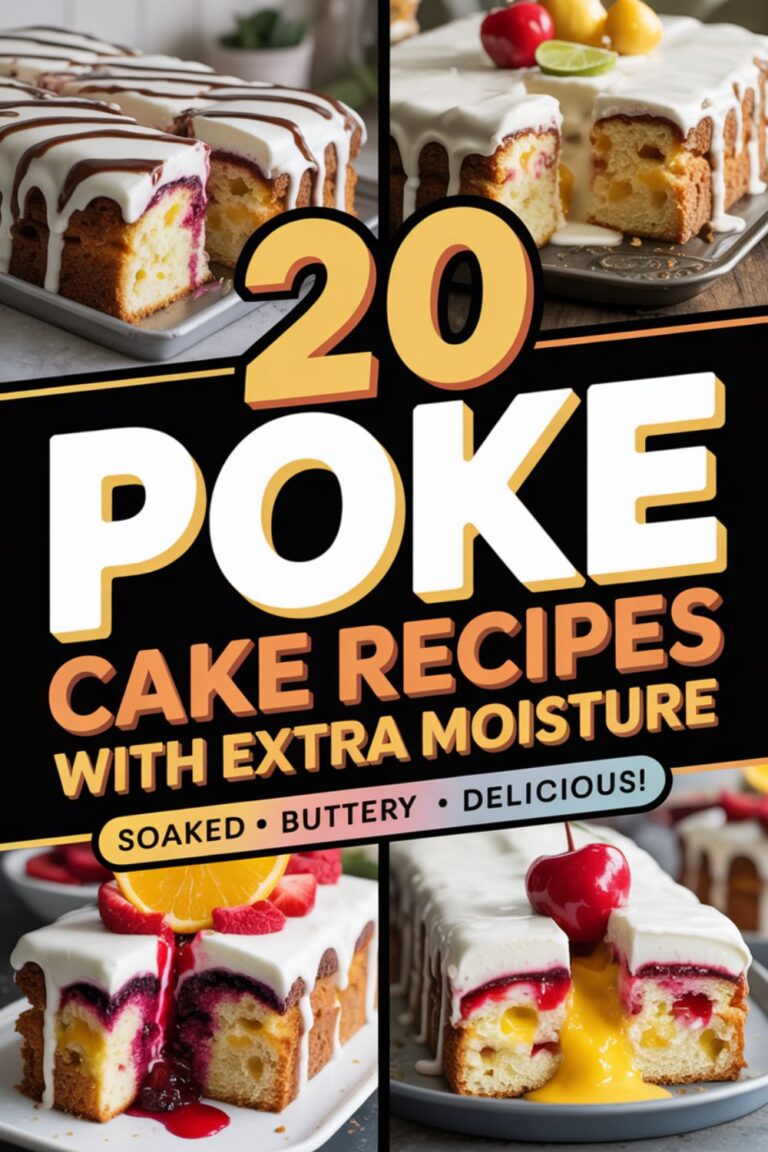
Poke cakes are underrated. You bake a simple cake, poke holes all over it, then pour a flavored mixture over the top that soaks into every bite. This key lime version uses sweetened condensed milk mixed with lime juice, and it’s one of those cakes that people absolutely lose their minds over. Get Full Recipe.
The beauty of poke cakes? They’re nearly impossible to mess up. Even if your cake is slightly overbaked, the soak will fix it. I use this wooden spoon with a thin handle to make the holes—it’s the perfect size.
Want more poke cake inspiration? These poke cake recipes have tons of flavor combinations that all work with the same foolproof technique.
Baking Essentials That Make Spring Cakes Easier
Over the years, I’ve learned that having the right tools makes all the difference. Here are some essentials I actually use:
Offset Spatula Set
Game-changer for frosting cakes smoothly. The angled design gives you way more control than a regular knife.
Digital Kitchen Scale
Baking by weight instead of volume? Your cakes will thank you. Consistent results every single time.
Silicone Baking Mats
Stop wasting parchment paper. These mats are reusable, non-stick, and last for years.
Spring Baking Recipe eBook
Downloadable collection of 50+ tested spring dessert recipes with step-by-step photos.
Cake Decorating Video Course
Learn professional frosting techniques from home. Covers everything from crumb coats to piping.
Seasonal Baking Planner
Printable PDF planner to organize your baking schedule, track recipes, and plan ahead for parties.
Want more tips and exclusive recipes? Join our WhatsApp Baking Community where we share weekly inspiration and troubleshoot baking disasters together.
Carrot Cake: The Spring Classic That Never Gets Old
I know what you’re thinking: carrot cake is an any-season situation. And you’re right. But there’s something about spring that makes carrot cake feel especially appropriate. Maybe it’s the cream cheese frosting that pairs so well with lighter, brighter desserts. Maybe it’s the fact that Easter and carrot cake are basically synonymous at this point.
Whatever the reason, a good carrot cake is essential to any spring baking lineup. Moist, spiced, packed with texture from shredded carrots and nuts, and topped with that tangy frosting—it’s the whole package.
Classic Carrot Layer Cake
This is the carrot cake you remember from every good bakery. Three layers of moist, cinnamon-spiced cake loaded with carrots, walnuts, and just a hint of pineapple for extra moisture. The cream cheese frosting is lightly sweetened and incredibly smooth, and I always add a little vanilla bean paste for depth. For more carrot cake variations that stay moist for days, check out these carrot cake recipes.
The secret to keeping carrot cake moist? Don’t overbake it. You want a toothpick to come out with a few moist crumbs, not completely clean. And let it cool completely before frosting—warm cake will melt your frosting faster than you can say “cream cheese.”
Mini Carrot Cake Cupcakes
Sometimes you want all the flavor of carrot cake without the commitment of a full layer cake. These mini cupcakes are perfect for parties, brunch spreads, or just having portion-controlled dessert on hand. Top them with a simple cream cheese swirl and a candied carrot ribbon if you’re feeling fancy. Get Full Recipe.
I bake these in this mini muffin pan because the smaller size means more frosting-to-cake ratio, which is always a good thing. Plus, they bake faster and cool quicker, so you can go from craving to eating in less time.
If you’re into mini desserts, these mini cake recipes offer tons of ideas for bite-sized treats that are perfect for spring gatherings.
Coconut Cakes: Tropical Vibes for Late Spring
As spring transitions into early summer, coconut cakes start making more sense. They’re light, they’re tropical, and they bring that vacation-in-a-slice energy that everyone needs after a long winter. Coconut cake is also incredibly versatile—you can go full-on coconut with coconut milk, coconut oil, shredded coconut, and coconut cream frosting, or you can use it as an accent flavor.
Toasted Coconut Layer Cake
This cake is a showstopper. Three layers of tender white cake made with coconut milk, filled and frosted with coconut cream cheese frosting, then covered in toasted coconut flakes. The toasting adds a nutty depth that keeps the cake from being one-note sweet. For more coconut-forward recipes, these coconut cakes have everything from simple sheet cakes to elaborate layer cakes.
Toasting coconut is easy but requires attention. Spread it on a baking sheet and bake at 325°F, stirring every few minutes, until it’s golden brown. It goes from perfect to burnt in about thirty seconds, so don’t wander off.
Coconut Lime Poke Cake
Combine two tropical flavors and you get magic. This poke cake uses coconut milk for the soak and lime for the frosting, creating this sweet-tart situation that’s ridiculously refreshing. Top it with toasted coconut and lime zest, and you’ve got a cake that tastes like a beach vacation. Get Full Recipe.
If coconut and citrus is your thing, you’ll also love these pineapple cakes that bring similar tropical energy to the table.
Floral and Herb-Infused Cakes: For When You’re Feeling Fancy
Okay, this is where spring baking gets a little bougie, but in the best way. Floral and herb-infused cakes sound intimidating, but they’re actually pretty simple. A little lavender, some fresh thyme, maybe a hint of rose water—these ingredients add a sophisticated edge that makes your cakes feel special without much extra effort.
Lavender Honey Cake
Lavender and honey are one of those flavor combinations that just works. The floral notes from the lavender balance perfectly with the sweetness of honey, and you get this delicate, almost perfume-like quality that screams spring. Just don’t go overboard with the lavender—a little goes a long way, and too much tastes like eating soap.
I use culinary lavender buds (not the stuff from the craft store, which is often sprayed with who-knows-what). Steep them in warm milk or cream, strain, then use that infused liquid in your batter. Simple, effective, and it makes your kitchen smell incredible.
Lemon Thyme Sheet Cake
Fresh herbs in desserts might sound weird, but trust me on this one. Lemon and thyme is a classic pairing, and when you add a little fresh thyme to a lemon cake, you get this subtle, earthy undertone that’s really interesting. It’s not overpowering—just enough to make people ask, “What’s in this?” in the best way. Get Full Recipe.
Strip the thyme leaves from the stems and chop them finely before adding to the batter. And yes, you can use dried thyme in a pinch, but fresh is better here. The flavor is brighter and less medicinal.
For more ways to elevate simple cakes, these unique cake flavors offer tons of creative combinations you probably haven’t tried yet.
No-Bake Spring Cakes: For When You Can’t Deal With the Oven
Sometimes it’s already warm outside, your oven is broken, or you just don’t feel like heating up the kitchen. That’s where no-bake cakes come in clutch. Icebox cakes, no-bake cheesecakes, layered desserts—they’re all fair game.
Strawberry Icebox Cake
This is one of the easiest “cakes” you’ll ever make. Layer graham crackers or cookies with whipped cream and sliced strawberries, let it sit in the fridge overnight, and the crackers soften into something cake-like. It’s magic, honestly. For more no-bake inspiration, these icebox cakes offer tons of flavor variations.
The key is patience. You need to let this sit for at least six hours, preferably overnight, for the crackers to fully soften. If you try to cut into it too early, you’ll just have crunchy crackers and cream, which is fine, but not what we’re going for.
Lemon No-Bake Cheesecake
No-bake cheesecakes are criminally underrated. This lemon version uses cream cheese, whipped cream, and lemon curd, all set in a graham cracker crust. It’s tangy, it’s creamy, and it requires zero oven time. Get Full Recipe.
I make the crust in this springform pan because it releases cleanly and looks professional. Run a thin knife around the edge before unlatching the ring, and you’ll get perfect slices every time.
Want the full guide to no-bake cheesecakes? Check out these cheesecake recipes that cover both baked and no-bake versions.
Digital Resources That Level Up Your Baking Game
Beyond physical tools, these digital resources have genuinely improved my baking:
Frosting Troubleshooting Guide
Downloadable PDF that explains why your frosting splits, curdles, or won’t hold stiff peaks—and how to fix it.
Cake Math Conversion Chart
Printable chart for converting cake recipes between pan sizes. No more guessing on bake times.
Seasonal Baking Calendar
Monthly guide to what’s in season and what to bake with it. Takes the guesswork out of ingredient selection.
Cake Decorating Turntable
Makes frosting cakes about 100x easier. Spin the cake instead of walking around it like a weirdo.
Bench Scraper Set
Essential for getting smooth frosting on layer cakes. Also great for cutting bar cookies and dividing dough.
Pastry Brush Set
Perfect for brushing simple syrups onto cake layers or egg wash onto pastry. Silicone ones are easiest to clean.
Looking for one-on-one baking advice? Join our WhatsApp Baking Help Group where members share real-time tips and solutions.
Simple Syrup: The Secret Weapon for Moist Cakes
Want to know how bakeries keep their cakes so moist? Simple syrup. It’s literally just equal parts sugar and water, heated until the sugar dissolves, then brushed onto cake layers before frosting. It adds moisture, sweetness, and helps the cake stay fresh longer.
You can flavor simple syrup with anything: vanilla extract, citrus zest, coffee, liqueurs, herbs—whatever matches your cake. I always make a batch when I’m baking layer cakes, and it’s become one of those non-negotiable steps. According to professional bakers at Auguste Escoffier School of Culinary Arts, proper moisture techniques like simple syrup can dramatically improve the texture and longevity of baked goods.
I store mine in these squeeze bottles for easy application. Just brush a thin layer onto each cake layer while it’s still slightly warm, and you’re golden.
Cream Cheese Frosting: How to Make It Actually Good
Let’s be real: cream cheese frosting can be tricky. Too soft, and it slides right off the cake. Too stiff, and it’s impossible to spread. The perfect cream cheese frosting is smooth, tangy, pipeable, and stable enough to hold up at room temperature for a few hours.
The secret? Cold cream cheese and room temperature butter. I know that sounds backward, but it works. Beat your butter until it’s fluffy, then add cold (yes, cold) cream cheese in chunks. The cold cream cheese firms up the butter just enough to create a stable frosting that won’t melt. You’ll find similar professional techniques in these cream cheese frosting variations.
And please, for the love of everything holy, don’t overmix. Once the cream cheese is incorporated, stop. Overmixing makes it runny, and there’s no fixing that without adding a ton of powdered sugar, which just makes it too sweet.
How to Store Spring Cakes (So They Don’t Turn Into Garbage)
Storage matters more than you think. A perfectly baked cake can turn into a dry, sad mess if you don’t store it properly. Here’s the breakdown:
- Room temperature: Unfrosted cakes wrapped tightly in plastic wrap will keep for 2-3 days. Frosted cakes (without perishable fillings) can sit out for 1-2 days in a cake dome or covered with a large bowl.
- Refrigerator: Cakes with cream cheese frosting, whipped cream, or fresh fruit need to be refrigerated. Wrap them loosely or use a cake carrier to prevent condensation from making the frosting weepy.
- Freezer: Most cakes freeze beautifully. Wrap unfrosted layers individually in plastic wrap, then foil, and freeze for up to 3 months. Thaw in the fridge overnight before frosting.
One thing I’ve learned: if your cake has fresh fruit, don’t assemble it more than a few hours before serving. The fruit releases moisture, and eventually, your beautiful creation turns into a soggy disaster. For more long-term storage tips, these moist cake recipes include detailed storage instructions for each variation.
Spring Cake Decorating: Keep It Simple, Keep It Pretty
You don’t need to be a professional cake decorator to make your spring cakes look gorgeous. Fresh flowers, berries, citrus slices, and edible petals do most of the heavy lifting. A simple, rustic approach often looks better than trying to execute perfect piping when you don’t have the skills yet.
My go-to decorating style? Naked or semi-naked cakes with fresh fruit and flowers. You can see the layers, the frosting is minimal and intentionally rustic, and it looks effortlessly pretty. No one needs to know you skipped the perfect frosting because you couldn’t be bothered—they’ll just think you’re going for that artisanal vibe. For more decorating ideas that don’t require professional skills, check out these naked cake recipes.
If you do want to pipe frosting, invest in a basic piping set with a few tips. A star tip and a round tip will cover 90% of your needs. And honestly? Messy, organic piping looks way more charming than trying (and failing) to execute perfect rosettes.
Using What’s Actually in Season
Here’s something that really elevates spring cakes: using ingredients that are actually in season right now. Fresh strawberries in May taste completely different than strawberries in January. Same goes for rhubarb, fresh citrus, and early berries.
Seasonal baking isn’t just about following trends—it’s about getting the best flavor possible. In-season produce is cheaper, tastier, and supports local farmers if you’re buying from markets. Plus, there’s something satisfying about eating with the seasons instead of having strawberry cake year-round.
Spring produce to look for: strawberries, rhubarb, apricots, cherries (late spring), Meyer lemons, blood oranges, fresh herbs like mint and basil. If you’re not sure what’s in season where you live, Sally’s Baking Addiction has great seasonal guides that break down produce availability by month.
Common Spring Baking Mistakes (And How to Avoid Them)
Even easy cakes can go wrong if you’re not paying attention. Here are the most common mistakes I see (and have definitely made myself):
- Overmixing the batter: Once you add flour, mix just until combined. Overmixing develops gluten, which makes cakes tough and dense. Use a gentle hand and stop when you don’t see streaks of flour anymore.
- Opening the oven too early: I know you’re excited, but opening the oven before the cake is set can cause it to collapse. Wait until at least 75% of the bake time has passed before checking.
- Not preparing pans properly: Grease and flour your pans (or use parchment circles) every single time. “Non-stick” doesn’t mean “no-stick.”
- Frosting a warm cake: Just don’t. Your frosting will melt, and you’ll end up with a disaster. Let cakes cool completely—at least an hour at room temperature or 30 minutes in the fridge.
- Using old leavening agents: Baking powder and baking soda lose potency over time. If yours are older than six months, replace them. A quick test: drop a little baking powder in hot water. If it doesn’t fizz vigorously, toss it.
Following these basic principles, which are also highlighted by King Arthur Baking’s comprehensive guide, will save you from most common baking disasters.
Frequently Asked Questions
What makes a cake “spring-appropriate”?
Spring cakes typically feature lighter flavors like citrus, berries, and floral notes rather than heavy chocolate or spices. They often use seasonal ingredients like fresh strawberries, lemon, rhubarb, and herbs. The texture tends to be lighter and more airy compared to dense winter cakes, making them perfect for warmer weather and outdoor gatherings.
Can I make these cakes ahead of time?
Absolutely. Most unfrosted cake layers can be baked up to two days ahead and stored wrapped tightly at room temperature, or frozen for up to three months. Frosted cakes (without fresh fruit) keep well for 1-2 days at room temperature or 3-4 days refrigerated. Just bring refrigerated cakes to room temperature 30 minutes before serving for the best texture.
How do I prevent my cake from sticking to the pan?
The best method is to grease your pan with butter or cooking spray, then line the bottom with a parchment paper circle. You can also flour the greased pan for extra insurance. Let cakes cool in the pan for 10-15 minutes before turning out—this allows them to set slightly and release more easily.
What’s the best way to get moist, fluffy cakes?
Use room temperature ingredients so they emulsify properly, don’t overmix the batter once you add flour, and avoid overbaking—your toothpick should come out with a few moist crumbs, not bone dry. Brushing simple syrup on cake layers before frosting also helps maintain moisture for days.
Can I substitute ingredients in these spring cake recipes?
Some substitutions work better than others. You can usually swap different citrus fruits (lemon for lime, orange for grapefruit), use different berries interchangeably, or replace buttermilk with milk plus vinegar. However, structural ingredients like flour, eggs, and leavening agents are trickier to substitute without affecting the final result. When in doubt, stick to the recipe for your first attempt.
Final Thoughts: Spring Baking Is Worth the Effort
Here’s the thing about spring cakes: they’re not just desserts. They’re an excuse to celebrate the fact that winter is finally over, the sun is staying out longer, and you can open your windows while you bake without freezing to death. They’re a reason to gather people, to try new flavors, and to make your kitchen smell like a citrus grove exploded in the best possible way.
Whether you’re making a simple lemon drizzle cake on a Tuesday afternoon or going full-on with a towering strawberry layer cake for a special occasion, spring baking just hits different. The flavors are brighter, the process feels lighter, and honestly, who doesn’t want an excuse to eat cake topped with fresh berries and cream?
So grab your mixing bowls, preheat that oven, and make something that tastes like sunshine. Your taste buds (and everyone you share these cakes with) will thank you. And if anyone asks why you’re baking so much, just tell them it’s research. That’s what I do, anyway.
Now get out there and bake something beautiful. Spring waits for no one, and neither should you.