Look, I get it. You’ve scrolled through Pinterest one too many times, convinced that watercolor cakes are reserved for professional bakers with actual art degrees. But here’s the thing nobody tells you: watercolor cake decorating is one of the most forgiving techniques out there. Seriously. You could have the hand-eye coordination of a caffeinated squirrel and still pull off something gorgeous.
20 Watercolor Cake Designs That’ll Make You Rethink Frosting Forever
I stumbled into watercolor cakes completely by accident when I tried to fix a buttercream disaster on my niece’s birthday cake. Turns out, frantically smearing different colored frostings together while muttering creative profanities creates a pretty stunning effect. Who knew? Now it’s become my go-to technique whenever I want something that looks like I spent hours planning when I actually just threw colors at a cake and hoped for the best.
The beauty of watercolor cakes is that they’re basically edible abstract art. There’s no right or wrong way to do it. Each cake turns out uniquely gorgeous, and if someone asks why you put pink next to orange, you just say it’s your “artistic vision.” Works every time.
Image Prompt: Overhead shot of a three-tier watercolor buttercream cake on a white marble cake stand, surrounded by palette knives and bowls of pastel-colored frosting in shades of blush pink, lavender, mint green, and soft peach. Natural window lighting from the left creates soft shadows. Scattered edible flowers and fresh berries on the white wooden table. The cake features dreamy watercolor swirls with visible brush strokes in the frosting. Cozy kitchen aesthetic with a linen napkin casually draped near the base. Shot with shallow depth of field, Pinterest-ready composition.
What Makes Watercolor Cakes So Special
Before we get into the specific designs, let me explain why watercolor cakes have taken over the cake world. Unlike traditional smooth buttercream finishes that require the patience of a saint and a perfectly steady hand, watercolor techniques embrace imperfection. The whole point is to create that soft, blended, painterly effect that looks effortless.
The technique works with pretty much any type of buttercream, though I’ve found Italian meringue buttercream gives the silkiest results. You’re essentially applying different colored buttercreams to your cake and then gently smoothing them together with a bench scraper or offset spatula. The colors blend and blur at the edges, creating that signature watercolor look.
What I love most? You can’t really mess it up. Over-blended? That’s ombre now. Colors too streaky? That’s artistic texture. Uneven application? That’s intentional dimension. See what I mean?
Pro Tip: Always chill your base-frosted cake for at least 30 minutes before adding watercolor details. A cold, firm surface gives you way more control and prevents the colors from turning into muddy mess.
Classic Watercolor Techniques You Need to Know
The Blob and Blend Method
This is my ride-or-die technique. You literally take dollops of colored buttercream, plop them onto your chilled cake at random intervals, and then smooth everything together with a bench scraper. The key is to keep your movements light and don’t over-work it. Two or three passes around the cake, max.
I usually grab this offset spatula set because having different sizes lets me control how much buttercream I’m applying. The small one is perfect for those finishing touches that make all the difference.
The Streaky Gradient Approach
Want something a bit more structured? Apply your colors in horizontal bands around the cake, then use your bench scraper to blend where they meet. Start with your lightest color at the top and work your way down to darker shades. According to research from professional food coloring experts, gel colors deepen over time, so go a shade lighter than you think you need.
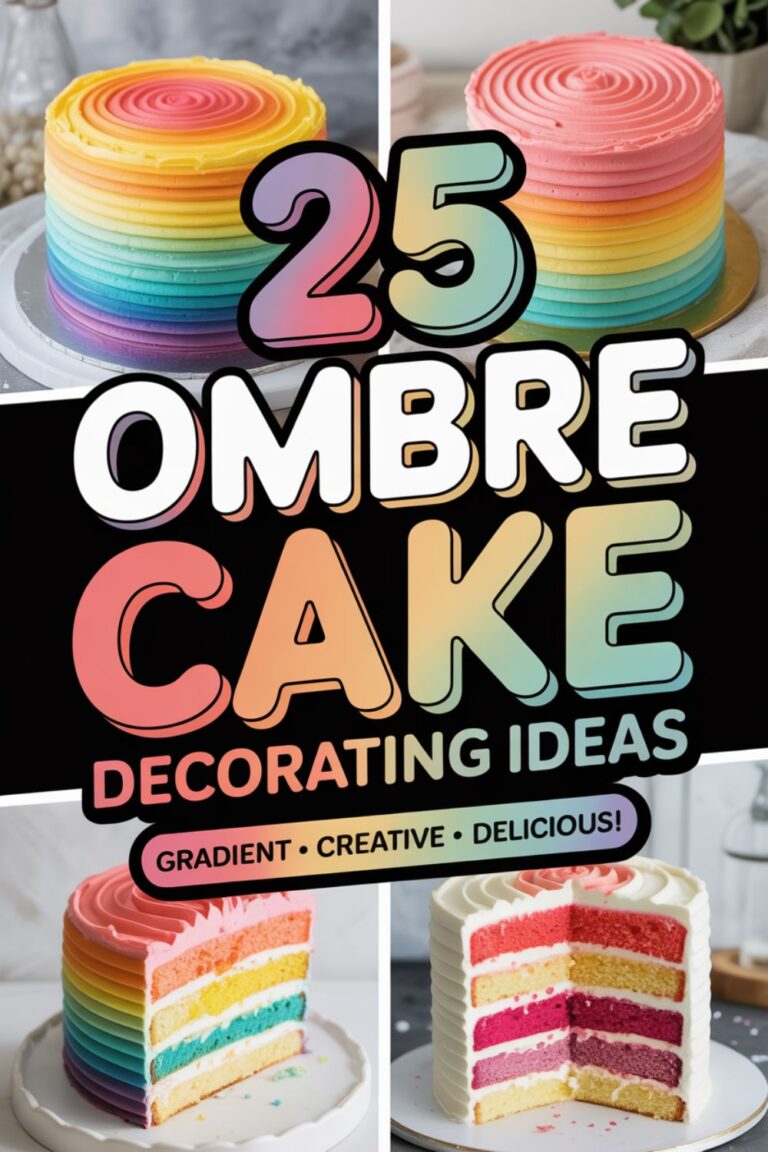
This technique works brilliantly for sunset-themed cakes or ocean-inspired designs. If you’re feeling extra, you can check out these rainbow cake recipes for color inspiration that’ll blow your mind.
20 Watercolor Cake Design Ideas That Actually Work
1. Pastel Dream Cake
Soft pink, lavender, and mint green create the ultimate baby shower or spring birthday cake. Keep the colors super light and blend them generously for that dreamy, ethereal vibe. Top with white buttercream rosettes and you’ve got yourself an Instagram-worthy masterpiece.
2. Ocean Waves Cake
Layer different shades of blue and teal from light to dark, creating a wave-like pattern around the cake. Add some white accents to mimic sea foam. This one always gets gasps at beach-themed parties, trust me.
3. Sunset Ombre Cake
Orange, pink, purple, and a touch of yellow blended together captures that golden hour magic. I use gel food coloring in warm tones for this because the colors stay vibrant without making your frosting look artificial.
Speaking of unique color combinations, you might want to explore these unique cake flavors to pair with your watercolor design.
4. Moody Jewel Tones
Who says watercolor has to be pastel? Deep emerald, sapphire blue, and burgundy create a sophisticated, dramatic effect. Perfect for fall weddings or anyone who thinks pastels are overrated.
“I tried the jewel tone watercolor technique for my sister’s engagement party and everyone thought I hired a professional baker. The secret? I just used darker colors and acted confident about it!” – Rachel from our baking community
5. Blush and Gold Romance
Soft pink watercolor base with edible gold leaf accents or gold luster dust brushed over the dried buttercream. It’s fancy without being fussy, which is basically my life philosophy when it comes to baking.
6. Monochrome Elegance
Pick one color and use multiple shades of it. All blues, all pinks, or all greens. The variation in tone creates depth and sophistication. FYI, this is secretly the easiest approach because you don’t have to worry about color coordination.
7. Rainbow Bright Cake
All the colors, all the joy. This works especially well for kids’ birthdays. Just make sure to blend where colors meet so you don’t end up with muddy brown sections. Learn from my mistakes here, people.
For more colorful inspiration, check out these kids birthday cake ideas that pair perfectly with watercolor techniques.
8. Lavender Fields Design
Purple, lavender, and white with some greenish-blue accents. Add fresh lavender sprigs on top and suddenly you’re a cake artist who “draws inspiration from the French countryside.” (No one needs to know you just like purple.)
Essential Cake Decorating Tools That Make Everything Easier
Look, I’m not saying you need all this stuff, but having the right tools genuinely changes the game. Here’s what actually gets used in my kitchen:
- Rotating cake turntable – Not optional. Get a heavy-duty one that doesn’t wobble or you’ll hate your life.
- Offset spatula set (3 sizes) – The medium one does 80% of the work, but having options is clutch.
- Professional bench scraper – Metal, not plastic. The edge needs to be perfectly straight for smooth sides.
- Complete Watercolor Cake Masterclass (Digital Course) – Step-by-step video tutorials with troubleshooting tips
- Color Theory for Bakers eBook – Which colors blend beautifully and which turn into muddy disasters
- Printable Cake Design Templates – 50+ watercolor pattern guides you can reference while decorating
Want more personalized help? Join our WhatsApp baking community where we share real-time tips, troubleshoot disasters, and celebrate wins together.
9. Coral Reef Vibes
Coral, peach, turquoise, and touches of yellow create a tropical underwater paradise. This pairs beautifully with pineapple cake recipes for the ultimate summer celebration.
10. Winter Wonderland
Icy blues, silvers, and white with a touch of purple. The watercolor technique gives it a frost-like quality that beats the heck out of trying to recreate realistic icicles in royal icing. Been there, failed at that.
11. Garden Party Cake
Soft greens, yellows, and pinks with fresh flowers on top. The watercolor base mimics a painted garden backdrop. I top these with whatever flowers are at the farmer’s market because apparently that’s what “seasonal baking” means.
12. Galaxy Cake
Deep purple, dark blue, and black with some bright color pops (hot pink works surprisingly well). After the watercolor sets, splatter some white royal icing for stars. It’s like you brought the cosmos to someone’s birthday and they can eat it.
Quick Win: Use a clean toothbrush to splatter the white icing for stars. Dip it in thinned royal icing, pull back the bristles with your thumb, and let it spray. Practice over your sink first unless you enjoy decorating your kitchen walls too.
13. Rustic Earth Tones
Browns, burnt orange, sage green, and cream. This gives major autumn harvest vibes and pairs perfectly with spice cakes or anything involving apples. Speaking of which, these apple cake recipes are incredible for fall celebrations.
14. Cotton Candy Dreams
Ultra-pale pink and blue so light they’re almost white. The key here is restraint with your food coloring. We’re talking a toothpick dipped in gel, not squeezing straight from the bottle. According to gel food coloring experts, a little goes a very long way with concentrated gels.
15. Cherry Blossom Cake
Whites, soft pinks, and the palest touch of brown for branches. Pipe some simple flowers on top and suddenly you’re a zen master baker. This technique works beautifully with strawberry cake recipes for spring events.
If you’re looking for more fruity cake inspiration, these lemon cake recipes also pair wonderfully with light watercolor designs.
16. Bold Primary Colors
Red, yellow, and blue in their brightest forms. It’s retro, it’s fun, and kids absolutely lose their minds over it. IMO, this is the move when you need something cheerful and don’t want to overthink color theory.
17. Vintage Rose Cake
Dusty rose, mauve, and cream with some sage green accents. Top with buttercream roses or actual dried roses. This is the cake equivalent of that perfect vintage dress you found at a thrift store and won’t shut up about.
18. Tropical Paradise
Hot pink, orange, yellow, and lime green. Go bold or go home. I pair this with coconut cake layers and suddenly it’s a party in your mouth. These coconut cake recipes are perfect for this vibe.
“I used the tropical watercolor design for my husband’s birthday and paired it with a coconut rum cake. Best decision ever. The bright colors matched his personality perfectly and everyone asked for the recipe!” – Maria S.
19. Metallic Shimmer Cake
Start with your watercolor base, then brush on some edible luster dust mixed with vodka over the dried buttercream. Gold, silver, or rose gold all work beautifully. The shimmer catches the light and makes people think you went to pastry school.
20. Abstract Modern Art
No rules. Pick 3-4 colors that make you happy and go wild. Angular strokes, circles, whatever feels right. This is the “I’m an artist and you can’t tell me I’m wrong” approach and it works every single time.
The Science Behind Perfect Color Blending
Okay, quick science lesson that’ll actually help you not mess this up. When you’re mixing colors, understanding basic color theory prevents you from creating accidental muddy brown disasters. Complementary colors (opposites on the color wheel like red and green) will neutralize each other when blended, which is great if you want brown but terrible if you don’t.
Stick with analogous colors (neighbors on the color wheel) for smooth, harmonious blending. Think blue-green-teal or pink-red-orange. These play nicely together and create those gorgeous gradient effects without fighting each other.
Also, gel food coloring is your friend here. Unlike liquid food coloring that can thin out your buttercream, gel maintains consistency while delivering intense color. Research shows that gel paste food coloring is concentrated and won’t alter buttercream texture, making it ideal for watercolor techniques.
Color & Frosting Resources That Changed My Baking Game
These are the products and resources I actually use regularly. Not just stuff I bought once and forgot about in a drawer.
- AmeriColor gel food coloring complete set – Every color you could possibly need, professional quality
- Silicone mixing bowls set – For keeping your colored buttercreams separate and easy to mix
- Disposable piping bags (100 pack) – Because washing piping bags is nobody’s idea of a good time
- Buttercream Mastery Video Series – Different buttercream types and when to use each one
- Advanced Color Mixing Guide (PDF) – Create custom colors without guessing
- Cake Troubleshooting Checklist – Quick fixes for common watercolor cake problems
Common Watercolor Cake Mistakes (And How to Fix Them)
Over-Blending Your Colors
This is the number one rookie mistake. You get excited, you keep smoothing, and suddenly your beautiful pink and blue cake is now… grey. The fix? Step away from the cake. Seriously. Two to three passes with your bench scraper, then stop. You can always add more color, but you can’t un-blend.
Using Buttercream That’s Too Soft
If your buttercream is sliding off the cake or won’t hold its shape, it’s too warm. Pop that baby in the fridge for 15 minutes. Room temperature buttercream is your enemy when you’re trying to create defined watercolor effects.
For more tips on getting your frosting just right, check out these frosting recipes that cover every consistency you might need.
Choosing Colors That Don’t Play Well
Not all color combinations work. I learned this the hard way when I tried to combine bright red and forest green for a Christmas cake and ended up with what can only be described as “festive mud.” Stick with colors that are close on the color wheel or use a white/cream buffer between contrasting colors.
Forgetting to Chill Your Base Layer
Cannot stress this enough. A warm, soft crumb coat will mix with your watercolor layers and ruin everything. Give your base-frosted cake at least 30 minutes in the fridge, preferably an hour. I usually prepare mine the night before and let it chill overnight.
Pro Tip: Keep a small bowl of hot water and paper towels next to you while decorating. Dip your offset spatula or bench scraper in the hot water, wipe it clean, and you’ll get the smoothest blends. The warm tool melts the buttercream slightly as you smooth.
Taking Your Watercolor Cakes to the Next Level
Once you’ve mastered the basic technique, there are tons of ways to elevate your watercolor cakes. Adding texture with different piping tips creates visual interest. I love using a large star tip to pipe rosettes on top – super easy but looks impressive.
Fresh flowers, fruit, macarons, or even small cake toppers add dimension and make the whole thing feel more intentional. You can also try the painted fondant technique where you cover your cake in white fondant first, then literally paint on it with food coloring mixed with vodka or clear alcohol. The alcohol evaporates quickly, leaving just the color behind.
For celebration cakes, consider checking out these celebration cake ideas that incorporate watercolor techniques for various occasions.
Another fun variation? Watercolor with metallics. After your colored buttercream sets, brush on some edible gold or silver paint. The combination of soft watercolor and metallic shimmer is absolutely stunning. I use edible metallic paint for this, and it makes every cake look like it belongs in a bakery window.
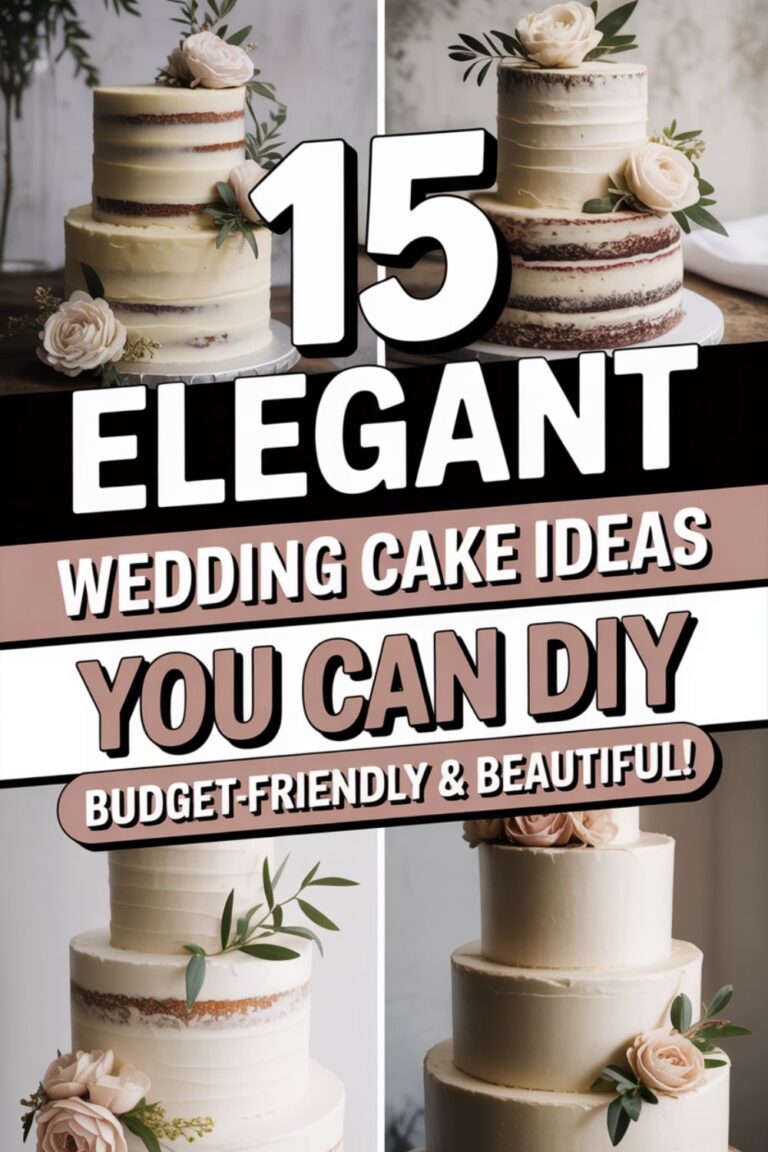
Want to get really fancy? Try the marbled fondant technique under your watercolor buttercream. It creates this incredible depth of color. For more creative approaches, these elegant wedding cake ideas offer tons of inspiration.
Watercolor Cakes for Different Occasions
Weddings
Soft, romantic colors work best. Think blush, champagne, lavender, and sage. Keep it elegant and restrained. This is not the time for neon green watercolor experiments, no matter how much your quirky cousin insists.
If you’re planning a wedding cake, you might also love these anniversary cake recipes that use similar elegant techniques.
Baby Showers
Pastels are your friend. Pink and gold for girls, blue and silver for boys, or go gender-neutral with mint, yellow, and lavender. Top with fondant baby booties or simple white flowers. Get Full Recipe for a vanilla bean cake that pairs perfectly with these soft colors.
Birthdays
Go wild. This is where you can experiment with bold colors, rainbow designs, or themed watercolors (like ocean blues for a beach party or jewel tones for a fancy adult birthday). These graduation cake ideas show how watercolor can work for milestone birthdays too.
Just Because
Sometimes you don’t need an excuse to make a beautiful cake. Practice your technique on a small cake and gift it to a friend. Or keep it for yourself. No judgment here.
More Cake Recipes You’ll Love
Looking for more cake inspiration? Here are some recipes that pair beautifully with watercolor decorating techniques:
Classic Cake Bases Perfect for Watercolor:
- Classic Pound Cake Recipes – Dense, sturdy layers that hold up beautifully
- Moist Cake Recipes That Never Turn Dry – Because dry cake ruins even the prettiest design
- One Bowl Cake Recipes – Less mess, more time for decorating
For Special Occasions:
- Party Cake Recipes for a Crowd – Scale up your watercolor masterpiece
- Mini Cake Recipes – Practice watercolor techniques on smaller canvases
- Sheet Pan Cake Recipes – Watercolor works on rectangular cakes too!
Your Watercolor Cake Questions Answered
Can I use regular buttercream for watercolor cakes or do I need Italian meringue buttercream?
You can absolutely use American buttercream! It’s actually easier to work with for beginners because it’s more stable at room temperature. Italian meringue buttercream gives a silkier finish, but honestly, most people can’t tell the difference once you’ve added colors and decorations. Use whatever buttercream you’re comfortable making.
How long does a watercolor cake stay fresh?
A properly stored watercolor cake lasts just as long as any other buttercream cake – about 3-4 days at room temperature or up to a week refrigerated. The food coloring doesn’t affect shelf life at all. Just make sure to bring it back to room temperature before serving so the buttercream isn’t hard.
Do watercolor cakes require fondant?
Nope! The classic watercolor technique uses only buttercream, which is way easier to work with and tastes better IMO. There is a painted fondant variation where you cover the cake in white fondant and paint on it with food coloring mixed with vodka, but that’s completely optional and honestly more advanced.
What’s the best way to transport a watercolor cake without ruining it?
Chill the decorated cake for at least an hour before transport so the buttercream is firm. Use a sturdy cake box and place it on a flat surface in your car, not on someone’s lap. If it’s hot outside, keep the AC on and avoid leaving it in a warm car. The buttercream can handle gentle bumps once it’s chilled properly.
Can I make a watercolor cake ahead of time?
Yes! You can decorate your watercolor cake up to 2 days in advance. Keep it refrigerated and covered loosely with plastic wrap (don’t let the wrap touch the frosting). Take it out about 2 hours before serving. The colors might deepen slightly overnight, but that usually makes them look even better.
Final Thoughts on Watercolor Cake Decorating
Here’s what I want you to remember: watercolor cakes are meant to be imperfect. That’s literally the whole point. Every blob, streak, and blend creates something unique. You’re not trying to replicate someone else’s design exactly – you’re creating your own edible art.
Start with a simple color palette of 2-3 colors that you know work well together. Practice the basic blob-and-blend technique on a smaller cake before tackling a three-tier wedding cake. Watch a few tutorials (the one from Sugar & Sparrow is particularly helpful), but don’t get too caught up in doing it exactly right.
The most important tool isn’t your fancy offset spatula or your professional turntable – it’s confidence. Apply those colors like you know what you’re doing, smooth with purpose, and if someone questions your artistic choices, just tell them it’s watercolor and walk away. Works every time.
Now grab your buttercream, pick some colors that make you happy, and create something beautiful. Your cake doesn’t have to be perfect to be absolutely stunning. And if it turns out terrible? Well, it still tastes like cake, so you win either way.
20 Watercolor Cake Designs That’ll Make You Rethink Frosting Forever
Look, I get it. You’ve scrolled through Pinterest one too many times, convinced that watercolor cakes are reserved for professional bakers with actual art degrees. But here’s the thing nobody tells you: watercolor cake decorating is one of the most forgiving techniques out there. Seriously. You could have the hand-eye coordination of a caffeinated squirrel and still pull off something gorgeous.
I stumbled into watercolor cakes completely by accident when I tried to fix a buttercream disaster on my niece’s birthday cake. Turns out, frantically smearing different colored frostings together while muttering creative profanities creates a pretty stunning effect. Who knew? Now it’s become my go-to technique whenever I want something that looks like I spent hours planning when I actually just threw colors at a cake and hoped for the best.
The beauty of watercolor cakes is that they’re basically edible abstract art. There’s no right or wrong way to do it. Each cake turns out uniquely gorgeous, and if someone asks why you put pink next to orange, you just say it’s your “artistic vision.” Works every time.
What Makes Watercolor Cakes So Special
Before we get into the specific designs, let me explain why watercolor cakes have taken over the cake world. Unlike traditional smooth buttercream finishes that require the patience of a saint and a perfectly steady hand, watercolor techniques embrace imperfection. The whole point is to create that soft, blended, painterly effect that looks effortless.
The technique works with pretty much any type of buttercream, though I’ve found Italian meringue buttercream gives the silkiest results. You’re essentially applying different colored buttercreams to your cake and then gently smoothing them together with a bench scraper or offset spatula. The colors blend and blur at the edges, creating that signature watercolor look.
What I love most? You can’t really mess it up. Over-blended? That’s ombre now. Colors too streaky? That’s artistic texture. Uneven application? That’s intentional dimension. See what I mean?
Classic Watercolor Techniques You Need to Know
The Blob and Blend Method
This is my ride-or-die technique. You literally take dollops of colored buttercream, plop them onto your chilled cake at random intervals, and then smooth everything together with a bench scraper. The key is to keep your movements light and don’t over-work it. Two or three passes around the cake, max.
I usually grab this offset spatula set because having different sizes lets me control how much buttercream I’m applying. The small one is perfect for those finishing touches that make all the difference.
The Streaky Gradient Approach
Want something a bit more structured? Apply your colors in horizontal bands around the cake, then use your bench scraper to blend where they meet. Start with your lightest color at the top and work your way down to darker shades. According to research from professional food coloring experts, gel colors deepen over time, so go a shade lighter than you think you need.
This technique works brilliantly for sunset-themed cakes or ocean-inspired designs. If you’re feeling extra, you can check out these rainbow cake recipes for color inspiration that’ll blow your mind.
20 Watercolor Cake Design Ideas That Actually Work
1. Pastel Dream Cake
Soft pink, lavender, and mint green create the ultimate baby shower or spring birthday cake. Keep the colors super light and blend them generously for that dreamy, ethereal vibe. Top with white buttercream rosettes and you’ve got yourself an Instagram-worthy masterpiece.
2. Ocean Waves Cake
Layer different shades of blue and teal from light to dark, creating a wave-like pattern around the cake. Add some white accents to mimic sea foam. This one always gets gasps at beach-themed parties, trust me.
3. Sunset Ombre Cake
Orange, pink, purple, and a touch of yellow blended together captures that golden hour magic. I use gel food coloring in warm tones for this because the colors stay vibrant without making your frosting look artificial.
Speaking of unique color combinations, you might want to explore these unique cake flavors to pair with your watercolor design.
4. Moody Jewel Tones
Who says watercolor has to be pastel? Deep emerald, sapphire blue, and burgundy create a sophisticated, dramatic effect. Perfect for fall weddings or anyone who thinks pastels are overrated.
5. Blush and Gold Romance
Soft pink watercolor base with edible gold leaf accents or gold luster dust brushed over the dried buttercream. It’s fancy without being fussy, which is basically my life philosophy when it comes to baking.
6. Monochrome Elegance
Pick one color and use multiple shades of it. All blues, all pinks, or all greens. The variation in tone creates depth and sophistication. FYI, this is secretly the easiest approach because you don’t have to worry about color coordination.
7. Rainbow Bright Cake
All the colors, all the joy. This works especially well for kids’ birthdays. Just make sure to blend where colors meet so you don’t end up with muddy brown sections. Learn from my mistakes here, people.
For more colorful inspiration, check out these kids birthday cake ideas that pair perfectly with watercolor techniques.
8. Lavender Fields Design
Purple, lavender, and white with some greenish-blue accents. Add fresh lavender sprigs on top and suddenly you’re a cake artist who “draws inspiration from the French countryside.” (No one needs to know you just like purple.)
Essential Cake Decorating Tools That Make Everything Easier
Look, I’m not saying you need all this stuff, but having the right tools genuinely changes the game. Here’s what actually gets used in my kitchen:
- Rotating cake turntable – Not optional. Get a heavy-duty one that doesn’t wobble or you’ll hate your life.
- Offset spatula set (3 sizes) – The medium one does 80% of the work, but having options is clutch.
- Professional bench scraper – Metal, not plastic. The edge needs to be perfectly straight for smooth sides.
- Complete Watercolor Cake Masterclass (Digital Course) – Step-by-step video tutorials with troubleshooting tips
- Color Theory for Bakers eBook – Which colors blend beautifully and which turn into muddy disasters
- Printable Cake Design Templates – 50+ watercolor pattern guides you can reference while decorating
Want more personalized help? Join our WhatsApp baking community where we share real-time tips, troubleshoot disasters, and celebrate wins together.
9. Coral Reef Vibes
Coral, peach, turquoise, and touches of yellow create a tropical underwater paradise. This pairs beautifully with pineapple cake recipes for the ultimate summer celebration.
10. Winter Wonderland
Icy blues, silvers, and white with a touch of purple. The watercolor technique gives it a frost-like quality that beats the heck out of trying to recreate realistic icicles in royal icing. Been there, failed at that.
11. Garden Party Cake
Soft greens, yellows, and pinks with fresh flowers on top. The watercolor base mimics a painted garden backdrop. I top these with whatever flowers are at the farmer’s market because apparently that’s what “seasonal baking” means.
12. Galaxy Cake
Deep purple, dark blue, and black with some bright color pops (hot pink works surprisingly well). After the watercolor sets, splatter some white royal icing for stars. It’s like you brought the cosmos to someone’s birthday and they can eat it.
13. Rustic Earth Tones
Browns, burnt orange, sage green, and cream. This gives major autumn harvest vibes and pairs perfectly with spice cakes or anything involving apples. Speaking of which, these apple cake recipes are incredible for fall celebrations.
14. Cotton Candy Dreams
Ultra-pale pink and blue so light they’re almost white. The key here is restraint with your food coloring. We’re talking a toothpick dipped in gel, not squeezing straight from the bottle. According to gel food coloring experts, a little goes a very long way with concentrated gels.
15. Cherry Blossom Cake
Whites, soft pinks, and the palest touch of brown for branches. Pipe some simple flowers on top and suddenly you’re a zen master baker. This technique works beautifully with strawberry cake recipes for spring events.
If you’re looking for more fruity cake inspiration, these lemon cake recipes also pair wonderfully with light watercolor designs.
16. Bold Primary Colors
Red, yellow, and blue in their brightest forms. It’s retro, it’s fun, and kids absolutely lose their minds over it. IMO, this is the move when you need something cheerful and don’t want to overthink color theory.
17. Vintage Rose Cake
Dusty rose, mauve, and cream with some sage green accents. Top with buttercream roses or actual dried roses. This is the cake equivalent of that perfect vintage dress you found at a thrift store and won’t shut up about.
18. Tropical Paradise
Hot pink, orange, yellow, and lime green. Go bold or go home. I pair this with coconut cake layers and suddenly it’s a party in your mouth. These coconut cake recipes are perfect for this vibe.
19. Metallic Shimmer Cake
Start with your watercolor base, then brush on some edible luster dust mixed with vodka over the dried buttercream. Gold, silver, or rose gold all work beautifully. The shimmer catches the light and makes people think you went to pastry school.
20. Abstract Modern Art
No rules. Pick 3-4 colors that make you happy and go wild. Angular strokes, circles, whatever feels right. This is the “I’m an artist and you can’t tell me I’m wrong” approach and it works every single time.
The Science Behind Perfect Color Blending
Okay, quick science lesson that’ll actually help you not mess this up. When you’re mixing colors, understanding basic color theory prevents you from creating accidental muddy brown disasters. Complementary colors (opposites on the color wheel like red and green) will neutralize each other when blended, which is great if you want brown but terrible if you don’t.
Stick with analogous colors (neighbors on the color wheel) for smooth, harmonious blending. Think blue-green-teal or pink-red-orange. These play nicely together and create those gorgeous gradient effects without fighting each other.
Also, gel food coloring is your friend here. Unlike liquid food coloring that can thin out your buttercream, gel maintains consistency while delivering intense color. Research shows that gel paste food coloring is concentrated and won’t alter buttercream texture, making it ideal for watercolor techniques.
Color & Frosting Resources That Changed My Baking Game
These are the products and resources I actually use regularly. Not just stuff I bought once and forgot about in a drawer.
- AmeriColor gel food coloring complete set – Every color you could possibly need, professional quality
- Silicone mixing bowls set – For keeping your colored buttercreams separate and easy to mix
- Disposable piping bags (100 pack) – Because washing piping bags is nobody’s idea of a good time
- Buttercream Mastery Video Series – Different buttercream types and when to use each one
- Advanced Color Mixing Guide (PDF) – Create custom colors without guessing
- Cake Troubleshooting Checklist – Quick fixes for common watercolor cake problems
Common Watercolor Cake Mistakes (And How to Fix Them)
Over-Blending Your Colors
This is the number one rookie mistake. You get excited, you keep smoothing, and suddenly your beautiful pink and blue cake is now… grey. The fix? Step away from the cake. Seriously. Two to three passes with your bench scraper, then stop. You can always add more color, but you can’t un-blend.
Using Buttercream That’s Too Soft
If your buttercream is sliding off the cake or won’t hold its shape, it’s too warm. Pop that baby in the fridge for 15 minutes. Room temperature buttercream is your enemy when you’re trying to create defined watercolor effects.
For more tips on getting your frosting just right, check out these frosting recipes that cover every consistency you might need.
Choosing Colors That Don’t Play Well
Not all color combinations work. I learned this the hard way when I tried to combine bright red and forest green for a Christmas cake and ended up with what can only be described as “festive mud.” Stick with colors that are close on the color wheel or use a white/cream buffer between contrasting colors.
Forgetting to Chill Your Base Layer
Cannot stress this enough. A warm, soft crumb coat will mix with your watercolor layers and ruin everything. Give your base-frosted cake at least 30 minutes in the fridge, preferably an hour. I usually prepare mine the night before and let it chill overnight.
Taking Your Watercolor Cakes to the Next Level
Once you’ve mastered the basic technique, there are tons of ways to elevate your watercolor cakes. Adding texture with different piping tips creates visual interest. I love using a large star tip to pipe rosettes on top – super easy but looks impressive.
Fresh flowers, fruit, macarons, or even small cake toppers add dimension and make the whole thing feel more intentional. You can also try the painted fondant technique where you cover your cake in white fondant first, then literally paint on it with food coloring mixed with vodka or clear alcohol. The alcohol evaporates quickly, leaving just the color behind.
For celebration cakes, consider checking out these celebration cake ideas that incorporate watercolor techniques for various occasions.
Another fun variation? Watercolor with metallics. After your colored buttercream sets, brush on some edible gold or silver paint. The combination of soft watercolor and metallic shimmer is absolutely stunning. I use edible metallic paint for this, and it makes every cake look like it belongs in a bakery window.
Want to get really fancy? Try the marbled fondant technique under your watercolor buttercream. It creates this incredible depth of color. For more creative approaches, these elegant wedding cake ideas offer tons of inspiration.
Watercolor Cakes for Different Occasions
Weddings
Soft, romantic colors work best. Think blush, champagne, lavender, and sage. Keep it elegant and restrained. This is not the time for neon green watercolor experiments, no matter how much your quirky cousin insists.
If you’re planning a wedding cake, you might also love these anniversary cake recipes that use similar elegant techniques.
Baby Showers
Pastels are your friend. Pink and gold for girls, blue and silver for boys, or go gender-neutral with mint, yellow, and lavender. Top with fondant baby booties or simple white flowers. Get Full Recipe for a vanilla bean cake that pairs perfectly with these soft colors.
Birthdays
Go wild. This is where you can experiment with bold colors, rainbow designs, or themed watercolors (like ocean blues for a beach party or jewel tones for a fancy adult birthday). These graduation cake ideas show how watercolor can work for milestone birthdays too.
Just Because
Sometimes you don’t need an excuse to make a beautiful cake. Practice your technique on a small cake and gift it to a friend. Or keep it for yourself. No judgment here.
Your Watercolor Cake Questions Answered
Can I use regular buttercream for watercolor cakes or do I need Italian meringue buttercream?
You can absolutely use American buttercream! It’s actually easier to work with for beginners because it’s more stable at room temperature. Italian meringue buttercream gives a silkier finish, but honestly, most people can’t tell the difference once you’ve added colors and decorations. Use whatever buttercream you’re comfortable making.
How long does a watercolor cake stay fresh?
A properly stored watercolor cake lasts just as long as any other buttercream cake – about 3-4 days at room temperature or up to a week refrigerated. The food coloring doesn’t affect shelf life at all. Just make sure to bring it back to room temperature before serving so the buttercream isn’t hard.
Do watercolor cakes require fondant?
Nope! The classic watercolor technique uses only buttercream, which is way easier to work with and tastes better IMO. There is a painted fondant variation where you cover the cake in white fondant and paint on it with food coloring mixed with vodka, but that’s completely optional and honestly more advanced.
What’s the best way to transport a watercolor cake without ruining it?
Chill the decorated cake for at least an hour before transport so the buttercream is firm. Use a sturdy cake box and place it on a flat surface in your car, not on someone’s lap. If it’s hot outside, keep the AC on and avoid leaving it in a warm car. The buttercream can handle gentle bumps once it’s chilled properly.
Can I make a watercolor cake ahead of time?
Yes! You can decorate your watercolor cake up to 2 days in advance. Keep it refrigerated and covered loosely with plastic wrap (don’t let the wrap touch the frosting). Take it out about 2 hours before serving. The colors might deepen slightly overnight, but that usually makes them look even better.
Final Thoughts on Watercolor Cake Decorating
Here’s what I want you to remember: watercolor cakes are meant to be imperfect. That’s literally the whole point. Every blob, streak, and blend creates something unique. You’re not trying to replicate someone else’s design exactly – you’re creating your own edible art.
Start with a simple color palette of 2-3 colors that you know work well together. Practice the basic blob-and-blend technique on a smaller cake before tackling a three-tier wedding cake. Watch a few tutorials (the one from Sugar & Sparrow is particularly helpful), but don’t get too caught up in doing it exactly right.
The most important tool isn’t your fancy offset spatula or your professional turntable – it’s confidence. Apply those colors like you know what you’re doing, smooth with purpose, and if someone questions your artistic choices, just tell them it’s watercolor and walk away. Works every time.
Now grab your buttercream, pick some colors that make you happy, and create something beautiful. Your cake doesn’t have to be perfect to be absolutely stunning. And if it turns out terrible? Well, it still tastes like cake, so you win either way.