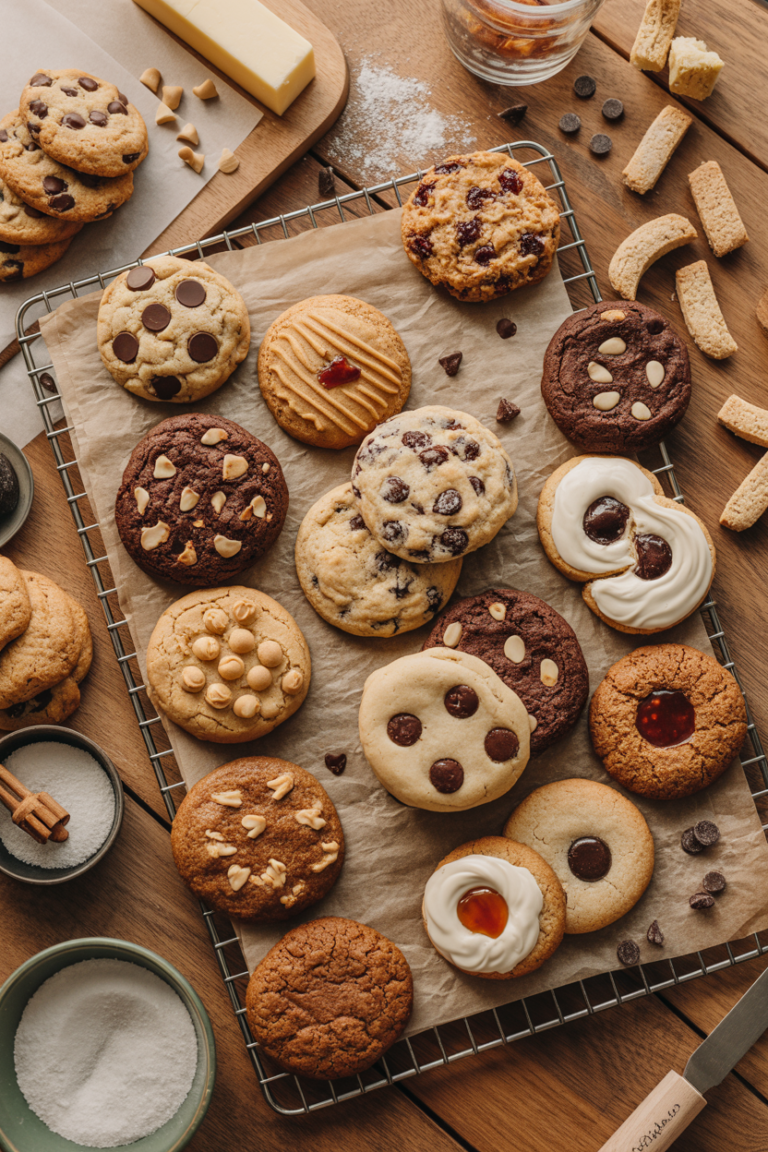
20 Vegan Cookies That Actually Taste Like Dessert
Let’s get one thing straight: vegan cookies don’t deserve the bad reputation they sometimes get. You know the ones I’m talking about—dry, crumbly, taste-like-cardboard disasters that make you wonder if taste buds are somehow non-vegan too. But here’s the truth: when you nail vegan baking, nobody can tell the difference. Actually, scratch that—sometimes they’re even better than their butter-laden counterparts.
I’m not here to lecture you about going vegan or converting your entire kitchen. What I am here to do is show you that plant-based cookies can be rich, chewy, indulgent, and absolutely crave-worthy. Whether you’re vegan, have dairy allergies, or just ran out of eggs and refuse to go to the store, these 20 recipes will change how you think about vegan desserts.
What Makes Vegan Cookies Actually Work
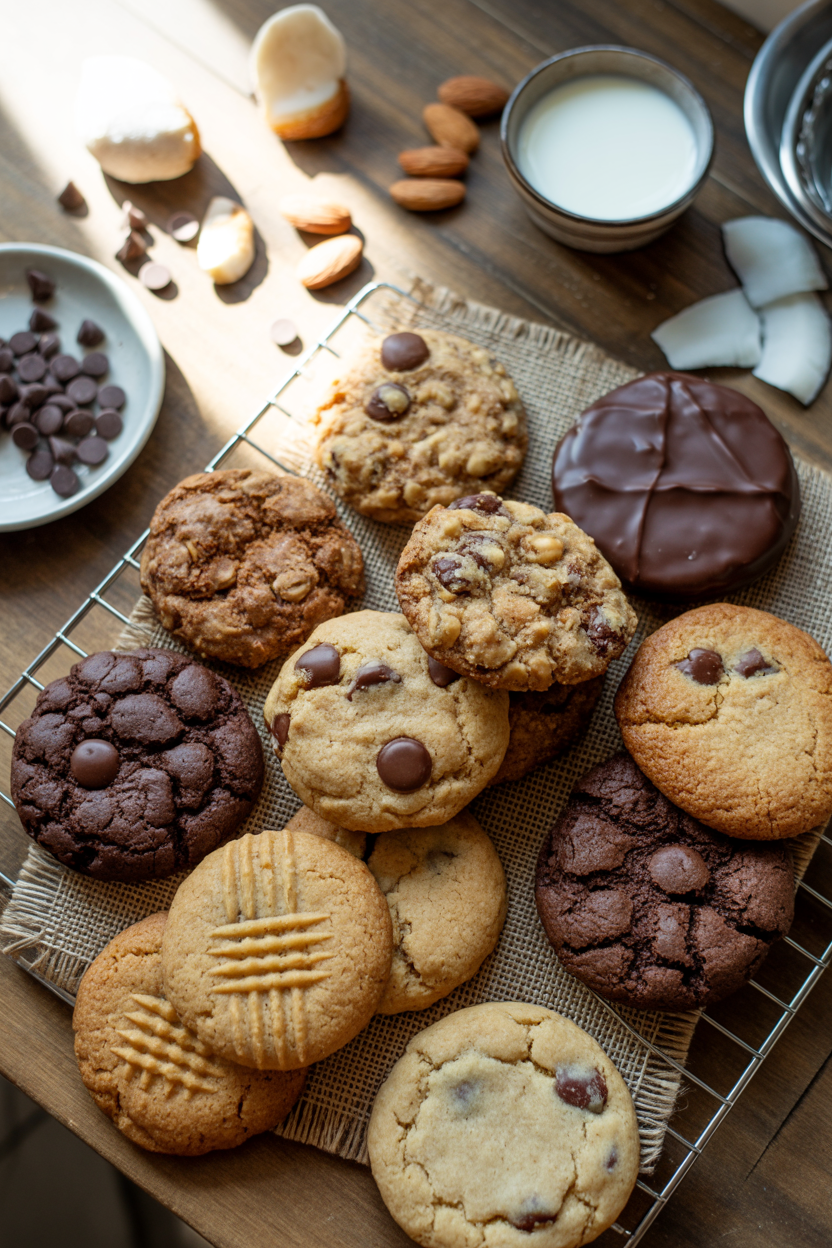
The secret to killer vegan cookies isn’t magic—it’s understanding what eggs and butter actually do, then replacing them smartly. Eggs provide moisture, binding, and structure. Butter brings fat, flavor, and that melt-in-your-mouth texture. Remove them carelessly, and you get hockey pucks.
But replace them thoughtfully? Game changer. Flax eggs (ground flaxseed mixed with water) create binding power while adding omega-3s. Coconut oil delivers richness without any coconut taste when refined. Applesauce keeps things moist without making cookies taste like fruit salad.
The beautiful thing about vegan baking is you’re often working with ingredients that bring their own nutritional benefits. Research shows that plant-based diets provide higher fiber intake and beneficial phytonutrients compared to conventional diets. Your cookies can actually contribute to better digestive health while still tasting like pure indulgence.
Here’s what really matters: fat, sugar, and flour ratios. Get those right, and nobody’s asking if your cookies are vegan. They’re too busy reaching for seconds.
The Vegan Baking Pantry Essentials
Before we get into specific recipes, let’s talk about what you actually need. This isn’t some specialty health food store treasure hunt—most of this stuff is probably already in your kitchen.
Coconut oil is your butter replacement MVP. Use refined if you don’t want coconut flavor, virgin if you do. It solidifies at room temperature just like butter, giving you that crucial fat structure.
Flax eggs are ridiculously easy: 1 tablespoon ground flaxseed plus 3 tablespoons water equals one egg. Mix it, let it sit for five minutes until it gets goopy, and you’re done. I keep a small spice grinder just for grinding flax seeds fresh—makes a noticeable difference in binding power.
Plant milks work beautifully in cookies. Almond, oat, soy—pick your favorite. They all perform basically the same in baking. I lean toward unsweetened varieties so I control the sugar myself.
Vegan chocolate chips are everywhere now. Most dark chocolate is naturally vegan anyway since it’s just cocoa, sugar, and cocoa butter. Check labels for milk powder, but you’ll find plenty of options.
Applesauce, mashed banana, and even aquafaba (that weird chickpea water from canned beans) all have their place. Different recipes call for different replacements, but once you stock these basics, you’re set.
Classic Chocolate Chip Cookies
Start here. These are the gateway drug to vegan baking because they’re shockingly good. The trick is using brown sugar for moisture and chewiness, and slightly underbaking them so they stay soft in the middle.
Use vegan butter or coconut oil—both work, but I prefer a mix. The cookies spread beautifully, get crispy edges, and maintain that essential soft center. Nobody—and I mean nobody—can tell these are vegan. Get Full Recipe.
If you’re craving more chocolate options, check out these double chocolate cookies or this chocolate chunk brownie recipe.
Peanut Butter Cookies
The beauty of peanut butter cookies is they barely needed eggs and butter to begin with. Peanut butter is already fat-rich and acts as its own binder. These come together in about 10 minutes of active work.
The classic fork-press pattern isn’t just decorative—it helps them bake evenly. I use natural peanut butter for these, the kind that separates. The oil content is perfect for cookies, and the flavor is more authentic than the super-stabilized stuff.
Roll them in sugar before baking if you want extra sweetness, or keep them plain for a more grown-up version. Either way, they’re dense, rich, and satisfying.
Oatmeal Raisin Cookies
Controversial take: oatmeal raisin cookies are underrated, and the vegan version is actually superior. The oats bring so much texture and heartiness that you don’t miss the butter at all.
Toast your oats first. Seriously, just five minutes in a dry pan transforms them from boring to nutty and complex. Use coconut oil and add a touch of cinnamon and nutmeg. The raisins provide natural sweetness and moisture.
These cookies are substantial—one or two actually fills you up. They’re excellent with coffee or tea, and they hold up well in lunchboxes or travel containers.
Double Chocolate Cookies
For those days when chocolate chips in regular dough won’t cut it. These start with cocoa powder mixed directly into the dough, creating an intensely chocolate base. Then you add vegan chocolate chips because more chocolate is always the answer.
The key here is not overbaking. They should look slightly underdone when you pull them from the oven. They’ll firm up as they cool but stay fudgy in the center—exactly what you want from a chocolate cookie.
I use Dutch-processed cocoa powder for these. It’s darker, richer, and less acidic than natural cocoa. Makes a real difference in the final color and flavor.
Snickerdoodles
Cinnamon-sugar magic without the dairy. The traditional tangy flavor comes from cream of tartar, which is already vegan. These cookies are soft, slightly chewy, and covered in that iconic cinnamon-sugar coating.
The dough needs to chill for at least 30 minutes before rolling into balls. This prevents excessive spreading and helps them develop that characteristic crackled surface. Use a cookie scoop to keep them uniform—they bake more evenly when they’re all the same size.
These smell incredible while baking. Like, your entire house will smell like a cinnamon bakery incredible.
Ginger Molasses Cookies
Deep, rich, and intensely spiced. These are the cookies that make you appreciate how much flavor you can pack into something vegan. Molasses provides moisture and that distinctive dark sweetness, while fresh ginger, cinnamon, and cloves bring warmth.
I like rolling these in coarse sugar before baking—it creates a sparkly, slightly crunchy exterior that contrasts beautifully with the soft, chewy interior. They’re perfect with chai tea or coffee.
These improve over time. The flavors meld and intensify if you can resist eating them all immediately. Store them in an airtight container, and they’ll stay soft for days.
Looking for more spiced treats? Try these chai spice cookies or this gingerbread loaf.
Lemon Cookies
Bright, tangy, and refreshing. Lemon cookies prove that vegan baking isn’t all about heavy, rich flavors. These are light, crispy around the edges, and pack a serious citrus punch.
Use both lemon zest and juice for maximum flavor. The zest brings oils and intensity, while the juice provides acidity. A simple glaze made from powdered sugar and lemon juice takes these over the top.
These are excellent for summer gatherings or any time you want something that isn’t overwhelmingly sweet. They’re also naturally lighter in color, which makes that glaze really pop visually.
Coconut Macaroons
Technically these are already vegan by nature if you skip the usual egg whites and use aquafaba instead. The result is chewy, intensely coconutty, and naturally gluten-free if you use certified GF coconut.
Aquafaba whips up just like egg whites. It’s honestly kind of freaky how well it works. Three tablespoons of chickpea liquid equals one egg white. Whip it until stiff peaks form, fold in shredded coconut and sugar, and bake.
Dip the bottoms in melted dark chocolate if you want to get fancy. Not necessary, but definitely delicious.
Almond Butter Cookies
Similar concept to peanut butter cookies but with a more delicate, slightly sweeter flavor. Almond butter is naturally smooth and rich, making it perfect for cookies that don’t need much else.
These work beautifully with just almond butter, sugar, and a flax egg. You can add vanilla or almond extract, but honestly, they’re perfect plain. Press them with a fork before baking for the classic crosshatch pattern.
The texture is slightly more crumbly than peanut butter cookies, almost shortbread-like. They’re sophisticated without trying too hard.
For more almond-based treats, you might enjoy these almond flour cookies or this almond butter banana bread.
Chocolate Crinkle Cookies
These look like they came from a fancy bakery, but they’re actually simple. The dough is chocolate-based and gets rolled in powdered sugar before baking. As they spread and crack, you get this dramatic black-and-white appearance.
The trick is making sure your dough is cold before forming the balls. If it’s too warm, the powdered sugar coating will just dissolve. Chill the dough, roll quickly, and get them in the oven.
They’re showstoppers for cookie swaps or holiday gatherings. Everyone assumes they’re complicated, and you can just smile and accept the compliments.
Tahini Cookies
Not enough people make tahini cookies, and that’s a shame. Tahini (sesame seed paste) brings an incredible nutty, slightly savory flavor that works beautifully in cookies. It’s rich, creamy, and has enough fat to create a tender cookie without any butter.
These have a unique flavor profile—definitely sweet, but with depth and complexity you don’t get from typical cookie flavors. Sprinkle them with sesame seeds before baking for extra texture and visual appeal.
Fair warning: tahini can be bitter if you buy cheap stuff. Invest in good quality tahini, and these cookies will blow your mind. I get mine from Middle Eastern markets where it’s fresher and tastier.
Banana Walnut Cookies
Got brown bananas? Make cookies instead of banana bread for the hundredth time. These are soft, almost cake-like, with a gentle banana flavor and crunchy walnuts throughout.
The banana acts as both sweetener and binder, so these are naturally vegan-friendly. Toast your walnuts first—it takes five minutes and makes them taste incredible. I use this mini toaster oven for small toasting jobs like this.
Add a bit of cinnamon and nutmeg, and these become the perfect breakfast cookie. Not that I’m suggesting you eat cookies for breakfast, but if you were to do that, these would be the ones.
Maple Pecan Cookies
Pure fall vibes. Real maple syrup provides moisture and that distinctive maple flavor that no amount of artificial extract can match. Pecans add buttery richness and crunch.
Use grade A dark amber maple syrup for the strongest flavor. The lighter grades are too delicate for baking—their subtle notes get lost. Toast your pecans before adding them to the dough. Seriously, toast everything. It’s the easiest way to level up your baking.
These cookies are soft, chewy, and taste like pancakes in cookie form. They’re excellent with coffee or as part of a breakfast spread.
Orange Cranberry Cookies
The combination of tart cranberries and bright orange zest creates something special. These are festive enough for holidays but delicious enough to make year-round. Use dried cranberries unless you want your cookies to be weirdly tart.
Both orange zest and juice go into these—the zest in the dough, the juice in a simple glaze. The contrast between sweet cookie and tart cranberry is addictive.
These ship well, making them perfect for care packages or gifts. They also freeze beautifully if you want to make a big batch and save some for later.
If you’re into citrus flavors, also try these lemon blueberry scones or this orange almond cake.
Chai Spice Cookies
All the warming spices of chai tea—cardamom, cinnamon, ginger, cloves—baked into a butter cookie. Well, a not-actually-butter cookie, but you know what I mean. These are aromatic, complex, and surprisingly sophisticated.
The key is using fresh spices. Those bottles that have been sitting in your cabinet since 2019? Toss them. Fresh spices make a massive difference in baking.
These are excellent dunked in actual chai tea, creating a flavor loop that’s almost meditative. They’re also great with coffee or plain almond milk.
Salted Dark Chocolate Cookies
The salt-chocolate combination never gets old. These use high-quality dark chocolate chopped into chunks, plus a sprinkle of flaky sea salt on top before baking. The salt amplifies the chocolate flavor and adds a sophisticated touch.
Don’t use chocolate chips here—chop a bar of good dark chocolate into irregular chunks. You want some big pieces that create pockets of melted chocolate. I keep a serrated knife specifically for chopping chocolate.
The flaky salt is crucial. Table salt or fine sea salt won’t give you the same burst of salinity. Maldon or fleur de sel works beautifully.
Matcha White Chocolate Cookies
Green tea powder meets sweet white chocolate in a surprisingly delicious combination. The matcha brings earthy, slightly bitter notes that balance the sweetness of white chocolate perfectly.
Use culinary-grade matcha, not ceremonial grade. Ceremonial grade is expensive and wasted in baking. The color is beautiful—bright green cookies dotted with white chocolate chips look stunning on a cookie platter.
Fair warning: matcha has caffeine. These are not ideal bedtime cookies unless you’re planning to stay up late.
Kitchen Tools That Make Vegan Baking Easier
Let’s talk equipment for a second. You don’t need much, but a few tools make everything smoother.
A stand mixer is helpful but not essential. I mixed cookie dough by hand for years. You just need a good wooden spoon and some arm strength.
Silicone baking mats are fantastic for vegan cookies. They prevent sticking without any need for grease, and cleanup is absurdly easy. I use them for everything.
A digital kitchen scale takes the guesswork out of measuring. Flour measurements can vary wildly depending on how you scoop, but weight is always accurate. It’s the one tool that genuinely improved my baking consistency.
Finally, an oven thermometer is crucial because most ovens lie. If your oven says 350°F but is actually running at 375°F, your cookies will overbake every time.
Common Vegan Baking Mistakes and How to Avoid Them
Overmixing the dough. This is the number one mistake I see. Once you add flour, mix just until combined. Overmixing develops gluten, making cookies tough instead of tender.
Using cold coconut oil when the recipe calls for melted. Coconut oil solidifies at room temperature. If your recipe says melted and you use solid, your ratios are off. Same in reverse—don’t melt it if the recipe wants it solid.
Not letting flax eggs gel properly. Give them the full five minutes. Impatient flax eggs don’t bind properly, and your cookies will spread too much or fall apart.
Baking at the wrong temperature. Vegan cookies often need slightly lower temperatures than conventional cookies because they can dry out faster. If a recipe says 325°F, trust it.
Overbaking. This kills vegan cookies more than anything else. They should look slightly underdone when you remove them from the oven. They’ll firm up as they cool.
Crunchy Chocolate Hazelnut Cookies
Inspired by that famous hazelnut spread everyone loves. These use ground hazelnuts, cocoa powder, and chopped hazelnuts for maximum nutty-chocolate impact. They’re crunchy, intensely flavored, and utterly addictive.
Toast your hazelnuts, then rub them in a kitchen towel to remove the skins. This step matters—the skins are bitter. Grind half the hazelnuts into flour, chop the other half coarsely.
These have a European sophistication to them. They’re not American-style soft and chewy—they’re crisp and meant to be dunked in coffee or hot chocolate.
Pumpkin Spice Cookies
Everything pumpkin spice is trendy, but these cookies were good before they were cool. Canned pumpkin puree provides moisture and subtle flavor, while warming spices bring the signature taste.
The cookies themselves are soft and cake-like. Top them with a simple maple glaze or cream cheese frosting (yes, vegan cream cheese exists and works beautifully). Or keep them plain—they’re good either way.
These freeze exceptionally well. Make a huge batch in fall, freeze half, and you’ve got cookies ready for holiday gatherings.
Monster Cookies
Everything-but-the-kitchen-sink cookies. Oats, peanut butter, vegan chocolate chips, vegan M&Ms, whatever you want. These are chunky, colorful, and kids go absolutely nuts for them.
The base is oat and peanut butter, which means they’re naturally sturdy and satisfying. The mix-ins are negotiable—use what you have or what you love. There’s no wrong answer here.
They’re substantial enough to pack in lunches or take on road trips. They don’t crumble easily and hold up well at room temperature.
For more creative cookie combinations, check out these loaded cookies or this cookie bark recipe.
Why Vegan Cookies Are Actually Easier
Here’s something nobody talks about: vegan cookies are often more forgiving than traditional cookies. No worrying about room temperature butter being exactly right. No concern about overworking eggs.
The ingredients are shelf-stable. Flaxseed keeps forever in the freezer. Coconut oil sits in your pantry for months. Plant milk lasts longer than dairy milk. This means you can decide to bake cookies at 10 PM without wondering if your butter and eggs are usable.
The cleanup is easier too. No egg residue that turns into concrete if you don’t wash it immediately. No greasy butter coating that requires hot water and serious scrubbing.
And honestly? The taste difference is negligible when done right. I’ve served these cookies to dedicated meat-eaters who asked for recipes without ever realizing they were vegan.
Related Recipes You’ll Love
Looking for more plant-based treats? Here are some recipes that pair perfectly with your new vegan cookie skills:
More Vegan Desserts:
- Vegan brownies
- Plant-based cake recipes
Breakfast Options:
- Vegan banana bread
- Dairy-free muffins
Complete Guides:
- Vegan baking substitutions guide
- Plant-based dessert collection
Conclusion
Vegan cookies aren’t a compromise. They’re not “good for being vegan” or “pretty decent considering.” They’re just good. Period. Full stop. End of discussion.
The techniques are simple, the ingredients are accessible, and the results speak for themselves. You don’t need a philosophy degree in veganism or a culinary school education. You just need good recipes and the willingness to try something different.
Start with the classics—chocolate chip or peanut butter. Build your confidence, then branch out into the more adventurous options. Before long, you’ll have a repertoire of cookies that happen to be vegan but taste like pure dessert.
Whether you’re baking for dietary restrictions, ethical reasons, or just because you’re curious, these cookies deliver. They’re chewy, they’re rich, they’re satisfying, and they’ll make you rethink everything you thought you knew about vegan baking.
So grab your flaxseed, pull out that coconut oil, and start baking. Your taste buds won’t know the difference, but your ingredients list will. And that’s exactly the point.