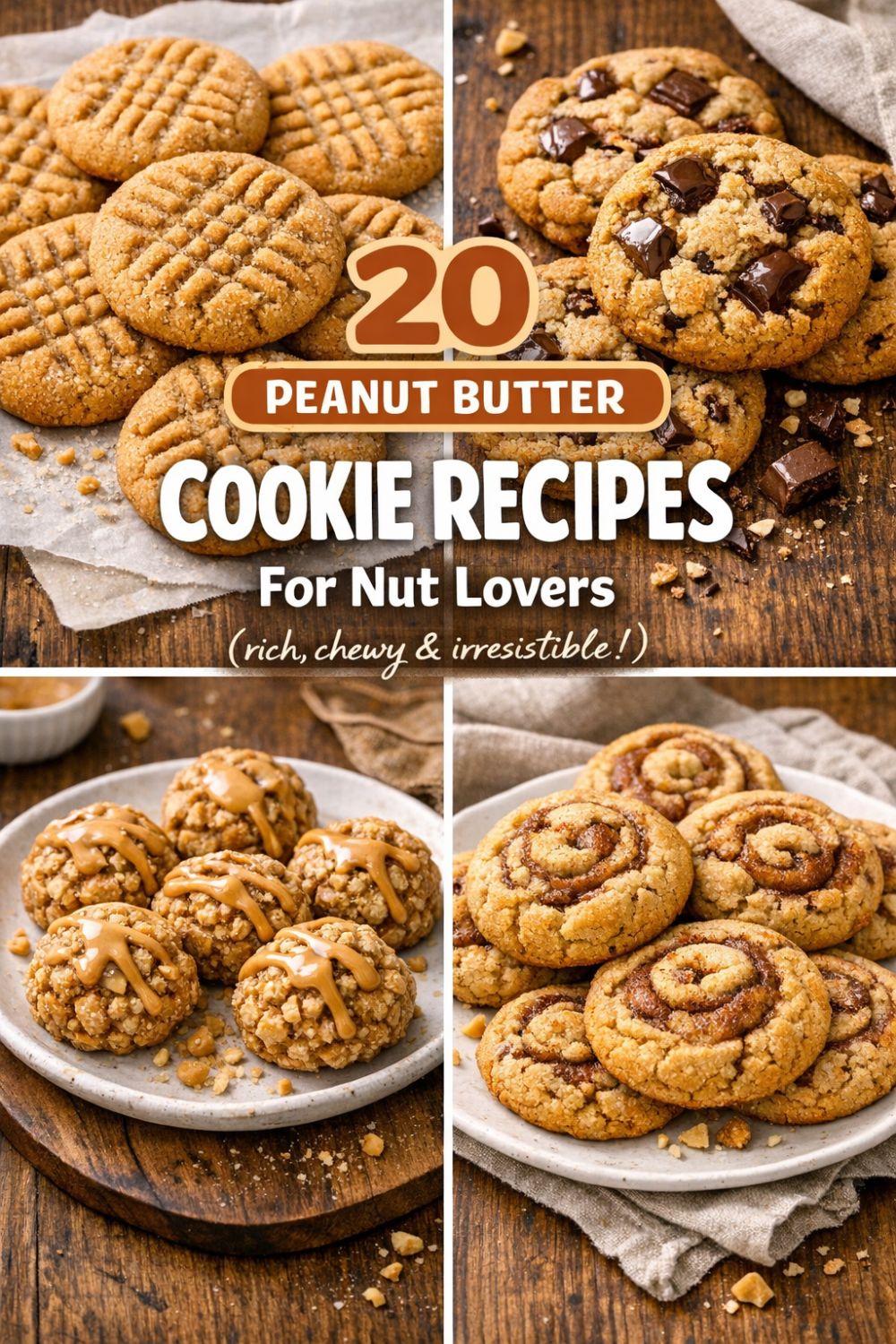
20 Peanut Butter Cookie Recipes for Nut Lovers
Look, I’m just going to say it: peanut butter cookies are the undisputed champion of the cookie world. You can argue all day about chocolate chip or oatmeal raisin, but there’s something about that salty-sweet combo and that signature fork-pressed pattern that hits different. Maybe it’s nostalgia, maybe it’s the fact that they’re stupid-easy to make, or maybe it’s because peanut butter packs in decent protein and heart-healthy fats—either way, I’m here for it.
I’ve spent way too many Sunday afternoons testing cookie recipes, and I’m convinced peanut butter cookies are the most forgiving. Forget something? Still tastes great. Overbake by two minutes? They’re crunchy instead of chewy. Underbake? Now they’re soft and pillowy. It’s the cookie equivalent of a golden retriever—impossible to mess up and universally loved.
Whether you’re team classic three-ingredient, team loaded-with-chocolate-chips, or team “I’ll-eat-the-dough-straight-from-the-bowl,” I’ve rounded up 20 peanut butter cookie recipes that’ll satisfy whatever mood you’re in. Let’s get into it.
1. The Classic Three-Ingredient Miracle
I’m starting here because if you haven’t made a three-ingredient peanut butter cookie, you’re missing out on one of life’s simple pleasures. It’s literally just peanut butter, sugar, and an egg. That’s it. No flour, no butter, no baking powder—nothing.
The first time someone told me about this recipe, I thought they were pulling my leg. But after testing it approximately 47 times (okay, maybe 5, but who’s counting?), I can confirm: these cookies work. They’re naturally gluten-free, take about 15 minutes start to finish, and somehow taste like you put way more effort in than you actually did.
Mix a cup of peanut butter with a cup of sugar and one egg. Roll into balls, flatten with a fork in that iconic crisscross pattern, bake at 350°F for about 10 minutes. Done. When they come out of the oven, they’ll look underdone—trust me on this and resist the urge to bake longer. They firm up as they cool.
Pro Tip: Use natural peanut butter (the kind where oil separates on top) for a more intense peanut flavor. Just make sure you stir it really well first, or you’ll end up with an oily mess that doesn’t hold together.
I keep a batch of these in my freezer at all times because they’re perfect for those 9 PM cookie emergencies. You know the ones I’m talking about. For more quick cookie ideas that’ll save your sanity, check out these 5-ingredient cookies you need to try now.
The Ultimate Cookie Baking Guide
Master 50+ professional cookie recipes with step-by-step photos, troubleshooting tips, and conversion charts. Perfect for beginners and experienced bakers alike!
Get the eBook2. Loaded Peanut Butter Chocolate Chip
Alright, so the three-ingredient version is great and all, but what if you want something a little more… substantial? Enter the loaded peanut butter chocolate chip cookie. This is where we add flour, some leavening, and enough chocolate chips to make every bite a mini celebration.
The secret to nailing these is understanding that brown sugar makes cookies chewier while white sugar makes them crispier. According to baking science, brown sugar contains molasses, which adds moisture and creates that perfect chewy texture we’re after. I use a 2:1 ratio of brown to white sugar because I’m firmly in the chewy camp.
Start with softened butter (not melted—this matters), cream it with both sugars until fluffy, add peanut butter and eggs, then fold in your dry ingredients. The key is to not overmix once you add the flour. Overmixing develops gluten, which makes cookies tough instead of tender. Get Full Recipe.
And here’s where things get fun: I always throw my cookie dough balls in the freezer for 15 minutes before baking. This small cookie scoop makes portioning so much easier and keeps them uniform. The chilling step prevents excessive spreading and gives you those beautiful thick cookies with crispy edges and gooey centers.
KitchenAid Stand Mixer – The Cookie Baker’s Dream
After testing dozens of mixers, this is the one I use daily. It makes creaming butter and sugar effortless, handles thick cookie dough like a champ, and the planetary mixing action ensures everything gets incorporated evenly.
- 10 speed settings for perfect control
- 5-quart capacity (handles triple batches)
- Lifetime of reliable performance
- Dozens of attachments available
3. Peanut Butter Sandwich Cookies
Want to impress literally everyone at a potluck? Make peanut butter sandwich cookies. They’re like if a peanut butter cup and a cookie had a baby, and that baby was absolutely delicious.
You’ll make thin, crispy peanut butter cookies (add a touch more white sugar to your dough for extra crispness), then sandwich them together with a simple peanut butter buttercream. The frosting is stupidly easy: beat together peanut butter, powdered sugar, butter, and a splash of milk until fluffy.
The trick is rolling the cookies thinner than you think you should—about a quarter inch. They’ll puff slightly in the oven, and you want them crispy enough to hold up to the frosting without getting soggy. I learned this the hard way after making a batch that turned into mush within an hour. Not cute.
Quick Win: Freeze the unfilled cookies in an airtight container, then assemble them with frosting the day you plan to serve. This way they stay crispy and the frosting stays fresh. Game changer for party prep.
These remind me of the creativity you’ll find in easy cookie recipes you can bake tonight, but with that extra wow factor that makes people think you went to culinary school.
4. No-Bake Peanut Butter Oat Cookies
Summer. Broken oven. Tiny apartment with no AC. These are all valid reasons to never turn on your oven, and that’s where no-bake cookies come to save the day. These beauties combine peanut butter with oats, cocoa powder, and a quick stovetop mixture of butter, sugar, and milk.
The process is straightforward but requires some attention to timing. You bring the butter-sugar-milk mixture to a rolling boil, let it bubble for exactly one minute (set a timer—seriously), then pour it over your peanut butter-oat mixture. Stir like your life depends on it, then drop spoonfuls onto wax paper and wait for them to set.
Here’s what nobody tells you: humidity is the enemy of no-bake cookies. On humid days, they might not set properly and stay sticky. On those days, I pop them in the fridge to firm up. Also, don’t skip the full minute of boiling—if you undercook the sugar mixture, your cookies won’t set. If you overcook it, they’ll be grainy and dry.
I use this heavy-bottom saucepan for even heat distribution, which prevents scorching. And honestly? These are so much easier than traditional baked cookies that I make them year-round, not just when it’s hot. For more no-fuss cookie ideas, browse these no-bake cookie recipes for busy days.
5. Flourless Peanut Butter Cookies
Different from the three-ingredient version I mentioned earlier, these flourless cookies use almond flour or oat flour to give them more structure while staying gluten-free. They’re slightly more cake-like but still maintain that essential peanut butter flavor.
The beauty of using alternative flours is that you can customize the texture more easily. Almond flour makes them ultra-tender and almost shortbread-like, while oat flour gives them more chew. I typically blend my own oat flour by pulsing rolled oats in my food processor until fine—takes 30 seconds and costs way less than buying it pre-made.
Going gluten-free doesn’t mean sacrificing flavor or texture. These flourless cookies prove it. The key is not to expect them to taste exactly like wheat-based cookies—they’re their own thing, and that’s perfectly fine. I’ve converted several skeptical friends with these cookies. One even admitted she’d been avoiding gluten-free baked goods for years because of bad experiences, but these changed her mind.
Speaking of which, if you’re exploring more gluten-free options, you’ll love these gluten-free cookies that actually taste amazing. No cardboard texture, I promise.
6. Peanut Butter Blossoms
You know the ones—those cookies with the chocolate kiss pressed into the center? Yeah, those are called blossoms, and they’re basically mandatory at every holiday cookie exchange I’ve ever attended. There’s something deeply satisfying about pressing that chocolate into warm cookie dough and watching it settle perfectly in place.
The dough itself is a standard peanut butter cookie base, but you roll the balls in granulated sugar before baking, which gives them a sparkly, slightly crunchy exterior. The real MVP move is having your chocolate kisses unwrapped and ready to go before the cookies come out of the oven—you’ve got maybe a 30-second window when they’re perfectly warm enough to accept the chocolate without completely melting it.
I learned this timing thing the hard way. First attempt, I waited too long and the chocolate just sat there like an awkward hat. Second attempt, I pressed them in immediately and they melted into puddles. Third time was the charm: wait about 30 seconds after removing from oven, press gently, let cool completely.
For achieving that perfect texture—not too crispy, not too soft—you want to bake these until they’re just set around the edges but still look slightly underdone in the center. They’ll continue cooking on the hot pan after you remove them from the oven. If you love soft cookies, definitely check out these soft and chewy cookies for more texture inspiration.
7. Peanut Butter Protein Cookies
Real talk: I’m not a huge fan of protein powder in baked goods. It usually makes things taste chalky and weird. But I’ve cracked the code on protein cookies that actually taste good, and peanut butter is the secret weapon that makes it work.
The natural fats and intense flavor of peanut butter mask that artificial protein powder taste better than any other ingredient I’ve tried. You want to use vanilla or unflavored protein powder here—chocolate protein powder in peanut butter cookies is a flavor combo I can’t get behind, IMO.
The ratio I use is roughly one scoop of protein powder for every cup of regular flour. This adds about 15-20 grams of protein per cookie without completely destroying the texture. You will need slightly more liquid than a standard recipe because protein powder is absorbent, so I add an extra tablespoon of milk or peanut butter. Get Full Recipe.
Pro Tip: These cookies dry out faster than regular cookies because of the protein powder. Store them in an airtight container with a slice of bread to keep them soft—the cookies will absorb moisture from the bread. Sounds weird, works perfectly.
8. Peanut Butter Oatmeal Cookies
This is where peanut butter cookies meet their slightly healthier cousin, the oatmeal cookie. The result? Something that feels virtuous enough for breakfast but is definitely still a dessert. I’m not judging if you eat these with your morning coffee—I definitely do.
The oats add texture and fiber, plus they help the cookies stay soft for days. Standard peanut butter cookies can get hard pretty quickly, but the oats trap moisture and keep everything tender. I use old-fashioned rolled oats, not quick oats—the texture is better and they hold up in the dough without turning mushy.
You can get creative with add-ins here. Chocolate chips are always a winner, but I’ve also done raisins (controversial, I know), dried cranberries, or even a handful of mini M&Ms for a fun color pop. The peanut butter base is forgiving enough to handle whatever you throw at it.
The standard ratio is about 1 cup of oats to 1.5 cups of flour, but you can adjust based on how oat-forward you want them. I typically mix the dough, then let it rest for 10 minutes before baking. This gives the oats time to absorb some moisture from the dough, which prevents them from being dry or tough.
For more variations on mixing cookie types, explore these drop cookie recipes perfect for beginners. They’re all about that simple scoop-and-bake life.
Join Our Baking Community on WhatsApp!
Get exclusive cookie recipes, baking tips, and behind-the-scenes kitchen fails (because we all have them) delivered straight to your phone. Plus, you’ll be the first to know about new recipes before they hit the blog!
Join WhatsApp Channel9. Vegan Peanut Butter Cookies
Cutting out eggs and dairy doesn’t mean you’re stuck with sad, crumbly cookies. Vegan peanut butter cookies can be just as good as traditional ones—sometimes better, honestly. The natural oils in peanut butter do a lot of the work that butter and eggs would normally do.
For the egg replacement, I use a flax egg (1 tablespoon ground flaxseed mixed with 3 tablespoons water, let sit for 5 minutes until gloopy). It doesn’t add much flavor and binds the dough beautifully. For the butter, you can use coconut oil, vegan butter, or even just more peanut butter. Each gives slightly different results, so it depends on what you’re going for.
Coconut oil makes them crispy and slightly tropical-tasting (in a good way). Vegan butter gives you the closest texture to traditional cookies. Extra peanut butter makes them super peanutty and dense. There’s no wrong answer here—just different vibes.
If you’re diving into plant-based baking, these vegan cookies that actually taste like dessert will give you even more ideas. Spoiler: they’re all delicious and nobody will guess they’re vegan unless you tell them.
Silicone Baking Mat Set – Say Goodbye to Parchment Paper
I’ve gone through rolls and rolls of parchment paper until I discovered these mats. They’re reusable, non-stick, and make cleanup ridiculously easy. Plus, cookies bake more evenly because of the consistent heat distribution.
- Completely non-stick surface (no spray needed)
- Reusable for thousands of bakes
- Fits standard half-sheet pans perfectly
- Dishwasher safe for easy cleaning
10. Peanut Butter Thumbprint Cookies
Thumbprint cookies get their name from the literal thumbprint you press into the center before filling them with jam, chocolate, or more peanut butter. They’re ridiculously simple but look fancy enough for a bake sale or holiday party.
The dough is basic peanut butter cookie dough, but you make the balls slightly smaller—about an inch in diameter. Before baking, press your thumb into the center to create a well. Don’t go all the way through or you’ll get a peanut butter donut (which actually sounds kind of good now that I think about it).
My go-to filling is strawberry jam because the fruity-tart combo with peanut butter is *chef’s kiss*. But I’ve also done Nutella, lemon curd, and even dulce de leche. The key is to fill them after they’re baked and slightly cooled—if you fill them before baking, the filling bubbles over and makes a mess.
Quick Win: Use the back of a small measuring spoon instead of your thumb for more uniform wells. Your thumbprints might vary in size and depth, but a half-teaspoon measuring spoon gives you consistent results every time.
11. Low-Sugar Peanut Butter Cookies
Look, I’m not going to pretend these are health food. They’re still cookies. But if you’re watching your sugar intake or just want something a little less sweet, you can absolutely make excellent low-sugar peanut butter cookies.
The trick is using natural peanut butter (no added sugar) and cutting the regular sugar amount in half, then replacing it with a sugar substitute like erythritol or monk fruit sweetener. Not all sugar substitutes work the same way in baking—some don’t caramelize properly, which affects both color and texture.
I’ve had the best luck with a blend: half regular sugar, half substitute. This gives you some of that traditional cookie texture and browning while still significantly reducing the total sugar content. You’re looking at about half the sugar of a regular cookie, which honestly makes eating three of them basically the same as eating one and a half regular cookies, right? That’s math. Get Full Recipe.
For more conscious cookie options, check out these low-sugar cookies for guilt-free snacking. They prove you don’t need mountains of sugar to make something delicious.
12. Peanut Butter Snickerdoodles
Snickerdoodles are traditionally rolled in cinnamon sugar before baking, giving them that distinctive tangy flavor (cream of tartar is key here). Adding peanut butter to the base dough creates this interesting flavor mashup that shouldn’t work but totally does.
The cinnamon-sugar coating on the outside plays really well with the nutty richness inside. It’s like peanut butter cookies decided to get dressed up for a night out. You still get that classic crackled top that snickerdoodles are known for, but with added depth from the peanut butter.
Don’t skip the cream of tartar—it reacts with the baking soda to give these their signature tang and helps create that crackled surface. The secret to maximum crackle is all in the rolling technique. Roll your dough balls in the cinnamon sugar generously—like, more than you think you need.
Also, make sure your dough balls are cold. If they’re room temperature, they’ll spread too fast and you’ll lose that dimensional crackle. I form all my cookies, roll them in cinnamon sugar, then stick the whole tray in the fridge for 10 minutes before baking. Worth it.
13. Peanut Butter Cream Cheese Cookies
Adding cream cheese to peanut butter cookie dough makes them ridiculously soft and tender. Like, melt-in-your-mouth tender. The cream cheese adds moisture and tang that balances the richness of the peanut butter perfectly.
The dough for these is softer than traditional peanut butter cookie dough, so chilling is mandatory. I usually make the dough, wrap it in plastic, and stick it in the fridge for at least an hour (overnight is even better). This firms up the fat content and makes the dough much easier to handle.
When you’re ready to bake, scoop the dough while it’s cold and work quickly. If the dough warms up too much, pop it back in the fridge for 15 minutes. I know this seems fussy, but trust me—trying to work with warm cream cheese dough is an exercise in frustration.
These cookies stay soft for days thanks to the cream cheese, and they freeze beautifully. I always make a double batch and freeze half the dough balls. Then when I want fresh cookies, I can bake them straight from frozen—just add a minute or two to the bake time.
Meal Prep Made Easy: Cookie Edition
Learn how to batch bake and freeze cookie dough like a pro. Includes 30 make-ahead recipes, storage guides, and time-saving hacks that’ll change your baking life.
Download Now14. Monster Peanut Butter Cookies
Monster cookies are basically everything-but-the-kitchen-sink cookies, and they’re glorious. The base is peanut butter (no flour, interestingly), then you add oats, chocolate chips, M&Ms, and anything else that sounds good. They’re called monster cookies because they’re huge and loaded with stuff.
The traditional recipe uses a full pound of peanut butter, which seems excessive until you taste them and realize it’s absolutely necessary. The peanut butter acts as both the fat and the binder since there’s no butter or flour. It’s a weird technique that produces cookies that are simultaneously chewy and crispy, dense and light.
I use this large cookie scoop to portion these because they should be big—about 3 tablespoons of dough per cookie. They spread quite a bit, so leave plenty of space between them on the baking sheet. The first time I made these, I crowded them and ended up with one giant cookie blob. Learn from my mistakes.
Pro Tip: Press a few extra M&Ms or chocolate chips on top of each cookie right after they come out of the oven. They’ll stick to the warm cookie and make them look extra pretty for photos. Because yes, we eat with our eyes first.
If you’re into loaded cookies, you’ll also dig these classic chocolate chip cookie recipes that take the same more-is-more approach.
15. Peanut Butter Shortbread
Shortbread is traditionally just butter, sugar, and flour—super simple, super buttery, melt-in-your-mouth delicious. Adding peanut butter to the mix gives you all that buttery tenderness with a nutty twist.
The key to shortbread is not overworking the dough. You want to mix until just combined, then chill it before rolling or pressing into a pan. Overworking develops gluten, which makes shortbread tough instead of tender and crumbly.
I make mine in a square baking pan, press the dough evenly into the bottom, prick it all over with a fork (this prevents bubbling), and bake until golden. Then I cut it into squares while it’s still warm. The fork pricks aren’t just functional—they also give it that classic shortbread look.
Plain peanut butter shortbread is great, but you can also jazz it up. I’ve done versions with chocolate drizzle on top, chopped peanuts pressed into the surface before baking, or a sprinkle of flaky sea salt for that sweet-salty thing everyone loves. The beauty of shortbread is that it’s so simple, any additions really stand out.
Gluten-Free & Vegan Cookie Masterclass
40+ tested recipes that actually taste amazing, plus ingredient substitution charts and troubleshooting guides. No more disappointing results from dietary restrictions!
Start Baking Better16. Peanut Butter Gingersnaps
Gingersnaps are spicy, molasses-forward cookies with serious crunch. Adding peanut butter to the base dough creates a flavor combination that’s unexpectedly amazing. The warming spices (ginger, cinnamon, cloves) play beautifully with the nutty richness.
The key to getting that signature snap is using plenty of molasses and not overbaking. These cookies firm up as they cool, so if they come out crunchy, they’ll be tooth-breaking hard once they’re room temperature. Take them out when they still have a little give in the center.
I roll these in sugar before baking for extra sparkle and crunch. Some people do a sugar-ginger mixture, which is also delicious but gives you an extra ginger punch that’s not for everyone. If you want more ginger, go for it. If not, plain sugar is perfect.
17. Peanut Butter White Chocolate Macadamia
This is for the people who think regular peanut butter cookies need to be fancier. White chocolate chunks and chopped macadamia nuts transform these into something that belongs in a bakery window.
The trick is using good white chocolate—not white baking chips, which contain no cocoa butter and taste waxy. Actual white chocolate melts into creamy pockets of sweetness that contrast beautifully with the salty peanut butter and buttery macadamias.
I chop my macadamias fairly coarsely and toast them lightly in a dry skillet before adding them to the dough. This brings out their flavor and adds an extra layer of nuttiness. If you can’t find macadamias or they’re too expensive (because let’s be honest, they usually are), cashews work as a substitute.
OXO Cookie Scoop Set – Perfect Portions Every Time
Uniform cookies that bake evenly? These scoops make it happen. The spring-loaded release means no sticky fingers, and they come in three sizes for whatever cookie size you’re craving. Game-changer for consistent results.
- Three sizes: small, medium, and large
- Easy-release mechanism (no sticking)
- Comfortable non-slip grip
- Dishwasher safe stainless steel
18. Peanut Butter Snickers Cookies
Ever wanted to eat a Snickers bar in cookie form? Same. These cookies combine peanut butter dough with chopped Snickers bars, and they’re as indulgent as they sound.
The bars get melty and gooey in the oven, creating pockets of caramel, nougat, and chocolate throughout the cookie. I recommend chopping the Snickers into chunks rather than tiny pieces—you want substantial bites of candy bar in there, not just a vague caramel flavor.
Pop the chopped Snickers in the freezer for 15 minutes before folding them into your dough. This prevents them from completely melting and turning into a gooey mess. You want them soft and melty, not liquified.
19. Peanut Butter Pretzel Cookies
Salty and sweet is a tale as old as time, and these cookies nail it. Crushed pretzels get folded into peanut butter cookie dough, adding crunch and that perfect salty contrast.
I use mini pretzels and crush them by hand into various sizes—some fine crumbs, some bigger chunks. This gives you different textures throughout the cookie. Every bite is a little different, which keeps things interesting.
Pro tip: press a whole mini pretzel onto the top of each cookie before baking. It looks cute and gives people a visual clue about what flavor to expect. Plus it adds extra crunch on top.
Never Miss a Recipe Again!
Join 10,000+ home bakers in our WhatsApp community. Share your baking wins, get instant answers to your cookie questions, and access member-only recipes you won’t find anywhere else.
Join Our WhatsApp Community20. Peanut Butter Cookie Bars
Sometimes you don’t want to scoop individual cookies. Sometimes you want to press dough into a pan, bake it, cut it into squares, and call it a day. That’s where cookie bars come in, and peanut butter cookie bars are stupidly easy.
Use your favorite peanut butter cookie dough recipe, press it evenly into a 9×13 baking pan, and bake until golden. The edges get crispy while the center stays soft and chewy. Cut them while they’re still warm for clean edges.
These are perfect for feeding a crowd or bringing to potlucks because they transport easily and you can cut them into whatever size makes sense. Need 30 small squares for a bake sale? Done. Want 12 massive bars for your cookie monster friend? Also done.
I often drizzle melted chocolate over the top after they cool, or press chocolate chips into the surface right when they come out of the oven. For more bar cookie inspiration, check out these cookie bars you can bake in one pan.
Frequently Asked Questions
Why did my peanut butter cookies turn out dry and crumbly?
This usually happens when there’s too much flour or not enough fat. Make sure you’re measuring flour correctly (spoon it into the measuring cup, don’t pack it). Also check your peanut butter—natural varieties have more oil than processed ones, which affects moisture. If your cookies came out dry, try adding an extra tablespoon of peanut butter or using a moister peanut butter next time.
Can I substitute almond butter or other nut butters for peanut butter?
Absolutely! Most recipes work well with almond butter, cashew butter, or sunflower seed butter (for nut-free). Keep in mind that different nut butters have different oil contents and flavors, so your cookies might taste slightly different and have a different texture. Almond butter tends to make cookies a bit more crumbly, while cashew butter is pretty similar to peanut butter.
How do I keep peanut butter cookies soft after baking?
Store them in an airtight container as soon as they’re completely cool. Adding a slice of bread to the container helps maintain moisture—the cookies absorb moisture from the bread, keeping them soft. You can also slightly underbake them (take them out when they still look a tiny bit underdone in the center), as they’ll continue cooking on the hot pan.
Why do peanut butter cookies have fork marks on top?
The fork marks serve two purposes: they flatten the cookies so they bake evenly (peanut butter cookie dough is denser than other doughs and doesn’t spread as much on its own), and they create that iconic crosshatch pattern everyone recognizes. It’s become such a signature look that people expect it, even though technically you don’t have to do it.
Can I freeze peanut butter cookie dough?
Yes, and it’s one of my favorite meal prep tricks! Scoop the dough into balls, freeze them on a baking sheet until solid, then transfer to a freezer bag. They’ll keep for up to three months. You can bake them straight from frozen—just add 1-2 minutes to the baking time. This way you always have fresh cookies ready to bake whenever the craving hits.
Final Thoughts
Here’s the thing about peanut butter cookies: they’re basically foolproof, endlessly customizable, and universally loved. Whether you’re making the ultra-simple three-ingredient version or going all-out with monster cookies loaded with everything, you really can’t go wrong.
I’ve made probably hundreds of batches over the years, and I’m still not tired of them. The smell of peanut butter cookies baking might be one of my favorite scents in the world—warm, nutty, slightly sweet, with that hint of salt. It just smells like home.
My advice? Start with the classic version to get your bearings, then branch out and experiment. Try the flourless ones if you’re gluten-free. Make the vegan version for your plant-based friends. Throw together some monster cookies when you need to impress. There’s a peanut butter cookie for every occasion and every dietary need.
And remember: even if your cookies don’t look perfect, they’ll probably still taste amazing. Peanut butter cookies are forgiving like that. So get your mixing bowls out, crank up some music, and bake something delicious. Your kitchen (and your taste buds) will thank you.