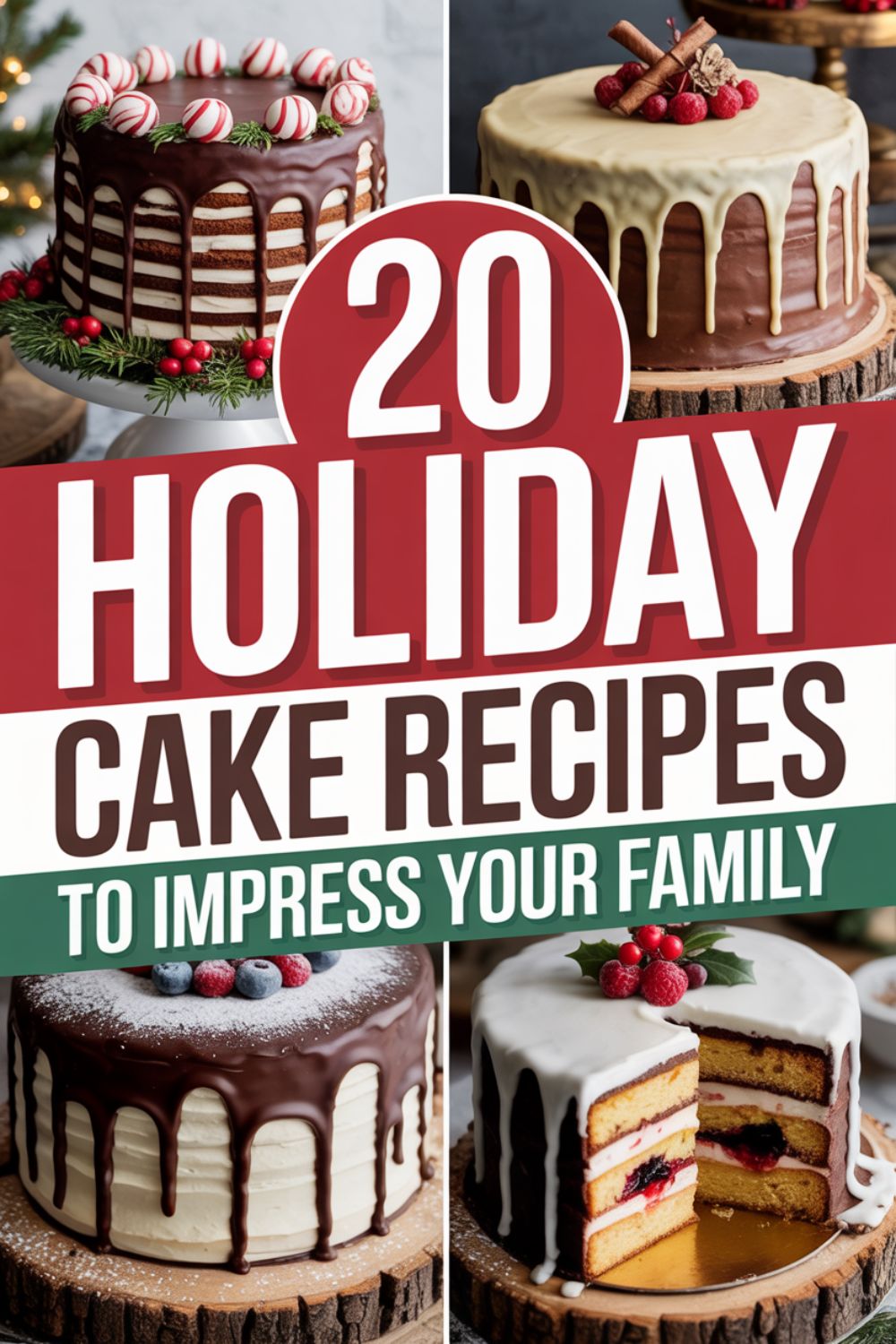
20 Holiday Cake Recipes to Impress Your Family
Look, we both know the holidays aren’t complete without a show-stopping cake sitting on the table. You can have the perfect turkey, the most Instagram-worthy sides, but if that dessert falls flat? Everyone remembers. And honestly, nobody wants to be remembered for serving dry fruitcake that could double as a doorstop.
I’ve spent years testing holiday cakes, from traditional classics that make grandma weep with joy to modern twists that have everyone asking for the recipe. Some were hits, some were spectacular failures that we don’t speak of anymore. But here’s the thing—holiday baking doesn’t have to be stressful or require a culinary degree. You just need solid recipes and maybe a little insider knowledge about what actually works.
So grab your stand mixer and let’s talk about 20 holiday cake recipes that’ll make you look like you’ve been baking professionally for decades. Trust me on this.
Why Holiday Cakes Hit Different
There’s actual science behind why holiday cakes taste better than regular Tuesday cakes. According to research on cake baking science, the combination of butter, eggs, and sugar creates a network of proteins and fats that trap air bubbles during baking. This creates that perfect tender crumb we all crave.
But holiday cakes take it further. We’re talking about spices like cinnamon, nutmeg, and clove that do more than just taste good. These spices contain phytochemicals that actually provide health benefits while making your kitchen smell like Christmas threw up in the best possible way. Plus, ingredients like dark chocolate and nuts add antioxidants and healthy fats. So technically, you’re doing your family a favor. You’re welcome.
The real magic happens when you cream butter and sugar together. This isn’t just mixing—you’re creating thousands of tiny air pockets that’ll expand when heated, giving you that light, fluffy texture. Butter’s fat content also coats the flour proteins, preventing too much gluten development. Translation? Your cake stays tender instead of turning into a hockey puck.
Classic Holiday Cakes That Never Fail
1. Traditional Yule Log (Bûche de Noël)
The Yule log is basically a chocolate Swiss roll having an identity crisis, and I mean that in the best way. You’re making a thin sponge cake, rolling it with filling, then covering the whole thing in chocolate buttercream and making it look like wood. Sounds complicated? It’s actually more forgiving than you’d think.
The key is rolling the cake while it’s still warm. Use a clean kitchen towel dusted with powdered sugar, and roll it up immediately after taking it from the oven. Let it cool in this shape, then unroll, fill, and re-roll. This prevents cracking, which is the number one Yule log tragedy. I use a silicone baking mat instead of parchment paper because nothing sticks to it. Seriously, nothing.
For the filling, I’m partial to espresso buttercream, but traditional chocolate ganache works too. The bark effect comes from dragging a fork through the frosting. Add some meringue mushrooms on top, dust with powdered sugar for “snow,” and boom—you’ve got yourself a centerpiece that looks way harder than it actually was.
2. Spiced Gingerbread Bundt Cake
Gingerbread cake is the underrated hero of holiday baking. While everyone’s obsessing over cookies, you can make this in one bowl with a bundt pan and call it a day. The molasses gives it moisture that lasts for days—assuming it actually lasts that long at your house.
Here’s my trick: add freshly grated ginger along with the ground stuff. It adds a subtle heat that makes people say, “What IS that?” in the best way. And don’t skimp on the spices. This isn’t the time for that jar of cinnamon from 2019. Fresh spices make a massive difference. #
The bundt shape means maximum surface area for that gorgeous glaze. I do a simple cream cheese glaze thinned with a little milk and vanilla. It drips down the ridges and pools at the bottom, creating this beautiful presentation that requires zero decorating skills.
If you’re into gingerbread but want something you can prep ahead, check out some no-bake cookie recipes that feature similar spices. They’re clutch when oven space is at a premium during holiday chaos.
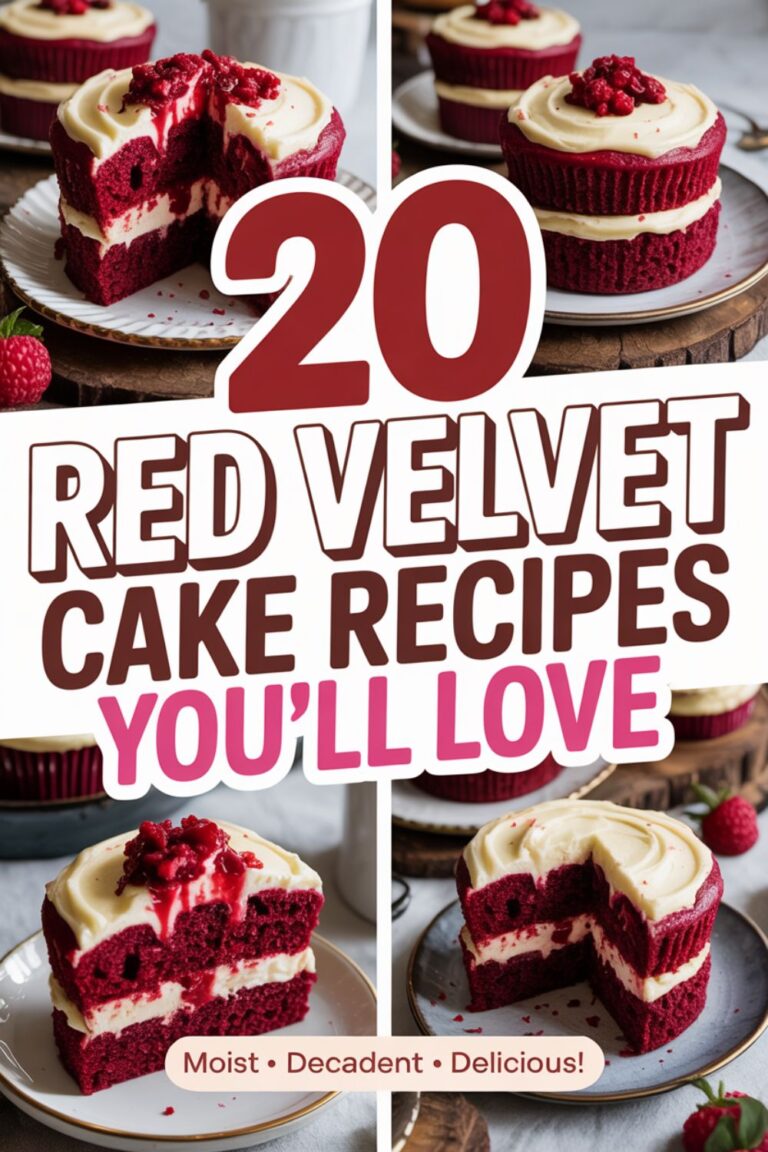
3. Red Velvet Cake with Cream Cheese Frosting
Red velvet is the cake people argue about. Is it chocolate? Is it vanilla? Honestly, it’s its own thing—a subtle cocoa flavor with tang from buttermilk that makes the cream cheese frosting absolutely sing. The red color comes from food coloring these days, though originally it was from a chemical reaction with cocoa.
The secret to good red velvet is not overmixing the batter. Mix just until combined, or you’ll develop too much gluten and end up with a dense, chewy cake. Nobody wants chewy cake. This isn’t cookies we’re talking about.
For the frosting, use full-fat cream cheese and real butter. This isn’t the place for low-fat substitutes. The cream cheese needs to be room temperature, or you’ll be there for twenty minutes trying to smooth out lumps. Been there, had the arm workout.
Modern Twists on Holiday Classics
4. Brown Butter Pumpkin Spice Cake
Pumpkin spice gets a bad rap from coffee snobs, but in a cake? Pure magic. Browning the butter first adds this nutty, caramel-y depth that elevates the whole situation. You’ll know it’s ready when it smells like heaven and turns a golden brown—watch it carefully because it goes from perfect to burnt in about thirty seconds.
I use actual pumpkin puree, not pumpkin pie filling. The puree keeps the cake incredibly moist without making it dense. And here’s a weird tip: a pinch of black pepper in the batter enhances all those warm spices. Sounds crazy, tastes amazing.
Top it with a maple cream cheese frosting and some candied pecans you can make in ten minutes. Or skip the frosting entirely and just dust it with powdered sugar—it’s rich enough to stand alone.
5. White Chocolate Peppermint Cake
This one’s for the mint chocolate chip ice cream fans. White chocolate keeps it from being too heavy, and crushed candy canes add that Christmas crunch. I fold peppermint extract into both the cake and the frosting because subtlety is not the goal here.
Fair warning: white chocolate can be finicky. Don’t melt it directly in a saucepan unless you enjoy watching it seize into a grainy mess. Use a double boiler or the microwave in short bursts, stirring between each one. Patience is annoying but necessary.
The frosting is a white chocolate buttercream with crushed peppermint candies mixed in. It looks like it snowed on your cake, which is exactly the vibe we’re going for. Plus, you can make the cake layers ahead and freeze them, which is clutch during the holiday crunch.
6. Eggnog Pound Cake
If you’re one of those people who actually likes eggnog (no judgment), this cake is your jam. It’s dense, buttery, and tastes exactly like liquid eggnog in cake form. The alcohol—rum or brandy, your call—adds flavor and helps keep it moist. The alcohol cooks off, mostly, so it’s technically family-friendly.
Pound cakes are old school and forgiving. The formula is simple: equal parts butter, sugar, eggs, and flour by weight. This makes it nearly impossible to screw up. I bake mine in a loaf pan for that classic shape, but a bundt works too.
While it’s still warm, I poke holes all over the top with a skewer and brush on an eggnog glaze spiked with more rum. It soaks in and creates this beautiful boozy crust. For non-drinkers, just skip the alcohol and use extra vanilla extract instead.
Speaking of easy crowd-pleasers, if you love the simplicity of pound cake but want variety, those classic chocolate chip cookie recipes everyone loves use similar ratios and are just as foolproof.
Showstopper Cakes That Look Impressive But Aren’t
7. Cranberry Orange Olive Oil Cake
This might sound fancy, but it’s stupid easy. Olive oil cakes are incredibly forgiving because oil keeps everything moist and tender. Unlike butter cakes, there’s no creaming step—just whisk everything together and bake. Done.
Fresh cranberries give it tart pops of flavor that cut through the sweetness, and orange zest makes the whole thing bright and festive. I use the zest from two oranges because more is more in this situation. The combo tastes like Christmas morning in the best way possible.
Here’s the move: toss the cranberries in a little flour before folding them into the batter. This prevents them from sinking to the bottom, which always looks sad. Top with a simple orange glaze and maybe some sugared cranberries if you’re feeling extra.
8. Chocolate Peppermint Layer Cake
This is the cake that makes people think you went to pastry school. Three layers of rich chocolate cake with peppermint buttercream between each layer, then covered in chocolate ganache. It looks like it took all day but actually comes together pretty quick.
The chocolate cake is a standard buttermilk chocolate cake recipe—nothing fancy, just reliable and moist. The buttermilk reacts with the baking soda to give you a tender crumb, and the acidity balances the chocolate perfectly. I always add a shot of espresso to chocolate cake because it intensifies the chocolate flavor without making it taste like coffee.
For the ganache, use good quality chocolate. Not expensive doesn’t mean good—look for something with at least 60% cacao that actually lists cocoa butter in the ingredients. Heat cream until it just starts to bubble, pour over chopped chocolate, let it sit for a minute, then stir until smooth. That’s it. #
If you want more chocolate cake variations without the layer cake commitment, check out those cookie bars you can bake in one pan. Similar chocolate intensity, way less assembly required.
9. Salted Caramel Apple Cake
Apples and caramel are the holiday power couple nobody talks about enough. This cake has chunks of apple mixed into a spiced batter, then gets topped with salted caramel sauce that soaks into all the nooks and crannies. It’s basically apple pie’s cooler cousin who studied abroad.
Use firm apples like Granny Smith or Honeycrisp—anything that won’t turn to mush when baked. I toss them with a little lemon juice and cinnamon before folding them in. For the caramel, I cheat and buy good quality salted caramel sauce because making caramel from scratch is a way to have a complete meltdown in your kitchen. Been there, still traumatized.
The cake itself is a simple butter cake with brown sugar instead of white. The molasses notes in brown sugar complement the apples and caramel perfectly. Top with a sprinkle of flaky sea salt and watch people lose their minds.
Lighter Options That Don’t Taste Like Compromise
10. Lemon Ricotta Cake with Olive Oil
Not every holiday cake needs to be a butter bomb. This one uses ricotta cheese and olive oil for moisture, making it lighter but still incredibly rich. The lemon keeps it bright and fresh, which is nice when you’re drowning in heavy holiday food.
Ricotta adds protein and creates this amazing tender texture that’s almost creamy. Don’t use the watery ricotta from the supermarket—get the good stuff from an Italian deli or strain regular ricotta overnight in cheesecloth. Worth the extra step, I promise.
I use both lemon zest and juice in the batter, then make a lemon syrup to brush over the top while it’s still warm. It soaks in and creates this amazing concentrated lemon flavor without being too sour. Dust with powdered sugar and you’re done.
11. Honey Spice Cake
Honey makes cakes stay moist for days because it’s hygroscopic—it pulls moisture from the air. Science is cool when it results in cake that doesn’t dry out by the next day. This uses honey as the main sweetener with just a touch of brown sugar for depth.
The spice blend is cinnamon, cardamom, and just a hint of clove. Cardamom is underused in American baking, which is a tragedy because it adds this floral, citrusy note that’s absolutely perfect for holidays. You can find it in the spice aisle, usually in those little expensive jars. A little goes a long way.
Serve it plain, or top with a simple honey cream cheese frosting. Either way, it’s lighter than traditional holiday cakes but still feels special. And if you’re curious about other honey-sweetened treats, those low-sugar cookies for guilt-free snacking use similar techniques to reduce refined sugar without sacrificing flavor.
Make-Ahead Champions
12. Traditional Fruitcake (That People Actually Eat)
I know, I know. Fruitcake has a reputation problem. But hear me out—a good fruitcake made with quality dried fruits and actual liquor is completely different from those doorstops your great-aunt sends every year. This is moist, boozy, and actually delicious.
The secret is soaking the dried fruits in rum or brandy for at least a week before baking. This plumps them up and infuses them with flavor. Use fruits you’d actually want to eat—dried cherries, apricots, figs, and golden raisins. Skip the weird candied citrus peel unless you’re a masochist.
After baking, you wrap it in cheesecloth soaked in more liquor and let it age in the fridge for weeks. It literally gets better with time. This is the one cake you should make in November and serve in December. The flavors meld and mellow, creating something way more complex than sum of its parts.
13. German Chocolate Cake
Plot twist: German chocolate cake has nothing to do with Germany. It’s named after Samuel German who created a type of chocolate for Baker’s in 1852. The more you know. But what you really need to know is that coconut pecan frosting is one of the best things ever created.
The cake itself is a mild chocolate cake—not super rich, which lets the frosting shine. The frosting is a cooked mixture of evaporated milk, sugar, egg yolks, butter, coconut, and pecans. It’s more like a candy than a frosting, and it’s absolutely incredible.
You can make both the cake layers and the frosting ahead. Store the layers in the freezer and the frosting in the fridge for up to five days. Bring everything to room temp and assemble the day you’re serving. Easy money.
14. Chocolate Orange Flourless Cake
This one’s naturally gluten-free and incredibly rich, which makes it perfect for ending a heavy meal. You only need a tiny slice because it’s so decadent. Chocolate and orange is a classic combo that somehow still surprises people every time.
The texture is somewhere between a fudge and a cake—dense but not dry. You fold whipped egg whites into melted chocolate to give it some lift, then bake it low and slow. The top will crack dramatically, which looks rustic and intentional. Don’t stress about it.
I serve it with barely sweetened whipped cream and candied orange peel. The brightness of the orange cuts through the rich chocolate perfectly. You can make this days ahead—it actually improves as it sits and the flavors develop.
Crowd-Pleasing Flavors
15. Maple Walnut Cake
Real maple syrup is expensive, but it’s worth splurging for this cake. That fake pancake syrup is basically flavored corn syrup and tastes like sadness. Get the real stuff—Grade A Dark Amber has the most intense flavor and it’s perfect for baking.
The maple goes in both the cake and the frosting, creating layers of flavor that build on each other. Toasted walnuts add crunch and a slightly bitter note that balances the sweetness. I fold some into the batter and sprinkle more on top of the frosting.
This is an incredibly moist cake that keeps well. The maple acts like honey, pulling moisture from the air to keep things tender. It’s understated but sophisticated—the kind of cake that makes people ask for seconds and then thirds.
16. Cinnamon Roll Cake
All the flavor of cinnamon rolls without the hassle of yeast and rising times. This is a yellow butter cake swirled with cinnamon sugar and topped with cream cheese glaze. It looks impressive and tastes like you spent all morning making cinnamon rolls, but it comes together in about an hour start to finish.
The swirl is just cinnamon mixed with melted butter and brown sugar. You drop spoonfuls over the batter, then swirl it with a knife. It sinks into the cake as it bakes, creating these beautiful ribbons of cinnamon throughout. The top gets slightly crispy while the inside stays soft and tender.
Drizzle that cream cheese glaze while the cake’s still warm so it soaks in a little. If you love this concept but want individual portions, those soft and chewy cookies include some cinnamon sugar variations that hit the same flavor notes in hand-held form.
17. Tiramisu Cake
Taking the classic Italian dessert and turning it into layer cake form seems like overkill, but it works. Coffee-soaked vanilla cake layers with mascarpone frosting, all dusted with cocoa powder. It tastes exactly like tiramisu but in a format that’s easier to serve to a crowd.
The cake gets brushed with espresso mixed with a little coffee liqueur. If you’re anti-alcohol, just use strong brewed coffee with a touch of vanilla. The mascarpone frosting is stupid simple—just mascarpone, heavy cream, sugar, and vanilla whipped until fluffy.
This needs to be made the day before serving. The cake needs time to soak up the coffee and for all the flavors to meld together. It’s actually better on day two, which makes it perfect for holiday planning. One less thing to stress about on the actual day. #
Regional Holiday Favorites
18. Italian Panettone-Inspired Cake
Real panettone is a week-long process involving special yeast and more steps than anyone wants to deal with. This is a simplified cake version that captures the same flavors—orange, vanilla, dried fruits, and that tender crumb—without requiring a bread degree.
I use buttermilk instead of yeast for the slight tang, and the cake method is way more straightforward. Fold in golden raisins and candied orange peel at the end. The key is not to overmix once you add the fruit, or you’ll end up with a tough cake.
Serve it with morning coffee or as dessert with whipped cream. It’s festive without being too sweet, which is nice when you’re dealing with cookie overload from every direction. And it keeps for days wrapped in plastic wrap at room temperature.
19. Southern Caramel Cake
This is the cake that requires commitment. The caramel frosting is made the old-fashioned way—cooking sugar until it’s dark and toasty, then adding cream and butter. It’s temperamental and can go from perfect to ruined in seconds. But when you nail it? Absolute glory.
The cake itself is straightforward yellow butter cake. Nothing fancy, because the frosting is the star. You need it to be sturdy enough to hold up to that thick, almost candy-like caramel coating. Some people use the poke-and-soak method to get caramel all through the cake, but I’m a purist and just do the outside.
Fair warning: this frosting sets up as it cools, so you need to work fast. Have everything ready before you start—cake layers trimmed and ready, offset spatula standing by, maybe a glass of wine for moral support. It’s worth the stress, I promise.
20. Black Forest Cake
Chocolate cake, cherry filling, whipped cream, and more chocolate. What’s not to love? The traditional version uses kirsch (cherry liqueur), but you can skip it if you want to keep things family-friendly. Either way, you’re ending up with a stunner of a cake.
I use a dark chocolate cake as the base—rich but not too heavy. The cherry filling is just cherry pie filling (the canned stuff works fine) or fresh cherries cooked down with sugar if you’re feeling ambitious. The whipped cream needs to be stabilized so it doesn’t deflate or weep all over your cake.
To stabilize whipped cream, add a tablespoon of powdered sugar per cup of cream and a tiny bit of gelatin bloomed in water. Or just buy whipped cream stabilizer from the baking aisle because life is short and gelatin is annoying.
The decoration is chocolate shavings all over the sides and cherries on top. Use a vegetable peeler on a chocolate bar to make quick, beautiful curls. It looks fancy but takes about two minutes. The whole cake looks like you hired a professional, but you just followed a recipe and believed in yourself.
Looking for more chocolate-based desserts? Those easy cookie recipes you can bake tonight include several chocolate variations that use similar techniques but in cookie form—perfect for when you want chocolate without the full cake commitment.
Essential Tools and Ingredients
Let’s talk about the stuff that actually matters. You don’t need a million gadgets to bake great cakes, but a few key tools make life way easier.
A digital kitchen scale is non-negotiable if you want consistent results. Measuring by volume (cups) is inherently inaccurate because flour settles differently every time. Weighing your ingredients eliminates that variable. Plus, it’s faster and creates less dishes. Win-win.
Get a good offset spatula for frosting. Those straight spatulas are fine for mixing, but an offset makes smoothing frosting infinitely easier. The angle gives you better control and keeps your hand out of the frosting. Worth every penny of the $8 investment.
For ingredients, use room temperature butter and eggs unless the recipe specifically says otherwise. Cold ingredients don’t emulsify properly, which means your batter can look curdled or separated. It’ll still bake fine usually, but the texture won’t be as light and tender. Take them out of the fridge 30 minutes before you start baking.
Quality vanilla extract makes a difference. The fake stuff tastes like chemicals. Get real vanilla extract—it’s pricey but you’re not using much per cake, so one bottle lasts forever. Or make your own by soaking vanilla beans in vodka for a few months. It’s stupid easy and makes you look fancy.
Storage and Serving Tips
Most cakes keep at room temperature for 2-3 days if stored properly. “Properly” means in an airtight container or covered with plastic wrap, not sitting out on the counter growing stale. If your cake has perishable frosting—cream cheese, whipped cream, anything with dairy—it goes in the fridge.
Refrigerated cakes need to come to room temperature before serving. Cold cake is dense and the flavors are muted. Let it sit out for 30-60 minutes depending on size. The texture will soften up and everything will taste way better. Trust the process.
For longer storage, freeze unfrosted cake layers wrapped tightly in plastic wrap and then foil. They’ll keep for months and thaw in about an hour at room temperature. This is clutch for holiday baking—make layers in November, frost and serve in December. Strategic lazy baking at its finest.
When serving, use a sharp knife dipped in hot water and wiped clean between slices. This gives you clean cuts without dragging frosting everywhere. For layer cakes with soft fillings, this is the difference between neat slices and a smooshed mess.
Frequently Asked Questions
Can I make holiday cakes ahead of time?
Absolutely, and you should. Most cake layers freeze beautifully for up to three months when wrapped tightly in plastic wrap and foil. Thaw them at room temperature for about an hour before frosting. Some cakes like fruitcake and pound cake actually improve with age—make them weeks in advance and let the flavors develop.
How do I prevent my cake from drying out?
The secret is proper storage and not overbaking. Check your cake 5 minutes before the recommended time—ovens vary wildly. Store frosted cakes in airtight containers at room temperature or in the fridge depending on the frosting type. Brush unfrosted layers with simple syrup before frosting to add extra moisture that lasts.
What’s the best way to frost a layer cake without making a mess?
Start with a crumb coat—a thin layer of frosting that seals in crumbs. Chill it for 30 minutes, then apply your final coat. Use an offset spatula and work from top to sides. If the cake is slightly frozen, it’s actually easier to frost because it won’t shed crumbs everywhere. The mess is part of the fun, honestly.
Can I substitute ingredients to make cakes healthier?
You can definitely make swaps, but understand they’ll change the texture. According to nutrition experts, you can replace up to half the butter with unsweetened applesauce or Greek yogurt, and reduce sugar by about 25% without major texture changes. Use whole wheat pastry flour for some of the all-purpose flour to add fiber. Start with small substitutions and see how you like the results.
Why did my cake sink in the middle?
Usually it’s one of three things: opening the oven door too early (wait at least 20 minutes), oven temperature too low (get an oven thermometer—they’re cheap and game-changing), or too much leavening agent causing the cake to rise too fast then collapse. Check your baking powder and soda expiration dates. Old leavening = sad, flat cakes.
Final Thoughts
Look, holiday baking doesn’t have to be this massive production that leaves you stress-eating raw cookie dough at 2 AM. These 20 cakes range from stupid simple to mildly ambitious, but none of them require culinary school or sacrificing your entire weekend.
Pick one or two that sound good. Read through the recipe completely before starting. Get your ingredients to room temperature. Don’t skip the crumb coat if you’re frosting layers. These small things make a huge difference between a cake that looks homemade (good) and one that looks like a disaster (not good).
And honestly? Even if your cake cracks or the frosting slides off or it doesn’t look Instagram-perfect, it’s going to taste amazing. Your family isn’t expecting perfection—they’re just happy someone made dessert that isn’t store-bought. The bar is surprisingly low, which should be comforting.
So grab that stand mixer, put on some music, and bake something delicious. The worst that happens is you eat slightly imperfect cake, which is still cake. You’ve got this.