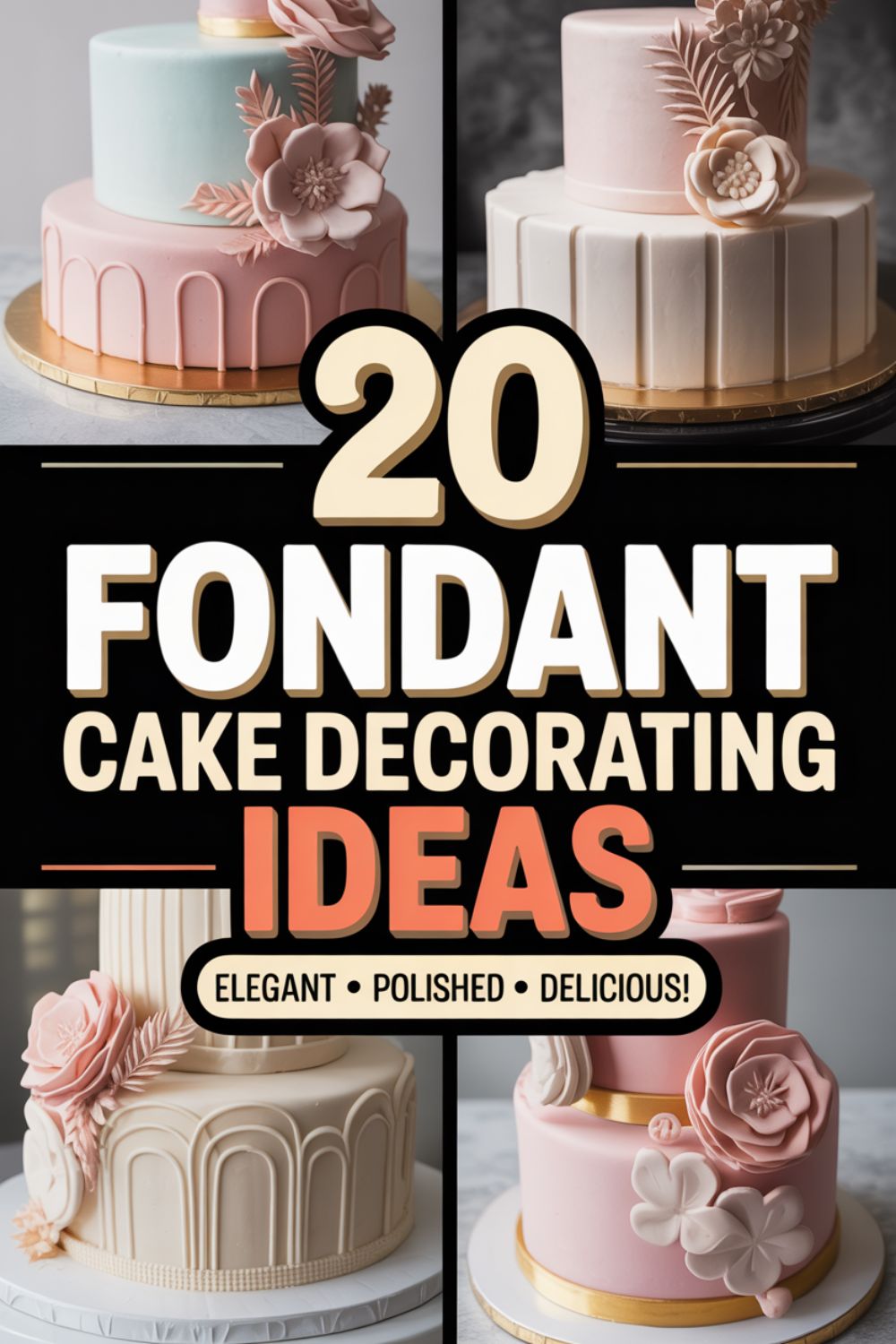
20 Fondant Cake Decorating Ideas That’ll Make You Look Like a Pro
Look, I’m going to be real with you—fondant gets a bad rap. People either love it or swear they hate it, usually because they’ve had some plasticky nightmare at a wedding buffet. But here’s the thing: when you work with quality fondant and actually know a few tricks, you can create cakes that look like they walked straight out of a bakery window. And honestly? It’s not nearly as hard as Instagram makes it look.
I’ve spent way too many late nights wrestling with fondant (and yes, there have been tears), but I’ve also figured out what actually works. Whether you’re decorating your first cake or you’re just tired of the same old buttercream swirls, these 20 fondant decorating ideas will give you the confidence to try something new. No fancy equipment required—just patience, a little creativity, and maybe some coffee.
Ready to transform that plain cake into something that’ll make people wonder if you secretly went to pastry school? Let’s get into it.
Getting Started with Fondant Basics
Why Fondant Actually Rocks (When You Do It Right)
Before we jump into the fancy stuff, let’s talk about why fondant is worth your time. Sure, buttercream is easier and tastes better to some people, but fondant gives you a smooth, flawless canvas that buttercream just can’t match. You can create sharp edges, vibrant colors, and intricate designs that would be impossible with frosting alone.
I used to think fondant was only for professional bakers until I realized it’s actually more forgiving than I thought. You can roll it out, move it around, reshape it, and even paint on it. Try doing that with buttercream without making a mess. Plus, according to Wilton’s fondant decorating guide, working with fondant can actually extend the shelf life of your decorated cakes since it creates a protective layer.
The secret? Good quality fondant and proper preparation. Cheap fondant tastes like sugary Play-Doh and cracks easier than your phone screen after one drop. Invest in decent stuff, and you’ll thank yourself later.
Must-Have Tools That Won’t Break the Bank
You don’t need a million tools to start working with fondant. Honestly, I’ve seen people create gorgeous cakes with just a rolling pin and a pizza cutter. But if you want to make your life easier, grab a basic fondant tool kit—it usually includes a smoother, a few cutters, and some shaping tools. I use this silicone rolling mat for everything because fondant doesn’t stick to it, and cleanup takes about five seconds.
One tool I genuinely can’t work without? A good fondant smoother. It’s basically a flat paddle that helps you get rid of bumps and air bubbles. Worth every penny, trust me.
1. Classic Smooth Finish with Ribbon Trim
Let’s start simple. A perfectly smooth fondant cake with a satin ribbon around the base looks elegant and professional. The trick is getting that fondant smooth without any wrinkles or air pockets—easier said than done on your first try.
Roll your fondant about 1/4 inch thick (use rolling pin guide rings if you’re like me and eyeballing thickness is not your strong suit). Drape it over your crumb-coated cake and smooth from the top down. Work slowly and use your smoother to push out air bubbles. Once it’s on, trim the excess at the bottom with a sharp knife or pizza cutter.
The ribbon trick is my favorite shortcut—it hides any imperfections at the base. Just wrap a coordinating satin ribbon around the bottom tier and secure it with a tiny dab of water or edible glue. Instant bakery vibes.
2. Ruffled Fondant Roses
Fondant roses sound intimidating, but they’re actually pretty forgiving. You roll out small circles of fondant, layer them in a spiral, and boom—you’ve got a rose. The ruffled effect happens when you thin out the edges of each petal with your finger or a ball tool.
I like making a bunch of these in different sizes and clustering them on one side of the cake for a romantic, garden-party look. They also freeze really well, so you can make them ahead of time. FYI, if you’re planning a celebration cake, these roses pair beautifully with other celebration cake ideas.
3. Geometric Patterns with Cut-Outs
Want something modern and clean? Geometric fondant designs are your friend. Use small cookie cutters or a sharp knife to cut out shapes—triangles, hexagons, circles—and arrange them in a pattern on your fondant-covered cake.
You can go monochromatic for a minimalist look or mix colors for something bolder. I’ve seen people create ombre effects by arranging shapes from light to dark, and it’s seriously stunning. The best part? It looks way harder than it actually is.
4. Hand-Painted Watercolor Effect
This one’s for anyone who likes to play with colors. You can literally paint on fondant using gel food coloring mixed with vodka or clear extract. The alcohol evaporates quickly, so the color sets without making the fondant soggy.
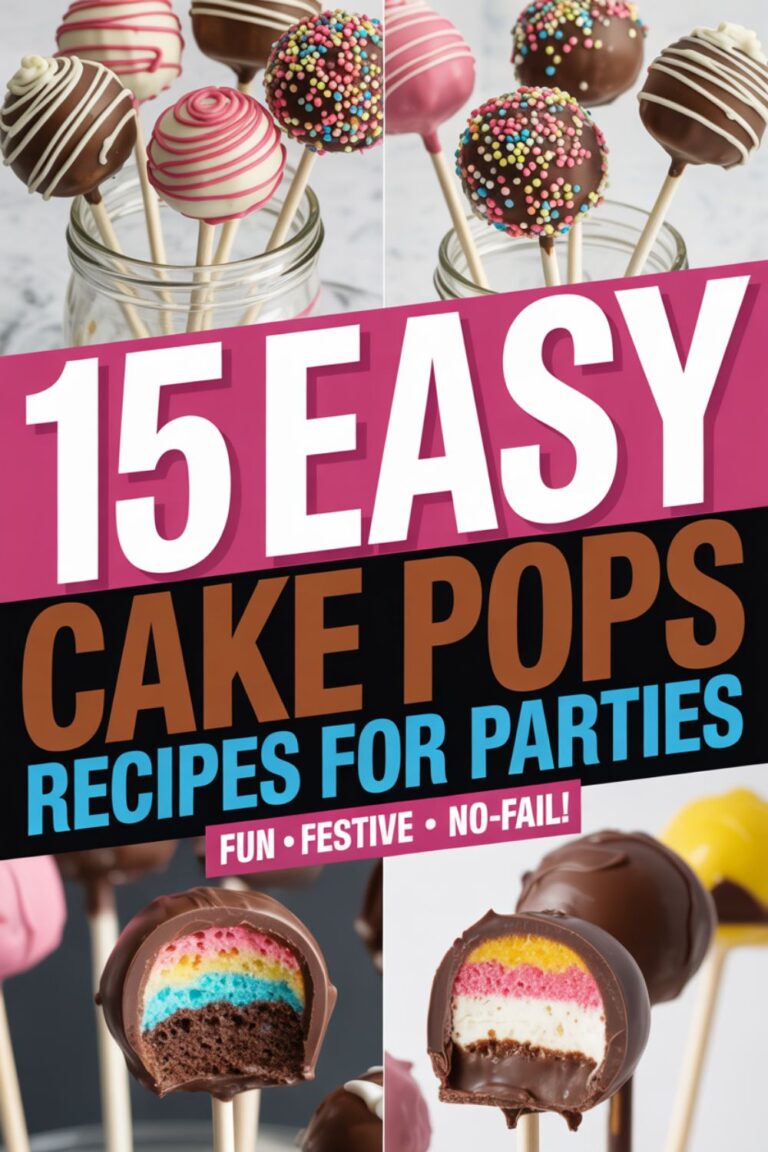
I usually start with a white fondant base and use soft, blended brush strokes to create a watercolor effect. Think sunset gradients or soft florals. It’s super forgiving because there’s no “right” way to do it—every cake turns out unique. If you want to practice your technique first, try decorating some easy cake pops before committing to a full cake.
5. Textured Fondant with Impression Mats
Impression mats are basically rubber stamps for fondant, and they’re ridiculously easy to use. Roll out your fondant, press the mat gently on top, and you’ve got an instant textured pattern—lace, quilted, damask, you name it.
I love using lace impression mats for wedding cakes or elegant birthday cakes. The texture adds so much visual interest without requiring any actual skill. Just make sure your fondant isn’t too sticky, or it’ll tear when you lift the mat. A light dusting of cornstarch usually does the trick.
Speaking of textures, if you’re into trying different cake styles, you might enjoy these unique cake flavor combinations that pair wonderfully with textured fondant designs.
6. Draping and Fabric Effect
This technique makes fondant look like actual fabric, complete with folds and drapes. It’s easier than it sounds—you roll out your fondant, then bunch and pleat it gently before applying it to the cake. The key is working quickly so the fondant doesn’t dry out and crack.
I’ve seen this used for toga-style cakes, elegant wedding cakes, and even vintage-inspired designs. According to Sugarcraft’s guide on fondant techniques, this method works best with marshmallow fondant or pliable store-bought fondant, as stiffer varieties tend to crack when manipulated.
Fondant Decorating Essentials I Actually Use
After years of trial and error (and more fondant fails than I’d like to admit), here’s what’s actually worth buying:
Physical Products:
- Wilton Fondant Multi-Pack – Comes in multiple colors, tastes decent, and doesn’t dry out too fast
- Complete Fondant Tool Set – 14 pieces including smoothers, cutters, and sculpting tools that won’t bend or break
- Non-Stick Rolling Mat with Measurements – Game-changer for getting even thickness every single time
Digital Resources:
- Master Fondant Decorating eBook – Step-by-step photo tutorials for 50+ techniques
- Cake Decorating Templates Bundle – Printable patterns and sizing guides for every tier size
- Video Course: Fondant Fundamentals – 3-hour workshop covering everything from covering cakes to making flowers
Want to connect with other cake decorators? Join our WhatsApp community where we share tips, troubleshoot disasters, and celebrate wins together.
7. Fondant Bows and Ribbons
A fondant bow adds instant elegance to any cake. You cut strips of fondant, loop them to create the bow shape, and let them dry in position. I usually stuff the loops with crumpled paper towels to help them hold their shape while drying.
The trick is making sure your strips aren’t too thick—about 1/8 inch works best. Too thick and they’ll look clunky; too thin and they’ll tear. You can also add a little tylose powder to your fondant to help it firm up faster and hold its shape better.
8. Quilted Pattern with Pearl Accents
This classic technique screams “fancy” without being overly complicated. Use a quilting tool or even a ruler to create diamond patterns on your fondant. Then add edible pearls or dragées at each intersection point.
I use edible pearl dust mixed with clear extract to “glue” the pearls in place. The quilted look works beautifully for wedding cakes, anniversary cakes, or any time you want something elegant but not over-the-top. If you’re working on a special occasion cake, check out these DIY wedding cake ideas for more inspiration.
9. Ombré Petal Effect
This one takes a bit more time but looks absolutely gorgeous. You create hundreds of small fondant petals in gradually changing colors and attach them to your cake in overlapping rows, starting from the bottom and working up.
The ombré effect happens by mixing your fondant colors in stages—starting dark at the bottom and gradually adding more white as you work your way up. I won’t lie, it’s tedious. But the end result is so worth it, especially for spring celebrations or baby showers.
10. Simple Polka Dots and Stripes
Sometimes simple is better. Polka dots and stripes are classic for a reason—they’re clean, cute, and surprisingly versatile. Use circle cutters for perfectly uniform dots, or go freehand for a more whimsical look.
For stripes, I cut long strips of contrasting fondant and lay them vertically or horizontally on my base layer. You can mix sizes and colors for a playful effect, or keep it monochromatic for something more sophisticated. This technique pairs really well with fun kids’ birthday cake themes.
11. 3D Fondant Figures and Toppers
Making fondant figures is basically edible sculpture, and honestly, it’s addictive once you get the hang of it. Start simple—maybe a teddy bear or a simple flower. You shape different colors of fondant into balls, logs, and teardrops, then stick them together with a tiny bit of water.
I use tylose powder or gum paste mixed into my fondant when making figures because it helps everything dry faster and hold its shape. The figures need at least 24 hours to dry completely, so plan ahead. You can also make them weeks in advance and store them in a cool, dry place.
12. Marbled Fondant Effect
The marbled look is surprisingly easy and always gets people asking “how’d you do that?” You take two or more colors of fondant, twist them together loosely, then roll them out. The colors swirl together creating a natural marble pattern.
Don’t overwork it—you want distinct swirls, not a muddy mess. I usually use complementary colors like navy and gold, or pink and white. The randomness of the pattern means every cake is unique, which I love.
For more creative color combinations and techniques, these rainbow cake ideas offer great inspiration for working with multiple colors.
13. Embossed Monograms and Letters
Personalization makes any cake feel special. You can use letter cutters, embossing stamps, or even hand-cut monograms from fondant and apply them to your cake. I like to cut the letters from a contrasting color and let them dry slightly before attaching them—makes them stand out more.
For a more subtle look, you can emboss the letters directly into the fondant while it’s still soft using alphabet stamps. Brush a little luster dust or gold paint over the embossed areas to make them pop.
Tools & Resources That Make Decorating Easier
These are the items that have genuinely made my fondant work less frustrating and more enjoyable:
Game-Changing Tools:
- Adjustable Cake Turntable – Smooth rotation makes covering cakes and adding details so much easier
- Fondant Embosser Set with Alphabet – Perfect letters every time without the stress of hand-cutting
- Food-Safe Paintbrush Set – Different sizes for everything from broad strokes to tiny details
Digital Guides:
- Color Mixing Chart for Fondant – Printable guide showing exactly how to mix any color you need
- Fondant Figure Templates – Downloadable step-by-step instructions for popular characters and animals
- Troubleshooting Guide eBook – Solutions to 100+ common fondant problems (cracking, tearing, sweating, etc.)
14. Ruffled Tiers and Layers
Ruffles add drama and movement to a cake. You create them by cutting strips of fondant, then using a ball tool or your finger to thin and ruffle one edge. Attach the unruffled edge to your cake in rows, working from bottom to top.
I love this technique for vintage-inspired cakes or romantic designs. It does take time—plan on spending at least an hour per tier—but the texture and dimension it creates are absolutely stunning. If you’re making a special celebration cake, browse through these anniversary cake designs for more layered decoration ideas.
15. Cut-Out Lace and Doily Patterns
Lace cutters or silicone molds let you create delicate, intricate patterns that look incredibly professional. Roll out white or ivory fondant thin, press your lace cutter or mold, and carefully peel away the excess. What’s left is a beautiful lace pattern you can drape over your cake.
This technique works beautifully for wedding cakes or vintage-themed celebrations. The key is rolling your fondant thin enough—about 1/16 inch—so the details come through clearly. I use a small offset spatula to carefully lift and position the delicate lace pieces.
16. Gold and Metallic Accents
Nothing says “fancy” quite like gold leaf or metallic finishes. You can brush edible gold dust directly onto dried fondant details, or apply actual edible gold leaf sheets for a luxurious look.
I mix my gold dust with a few drops of vodka or clear vanilla extract to create a paint-like consistency. It dries quickly and gives a beautiful shimmer. You can use it to highlight fondant flowers, borders, or even create hand-painted designs. Just remember—a little goes a long way. Too much metallic can look tacky rather than elegant.
17. Fondant Succulents and Modern Florals
If traditional roses aren’t your thing, try making fondant succulents. They’re trendy, easier than roses, and perfect for modern, minimalist cakes. You shape small teardrop pieces of fondant in shades of green and grey, then layer them in a rosette pattern.
I usually make these a day ahead so they have time to firm up. You can cluster them together, mix in a few cacti for variety, or pair them with simple geometric shapes for a desert-inspired look. IMO, succulents are way more forgiving than traditional flowers because they’re supposed to look a bit chunky and imperfect.
18. Wood Grain and Rustic Textures
For rustic or woodland-themed cakes, you can create a convincing wood grain effect with fondant. Color your fondant in shades of brown, then use a wood grain tool or even a clean comb to drag lines through the surface.
Layer different shades for a more realistic look—mix light tan, medium brown, and dark chocolate brown. Work the tool in slightly wavy lines to mimic natural wood patterns. This technique is perfect for nature-themed celebrations or rustic weddings. Pair it with fondant mushrooms, leaves, or woodland creatures for a complete look.
19. Stacked Book Cake with Fondant Covers
This is a fun one for book lovers or graduation cakes. You bake rectangular cakes, stack them to look like books, then cover each “book” with fondant in different colors. Add fondant details like spine decorations, titles, and page edges.
I use a knife or embossing tool to create texture that looks like leather binding or fabric book covers. You can even add fondant bookmarks, reading glasses, or a little fondant worm peeking out. It’s quirky and always gets compliments. These work great alongside other creative graduation cake themes.
20. Buttercream and Fondant Combo
Here’s a secret: you don’t have to choose between fondant and buttercream. Some of the prettiest cakes combine both. Use a smooth fondant base, then pipe buttercream details on top—rosettes, borders, or text.
This combo gives you the best of both worlds: the smooth, flawless finish of fondant with the delicious taste and texture of buttercream. I especially like using buttercream for borders and florals because they’re easier to pipe than fondant versions. Plus, people who complain about fondant taste will appreciate the buttercream elements.
If you want to practice your piping skills before committing to a whole cake, try working with different frosting types and flavors to find combinations you love.
Common Fondant Mistakes (And How to Fix Them)
Let me save you some frustration by sharing the mistakes I’ve made so you don’t have to. Fondant cracking is usually because it’s either too dry or you’re rolling it too thin. If it cracks while you’re covering the cake, use your hands to gently warm and smooth the fondant—your body heat helps it become pliable again.
Air bubbles happen when you don’t smooth properly as you apply the fondant. If you see one, poke it with a pin and smooth it out immediately. The fondant usually seals back up without leaving a mark.
Sweating fondant (when moisture forms on the surface) happens in humid environments or if your cake is too cold when you apply it. Let your cake come to room temperature before covering, and if you live somewhere humid, add a dehumidifier to your workspace or run the AC while decorating.
Frequently Asked Questions
How far in advance can I decorate a cake with fondant?
You can cover a cake with fondant up to 3-4 days in advance if you store it properly in a cool, dry place. Fondant decorations like flowers and figures can be made weeks ahead and stored in an airtight container. Just avoid refrigerating fondant-covered cakes unless absolutely necessary, as condensation can ruin the finish.
Can I use fondant on buttercream frosting?
Absolutely, and I actually recommend it. A thin layer of buttercream under your fondant helps it stick and creates a smoother finish. Just make sure your buttercream crumb coat is firm and cold before applying fondant. Let it chill in the fridge for at least 30 minutes so the fondant doesn’t slide around.
Why does my fondant keep cracking?
Cracking usually happens because your fondant is too dry or you’re rolling it too thin. Knead your fondant thoroughly before rolling to make it pliable, and work relatively quickly so it doesn’t dry out. If you’re in a dry climate, add a tiny bit of shortening while kneading to keep it flexible.
What’s the best way to color fondant?
Use gel food coloring rather than liquid, as liquid can make fondant sticky and harder to work with. Knead the color in gradually until you reach your desired shade. Wear gloves to avoid staining your hands, and remember that colors deepen slightly as the fondant sits.
How do I store leftover fondant?
Wrap it tightly in plastic wrap, then place it in an airtight container or zip-top bag. Store at room temperature—never in the fridge or freezer. Properly stored fondant can last several months. Before using stored fondant, knead it well to restore its pliability.
Final Thoughts
Look, fondant decorating isn’t some mystical skill that only professional bakers possess. It’s a learnable craft that gets easier every time you practice. Will your first fondant cake be perfect? Probably not. Mine sure wasn’t—I think I cried actual tears over air bubbles and elephant-skin texture. But your fifth or tenth cake? Those will be pretty impressive.
The beauty of these 20 techniques is that you can mix and match them based on your skill level and time. Starting with a simple smooth finish and a ribbon? Perfect. Ready to tackle ruffles and 3D figures? Go for it. There’s no wrong way to be creative.
My advice? Pick one technique that speaks to you and just try it. Don’t stress about perfection. Half the fun is in the learning process, and honestly, even “imperfect” homemade cakes taste better and mean more than anything you’d buy at a store. So grab that fondant, roll up your sleeves, and make something beautiful. You’ve got this.