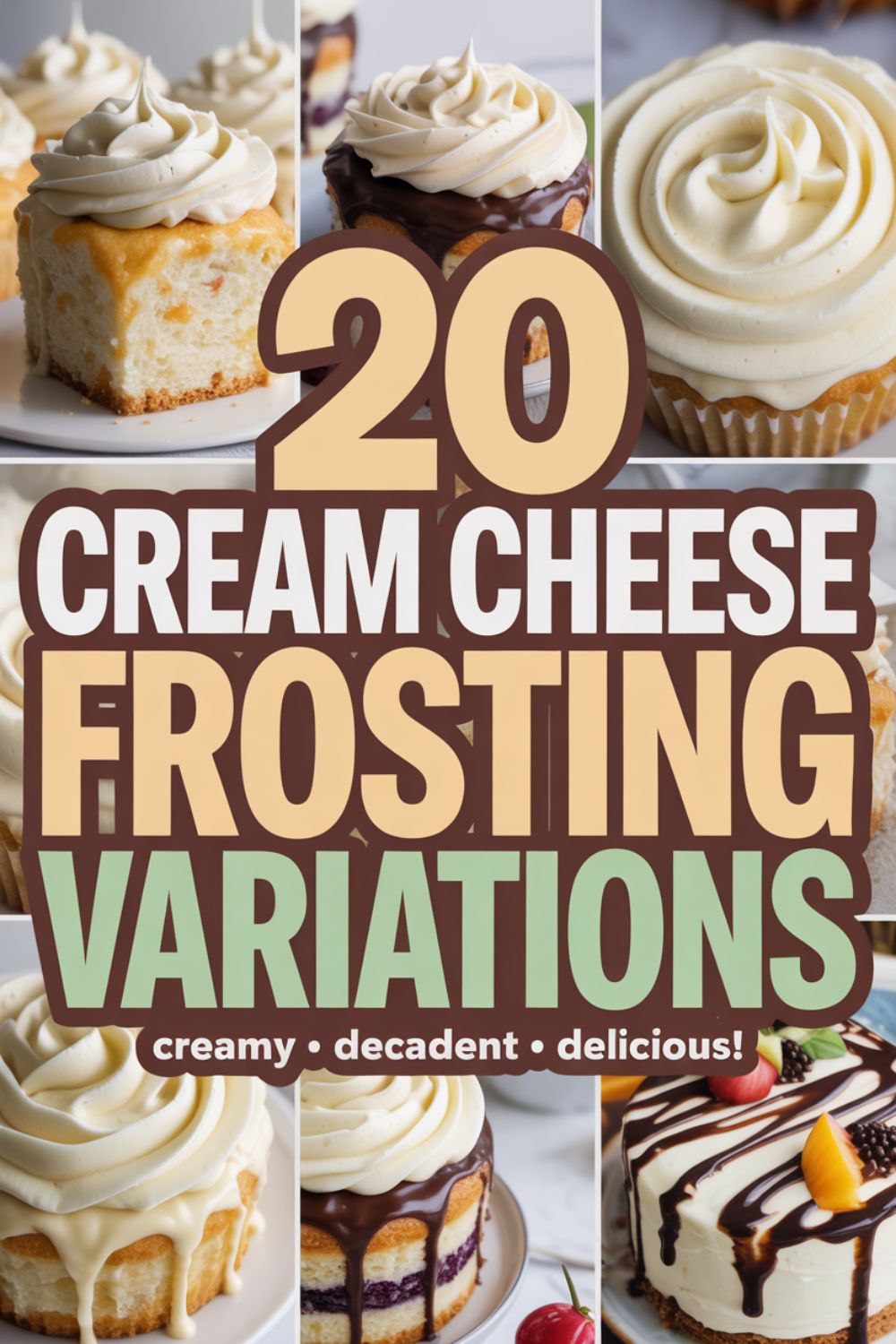
20 Cream Cheese Frosting Variations That’ll Make You Forget Store-Bought Ever Existed
Look, I’m just going to say it: cream cheese frosting is the undisputed champion of all frostings. Buttercream can sit down. Royal icing? Please. There’s something about that tangy, creamy, not-too-sweet perfection that transforms even the most basic cake into something you’d happily eat straight from the mixing bowl with a spoon. And yes, I’ve done that more times than I care to admit.
The best part? Cream cheese frosting is ridiculously forgiving. You can twist it, flavor it, and jazz it up in about a million different ways without turning into a pastry chef or investing in fancy equipment. I’ve been experimenting with cream cheese frosting variations for years now, and honestly, some of my best discoveries happened when I was just throwing random ingredients together to see what would stick.
Whether you’re frosting carrot cake, red velvet cupcakes, or just want something incredible to spread on graham crackers at 11 PM, these twenty variations will seriously upgrade your frosting game. Trust me on this one.
Why Cream Cheese Frosting Beats Everything Else
Before we get into the variations, let’s talk about why cream cheese frosting deserves its own pedestal. Unlike buttercream, which can feel like you’re eating straight sugar, cream cheese frosting has this built-in tanginess that cuts through the sweetness. Cream cheese naturally brings fat and protein to the party, which means you get a richer, more complex flavor without dumping in extra butter.
The texture is another winner. When you whip cream cheese with butter and powdered sugar, you create this impossibly smooth, pipeable consistency that holds its shape but still melts in your mouth. It’s firm enough for layer cakes but soft enough that it doesn’t crack your teeth like some royal icings I’ve encountered.
And here’s the thing nobody tells you: cream cheese frosting actually tastes better the next day. The flavors meld together, and it develops this almost cheesecake-like quality that makes leftovers dangerous to keep in your fridge. I speak from experience here.
The Classic Foundation: Getting Your Base Right
Every great cream cheese frosting starts with the same basic ratio. You want 8 ounces of cream cheese, 1/2 cup of butter, 4 cups of powdered sugar, and 1 teaspoon of vanilla extract. This gives you enough frosting for a two-layer 9-inch cake or about 24 cupcakes.
Here’s where most people mess up: they add the powdered sugar too fast and end up wearing a cloud of white dust. I learned this lesson the hard way, and my kitchen looked like it had snowed indoors. Add your sugar one cup at a time with the mixer on low, then crank it up once everything’s incorporated.
The butter-to-cream-cheese ratio matters more than you’d think. Too much butter and your frosting tastes like buttercream with commitment issues. Too much cream cheese and it becomes too tangy and won’t hold its shape. That 1:1 ratio by weight is your sweet spot.
1. Classic Vanilla Bean Cream Cheese Frosting
Start with the OG. Instead of vanilla extract, scrape the seeds from one whole vanilla bean into your frosting. The visual speckles look fancy, and the flavor is exponentially better than extract alone. I picked up this vanilla bean scraper tool last year, and it’s genuinely made the whole process less annoying.
The tiny black flecks tell everyone you didn’t cut corners, even though this variation takes exactly zero extra effort. Works beautifully on pound cakes or any simple vanilla base where you want the frosting to be the star.
2. Brown Butter Cream Cheese Frosting
This one requires an extra ten minutes, but it’s worth every second. Brown your butter in a saucepan until it smells nutty and turns golden brown, then let it cool completely before using it in your frosting. The result tastes like someone crossed cream cheese frosting with a pecan pie, and I mean that as the highest compliment.
Just make sure that butter is completely cool before you add it, or you’ll end up with cream cheese soup. I use this small saucepan with a light-colored interior so I can actually see when the butter hits that perfect amber color.
3. Honey Cinnamon Cream Cheese Frosting
Replace half the powdered sugar with honey and add two teaspoons of ground cinnamon. This variation was born when I ran out of powdered sugar halfway through frosting a batch of morning glory muffins and just started improvising. Now it’s my go-to for anything with warm spices.
The honey adds moisture and a floral sweetness that plays incredibly well with cinnamon. Fair warning though: this frosting is softer than the classic version, so if you need it to hold perfect rosettes, maybe save this one for spreading situations.
Fruity and Fresh Variations
4. Lemon Zest Cream Cheese Frosting
Add the zest of two lemons plus two tablespoons of fresh lemon juice to your base recipe. This creates a bright, zingy frosting that’s perfect for lemon cakes or blueberry muffins. The acidity from the lemon juice also helps cut through super sweet cake bases.
I use this microplane zester for all my citrus needs. It gets those fine, feathery ribbons of zest without any of the bitter white pith, and it’s sharp enough that you’re not standing there forever trying to zest a lemon.
5. Strawberry Cream Cheese Frosting
Puree half a cup of fresh strawberries and reduce them in a saucepan until you’ve got about two tablespoons of super concentrated strawberry syrup. Let it cool, then fold it into your frosting. The reduction step is crucial because fresh fruit adds too much moisture otherwise.
This tastes like spring exploded in your mouth, and it’s gorgeous on strawberry cakes or vanilla cupcakes. The natural pink color is subtle and pretty without looking like you used food coloring.
6. Orange Cream Cheese Frosting
Orange zest and two tablespoons of fresh orange juice create this creamsicle-like situation that’s ridiculously good. I’ve found that adding a quarter teaspoon of orange extract really amplifies the orange flavor without making the frosting too runny. Get Full Recipe
This one’s a sleeper hit on chocolate cakes. I know it sounds weird, but the chocolate-orange combination is classic for a reason, and the cream cheese frosting bridges the gap between the two flavors beautifully.
7. Raspberry Swirl Cream Cheese Frosting
Make your base frosting, then swirl in seedless raspberry jam right before frosting your cake. Don’t mix it completely—those pretty pink streaks are part of the appeal. Works great on red velvet cakes where you want something fruity but not too intense.
I keep these squeeze bottles around specifically for creating clean swirls in frosting. You can control the jam placement way better than with a spoon, and it makes the whole process feel kind of artistic.
If you’re looking for more ways to work with berries in your baking, you might want to check out some unique cake flavors that highlight seasonal fruits, or try these incredibly moist cake recipes that pair perfectly with fruit-forward frostings.
Decadent Chocolate and Coffee Variations
8. Dark Chocolate Cream Cheese Frosting
Melt four ounces of dark chocolate and let it cool slightly before beating it into your frosting. The cream cheese keeps it from being too sweet, and you end up with this sophisticated, almost truffle-like frosting that adults actually want to eat.
I’m pretty particular about chocolate quality here. Those Ghirardelli 60% cacao chocolate chips melt smoothly and have the right level of bitterness to balance the sweetness. Cheaper chocolate sometimes seizes up or tastes waxy.
9. Mocha Cream Cheese Frosting
Dissolve two tablespoons of instant espresso powder in one tablespoon of hot water, then add it to your frosting along with two tablespoons of cocoa powder. The coffee amplifies the chocolate flavor like crazy, and you get this grown-up frosting that’s perfect for coffee-flavored cakes.
FYI, instant espresso powder is way better than regular instant coffee for baking. It dissolves more easily and has a more concentrated flavor, so you don’t need as much.
10. White Chocolate Cream Cheese Frosting
Melt six ounces of good white chocolate and fold it into your base recipe. This creates an ultra-creamy, sweet frosting that’s amazing on lemon poppy seed cake or anything with berries. White chocolate can be finicky when melting, so I always use this double boiler insert that fits over my existing pots.
The trick is making sure your white chocolate is completely cool before adding it. If it’s too warm, it’ll melt your cream cheese and you’ll have a liquidy mess instead of frosting.
11. Nutella Cream Cheese Frosting
Beat half a cup of Nutella into your base frosting and reduce the powdered sugar to three cups. The Nutella brings its own sweetness and that incredible hazelnut-chocolate flavor that makes people think you’re way fancier than you actually are.
This variation is slightly softer than classic cream cheese frosting, so it’s better for spreading than piping elaborate decorations. Works ridiculously well on banana cakes where the banana-hazelnut combination feels almost European.
Baking Essentials I Actually Use
After years of testing cream cheese frosting variations, here’s what actually lives on my counter:
- KitchenAid Stand Mixer – Worth every penny for consistent, lump-free frosting
- OXO Good Grips Offset Spatula Set – Small and large sizes for smooth frosting application
- Ateco Decorating Tips Set – Makes piping actually enjoyable instead of frustrating
- The Ultimate Frosting Techniques eBook – Digital guide with troubleshooting tips
- Flavor Pairing Master Guide – Takes the guesswork out of combining flavors
- Baking Conversion Calculator – Because math at 10 PM is nobody’s strength
Want more baking tips and exclusive recipe testing? Join our WhatsApp Baking Community where we share weekly experiments and troubleshoot disasters together.
Nutty and Spiced Variations
12. Maple Pecan Cream Cheese Frosting
Replace one cup of powdered sugar with pure maple syrup and fold in half a cup of finely chopped toasted pecans. This tastes like fall in a bowl and works beautifully on apple cakes or spice cakes.
Real maple syrup makes a huge difference here. The fake stuff has a weird chemical aftertaste that you’ll definitely notice. I toast my pecans in this small cast iron skillet because it distributes heat evenly and I can actually watch them without burning half the batch.
13. Brown Sugar Cream Cheese Frosting
Swap out half the powdered sugar for packed brown sugar. You’ll need to beat it longer to dissolve the brown sugar completely, but the molasses notes add this deep, caramel-like complexity that’s incredible on oatmeal cookies or spice cakes.
This frosting tastes better the day after you make it. Something about letting those brown sugar flavors meld overnight creates this almost butterscotch situation that’s dangerously good straight from the fridge.
14. Pistachio Cream Cheese Frosting
Grind half a cup of shelled pistachios into a fine powder, then fold them into your frosting along with a quarter teaspoon of almond extract. The pale green color is gorgeous, and the flavor is sophisticated without being weird.
I use this small food processor specifically for grinding nuts. It pulverizes them into powder without turning them into butter, which is exactly what you need here. This frosting is amazing on almond cakes or anything with citrus.
15. Chai Spice Cream Cheese Frosting
Add two teaspoons of chai spice blend to your base recipe. You get cardamom, cinnamon, ginger, and cloves all working together in this warm, cozy frosting that’s perfect for breakfast cakes or anything you’d eat with coffee.
I make my own chai spice blend because store-bought versions can be inconsistent, but honestly, a good quality pre-made blend works fine here. Just make sure it’s fresh—spices lose their punch after about six months sitting in your cabinet.
Unique and Unexpected Variations
16. Bourbon Cream Cheese Frosting
Add two tablespoons of good bourbon to your base recipe. The alcohol mostly cooks off, but you’re left with this warm, oaky flavor that’s incredible on chocolate cakes or anything with pecans. This is decidedly a grown-up frosting situation.
Don’t use the cheap bourbon you keep for parties. You want something you’d actually drink here because those flavor notes come through. And before anyone asks, yes, you can taste the bourbon, so maybe save this one for adult gatherings.
17. Coconut Cream Cheese Frosting
Replace the butter with coconut oil and add half a cup of toasted coconut flakes. The coconut oil gives you this tropical flavor that’s amazing on coconut cakes or pineapple cakes. Get Full Recipe
Refined coconut oil doesn’t have that strong coconut flavor, so use unrefined if you really want the tropical notes to shine through. I toast my coconut flakes on this rimmed baking sheet and watch them like a hawk because they go from golden to burned in about thirty seconds.
18. Salted Caramel Cream Cheese Frosting
Fold in half a cup of store-bought caramel sauce and add three quarters of a teaspoon of flaky sea salt. The salt cuts through the sweetness and amplifies the caramel flavor in this completely addictive way. This is the frosting equivalent of salted caramel ice cream, and I’ve seen people scrape it off cakes to eat separately.
Make sure you’re using thick caramel sauce here, not the thin stuff meant for ice cream toppings. The thicker sauce won’t make your frosting runny. I keep this squeeze bottle of caramel in my pantry specifically for baking because it’s the perfect consistency.
19. Cream Cheese Buttercream Hybrid
Use equal parts cream cheese and butter (one cup each) with your powdered sugar. This creates a frosting that pipes better than pure cream cheese frosting but still has that tangy flavor. It’s more stable at room temperature too, which makes it great for birthday cakes that’ll sit out for a while.
This is my secret weapon for fancy decorated cakes where I need the frosting to hold its shape but still taste better than straight buttercream. It’s basically the best of both worlds without the commitment issues.
20. Lavender Honey Cream Cheese Frosting
Steep one tablespoon of culinary lavender in two tablespoons of honey for fifteen minutes, strain out the flowers, then beat the infused honey into your frosting. This tastes floral without being soapy, which is the delicate balance you’re going for with lavender desserts.
Make absolutely sure you’re using culinary lavender here, not the decorative stuff from craft stores. The eating kind is specifically grown without pesticides, and it makes a huge difference in both safety and flavor. This frosting is gorgeous on lemon cakes or simple vanilla bases.
Speaking of variations, if you love playing with different cake and frosting combinations, you’ll probably want to explore these frosting recipes that work on literally any cake, or try some bundt cakes that look fancy but are actually super simple.
Tools That Make Frosting Actually Fun
Here’s what transformed frosting from frustrating to enjoyable for me:
- Wilton Decorating Turntable – Smooth, even frosting without the back pain
- Ateco Bench Scraper – Creates those sharp, professional edges on layer cakes
- Reusable Piping Bags – Better for the planet and way less wasteful than disposables
- Advanced Frosting Techniques Video Course – Actually teaches you the fundamentals
- Cake Decoration Idea Library – Digital inspiration when you’re stuck
- Seasonal Flavor Pairing Guide – Helps you think outside the vanilla box
Common Cream Cheese Frosting Problems and Fixes
Let’s talk about what goes wrong and how to fix it, because I’ve made every possible cream cheese frosting mistake at least twice.
Frosting is too runny: You either added too much liquid or your cream cheese was too warm. Stick the whole bowl in the fridge for fifteen minutes, then rewhip it. If it’s still soupy, add more powdered sugar a quarter cup at a time until it firms up.
IMO, temperature is your biggest enemy with cream cheese frosting. Room temperature ingredients are crucial, but if your kitchen is super warm, everything can get too soft too fast. I’ve actually frosted cakes in my basement during summer heat waves because my upstairs kitchen was just too hot.
Frosting is lumpy: Your cream cheese was too cold or you didn’t beat it long enough. Strain it through a fine-mesh sieve to remove the lumps, then rewhip it for another minute or two. Prevention is easier though—just make sure everything’s genuinely at room temperature before you start.
Frosting tastes too tangy: Increase your butter ratio slightly or add an extra cup of powdered sugar. Some brands of cream cheese are tangier than others, so you might need to adjust based on what you’re using. Philadelphia tends to be milder, while store brands can be sharper.
Frosting won’t hold piped shapes: It’s too warm or has too much liquid. Chill it for twenty minutes and try again. You can also add a tablespoon of cornstarch to help stabilize it without changing the flavor much.
Frequently Asked Questions
Can I make cream cheese frosting ahead of time?
Absolutely. Make it up to five days ahead and store it in an airtight container in the fridge. Just bring it back to room temperature and rewhip it before using. The texture might look a little separated when you first pull it out, but thirty seconds of mixing fixes that completely. Some people actually prefer the flavor after it’s sat for a day because all those flavors have time to marry together.
Why does my cream cheese frosting separate or look curdled?
This usually happens when your ingredients are at different temperatures. If you add cold cream cheese to warm melted chocolate, for example, the fat seizes up and separates. Everything needs to be at the same temperature—ideally room temp—before you mix. If it happens, you can sometimes save it by warming the bowl slightly with your hands while continuing to beat it, but prevention is definitely easier than fixing it.
Can I use cream cheese frosting for decorating cakes that will be out for hours?
Cream cheese frosting is more stable than people think, especially if you use the hybrid version with extra butter. That said, it will soften in warm weather or heated rooms. For outdoor events or long parties, consider the hybrid version with equal parts butter and cream cheese, or keep your cake refrigerated until the last possible moment. Once it’s been out for more than three hours in warm conditions, you should refrigerate any leftovers.
What’s the best way to get smooth, professional-looking cream cheese frosting on a cake?
Use a bench scraper and a turntable for those sharp edges everyone loves. Start with a crumb coat—a thin layer of frosting that seals in crumbs—then chill the cake for twenty minutes. Your second coat of frosting will go on way smoother over that sealed base. Hold your bench scraper at a slight angle while spinning the turntable, and don’t worry about perfection on your first try. Even professionals do multiple passes to get those clean lines.
Can I freeze cakes with cream cheese frosting?
Yes, and they actually freeze really well. Wrap individual slices or whole cakes tightly in plastic wrap, then in aluminum foil. They’ll keep for up to three months in the freezer. Thaw them overnight in the fridge, not on the counter, so condensation doesn’t make your frosting weepy. The texture stays surprisingly good, though I’ll admit fresh is always better if you have the option.
Final Thoughts
Here’s what I’ve learned after years of making cream cheese frosting in every possible variation: the best version is the one you’ll actually make. Some of these are weeknight simple, like the classic vanilla bean situation. Others, like the bourbon pecan version, are more weekend project territory.
The beauty of cream cheese frosting is that it’s nearly impossible to completely ruin. Sure, you might end up with something softer or tangier than you planned, but it’ll still taste good on cake. And honestly? Sometimes those happy accidents turn into your new favorite variation.
Start with the classic recipe, get comfortable with the basic technique, then branch out into the weird and wonderful variations. Your cakes will thank you, your friends will ask for recipes, and you’ll never look at store-bought frosting the same way again. Worth it.