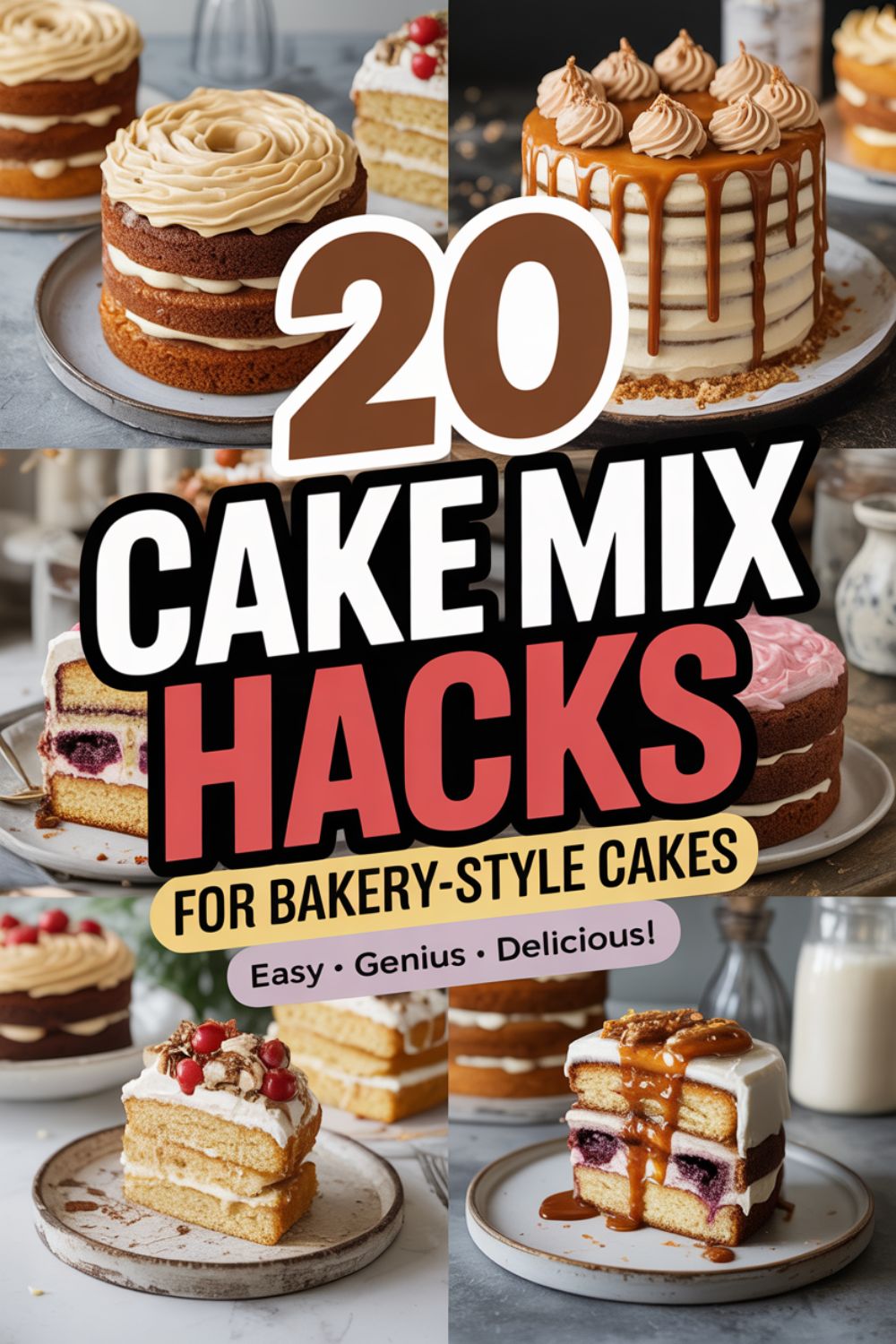
20 Cake Mix Hacks for Bakery-Style Cakes
We’ve all been there—staring at rows of cake mix boxes at the grocery store, wondering if we’re somehow cheating by not making everything from scratch. But here’s the truth nobody talks about: bakeries use mixes too. The difference? They know the tricks that transform basic batter into something you’d pay fifteen dollars a slice for.
I spent years pretending I made everything from scratch until one day my aunt—who ran a bakery for twenty years—let me in on the secret. Most of those “signature” cakes customers raved about? Started with a box mix. Mind blown, right?
These hacks aren’t about cutting corners. They’re about understanding what makes cake actually taste like cake, and giving boxed mix the boost it desperately needs. Some of these tricks involve basic cake chemistry that even professional bakers swear by.
The Foundation Swaps That Change Everything
The biggest difference between box mix and bakery cake isn’t magic—it’s fat and moisture. Standard cake mix instructions tell you to use oil and water, which is basically the recipe for “meh.” We’re fixing that immediately.
Replace Water with Buttermilk or Sour Cream
Water does exactly one thing: makes the mix wet. Buttermilk adds tang, tenderness, and that subtle richness you taste in expensive cakes. The acid in buttermilk also reacts with the leavening agents in the mix, creating a fluffier crumb.
If you don’t have buttermilk, sour cream works too. Just thin it out with a splash of milk until it’s pourable. I’ve used Greek yogurt in a pinch, and honestly? Nobody noticed the difference. The point is getting some acidity and fat into that batter.
Swap Oil for Melted Butter
Oil makes cake moist, sure. But butter makes cake taste like something you’d actually crave. The difference is like comparing cardboard to clouds—both technically work, but only one makes you happy.
Use the same amount of melted butter as the oil the recipe requires. I keep one of these European-style butter dishes specifically for baking projects because the higher fat content makes an even bigger difference. Just melt it, let it cool slightly so it doesn’t cook the eggs, and proceed.
Some people worry about butter making cakes dense. That’s only true if you’re using cold butter. Melted butter blends smoothly and keeps everything light. Trust me on this—I’ve made this mistake enough times to know.
Add an Extra Egg or Two
Most cake mixes call for two or three eggs. Add one or two more. Eggs contribute structure, moisture, and that tender crumb that screams “expensive bakery.” The extra egg yolks specifically add richness and a deeper yellow color that makes people think you used fancy ingredients.
There’s actual chemistry happening here—egg proteins form networks during baking that trap air and create lift. More eggs mean more protein structure, which means better texture.
Flavor Boosters That Make People Ask for Recipes
Okay, so you’ve upgraded the basics. Now we’re getting into the fun stuff—the additions that make your cake taste like it came from a place with a French name and a line out the door.
Vanilla Extract—But Make It Extra
The box tells you to add vanilla. Cool. Add triple that amount. Most cake mixes have barely enough flavor to register on human taste buds. You need to go rogue here.
I use a full tablespoon of vanilla extract in a standard cake mix, sometimes more if I’m feeling fancy. Real vanilla extract from Madagascar makes a noticeable difference, but honestly, even the cheap stuff works if you use enough of it.
Want to get really wild? Try vanilla bean paste. It’s pricier, but those little specks throughout the cake make people think you hand-scraped vanilla pods like some kind of pastry chef.
Speaking of vanilla-forward desserts, if you’re into classic flavors, you’ll absolutely love these easy cookie recipes that also benefit from that extra vanilla boost. Plus, classic chocolate chip cookies are always a crowd-pleaser when you’re already in baking mode.
Instant Pudding Mix
This is the hack that converted me from a cake mix skeptic to a full believer. Add a 3.4-ounce box of instant pudding mix to your cake batter. Any flavor works—vanilla for white cake, chocolate for chocolate cake, lemon for… you get the idea.
The pudding mix doesn’t just add flavor. It adds moisture, tenderness, and somehow makes the cake stay fresh longer. I’ve had cakes with pudding mix stay moist for four days, which is basically unheard of for cake.
Don’t prepare the pudding—just dump the dry powder directly into your batter. It sounds weird, I know. But this is one of those things where you just have to trust the process and not ask too many questions.
Espresso Powder in Chocolate Cake
Even if you don’t drink coffee, add a tablespoon of espresso powder to chocolate cake mix. It doesn’t make the cake taste like coffee. It amplifies the chocolate flavor in a way that makes people think you used fancy imported cocoa.
Instant espresso powder dissolves right into the batter and creates depth that regular chocolate cake mix desperately lacks. This is the difference between “yeah, that’s chocolate cake” and “wait, what did you put in this?”
Texture Transformations
Now we’re getting into the modifications that change how your cake feels, not just how it tastes. This is where you go from good cake to “I would fight someone for the last slice” cake.
Sour Cream for Extra Moisture
I mentioned sour cream earlier as a water substitute, but you can also add it in addition to your liquids. Half a cup of sour cream folded into the batter creates this impossibly moist texture that makes people suspicious.
The tang from sour cream balances sweetness too, which is crucial because most cake mixes are aggressively sweet. This little addition creates complexity that makes your taste buds actually pay attention.
Mayonnaise—Yes, Really
Before you close this tab, hear me out. Mayo is just eggs and oil emulsified together. Adding a third of a cup to your cake mix creates this tender, almost custardy crumb that’s impossible to achieve otherwise.
It sounds absolutely unhinged. I thought the same thing until my grandmother insisted I try it in a chocolate cake. Now I’m the unhinged one recommending mayo in desserts. You won’t taste it—I promise. You’ll just taste the best chocolate cake you’ve made from a box.
Cream Cheese for Pound Cake Vibes
Want your cake to have that dense, rich quality of pound cake? Add four ounces of softened cream cheese to your batter. Beat it with the butter first, then add everything else.
This works especially well with vanilla or lemon cake mix. The cream cheese adds a subtle tang and creates a tighter crumb structure that feels more substantial. It’s the difference between fluffy celebration cake and sophisticated tea-time cake.
Essential Baking Tools That Make These Hacks Easier
Look, you don’t need a million gadgets to bake a great cake. But having the right tools makes the whole process less annoying and more fun. Here’s what actually makes a difference:
- Stand mixer with paddle attachment – Yes, you can use a hand mixer, but a stand mixer means you can walk away and do other things while it’s creaming butter. Life-changing for lazy bakers like me.
- Offset spatula set – The only way to frost a cake without losing your mind. Trust me, trying to use a butter knife is a recipe for frustration and ugly cakes.
- Digital kitchen scale – When you start getting fancy with additions, weighing ingredients makes everything more consistent. Plus, less dishes to wash.
- Digital Recipe Binder – Keep all your modified cake mix recipes organized in one place so you remember what worked
- Baking Conversion Chart PDF – Handy when you’re experimenting with substitutions and need to adjust measurements
- Cake Decorating Video Course – Because making the cake taste amazing is only half the battle—presentation matters too
Want more baking community support? Join our WhatsApp group where we share cake fails, victories, and emergency substitution advice.
Mix-In Magic
Sometimes the best hacks are just about what you fold into the batter at the end. These additions take thirty seconds and make people think you went to pastry school.
Chocolate Chips or Chunks
This seems obvious, but most people don’t do it. Fold in a cup of chocolate chips to vanilla or chocolate cake. Use good chocolate—the kind you’d actually eat straight from the bag. Dark chocolate chunks work better than chips because they create those melty pockets throughout the cake.
For yellow cake, try white chocolate chips. For chocolate cake, use dark or semi-sweet. The little bursts of chocolate create textural interest that makes each bite different. If you’re into loaded chocolate desserts, you might also enjoy these soft and chewy cookies that use a similar technique.
Fresh Fruit
Berries folded into vanilla cake batter turn it into something you’d pay twelve dollars for at a farmers market bakery. A cup of blueberries, raspberries, or diced strawberries adds moisture and those tart bursts that balance sweetness.
Toss the fruit in a little flour before folding it in. This prevents them from sinking to the bottom. I learned this after making several “berry bottom” cakes that looked weird when sliced.
Citrus zest works too. The zest of two lemons in vanilla cake makes it taste like you used a fancy European recipe. Just zest, no juice—juice messes with the liquid ratios.
Shredded Coconut
Fold in a cup of sweetened shredded coconut for instant tropical vibes. This works insanely well with white or vanilla cake mix. The coconut toasts slightly during baking and creates these chewy bits throughout that make the texture more interesting.
For an even bigger coconut impact, substitute coconut milk for half the liquid. Now you’ve got a cake that tastes like you actually tried, when really you just opened a can and a bag.
If you’re experimenting with mix-ins, you might enjoy exploring drop cookie recipes where the same principle applies—simple additions make huge flavor differences. These vegan cookie options are also great for understanding how substitutions work in baking.
Baking Method Modifications
Sometimes how you bake matters as much as what you bake. These technique tweaks elevate box mix without any extra ingredients.
Lower Temperature, Longer Time
Instead of baking at 350°F like the box says, try 325°F and add 5-10 minutes to the baking time. Lower heat creates a more even bake and prevents that dreaded dome in the center that you have to cut off later.
This also prevents the edges from overcooking while the center finishes. You get a more uniform texture throughout, which looks more professional and tastes better.
The Hot Water Bath Method
This sounds fancy but it’s stupidly simple. Place your cake pan in a larger pan filled with about an inch of hot water. The water bath creates steam and gentle heat that keeps the cake moist and prevents cracking.
This works especially well for cheesecake-style additions or when you’ve added cream cheese. The gentle heat prevents the proteins from overcooking and creating a dry texture. A large roasting pan works perfectly for this—you probably already have one.
The Reverse Creaming Method
Instead of mixing wet and dry ingredients separately, try this: combine the dry mix with your softened butter first. Mix until it looks like wet sand, then add your liquid ingredients gradually.
This method creates a finer crumb and more tender cake because the butter coats the flour particles before liquid is added, which limits gluten development. Less gluten means more tender cake. It’s the same technique fancy bakeries use for their signature texture.
Finishing Touches That Seal the Deal
You’ve made an incredible cake. Now don’t ruin it with mediocre frosting or presentation. These final steps are what separate homemade from bakery-style.
Simple Syrup Soak
Professional bakers brush cakes with simple syrup while they’re still warm. It sounds extra, but it takes two minutes and makes your cake stay moist for days. Equal parts sugar and water, heated until the sugar dissolves, then cooled.
Brush it on the layers before frosting. You can add vanilla, almond extract, or even liquor to the syrup for extra flavor. This is the secret to why bakery cakes don’t dry out—they’re literally soaked in sugar water.
The Crumb Coat
If you’re frosting a layer cake, do a thin layer of frosting first, then refrigerate for 30 minutes before doing the final coat. This “crumb coat” traps all those loose cake pieces so your final frosting is smooth and professional-looking.
IMO, this step is non-negotiable if you care even slightly about appearance. It’s the difference between “I tried” and “I knew what I was doing.”
Proper Frosting Ratios
Most people under-frost their cakes. You need about three cups of frosting for a two-layer 9-inch cake if you want it to look bakery-style. Less than that and you get sad, thin coverage that shows the cake underneath.
Make your own buttercream—it’s just butter, powdered sugar, vanilla, and a splash of cream. A good hand mixer makes this take about five minutes. Box mix cake with homemade frosting tastes infinitely better than homemade cake with canned frosting. Priorities, people.
Meal Prep Essentials for Stress-Free Baking
Baking doesn’t have to be this massive production where you’re scrambling for ingredients. A little organization makes everything smoother:
- Airtight ingredient containers – Store your cake mixes, flour, and sugar in containers that actually seal. No more stale ingredients or pantry moth situations.
- Silicone baking mats – Reusable, non-stick, and they make cleanup so much easier. I haven’t bought parchment paper in years.
- Cooling rack set – Let cakes cool properly without getting soggy bottoms. Stack them if you’re doing multiple layers.
- Baking Substitution Guide – Digital chart for when you realize mid-recipe you’re out of buttermilk or eggs
- Cake Decorating Templates Pack – Printable guides for frosting patterns and designs that look professional
- Kitchen Timer App – Because phone timers are annoying and a good baking timer tracks multiple things at once
Flavor Combinations That Work Every Time
Now that you know the techniques, let’s talk about specific flavor combinations that turn basic cake mix into something memorable. These are the recipes people ask me to make for birthdays and celebrations.
Lemon Blueberry Dream
Start with vanilla cake mix. Add the zest of three lemons, replace water with buttermilk, use melted butter instead of oil, and fold in a cup of fresh blueberries tossed in flour. The combination of tart lemon and sweet berries tastes like you spent hours developing the recipe.
Add a tablespoon of lemon extract along with your vanilla for extra punch. Top with cream cheese frosting instead of buttercream. This is the cake I make when I need to impress someone but only have an hour to bake.
Chocolate Espresso with Salted Caramel
Take devil’s food cake mix and add a tablespoon of espresso powder, swap oil for melted butter, add an extra egg, and fold in dark chocolate chunks. Bake in layers, then fill with caramel sauce and top with chocolate buttercream sprinkled with flaky sea salt.
The espresso amplifies the chocolate, the caramel adds depth, and the salt makes all the flavors pop. This is the cake that makes people suspicious you didn’t make it from scratch. Let them wonder.
Coconut Lime Paradise
White cake mix plus the zest of four limes, substitute coconut milk for water, add a cup of shredded coconut, and use the reverse creaming method. The lime and coconut create this tropical flavor that tastes expensive and complicated.
Frost with cream cheese frosting that has lime zest mixed in, then press toasted coconut onto the sides. This cake screams “I know what I’m doing” even though it’s secretly really easy.
For more tropical-inspired treats, these cookie bar recipes use similar flavor profiles and are perfect for summer gatherings.
Common Mistakes to Avoid
Even with all these hacks, there are ways to mess up cake mix. I’ve made every single one of these mistakes, so learn from my failures.
Overmixing the Batter
Once you add the flour (or in this case, the mix), you need to chill out with the mixing. Overmixing develops gluten, which makes cake tough and dense. Mix just until you don’t see dry streaks, then stop. Seriously, put the mixer down and walk away.
If you’re adding mix-ins like chocolate chips or fruit, fold them in gently with a spatula. This isn’t bread dough that needs kneading. Gentle hands make tender cakes.
Using Cold Ingredients
I mentioned this earlier, but it bears repeating: room temperature everything. Cold eggs don’t emulsify properly with the fat. Cold butter doesn’t cream properly. Cold dairy creates temperature shock that messes with how the leavening agents work.
Set everything out 30 minutes before you start baking. If you forget, put eggs in warm water for five minutes. Microwave butter for 10 seconds at a time. Just get everything to room temp somehow.
Ignoring Your Oven’s Personality
Every oven is a liar. The temperature you set is not necessarily the temperature you get. An oven thermometer changed my baking life because I discovered my oven runs 25 degrees hot.
This explains why everything I baked for the first two years in my house came out overdone and dry. Know your oven’s quirks and adjust accordingly. It’s not you—it’s definitely the oven.
Storage and Freshness Hacks
You made an amazing cake. Now you need to keep it that way. These storage tricks prevent the tragedy of dry, stale cake.
The Apple Slice Method
This sounds like witchcraft but it works. Place a slice of apple in the container with your cake (not touching the cake directly—use a piece of parchment between them). The apple releases moisture that keeps the cake from drying out.
Replace the apple every other day. I have no idea why this works, but it does. I learned it from an old baker who learned it from someone even older. Sometimes you just accept the magic and move on.
Proper Container Storage
Airtight containers are non-negotiable. But here’s the trick: let the cake cool completely before sealing it up. If you seal it while warm, condensation forms and makes the cake gummy.
Room temperature storage works for 2-3 days. After that, refrigerate if your frosting contains cream cheese or butter. Let refrigerated cake come to room temp before serving—cold cake is dense cake.
Freezing for Future You
Unfrosted cake layers freeze beautifully for up to three months. Wrap each layer tightly in plastic wrap, then aluminum foil. Thaw at room temperature while still wrapped to prevent condensation from making the cake soggy.
This is genius for planned parties. Bake layers days or weeks in advance, freeze them, then thaw and frost the day of the event. Less stress, same impressive results. You might also want to check out these no-bake options for when you want dessert without even turning on the oven.
Scaling These Hacks for Different Occasions
These hacks work for more than just standard layer cakes. Let’s talk about adapting them for different situations.
Cupcakes
All these hacks transfer to cupcakes perfectly. Just reduce baking time to 18-22 minutes instead of the 25-30 minutes for a full cake. The toothpick test still applies—clean toothpick means done.
Cupcakes actually benefit more from these hacks because they have more surface area exposed to air, which means they dry out faster. The moisture additions like sour cream and pudding mix are crucial for cupcakes that don’t taste like sawdust the next day.
Sheet Cakes
Sheet cakes are the unsung heroes of casual entertaining. Use a 9×13 pan, increase the baking temperature slightly to 350°F, and check for doneness around 35 minutes. Sheet cakes are more forgiving than layers because they bake more evenly.
The simple syrup hack is extra important for sheet cakes since they tend to have a larger surface area that can dry out. Brush that syrup on generously and don’t feel guilty about it.
Bundt Cakes
Bundt pans create beautiful cakes but they’re notorious for sticking. Cake release paste is your friend here—not just spray, but the paste that actually works. Or make your own by mixing equal parts flour, oil, and shortening.
Bundts take longer to bake—check around 45-50 minutes. The pudding mix hack is especially good for bundts because extra moisture prevents the dreaded dry bundt that nobody wants to eat but everyone’s too polite to refuse.
Looking for more creative ways to use simple ingredients? These 5-ingredient cookie recipes use the same philosophy—minimal ingredients, maximum impact. And if you’re dealing with dietary restrictions, these gluten-free cookie options prove you don’t need complicated recipes to bake something amazing.
When to Skip the Hacks
Real talk: sometimes you just need basic cake mix cake. Not every situation requires these upgrades. A box of cake mix with water and oil works fine for casual weeknight desserts or when you’re baking with kids who’ll destroy the kitchen regardless of what you make.
Save the fancy hacks for when it matters—birthdays, celebrations, when you’re trying to impress your in-laws, or when you told someone you’d bring dessert and forgot until the last minute. These hacks are tools, not rules.
That said, some of the simpler hacks like swapping butter for oil or adding extra vanilla take zero extra time and always make things better. Those are worth doing even for casual baking. The pudding mix? Maybe skip it unless you care about the results.
The Science Behind Why These Hacks Work
You don’t need to understand chemistry to bake good cake, but it helps explain why these seemingly random additions make such a difference. Bear with me for a second while we get slightly nerdy.
Baking is basically controlled chemical reactions. When you add fat like butter or sour cream, you’re coating flour particles and limiting gluten development. Less gluten equals more tender cake. The fat also traps air bubbles during mixing, which expand when heated and create lift.
Acids like buttermilk and sour cream react with the baking soda already in cake mix, creating carbon dioxide that makes cakes rise. They also lower the pH, which affects how proteins set during baking. Lower pH means more tender protein structure, which is why acid makes cakes soft.
Extra eggs add both structure and moisture. The proteins in egg whites set during baking and create networks that support the cake. Egg yolks contain lecithin, a natural emulsifier that helps fat and water stay mixed together. More emulsification equals smoother batter and better texture.
See? There’s actual science happening. You’re not just throwing random stuff into cake mix—you’re manipulating chemical processes. That’s way cooler than following a recipe blindly.
Frequently Asked Questions
Can I use these hacks with any brand of cake mix?
Absolutely. These modifications work with Duncan Hines, Betty Crocker, Pillsbury—whatever’s on sale. Some mixes are slightly better quality than others, but the hacks compensate for any differences. I’ve tested these with store brands too and gotten great results.
Will adding all these extra ingredients mess up the baking time?
Sometimes, but not dramatically. You might need to add 5-10 minutes to the standard baking time, especially if you’ve added mix-ins like fruit or extra moisture. The toothpick test is your friend—when it comes out clean or with just a few moist crumbs, you’re done.
Can I combine multiple hacks in one cake?
Yes, and that’s actually the point. I regularly use 4-5 of these hacks in a single cake. Just don’t go completely wild—adding every single modification might throw off the balance. Stick to butter swap, buttermilk swap, extra egg, and maybe pudding mix or one mix-in.
Do these hacks work for gluten-free cake mixes?
Most of them, yes. The butter swap, extra eggs, and mix-ins work perfectly. The pudding mix might be trickier—make sure it’s gluten-free too. The texture of gluten-free cakes benefits even more from these moisture additions since GF flours tend to be drier.
How far in advance can I bake a cake using these methods?
Unfrosted layers can be made 2 days ahead and kept at room temp, or frozen for up to 3 months. The pudding mix and sour cream hacks especially help cakes stay fresh longer. Frost the day you’re serving if possible—frosting holds moisture in and keeps everything perfect.
Final Thoughts
Here’s what nobody tells you about baking: the goal isn’t perfection. The goal is making something that tastes good and makes people happy. These cake mix hacks let you do that without spending three hours in the kitchen or hunting down specialized ingredients.
Start with one or two hacks—maybe just swap butter for oil and add extra vanilla. See how that works. Then try adding pudding mix. Build your confidence gradually instead of overhauling everything at once and potentially messing up.
The beautiful thing about these modifications is they’re forgiving. Forget the simple syrup? Your cake will still be good. Use regular milk instead of buttermilk? Still better than unmodified box mix. The hacks compound—each one you add makes the cake better, but none of them are absolutely mandatory.
Most importantly, stop feeling guilty about using cake mix. Bakeries do it. Caterers do it. That person who always brings perfect cake to parties probably does it too. The difference between you and them is just knowing which buttons to push to make box mix taste like something special.
Now go forth and bake cakes that make people ask for recipes you’ll never actually share.