20 Buttercream Flavor Variations That’ll Make Your Cakes Unforgettable
Let’s be honest—plain vanilla buttercream is fine, but it’s not exactly stopping anyone in their tracks at the dessert table. You know what does? A silky brown butter buttercream that tastes like autumn decided to throw a party in your mouth. Or a salted caramel version that makes people quietly lick their forks when they think nobody’s watching.
I spent years slapping the same basic buttercream on every cake I made, wondering why my homemade creations never quite matched up to bakery cakes. Turns out, the secret wasn’t some fancy technique or professional equipment. It was flavor. Just flavor. Once I started experimenting with different extracts, mix-ins, and flavor combinations, everything changed.
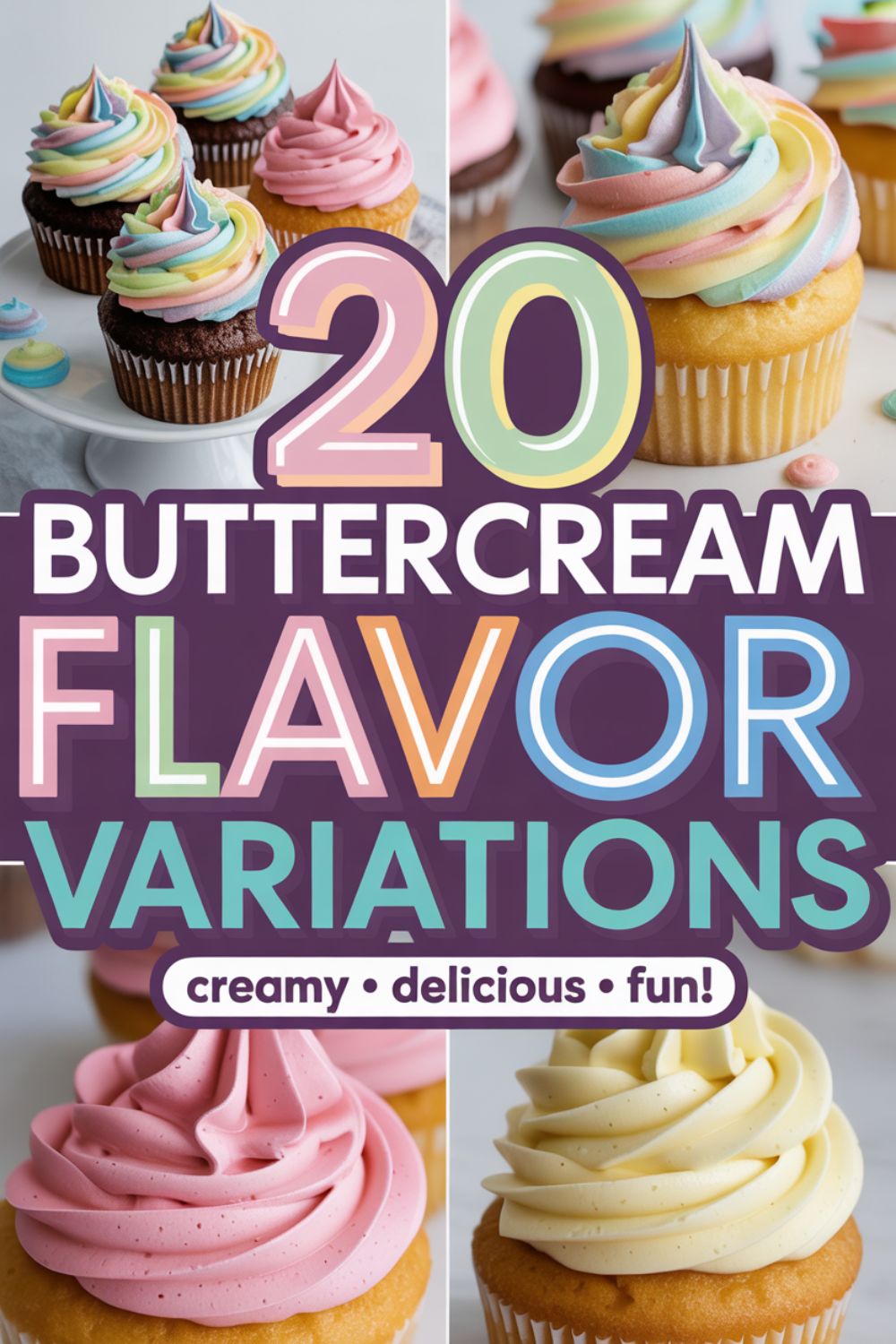
These 20 buttercream variations range from dead-simple tweaks (literally just swap one extract for another) to slightly more involved recipes that’ll make you feel like a pastry chef. Some use the classic American buttercream base, others lean into Swiss or Italian meringue buttercream for a smoother finish. Either way, you’re about to make your cakes significantly more interesting.
The Foundation: Understanding Your Buttercream Base
Before we jump into flavor town, you need to pick your buttercream style. American buttercream is the easiest—just butter, powdered sugar, and liquid. It’s sweet, stable, and doesn’t require any cooking. Perfect for beginners or when you’re in a time crunch.
Swiss meringue buttercream involves whisking egg whites and sugar over a double boiler, then whipping them into glossy peaks before adding butter. It’s less sweet, smoother, and has this almost velvety texture that spreads like a dream. Takes more effort but worth it for special occasions.
Italian meringue buttercream uses hot sugar syrup instead of the double boiler method. It’s stable enough to hold up in warm weather, which is why professional bakers love it for wedding cakes. Slightly more technical, but once you nail the sugar temperature, you’re golden.
Here’s my take: Start with American buttercream for most of these flavor variations. Once you’re comfortable, graduate to Swiss meringue for fancier applications. The flavoring techniques work across all three styles, so you’re not locked into one method. According to King Arthur Baking, the key to any buttercream is proper butter temperature—too cold and it won’t cream properly, too warm and it’ll separate.
Classic Flavor Variations (The Crowd-Pleasers)
1. Vanilla Bean Buttercream
This isn’t your basic vanilla extract situation. Real vanilla bean paste or scraped vanilla pods take this from “meh” to “wait, can I have the recipe?” The tiny black specks look professional, and the flavor is deeper, almost floral. I use Nielsen-Massey vanilla bean paste because one jar lasts forever and the flavor payoff is insane.
Add 2-3 teaspoons of vanilla bean paste to your standard buttercream recipe. If you’re using actual vanilla pods, scrape out one whole bean for every batch. The seeds distribute better if you mix them with your sugar first, then cream everything together.
2. Rich Chocolate Buttercream
Cocoa powder works, but melted chocolate creates a richer, more complex flavor. I melt about 4 ounces of dark chocolate (60-70% cacao), let it cool slightly, then beat it into my buttercream base. The chocolate needs to be cool enough not to melt your butter but warm enough to incorporate smoothly.
Want it even better? Use a combination of cocoa powder and melted chocolate. The cocoa adds depth, the chocolate adds silkiness. This version pairs perfectly with these moist cake recipes that won’t compete with the frosting’s richness.
3. Espresso Buttercream
Coffee and buttercream together is criminally underrated. Dissolve 2 tablespoons of instant espresso powder in 1 tablespoon of hot water, cool it down, then add it to your frosting. The coffee flavor cuts through the sweetness and adds this grown-up edge that makes people actually want seconds of frosting.
Pro move: Combine espresso buttercream with chocolate cake. The flavors play off each other like they were designed in a lab. If you’re planning a special celebration, check out these celebration cake ideas that work beautifully with coffee-flavored frosting.
Buttercream Essentials I Actually Use
Look, you can make buttercream with basic tools, but these make the process way less annoying:
Physical Tools:
- KitchenAid Stand Mixer – Your arm will thank you. Buttercream needs serious whipping time, and doing it by hand is brutal. The flat beater attachment is your best friend here.
- Offset Spatula Set – Small one for detail work, large one for spreading. I literally cannot frost a cake without these anymore. They’re like $15 and change everything.
- Wilton Decorating Tips – Even if you’re not doing fancy piping, a simple star tip makes any cake look 10x more professional. Get the basics set with tips 1M, 2D, and 32.
Digital Resources:
- Buttercream Mastery eBook – Step-by-step guide covering all three buttercream types with troubleshooting tips and flavor ratio charts
- Cake Decorating Video Course – 12 modules on piping techniques, crumb coating, and creating smooth finishes (perfect for beginners)
- Printable Flavor Pairing Chart – Visual guide showing which buttercream flavors work best with different cake types
Join Our Baking Community: Connect with other home bakers, share your creations, and get real-time troubleshooting help in our WhatsApp group. We post weekly flavor experiments and honest reviews of new techniques.
4. Salted Caramel Buttercream
You’ll need actual caramel for this—either homemade or store-bought caramel sauce. I fold in about 1/2 cup of cooled caramel sauce per batch of buttercream, then add a generous pinch of flaky sea salt. The salt is non-negotiable. Without it, you just have sweet-on-sweet, which is one-dimensional and kind of boring.
The caramel can make your buttercream slightly softer, so if you need it to hold stiff peaks for piping, refrigerate for 20 minutes before using. This flavor absolutely destroys when paired with apple cakes—something about the caramel and fruit combo just works.
5. Cream Cheese Buttercream
Technically a hybrid, but it deserves its spot here. Replace half your butter with full-fat cream cheese (do not use the reduced-fat stuff unless you want soup). This creates a tangy, less-sweet frosting that pairs perfectly with carrot cake and red velvet cake.
The cream cheese must be at room temperature, same as the butter. Cold cream cheese creates lumps that no amount of mixing will fix—trust me, I’ve tried. Beat the cream cheese smooth first, then add your butter and sugar gradually.
“I’ve been making basic vanilla buttercream for years and thought that was just how frosting tasted. Then I tried the brown butter version from this list and literally said ‘oh my god’ out loud in my kitchen. Game changer.” – Michelle K., home baker
Fruit-Forward Variations (Fresh and Bright)
6. Strawberry Buttercream
Freeze-dried strawberries are your secret weapon here. Grind them into a fine powder using a spice grinder or food processor, then mix about 1/4 cup into your buttercream. The freeze-dried version concentrates the flavor without adding extra liquid that would mess up your frosting consistency.
Fresh strawberries sound romantic but they make your buttercream watery and unstable. Save the fresh berries for garnish. This version is perfect for spring strawberry cakes or anything you’re serving at a brunch.
7. Lemon Buttercream
Both lemon zest and lemon juice work together here. Use the zest from 2 lemons plus 2 tablespoons of fresh lemon juice. The zest adds aromatic oils, the juice adds tang. This is one of those frostings where fresh ingredients matter—bottled lemon juice tastes flat and artificial.
The acidity from the lemon can sometimes make your buttercream look slightly curdled. Don’t panic. Just keep beating and it’ll come together. If you’re into citrus flavors, these lemon cake recipes need exactly this kind of frosting. Get Full Recipe
8. Raspberry Buttercream
Same freeze-dried fruit technique as strawberry. Grind freeze-dried raspberries into powder, sift out the seeds if you want ultra-smooth frosting, then mix in about 1/3 cup. The natural pink color is gorgeous—no artificial dyes needed.
Raspberry has this slightly tart edge that balances buttercream’s sweetness better than most fruits. Works beautifully on chocolate cakes, vanilla cakes, or even almond cakes if you’re feeling fancy.
9. Orange Creamsicle Buttercream
This is straight-up childhood nostalgia in frosting form. Orange zest from one large orange, 1 tablespoon of fresh orange juice, and 1 teaspoon of vanilla extract. The vanilla is crucial—it creates that creamsicle flavor instead of just orange frosting.
If you want more intense orange flavor, add 1/4 teaspoon of orange oil (the baking kind, not essential oils). Orange extract works too but oil gives you more control over intensity. Pairs perfectly with vanilla or chocolate cake bases.
Nutty and Unique Variations (For the Adventurous)
10. Brown Butter Buttercream
This one requires an extra step but holy hell, it’s worth it. Brown your butter first—cook it in a saucepan until the milk solids turn golden and smell nutty. Let it cool completely (even refrigerate it to resolidify), then use it in place of regular butter in your buttercream recipe.
The flavor is toasted, almost caramel-like, with this depth that regular butter can’t touch. I use it on everything from bundt cakes to coffee cakes. Fair warning: Once you try brown butter buttercream, regular buttercream tastes a little boring. Get Full Recipe
Speaking of butter-based frostings, if you’re looking for more ways to elevate your cakes, these frosting recipes cover everything from ganache to cream cheese variations.
11. Pistachio Buttercream
Grind shelled, unsalted pistachios into a fine paste (basically DIY pistachio butter), then fold about 1/3 cup into your buttercream. You can also use store-bought pistachio paste if you find it, but it’s pricey. The homemade version works fine if you grind the nuts long enough.
Add a drop of almond extract to enhance the nutty flavor without overpowering it. The natural green color is subtle and pretty—way better than artificial food coloring. This works beautifully with citrus cakes or even coconut cakes for a tropical-meets-Mediterranean vibe.
12. Peanut Butter Buttercream
Replace about 1/2 cup of butter with creamy peanut butter. Use regular peanut butter, not the natural kind—the oils in natural peanut butter can make your frosting separate and get weird. Jif or Skippy works perfectly here.
This is dangerously good on chocolate cakes. Like, people-will-eat-it-with-a-spoon good. According to nutrition data, peanut butter adds protein and healthy fats to your frosting, which doesn’t make it health food but hey, small wins. For a nut-free alternative with similar richness, try sunflower seed butter—works the same way without the allergen concerns.
13. Maple Buttercream
Real maple syrup only—none of that pancake syrup nonsense. Replace 2-3 tablespoons of your liquid with pure maple syrup, and reduce your powdered sugar slightly since maple syrup adds sweetness. Grade A dark amber has the strongest flavor.
This is fall in a bowl. Perfect for spice cakes, pumpkin cakes, or these banana cake recipes where the maple complements the fruit’s natural sweetness. I also add a tiny pinch of cinnamon to amplify the cozy factor.
Tools and Resources That Actually Make This Easier
After making approximately one million batches of buttercream (okay, maybe dozens), these are the things I actually use:
Must-Have Tools:
- Digital Kitchen Scale – Buttercream is finicky. Measuring by weight instead of volume makes your results consistent every single time.
- Bench Scraper – Not just for bread. This thing smooths frosting on cake sides better than any spatula. The metal edge creates those bakery-perfect 90-degree angles.
- Piping Bag Set with Couplers – Reusable bags are great for the environment but disposable ones are easier for testing multiple colors. Get both and use what fits the situation.
Digital Guides:
- Flavor Ratios Spreadsheet – Pre-calculated measurements for scaling recipes up or down (because math at 10pm while baking is rough)
- Buttercream Troubleshooting PDF – Visual guide showing what went wrong and how to fix it (separated, too soft, too stiff, etc.)
- Color Mixing Guide – Shows exactly which gel colors to combine for specific shades without the neon disaster
Community Support: Our WhatsApp group shares real-time photos of buttercream issues and solutions. Someone’s always awake and baking somewhere, so you get fast answers when you’re mid-recipe and panicking.
Floral and Herbaceous Variations (Surprisingly Delicious)
14. Lavender Buttercream
Use culinary lavender, not the stuff from the craft store. Steep 1 tablespoon of dried culinary lavender in 1/4 cup of warm cream or milk for 15 minutes, strain it, cool it, then add to your buttercream. A little goes a long way—too much tastes like grandma’s soap drawer.
When done right, lavender buttercream is floral without being perfumey. It’s elegant on lemon cakes or vanilla cakes. IMO, this is the frosting that makes people ask if you went to pastry school.
15. Honey Buttercream
Swap 3-4 tablespoons of honey for some of your sugar. Use flavorful honey like wildflower or orange blossom—the cheap generic stuff doesn’t add much beyond sweetness. The honey creates this subtle floral note that’s less aggressive than extracts.
Combine honey buttercream with the lavender version above for something really special. Or keep it simple and pair it with almond cakes where the flavors complement each other naturally.
16. Mint Buttercream
Fresh mint infusion or peppermint extract—your choice. For fresh mint, steep 1/2 cup of packed mint leaves in warm cream, strain, cool, add to buttercream. For extract, start with 1/2 teaspoon and work up. Peppermint extract is stronger than you think, and adding too much creates toothpaste frosting.
Mint pairs beautifully with chocolate cakes, obviously, but also try it on vanilla or even these chocolate lava cakes for a flavor twist that actually makes sense.
17. Rose Buttercream
Rose water is intense. Start with 1/4 teaspoon, mix thoroughly, taste, then add more if needed. I usually end up around 1/2 teaspoon total for a batch. Too much tastes like eating a candle, too little does nothing. It’s a delicate balance.
Add a tiny bit of pink gel food coloring if you want the full rose garden aesthetic, but the flavor works even without color. This frosting feels fancy on wedding cakes or any celebration where you want something a little different.
“I made the salted caramel buttercream for my daughter’s birthday cake last month. She’s 16 and usually doesn’t care about homemade anything, but she actually asked me to make it again. That’s the highest compliment in teenager language.” – David R., dad baker
Boozy and Sophisticated Variations (Adults Only)
18. Bailey’s Irish Cream Buttercream
Replace 2-3 tablespoons of your liquid with Bailey’s Irish Cream. The alcohol doesn’t bake off since buttercream is uncooked, so this is definitely an adults-only frosting. The Bailey’s adds this creamy, slightly coffee-flavored complexity that’s hard to replicate any other way.
Works perfectly on chocolate cakes, coffee cakes, or even Irish cream-flavored cakes if you really want to commit to the theme. FYI, the alcohol content is minimal per serving, but label it clearly if you’re serving it at a party.
19. Champagne Buttercream
Reduce 1/2 cup of champagne or sparkling wine down to about 2 tablespoons over medium heat. Let it cool completely, then add to your buttercream. The reduction concentrates the flavor without adding too much liquid. Don’t skip the cooling step or you’ll melt your butter and create a mess.
This frosting is perfect for anniversary cakes, graduation cakes, or any celebration cake where you want something elegant. Add a touch of lemon zest to brighten it up even more.
20. Bourbon Buttercream
Two to three tablespoons of good bourbon creates a warm, slightly smoky frosting that works surprisingly well with a lot of cake flavors. Use actual bourbon, not whiskey—the flavor profile is different and bourbon is sweeter, which balances better with buttercream’s sugar content.
This is incredible on spice cakes, apple cakes, or carrot cakes. The bourbon cuts through the sweetness and adds depth that makes people think you’re way fancier than you actually are.
Making Your Buttercream Extra-Special
Beyond flavor, texture matters. Properly whipped buttercream should be fluffy, smooth, and hold its shape without being stiff. If your buttercream looks curdled or separated, it’s usually a temperature issue—either too warm or too cold. Stick it in the fridge for 10 minutes if it’s soupy, or let it sit at room temp for 15 minutes if it’s too firm. Then rewhip until smooth.
Thinning buttercream requires adding liquid one teaspoon at a time. Too much liquid and you’ll need to add more sugar to compensate, which makes it overly sweet. For thicker buttercream that holds sharp edges, add more powdered sugar gradually until you reach your desired consistency.
Want bakery-smooth frosting? After mixing your buttercream, beat it on low speed for 5-10 minutes. This pushes out air bubbles and creates that velvety texture you see on professional cakes. I use this paddle attachment specifically designed for this technique—it reduces mixing time significantly.
Storage is simple: Buttercream keeps at room temperature for 2 days (covered), in the fridge for 2 weeks, or frozen for 3 months. Always bring refrigerated buttercream to room temp and rewhip before using. Cold buttercream spreads terribly and creates torn cake surfaces.
Frequently Asked Questions
Can I use margarine instead of butter for buttercream?
You can, but you shouldn’t if you care about flavor. Margarine creates a greasy mouthfeel and the flavor is flat compared to real butter. If you’re avoiding dairy, try a high-fat vegan butter alternative like Miyoko’s—it actually tastes good and behaves similarly to dairy butter in buttercream applications.
Why is my buttercream gritty even after mixing?
Gritty buttercream usually means undissolved sugar. Make sure you’re using powdered sugar (not granulated), and beat your buttercream on high speed for at least 5 minutes. If it’s still gritty, add 1-2 tablespoons of heavy cream and beat for another few minutes—the liquid helps dissolve stubborn sugar crystals.
How do I fix separated or curdled buttercream?
Temperature issues cause this every time. If it’s too warm, refrigerate for 15 minutes then rewhip. If it’s too cold, let it sit at room temp for 15 minutes then rewhip. Still separated? Add 1 tablespoon of powdered sugar and beat on high speed for 2-3 minutes—this usually brings it back together.
Can I make buttercream ahead of time?
Absolutely. Make it up to 2 weeks ahead and refrigerate, or 3 months ahead and freeze. When ready to use, bring to room temperature (this takes several hours for refrigerated buttercream), then rewhip on medium-high speed for 3-5 minutes until fluffy again. The texture bounces back perfectly.
Which buttercream flavors work best for piping flowers or decorations?
Stick with firmer buttercreams for detailed piping work. American buttercream holds shapes best, followed by Swiss and Italian meringue buttercreams. Avoid adding too much liquid (like in fruit or boozy versions) if you need to pipe intricate designs—the extra moisture makes the frosting too soft to hold crisp edges.
Final Thoughts on Buttercream Variations
Here’s the thing about buttercream variations—they’re not complicated, they just require you to step outside your comfort zone a little. Most of these recipes use your standard buttercream base with one or two additions. That’s it. You’re not learning new techniques or buying specialty equipment. You’re just adding flavor.
Start with one variation that sounds good to you. Maybe it’s the brown butter version if you like nutty flavors, or the strawberry if you’re into fruity frostings. Make it once, taste it, adjust if needed, then make it again for an actual cake. Once you nail one flavor, the others become way less intimidating because you understand how the base works.
The real magic happens when you start pairing these buttercreams with complementary cake flavors. Lemon buttercream on raspberry cake. Bourbon buttercream on spice cake. Espresso buttercream on chocolate cake. Suddenly your homemade cakes taste different from everything else at the party, and people notice.
Don’t overthink it. Pick a flavor, make the frosting, put it on a cake. Worst case scenario, you learn what doesn’t work and try something different next time. Best case scenario, you create something people actually ask for by name. Either way, you’re making better cakes than you were yesterday.