19 Lemon Cakes That Scream Spring
Look, I know winter makes us all want to hibernate under blankets with hot chocolate, but spring hits different. The sun finally shows up, flowers start doing their thing, and suddenly you’re craving something bright, tangy, and unapologetically cheerful. That’s where lemon cakes come in—they’re basically sunshine in dessert form.
I’ve spent way too many weekends testing lemon cake recipes (someone had to do it), and I’m here to tell you that not all lemon cakes are created equal. Some are just meh vanilla cakes with a hint of lemon extract, while others make your taste buds do a happy dance. Today, I’m sharing 19 recipes that actually deliver on the promise of springtime citrus goodness.
Whether you’re a bundt cake devotee, a layer cake enthusiast, or someone who just wants a simple sheet cake to bring to your next potluck, I’ve got you covered. Let’s get into it.

Why Lemon Cakes Own Spring
There’s actual science behind why we crave citrus when the weather warms up. Lemons are packed with vitamin C, which helps boost your immune system as you transition from cold to warmer months. But honestly? I just think they taste incredible and make everything feel lighter.
The best lemon cakes balance three things: tangy citrus flavor, moist crumb, and just enough sweetness to keep things interesting. Too much sugar and you’ve got a one-note dessert. Not enough lemon and you might as well have made vanilla cake. It’s all about that perfect ratio.
I use this handheld citrus juicer for all my lemon cakes because it actually gets every drop without sending seeds flying everywhere. Game changer, honestly.
The Classic Lemon Bundt Everyone Needs
Let’s start with the OG—the bundt cake. There’s something deeply satisfying about a perfectly baked bundt with that gorgeous shape and golden crust. My go-to recipe uses both lemon zest and juice, plus a secret ingredient: Greek yogurt. It keeps the cake ridiculously moist and adds a subtle tang that plays perfectly with the lemon.
The glaze is where people usually mess up. Don’t just drizzle some powdered sugar and lemon juice on there and call it a day. You want a thick, glossy glaze that actually clings to the cake. I mix powdered sugar with fresh lemon juice and a tiny splash of milk until it’s thick enough to coat the back of a spoon but still pourable.
One trick I learned the hard way: let the cake cool for exactly 15 minutes before flipping it out of the pan. Too soon and it falls apart. Too long and it sticks. Set a timer, folks.
Want more bundt inspiration? Check out these bundt cake recipes for any occasion that’ll make you rethink everything you know about tube pans.
Layer Cakes That Look Bakery-Level
IMO, lemon layer cakes are underrated. Everyone goes crazy for chocolate or red velvet, but a well-made lemon layer cake with cream cheese frosting? That’s the stuff dreams are made of.
The key to getting those perfectly level layers is using cake strips around your pans. They keep the edges from baking too fast, which means no domed tops that you have to level off later. Less waste, better-looking cakes.
The Frosting Situation
You’ve got options here. Traditional lemon buttercream works great, but I’m partial to a tangy lemon cream cheese frosting. It’s less sweet than pure buttercream and the cream cheese echoes that slight tang from the cake itself. Plus, it’s more stable in warm weather—important for spring gatherings.
If you’re feeling fancy, try a whipped cream frosting variation or explore different buttercream flavor combinations that complement lemon beautifully.
I stack my layers with a thin spread of lemon curd between each one. You can make your own or buy it—no judgment here. Life’s too short to gatekeep lemon curd. Just make sure it’s thick enough that it doesn’t ooze out the sides when you frost the cake.
Sheet Cakes for People Who Don’t Have Time for Fancy
Not every occasion calls for a three-tier masterpiece. Sometimes you just need a solid sheet cake that feeds a crowd and doesn’t require architectural engineering skills. That’s where lemon sheet cakes come in clutch.
My favorite version is basically a simplified lemon pound cake baked in a 9×13 pan. You get that dense, buttery crumb with serious lemon flavor, and the whole thing comes together in one bowl. I’m talking 10 minutes of actual work, max.
The traditional move is to poke holes in the warm cake and pour a lemon syrup over it, letting it soak in. Then you add a cream cheese glaze once it’s cooled. Is it overkill? Maybe. Is it delicious? Absolutely.
Speaking of easy baking, if you’re into minimal cleanup, you’ll love these one-bowl cake recipes. Same great taste, way fewer dishes.
Lemon Pound Cakes That Actually Stay Moist
Pound cakes get a bad rap for being dry, but that’s only if you do them wrong. A proper lemon pound cake should be dense but tender, with a tight crumb that somehow still feels moist. The secret? Don’t overbake it.
I test mine with a wooden skewer starting at 50 minutes, even though most recipes say 60-65 minutes. Ovens vary like crazy, and that extra 10 minutes can turn perfection into sawdust. You want a few moist crumbs clinging to the skewer, not completely clean.
Another tip: brush the warm cake with simple syrup infused with lemon zest. It adds moisture and amps up the lemon flavor without making things soggy. You can find more techniques in these classic pound cake recipes.
Glaze or No Glaze?
This is where people get passionate. Purists say a good pound cake needs nothing. I say a thin lemon glaze never hurt anyone and makes it look prettier for company. Compromise: keep the glaze optional and serve it on the side.
I make mine thin enough to pour but thick enough to set—about the consistency of honey. It should form a translucent coating that catches the light but doesn’t pool at the bottom of the plate.
Baking Essentials That Actually Make a Difference
Okay, real talk about tools and gear. You don’t need a professional kitchen to make great lemon cakes, but a few key items genuinely make your life easier. Here’s what I actually use on repeat:
Physical Products That Earn Their Keep
- Microplane Zester – Stop using those box graters that give you chunks instead of zest. A proper microplane gets you fine, fluffy zest without the bitter white pith. I’ve had mine for five years and it’s still sharp.
- Digital Kitchen Scale – Measuring by weight instead of volume makes your cakes way more consistent. Plus, it’s faster than scooping and leveling cups of flour like it’s 1995.
- Silicone Spatula Set – Get the kind with one solid piece so batter doesn’t get trapped in crevices. I use mine for folding, scraping bowls, and spreading frosting. Worth every penny.
Digital Resources Worth Checking Out
- Complete Cake Baking Master Course – If you’re serious about improving your cakes, this course covers everything from proper creaming methods to troubleshooting common problems.
- Spring Dessert Recipe Collection – 50+ tested recipes specifically for spring entertaining, including variations on everything in this article.
- Cake Decorating for Beginners eBook – Learn basic techniques that make your cakes look professional without art school.
Want to connect with other bakers who are equally obsessed with getting cakes just right? Our WhatsApp community shares tips, troubleshooting help, and recipe swaps weekly. It’s free and actually useful.
Lemon Loaf Cakes for Breakfast (Or “Breakfast”)
Let’s be honest—calling it a loaf cake makes it socially acceptable to eat cake for breakfast. I’m not complaining. These are less sweet than traditional cakes and often include yogurt or sour cream, which somehow makes them feel more breakfast-appropriate.
The best lemon loaf has a slight dome, a tender crumb, and that crackling sugar-lemon glaze on top. You know the one. You slice it, the glaze shatters slightly, and underneath is this impossibly moist cake.
I bake mine in a standard 9×5 loaf pan lined with parchment paper for easy removal. The parchment also creates those pretty crimped edges that make it look like you bought it from a fancy bakery. Get Full Recipe
FYI, if you’re into grab-and-go breakfast options, these loaves freeze beautifully. Wrap individual slices in plastic wrap, freeze in a zip-top bag, and you’ve got instant breakfast for weeks.
Upside-Down Lemon Cakes With Caramelized Fruit
Ever made an upside-down cake? The process is weirdly satisfying. You arrange fruit in the bottom of the pan, pour batter over it, bake, then flip the whole thing to reveal a gorgeous fruit topping. With lemon cake, you can use thin lemon slices that caramelize into sweet-tart perfection.
The trick is slicing the lemons paper-thin—I’m talking translucent. Thick slices stay bitter and chewy. You want them almost see-through so they candy in the sugar and butter at the bottom of the pan.
You can also do this with berries, stone fruits, or even fresh figs if you’re feeling fancy. The lemon cake base works with pretty much any spring fruit. For more ideas, check out these upside-down cake variations.
Mini Lemon Cakes for Portion Control (Or Not)
Sometimes you want cake but don’t want to commit to an entire 9-inch layer situation. That’s where mini cakes save the day. You can make individual bundts, small layer cakes, or cupcake-sized portions with all the flavor of a full cake.
I use a 6-cavity mini bundt pan constantly. It’s perfect for testing new recipes without making a massive cake, and they’re adorable for parties. People love individual desserts—makes them feel fancy without the fuss of plating.
The baking time changes significantly with smaller cakes, so watch them carefully. Start checking at 15-20 minutes instead of the 40-50 you’d use for full-sized cakes. They go from perfect to overdone fast.
Looking for more individual dessert ideas? These mini cake recipes are perfect when you want variety without baking six different full-sized cakes.
No-Bake Lemon Icebox Cakes for Warm Days
When it gets properly warm outside, the last thing you want to do is turn on the oven. Enter icebox cakes—the unsung heroes of spring and summer desserts. These cakes use cookies or graham crackers layered with lemon cream, then chill overnight until everything softens into cake-like layers.
My version uses vanilla wafers, homemade lemon curd, and whipped cream. You layer everything in a loaf pan, refrigerate for at least 6 hours (overnight is better), then slice and serve. Zero baking required, and it tastes like creamy lemon heaven.
The cookies soften as they absorb moisture from the cream, creating this weird but wonderful texture that’s somewhere between cake and pudding. I know it sounds strange, but trust me on this one. Grab some inspiration from these no-bake icebox cakes.
Lemon Poke Cakes That Soak Up All the Good Stuff
Poke cakes are genius in their simplicity. You bake a basic cake, poke holes all over it while it’s still warm, then pour something delicious (in this case, lemon mixture) over the top. The liquid soaks in, creating pockets of intense flavor throughout the cake.
For lemon poke cake, I use a mixture of sweetened condensed milk and lemon juice as the soaking liquid. It adds sweetness and creaminess while pumping up the lemon flavor. Then I top the whole thing with whipped cream and lemon zest.
The beauty of poke cakes is that they’re nearly impossible to mess up. Even if your base cake is slightly dry, the soaking liquid fixes everything. Plus, they get better after sitting in the fridge overnight. Make it Saturday, serve it Sunday—it’ll taste even better. More techniques at these poke cake recipes.
Tools and Resources That Actually Help
Beyond the basics, here are some tools and resources that have genuinely improved my baking game. Not sponsored, just stuff I actually use and would buy again:
Kitchen Tools Worth the Investment
- Offset Spatula Set – Essential for frosting cakes smoothly. The angled blade gives you control that regular spatulas just can’t match. Get the 4-inch and 9-inch sizes.
- Cake Turntable – Makes frosting layer cakes so much easier. You spin the cake instead of walking around it like a weirdo. The cheap ones work fine—don’t overthink it.
- Bench Scraper – Doubles as a cake smoother and helps you clean your counter. One of those tools you didn’t know you needed until you have it.
Digital Products for Serious Bakers
- Advanced Cake Decorating Masterclass – Takes you from basic to impressive with video tutorials and printable guides. Worth it if you plan to make cakes regularly.
- Seasonal Baking Planner & Recipe Organizer – Helps you plan baking projects, track recipe modifications, and organize your growing collection of recipes that actually work.
- Troubleshooting Guide: Why Your Cakes Fail – Detailed breakdown of common problems and solutions. Saved me countless batches of wasted ingredients.
Our baking community also shares weekly recipe swaps and troubleshooting sessions via WhatsApp. It’s helpful when you’re stuck on why your cake keeps sinking in the middle (usually too much leavening or opening the oven too early, BTW).
Lemon Cakes With Mix-Ins That Change Everything
Plain lemon cake is great, but sometimes you want to mix things up. Adding berries, poppy seeds, or coconut can transform a basic recipe into something special without requiring a completely different approach.
Lemon Blueberry Perfection
Fresh blueberries and lemon are a match made in dessert heaven. The berries add little bursts of juicy sweetness that contrast perfectly with the bright lemon tang. Toss your berries in a tablespoon of flour before folding them in—it helps prevent them from sinking to the bottom.
You can also use raspberries, blackberries, or a mix. Just don’t use frozen berries unless you want purple-streaked batter (learned that one the hard way). If you must use frozen, don’t thaw them first and work quickly.
Lemon Poppy Seed Classic
There’s something retro-cool about lemon poppy seed cake. The tiny black seeds add visual interest and a subtle nutty flavor that plays well with lemon. Use about 2-3 tablespoons of poppy seeds per standard cake recipe.
One reader from our community, Maria, makes these in loaf form every Sunday for her coffee shop. She says the lemon poppy seed version outsells everything else 3 to 1. Can’t argue with those numbers.
Lemon Cakes That Work With Dietary Restrictions
Not everyone can do traditional cakes with wheat flour, dairy, and eggs. The good news? Lemon cake adapts pretty well to modifications if you know what you’re doing.
Gluten-Free Versions That Don’t Taste Like Cardboard
The key to gluten-free lemon cakes is using a good flour blend. Don’t just swap all-purpose flour 1:1 with rice flour and hope for the best. You need a blend with xanthan gum or you’ll get a crumbly mess.
I’ve had success with both store-bought blends and making my own with rice flour, potato starch, and tapioca starch. The texture is slightly different—a bit more tender, less chewy—but still delicious. According to nutrition research on gluten-free alternatives, almond flour can also work beautifully in dense cakes like pound cakes.
For more options, explore these gluten-free baking ideas that prove dietary restrictions don’t mean boring desserts.
Vegan Lemon Cakes That Actually Rise
Vegan baking gets tricky because eggs do so much structural work in traditional cakes. For lemon cakes, I replace eggs with a mixture of apple cider vinegar and non-dairy milk (creates a buttermilk effect) plus flax eggs for binding.
Use vegan butter or coconut oil for fat, and make sure all your leavening is fresh—old baking powder won’t cut it when you don’t have eggs to help with lift. The cakes come out surprisingly similar to traditional versions, just slightly denser.
If you’re curious about more plant-based options, check out these vegan dessert recipes that don’t compromise on flavor.
Decorating Lemon Cakes Without Going Overboard
Not every cake needs fondant flowers and gold leaf. Sometimes simple is better, especially with lemon cakes where you want the bright, fresh flavor to be the star. Here are my go-to decoration methods that look impressive without requiring pastry school:
- Candied lemon slices – Simmer thin lemon slices in simple syrup until translucent, let them cool, then arrange on top of your frosted cake. Looks fancy, tastes great.
- Fresh herb garnish – A few sprigs of fresh thyme or rosemary add a sophisticated touch and smell amazing. Bonus points if you let a tiny bit of the herbs infuse into your cake or frosting.
- Simple glaze drip – Let thick lemon glaze drip naturally down the sides of a bundt or layer cake. Zero skill required, maximum visual impact.
- Minimal piping – A simple border around the base or top edge using a basic star tip takes maybe 5 minutes and elevates the whole look.
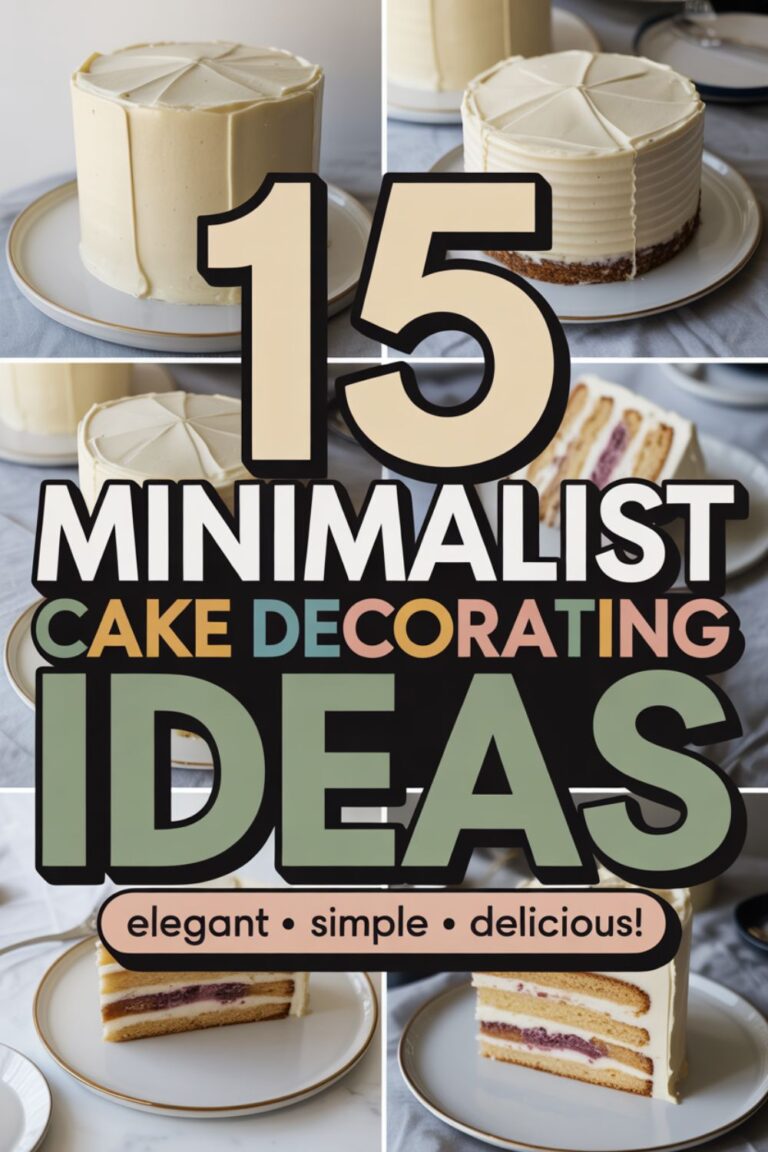
Want to level up your decoration game? These minimalist decorating ideas prove you don’t need fancy skills to make gorgeous cakes.
Related Recipes You’ll Love
Frequently Asked Questions
How do I keep my lemon cake from being dry?
The main culprits are overbaking and too much flour. Use a kitchen scale to measure flour by weight instead of volume—you’ll get way more consistent results. Also, test for doneness earlier than the recipe suggests since ovens vary. A few moist crumbs on your tester are perfect; completely clean means you’ve probably gone too far.
Can I use bottled lemon juice instead of fresh?
You can, but I wouldn’t recommend it for the main flavor. Bottled juice tastes flat and sometimes has preservatives that affect baking. Fresh juice makes a noticeable difference in brightness and flavor. That said, if you’re in a pinch, use bottled for the liquid component and rely on lemon zest for most of the flavor—the zest is where the essential oils live.
Why does my lemon cake taste bitter?
You’re probably getting white pith mixed in with your zest, or you’re using too much zest overall. When zesting, use a light touch and only take the yellow part—the white pith underneath is super bitter. Also, make sure you’re not over-baking, which can intensify any bitter notes.
How far in advance can I make a lemon cake?
Unfrosted cakes freeze beautifully for up to 3 months wrapped tightly in plastic wrap and foil. In the fridge, a frosted cake will stay fresh for 3-4 days. Actually, many lemon cakes taste better the next day after the flavors have melded. Just bring it to room temperature before serving for the best texture.
What’s the best way to get more lemon flavor without making the cake too acidic?
Layer your lemon flavor using different methods: zest in the batter, juice in the glaze or syrup, and lemon curd as a filling. This distributes the flavor without overwhelming any single component. You can also use lemon extract (sparingly—it’s concentrated) or lemon oil. Some bakers also add a tiny pinch of citric acid for extra tartness without adding more liquid.
Final Thoughts on Spring Lemon Cakes
Here’s the thing about lemon cakes—they’re forgiving, versatile, and they make people happy. You don’t need fancy equipment or pastry school training to nail these recipes. You just need good ingredients, proper technique, and maybe a willingness to eat a few test cakes (rough life, I know).
Start with a simple bundt or loaf cake to get the feel for balancing lemon flavor with sweetness. Once you’ve got that down, branch out into layer cakes, upside-down versions, or whatever sounds good. The beauty of baking is that you can make the same basic recipe a dozen times and tweak it slightly each time until it’s exactly what you want.
Spring doesn’t last forever, so make the most of it while fresh lemons are everywhere and you actually want to turn on your oven. These 19 cakes will keep you busy through the whole season and probably into early summer. Just don’t blame me when everyone starts requesting “that lemon cake you made” at every gathering from now on.
Now get in the kitchen and make something citrusy and delicious. Your taste buds will thank you.