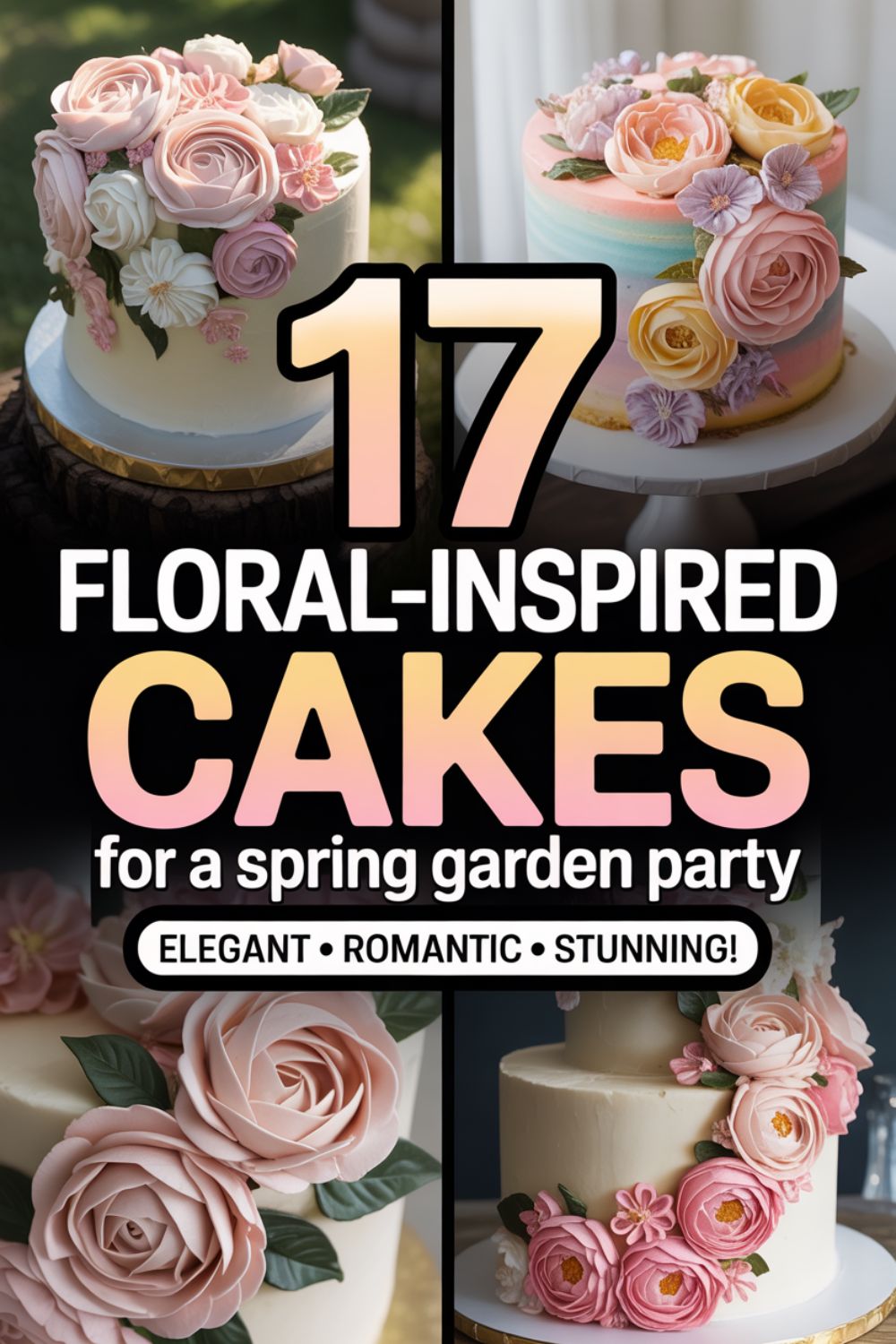
17 Floral-Inspired Cakes for a Spring Garden Party
Look, I’m just going to say it—there’s something ridiculously magical about a cake covered in flowers sitting on a table surrounded by actual flowers. It’s like dessert inception, but prettier and way more delicious. If you’re planning a spring garden party and you want your cake to be the kind of centerpiece that makes people pull out their phones before they even taste it, you’re in the right place.
I’ve spent more time than I’d like to admit obsessing over floral cakes, and after countless hours scrolling through inspiration and actually making a few of these beauties myself, I’ve figured out what works and what just looks good on Pinterest but crashes and burns in real life. Whether you’re going for romantic garden vibes, something a bit more chaotic and whimsical, or just want edible flowers that won’t send anyone to the ER, I’ve got you covered.
So grab your offset spatula (trust me, you’ll need it) and let’s talk about seventeen floral cakes that’ll make your garden party the talk of the neighborhood. No fondant disasters or Pinterest fails here—just real, achievable, gorgeous cake ideas.
The Lavender Dream Cake
Let’s start with my personal favorite—the lavender dream cake. This isn’t just about slapping some purple frosting on a cake and calling it a day. We’re talking real lavender flavor infused into the buttercream, with fresh lavender buds decorating the top in a way that screams “I know what I’m doing” even if you absolutely don’t.
The trick here is to use culinary lavender, not the stuff from your garden that might’ve been sprayed with who-knows-what. According to food safety experts, using organically grown, pesticide-free flowers is crucial when you’re putting them anywhere near food. You can steep the lavender in warm cream for about 30 minutes, strain it, then use that cream in your buttercream. The result? A subtle floral flavor that doesn’t taste like you’re eating your grandmother’s perfume.
I like pairing this with lemon cake because the citrus cuts through the floral notes beautifully. Top it with fresh lavender sprigs and maybe some edible gold leaf if you’re feeling fancy. Get Full Recipe.
Naked Cake with Cascading Roses
Ever wonder why naked cakes became such a thing? It’s because they’re basically a get-out-of-jail-free card for anyone who can’t get their frosting perfectly smooth. But here’s the thing—when you do them right with cascading roses down one side, they look intentionally rustic instead of accidentally messy.
The key is to use a really good crumb coat and then scrape most of it off, leaving just enough to hold everything together. Then you pile on the roses—and I mean really pile them. Don’t be shy. The cascade should look effortless and generous, not sparse and sad. I use a mix of garden roses in blush pink and cream with some greenery tucked in. Kitchen experts recommend washing and drying flowers completely before use, then cutting stems to just a couple centimeters and wrapping them with food-safe barriers.
You’ll want to use floral picks or bubble tea straws to keep the stems from touching the cake directly. This little hack changed my life, FYI. Speaking of rose-covered cakes, if you’re into this aesthetic, check out these floral decorating ideas that’ll make you look like an actual professional.
Pressed Flower Art Cake
Okay, this one’s for the overachievers and the people who actually have their lives together enough to press flowers in advance. If that’s you, I’m both impressed and slightly intimidated. Pressed flower cakes are having a major moment right now, and for good reason—they’re absolutely stunning and surprisingly achievable.
You need edible flowers like pansies, violas, and small daisies. Press them between parchment paper in a heavy book for at least 24 hours—48 is better. Once they’re flat and slightly dried, you can arrange them on white or pale buttercream using tiny dots of buttercream as glue. The result looks like botanical art you’d see in a fancy museum gift shop.
The best part about this technique is that it works on simple one-tier cakes just as well as elaborate multi-tier situations. I made one of these for a baby shower last spring using pink and purple violas arranged in a gradient pattern, and people legitimately thought I’d hired a professional. I swear by these fine-tip tweezers for placing delicate pressed flowers—makes the whole process way less frustrating.
Buttercream Peony Extravaganza
If you’re not ready to deal with real flowers and all their drama (wilting, potential toxicity, the whole nine yards), let me introduce you to buttercream peonies. They’re like the dessert equivalent of having your cake and eating it too—literally.
Learning to pipe peonies isn’t as hard as it looks, I promise. You need a good petal piping tip and a lot of patience for the first few attempts. But once you get the hang of it, you can cover an entire cake in these beauties in about an hour. The texture is incredible, and they photograph like an actual dream.
I like doing these in soft pink and white, clustered at the top of the cake with some piped leaves trailing down. Pro move: add a few pearl dragees in the centers for that extra touch of elegance. The whole thing ends up looking way more complicated than it actually is. For more piping inspiration, these buttercream piping techniques will seriously level up your game.
Cake Decorating Essentials for Floral Designs
After making way too many floral cakes, here’s what actually makes a difference in my kitchen:
- Ateco Petal Tip Set – The piping tips that changed everything for my buttercream flowers. Honestly can’t imagine decorating without these anymore.
- Wilton Cake Turntable – Makes frosting smooth cakes about 1000% easier. Worth every penny if you’re making more than one cake ever.
- Organic Edible Flower Mix – Pre-washed, food-safe flowers delivered to your door. No more stressing about pesticides.
- Spring Cake Decorating eBook – A digital guide with 30+ floral cake tutorials and templates
- Buttercream Masterclass Video Course – Step-by-step video tutorials for piping realistic flowers
- Seasonal Cake Planning Printables – Monthly calendar and shopping lists for seasonal baking
Join our WhatsApp baking community for daily tips, troubleshooting help, and cake inspiration!
Wildflower Meadow Cake
This one’s for the “I want it to look like I picked flowers from a field and just casually scattered them on a cake” crowd. Spoiler: achieving that effortless look takes more effort than you’d think, but it’s so worth it.
The base should be either naked or semi-naked with visible cake layers. Then you arrange a mix of wildflowers—think daisies, cornflowers, chamomile, and maybe some Queen Anne’s lace—in a seemingly random but actually very calculated pattern. The trick is to cluster some flowers together while leaving other areas sparse. It creates visual interest without looking too busy.
I made one of these for a friend’s garden wedding, and we used flowers from an actual meadow near the venue. But here’s the catch—we had to verify every single flower was edible and safe. Food safety guidelines make it clear that not all pretty flowers are safe for cakes. Lilies, daffodils, and hydrangeas? Absolutely not. Roses, pansies, and violas? You’re good to go.
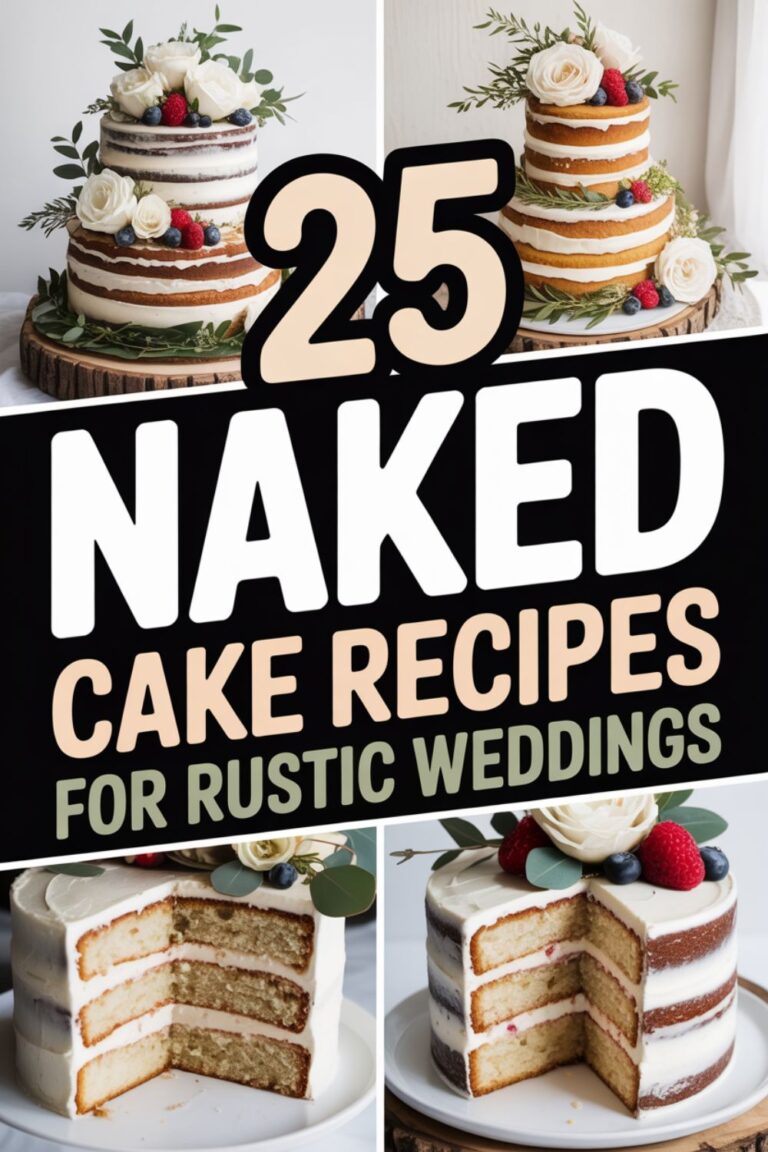
If you’re into this rustic, garden-party aesthetic, you’ll love these naked cake recipes that are perfect for outdoor celebrations.
Sugar Flower Garden Party Cake
Let’s talk about the Mercedes of cake decorating—hand-made sugar flowers. These are the flowers you can start making weeks in advance and they’ll still look perfect on party day. No wilting, no brown edges, no “oh crap the flowers died overnight” panic.
Making sugar flowers is definitely a project. You need gumpaste, floral wire, special tools, and honestly? Time. Lots of time. But the payoff is huge. You can create flowers that look more real than real flowers, in any color combination you want, and they last forever if you store them right.
I went down the sugar flower rabbit hole last year and haven’t looked back. My collection of gumpaste flower tools is embarrassingly large at this point. The beauty of sugar flowers is that you can stick them directly into the cake (with proper supports) or arrange them on top in elaborate displays. Plus, they make killer keepsakes after the party.
Edible Flower Confetti Cake
Here’s a fun one that’s way less intimidating than some of these other options—the edible flower confetti cake. Imagine a simple white or cream-colored cake with edible flower petals scattered across the top like the most beautiful, delicious confetti you’ve ever seen.
The key is using small petals from safe flowers like roses, pansies, and violets. You literally just wash them, dry them gently, and scatter them on top of your frosted cake. That’s it. No complicated techniques, no special tools, just petals. It looks effortlessly pretty and takes about five minutes if you already have the flowers.
I like to concentrate more petals around the edges and let them get sparser toward the center. Gives it that intentional design feel. You can also press some petals lightly into the sides of the cake for extra effect. Works great with these classic pound cake recipes as the base.
Lavender Lemon Drip Cake
Drip cakes had their moment a few years ago and honestly, I’m glad they’re still hanging around because they’re just so satisfying to make. This version combines lavender-infused white chocolate drips with lemon cake and fresh lavender garnish.
The drips are made by melting white chocolate with a bit of cream and purple food coloring. You want it to be the consistency of honey—thick enough that it doesn’t run everywhere, thin enough that it actually drips. Temperature is everything here. Too hot and you get droopy disaster drips. Too cold and you get chunks that refuse to drip at all.
Top the whole thing with lemon slices, fresh lavender sprigs, and maybe some white chocolate shards if you’re feeling extra. The combination of tart lemon and floral lavender is just *chef’s kiss*. I use this squeeze bottle for the drips because it gives you way more control than trying to pour from a bowl. Trust me on this one—it’s worth the eight bucks.
Rose Garden Layer Cake
When someone says “spring garden party cake,” this is probably what pops into most people’s heads. A classic layer cake covered in buttercream roses in various stages of bloom, clustered together to create a full garden effect.
The secret to making this look good instead of like a kindergarten craft project is varying your rose sizes and using multiple shades of the same color. So instead of all medium pink roses, you do some tight buds in deep pink, some half-open roses in medium pink, and some full blooms in blush. It creates depth and makes the whole thing look way more sophisticated.
I recommend practicing your roses on parchment paper first, then freezing them and attaching them to the cake once they’re solid. Makes placement so much easier. And speaking of roses, these frosting recipes will give you the perfect buttercream consistency for piping flowers.
Tools & Resources That Make Floral Cakes Easier
Honestly, having the right stuff makes this whole process way less frustrating:
- Floral Foam Drying Rack – Perfect for drying gumpaste flowers. Holds them at the right angle so petals don’t flatten while drying.
- Food-Safe Flower Picks – These clear picks keep flower stems away from cake. No more flavor contamination or safety concerns.
- Professional Piping Bag Set – Reusable bags that don’t leak. Finally ditched my cheap disposable ones for these.
- Floral Cake Design Templates PDF – Printable templates for 15+ floral cake designs with placement guides
- Safe Edible Flowers Guide – Complete digital reference with photos, toxicity info, and sourcing tips
- Video Tutorial Bundle – 10 hours of floral cake decoration tutorials from beginner to advanced
Want live help with your cake projects? Join our WhatsApp group for real-time advice and community support!
Herb Garden Cake
Here’s a slightly unexpected take on floral cakes—using herbs instead of traditional flowers. Herbs like rosemary, thyme, chamomile, and sage have beautiful little flowers and they’re 100% safe for cake decorating.
I love the more rustic, earthy vibe this gives. It’s less “princess garden party” and more “sophisticated outdoor dinner party.” The herbs also add subtle fragrance that actually enhances the cake rather than competing with it. Fresh rosemary with lemon cake? Incredible. Thyme with honey cake? Yes please.
You can arrange sprigs of flowering herbs on top of the cake, or create a full herb wreath around the base. I like to keep the actual cake simple—maybe a naked or semi-naked style—and let the herbs be the star. These culinary herb pots on my kitchen windowsill keep me supplied with fresh herbs year-round, and they’re way cheaper than buying them at the store every time I need some.
For more herby inspiration, these breakfast cake recipes pair beautifully with herb garnishes for brunch events.
Watercolor Floral Cake
If you’re artistically inclined—or just good at faking it—watercolor floral cakes are absolute showstoppers. The technique involves painting flowers directly onto buttercream using food coloring diluted with vodka or lemon extract.
The vodka evaporates quickly and doesn’t affect the taste, which is genius. You use food-safe paintbrushes to create soft, impressionistic flowers that look like they’re blooming right on the cake. It’s the kind of thing that makes people say “you MADE that?” with genuine disbelief in their voices.
Start with a white or cream base (smooth buttercream is crucial here) and paint on soft pinks, purples, and greens. Keep the colors light and blend them while they’re still wet. The whole thing should look dreamy and ethereal, not like you’re painting by numbers. Practice on the side of the cake first or on a dummy cake if you’re nervous. Check out these watercolor cake designs for more inspiration and technique tips.
Sunflower Crown Cake
Sunflowers are the golden retrievers of the flower world—cheerful, uncomplicated, and universally loved. A cake with a crown of sunflowers on top is perfect for a casual spring or summer garden party with a relaxed vibe.
You can use buttercream sunflowers (which are surprisingly easy to pipe once you get the technique down) or real sunflowers with properly wrapped stems. I prefer buttercream for outdoor parties because, well, real flowers in hot weather is asking for trouble.
The technique for piping sunflowers involves a petal tip for the yellow petals and a grass tip for the center. Stack the petals in layers, working from outside to inside, then pipe the brown center using up-and-down motions to create texture. Top the whole cake with a ring of these beauties, maybe add some greenery or smaller accent flowers, and you’re done.
Peony and Berry Naked Cake
Combining fresh berries with floral elements is one of my favorite tricks for making a cake look expensive without breaking the bank. Peonies are gorgeous but can be pricey, so using fewer flowers and filling in with seasonal berries makes the whole thing more budget-friendly.
This works best with a naked or semi-naked vanilla or almond cake. Fill the layers with a berry compote or fresh berries mixed into buttercream. Then decorate the top with a mix of fresh peonies (pink or white work beautifully) and berries like strawberries, raspberries, and blackberries. The red tones of the berries complement the pink peonies perfectly.
I like to let some berries cascade down the side of the cake for that “abundance” look. Just remember that berries can bleed into white buttercream, so add them closer to serving time. These strawberry cake recipes are perfect for this style.
Lilac Ombré Cake
Lilacs are the unofficial flower of spring, and an ombré lilac cake captures that fresh spring feeling perfectly. The technique involves frosting each layer in progressively darker shades of purple, from white at the top to deep lilac at the bottom.
The smoothing is key here—you need really smooth buttercream to make the ombré effect work. I use a bench scraper and patience. Lots of patience. Once the ombré is smooth, you can add fresh lilac flowers on top or pipe small buttercream lilac clusters.
Real talk: achieving perfectly smooth buttercream took me forever to master, and I still have days where it just doesn’t cooperate. But the ombré effect is forgiving because the color transition distracts from minor imperfections. It’s like cake camouflage, but prettier.
Garden Party Chaos Cake
So chaos cakes are having a moment right now, and honestly? I’m here for it. According to 2025 wedding trends, chaos cakes—which are basically the maximalist, “throw everything at it and see what sticks” version of cake decorating—are hugely popular this year.
For a spring garden party version, you go wild with buttercream swirls in multiple spring colors (think pink, yellow, lavender, cream), add fresh flowers almost haphazardly, throw in some berries, maybe some edible gold leaf, and top it with whatever else feels right. The point is that it looks intentionally over-the-top and chaotic but still somehow cohesive.
This is honestly the most fun cake to make because there are no rules. You can’t really mess it up—more is more. I made one of these for my sister’s birthday and used every piping tip I owned, plus fresh pansies, violas, strawberries, and some pastel meringue kisses for good measure. Everyone loved it.
Looking for more celebration cakes? Check out these celebration cake ideas that work for any milestone.
Cherry Blossom Cake
Cherry blossoms scream spring, and a cake decorated with delicate pink cherry blossom branches is just breathtaking. The challenge is getting them to look delicate and natural, not clunky and forced.
For the branches, you can use actual branches (clean them well and wrap the ends) or pipe chocolate branches directly onto the cake. I prefer the piped chocolate version because it’s edible and I don’t have to worry about bark contamination or removing them before serving.
The blossoms can be buttercream using a small flower nail and petal tip, or you can use royal icing cherry blossoms made in advance. The royal icing ones are more delicate-looking and they dry firm, which makes them easier to position. Cluster them along the branches in groups of 2-3, with a few individual blossoms scattered around. The whole effect is Japanese-inspired and incredibly elegant.
Cottage Garden Cake
The cottage garden aesthetic is all about English country garden vibes—slightly overgrown, romantic, and bursting with color. For a cake, this means mixing multiple flower types in jewel tones or pastels, with lots of greenery and a somewhat unstructured arrangement.
I like using a white or cream base cake (buttercream, not fondant—we want that homemade look) and then covering about two-thirds of it with a mix of buttercream flowers or fresh flowers. Think roses, peonies, small daisies, lavender, and trailing greenery. The arrangement should look like the flowers just naturally grew there, not like they were precisely placed.
This style works really well with rustic cake stands or placing the cake directly on a wooden board surrounded by more flowers and foliage. It’s giving “I foraged these flowers from my charming English cottage garden” even if you live in an apartment and bought them at Trader Joe’s.
Pansy Border Cake
Sometimes simple is better, and a classic white cake with a border of pansies around the base is understated spring perfection. Pansies are one of the safest edible flowers and they come in the most gorgeous color combinations—deep purple with yellow centers, orange and burgundy, soft pink and white.
The technique is straightforward: frost your cake smooth in white buttercream, then arrange fresh pansies around the bottom tier in a complete circle. You can do a single row or overlap them for a fuller look. The faces of the pansies should face outward so guests can see their beautiful markings.
This works equally well on a single-tier cake or a multi-tier situation. For tiered cakes, I like putting pansies on the bottom tier only and keeping the upper tiers simple. It creates a nice visual balance. Pair this with these moist cake recipes that stay fresh for days.
Making Floral Cakes Food-Safe: What You Need to Know
Okay, we need to have a serious conversation about flower safety because this is legitimately important. Not all flowers are safe for cakes, and honestly, the internet is full of gorgeous photos of toxic flowers on cakes that should never be there.
Food safety experts are pretty clear that flowers like lilies, daffodils, hydrangeas, and baby’s breath are toxic and should never touch cake, even if they’re “not meant to be eaten.” The problem is that even indirect contact with frosting that people will consume can be dangerous.
Safe flowers include roses, pansies, violas, lavender, chamomile, nasturtiums, and most herbs. But here’s the catch—they need to be organically grown and pesticide-free. Those gorgeous roses from the grocery store floral department? Probably sprayed with stuff you don’t want anywhere near your mouth.
My rule is: if you didn’t grow it yourself or buy it from a source that specifically sells edible flowers, wrap those stems. Use floral tape followed by plastic wrap, then insert them into straws or floral picks so they never directly touch the cake. It’s extra work but it’s worth not accidentally poisoning your party guests, you know?
For more details on safe cake decorating practices, these professional decorating techniques will help ensure your cakes are both beautiful and safe.
Frequently Asked Questions
Can I use flowers from my garden on a cake?
Only if you’re 100% certain they’re non-toxic varieties and haven’t been treated with pesticides or other chemicals. Most garden flowers have been sprayed with stuff you don’t want near food. Your safest bet is buying edible flowers from a reputable culinary source or growing your own organically specifically for this purpose.
How far in advance can I decorate a cake with fresh flowers?
Fresh flowers should be added as close to serving time as possible—ideally within 6-8 hours. They start wilting pretty quickly, especially without water, and you don’t want sad, droopy flowers on your beautiful cake. If you need to prep in advance, make all the buttercream flowers instead, or use sugar flowers that last indefinitely.
What’s the best way to attach flowers to a cake without them touching the frosting?
Use bubble tea straws or plastic drinking straws cut to the length you need, or buy proper floral picks designed for cakes. Insert the straw into the cake where you want the flower, wrap the flower stem with floral tape and then plastic wrap, and slide it into the straw. This creates a barrier between the stem and your frosting.
Are buttercream flowers harder to make than they look?
Honest answer? The first five you make will probably look weird. But after that, you get the hang of it pretty quickly. Start with simpler flowers like daisies or simple five-petal flowers before attempting roses or peonies. Practice on parchment paper so you don’t waste cake, and don’t expect perfection—even wonky buttercream flowers look charming when grouped together.
What’s the difference between edible and food-safe flowers?
Edible flowers are specifically grown to be eaten—no pesticides, no toxic varieties, safe for consumption. Food-safe flowers might not be edible themselves but they’re non-toxic and won’t contaminate food through contact. For cakes, you want either truly edible flowers or food-safe flowers that are properly wrapped and separated from the cake so there’s no direct contact with the frosting people will eat.
Final Thoughts on Floral Spring Cakes
Look, making a floral cake for a spring garden party doesn’t have to be intimidating. Whether you go the fresh flower route and deal with all the safety protocols, master buttercream flowers, or try your hand at sugar flowers, the end result is going to be gorgeous if you just give it a shot.
The most important things are: use safe flowers, practice your technique before the big day, and don’t stress too much about perfection. Garden party vibes are supposed to be relaxed and beautiful, not uptight and precious. A few wonky roses or slightly wilted petals just add to the charm, IMO.
I’ve made floral cakes that looked absolutely perfect in photos and tasted mediocre, and I’ve made ones where the flowers were a bit messy but the cake was so good people asked for seconds before we even cut into it fully. Guess which ones people remembered fondly? Focus on flavor, get comfortable with your decorating technique of choice, and have fun with it. Your spring garden party cake is going to be amazing.