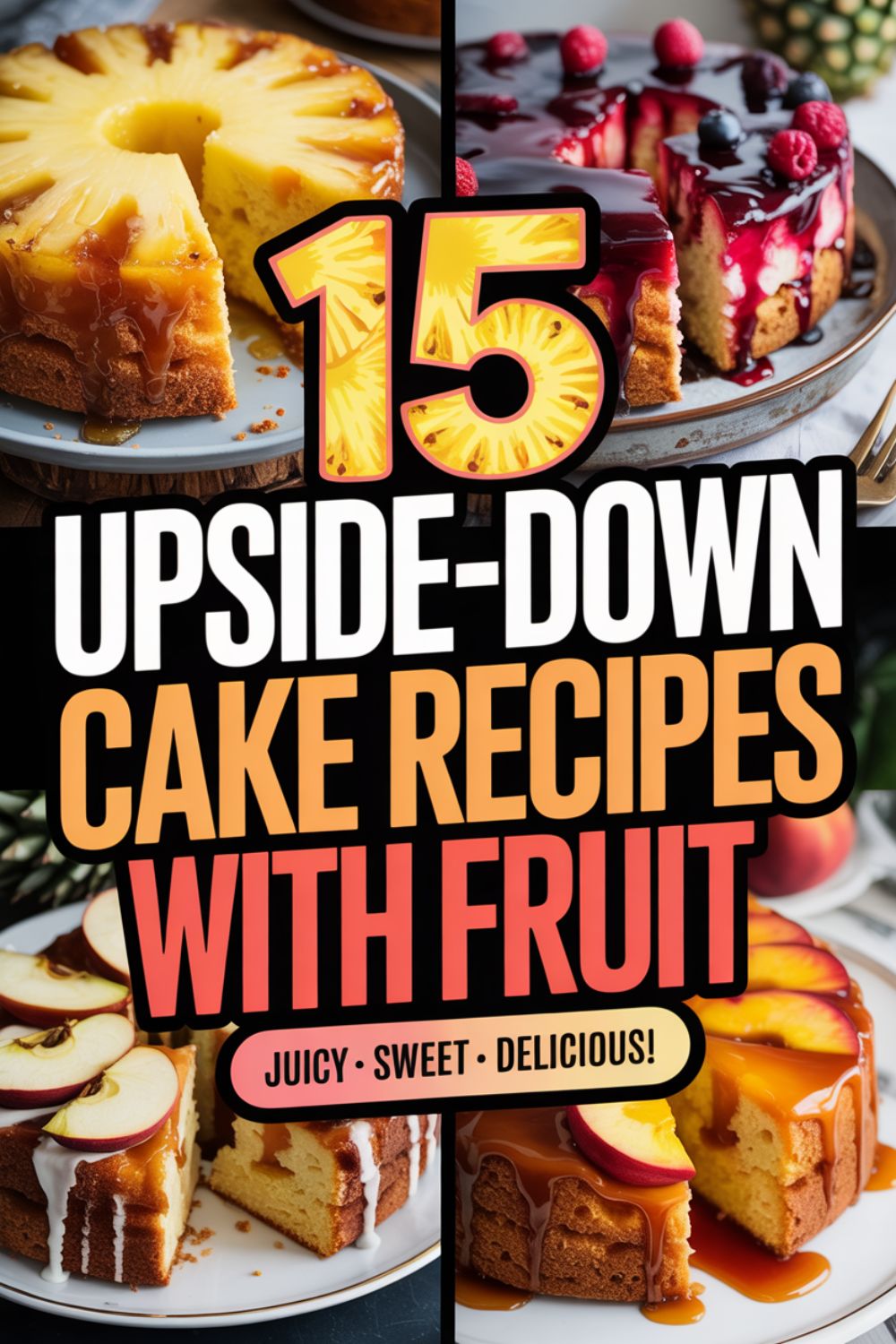
15 Upside-Down Cake Recipes with Fruit That’ll Make You Flip
Look, I’ll be honest with you—upside-down cakes don’t get nearly enough love these days. Everyone’s obsessed with towering layer cakes covered in buttercream, but here’s the thing: those require serious decorating skills and patience I frankly don’t have on a Tuesday night. Upside-down cakes? They’re the genius move of the baking world. You toss fruit in a pan, pour batter on top, bake it, flip it, and suddenly you look like you spent hours on presentation. It’s basically cheating, but the delicious kind.
The magic happens when butter and brown sugar melt together in the pan during baking, creating this caramelized layer that seeps into the cake and coats your fruit in glossy, sticky goodness. The science is actually pretty cool—the caramel acts as an adhesive that helps everything stick together when you flip the cake, while the fruit releases its juices and adds moisture to the crumb. Plus, that caramelization creates those gorgeous golden edges that taste like butter toffee.
What I love most about these cakes is their versatility. You can use whatever fruit is in season or sitting in your fridge getting a little too soft. Apples in fall, berries in summer, stone fruits when they’re at their peak—the batter stays pretty much the same, but the flavor changes completely. And honestly? Sometimes I make these just because I need to use up fruit before it goes bad, which makes me feel productive and indulgent at the same time.
Why Upside-Down Cakes Are Actually Genius
The whole upside-down thing started way back in the 19th century when people cooked in cast-iron skillets over open flames. They’d caramelize fruit right in the pan, pour batter on top, and boom—dessert that doubled as dinner entertainment when you flipped it. The pineapple version became iconic in the 1920s after Dole ran a recipe contest, but honestly, the technique works with pretty much any fruit that can handle heat.
What makes these cakes foolproof is the structure. The batter needs to be sturdy enough to support the weight of the fruit without turning into a soggy mess, but still tender and moist. The fruit on the bottom releases moisture as it bakes, which actually helps keep the cake from drying out. It’s a self-basting system that works better than most fancy techniques.
I use this 10-inch cast iron skillet for mine because the heavy bottom distributes heat evenly and nothing sticks. Plus, you can start the caramel right on the stovetop before transferring it to the oven. If you’re using a regular cake pan, just make sure it’s at least 2 inches deep because those fruit juices will bubble up and you don’t want overflow drama in your oven.
Classic Pineapple Upside-Down Cake
This is the one everyone knows—the retro superstar that graced every church potluck in the ’70s and somehow never went out of style. You drain your canned pineapple rings (or use fresh if you’re fancy), arrange them in melted butter and brown sugar, nestle maraschino cherries in the centers, and pour a simple vanilla cake batter over the top.
The thing about pineapple is that it’s heavy, so your cake batter needs to be on the sturdier side. Some recipes use cake flour and egg whites to keep it light, but I actually prefer all-purpose flour and whole eggs here. The extra structure helps support those pineapple rings without turning dense. And here’s a move I picked up: brush some of that reserved pineapple juice on the cake after you flip it for extra moisture and flavor. Get Full Recipe.
The pineapple’s natural acidity plays nicely with the sweet caramel, and those cherries add little pops of color that make the whole thing Instagram-ready without any effort. I serve mine warm with a scoop of vanilla ice cream, and suddenly it’s fancy enough for company but easy enough for a random Wednesday.
Caramel Apple Upside-Down Cake
Fall in cake form, right here. This one’s all about the apples—thinly sliced, arranged in a pretty spiral pattern, sitting on top of that buttery brown sugar base. The warm spices in the cake (cinnamon, nutmeg, maybe a tiny pinch of cardamom if you’re feeling adventurous) turn this into the dessert version of a cozy sweater.
Apple choice matters here. You want something that holds its shape and won’t turn to mush in the oven. Pink Lady, Honeycrisp, or Fuji work great—they’ve got enough structure to stay firm and enough sweetness to balance the caramel without being cloying. Skip the Granny Smiths unless you really love tartness, and definitely avoid Red Delicious because those get mealy and weird when baked.
I slice my apples with this mandoline slicer to get them paper-thin and uniform. It’s weirdly satisfying and makes the final presentation look way more impressive than the effort required. Just watch your fingers—those blades don’t discriminate. Get Full Recipe.
The best part about apple upside-down cake is how the fruit releases its juices and mingles with the caramel to create this glossy coating that soaks into the cake. It’s sticky, it’s sweet, it’s everything you want from a fall dessert without having to deal with pie dough.
If you’re really into apple desserts, you might also love these easy cookie recipes that make weeknight baking feel totally doable. Some of them feature apple cider or warm spices that hit that same cozy vibe.
Banana Caramel Upside-Down Cake
This one flies under the radar but deserves way more hype. Ripe bananas (we’re talking spotty and soft, the ones you’d normally freeze for smoothies) get sliced lengthwise and arranged over that classic butter-brown sugar combo. The bananas caramelize beautifully and turn all jammy and sweet, almost like bananas foster baked into a cake.
The cake batter itself gets mashed banana mixed in, which adds moisture and a subtle banana bread vibe. I also throw in a bit of Greek yogurt for tang and a tender crumb. The whole thing is ridiculously moist—like, almost too moist, but in the best way possible. And because bananas are naturally sweet, you can actually dial back the sugar in the batter a touch if you want.
Here’s my secret weapon: before arranging the banana slices, I sprinkle a tiny bit of cinnamon and nutmeg over the caramel. It adds this warm, spiced note that makes the whole cake taste more complex than it actually is. Serve it with rum-spiked whipped cream if you’re feeling fancy, or just eat it straight from the pan standing at the counter. No judgment here. Get Full Recipe.
Mixed Berry Upside-Down Cake
Summer berries are having a moment, and this cake is the perfect way to show them off. I usually go with a mix of raspberries, blueberries, and blackberries because the color combo is stunning and each berry brings its own personality. Blueberries are sweet and jammy, raspberries add tartness, and blackberries contribute a deeper, almost wine-like note.
The trick with berries is not to overload the pan. They release a lot of juice, and too many will make your cake soggy. I aim for a single layer with some strategic gaps—enough to look abundant without drowning the batter. And I always toss them with a tablespoon of cornstarch before arranging them, which helps absorb excess moisture and prevents a watery bottom.
Berries are loaded with antioxidants and beneficial compounds that remain present even after baking, so you’re getting some nutritional bonus points with your dessert. Not that I’m claiming this is health food, but it’s nice to know your indulgence comes with a side of vitamins. Get Full Recipe.
This cake is gorgeous straight out of the oven—those berries stain the caramel a deep purple-red that looks like something from a fancy bakery. Top it with a dusting of powdered sugar and maybe some fresh mint, and you’ve got a showstopper that took minimal effort.
Meal Prep Essentials Used in This Plan
- Cast Iron Skillet (10-inch) – The heavy-duty workhorse for perfect caramelization and easy flipping. Mine lives on my stovetop because I use it constantly.
- Silicone Baking Mat – Goes under everything, prevents sticking, and saves you from scrubbing pans for twenty minutes. Life-changing for baking.
- Kitchen Mandoline Slicer – Paper-thin, uniform fruit slices every single time. Makes your cakes look professional without the skill level.
- Ultimate Baking Guide eBook – Digital resource with ratios, troubleshooting, and conversion charts. Keeps me from googling measurements mid-recipe.
- Seasonal Fruit Pairing Chart PDF – Shows which fruits work best together and when they’re in season. Helps with grocery planning.
- Cake Success Video Course – Step-by-step videos covering everything from mixing techniques to flipping tricks. Worth every penny.
Peach and Bourbon Upside-Down Cake
Peaches and bourbon are one of those combinations that just works. The bourbon adds this warm, oaky depth that complements the sweet fruit without being boozy or overwhelming. I use fresh peaches when they’re in season (late summer is peak time), but frozen work fine in a pinch—just thaw them completely and pat dry.
The peaches get sliced into wedges and arranged in a sunburst pattern over the caramel. I add a couple tablespoons of bourbon right into the melted butter and brown sugar, which creates this incredible aroma while it bakes. The alcohol cooks off, leaving behind just the flavor. If you’re not into bourbon, dark rum or even orange liqueur work great here.
One thing about peaches: they’re juicy as hell. I mean, that’s what makes them delicious, but it also means you need to account for the extra liquid. I reduce the milk in my cake batter by about a quarter cup to compensate. This keeps the cake from getting soggy while still staying moist and tender. Get Full Recipe.
This cake is killer served warm with vanilla bean ice cream melting over the top. The cold ice cream mixed with the warm, boozy peach caramel is basically summer in a bowl.
Plum and Almond Upside-Down Cake
Plums are criminally underused in baking, and I don’t understand why. They’ve got this gorgeous purple skin that turns even darker and richer when caramelized, and their flesh has a perfect balance of sweet and tart. I use Italian prune plums when I can find them, but regular black or red plums work fine—just make sure they’re firm enough to slice without turning to mush.
The almond element comes from adding almond extract to the cake batter and sprinkling sliced almonds over the caramel before you add the plums. The almonds toast during baking and add this nutty crunch that contrasts beautifully with the soft fruit and tender cake. It’s a texture thing that elevates the whole experience.
I always use pure almond extract because the imitation stuff tastes weird and artificial. A little goes a long way—just half a teaspoon is enough to add that marzipan-like flavor without overpowering the plums. Get Full Recipe.
Looking for more almond-based treats? These 5-ingredient cookies include some seriously simple almond variations that come together in minutes.
Cherry Chocolate Upside-Down Cake
Chocolate and cherries are a classic pairing for a reason—the dark, slightly bitter cocoa balances the sweet-tart cherries perfectly. I use fresh cherries when they’re available, but honestly, frozen work just as well and save you the hassle of pitting forty cherries by hand. Just thaw them, drain thoroughly, and pat them dry before arranging them in the pan.
The cake batter here is chocolate-based, which means cocoa powder and a bit of instant espresso powder to deepen the chocolate flavor. The caramel on the bottom stays traditional—butter and brown sugar—because adding cocoa to that would make it taste like fudge sauce, which sounds good in theory but gets weird in practice.
This one’s rich, so I cut smaller slices than usual. It’s the kind of dessert that pairs perfectly with coffee after dinner, and honestly, I’ve been known to eat leftover slices for breakfast with my morning espresso. Don’t @ me. Get Full Recipe.
Mango Coconut Upside-Down Cake
Tropical vibes all the way. Ripe mango slices arranged over caramel, with shredded coconut mixed into the cake batter and more sprinkled on top of the fruit before baking. The coconut toasts during baking and adds this amazing texture and flavor that screams beach vacation, even if you’re just in your suburban kitchen on a random Tuesday.
Mangoes can be tricky—you want them ripe but still firm enough to hold their shape when sliced. If they’re too soft, they’ll turn into mango puree in the pan, which isn’t necessarily bad but ruins the visual appeal. I usually go for mangoes that have a little give when you press them but aren’t actively falling apart.
For the coconut, I use unsweetened shredded coconut rather than the super-sweet stuff. It gives you the flavor without making the cake tooth-achingly sweet. Plus, mangoes are packed with vitamin C and beneficial nutrients, so you’re basically eating fruit salad. That’s how I justify second slices, anyway. Get Full Recipe.
Pear and Ginger Upside-Down Cake
Pears are elegant and subtle, which makes them perfect for a sophisticated upside-down cake. I use firm pears like Bosc or Anjou because they hold their shape beautifully and have a mild sweetness that doesn’t compete with the caramel. The ginger element comes from both fresh grated ginger in the batter and crystallized ginger chopped up and scattered over the caramel.
Here’s my trick: I core the pears with this melon baller and leave them in halves rather than slicing them into pieces. It looks really elegant when you flip the cake, and you get these perfect pear shapes suspended in glossy caramel. Plus, it’s way easier than trying to arrange fifty little pear slices in some kind of pattern.
The ginger adds warmth and a slight kick that cuts through the sweetness beautifully. It’s not spicy-ginger, more like aromatic-ginger—the kind that makes the whole house smell amazing while it bakes. This cake feels fancy enough for holiday dinners but easy enough to make on a weeknight. Get Full Recipe.
Strawberry Rhubarb Upside-Down Cake
Spring’s power couple makes an appearance here. Rhubarb and strawberries are a match made in dessert heaven—the rhubarb brings tang and a vegetal backbone, while the strawberries add sweetness and color. You need both for balance; rhubarb alone is aggressively tart, and strawberries alone can be cloying.
I cut the rhubarb into 2-inch pieces and halve or quarter the strawberries depending on their size. Mix them together with a bit of sugar and let them sit for 15 minutes before arranging them in the pan. This draws out some of their liquid, which you can drain off to prevent a soggy cake. Save that liquid though—it makes an amazing simple syrup for cocktails.
The cake batter here is pretty straightforward vanilla, because you want the fruit to be the star. A little lemon zest in the batter brightens everything up and plays nicely with both the strawberries and rhubarb. This is one of those cakes that tastes even better the next day after the flavors have had time to meld. Get Full Recipe.
For other spring-inspired treats, check out these no-bake cookie recipes that are perfect when you want something sweet but don’t feel like turning on the oven.
Fig and Honey Upside-Down Cake
Figs are having a moment, and honestly, I’m here for it. Fresh figs have this incredible jammy texture and subtle sweetness that caramelizes beautifully. I cut them in half and arrange them cut-side down in the pan so you get those gorgeous cross-sections when you flip the cake. The seeds add little crunchy bits throughout.
Instead of using all brown sugar in the caramel, I swap half of it for honey. The honey adds a floral note that complements the figs without overwhelming them. Plus, figs and honey together taste ancient and sophisticated—like something you’d eat in a Tuscan villa rather than your kitchen.
Fresh figs have a short season and can be pricey, so this is more of a special occasion cake. But when figs are in season and you find them at a reasonable price, absolutely make this. It’s the kind of dessert that makes people ask for the recipe. Get Full Recipe.
Blueberry Lemon Upside-Down Cake
Bright, sunny, and perfect for summer. Blueberries packed into the bottom of the pan, sitting on lemon-infused caramel (I add lemon zest right into the melted butter and sugar), with a lemon-scented cake batter on top. The whole thing tastes like sunshine and makes your house smell incredible.
Blueberries are interesting because they’re one of the highest antioxidant fruits you can bake with, and unlike some delicate berries, they hold their shape really well in the oven. They burst slightly and release these little pockets of jammy fruit throughout the caramel, but they don’t turn to complete mush.
I use both lemon zest and juice in the cake batter—the zest for aromatics, the juice for tang. Just be careful not to add too much juice or your batter will be too thin. About two tablespoons is the sweet spot. And I always, always use fresh lemon rather than that bottled stuff. The difference is night and day. Get Full Recipe.
Tools & Resources That Make Cooking Easier
- Digital Kitchen Scale – Weighing ingredients is a game-changer for consistent results. No more dense or dry cakes from incorrectly measured flour.
- Offset Spatula – Makes spreading batter and frosting effortless. The angled design gives you perfect control.
- Cooling Rack Set – Proper air circulation prevents soggy bottoms and makes flipping easier. Get a set with different sizes.
- Baking Substitutions Guide PDF – Out of buttermilk at 9pm? This guide has saved me more times than I can count.
- Fruit Storage & Prep Videos – Learn which fruits ripen on the counter vs. fridge, plus cutting techniques. Reduces waste significantly.
- WhatsApp Baking Community – Real-time troubleshooting and recipe swaps with other home bakers. Surprisingly helpful and encouraging.
Cranberry Orange Upside-Down Cake
Fall and winter’s dynamic duo. Fresh cranberries are tart and firm, which means they need some help in the sweetness department. I toss them with sugar and orange zest before arranging them in the pan, and I add orange juice to both the caramel and the cake batter. The citrus cuts through the cranberry’s assertive tartness and makes everything taste bright and balanced.
Fresh cranberries are only available from October through December, so this is a seasonal cake by default. But honestly, frozen cranberries work almost as well—just don’t thaw them before using or they’ll get mushy. Use them straight from the freezer and you’re golden.
This cake has holiday vibes written all over it. The red cranberries look festive, and the orange adds that traditional holiday citrus note without requiring you to make anything complicated. It’s perfect for Thanksgiving or Christmas dinner when you want something that feels special but doesn’t require three hours and a culinary degree. Get Full Recipe.
If you’re looking for more holiday baking inspiration, these classic chocolate chip cookie recipes are crowd-pleasers that travel well to parties and never disappoint.
Apricot and Pistachio Upside-Down Cake
Apricots are underrated. They’ve got this unique flavor that’s part peach, part plum, with a slight tang that makes them interesting in desserts. Fresh apricots can be hard to find and have a short season, but honestly, I prefer using canned or jarred apricots in syrup for this cake. They’re already tender and sweet, and you don’t have to worry about ripeness issues.
The pistachios add crunch and a gorgeous green color that contrasts beautifully with the orange fruit. I chop them roughly and sprinkle them over the caramel before adding the apricot halves. During baking, the nuts toast slightly and develop this incredible nutty flavor that makes the whole cake taste more complex.
This one feels Middle Eastern in the best way—the combination of apricots, pistachios, and a hint of cardamom in the batter tastes like something you’d get at a fancy bakery. But it’s still just a one-bowl cake batter situation, so the difficulty level is minimal. Get Full Recipe.
Tropical Fruit Medley Upside-Down Cake
Why choose one fruit when you can have them all? This version uses a mix of tropical fruits—pineapple chunks, mango slices, and kiwi rounds arranged in whatever pattern strikes your fancy. It’s colorful, fun, and tastes like vacation even if you’re just sitting on your couch in pajamas.
The cake batter here gets coconut milk instead of regular milk, and I add a teaspoon of rum extract for that tropical cocktail vibe. If you want to use actual rum, go for it—about two tablespoons in place of some of the milk works great. The alcohol cooks off but leaves behind that distinctive flavor.
This cake is a total showoff move for summer parties. People see all those different fruits and assume you spent hours on it, when really you just arranged some pre-cut fruit in a pan and called it a day. It’s the baking equivalent of looking like you tried really hard while putting in minimal effort. Get Full Recipe.
Classic Caramelized Apple with Walnut Upside-Down Cake
Back to basics, but elevated. This is similar to the earlier apple version, but with toasted walnuts scattered over the caramel and added to the cake batter for extra crunch and a deeper, more autumnal flavor profile. Walnuts and apples are natural partners—the nuts add earthiness that complements the fruit’s sweetness without competing with it.
I toast the walnuts in this toaster oven for about 5 minutes before chopping and using them. Raw walnuts can be a bit bitter and don’t have the same depth of flavor. Toasting brings out their oils and creates this warm, almost caramel-like taste that plays perfectly with the actual caramel in the cake.
The cake batter gets a generous dose of cinnamon and a pinch of cloves, which turns this into the ultimate fall comfort dessert. It’s the kind of cake that makes your house smell like a candle shop, but in a good way—like someone’s grandmother is baking, not like synthetic pumpkin spice nonsense. Get Full Recipe.
For more cozy, comforting treats, these soft and chewy cookies hit that same warm, satisfying vibe and are perfect with coffee or tea.
The Science Behind Perfect Caramelization
Let’s talk about what’s actually happening in that pan. When you melt butter and brown sugar together, you’re creating a simple caramel through caramelization and the Maillard reaction. The sugars break down and recombine into hundreds of new flavor compounds that taste complex and slightly bitter in the best way.
The butter serves multiple purposes here. Obviously it adds richness and flavor, but it also prevents the sugar from crystallizing and keeps everything smooth and glossy. The fat coats the fruit and helps it caramelize during baking, creating those gorgeous golden edges that taste like toffee.
Temperature matters more than you might think. If your oven runs hot, that caramel can burn before the cake fully bakes. If it runs cool, you might not get enough caramelization and the fruit will be pale and underwhelming. I always use an oven thermometer to make sure I’m actually baking at the temperature the dial says, because most home ovens are off by at least 25 degrees.
Common Mistakes and How to Avoid Them
The number one rookie move is flipping the cake too soon. I know you’re excited, but patience is crucial here. Let that cake cool in the pan for at least 10 minutes after it comes out of the oven. This allows the caramel to firm up slightly so it doesn’t all slide off when you invert the cake. Too soon and you’ll end up with a puddle of hot caramel and displaced fruit. Too long and the caramel sets too hard and sticks to the pan.
Another common mistake is using too much fruit. More isn’t always better here—overloading the pan means excess moisture that can make your cake soggy and prevent it from baking through evenly. Aim for a single layer of fruit with minimal gaps, but don’t stack it or cram it in. The batter needs to be able to flow around and underneath the fruit during baking.
And please, please grease your pan well. I’m talking butter rubbed thoroughly over every inch, including the sides. Some people also line the bottom with parchment paper for extra insurance, which honestly isn’t a bad idea if you’re nervous about sticking. Nothing worse than a cake that refuses to release from the pan after you’ve built up all that anticipation.
Frequently Asked Questions
Can I make upside-down cake ahead of time?
Absolutely! These cakes actually taste better the next day after the flavors have melded together. Store it covered at room temperature for up to 2 days, or refrigerate for up to 4 days. Just bring it back to room temp or warm individual slices in the microwave for 15-20 seconds before serving.
What if my cake sticks to the pan?
First, make sure you let it cool for the full 10 minutes—sometimes patience solves the problem. If it’s still stuck, place the pan over low heat on the stovetop for 30 seconds to re-melt the caramel slightly. You can also run a thin knife around the edges to loosen any spots that are being stubborn. And next time, grease that pan like your life depends on it.
Can I use frozen fruit instead of fresh?
Yes, but you need to handle it correctly. For most fruits, thaw them completely and pat them very dry with paper towels before arranging them in the pan—excess moisture will make your cake soggy. The exception is cranberries, which you can use straight from frozen because they’re so firm.
Do upside-down cakes freeze well?
They do! Wrap individual slices tightly in plastic wrap and then aluminum foil, and freeze for up to a month. Thaw overnight in the fridge before serving, or microwave frozen slices for about 45 seconds. The texture holds up surprisingly well, though fresh is always better if you have the option.
What’s the best pan size for upside-down cakes?
Most recipes are designed for either a 9-inch or 10-inch round pan, or a 9×13-inch rectangular pan. The round pans give you that classic presentation, while the rectangular pan is easier for serving a crowd. Just make sure whatever you use is at least 2 inches deep to account for the fruit and prevent overflow.
Final Thoughts
Here’s the thing about upside-down cakes—they’re remarkably forgiving and endlessly adaptable. The basic technique stays the same whether you’re using pineapple or plums, and once you’ve made one successfully, you can experiment with any fruit combination that sounds good to you. Don’t stress about perfect arrangements or precise measurements. These cakes are supposed to be rustic and homey, not fussy and complicated.
The beauty is in their simplicity. You’re essentially making one-bowl cake batter and arranging fruit in a pan. That’s it. No fancy decorating skills required, no complicated techniques, no special equipment beyond a pan and an oven. And yet the results look and taste impressive enough for special occasions while being easy enough for a random Tuesday night when you need dessert.
Start with whichever fruit sounds most appealing to you right now. Maybe that’s the classic pineapple because you’re feeling nostalgic, or maybe it’s whatever’s in your fridge getting a little too ripe. The worst that happens is you end up with a slightly imperfect cake that still tastes amazing. The best that happens is you nail it on the first try and everyone asks for the recipe. Either way, you’re eating cake, so really, how bad could it be?
Now get in that kitchen and start flipping.