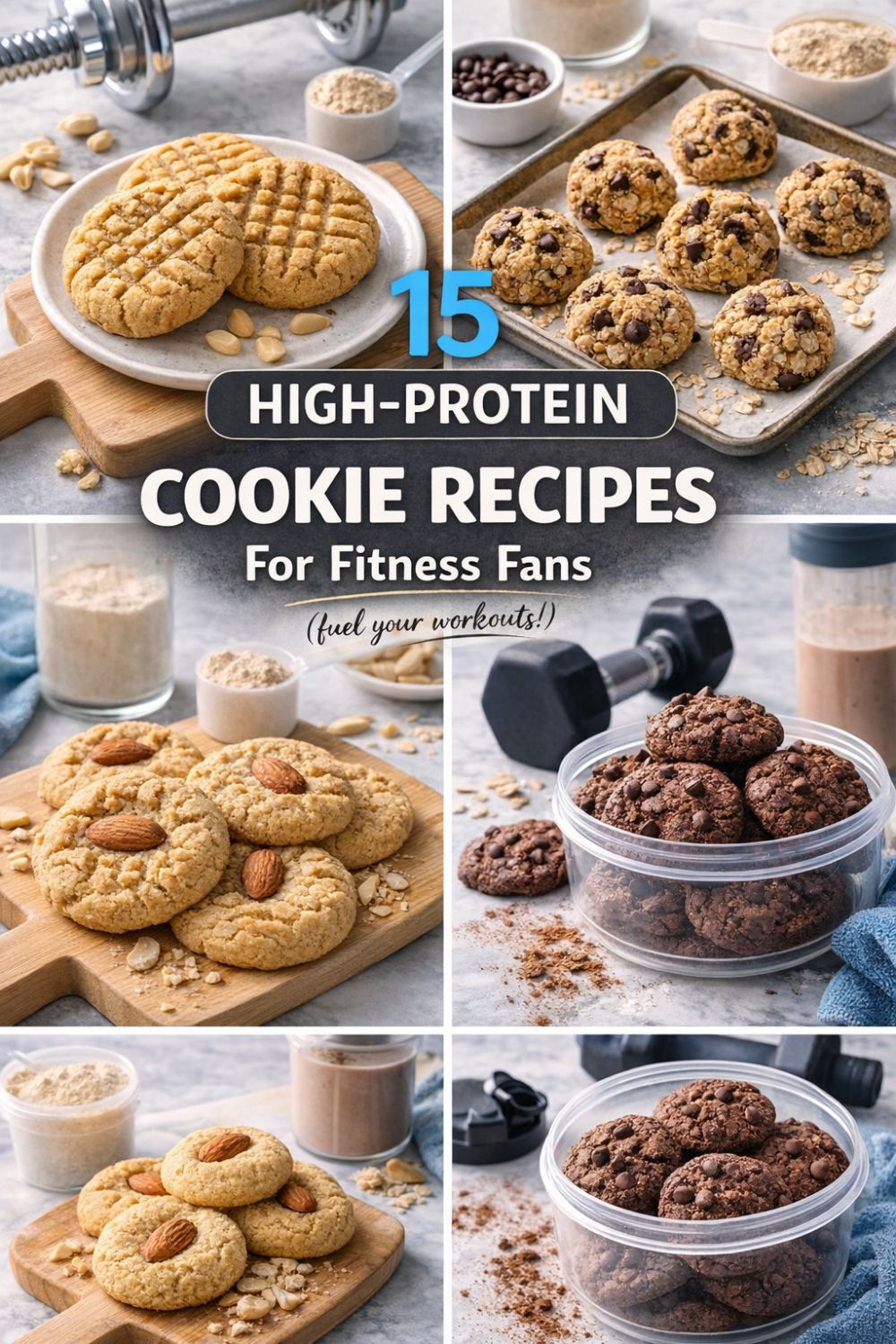
15 High-Protein Cookie Recipes for Fitness Fans
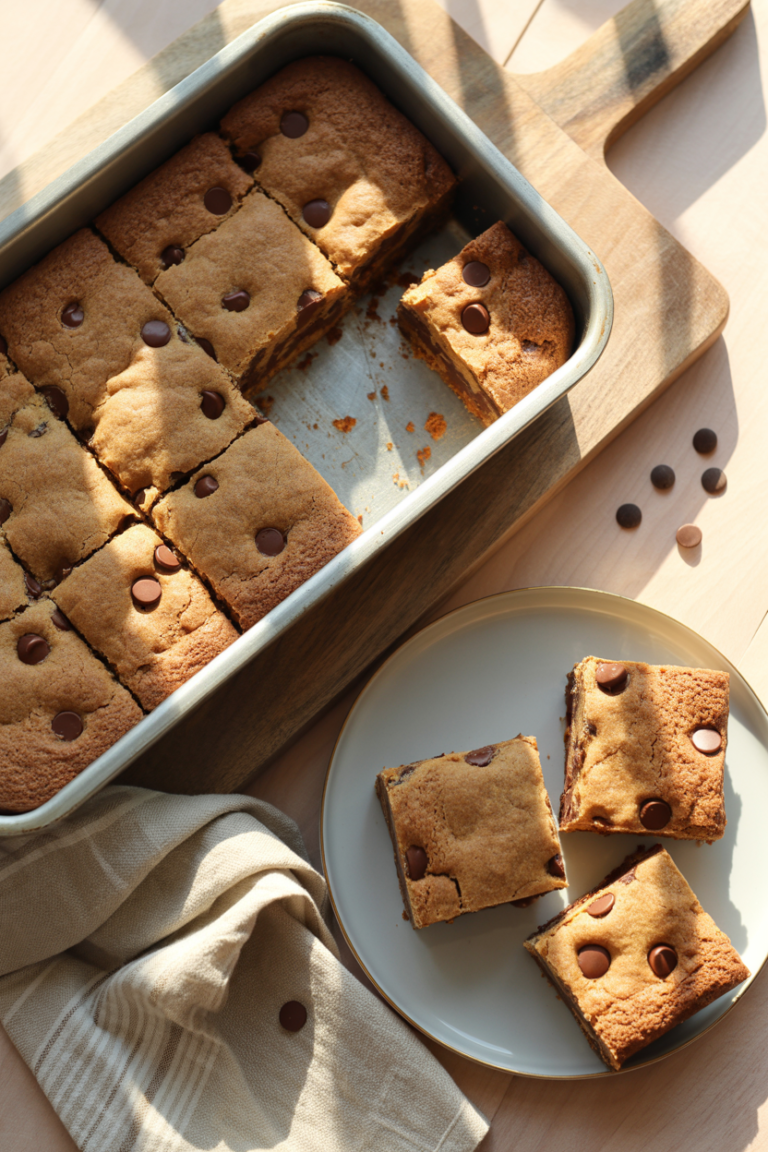
Let me tell you something about protein cookies—they used to taste like cardboard had a baby with chalk dust. Not anymore. I’ve spent way too many weekends testing recipes, tweaking ratios, and annoying my neighbors with the smell of constant baking. The result? Fifteen protein-packed cookies that actually taste like dessert, not like someone pulverized a gym shoe into flour form.
You know that moment when you’re craving something sweet after a workout, but you don’t want to undo all that hard work? Yeah, that’s where these recipes come in. High-protein cookies solve the eternal fitness dilemma—satisfy your sweet tooth without derailing your macros. Plus, they’re way cheaper than those $4 protein bars that taste like sadness wrapped in foil.
Whether you’re bulking, cutting, or just trying to sneak more protein into your day, these cookies have your back. I’m talking real ingredients, real flavor, and enough protein to make your muscles do a happy dance. Ready to get baking?
Why Protein Cookies Are a Game-Changer
Here’s the deal—traditional cookies are basically pure sugar and butter with a sprinkle of regret. Don’t get me wrong, I love a good classic cookie, but when you’re trying to hit 150 grams of protein a day, regular cookies don’t exactly help the cause.
Protein cookies flip the script. They pack anywhere from 8 to 20 grams of protein per serving, depending on how you make them. That’s roughly the same as a chicken breast, except way more portable and significantly less likely to gross out your coworkers when you eat it at your desk. Research from the National Institutes of Health shows that spreading protein intake throughout the day supports better muscle protein synthesis than just loading up at dinner.
The secret is swapping traditional flour for alternatives like almond flour, oat flour, or protein powder, and cutting way back on sugar. You end up with cookies that fuel your body instead of just spiking your blood sugar and leaving you crashed on the couch an hour later.
🎉 Join Our WhatsApp Community!
Get exclusive protein cookie recipes, fitness tips, and meal prep hacks delivered straight to your phone. Plus, join thousands of fitness enthusiasts sharing their baking wins and workout journeys!
Join WhatsApp Channel NowThe Protein Cookie Formula That Actually Works
I’ve burned through enough ingredients to stock a small bakery, and I’ve learned that successful protein cookies follow a basic formula. You need a protein source (duh), a binder like eggs or flax eggs, a fat source for texture, and just enough sweetener to make them taste like cookies instead of protein bars in disguise.
Most recipes use whey protein, plant-based protein, or casein powder as the base. Whey gives you a lighter texture but can dry out fast if you’re not careful. I use this whey protein isolate because it doesn’t have that weird artificial aftertaste some brands have. Plant-based proteins work great too, especially pea protein, but they tend to make cookies a bit denser.
For texture, you want a combo of wet and dry ingredients that creates that chewy-yet-slightly-crispy thing we all love. Silicone baking mats are clutch here—nothing sticks, and cleanup is basically nonexistent. Trust me, after you’ve scraped burned protein cookie remnants off a regular pan, you’ll understand.
Choosing Your Protein Powder
Not all protein powders bake the same. Whey isolate works beautifully because it has minimal fat and carbs, letting you control the texture better. Casein makes chewier cookies but takes longer to bake. Plant-based options like pea, brown rice, or hemp protein work fine, but add a bit more liquid since they absorb moisture like crazy.
According to Healthline’s nutrition research, timing your protein intake around workouts can enhance recovery, making these cookies perfect for post-gym snacking. I personally rotate between vanilla and chocolate protein powder depending on what flavor profile I’m going for. Vanilla is way more versatile—you can pair it with literally any mix-in.
Speaking of protein-packed treats, if you’re looking for variety beyond cookies, you’ll love these easy cookie recipes or check out no-bake options when you don’t feel like firing up the oven.
15 Protein Cookie Recipes That Don’t Suck
1. Classic Chocolate Chip Protein Cookies
Let’s start with the MVP. This recipe uses almond flour, vanilla whey protein, and mini chocolate chips. The trick here is underbaking them by about two minutes—they’ll look slightly underdone when you pull them out, but they’ll firm up as they cool and stay ridiculously soft inside. Get Full Recipe
I use mini chocolate chips instead of regular size because you get more chocolate distribution per cookie without loading up on extra sugar. Math and deliciousness, working together at last. Each cookie packs about 12 grams of protein and tastes exactly like the cookies your grandma used to make, except these won’t make you feel like you need a nap afterward.
2. Peanut Butter Protein Power Cookies
These are stupidly simple—peanut butter, protein powder, honey, and an egg. That’s it. Four ingredients and you’ve got cookies that taste like Reese’s cups decided to get swole. Get Full Recipe
The key is using natural peanut butter, not the processed stuff with added sugar and hydrogenated oils. Natural peanut butter has more protein and healthy fats, plus it doesn’t turn your cookies into greasy puddles. I grab this natural peanut butter because it’s creamy without being oily, and it doesn’t separate like some brands that require an engineering degree to mix.
3. Double Chocolate Protein Fudge Cookies
For the chocolate addicts (hey, that’s me), these cookies use both chocolate protein powder and cocoa powder for maximum chocolate flavor. They’re dense, fudgy, and taste like brownies had a love child with cookies. Get Full Recipe
The secret weapon? Greek yogurt. It adds moisture and extra protein without making the cookies cakey. Plus it gives them that fudgy texture that makes you question whether you’re actually eating something healthy. Pro tip: use full-fat Greek yogurt, not the fat-free stuff—the fat helps bind everything together and prevents that dry, crumbly texture nobody wants.
🍪 Cookie Baker’s Essential Kit
Stop fighting with stuck cookies and uneven baking. This silicone baking mat set changed my cookie game completely—literally nothing sticks, and they’re reusable for years. Pair it with this cookie scoop set for perfectly sized cookies every single time.
Why you need it: Consistent sizing means even baking, and zero cleanup beats scraping burned bits off pans any day.
4. Oatmeal Raisin Protein Cookies
I know raisins in cookies are controversial (some people think they’re tiny lies pretending to be chocolate chips), but hear me out. Oatmeal raisin cookies get unfairly hated on, and this protein version might convert you. The oats add fiber and complex carbs, perfect for pre-workout fuel. Get Full Recipe
Using rolled oats instead of quick oats gives you better texture—more chew, less mush. You can substitute raisins for dried cranberries or chopped dates if you’re team anti-raisin. Either way, each cookie delivers around 10 grams of protein and enough sustained energy to power through your workout without feeling like you swallowed a brick.
5. White Chocolate Macadamia Protein Cookies
These are fancy. Like, “I made these for a party and people asked for the recipe” fancy. White chocolate chips and chopped macadamia nuts make these cookies taste expensive, but they’re actually pretty cheap to make. Get Full Recipe
Fair warning—macadamia nuts are pricey. But you only need about half a cup for the whole batch, and the flavor payoff is worth it. If you’re on a budget, swap them for chopped almonds or cashews. Still delicious, way cheaper, and your wallet won’t hate you. I chop my nuts using this handheld chopper because I’m too lazy to break out the food processor for one ingredient.
6. Snickerdoodle Protein Cookies
Cinnamon-sugar coating on a soft, chewy cookie? Sign me up. These taste like fall in cookie form, and they’re perfect with coffee or tea. The cinnamon helps regulate blood sugar, which is a nice bonus on top of the protein content. Get Full Recipe
The coating is key here—mix cinnamon with a tiny bit of coconut sugar or monk fruit sweetener, roll the dough balls in it before baking, and boom. You’ve got that classic snickerdoodle look and taste without the 200 calories of pure sugar. These are great for meal prep too; they stay soft for days in an airtight container.
Looking for more soft and chewy options? These soft and chewy cookies hit differently, or try these classic chocolate chip variations if you want to mix things up.
7. Almond Joy Protein Cookies
Chocolate, coconut, and almonds—basically an Almond Joy candy bar that won’t make your dentist cry. These cookies use shredded coconut and dark chocolate chunks for that classic flavor combo. Get Full Recipe
Use unsweetened shredded coconut, not the sweetened stuff that’s basically coconut-flavored sugar. The chocolate and protein powder provide plenty of sweetness. Toast the coconut first in a dry pan for about three minutes—it brings out the flavor like crazy and makes your whole kitchen smell amazing. Just don’t walk away from the stove because coconut goes from toasted to burned in about 30 seconds.
💪 The Protein Cookie Starter Pack
New to protein baking? Start with this vanilla whey protein isolate—it’s unflavored enough to work in any recipe but tastes way better than the chalky brands. Add this almond flour (super fine grind, no gritty texture) and you’re 90% of the way to perfect protein cookies.
Budget tip: These two ingredients make up the base of most recipes—buy in bulk and you’ll save compared to pre-made protein snacks.
8. Lemon Protein Cookies
These are my summer go-to. Bright, zesty, and refreshing, they taste like sunshine decided to become a cookie. The lemon cuts through the richness of typical protein cookies and gives you something light and satisfying. Get Full Recipe
Fresh lemon zest is non-negotiable here—bottled lemon juice just doesn’t hit the same. I use this microplane zester because it gets super fine zest without any of the bitter white pith. Add a tiny drizzle of lemon glaze on top (powdered erythritol mixed with lemon juice) and you’ve got cookies that taste like they came from a fancy bakery, not your slightly messy kitchen.
9. Pumpkin Spice Protein Cookies
Before you roll your eyes, just try these. Real pumpkin puree adds moisture and fiber, plus all those warm spices (cinnamon, nutmeg, ginger) make your house smell incredible. These are peak autumn comfort food. Get Full Recipe
Make sure you’re using pure pumpkin puree, not pumpkin pie filling—the pie filling is loaded with added sugar and spices you don’t need. A 15-ounce can of pumpkin puree is enough for two batches of cookies, so I usually double the recipe and freeze one batch. Future you will be very grateful when you have warm pumpkin cookies on a random Tuesday.
10. Mint Chocolate Chip Protein Cookies
These taste like Girl Scout Thin Mints and a protein shake had a delicious baby. Peppermint extract is powerful, so start with less than you think you need—you can always add more, but you can’t take it out once it’s in there. Get Full Recipe
I use dark chocolate chips here because they pair better with mint than milk chocolate. The slight bitterness balances the sweetness and keeps these cookies from tasting too candy-like. You could also add a few drops of green food coloring if you want the full Thin Mint experience, but I usually skip it because, honestly, who cares what color they are when they taste this good?
11. Birthday Cake Protein Cookies
These are just fun. Rainbow sprinkles and vanilla make them taste exactly like birthday cake batter, and they’re perfect for when you want something sweet without the commitment of baking an actual cake. Get Full Recipe
Use natural sprinkles if you can find them—the artificial ones with all the food dyes can taste waxy and weird when baked. Natural sprinkles are made with fruit and vegetable extracts, and they actually taste better. I get these natural sprinkles and keep them on hand for random baking projects. Each cookie has about 11 grams of protein and tastes like pure nostalgia.
12. Espresso Chocolate Chip Protein Cookies
Coffee and cookies. It’s like breakfast and dessert had a beautiful, caffeinated relationship. These cookies have instant espresso powder mixed into the dough, which deepens the chocolate flavor and gives you a little energy boost. Get Full Recipe
Don’t skip the espresso powder—it doesn’t make the cookies taste like coffee, it just enhances all the other flavors. It’s one of those secret ingredients that makes people ask “what IS that?” in the best way possible. If you don’t have espresso powder, strongly brewed regular coffee works too. Just reduce the other liquid in the recipe by however much coffee you’re adding.
13. Maple Pecan Protein Cookies
These taste like fall went to the gym and came back jacked. Real maple syrup and toasted pecans create a flavor combo that’s sweet, nutty, and just different enough to stand out. Get Full Recipe
Use real maple syrup, not pancake syrup—there’s a huge difference. Real maple syrup has a complex, almost caramel-like flavor that fake syrup just can’t match. Toast your pecans first for maximum flavor. Spread them on a baking sheet and toast at 350°F for about 5-7 minutes. Your kitchen will smell incredible and the pecans will have way more flavor.
If you’re into trying different cookie styles, check out these drop cookie recipes that are perfect for beginners, or explore one-pan cookie bars when you want something easier.
14. Strawberry Protein Cookies
Okay, these are a bit different. They use freeze-dried strawberries crushed into powder, mixed into the dough. The result is a cookie that tastes like fresh strawberries without any of the moisture issues that fresh fruit would cause. Get Full Recipe
Freeze-dried fruit is expensive, I’ll admit it. But a little goes a long way—you only need about a quarter cup for a full batch of cookies. I use these freeze-dried strawberries and crush them up using a spice grinder or just put them in a bag and smash them with a rolling pin. Therapeutic and delicious.
15. Coconut Cashew Protein Cookies
Last but definitely not least, these cookies combine cashew butter, coconut flour, and shredded coconut for a tropical vibe that’s perfect year-round. They’re slightly dense, super filling, and taste way more indulgent than they actually are. Get Full Recipe
Coconut flour is insanely absorbent, so you need way less of it than regular flour. Start with the amount the recipe calls for and don’t add more unless the dough is actually wet—coconut flour will continue absorbing moisture as it sits. These cookies are great if you’re avoiding grains or just want to try something different from the usual almond flour base.
Baking Tips That’ll Save Your Cookies (And Your Sanity)
Protein cookies can be finicky. They don’t behave like regular cookies because the protein powder absorbs moisture differently than flour. Here’s what I’ve learned after countless batches.
Don’t overbake them. Seriously, this is the number one mistake people make. Protein cookies continue cooking after you pull them from the oven. Take them out when they look slightly underdone—they’ll firm up as they cool and you’ll end up with soft, chewy cookies instead of hockey pucks.
Let the dough rest for 10-15 minutes before baking. This gives the protein powder and any flour time to absorb the liquid, which leads to better texture. I know it’s hard to wait when you’re craving cookies, but trust me on this one. Use that time to clean up your mixing bowls or scroll through Instagram—whatever works.
Flatten your cookies before baking. Unlike regular cookies that spread naturally, protein cookies just kind of sit there like lumps. Use the bottom of a glass, measuring cup, or just your hand to press them down to about half an inch thick. They’ll hold that shape while baking and you’ll end up with actual cookie-shaped cookies.
🎯 The Kitchen Tool That Changed Everything
Forget measuring spoons and eyeballing portions. This cookie scoop set gives you perfectly uniform cookies every single time, which means they all bake evenly. No more burnt edges with raw middles.
- Three sizes for different cookie styles (small, medium, large)
- Spring-loaded release—dough just pops out
- Sturdy stainless steel (won’t bend under thick protein dough)
- Makes portion control effortless for macro tracking
Storage and Meal Prep Strategies
One of the best things about protein cookies is how well they store. Make a big batch on Sunday and you’ve got grab-and-go snacks all week. Store them in an airtight container at room temperature for up to five days, or freeze them for up to three months.
I use these glass meal prep containers with snap-on lids—they’re airtight, don’t absorb odors, and you can see what’s inside without opening them. Stack cookies with parchment paper between layers to prevent sticking.
For freezing, wrap individual cookies in plastic wrap or put them in a freezer bag with all the air pressed out. They’ll thaw in about 15 minutes at room temperature, or you can microwave them for 15-20 seconds for that fresh-baked taste. I actually prefer eating some of these cookies frozen—the texture is almost like ice cream cookie sandwiches without the ice cream.
Customizing Your Protein Cookies
Once you nail the basic formula, protein cookies are incredibly customizable. Swap vanilla protein for chocolate, change up the nut butter, throw in different mix-ins—the possibilities are endless. This is where you can get creative and make recipes that fit your exact preferences.
If you need to make cookies dairy-free, use plant-based protein powder and substitute the butter with coconut oil or vegan butter. For egg-free versions, flax eggs (1 tablespoon ground flaxseed mixed with 3 tablespoons water) work surprisingly well. They don’t provide quite the same binding power as regular eggs, but they get the job done.
Looking for gluten-free options? These gluten-free cookies are excellent alternatives. Or if you’re watching your sugar intake, try these low-sugar cookie options that still taste incredible.
Sweetener swaps are pretty straightforward. Honey, maple syrup, and coconut sugar all work, though they’ll add different flavors. For zero-calorie options, monk fruit sweetener or erythritol blend work best—they measure cup-for-cup like sugar and don’t have the weird cooling aftertaste that some artificial sweeteners have. Just know that cookies made with zero-calorie sweeteners won’t brown quite as much as those made with real sugar.
🎁 The Complete Protein Baker’s Toolkit
Want everything you need in one shot? This baking essentials bundle includes silicone mats, measuring cups, mixing bowls, and cookie scoops. It’s literally everything I use for protein cookie batch prep—saves money versus buying separately.
- 12-piece set covers all cookie-making basics
- Dishwasher safe (because who wants extra cleanup?)
- Nesting design saves massive cabinet space
- Perfect if you’re just starting your protein baking journey
The Protein Cookie Taste Test Reality Check
Look, I’m gonna level with you—protein cookies will never taste exactly like your grandma’s full-butter, full-sugar recipe. They just won’t. But that doesn’t mean they’re not delicious in their own right. They’re different, not worse.
When I first started making protein cookies, I kept trying to replicate traditional cookies and getting disappointed. Once I accepted that these are their own category of deliciousness, everything clicked. They’re denser, more filling, and have that subtle protein powder flavor that you either get used to or learn to mask with good mix-ins.
The best protein cookies IMO are the ones that lean into what makes them different instead of trying to hide it. The chocolate-based recipes work especially well because chocolate is a strong enough flavor to balance the protein powder. Nut butter-based cookies are also winners—the fat content keeps them moist and the nut flavor pairs naturally with protein powder.
Common Protein Cookie Mistakes (And How to Fix Them)
I’ve made every mistake possible with protein cookies, so you don’t have to. Here are the big ones and how to avoid them.
Mistake #1: Using too much protein powder. More protein doesn’t always equal better cookies. Too much and they’ll be dry, crumbly, and taste like someone ground up a gym floor. Stick to the recipe ratios—they’re designed to balance protein content with actual palatability.
Mistake #2: Skipping the binding agents. Eggs, flax eggs, chia eggs—whatever you use, you need something to hold these cookies together. Protein powder doesn’t have gluten to create structure like wheat flour does. The binders are what keep your cookies from turning into sad piles of crumbs.
Mistake #3: Overbaking. Yes, I’m mentioning this again because it’s that important. Pull them when they look slightly underdone. The residual heat will finish cooking them. I set a timer for two minutes less than the recipe suggests and check them then. Better to underbake slightly than overbake—you can always pop them back in for another minute, but you can’t un-dry a hockey puck.
Are Protein Cookies Actually Healthy?
Here’s the thing—”healthy” is relative. Compared to regular cookies loaded with refined flour and sugar? Yeah, protein cookies are healthier. They provide more protein, more fiber, and generally fewer empty calories. But they’re still cookies, not kale.
Protein cookies are a tool, not a miracle. They’re great for hitting your protein targets, satisfying sweet cravings without derailing your nutrition goals, and having a convenient post-workout snack. They’re not a replacement for actual meals or an excuse to eat twelve cookies in one sitting (although I won’t judge if you do).
Most of these recipes clock in around 120-180 calories per cookie with 8-15 grams of protein, 5-10 grams of fat, and 10-15 grams of carbs. Compare that to a regular chocolate chip cookie at 200+ calories with maybe 2 grams of protein, and you can see why they’re worth making if you’re paying attention to your macros.
For even more cookie variety, explore these 5-ingredient cookies for simpler recipes, or dive into vegan cookies that prove plant-based baking can taste incredible.
Frequently Asked Questions
Can I use any protein powder for these recipes?
Technically yes, but results vary wildly depending on the type. Whey protein isolate works best because it has a neutral flavor and fine texture. Plant-based proteins work too, but they tend to make denser cookies and sometimes have a grittier texture. Casein creates chewier cookies but takes longer to bake. Whatever you choose, stick with unflavored or vanilla for most recipes—you can always add your own flavors through extracts and mix-ins.
Why are my protein cookies always dry and crumbly?
Usually this happens because of too much protein powder, not enough fat or moisture, or overbaking. Protein powder absorbs liquid like crazy, so you need adequate wet ingredients to compensate. Try adding an extra egg, a couple tablespoons of Greek yogurt, or a bit more nut butter. Also, pull your cookies from the oven when they still look slightly underdone—they’ll continue cooking as they cool and won’t dry out as much.
Can I make these cookies without eggs?
Absolutely. Flax eggs work great—mix 1 tablespoon ground flaxseed with 3 tablespoons water per egg and let it sit for five minutes until it gels. Chia eggs use the same ratio. Applesauce or mashed banana can also work, though they’ll add sweetness and change the flavor profile. Just know that egg-free cookies might be slightly more crumbly since eggs provide binding power.
How much protein do I actually need per day?
According to Harvard Medical School, most active adults benefit from 1.2 to 2.0 grams of protein per kilogram of body weight daily, depending on activity level and fitness goals. If you’re strength training or trying to build muscle, aim for the higher end. These protein cookies can help you hit those targets without forcing down another protein shake.
Can I substitute almond flour with regular flour?
You can, but it’ll change the nutrition profile and texture significantly. Regular all-purpose flour has more carbs and less protein and fat than almond flour. If you do substitute, use about half the amount of regular flour since it’s more absorbent. The cookies will spread more during baking and have a more traditional cookie texture, but they won’t be quite as protein-dense.
Related Recipes You’ll Love
💬 Don’t Bake Alone!
Connect with fellow fitness foodies in our WhatsApp community. Share your cookie creations, get instant recipe help, and discover new protein-packed treats every week. It’s like having a personal baking coach in your pocket!
Join Our WhatsApp CommunityFinal Thoughts
Making protein cookies used to feel like choosing between taste and nutrition. These fifteen recipes prove you don’t have to compromise. Whether you’re prepping post-workout snacks, looking for a healthier dessert option, or just trying to hit your protein goals without drinking another shake, these cookies deliver.
Start with the classic chocolate chip or peanut butter recipes if you’re new to protein baking—they’re the most forgiving and taste closest to traditional cookies. Once you’ve nailed those, branch out into the funkier flavors like mint chocolate chip or strawberry. The beauty of these recipes is that once you understand the basic formula, you can customize endlessly to match your preferences and dietary needs.
The best protein cookie is the one you’ll actually eat consistently. Don’t stress about making every batch perfect—even slightly dry protein cookies are better than no protein cookies when you’re rushing out the door to the gym. Experiment, find your favorites, and keep a stash in your freezer for those moments when you need something sweet that won’t undo your hard work.
Now stop reading and start baking. Your muscles will thank you, your taste buds will thank you, and honestly, your meal prep game is about to level up significantly. Trust me on this one.