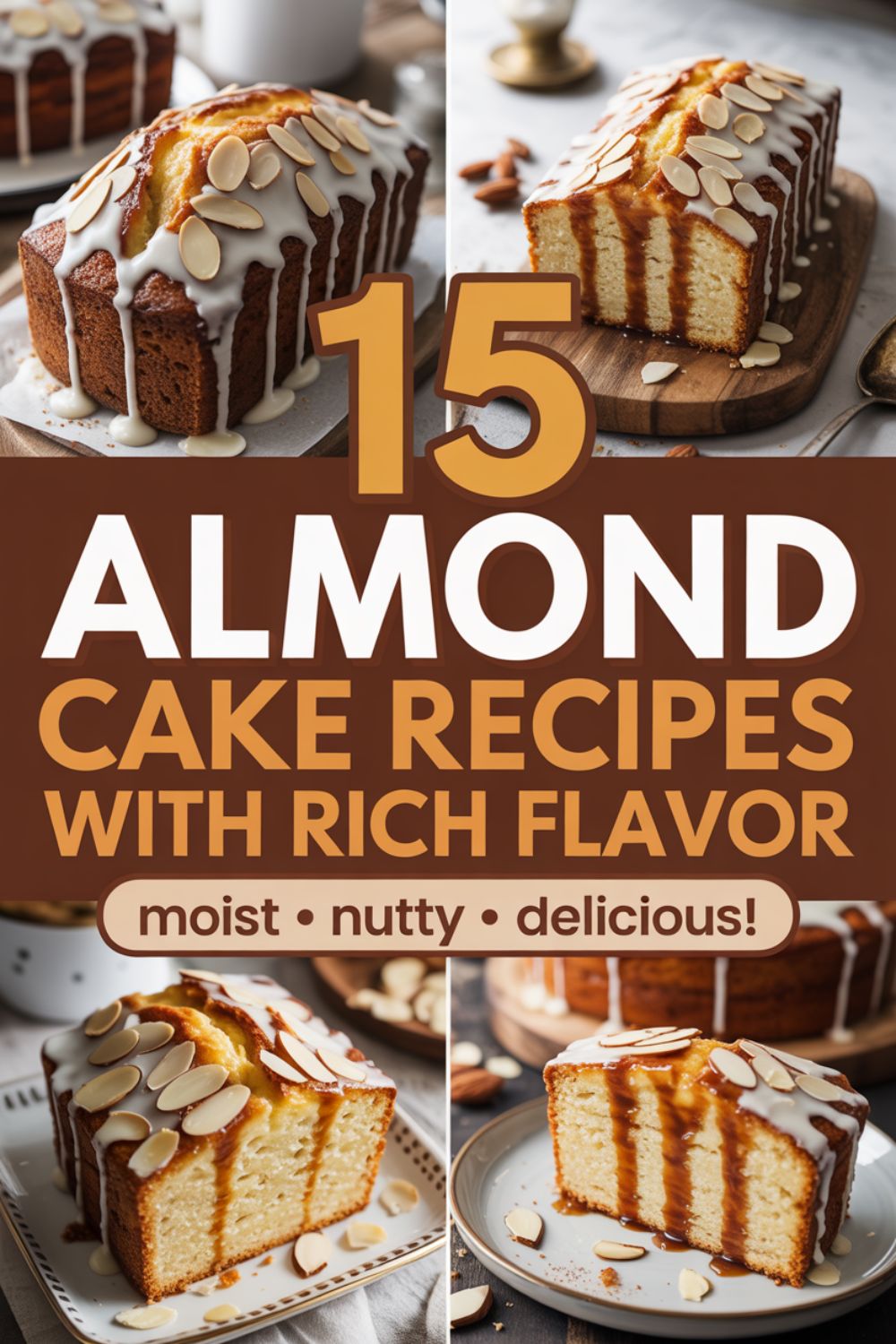
15 Almond Cake Recipes with Rich Flavor
Look, I’m not here to tell you that almond cakes are revolutionary or life-changing. But here’s the thing: they’re consistently good, weirdly forgiving when you mess up, and they’ve got this rich, buttery depth that regular cakes just can’t match. Plus, if you’re one of those people who accidentally buys a bag of almond flour and then stares at it for three months wondering what to do with it—well, you’re in the right place.
I’ve spent way too many weekends testing almond cake recipes, and honestly? Some of them blew my mind. Others were just… fine. But all of them share one thing in common: that unmistakable nutty richness that makes you reach for a second slice even when you’re absolutely stuffed.
Whether you’re gluten-free by choice or necessity, love the health benefits almonds bring to the table, or just want to bake something that feels a little more sophisticated than your standard yellow cake, these fifteen recipes have got you covered.
Why Almond Cakes Hit Different
Here’s what I’ve learned after baking more almond cakes than any reasonable person should: they’re secretly easier than traditional cakes. The almond flour brings moisture and fat naturally, which means you’re less likely to end up with that dry, crumbly disaster we’ve all experienced at bad birthday parties.
Almonds pack serious nutritional punch too. We’re talking healthy monounsaturated fats, vitamin E, magnesium, and protein. According to Harvard’s Nutrition Source, controlled studies show that nut intake can decrease inflammation and promote healthy blood vessels. Not that you need an excuse to eat cake, but it’s nice knowing your dessert isn’t completely devoid of redeeming qualities.
The texture thing is real, though. Almond flour behaves totally differently than all-purpose flour. It’s denser, fattier, and doesn’t have gluten to give it structure. That’s why almond cakes tend to be moister and more compact—in a good way. Think of it less like fluffy American layer cake and more like European tortes that are intentionally rich and dense.
Classic Almond Cake Recipes You’ll Actually Make
1. Simple French Almond Cake
This is the one that started my almond cake obsession. It’s basically impossible to screw up, requires one bowl, and tastes like you spent hours in a Parisian patisserie. The crumb is tight and moist, and the top gets this gorgeous golden crust that crackles slightly when you cut into it.
You’ll need almond flour, eggs, sugar, butter, and a splash of vanilla or almond extract. The key is whipping the eggs and sugar until they’re pale and fluffy—this is what gives the cake its structure since there’s no gluten to do the heavy lifting. A decent hand mixer makes this step way less annoying, though you can absolutely do it by hand if you’ve got the arm strength and patience.
What makes this cake stupidly versatile is that it’s a perfect base for literally anything. Berries, lemon curd, chocolate ganache, whipped cream—whatever you’ve got lying around works. Get Full Recipe.
2. Flourless Chocolate Almond Torte
If you’ve never made a flourless chocolate cake, you’re missing out on one of the easiest ways to look like a baking genius. This version uses almond flour to add structure and that subtle nutty flavor that plays perfectly with dark chocolate.
The trick here is quality chocolate. Like, actually good chocolate, not the chalky stuff from the baking aisle that’s been sitting there since 2019. I usually grab high-quality dark chocolate bars and chop them myself rather than using chips. The difference is noticeable.
This cake is ridiculously rich, so thin slices are your friend. Serve it with some unsweetened whipped cream to cut through the intensity. Looking for more chocolate inspiration? Check out these unique cake flavors that’ll surprise you.
3. Lemon Almond Olive Oil Cake
Olive oil in cake sounds weird until you try it. The fruitiness of good olive oil adds this complexity that butter just can’t match, and it keeps the cake incredibly moist for days. Combined with lemon zest and almond flour, you’ve got something that’s bright, nutty, and sophisticated without trying too hard.
Use a microplane grater for the lemon zest—those cheap box graters don’t get the oils out properly, and you’ll end up with bitter white pith. Zest directly over your mixing bowl so you don’t lose any of those precious oils.
This cake gets better on day two, which is rare in the baking world. The flavors meld together, and the texture becomes even more tender. Perfect for making ahead when you’ve got people coming over and don’t want to be stuck in the kitchen all day. Get Full Recipe.
4. Orange Blossom Almond Cake
Orange blossom water is one of those ingredients that sounds fancy but is actually dirt cheap and lasts forever. A tiny splash transforms a basic almond cake into something that tastes like it came from a Middle Eastern bakery. Just go easy on it—too much and your cake will taste like perfume.
I like topping this with pistachios and a drizzle of honey. It’s simple but looks impressive, which is exactly the kind of low-effort, high-impact dessert I’m always after. The combination of almonds, orange blossom, and honey creates these warm, floral notes that are perfect for spring or summer.
Speaking of making desserts look impressive without much work, these DIY wedding cake ideas use similar techniques on a larger scale.
5. Cardamom Almond Cake with Rose Water Glaze
Cardamom is criminally underused in American baking. It’s got this warm, slightly floral thing going on that pairs beautifully with almonds. For this cake, I grind whole cardamom pods in a spice grinder—the pre-ground stuff from the grocery store has usually lost most of its flavor and just tastes like dusty nothing.
The rose water glaze is optional but highly recommended. It’s just powdered sugar, a tiny bit of rose water, and enough milk to make it pourable. Drizzle it while the cake is still slightly warm so it soaks in a bit. The whole thing ends up tasting exotic and special without requiring any actual skill.
For more ways to add interesting flavors to your baking, check out these frosting recipes that’ll change your cake game.
Rustic and Simple Almond Cakes
6. Almond and Pear Cake
This is one of those recipes where the fruit sinks into the batter as it bakes, creating these pockets of jammy sweetness throughout. Pears and almonds are a classic combination, and for good reason—the subtle fruit flavor doesn’t compete with the nuttiness.
I use whatever pears I can find, though Bosc or Anjou work best because they hold their shape during baking. Slice them thin—like, really thin—and arrange them in overlapping circles on top before baking. It looks gorgeous and you barely have to try. Get Full Recipe.
If you’re into this kind of rustic, fruit-forward baking, these upside-down fruit cakes follow the same principle but with caramelized bottoms.
7. Honey Almond Cake
Honey instead of refined sugar makes this cake taste deeper and more complex. The honey flavor really comes through, so use one you actually like—not that generic bear-shaped bottle, but something from a farmers market or a decent grocery store that actually tastes like something.
The texture is a bit stickier and more moist than sugar-based cakes, which I personally love. It also means this cake stays fresh longer. Store it covered at room temperature, and it’ll still be good four or five days later. Honestly, this is the kind of cake you eat for breakfast with coffee and feel only slightly guilty about.
By the way, if you’re interested in using natural sweeteners more often, these naturally sweetened cake recipes are worth exploring.
8. Rustic Almond and Fig Cake
Fresh figs are only around for about five minutes a year, but when they’re in season, this cake is worth making. The figs get all jammy and concentrated, and their slight graininess plays well with the almond flour texture.
Don’t have fresh figs? Dried ones work too, though you’ll want to soak them in warm water for twenty minutes first to soften them up. Chop them roughly and fold them into the batter. It won’t be quite the same as fresh, but it’s still really good and means you can make this year-round.
I usually finish this with a drizzle of balsamic reduction, which sounds pretentious but takes five minutes and adds this sweet-tart complexity that elevates the whole thing.
Almond Cakes for Special Occasions
9. Layered Almond Cake with Buttercream
Almond cake layers are sturdier than regular cake, which makes them easier to work with if you’re attempting anything multi-tiered. The density means they don’t crumble apart when you’re trying to frost them, and they can support heavier frostings without collapsing.
For the buttercream, I go classic American style—butter, powdered sugar, vanilla, and a splash of cream to thin it out. You can add almond extract if you want to double down on the flavor, but honestly, the cake itself has enough almond going on. Use a offset spatula for smooth frosting—it’s way easier than trying to do it with a butter knife.
This is the cake to make when you need something that looks impressive. Stack two or three layers, frost it smooth, and you’re done. No fancy decorating skills required. If you need inspiration for what to put on top, these frosting recipes have some solid ideas.
10. Almond Cake with Berries and Cream
Sometimes simple is better. This is just a single-layer almond cake topped with whipped cream and whatever berries look good at the market. It’s elegant without being fussy, and the tart berries cut through the richness of the cake perfectly.
For the whipped cream, add a tablespoon of powdered sugar and a splash of vanilla. That’s it. Don’t overwhip it—you want soft peaks, not butter. I use a cold metal bowl for whipping cream because it keeps everything chilled and makes the whole process faster and more stable.
Arrange the berries however you want—there’s no wrong way to do it. Pile them all in the center, scatter them around, make concentric circles if you’re feeling geometric. It’ll look beautiful regardless. Get Full Recipe.
If you’re vibing with this fresh-and-simple approach, these party cakes take it to the next level for larger gatherings.
11. Glazed Almond Bundt Cake
Bundt pans are criminally underrated. The shape is inherently elegant, you don’t need to frost anything, and that center hole means the cake bakes evenly without any weird raw spots in the middle. For almond cake, which is already dense, a bundt pan is perfect.
The key to bundt success is greasing the pan like your life depends on it. I use baking spray with flour and get into every single crevice. Missing even one spot means your cake will stick, and there’s nothing more heartbreaking than a beautiful cake that breaks apart when you try to unmold it.
For the glaze, I do a simple powdered sugar and milk situation, sometimes with a little almond extract. Pour it over while the cake is still warm so it soaks in and creates this glossy, slightly crunchy coating. These bundt cake recipes have variations if you want to get creative with the glaze.
Quick and Easy Almond Cakes
12. One-Bowl Almond Snack Cake
This is my go-to when I want cake but don’t want to deal with a bunch of dishes. Everything goes into one bowl, you stir it together, dump it in a pan, and bake. Done. It’s not going to win any beauty contests, but it tastes great and takes about ten minutes of actual work.
The texture is more casual than the fancy French version—think coffee cake vibes rather than elegant torte. Perfect for eating straight out of the pan while standing at the counter at 10 PM wondering where your life is going. No judgment here.
This falls into the same category as these everyday snack cakes—simple, reliable, and exactly what you need when you need it.
13. Mini Almond Cakes
Sometimes you don’t need a whole cake. Mini versions are great for portion control (if you have that kind of willpower), for serving at parties, or just because they’re cute and bake faster. I use a mini cake pan or a muffin tin—both work fine.
The bake time drops significantly when you go mini. Start checking for doneness at the twelve-minute mark instead of waiting the full thirty. A toothpick should come out with just a few moist crumbs, not wet batter, but also not completely dry.
These are perfect for testing out new flavor combinations without committing to a whole cake. Want to try lavender? Make a few minis first. Hate it? Well, you’ve only wasted twelve minutes and a cup of batter instead of ruining a full cake. Get Full Recipe.
For more individual-sized ideas, check out these mini cake recipes that work for any occasion.
14. Almond Coffee Cake
Coffee cake is already perfect, and adding almond flour makes it even better. The crumb topping gets extra crunchy, and the cake itself is more tender and flavorful. This is breakfast cake, which is the best kind of cake because you can eat it guilt-free before noon.
I go heavy on the cinnamon in the streusel topping—like, noticeably heavy. The warmth of cinnamon plays beautifully with the nuttiness of the almonds. Almonds are loaded with vitamin E and healthy fats, so you’re practically eating health food. That’s my story and I’m sticking to it.
For other morning-appropriate cakes, these breakfast cake recipes are all worth trying.
Creative Almond Cake Variations
15. Almond Cake with Chocolate Ganache
Chocolate and almonds are a classic combination for a reason. This cake is straightforward—basic almond cake topped with a thick layer of chocolate ganache. The ganache is just chocolate and cream heated together until smooth, which sounds fancy but is actually easier than making boxed pudding.
Use good chocolate here too. The ganache is literally two ingredients, so quality matters. Heat your cream until it’s just simmering, pour it over chopped chocolate, let it sit for a minute, then stir until it’s glossy and smooth. If it seems too thick, add more cream. Too thin? Let it cool longer.
Pour the ganache over the cooled cake and let gravity do the work. It’ll slowly drip down the sides and pool at the bottom, creating that professional-looking drip effect without any skill required. Finish with some sliced almonds on top if you want to get fancy.
Speaking of chocolate pairings, these classic chocolate chip cookies use similar flavor principles.
Tools and Ingredients That Actually Matter
Here’s the thing about almond flour: not all brands are created equal. Some are super fine and almost powdery, others are coarser and more like almond meal. For cakes, you want the fine stuff. It creates a smoother texture and integrates better with the other ingredients.
I buy mine in bulk from wholesale retailers because buying those tiny bags from the baking aisle will bankrupt you. A three-pound bag will last months if you store it properly in the freezer. Yeah, it takes up freezer space, but so does that bag of mystery meat you’ve been ignoring for six months.
For mixing, you really don’t need anything fancy. A decent hand mixer is more than enough for most of these recipes. Stand mixers are great if you have one, but they’re not necessary unless you’re making huge batches or your arm muscles have the consistency of overcooked pasta.
Parchment paper is non-negotiable. I line every pan, every time. It takes thirty seconds and prevents so much heartache. Those pre-cut parchment rounds are worth it if you bake frequently—no more tracing pan bottoms and cutting out wonky circles.
The Science-ish Part About Almond Flour
Without getting too nerdy, almond flour behaves differently because it lacks gluten. Gluten is what gives regular cakes their structure and springiness. According to King Arthur Baking, almond flour creates tenderness but doesn’t provide the same rise or structure as wheat flour.
That’s why almond cake recipes usually call for more eggs than traditional cakes. The eggs provide structure and help the cake rise. Don’t try to reduce the eggs or use substitutes unless the recipe specifically says you can—you’ll end up with a flat, dense brick instead of a cake.
The high fat content in almonds is both a blessing and a curse. It keeps cakes moist and tender, but it also means they brown faster. Lower oven temperatures and longer baking times are common in almond flour recipes. If your cake is browning too quickly on top, tent it with foil for the last fifteen minutes of baking.
Common Almond Cake Mistakes (That I’ve Definitely Made)
Overmixing is enemy number one. Once you add the almond flour to wet ingredients, mix just until combined. Overmixing knocks out air and makes the cake dense and heavy in a bad way. It’s supposed to be dense and rich, not dense and lead-weight-esque.
Using old almond flour is another common problem. Smell it before using—it should smell fresh and slightly sweet, like almonds. If it smells musty, bitter, or like nothing at all, it’s gone bad. Rancid almond flour will make your cake taste like sadness and regret. Just throw it out and start fresh.
Not greasing your pan properly is a rookie mistake that will haunt you. Even if the recipe says it’s optional, do it anyway. Almond cakes are stickier than regular cakes, and you want every advantage you can get when it comes to unmolding.
Cutting the cake while it’s still warm seems tempting, but resist. Almond cakes need time to set and firm up as they cool. Cutting too early means you’ll end up with a crumbly mess instead of clean slices. Wait at least twenty minutes, preferably longer.
Meal Prep Essentials for Almond Cake Baking
If you’re serious about making almond cakes regularly, having the right stuff on hand makes everything easier. I always keep high-quality almond flour in my freezer, along with vanilla extract that’s actually made from real vanilla beans, not whatever chemical approximation they’re selling in the baking aisle.
A good digital kitchen scale is worth it if you bake frequently. Almond flour is particularly finicky when it comes to measuring by volume—the weight can vary significantly depending on how packed it is. Weighing ingredients is more accurate and will give you consistent results every time.
Here are some digital resources that have been genuinely helpful: online conversion calculators for adapting recipes, temperature conversion charts (because not everyone uses Fahrenheit), and substitution guides for when you’re missing an ingredient. Most of these are free and easily accessible with a quick search.
If you’re part of a baking community or group chat, those are invaluable for troubleshooting in real-time. Someone’s always made the same mistake you’re about to make and can warn you off it. Community knowledge beats any recipe book.
Making Almond Cakes Actually Work for Your Life
The best part about almond cakes is that most of them store really well. They stay moist for days because of the fat content in the almonds. Keep them covered at room temperature for three to four days, or refrigerate them if your kitchen is hot and you’re worried about spoilage.
They also freeze beautifully. Wrap individual slices in plastic wrap, then put them in a freezer bag. Pull out a slice whenever you want dessert, let it thaw for thirty minutes, and you’ve got instant cake. It’s dangerously convenient.
For bringing to potlucks or events, almond cakes are perfect because they transport well and don’t require refrigeration (in most cases). They’re sturdy enough to survive being tossed in the backseat of your car without turning into a pile of crumbs.
If you’re gluten-free and tired of explaining your dietary restrictions at every social gathering, bringing an almond cake means you know there’s at least one dessert you can eat. Plus, they’re good enough that non-gluten-free people will actually want them too, which solves the awkward “I made a special gluten-free thing that nobody wants to try” problem.
Looking for ways to make these cakes more elaborate without adding difficulty? These one-bowl cake recipes show how simplicity doesn’t mean boring.
Real Talk About Using Boxed Cake Mix
Look, there’s no shame in the boxed cake mix game. I know we’re talking about almond cakes made from scratch, but if you want to hack a box mix by adding almond flour or almond extract, go for it. These cake mix recipes show you how to make boxed mix taste homemade.
You can also find gluten-free boxed mixes now that work as a base for almond-forward cakes. Add some almond flour to the mix, throw in some extract, maybe fold in some chopped almonds, and suddenly you’ve got something that tastes way more interesting than straight-from-the-box.
The cake mix hacks article has some clever ideas for elevating basic mixes into something that’ll actually impress people.
Frequently Asked Questions
Can I substitute almond flour for regular flour in any cake recipe?
Not exactly. Almond flour is denser and lacks gluten, so it won’t work as a direct 1:1 swap in most recipes. You’ll need recipes specifically designed for almond flour, or you can try substituting about 25% of the regular flour with almond flour in traditional recipes. Going beyond that usually requires significant adjustments to liquid ratios and other ingredients.
Why did my almond cake turn out dense and heavy?
Almond cakes are naturally denser than regular cakes, but if yours is excessively heavy, you probably overmixed the batter or didn’t whip enough air into the eggs. Make sure you’re beating the eggs and sugar until they’re pale and fluffy, and fold in the dry ingredients gently. Also check that your baking powder or baking soda isn’t expired—old leavening agents won’t give you any rise.
How long do almond cakes stay fresh?
Thanks to the high fat content from the almonds, these cakes stay moist for 3-4 days at room temperature when stored in an airtight container. They’ll last about a week in the fridge, and they freeze perfectly for up to three months. Just make sure everything’s wrapped well to prevent freezer burn.
What’s the difference between almond flour and almond meal?
Almond flour is made from blanched almonds with the skins removed, then ground very fine. It’s lighter in color and has a smoother texture. Almond meal includes the skins and is more coarsely ground, giving it a darker color and grainier texture. For cakes, almond flour generally works better because it creates a finer crumb.
Can I make these cakes dairy-free?
Most almond cake recipes adapt easily to dairy-free versions. Swap butter for coconut oil or a good plant-based butter, and use a non-dairy milk if the recipe calls for it. The almond flour itself is naturally dairy-free, so you’re already halfway there. Just check that any mix-ins or toppings you’re using don’t contain dairy.
Final Thoughts
Almond cakes aren’t going to solve all your problems, but they might solve your “what should I bake this weekend” problem. They’re forgiving, they taste good, and they’re different enough from standard cakes to feel interesting without being so weird that people won’t eat them.
Start with the simple French version if you’re new to almond flour baking. Once you get the hang of how the texture and moisture work, you can branch out into the more creative variations. But honestly, even the most basic almond cake is pretty great on its own.
The beauty of these recipes is that they’re flexible. Don’t have the exact pan size? Use what you’ve got and adjust the time. Want to add different spices or extracts? Go for it. Almond flour is forgiving enough that minor tweaks won’t ruin everything.
So grab a bag of almond flour, stick it in your freezer, and next time you’re wondering what to bake, you’ll have options. Whether you want something elegant for a dinner party, a simple snack cake for Tuesday afternoon, or a showstopping layered creation, there’s an almond cake here that’ll work. And honestly, that’s all any of us really need.
Similar Posts
20 Buttercream Flavor Variations That’ll Make Your Cakes Unforgettable
20 Buttercream Flavor Variations That’ll Make Your Cakes Unforgettable 20 Buttercream Flavor Variations That’ll Make Your Cakes Unforgettable Let’s be honest—plain vanilla buttercream is fine, but it’s not exactly stopping anyone in their tracks at the dessert table. You know what does? A silky brown butter buttercream that tastes like autumn decided to throw a…
15 Quick & Easy Mug Cake Recipes
15 Quick & Easy Mug Cake Recipes 15 Quick & Easy Mug Cake Recipes Look, I get it. It’s 9 PM, you’re craving something sweet, and the last thing you want to do is preheat an oven, pull out mixing bowls, and commit to baking an entire cake. That’s where mug cakes swoop in to…
15 Drip Cake Decorating Ideas That’ll Make You Look Like a Pro
15 Drip Cake Decorating Ideas That’ll Make You Look Like a Pro 15 Drip Cake Decorating Ideas That’ll Make You Look Like a Pro So you want to make a drip cake that doesn’t look like your frosting had a meltdown? I get it. The first time I attempted a drip cake, I ended up…
20 Cakes You Can Make Without an Oven
20 Cakes You Can Make Without an Oven – No-Bake Dessert Heaven 20 Cakes You Can Make Without an Oven Look, I get it. Your oven just died, you’re living in a dorm with a microwave and a mini-fridge, or maybe you just can’t be bothered to preheat anything on a sweltering summer day. Whatever…
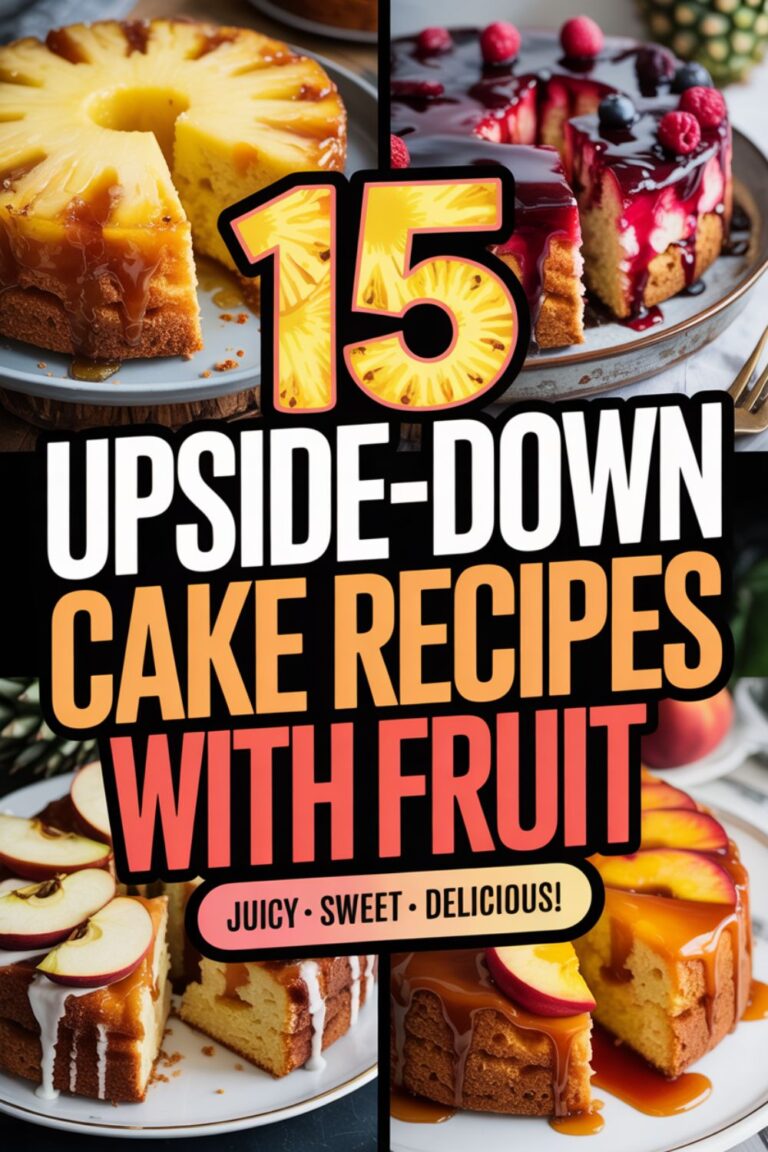
15 Upside-Down Cake Recipes with Fruit That’ll Make You Flip
15 Upside-Down Cake Recipes with Fruit That’ll Make You Flip 15 Upside-Down Cake Recipes with Fruit That’ll Make You Flip Look, I’ll be honest with you—upside-down cakes don’t get nearly enough love these days. Everyone’s obsessed with towering layer cakes covered in buttercream, but here’s the thing: those require serious decorating skills and patience I…
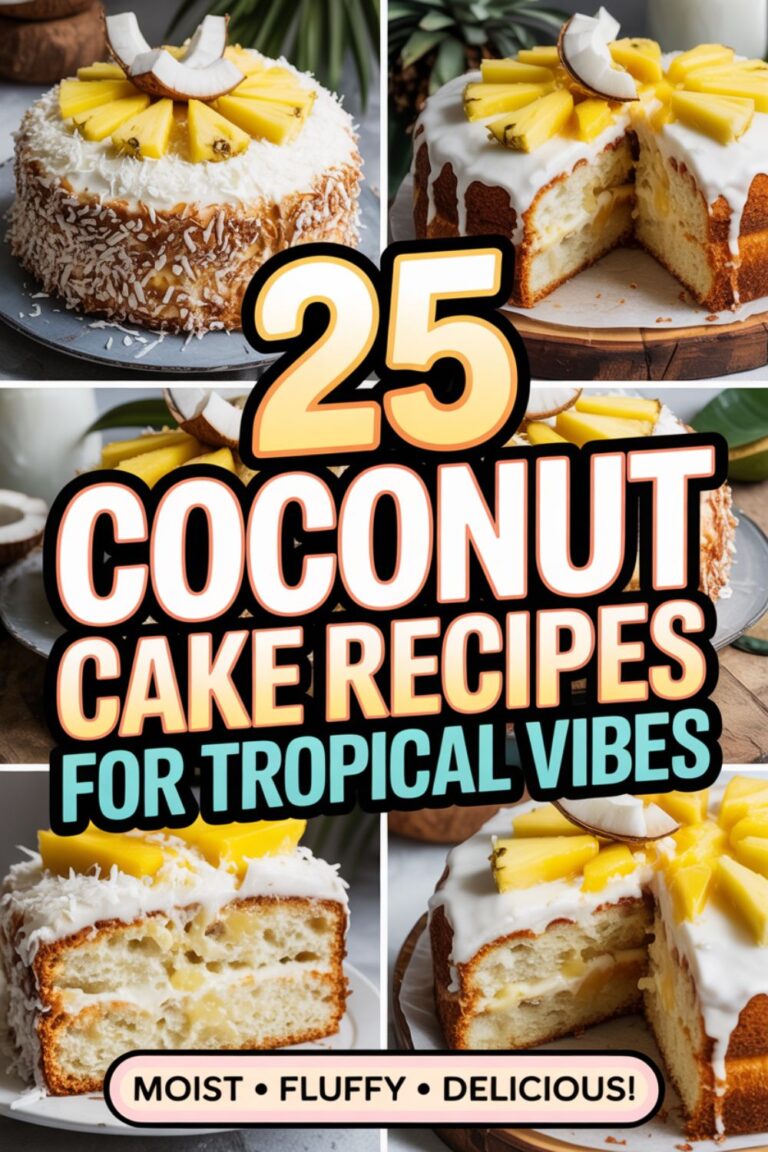
25 Coconut Cake Recipes for Tropical Vibes
25 Coconut Cake Recipes for Tropical Vibes – Purely Plateful 25 Coconut Cake Recipes for Tropical Vibes From classic layers to island-inspired creations that’ll transport you straight to paradise Look, I’m not saying coconut cake is the answer to all your problems, but have you ever seen someone frowning while eating a slice of fluffy,…