
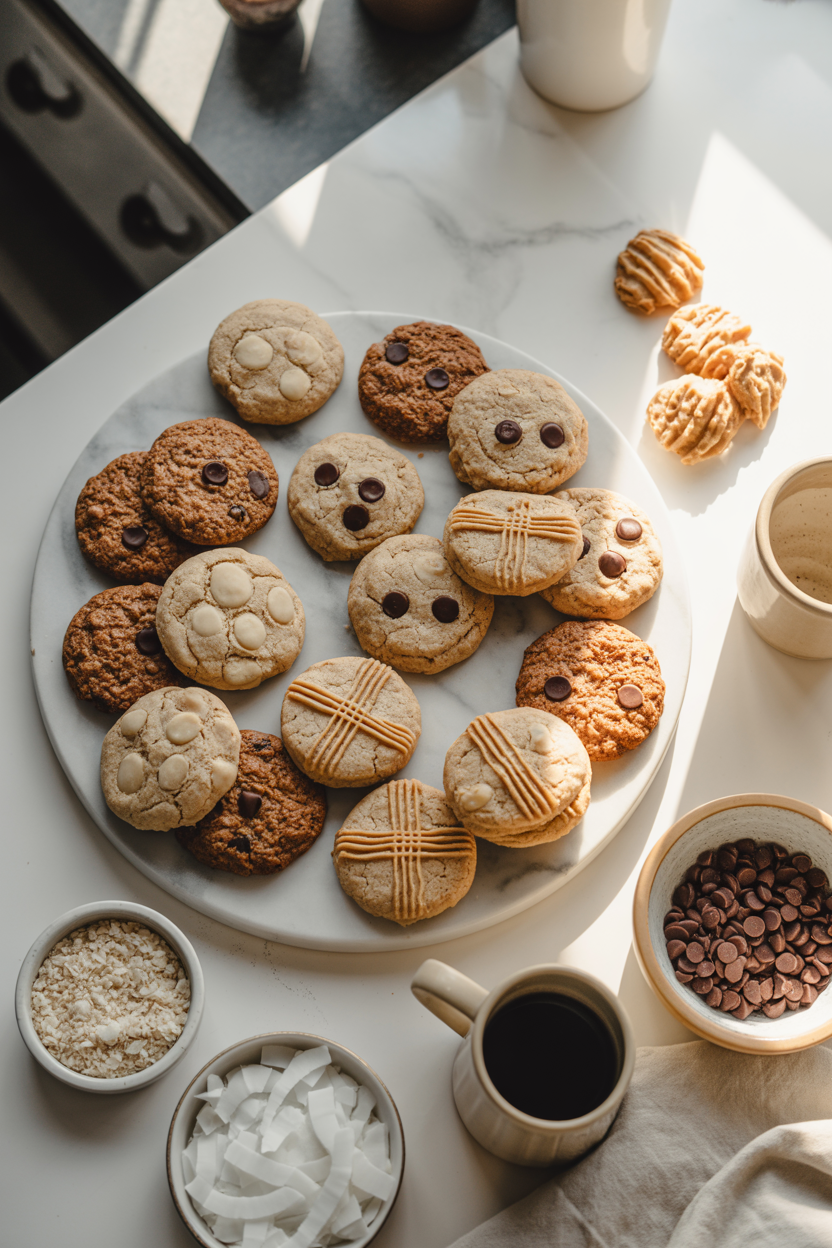
12 Low-Sugar Cookies for Guilt-Free Snacking
Here’s the thing about cookies: they’ve gotten a bad rap. Everyone acts like eating one will immediately send your blood sugar into orbit and add five pounds to your hips. But what if I told you that cookies don’t have to be sugar bombs? What if you could actually enjoy a cookie without the guilt, the crash, or the regret?
Low-sugar cookies aren’t diet food. They’re not sad, cardboard-flavored compromises that make you wish you’d just eaten an apple. When done right, they’re legitimately delicious treats that happen to be kinder to your body. No deprivation, no feeling like you’re missing out—just smart baking that uses natural sweeteners, whole ingredients, and a little creativity.
Why Low-Sugar Cookies Actually Make Sense
Let’s get real about sugar for a second. According to Harvard Health, consuming too much added sugar raises blood pressure and increases chronic inflammation, both of which are direct pathways to heart disease. The average American eats about 17 teaspoons of added sugar daily—way more than the recommended limit.
But here’s what matters for cookie lovers: you don’t need mountains of sugar to make cookies taste good. Sugar provides sweetness, yes, but it also affects texture, moisture, and browning. The trick is finding alternatives that do the same job without spiking your blood glucose levels.
Natural sweeteners like honey, maple syrup, and dates bring sweetness plus actual nutrients. Bananas and applesauce add moisture and subtle sweetness. Even reducing regular sugar by half in most recipes still produces delicious cookies—your taste buds adjust faster than you’d think.
The best part? Low-sugar cookies often keep you satisfied longer. Without the sugar crash that follows traditional cookies, you’re less likely to reach for another snack an hour later. It’s not magic, just better fuel for your body.
Almond Flour Chocolate Chip Cookies
Starting with a classic because these are shockingly good. Almond flour brings natural sweetness and richness, meaning you need way less added sugar than traditional recipes. The texture is slightly different—more tender and delicate—but in the best way possible.
These use maybe a quarter cup of coconut sugar for an entire batch. That’s nothing compared to the cup or more in standard recipes. The chocolate chips provide sweet hits without overwhelming the cookie itself. Use dark chocolate chips with at least 70% cocoa—they’re naturally lower in sugar and taste more sophisticated. Get Full Recipe.
I keep almond flour in my freezer because it goes rancid faster than regular flour. Buying it in bulk saves money, and frozen almond flour works perfectly in baking—just measure it cold.
Peanut Butter Banana Cookies
Three ingredients. Seriously. Mashed banana, peanut butter, and oats. No added sugar whatsoever, and these still taste like dessert. The banana provides natural sweetness and acts as a binder, while peanut butter adds richness and protein.
The key is using very ripe bananas—the kind with brown spots all over. They’re sweeter and mash more easily. Mix everything together, plop spoonfuls onto a baking sheet, and twenty minutes later you’ve got cookies. Add a handful of dark chocolate chips if you want them fancier.
These are excellent for breakfast, FYI. Protein from the peanut butter, complex carbs from the oats, and natural sugars from the banana create a balanced start to your day. Not that I’m officially recommending cookies for breakfast, but you’re an adult.
Coconut Macaroons with Stevia
Coconut macaroons are naturally low in sugar if you use stevia or monk fruit sweetener. The coconut itself brings flavor and texture, so you don’t need much sweetness to make these work. They’re chewy, intensely coconutty, and naturally gluten-free.
I use egg whites to bind these—three egg whites whipped with a bit of stevia, folded with unsweetened shredded coconut. Bake them until golden, and you’ve got cookies that taste indulgent but won’t mess with your blood sugar.
The trick with stevia is not overdoing it. Too much gives you a weird, almost metallic aftertaste. Start with less than you think you need—you can always add a tiny bit more, but you can’t take it away once it’s mixed in.
For more coconut-based treats, you might enjoy these coconut energy balls or this coconut flour bread.
Oatmeal Walnut Cookies
Oats are your secret weapon in low-sugar baking. They’re naturally sweet, filling, and have a low glycemic index compared to refined flour. These cookies use just a touch of maple syrup—maybe two tablespoons for a whole batch—and the oats carry the rest.
Toast your walnuts before adding them. Five minutes in a mini toaster oven transforms them from bland to rich and almost buttery. The combination of hearty oats and crunchy walnuts creates serious texture and keeps you satisfied way longer than regular cookies.
Add cinnamon and a pinch of salt. The cinnamon amplifies the perception of sweetness without actually adding sugar, and salt makes all the other flavors pop. It’s basic flavor science that makes a huge difference.
Chocolate Avocado Cookies
Before you make that face, hear me out. Avocado replaces butter in these cookies, bringing healthy fats and a ridiculously fudgy texture. You cannot taste the avocado. I promise. What you taste is rich, chocolatey deliciousness that happens to be much lower in sugar than regular chocolate cookies.
Use ripe avocados—they should give slightly when squeezed. Mash them smooth, mix with cocoa powder and a bit of honey, add some oats and a flax egg, and you’ve got cookie dough. The result is dense, almost brownie-like, and satisfying as hell.
These have about half the sugar of regular chocolate cookies, plus you’re getting fiber, potassium, and healthy monounsaturated fats. Actual nutritional benefits from cookies. What a concept.
Lemon Poppy Seed Cookies
Bright, citrusy, and naturally light on sugar. Lemon zest provides intense flavor without sweetness, so you need very little actual sugar to make these taste complete. A tablespoon of honey plus the natural oils from lemon zest creates plenty of flavor.
The poppy seeds add a nice crunch and visual interest. These cookies are delicate, almost shortbread-like, and feel fancy without requiring any special skills. They’re excellent with tea or coffee, and they make you look like you know what you’re doing in the kitchen.
Use a microplane grater for the lemon zest. It creates the finest, most flavorful zest without any of the bitter white pith underneath. Game changer for any recipe involving citrus.
Speaking of citrus flavors, also try these orange almond biscotti or this lemon chia seed pudding.
Spiced Apple Oat Cookies
Grated apple adds moisture and natural sweetness, eliminating the need for much added sugar. Mix it with oats, cinnamon, nutmeg, and just a touch of maple syrup, and you’ve got cookies that taste like apple pie.
The apple breaks down as the cookies bake, creating little pockets of concentrated apple flavor throughout. Use Granny Smith or Honeycrisp apples—they have more flavor and less wateriness than softer varieties like Red Delicious.
These smell incredible while baking. Like, your whole house will smell like fall in the best possible way. They’re soft, chewy, and substantial enough to actually fill you up. One or two cookies is genuinely satisfying, not the beginning of eating half the batch.
Tahini Date Cookies
Dates are nature’s candy. They’re intensely sweet, but they come with fiber that slows sugar absorption. Blended into cookie dough, they provide all the sweetness you need without any refined sugar. Tahini adds nutty richness and healthy fats.
Soak your dates in hot water for ten minutes to soften them, then blend them into a paste. Mix with tahini, a bit of almond flour, and some baking soda. The cookies come out chewy, slightly savory, and completely unique.
Fair warning: cheap tahini is bitter. Invest in good quality tahini from a Middle Eastern market or specialty store. The difference in taste is dramatic, and these cookies deserve the upgrade.
Dark Chocolate Espresso Cookies
Coffee amplifies chocolate flavor, meaning you need less chocolate and less sugar to get the same impact. These cookies use espresso powder, a small amount of dark cocoa powder, and minimal coconut sugar—maybe three tablespoons for an entire batch.
The espresso powder also gives these a slight caffeine kick, making them perfect afternoon pick-me-ups. They’re intense, sophisticated, and taste way more decadent than their sugar content suggests. I use Dutch-processed cocoa powder for the deepest chocolate flavor.
Don’t overbake these. Pull them when they look slightly underdone in the center. They’ll firm up as they cool but stay fudgy and intense. Overbaked chocolate cookies are a tragedy.
If you’re into coffee-flavored treats, check out these espresso brownies or this mocha overnight oats recipe.
Coconut Flour Lemon Cookies
Coconut flour is incredibly absorbent and naturally low-carb, making it perfect for low-sugar cookies. These need only a tablespoon or two of honey because the lemon juice and zest provide so much flavor. They’re light, fluffy, and almost cake-like.
The trick with coconut flour is using enough eggs and liquid. It sucks up moisture like crazy, so recipes that work for regular flour don’t translate directly. Follow coconut flour recipes exactly as written until you understand how it behaves.
These cookies are also naturally gluten-free if that matters to you. They’re delicate and crumbly, so handle them gently while they’re warm. Once cooled, they firm up nicely.
Cinnamon Pecan Cookies
Pecans bring natural sweetness and butteriness that reduces the need for added sugar. Toast them first—this is non-negotiable. Raw pecans are fine, but toasted pecans are spectacular. The difference is night and day.
Use a food processor to grind some of the pecans into flour, then chop the rest coarsely for texture. Mix with a bit of almond flour, cinnamon, and just enough maple syrup to bind everything together. The result is rich, nutty, and warming from the cinnamon.
These have maybe two tablespoons of maple syrup for the whole batch. The pecans are doing most of the heavy lifting flavor-wise. Add a pinch of salt to make everything pop, and you’ve got cookies that taste like you tried way harder than you actually did.
Pumpkin Spice Cookies
Canned pumpkin puree adds moisture, subtle sweetness, and actual nutrients to cookies. Mix it with warming spices, a bit of almond flour, and minimal sweetener, and you’ve got fall in cookie form. These are soft, cake-like, and comforting.
Use pure pumpkin puree, not pumpkin pie filling. The filling has added sugar and spices, which defeats the purpose. Plain pumpkin lets you control exactly how much sweetener goes in—usually about two tablespoons of maple syrup for a full batch.
These freeze beautifully. Make a big batch in fall, freeze half, and you’ve got cookies ready whenever you want them. Let them thaw at room temperature for about twenty minutes, and they taste freshly baked.
For more pumpkin recipes, try these pumpkin protein muffins or this pumpkin spice smoothie.
The Real Benefits of Cutting Sugar
Let’s talk about what actually happens when you reduce sugar in your diet. Research indicates that high sugar consumption contributes to weight gain, increases inflammation, and raises the risk of heart disease and diabetes. But the benefits of cutting back go beyond just disease prevention.
You’ll notice more stable energy levels. No more mid-afternoon crashes that make you want to nap under your desk. Your taste buds adjust within a couple weeks, and naturally sweet foods like fruit start tasting sweeter. Foods that used to taste normal start tasting too sweet.
Your mood stabilizes too. Sugar spikes and crashes affect neurotransmitters, creating a cycle of highs and lows that impact your emotional state. Level out your blood sugar, and your mood levels out too. It’s not magic—it’s just biochemistry.
Sleep improves. Sugar close to bedtime can interfere with sleep quality, keeping you in lighter sleep stages instead of deep, restorative sleep. Cut the evening sugar, and you might find yourself sleeping better without changing anything else.
Kitchen Tools That Make Low-Sugar Baking Easier
You don’t need much, but a few tools make the process smoother. A digital kitchen scale is incredibly helpful for alternative flours, which behave differently depending on how you measure them. Weight is always accurate.
A good blender matters for recipes using dates or other whole-food sweeteners. You need to blend them completely smooth, or you’ll get weird chunks in your cookies. I use a high-powered blender that makes quick work of even tough dates.
Silicone baking mats prevent sticking without needing grease. Low-sugar cookies sometimes stick more than regular cookies because sugar caramelizes and creates release. Silicone mats solve this problem entirely.
A cookie scoop keeps portions consistent, which matters more with low-sugar recipes. They’re already lower in calories and sugar, but even spacing ensures even baking and helps with portion control if that’s your goal.
Common Mistakes in Low-Sugar Baking
Using artificial sweeteners in a 1:1 ratio. Most sugar substitutes are sweeter than sugar, meaning you need less. Follow package directions for conversions, or your cookies will taste weirdly sweet and potentially have a chemical aftertaste.
Not adjusting for moisture. Sugar attracts and holds moisture in baking. Remove it, and your cookies might dry out. Add moisture back through ingredients like mashed banana, applesauce, or an extra egg.
Expecting the exact same texture. Sugar affects texture—it creates crispness, chewiness, and browning. Low-sugar cookies will have slightly different textures. They’re not worse, just different. Embrace it instead of fighting it.
Overbaking because they don’t brown as much. Reduced sugar means reduced browning. Your cookies might look paler when they’re done. Pull them when the edges are set, not when they’re golden brown like traditional cookies.
Giving up too soon. Your palate needs time to adjust. The first batch might taste less sweet than you’re used to. Give it a few weeks of reduced sugar intake, and your taste buds recalibrate. Foods you used to love might start tasting too sweet.
Are Natural Sweeteners Actually Better?
This depends on who you ask and what you’re comparing. Honey, maple syrup, and dates contain trace minerals and antioxidants that white sugar doesn’t. They’re marginally more nutritious, but they’re still sugar—your body processes them similarly.
The real advantage is that natural sweeteners often come packaged with fiber or are used in smaller amounts. A date cookie requires dates to be eaten whole, bringing their fiber along for the ride. That fiber slows sugar absorption, preventing the blood sugar spike you’d get from pure white sugar.
Natural sweeteners also tend to have stronger flavors, meaning you can use less and still get plenty of sweetness. A tablespoon of molasses tastes more intense than a tablespoon of white sugar. You get more bang for your buck, flavor-wise.
But don’t fall for the “it’s natural so it’s unlimited” trap. Honey is still sugar. Maple syrup is still sugar. Agave nectar is mostly fructose and arguably worse than regular sugar in some ways. Use them thoughtfully, not recklessly.
Related Recipes You’ll Love
Looking for more healthier treat options? Here are some recipes that complement your low-sugar cookie journey:
More Low-Sugar Treats:
- Sugar-free energy bites
- Naturally sweetened granola bars
Healthy Snack Options:
- Protein-packed snack collection
- No-bake treats
Complete Guides:
- Natural sweetener substitution guide
- Healthy dessert collection
Conclusion
Low-sugar cookies aren’t punishment. They’re not what you eat when you’re being “good” so you can earn the right to eat “real” cookies later. They’re just cookies made with more intention and better ingredients.
You don’t have to give up sweetness or pleasure to take care of your body. You just have to be a little more thoughtful about where that sweetness comes from. Natural sweeteners, ripe fruit, and quality chocolate can create cookies that satisfy your cravings without the guilt or the crash.
Start with one recipe that sounds good. Try the three-ingredient peanut butter banana cookies if you want something ridiculously simple, or go for the almond flour chocolate chip cookies if you want something that feels more traditional. See how your body responds to lower sugar intake over a couple weeks.
You might discover that you feel better—more energy, more stable mood, better sleep. Or you might just discover that you can have your cookie and eat it too, without the side effects that come from sugar overload. Either way, these recipes prove that low-sugar doesn’t mean low-flavor.
So grab your almond flour, pick your favorite natural sweetener, and start baking. Your taste buds will adjust, your body will thank you, and you’ll never feel guilty about reaching for a cookie again. Because these cookies? They’re made for enjoying, not regretting.